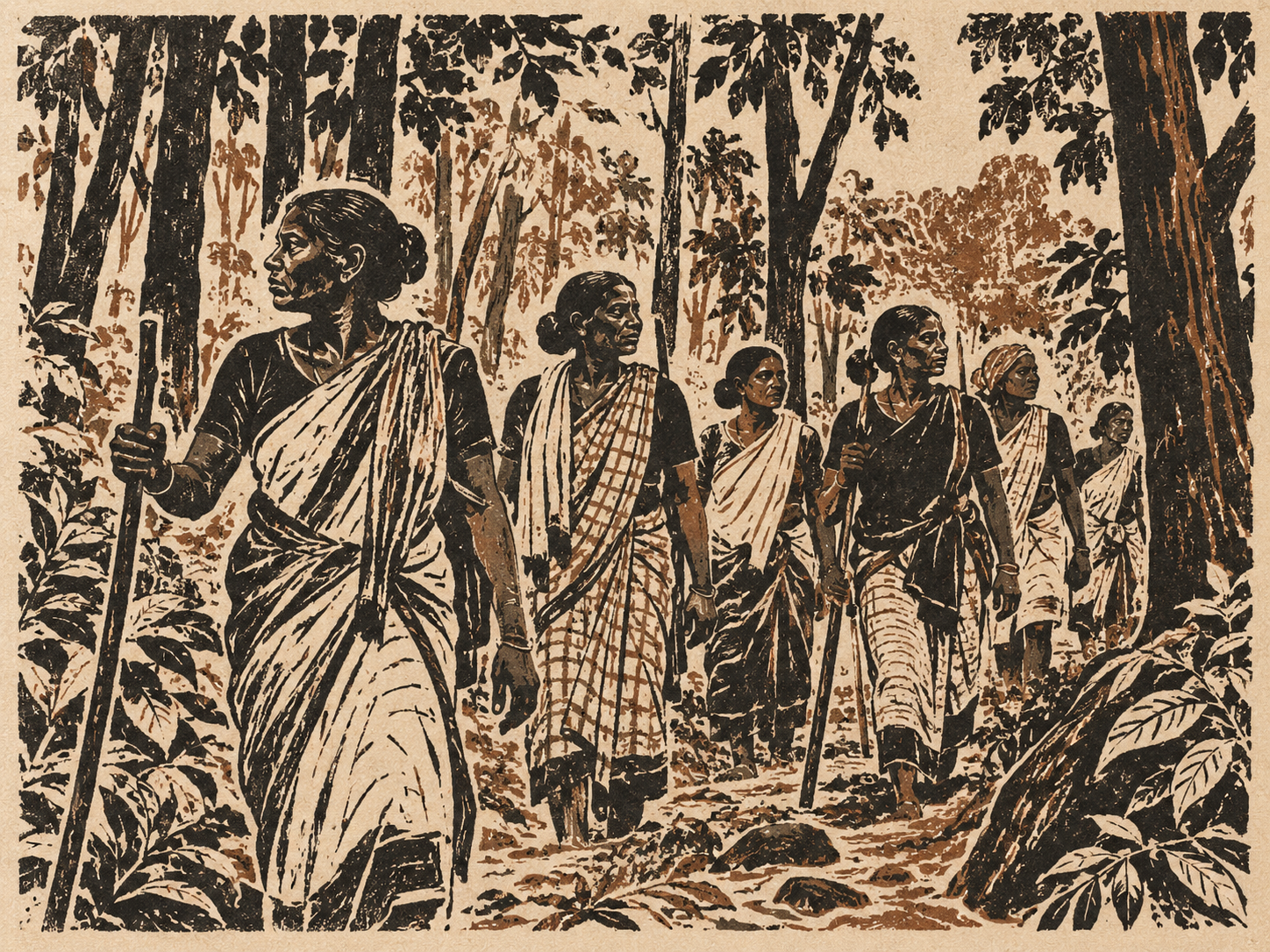
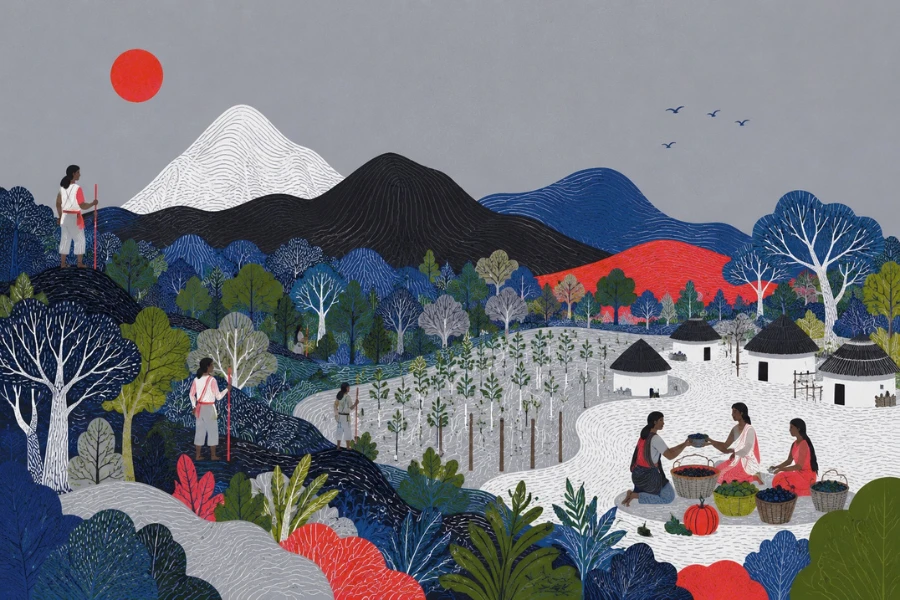
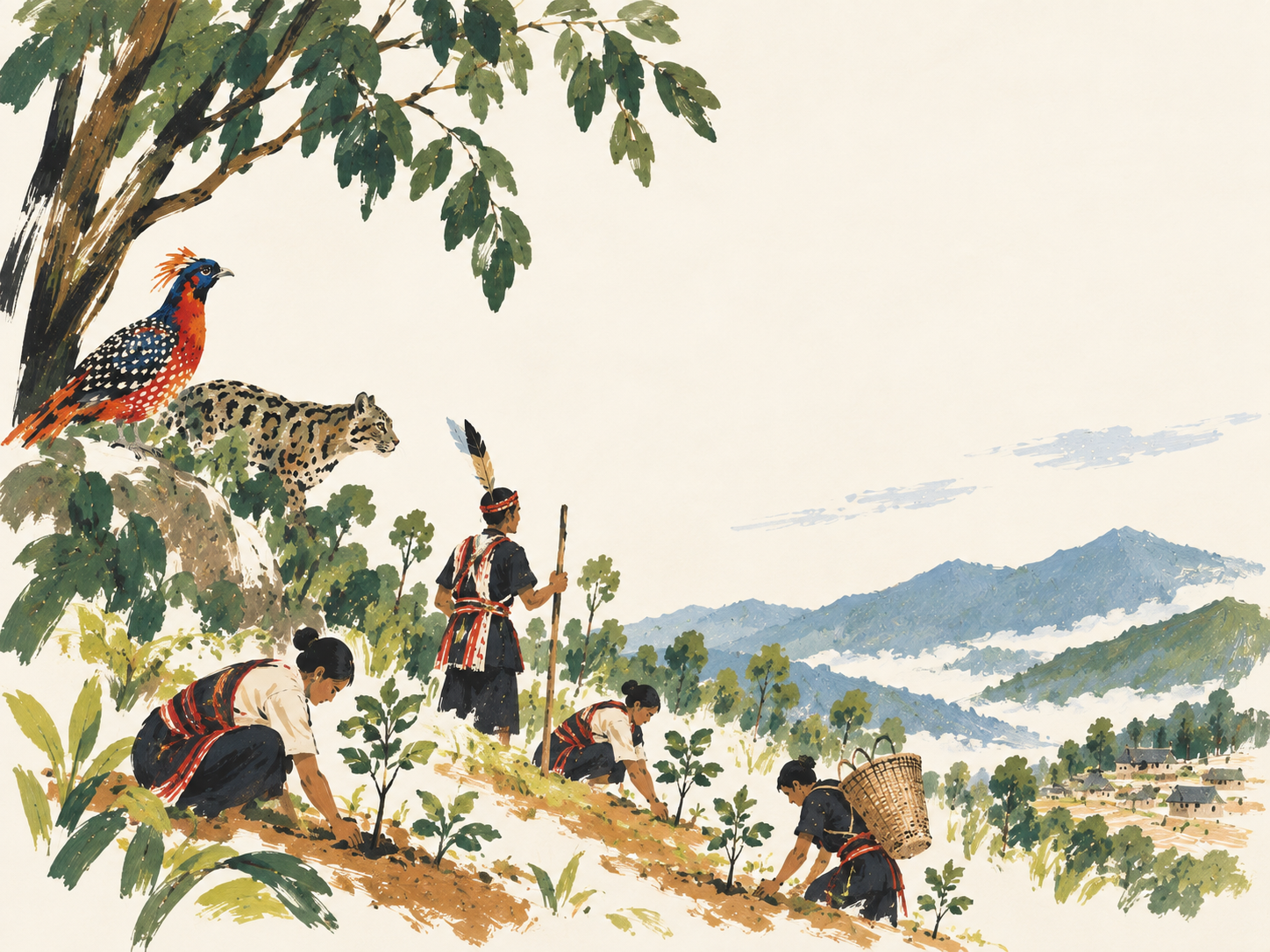
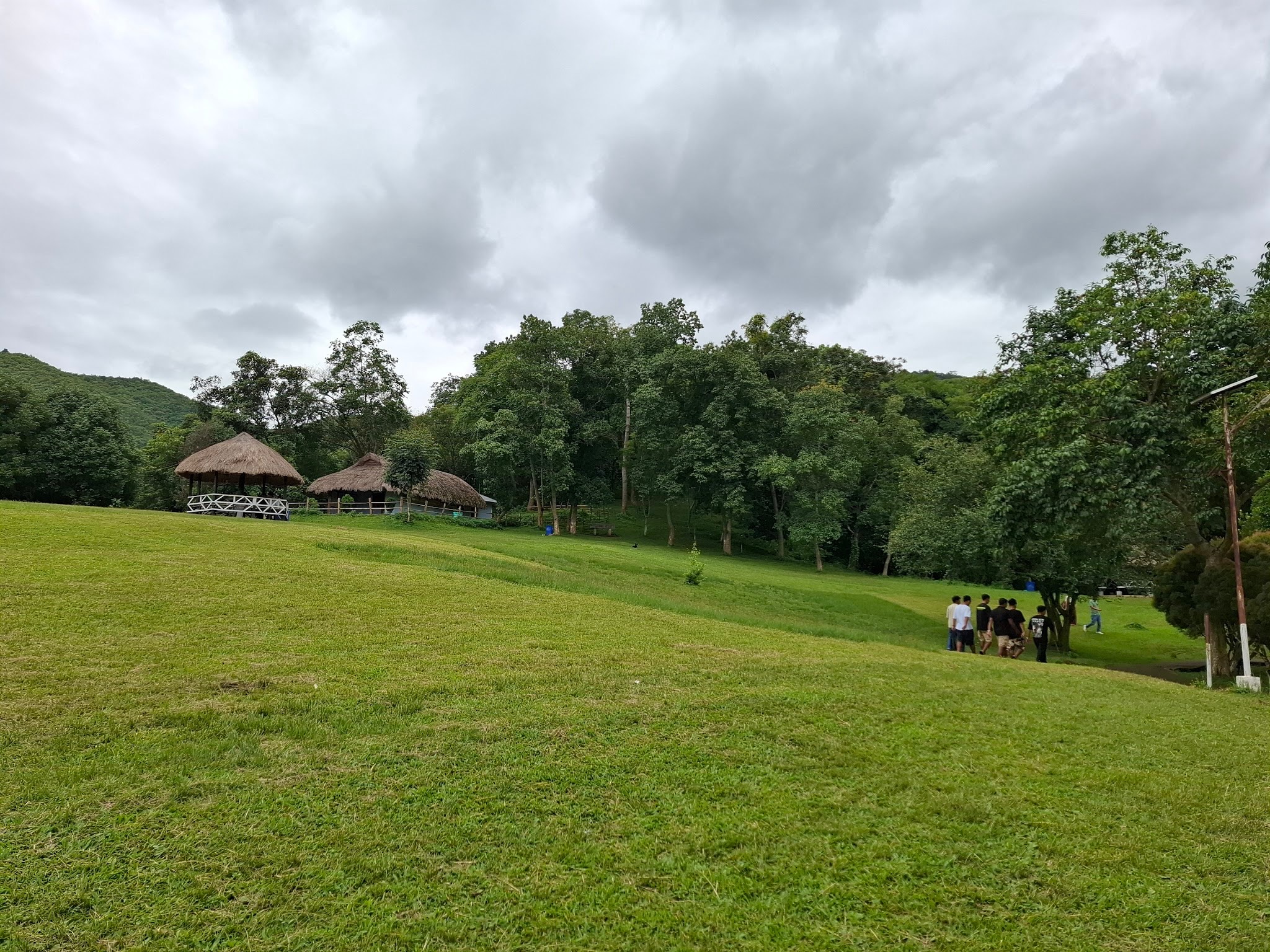
Imphal, Manipur: Dawn is just breaking when Chingakham Dorendro and his team begin their patrol of the 15-hectare Santhei Natural Park, Imphal East. They scan the thriving community-conserved forest for signs of illegal entry or poaching. They even stoop to pick up litter carelessly left behind by tourists the previous day. Keen eyes search for dry debris or other materials that could trigger a fire. Only once the thorough inspection is done will the park be open to visitors.
Located a little over 21 km from Manipur’s capital, Imphal, the Santhei Natural Park in Andro village is tucked away in the breathtakingly beautiful foothills of the Nongmaiching range.
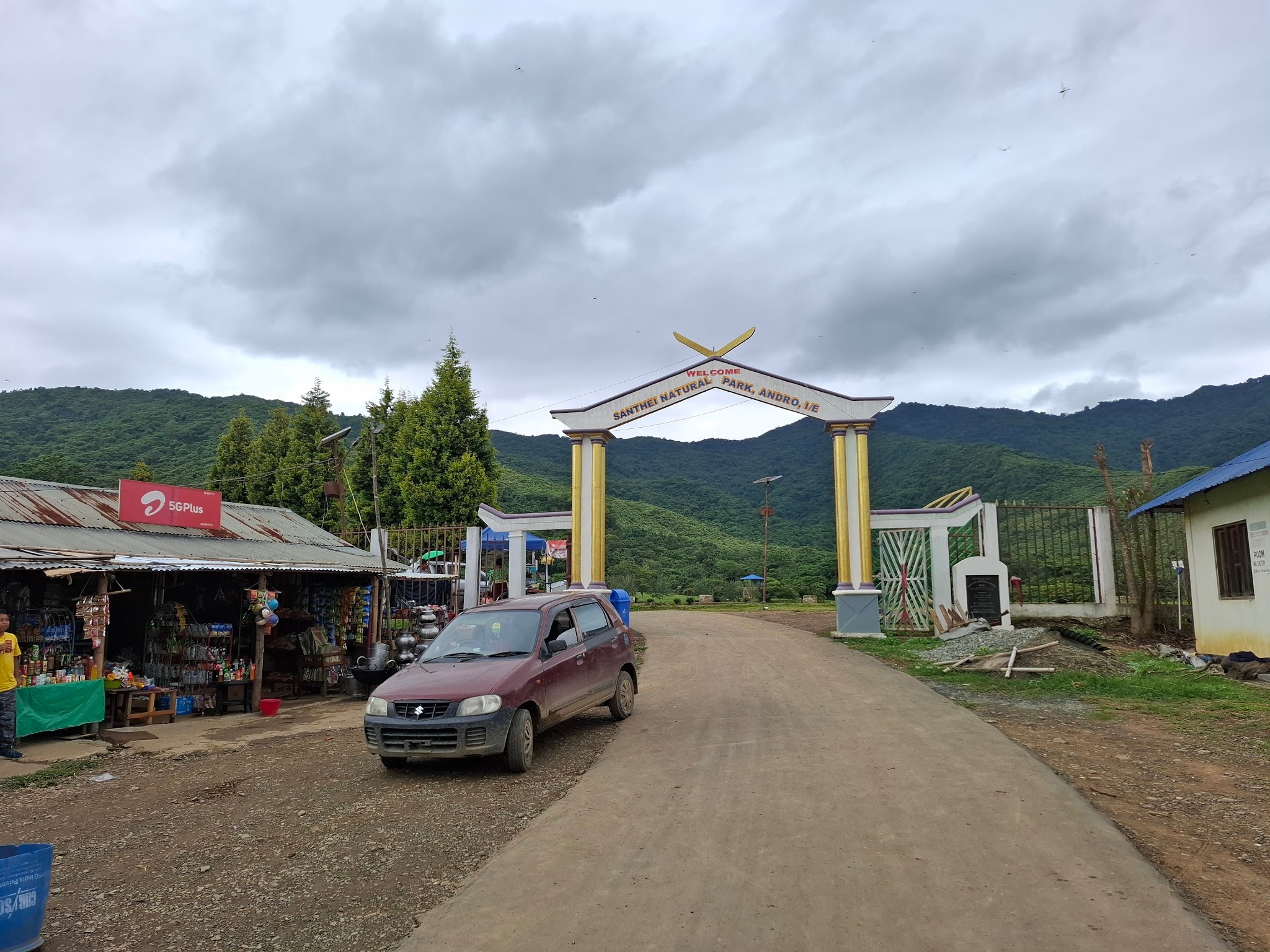
The lush green forest, now a protected park, was once almost barren, stripped of its vegetation by decades of excessive and unchecked exploitation of its resources.
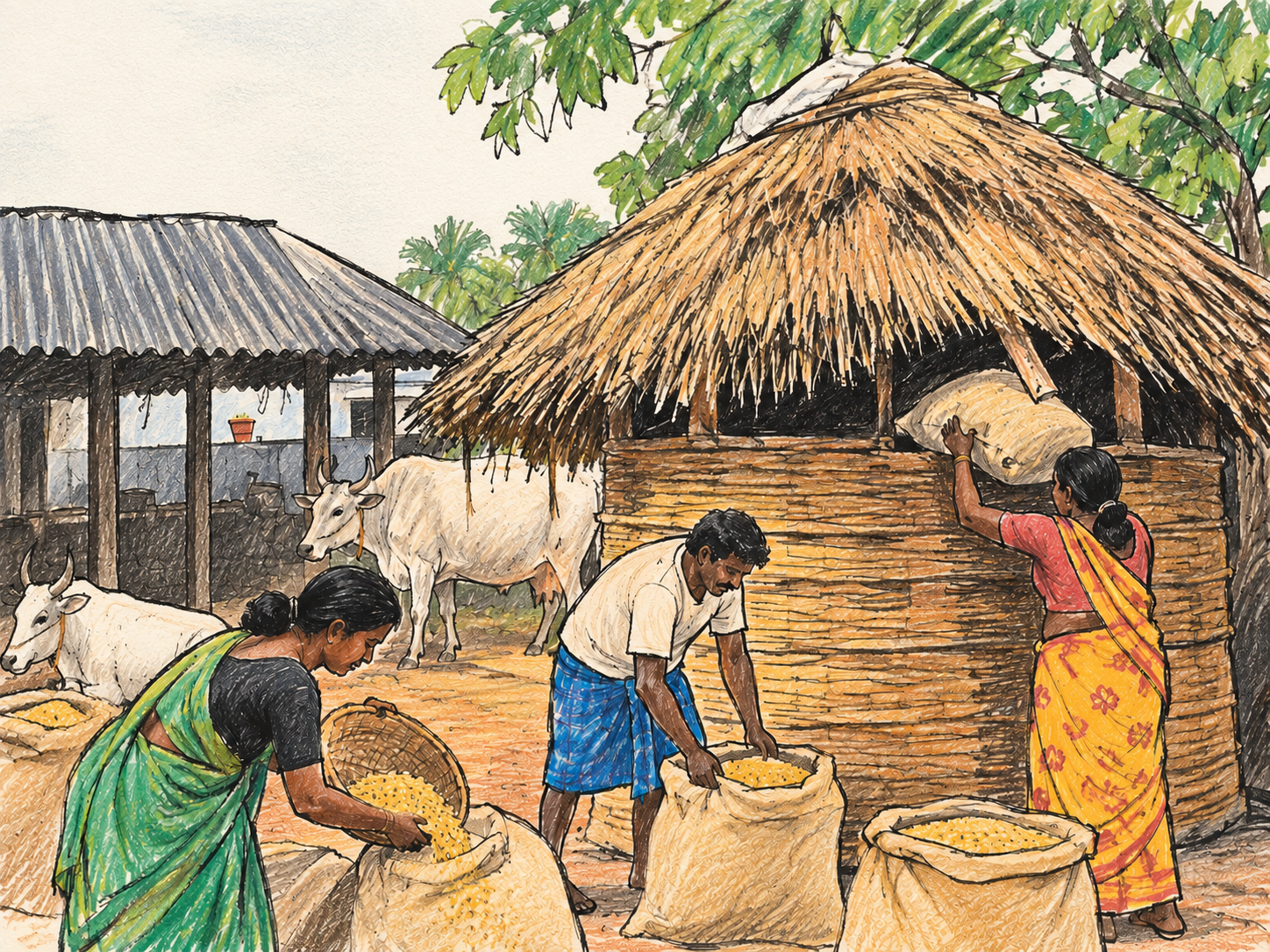
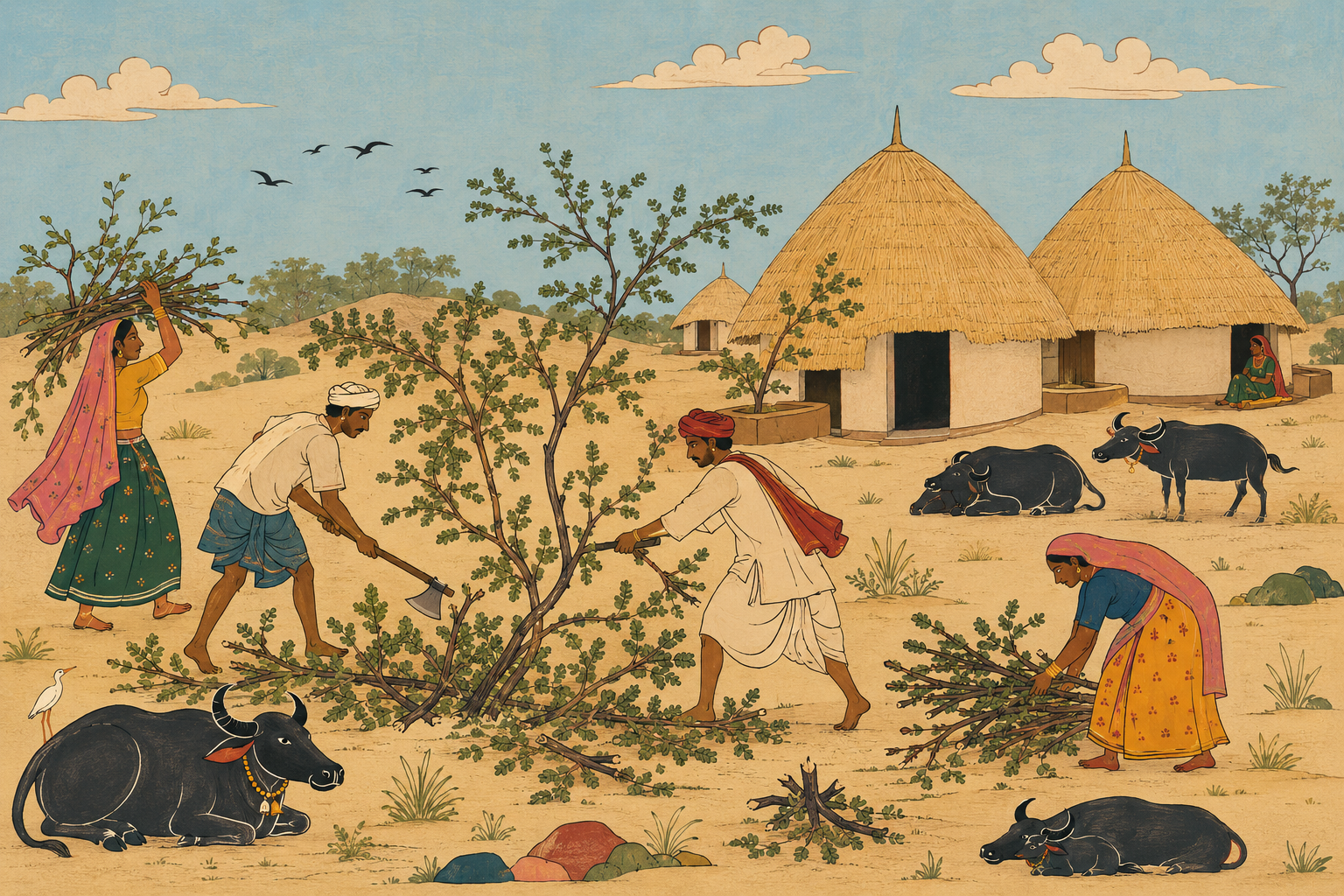
The Chakpa-Meitei (Scheduled Caste) community of Andro village had, for centuries, depended on firewood for cooking purposes. Every year, during winter (dry season), they would collect firewood from the Nongmaiching Hill Range and stockpile it to meet their household needs for the following year. This annual cycle of harvesting and storing firewood continued for generations, forming an integral part of the village's traditional way of life.
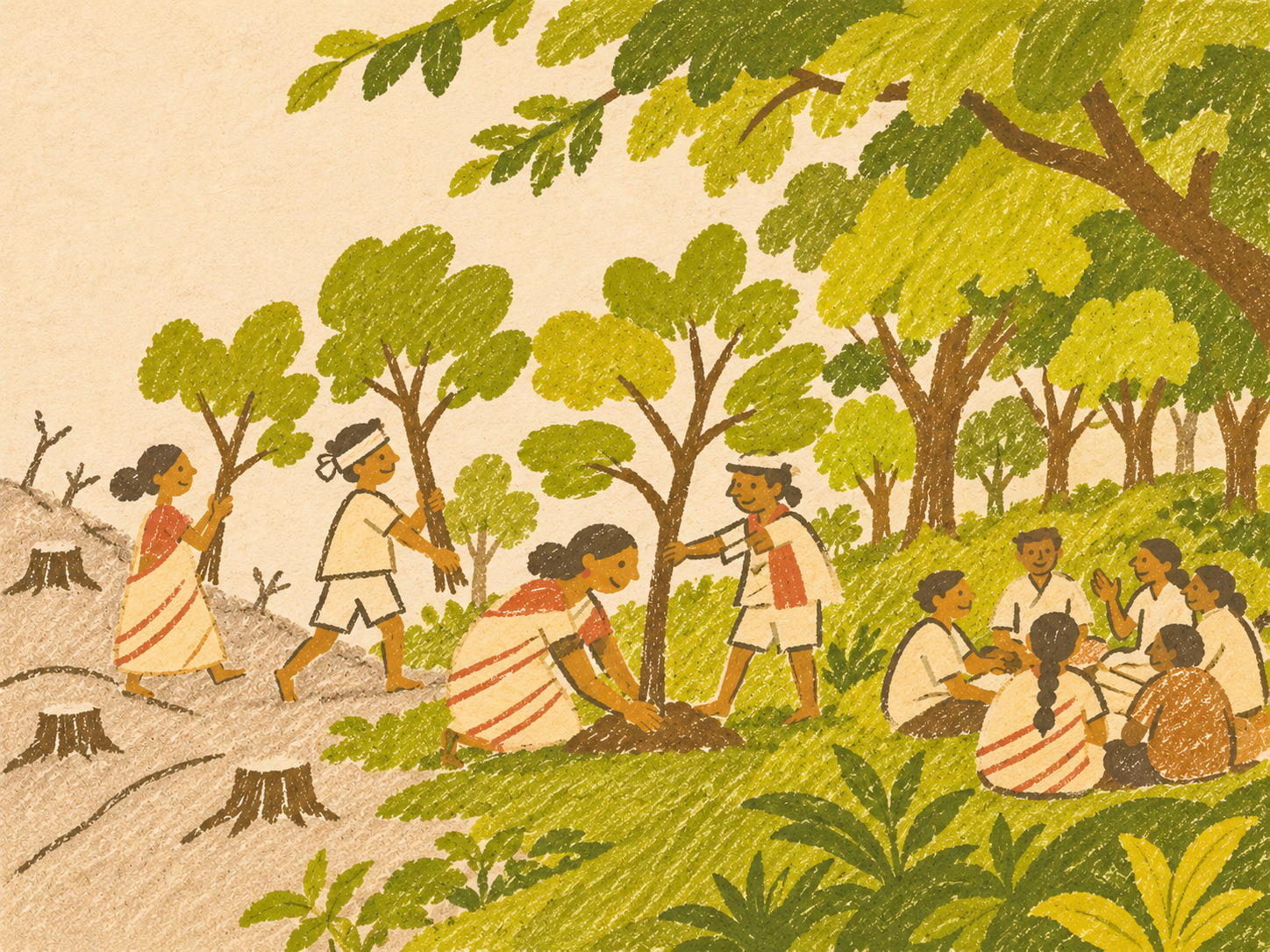
However, as the population of the village grew, the demand for firewood and timber for housing increased proportionally. The rate of harvesting soon exceeded the forest's natural capacity to regenerate. As a result, larger areas of forest were cleared away each year, leaving little time for ecological recovery. Over time, the once-thriving forest became severely degraded, until only young saplings, no thicker than a finger, remained.
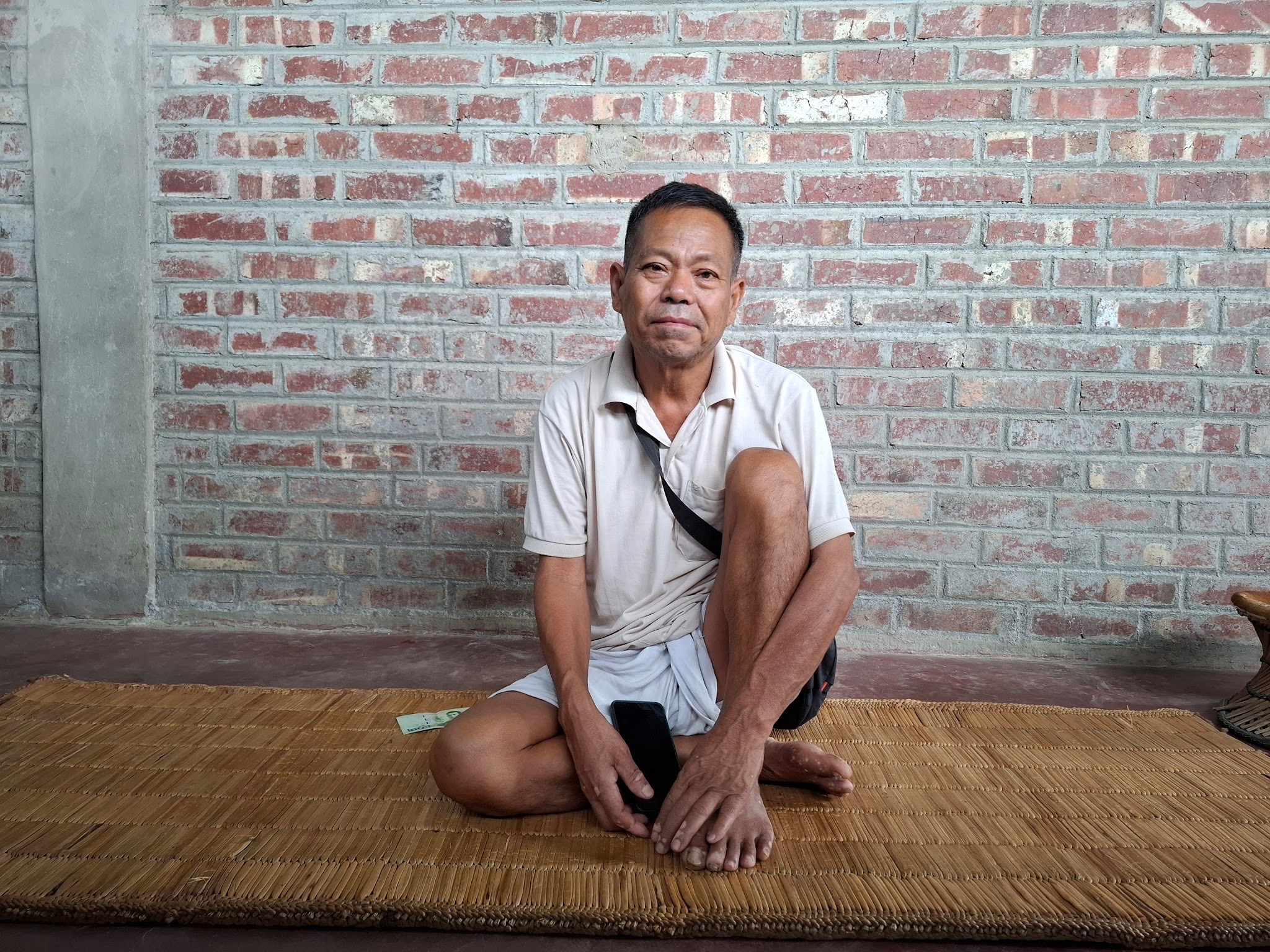
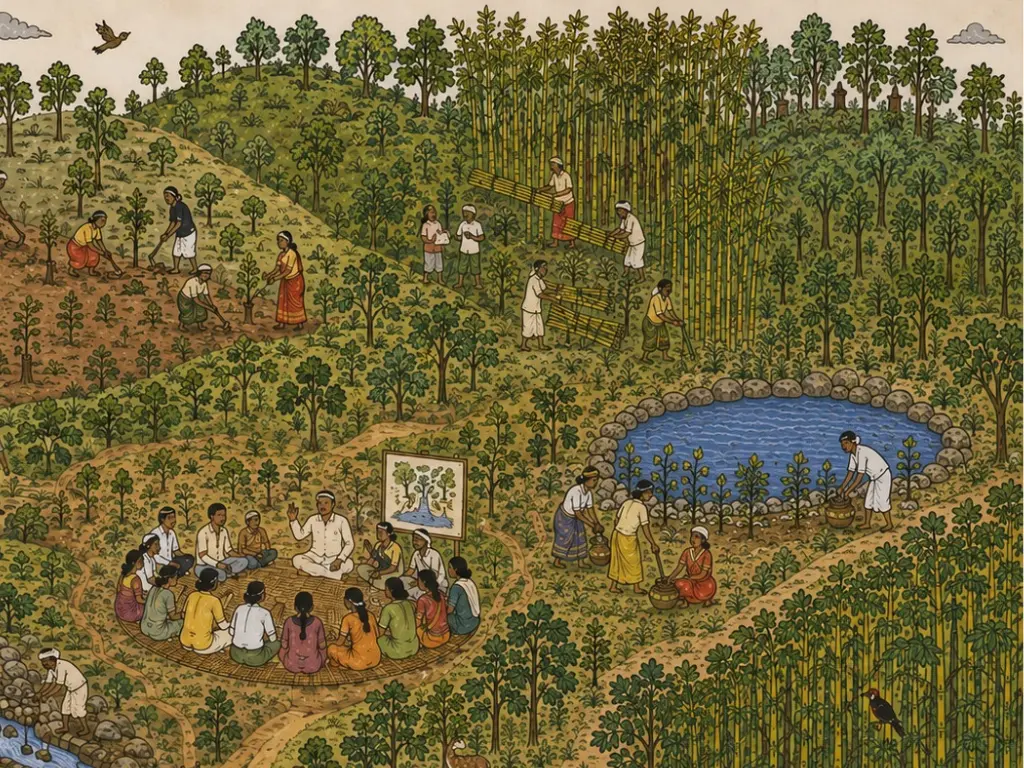
Andro village chief Sagolsem Chandro Singh witnessed the degradation, first-hand. “Earlier, when the population was small, forests were able to recover as communities harvested resources from different areas, in rotation,” he says. “When this balance was disrupted, we began to experience the consequences – water scarcity, rising temperatures, and a general decline of the ecosystem. Recognising the need for change, the people of Andro came together to protect and conserve their forest by embracing a more sustainable development pathway.”
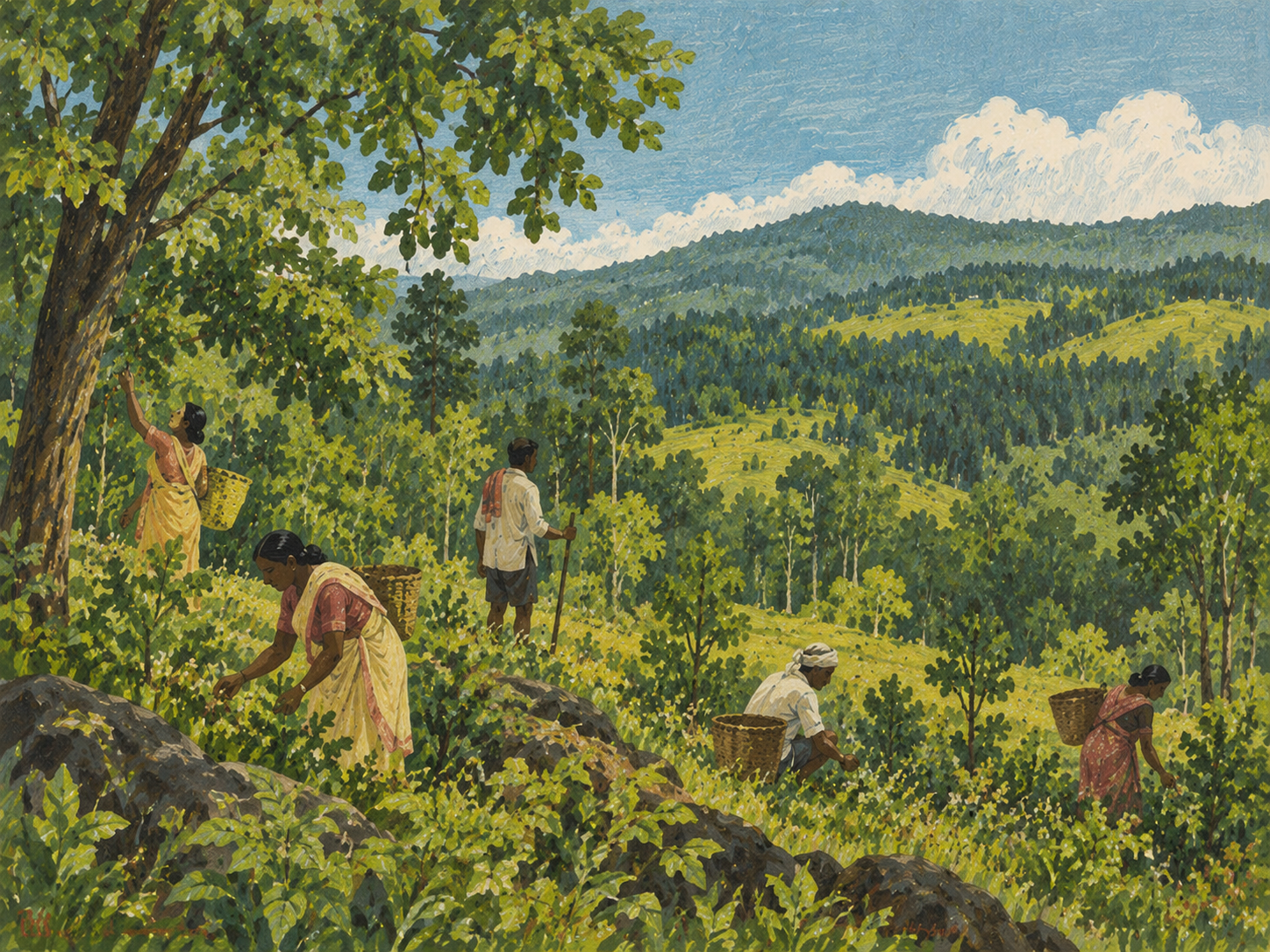
Now, the landscape is gradually regenerating with young trees and green vegetation, indicating a slow but steady process of ecological restoration. The tradition of collecting firewood continues even to this day, but in a more measured and regulated way. Many parts of the range, however, still bear the scars of past exploitation.
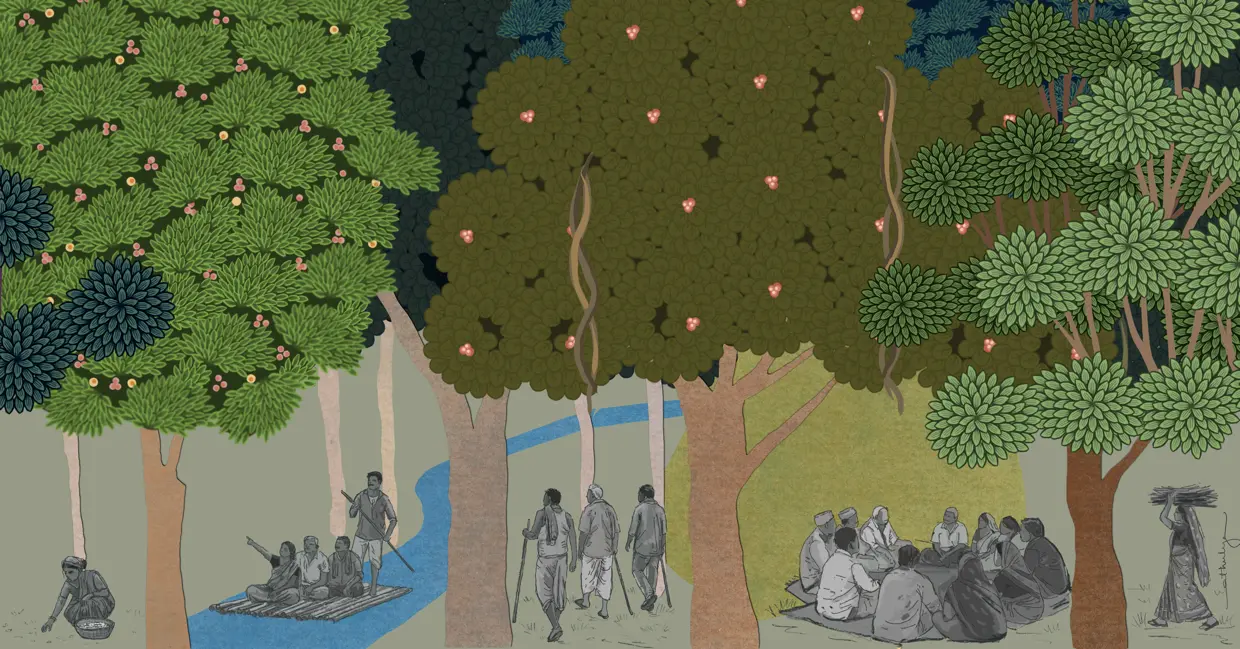
This imperceptible shift towards conservation happened with the establishment of a community-based management system known as the Singlup. As nearly 60 per cent of the village population of around 7,000 depended on the park either directly or indirectly for their livelihood, inclusivity was the solution to the problem.
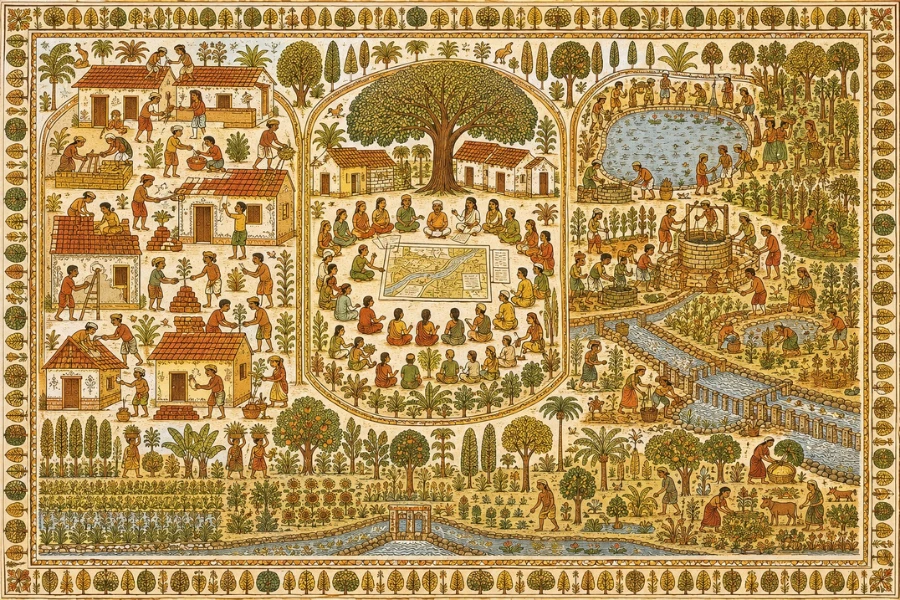
Chingakham Dorendro, 50, the cashier of the Santhei Natural Park Committee, which oversees the park, explains the workings of the system. “Each Singlup selects a team called the Lampuba, which is entrusted with the responsibility of operating, maintaining and developing the park. Their tenure is for five years, after which the responsibility is handed over to another Singlup, on a rotational basis. This ensures that different sections of the community get an opportunity to manage the park while also sharing the responsibility of conserving the forest and maintaining the tourism facilities."
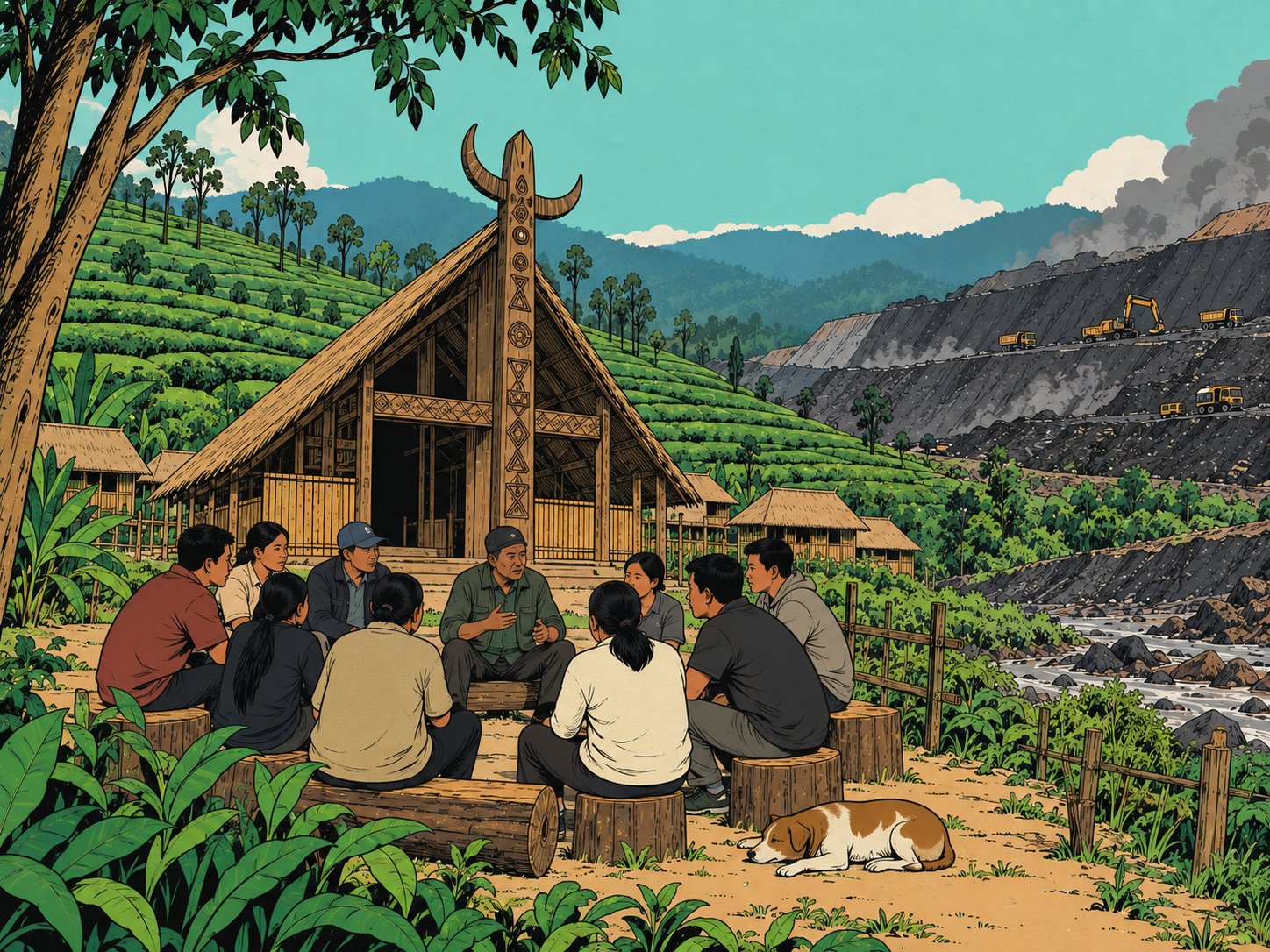
However, the Singlup model was adopted only after much trial and error, and friction. Hijam Munnan Singh, 51, a resident, describes how the park was first established by a handful of local club members with the sole aim of arresting exploitation. But the members faced hostility because the village residents believed that there would be a complete ban on harvesting firewood, a critical source of fuel for them. Even so, the club members continued their efforts to restore the forest. Many meetings were held to arrive at an amicable solution.
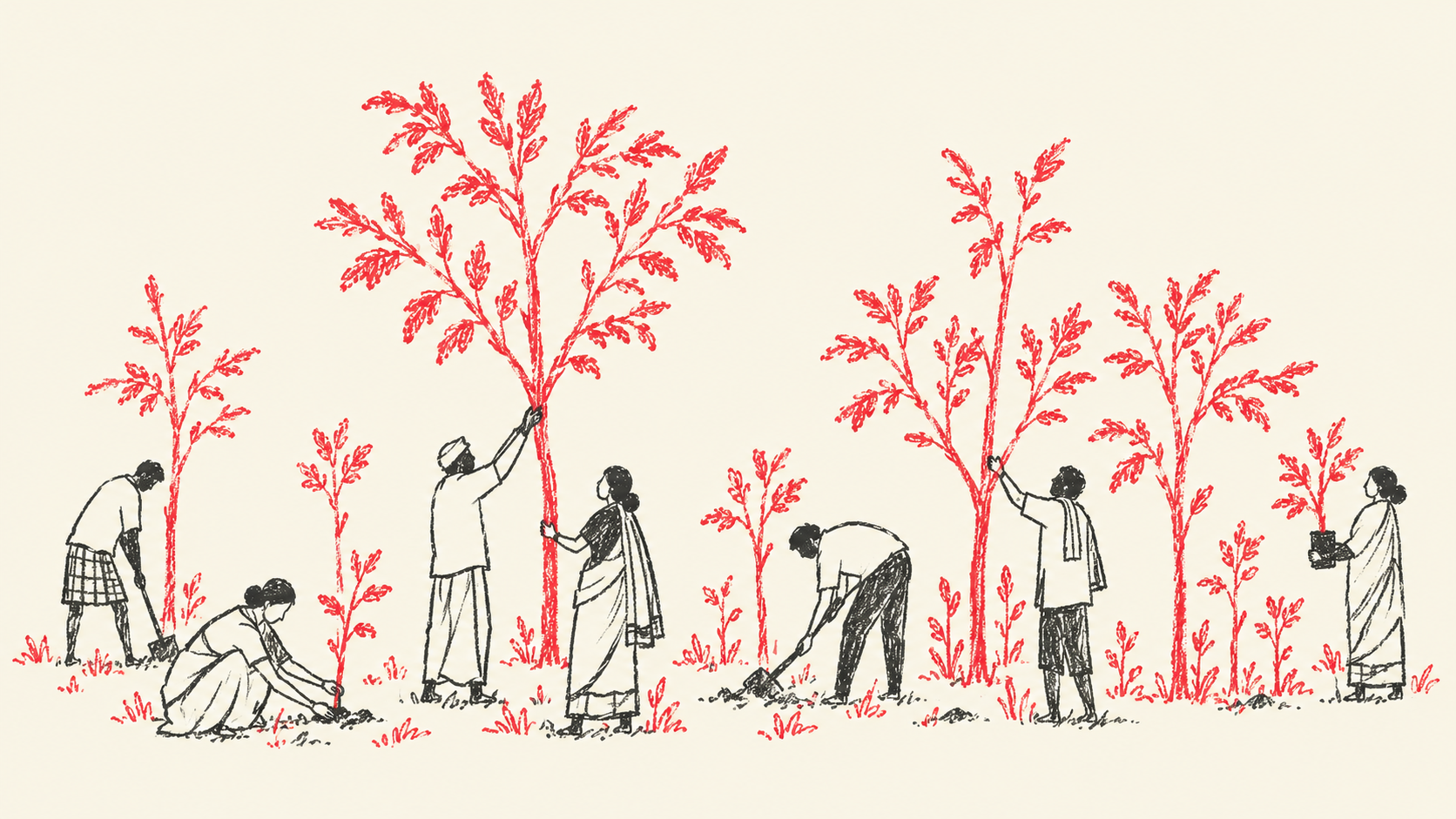
Slowly but surely the park began to show positive results. More trees started to grow, providing shade and a place for hardworking village folk to rest. The area also began attracting visitors. Recognising the potential, the village came together to develop a system for conserving and expanding the forested area, while also creating a way for the entire community to benefit. This led to the decision to develop Santhei Natural Park into an ecotourism site, which would generate economic opportunities for the village.
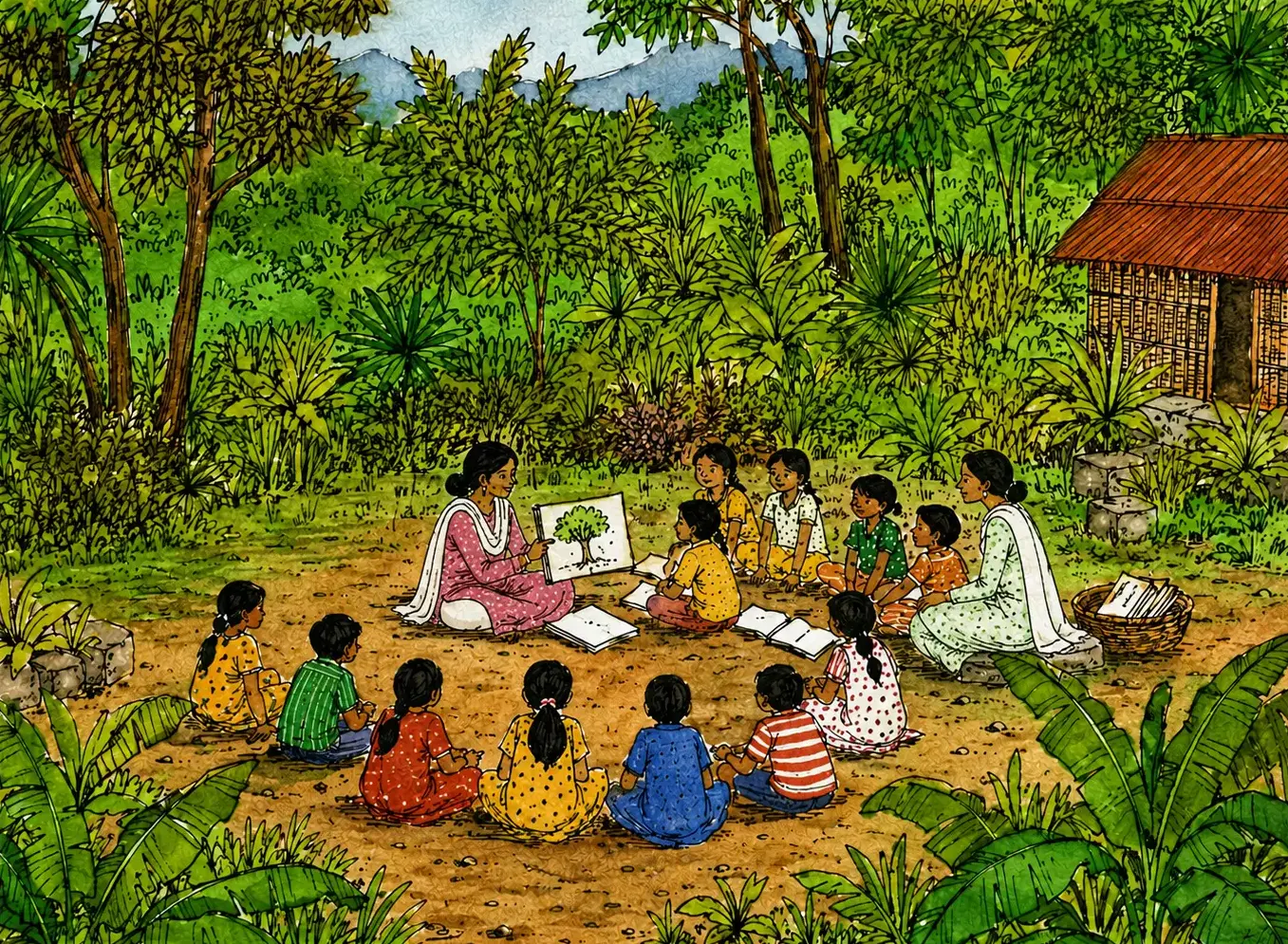
Committee member Chingakham Romio, 36, says the park is home to hundreds, if not thousands, of native tree species, some planted by the community also. "There are indigenous trees such as Shahee, Shinleima, Usoi, Heiya and Uyin, among others," he says. "We have strict rules to protect the forest. No one is allowed to cut a tree, leave alone a branch, without a valid reason and permission from the Singlup. Anyone found violating the rules will face a fine or other forms of punishment."
"The committee itself is not above the rules," Romio adds. "We manage the park, but we cannot make decisions beyond the authority and regulations laid down by the Singlup."
Park committee auditor Yumkhaibam Achouba, 51, confirms the park has become a significant source of income for both the community and the village economy. "The park generates around ₹20 lakh in revenue each year," he says. "After paying the salaries of our employees and meeting the expenses for maintenance and day-to-day operations, a large portion of the balance income is reinvested in the development of the park. At the same time, a certain amount is equally distributed among the community as part of the park's collective benefit."
The park has gradually become an economic hub for the surrounding communities too, opening up employment and business opportunities. Cafés, grocery shops and small businesses have sprung up. Traditional products and locally brewed rice beer are sold to tourists. However, challenges like the COVID-19 pandemic and the most recent regional conflict between the Meitei and Kuki-Zo population have affected the tourist flow, rues Achouba.
Chingakham Sushila, 31, a mother of three, who runs a food stall near the park premises, says her small business has become an important source of income for her family. "My husband does not have a government job, so this business helps in supporting our family and our children's education," she says. "I cannot imagine how we would manage without it." Sushila earns around ₹10,000 to ₹15,000 a month from her business.
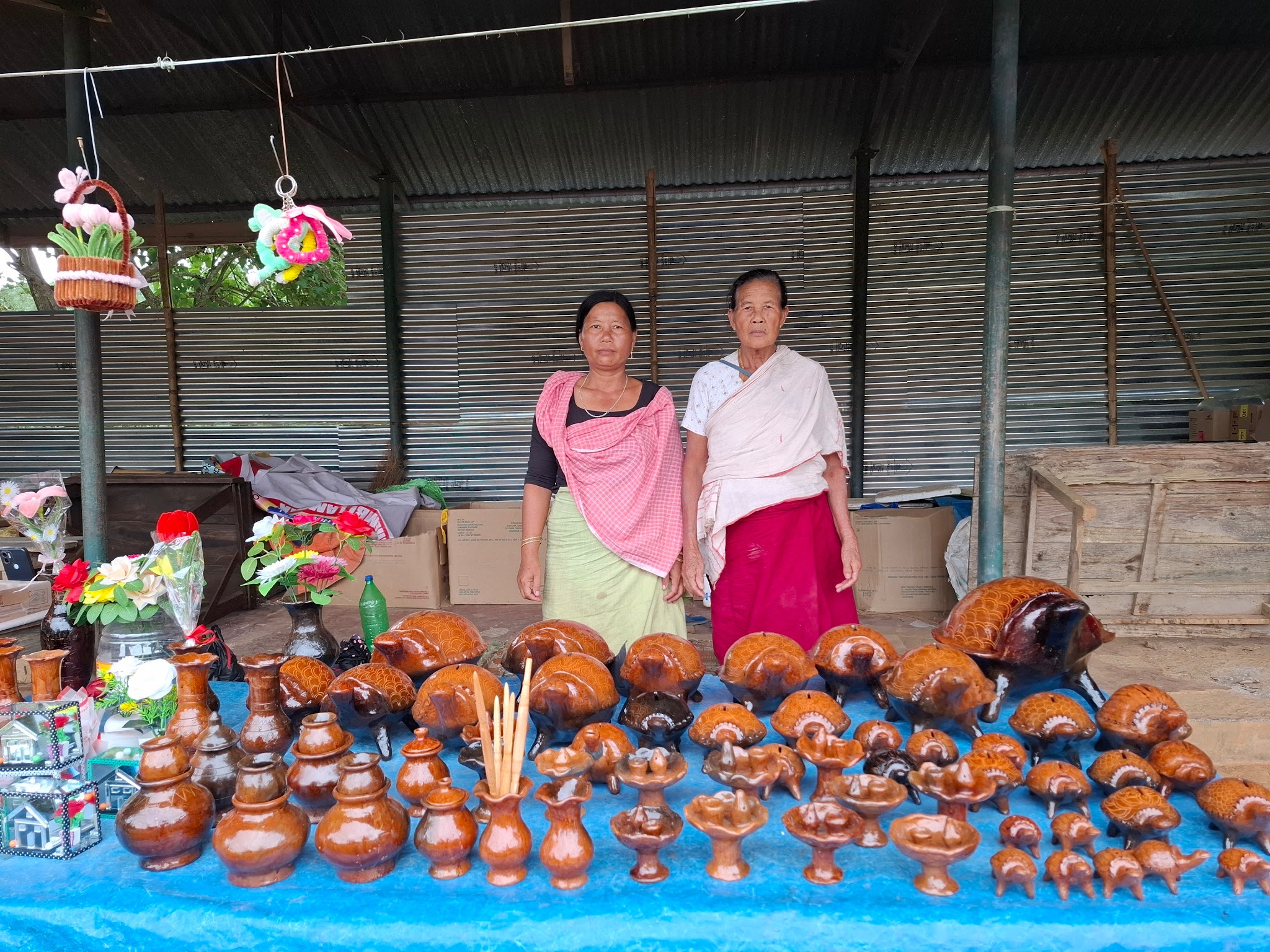
Thokchom Loitang, 74, who makes and sells earthen handicrafts, says the park has made it much easier for her to earn a living. "I sell my craft here every weekend," she adds.
Water troubles
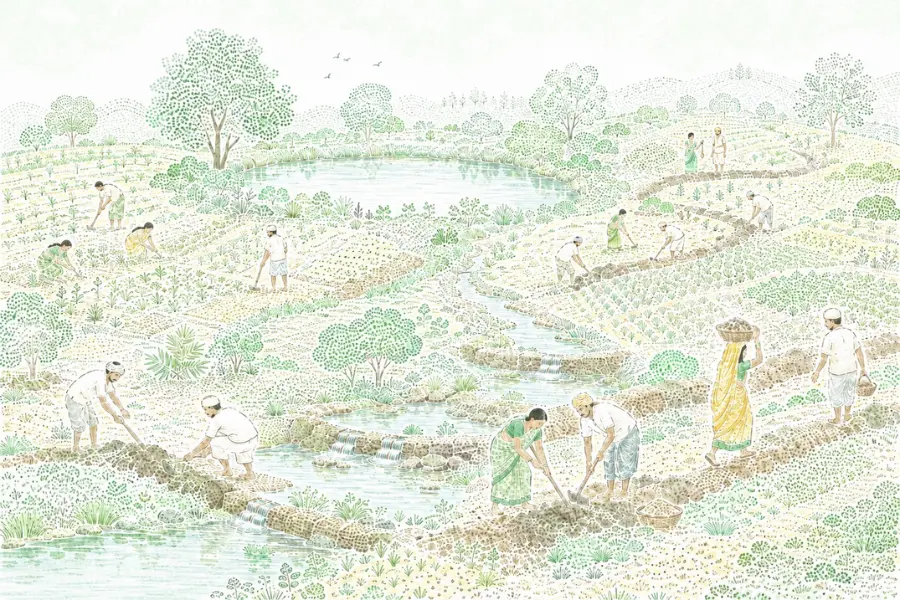
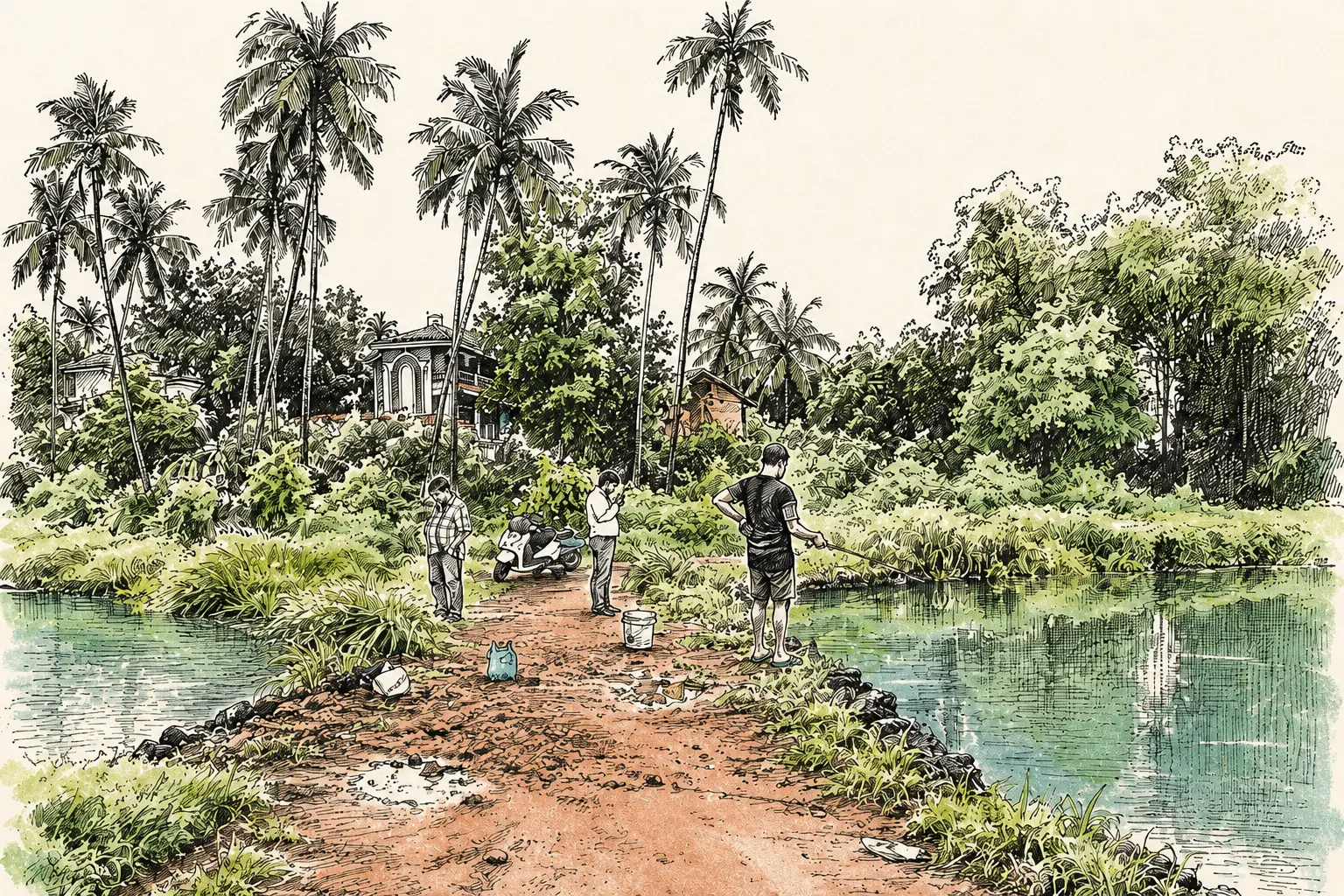
The primary source of water for the village was a pond sustained by natural springs originating from the Nongmaiching Hill Range. The forest cover surrounding the hills plays a crucial role in regulating the local hydrological system. Rainwater absorbed by the forest floor is gradually released through springs, ensuring a steady supply of water to the pond throughout much of the year.
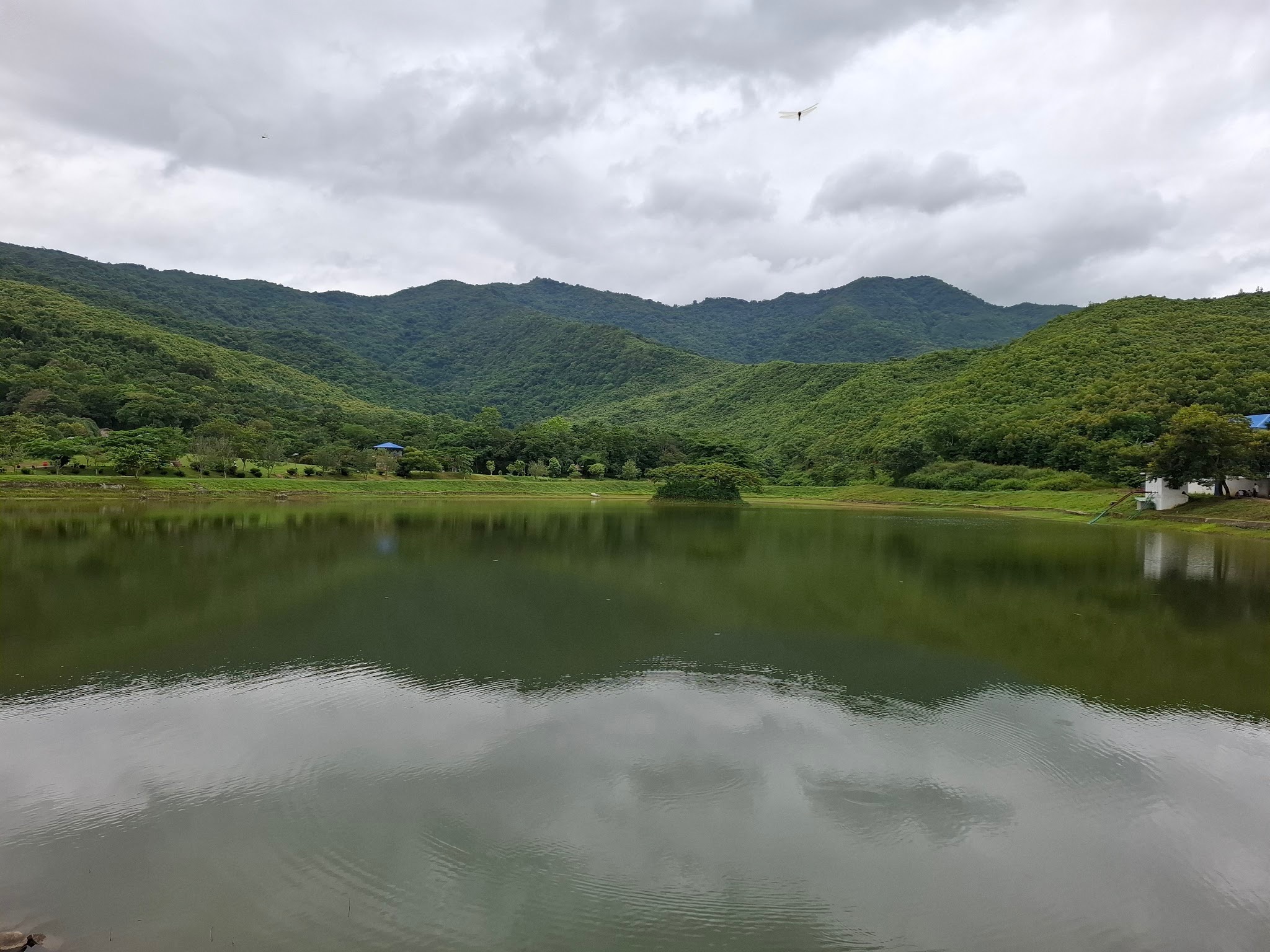
However, the steady degradation of forests reduced the soil's capacity to retain moisture and recharge the springs. Consequently, the pond began to dry up more frequently, particularly during winter, as the springs could no longer provide a sustained flow of water. Even during periods of rainfall, the pond would fill rapidly with surface runoff, but just as quickly dry up once the rains ceased.
The government decided to develop this primary source of water – the pond – into a dam to address the paucity. The North Eastern Council, set up for such works, funded the project. The excavation work began around 1984 and the dam was inaugurated in 2013-14. It is now a major water source to almost every locality in the area.
Hijam Memcha, 66, a resident, still remembers the time when water was plentiful. She would walk more than half a kilometre to fetch water from one of the village's two natural spring wells. “We carried the water home in large pots balanced on our heads. One of the spring wells dried up completely but the situation improved greatly once the dam was built. Today, water is available throughout the year. I cannot imagine the hardship the villagers would have had to face if the dam had not been built. But, all this would not have been possible without the forest. There can be no water without the forest, and our past experience has proved that."
Thokchom Loitang agrees that the dam has been vital to the village's water supply. "Many people in our village earn their livelihood by brewing rice wine, which requires a large amount of water. The dam has been a great support to the community and has benefited us in many ways," she says.
Ever since Santhei Natural Park became an ecotourism destination, it has been facing environmental pressures. However, these threats are minimised through careful planning and management. Parking areas are located more than 100 metres from the park to reduce vehicular disturbance and pollution within the forest. Designated fire pits are strategically placed and closely monitored to minimise the risk of forest fires, while waste is disposed of efficiently through sustainable practices. Visitors are also guided by park regulations, ensuring that tourism contributes to conservation rather than degradation.
The people of Andro village have taken the onus of safeguarding the Santhei Natural Park as it is their home and hearth. The remedial measures they undertook, reinforces the belief that protecting nature and supporting livelihoods can go hand in hand.