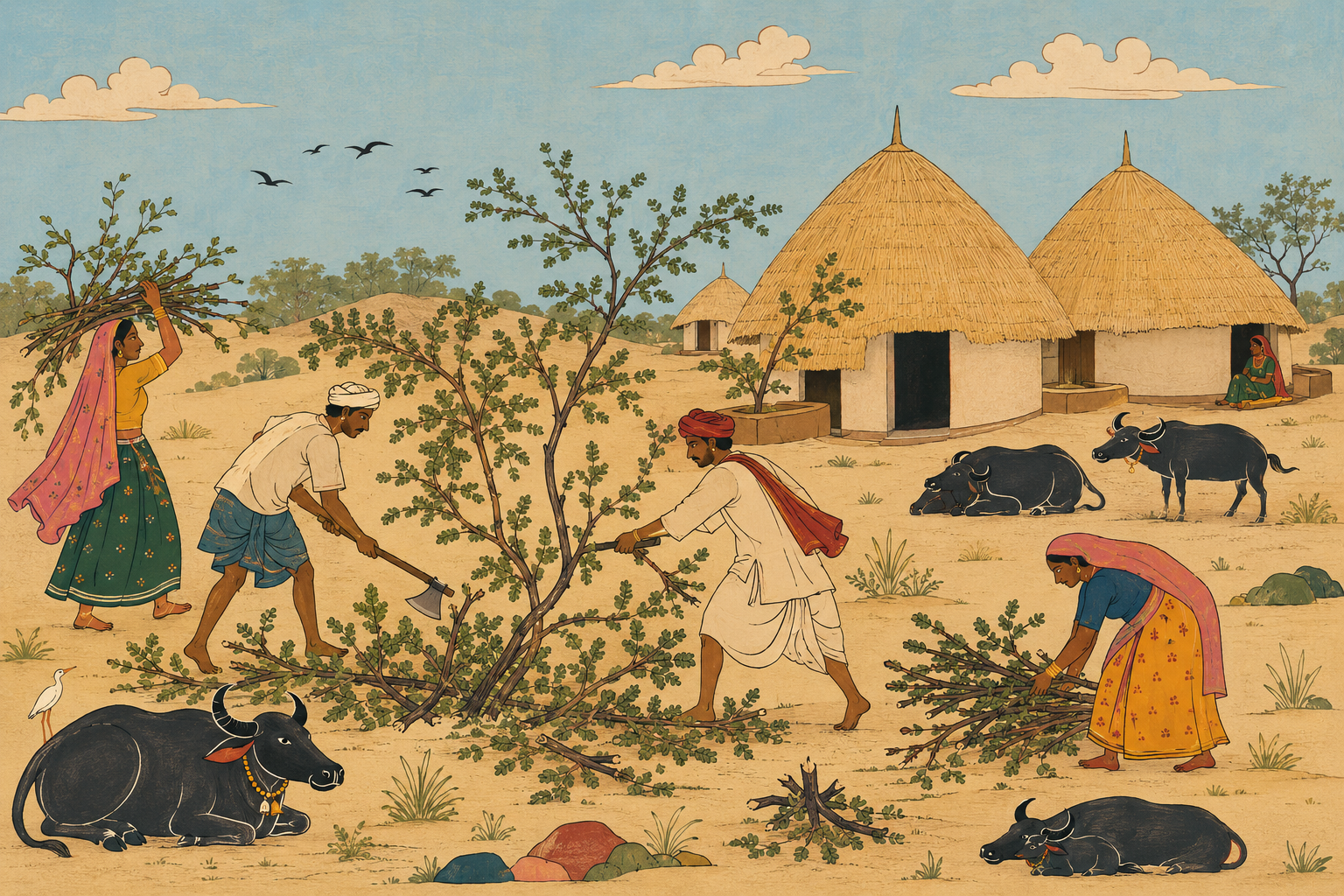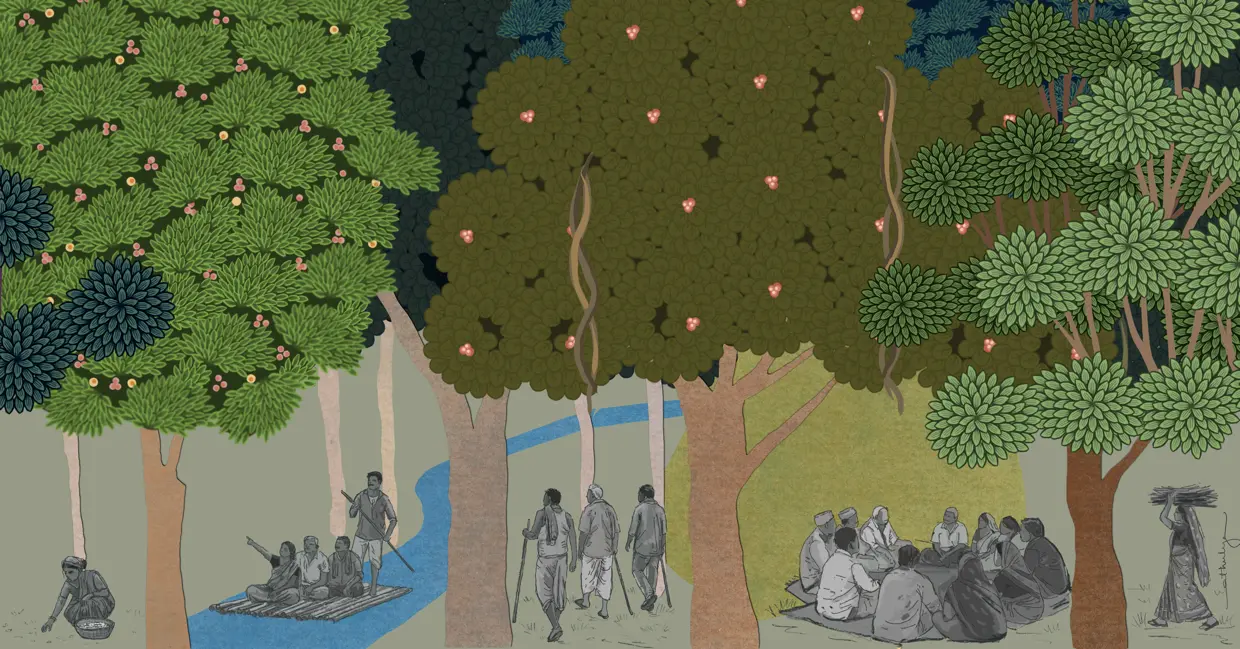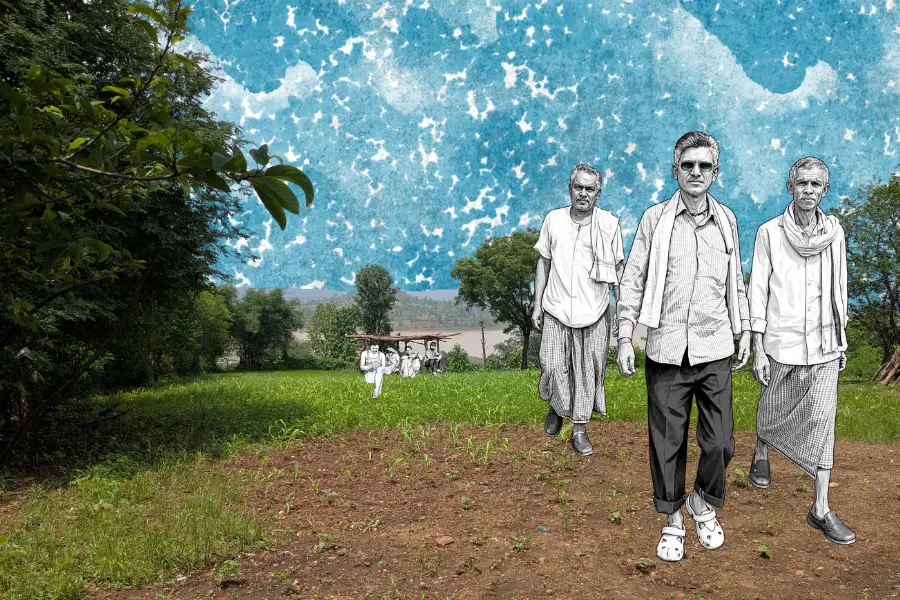
Saraikela, Jharkhand: A dozen men and women, armed with axes and spread in teams of two, make regular rounds through a sparse forest dominated by sal trees, guarding it from illegal loggers and outsiders who harvest timber commercially, wanton acts that have led to the extinction of nearly thirteen vital tree species and medicinal plants.
In Hatnada, a village located over 70 kilometres southeast of Jharkhand’s capital, Ranchi, patrolling the forest commons is a routine task. “We have to save the forest at any cost, it feeds us,” said 55-year-old Sukurmani, who frequently joins the patrols.
For decades, the forest suffered widespread destruction – illegal logging and indiscriminate felling – pushing it to the brink.
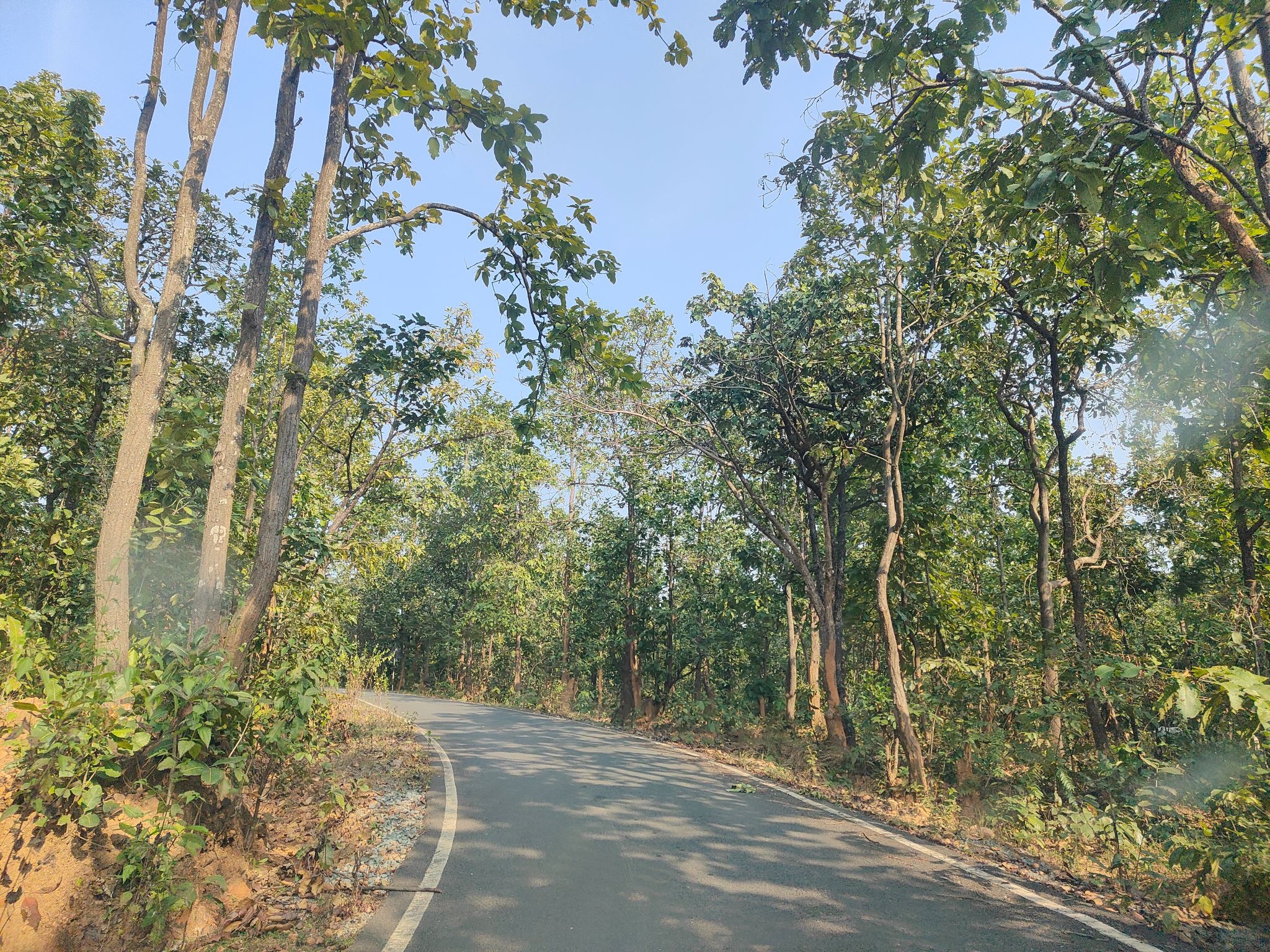
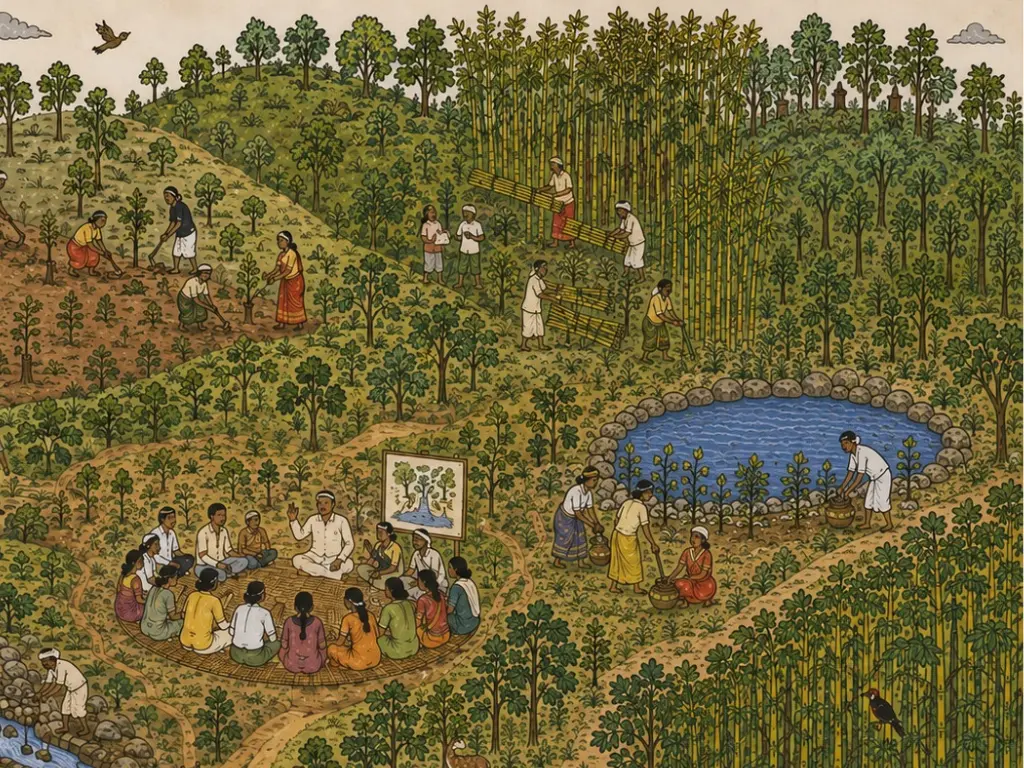
The case of Hatnada is a microcosm of a larger struggle across Jharkhand, where indigenous communities are moving past historical exploitation and subsequent negligence to reclaim governance of their ancestral lands. Faced with the rapid threat to their forest-based livelihoods, the villagers of Hatnada and nine surrounding villages took a radical step in 2020 by strengthening their Gram Sabha (village council) and forming a system of patrols, fines, and community funds, they turned the tide against illegal logging and paved the way for a community-led governance on the commons.
Commons—shared lands such as forests, pastures, water bodies and mangroves— cover 205 million acres or one-fourth of India and form the lifeline for over 350 million people, including marginalised groups like Scheduled Castes, Scheduled Tribes and women.
Communities across India have traditionally protected, restored and managed these commons through customary self-governance practices.
A forest commons under threat
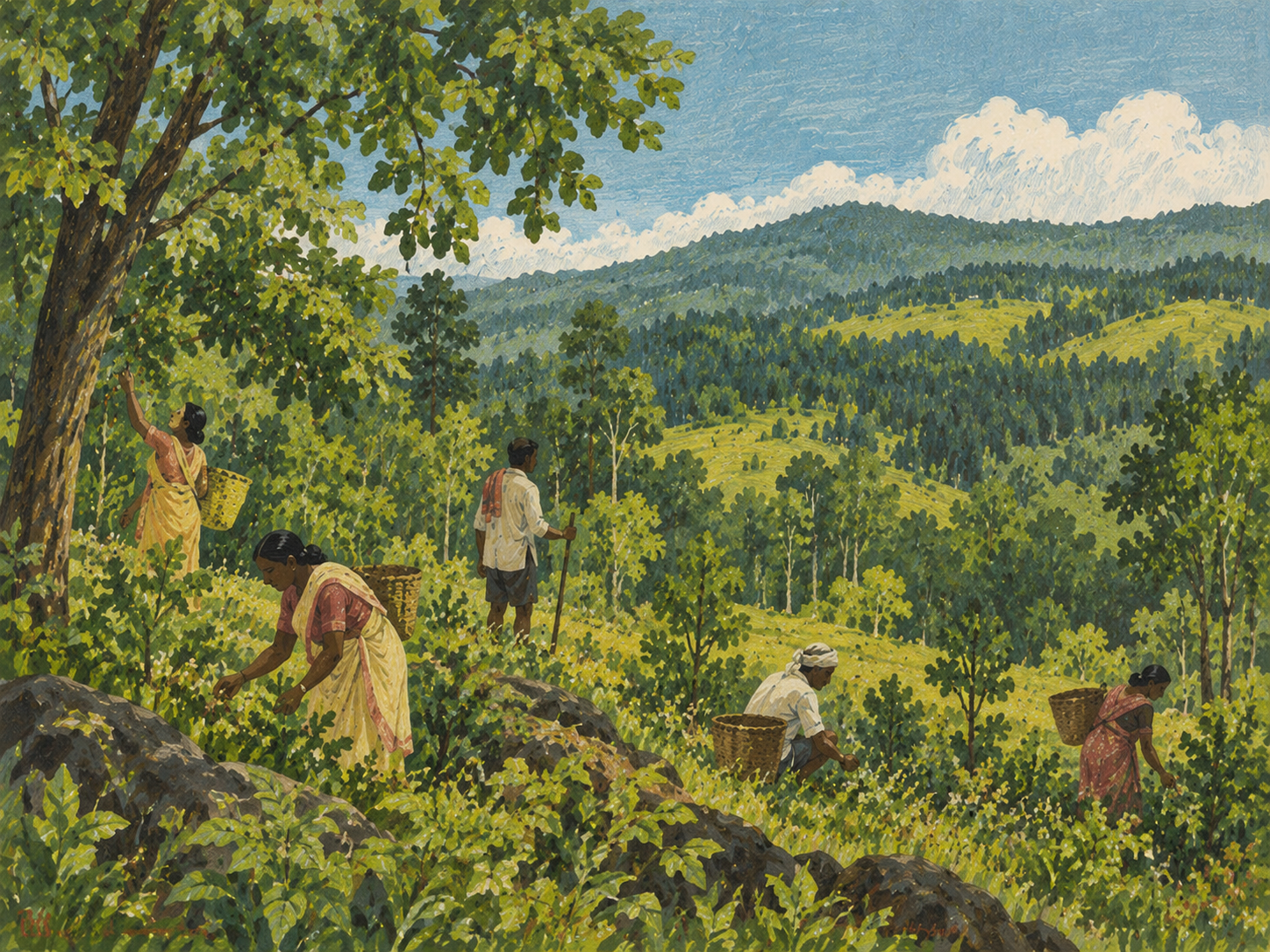
The nine hectares of forest land has sustained the tribal communities for generations. The commons ensured that even during years of poor rainfall when agricultural produce shrunk, the forest dwellers collected mushrooms for food. The forest also supplied firewood and medicinal plants
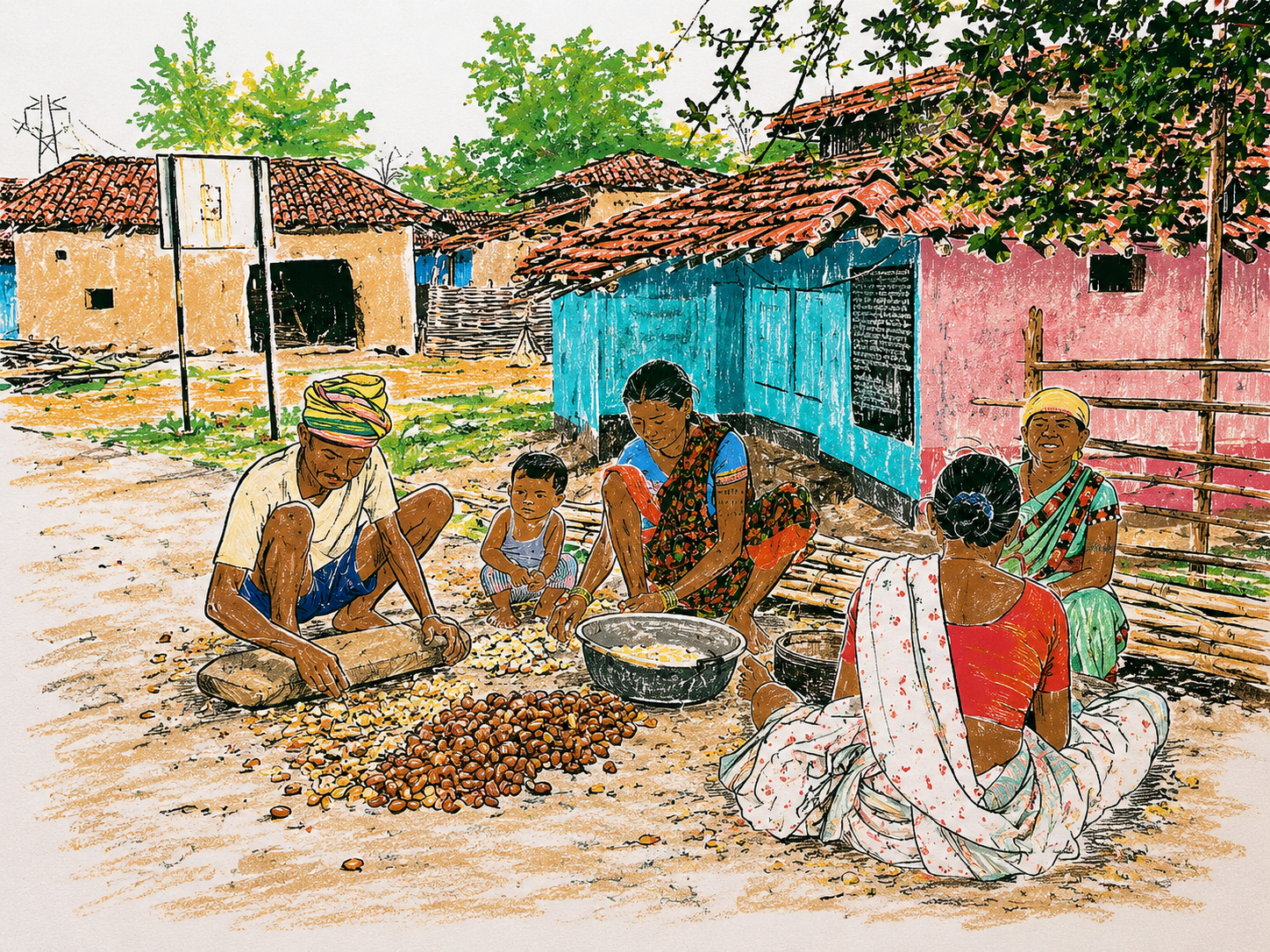
Historically, families in the village met their food needs through agriculture for about six months each year, and relied on income from selling minor forest produce or on direct consumption of forest resources for the remaining months.
In the 1990s, however, the large-scale extraction had significantly reduced forest cover Over two hectares of forest cover was lost in the Hatnada village during the decade. Between 2001 and 2019, the area lost an additional 1 ha of tree cover in the area. Villagers said that during the years, forest guard patrols in the areas waned, opening ways for indiscriminate felling and illegal logging, eventually threatening the livelihood of communities.
"At that time, there was no one to take care of it," Budhveshwar Mahto, a resident of Hathnada, said, noting that even the villagers, at first, did not fully grasp that their survival was tied to the health of the woods. Till 2019, the forest was treated as a free-for-all. Men on motorcycles and bicycles arrived daily, carrying away wood on their shoulders to sell in local markets. Even after the landmark Scheduled Tribes and Other Traditional Forest Dwellers (Recognition of Forest Rights) Act was passed in 2006, intended to give people rights over their lands, the condition of the Hathnada forest continued to worsen because the local implementation of the law lagged.
Mahto said that the tree species such as Sal, Bhelwa, Tendu, Chironji, and Borru, that had sustained local families for generations, were removed. “Only stones remained there, no trees at all,” he said, describing a portion of the nine hectares of forest commons.
The deforestation posed a serious livelihood threat to the village’s 92 families, most of whom belong to the Bhumij, Ho, Munda and Mahto tribal communities. The households relied on forest produce for nearly six months each year to supplement subsistence farming. With the loss of forest resources, their means of survival were severely affected.
By the time the COVID-19 pandemic hit in 2020, the community realised that if they did not act, the forest would disappear entirely.
A grassroots guard: the rise of gram sabha
Amid continuous exploitation and threat to livelihood, the turnaround began with a collective realisation that the saving of the forest was their shared responsibility.
In 2020, representatives from ten nearby villages, including Hatnada, sat in a collective gram sabha. They invited the Saraikela Forest Department’s rangers and foresters to a meeting to demand a partnership. The villagers were blunt: the department was failing, and the illegal cutting had to stop.
The result was the formation of the Van Suraksha Samiti in each village. The governance structure was designed to ensure accountability. In Hathnada, the committee consists of 92 members – one from every family. While a forest official serves as the secretary, the president is a villager, ensuring that the community remains the primary decision-maker.
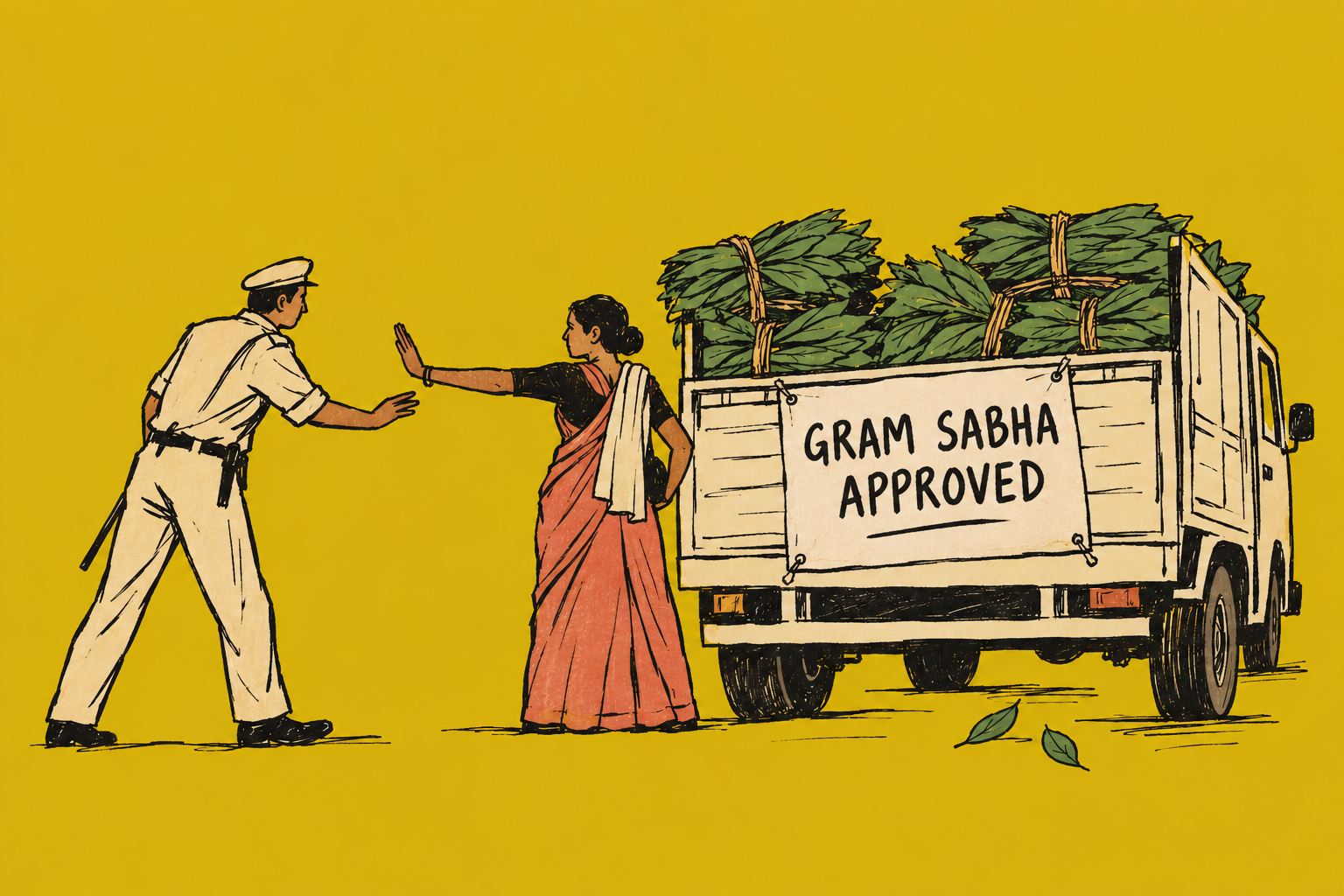
While the committee existed, each gram sabha across the ten villages decided the governance for the commons. In Hatnada, the same year, it set a rigorous set of rules: any outsider caught cutting green wood is slapped with a 5,000-rupee fine, and repeat offenders are handed over to the police for jail time.
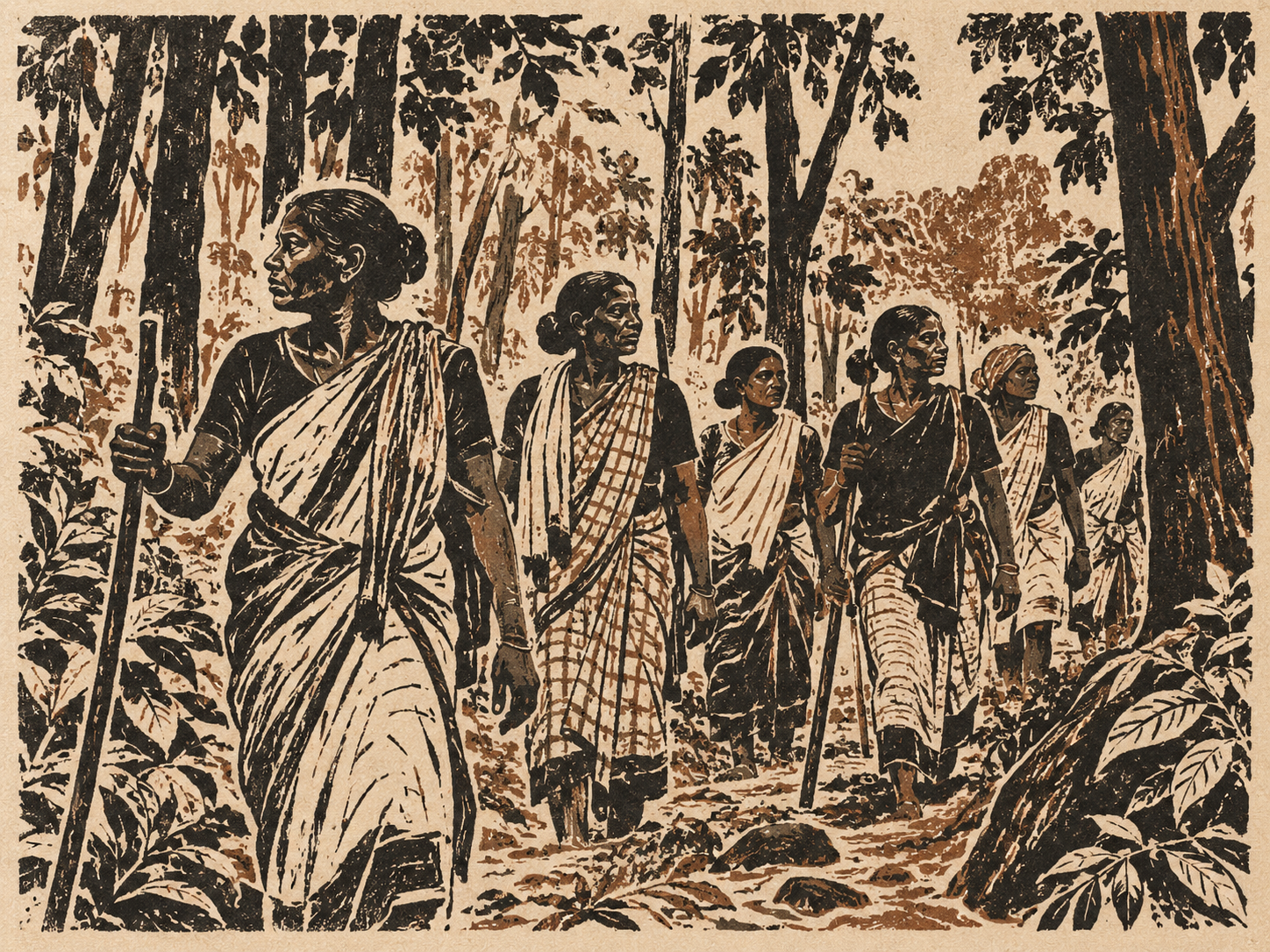
The physical protection of the nine-hectare common forest comes with discipline. Every day, a team of 12 to 13 villagers patrols the woods from 7 in the morning until 2 in the afternoon.
During seasons with no farm work, as many men must migrate to cities like Jamshedpur for daily wage labour, the responsibility of protection falls largely on the village’s women.
Of the 32 women on the committee, many hold leadership positions, including the posts of treasurer and vice-president. The villagers found that outsiders were often more hesitant to confront a group of women, making the patrols more effective. To ensure fairness, if a family misses their assigned patrol duty, they are fined 120 rupees.
Sukurmani, who is 55, never misses patrolling duty. She grows paddy and vegetables on over 10 bighas of private land for household consumption. “After farming, all that we have is the forest that provides food to us. Unless and until we safeguard it and future generations won’t be safe here,” she said.
In 2023 and 2024, seventeen and six people respectively were caught for illegally taking firewood or timber to sell for business purposes, such as making furniture and door frames. Some were fined and some were allowed to leave after confiscating the woods
This system of self-governance extends to the villagers’ own use of the forest. Recognising that they still need wood for fuel and construction, the committee established a "fee" system rather than a total ban.
If a villager needs ten "rola" (logs) to repair a house, they must pay 100 rupees into the village fund and seek formal permission from the president. This fund, including the fines from illegal loggers, which has grown to 85,000 rupees since 2020, serves as a community safety net, providing low-interest loans for medical emergencies, weddings, and funerals.
Ecological recovery and the legal claims over forest
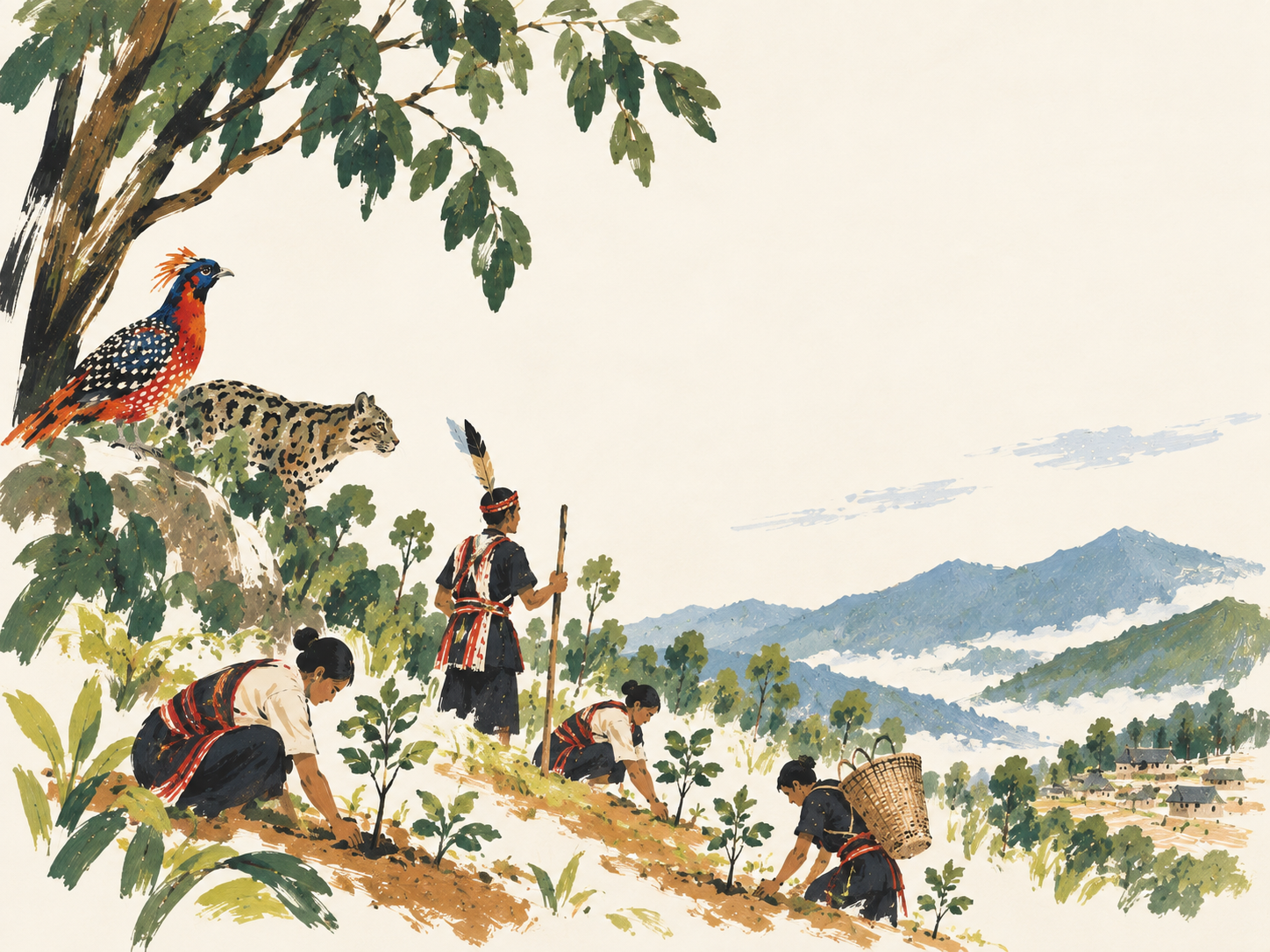
The impact of community-led forest protection has become visible in the gradual return of biodiversity over the last five years. Villagers said species that were affected, have begun to regenerate. They include Sal, harra, bahera, chironji, burru (or boru), bhelwa, tendu, medicinal plants such as agni jhar (or agni jhad), forest greens like kunal saag, matha saag, and saralim saag, as well as mushrooms and the forest potato known as bawla.
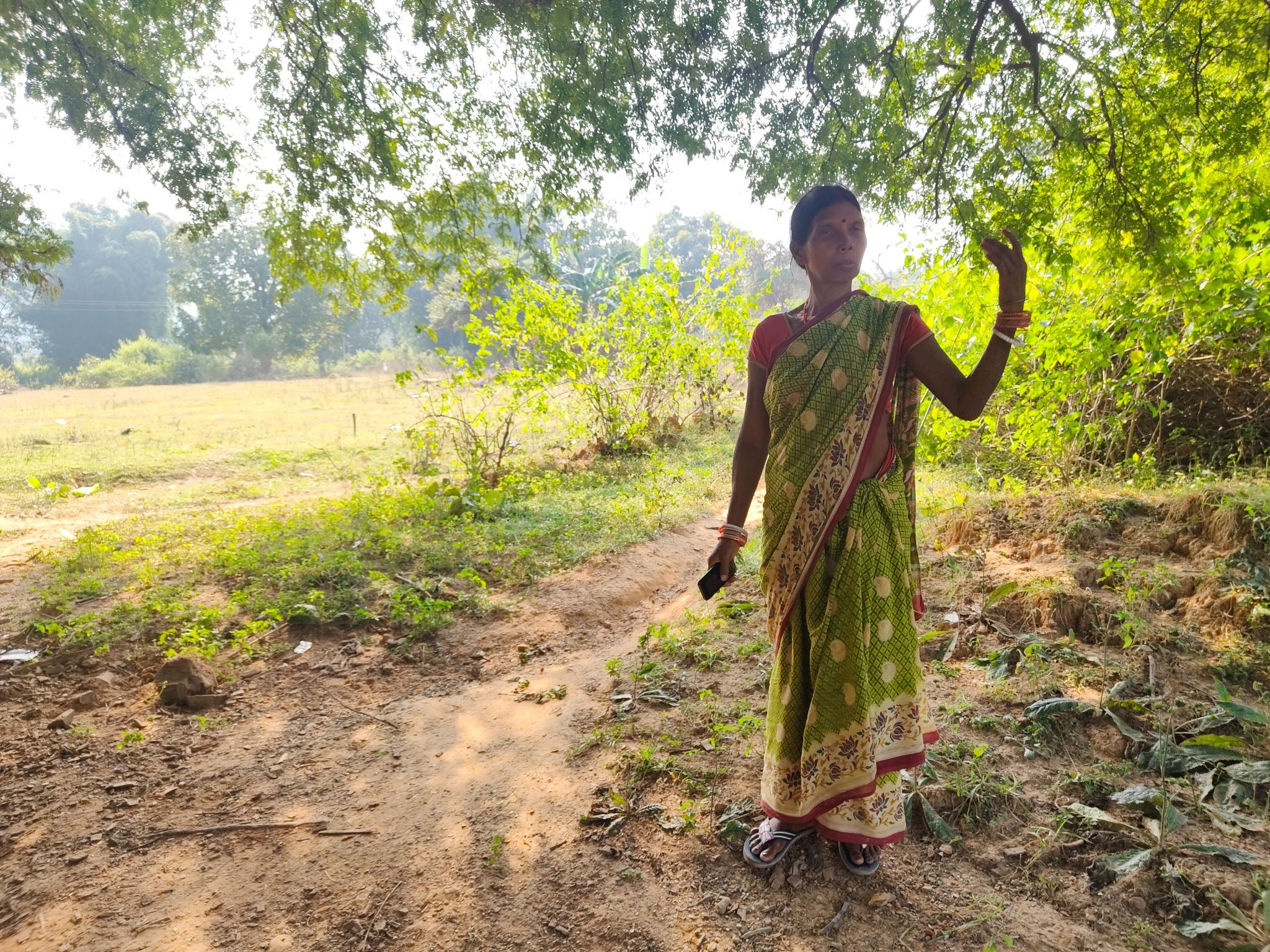
Residents have also developed systems to monitor forest regeneration. Villagers use mobile phones to photograph unfamiliar plants and share with elders to identify edible fruits and mushrooms and distinguish them from poisonous varieties. These are presented and discussed in the gram sabha that they hold every 15 days.
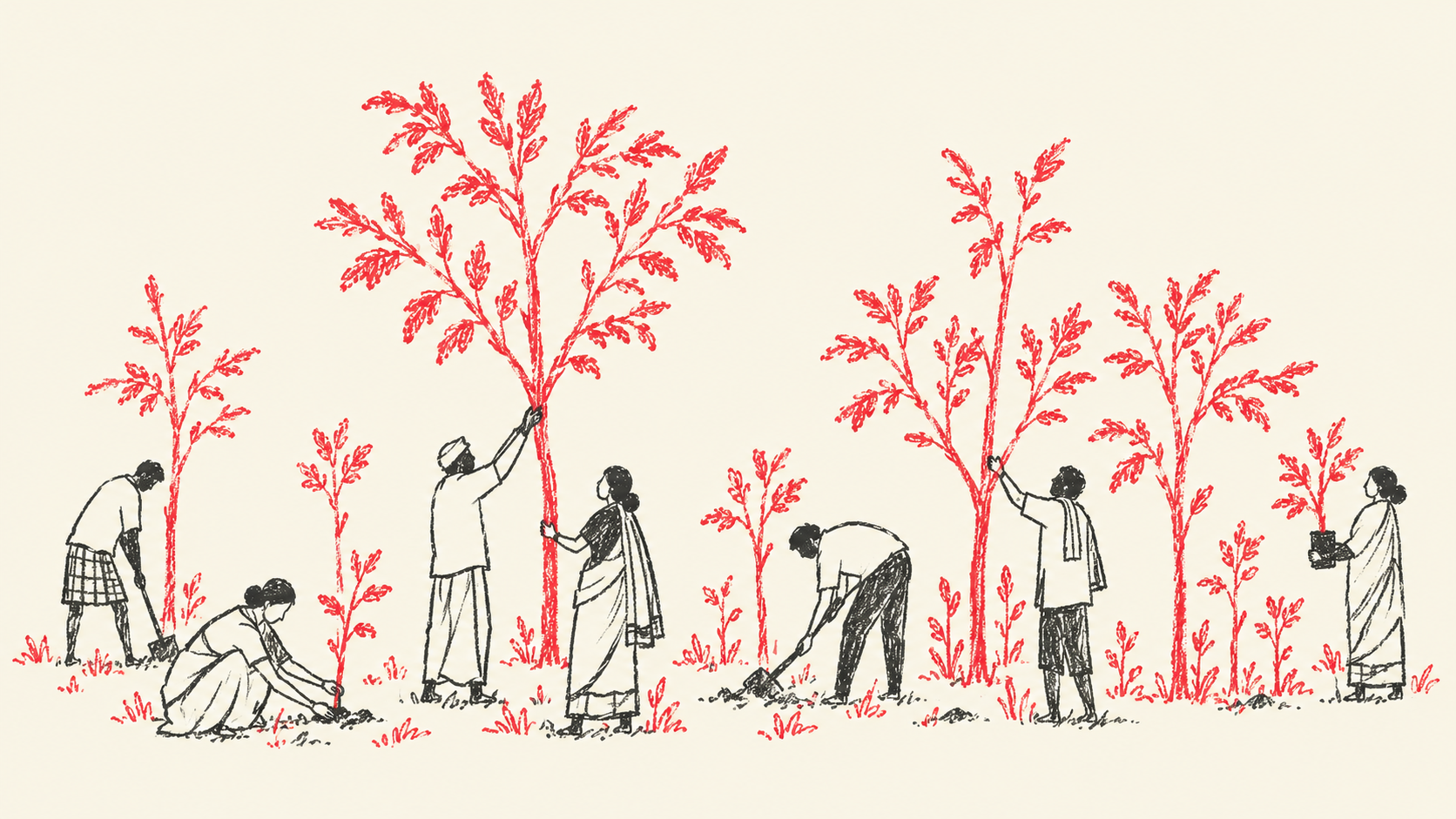
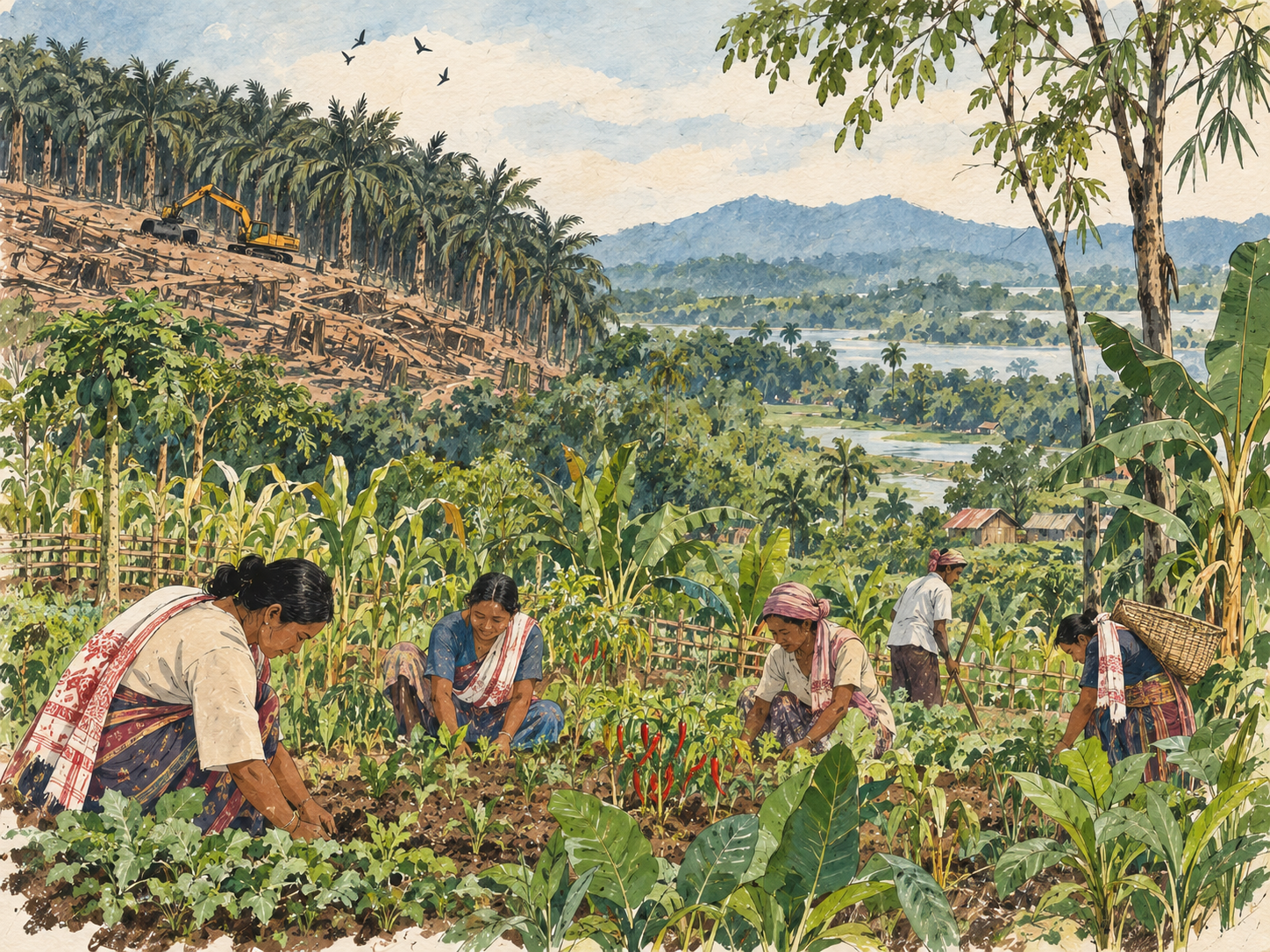
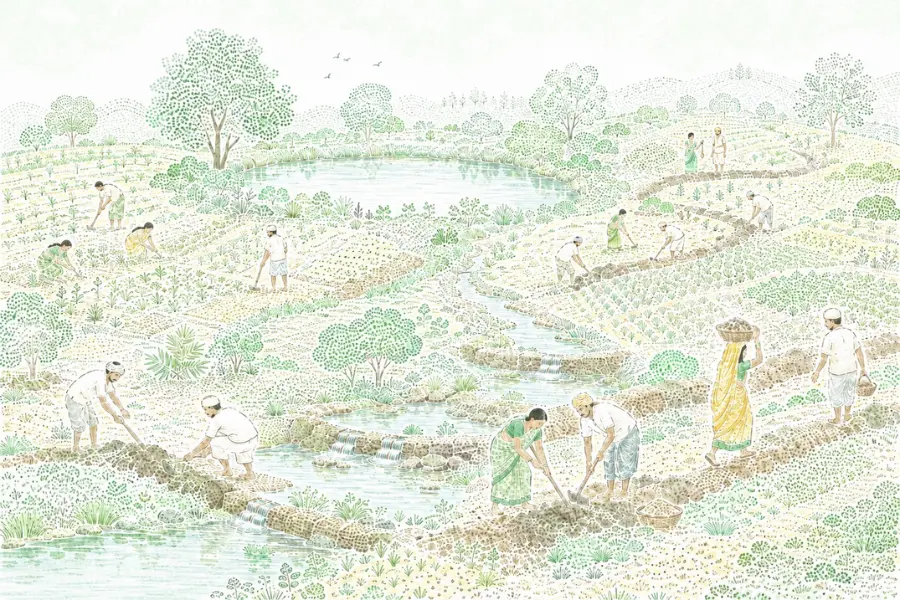
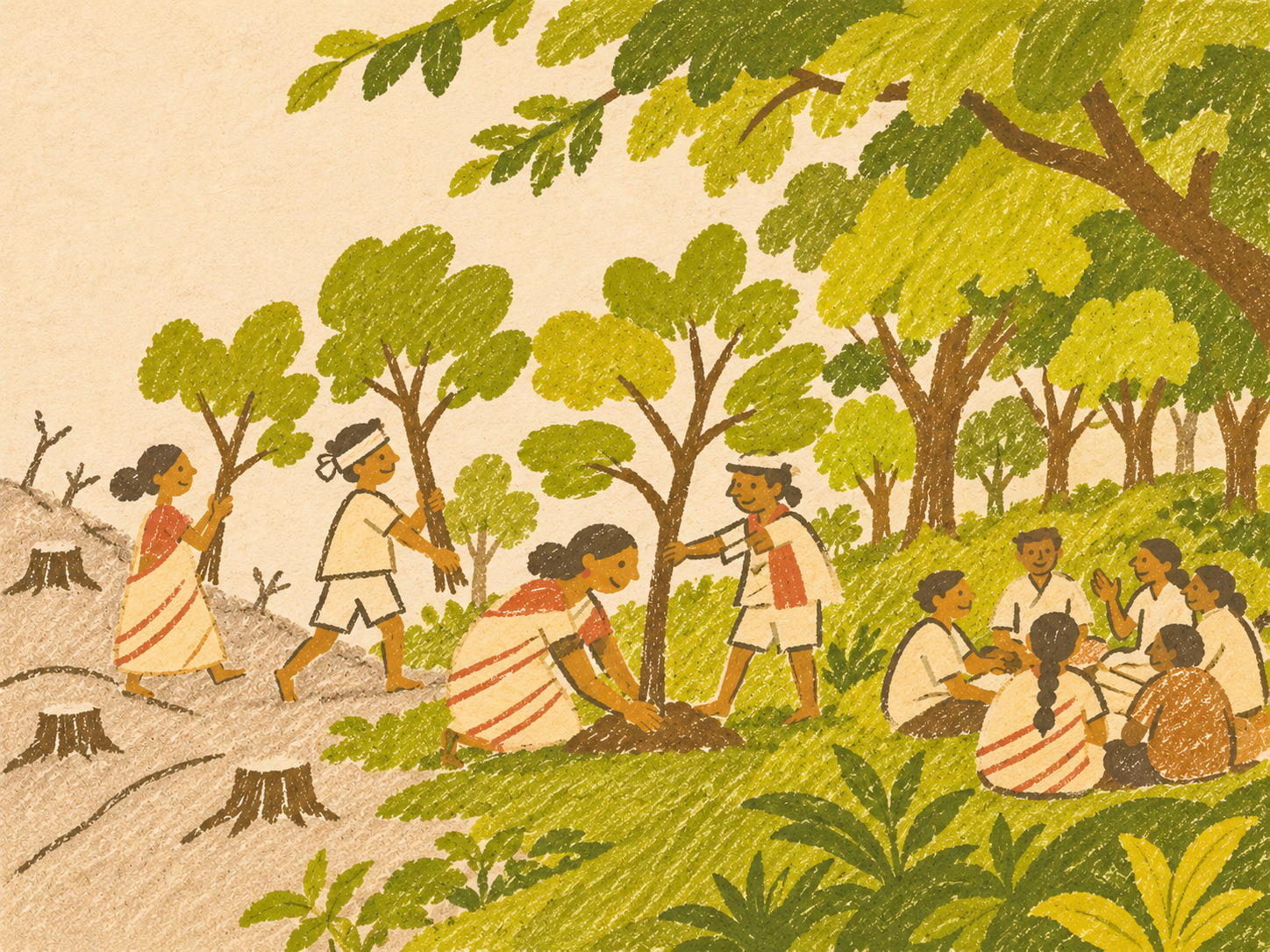
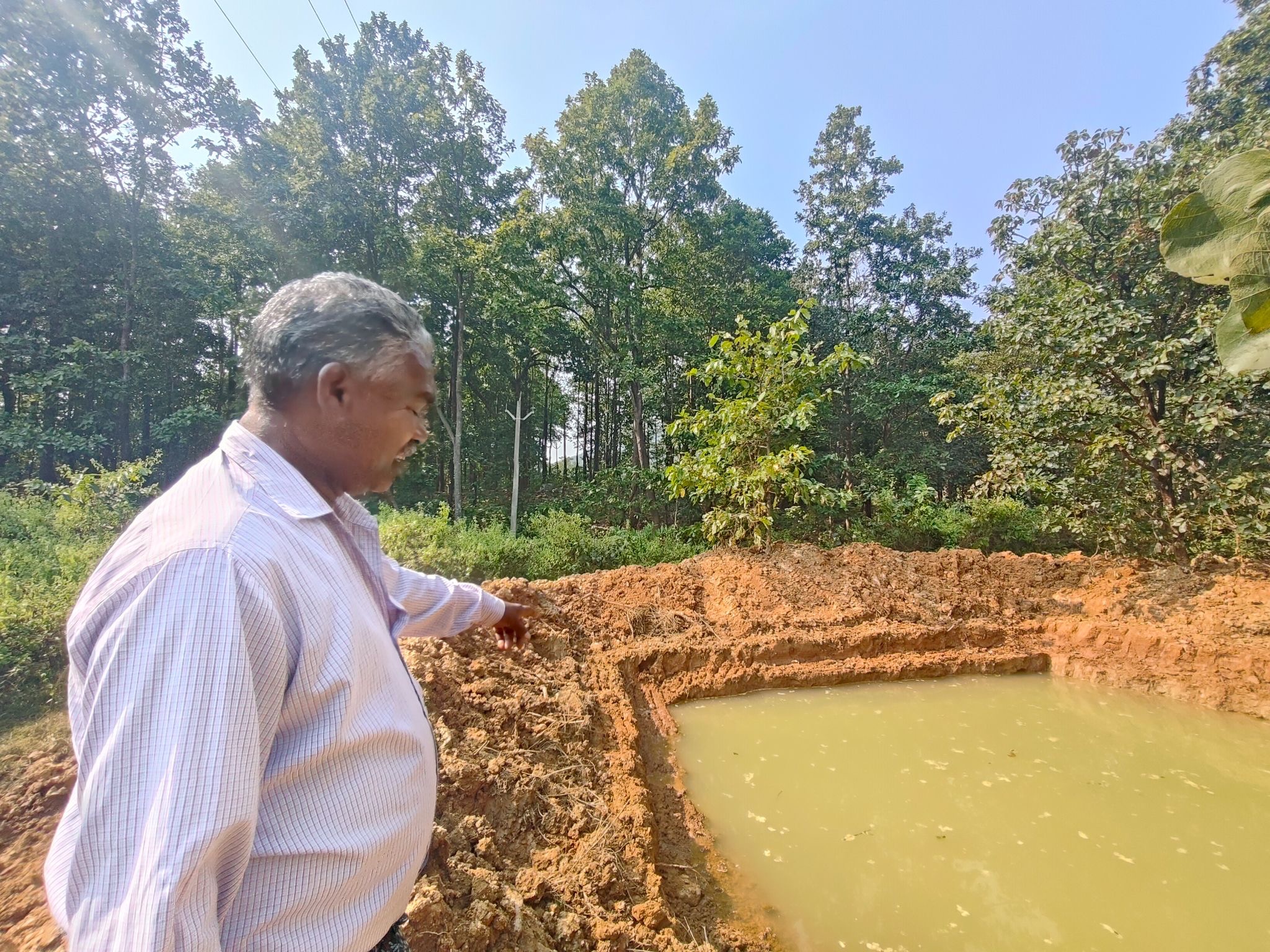
In addition to protection, the community has taken up active restoration work. Villagers have established nurseries to replant species such as harra, chironji and agni jhar, which had declined sharply. To address water scarcity for agriculture, they have constructed 12 dobhas (small ponds) and several check dams, using a combination of external funding and shramdaan, or voluntary community labour.
“Now we are able to store enough water for farming, earlier it used to be a bit tough,” said 65-year-old Ukil Sardar, a farmer, who participated in the shramdaan for constructing dhobas.
These efforts are coordinated through multiple committees, including groups responsible for forest protection, women’s issues and youth engagement. The youth committee focuses on conserving traditional seeds such as ragi and maize.
Despite these initiatives, the legal status of the community’s forest management remains uncertain. Under the Scheduled Tribes and Other Traditional Forest Dwellers (Recognition of Forest Rights) Act, villagers are eligible for Community Forest Rights (CFR) titles, which formally recognise community ownership and management of forest commons. However, implementation in Jharkhand has been slow.
Of the ten villages involved in the collective effort, only two – Udaipur and Kalajor – have received CFR titles. Hathnada’s claim over its nine-hectare forest commons remains pending.
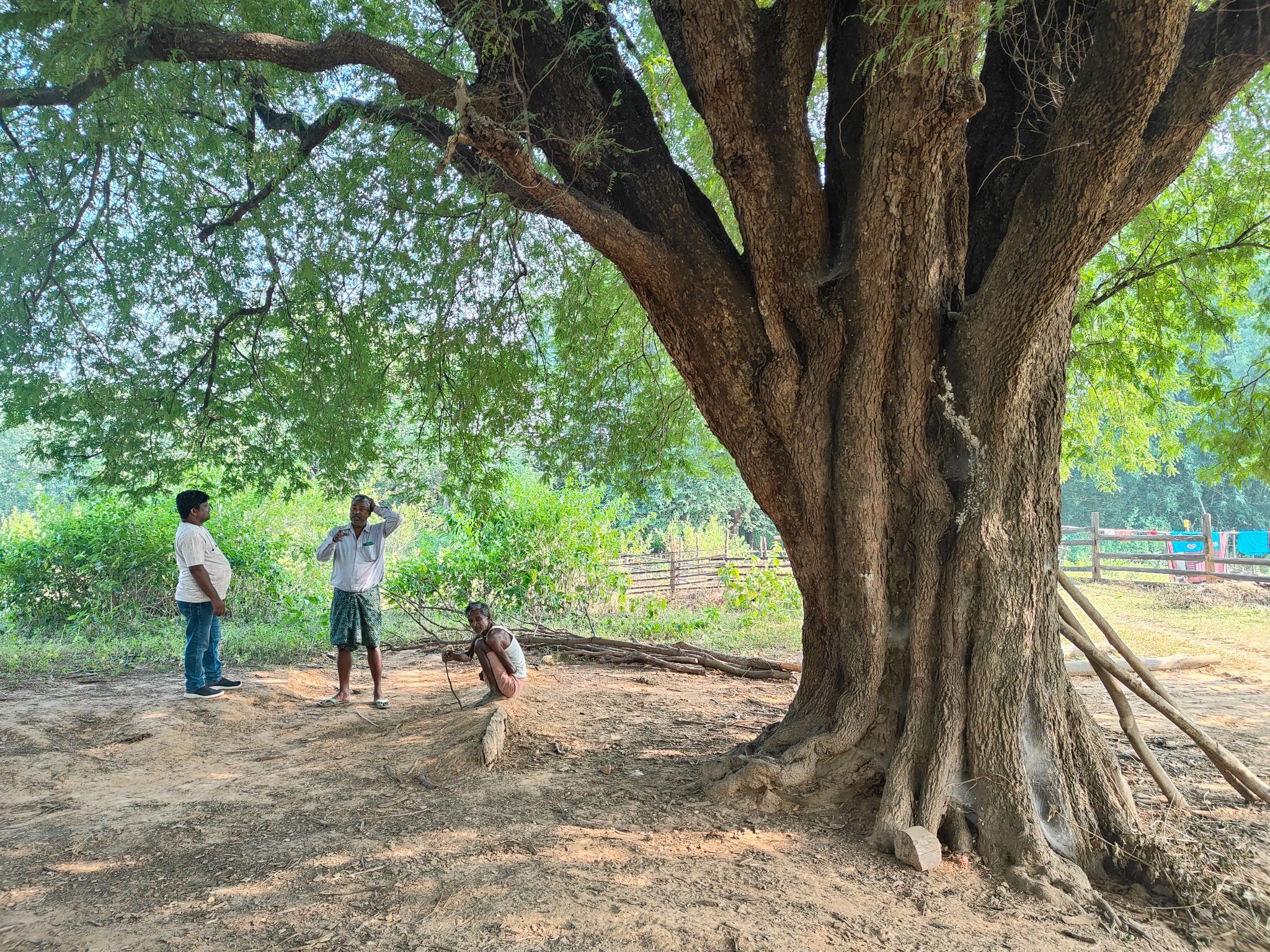
Mahto said that this pendency of formal recognition of the community forest resource rights over their commons has not deterred them from continuing protection and restoration work.
Community forest governance has also had social impacts. In neighbouring villages such as Kalajor and Sardbeda, women-led forest protection groups have contributed to a ban on alcohol consumption, residents said. In Hathnada, elders have resumed passing on knowledge about forest use, including identifying edible mushrooms and protecting regenerating trees. This passing on conventional wisdom from one generation to the next, now formalised has ensured a continuity in shared goals of protecting the forest commons,
Villagers said their experience has reinforced the importance of collective decision-making through the gram sabha and long-term stewardship of shared resources. They added that sustained community action has been central to preventing further degradation and restoring the forest commons.