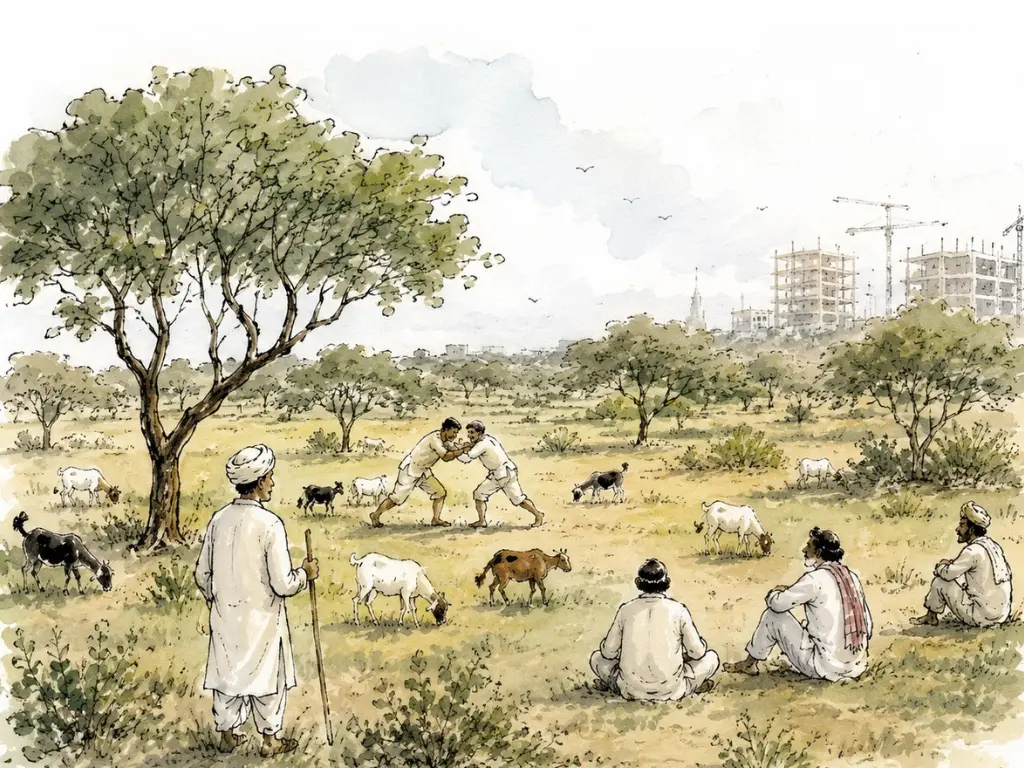
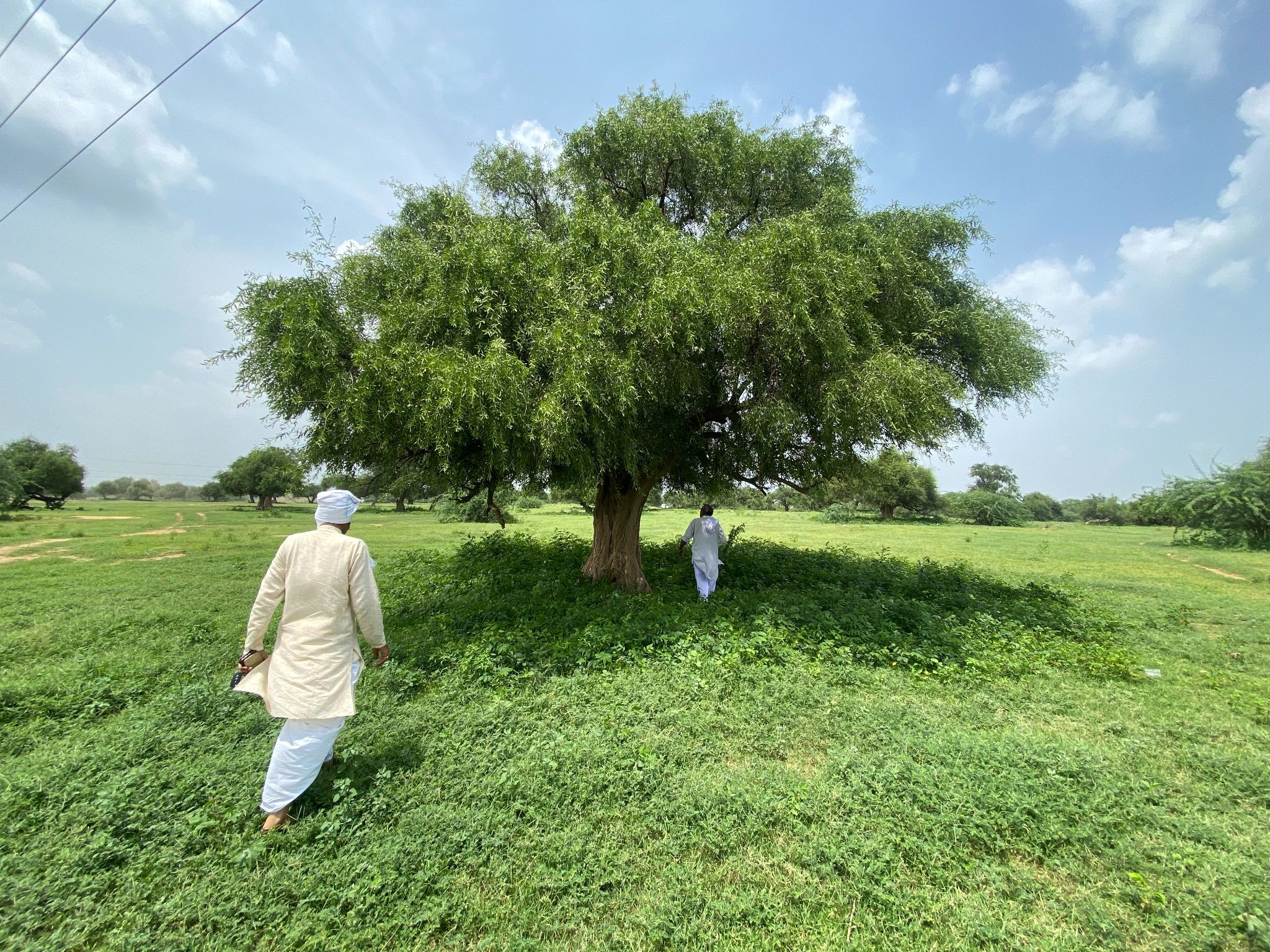
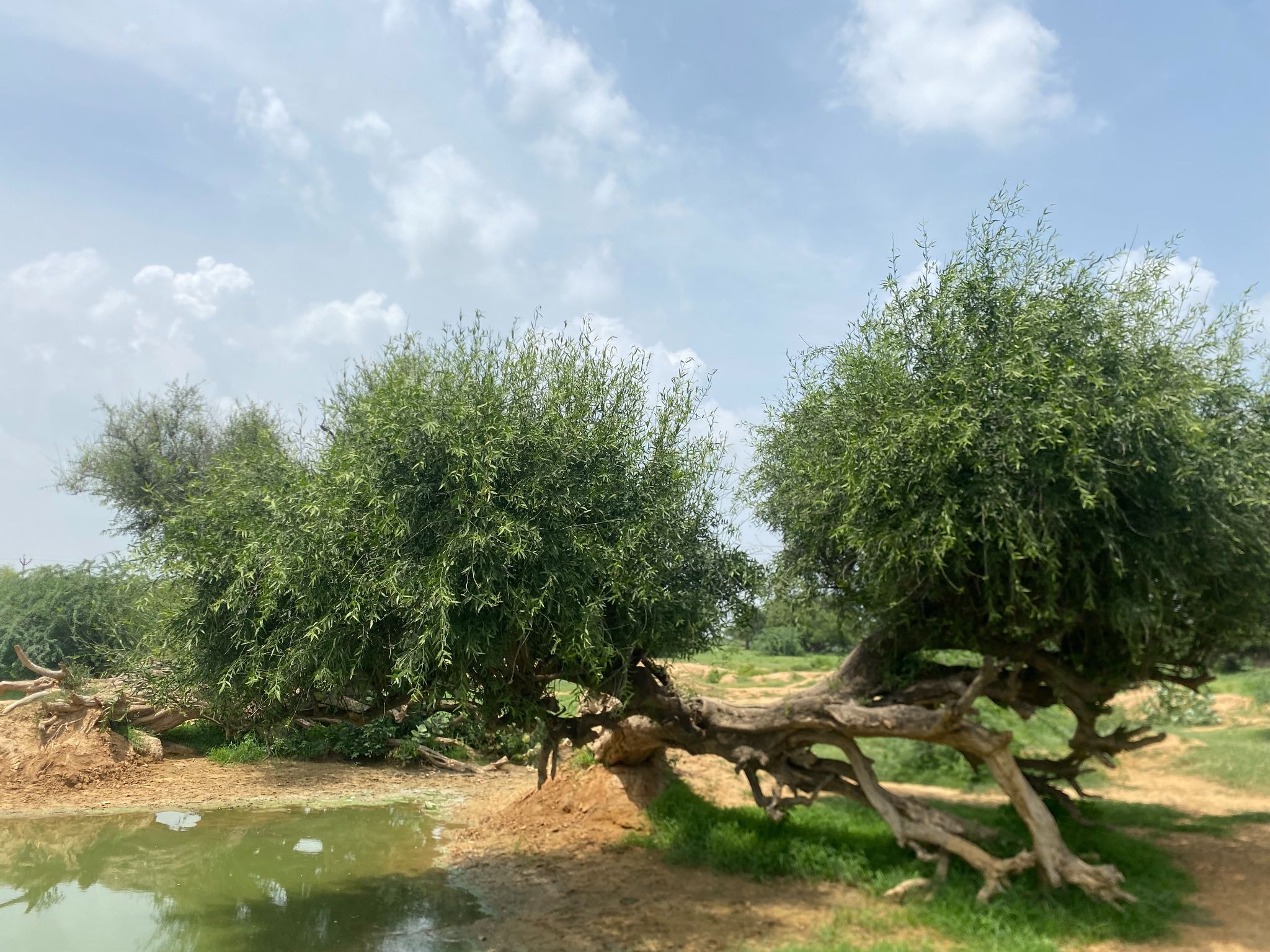
Sonipat, Haryana: The short trunk and bushy canopy of the century old Salvadora trees stand tall next to the much younger neem and peepal trees in the verdant forests surrounding Haryana’s Thaska village.
Thaska is a largely agrarian village located in the Gohana Tehsil of Sonipat district. In the flat canvas of agriculture fields that stretch out across Haryana, this village of 1,700 stands out for its community forest. The 80 acres of forest are among the last surviving stretches with ancient Salvadora trees, a species native to northern India.
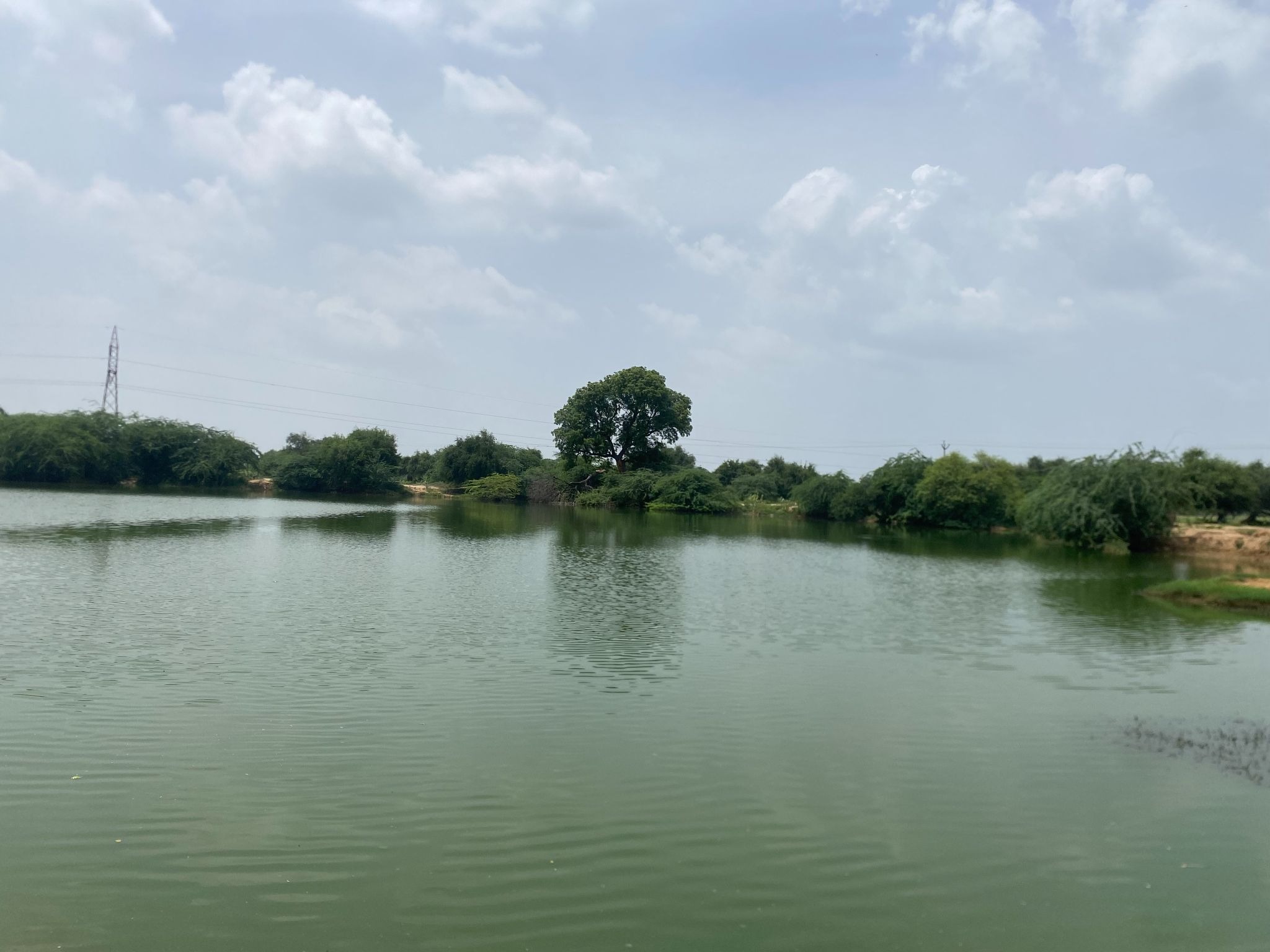
The forest provides the community with medicinal plants, herbs, fruits, and the only available grazing ground and water bodies. For the village’s residents, however, the trees and the forest land are a proud heritage, inherited from their forefathers.
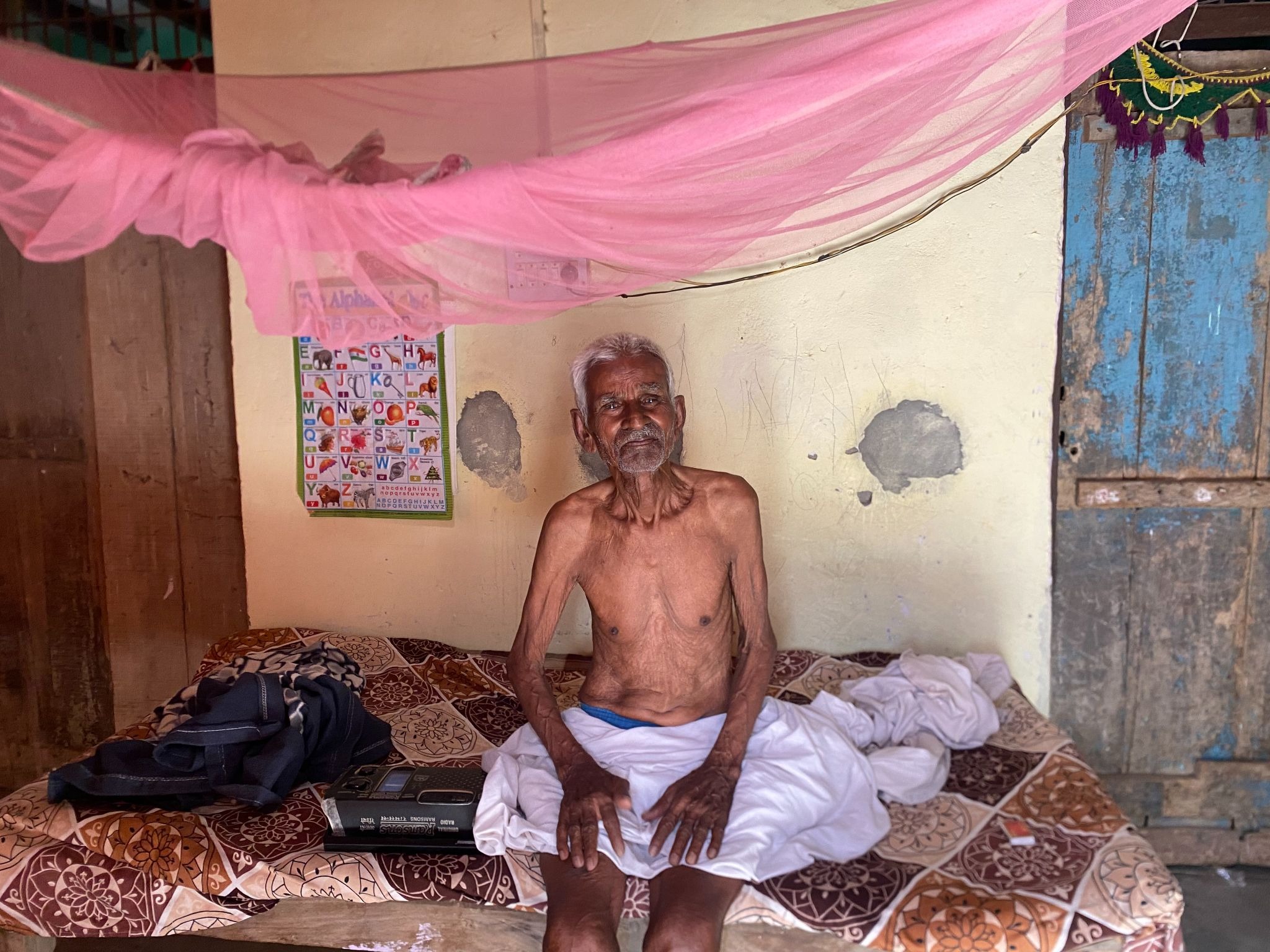
“I used to go to the forests as a child,” recalled 94-year-old Balle Ram, a former wrestler and the oldest resident of Thaska. “All the children in the village would gather there and play.”
Today, just half of the Salvadora trees remain in the forest. Even this fragile remnant is under threat, with the local Panchayat seeking to divert the community forest for a series of ‘development’ projects that includes a proposed police station and other public buildings that would require large-scale tree felling.
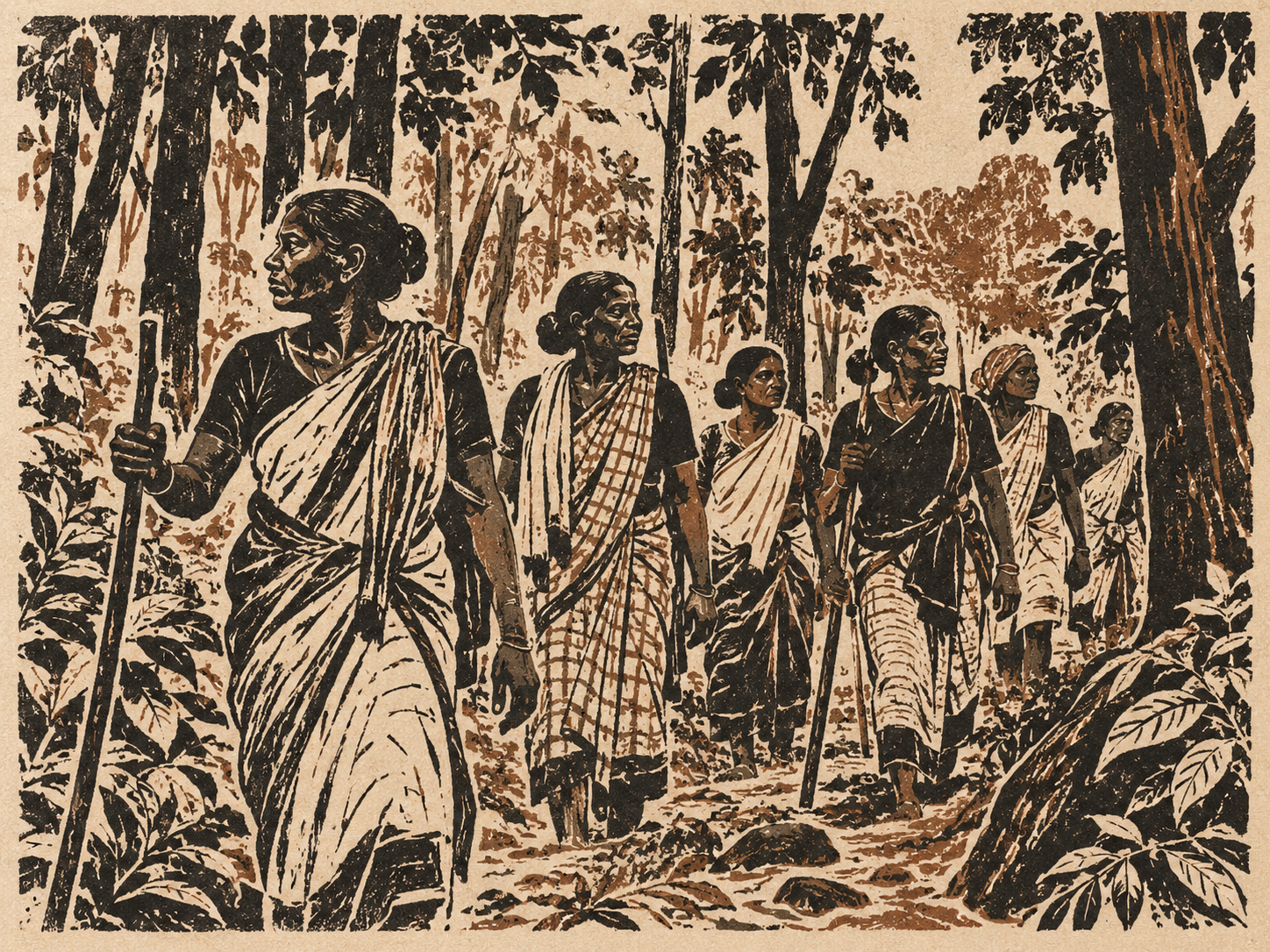
In response, villagers have mobilised across caste and age groups, framing the struggle as one to protect not just trees but their ancestral commons. Their resistance has taken collective and innovative forms: forming a dedicated forest protection committee, numbering and mapping every surviving tree, and applying to a state scheme that seeks to recognise and protect heritage trees. These efforts have led the High Court of Punjab and Haryana to restrain construction and tree cutting in the forest, even as residents remain vigilant against the steady erasure of access to land they have stewarded.
Hundred years of plenitude
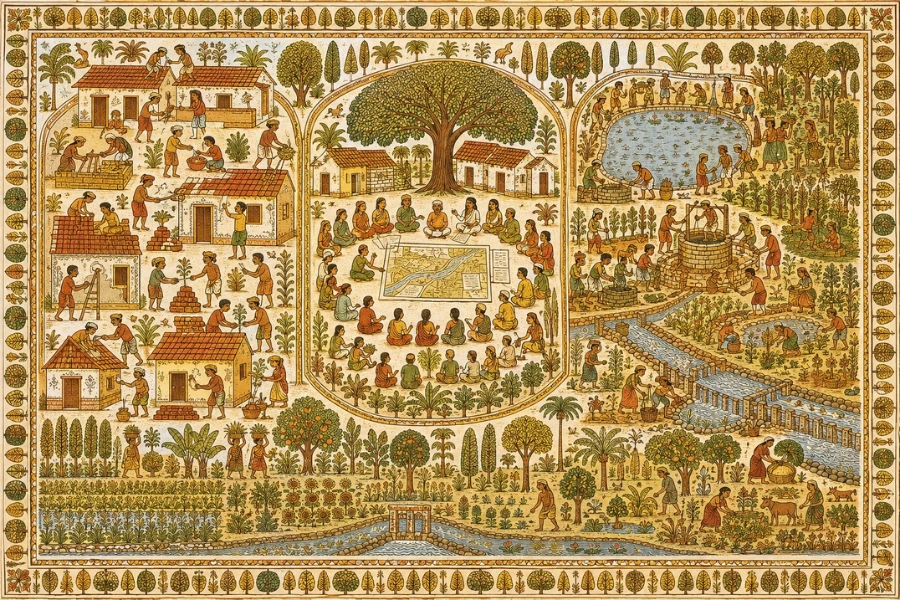
Commons are shared lands such as forests, pastures, water bodies, and mangroves, which cover 205 million acres, or one fourth of India. They form the lifeline for over 350 million people, including marginalised groups like Scheduled Castes, Scheduled Tribes and women. Communities across India have traditionally protected, restored and managed these commons through customary self-governance practices. These customary rights and practices, however, haven’t been formally recognised or recorded in many parts of the country.
Pressure over resources, caste and class hierarchies and environmental degradation has curtailed communities’ access to commons, leading to over-exploitation of commons and exposing them to climate vulnerabilities and rural distress.
Despite these challenges, communities across India are showcasing that reclaiming, restoring and managing commons through customary self-governance practices plays a crucial role in their ecological, social and economic upliftment. This story from Thaska village is one such example of communities pushing back against the takeover of their commons. The village’s tussle with its own Panchayat also raises an important question: who really has the authority to decide on how commons should be used and governed?
While there is no umbrella law in India that formally recognises a community’s traditional rights over commons, a Supreme Court ruling makes village Panchayats custodians of the commons. Panachayats are the elected executive bodies of the Gram Sabha (assembly of all adult members of the village) and are, thus, accountable to be the Gram Sabha. In this case, however, the Panchayat has gone against the mandate of the Gram Sabha to divert the commons against the communities’ will, which is being challenged.
Forest slipping away
For residents of Thaska and nearby villages, the forests are indispensable, not only as the only grazing ground and water source, but also as a sanctuary in times of festival and crisis.
Balle Ram remembers the floods of 1995 in Haryana, when families from across the Gohana Tehsil sought safety there. “We carried our jhopdis (huts) into the forest and stayed until the water receded,” he says.
Residents claim that there were around 1500 Salvador trees in the forest, but there are only 738 trees now.
“Earlier, the density of the trees was very high. Even a wild animal like a jackal or tiger hiding close to you was hard to see,” Balle Ram said. “It was so deep that if an animal took away a man, you could not find them,” he added.
Residents say forest cover has already shrunk after panchayat land diversions and fear further loss. In Thaska, five acres of land has become a waste dump, while another five has been converted into a gau shala. Villagers claim that the decisions were taken without consulting them.
In a similar pattern, the Panchayat passed a resolution to allot 7 acres of forest land to the State Government in March 2023. This land was allotted to construct a state co-operative service and marketing institution known as the Haryana State Co-operative Supply and Marketing Federation Limited (HAFED), and a police station. The forest lies less than 1 km from the sprawling 6-lane Delhi-Sirsa highway, and less than 10km from the upcoming international airport in Hisar, making this a prime location.
According to Ram Kumar Shastri, a 56-year-old local, this was the turning point – villagers in large numbers had protested on the land where the police station was supposed to be built. He shares how, despite the community’s disagreement, the contractor felled around 8 trees. “Even after filing a complaint, no action was taken,” he added.
To respond to the situation, the village members formed a 21-member committee, the Rashtriya Paryavaran Ayum Van Suraksha Parmarth Trust or National Environment and Forest Protection Trust (NEFPT), on May 31, 2023. The committee aimed to protect the forest.
Panchayat vs the Gram Sabha
The fight for their villagers wasn’t one with strangers, but their own Panchayat.
According to some members of the Thaska Gram Panchayat, the forests are wastelands. “This is barren land, nothing can grow here,” said Narender Kumar, a relative of Thaska Sarpanch, Poonam Devi, speaking on behalf of a few members of the Panchayat.
When this reporter reached out to the Sarpanch Poonam Devi, who had signed the resolution to allot seven acres of forest land for construction, her husband, Yogesh Dutt, who holds the unofficial title of ‘Sarpanch Pati,’ spoke to us on her behalf.
The title ‘Sarpanch pati’ refers to the practice in local governance under which female elected candidates are mere post holders, while their husbands exercise power and make decisions on the ground. After a few minutes of conversation with Yogesh Dutt, the phone was handed to another member, Narender Kumar, who is not a post holder, but a relative of the Panchayat members.
“This land is used for all mischievous activities in the village. Murdered bodies are found here, and people come here after drinking alcohol; it is also unsafe for women in the village,” said Kumar.
According to him, if a police line is built, it will put an end to all this and create a safer environment for the village. “Some people are opposing this construction because they don’t want development in this village. They are interrupting good work,” he said.
According to Kumar, the Panchayat still plans to build a residential area for police officers in the forests, as well as a police line on seven acres of land in the forest.
“There is so much land available that even if we build on seven acres of land, there is still plenty left for cattle grazing,” he said. “We plan to do even more construction here and build a school and a girls' college that will also generate income and employment for the village residents,” he added.
“The land is not in control of the village. It is owned by the Haryana government and controlled by the Panchayat,” said Kumar. “It is a good thing that something can be built on land that is being left unproductive without any use,” he added.
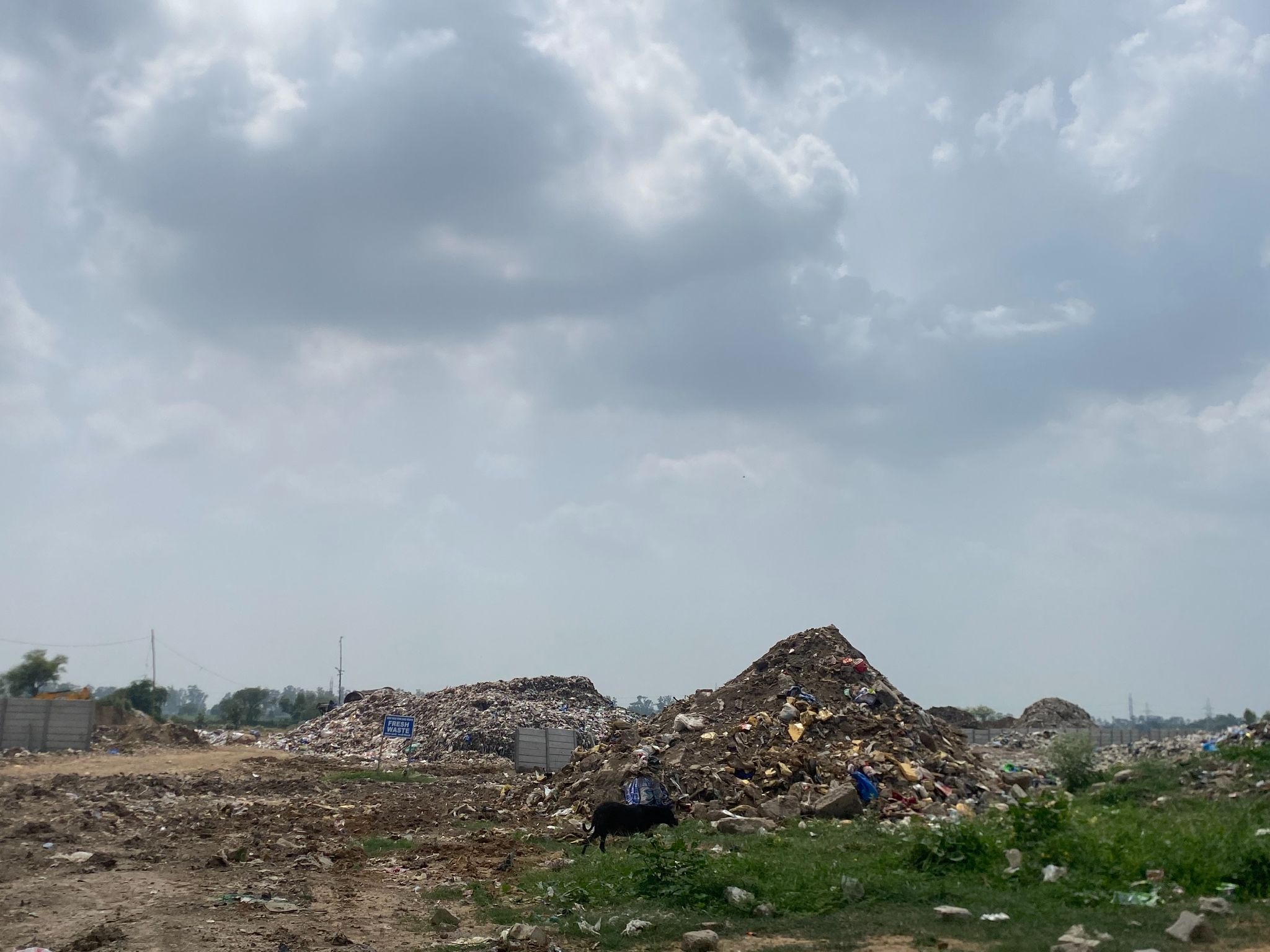
In response Shastri shared, “they themselves have built a dumping yard in the forest, an alcohol shop near the forest. Now if they build the police line, they will slowly and gradually occupy this forest. “
“The Panchayat calls construction in the forest as development, but it will only benefit them,” he added. “This land is not barren, nor is it a wasteland,” Shastri emphasised.
Currently, the committee of NEFPT members have filed a legal case on behalf of the village, stating that forest land cannot be used as a site for the construction of government buildings, as its use is only reserved for the betterment of the village.
Nine Thaska residents in their petition held that the forest land is reserved as ’ Gau Charand ’, a type of common land used for grazing and livestock. Charand land is collectively used by the village and managed by the Panchayat for the benefit of all the village residents.
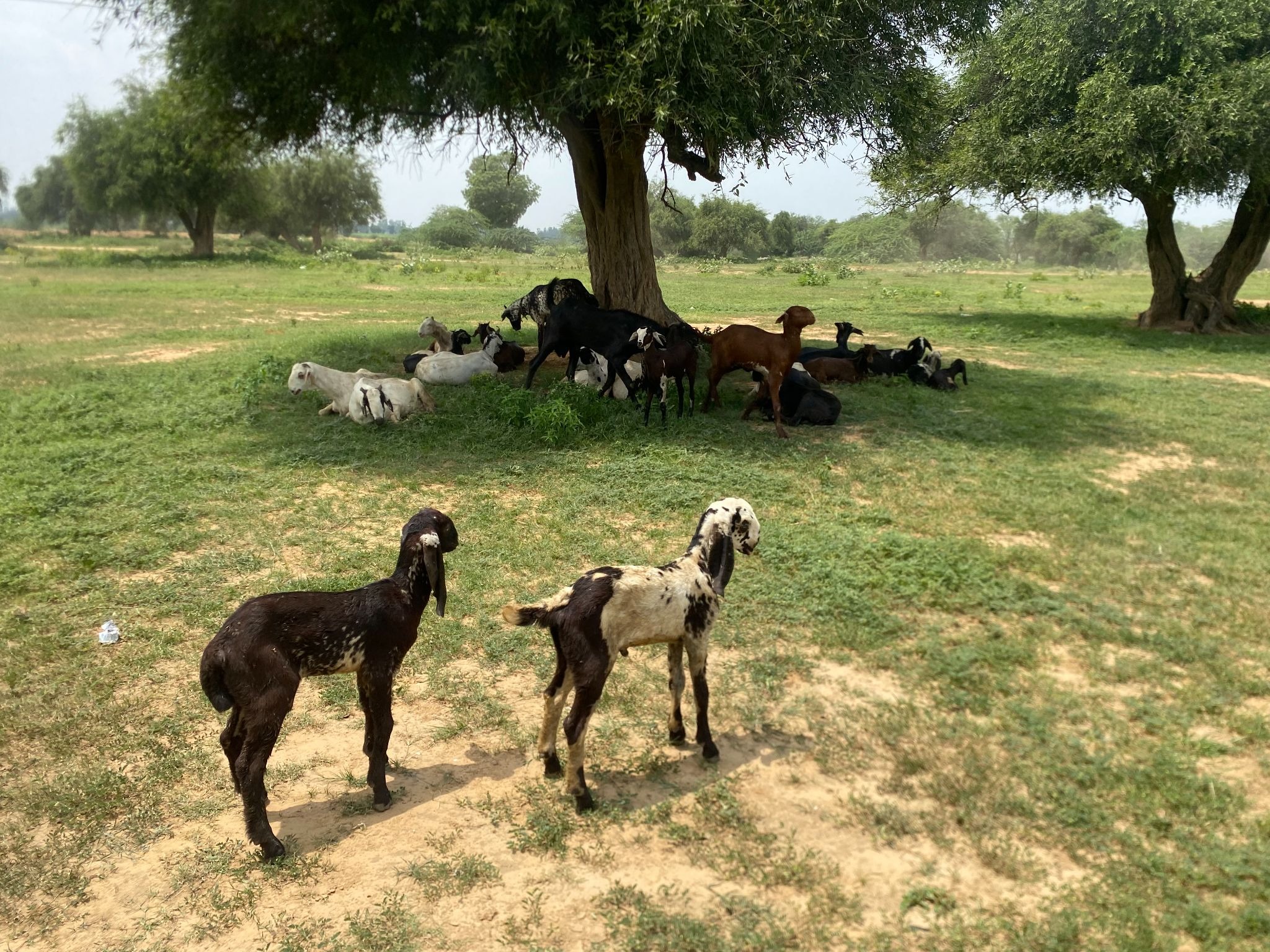
“During the land consolidation scheme, this land was reserved for the use and betterment of the village. However, the Gram Panchayat, according to the petition, has broken the rules of the current land use by allowing construction on land only meant for the benefit of the villagers. “The Panchayat has no right to change the use of the land in any manner,” the residents said.
A victory on paper
The NEFPT is the primary body defending the village’s forests from the Panchayat, with 25 members across castes, communities and religions. It holds monthly meetings with strong village participation.
Villagers even contribute funds and membership fees, which are used to buy saplings and care for existing trees, thereby strengthening collective forest protection. They have been making continuous efforts to ensure the land is kept safe.
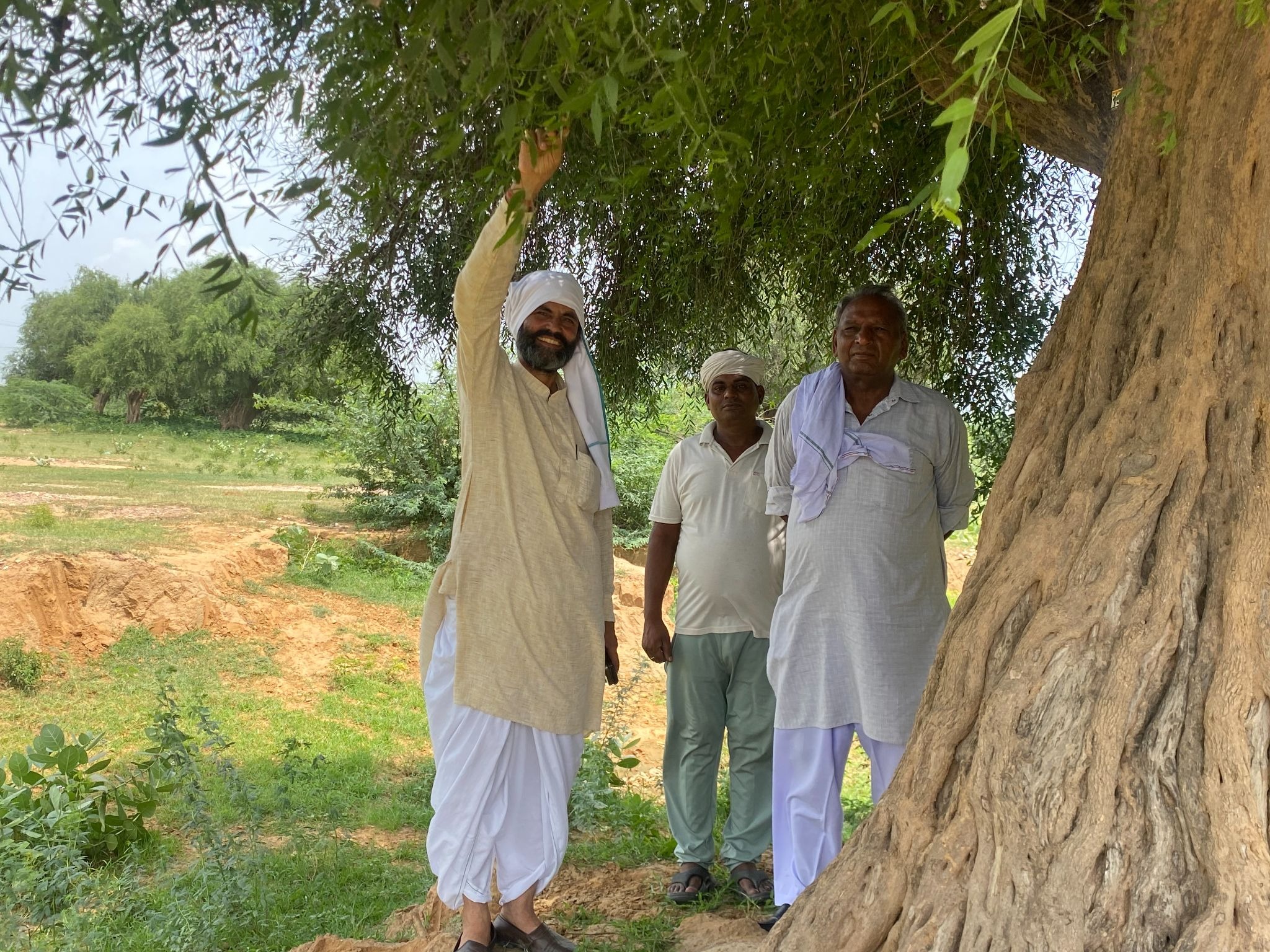
In 2024, The NEFPT had filed a petition against the Panchayat’s resolution. As a result, the High Court, in August 2024, restrained the Haryana government. The High Court ruled that authorities may build the police station and police lines only if no trees are cut; otherwise, they must find an alternative site.
However, according to Shastri, even after the court orders, the Panchayat workers have continued to fell trees, threatening the forest land. "The Punjab High Court put constraints on the felling of the trees, but they put a condition that you can build the police station on the forest land if you do not harm any trees,” said Shastri. “They (the Panchayat) got a way out,” he added.
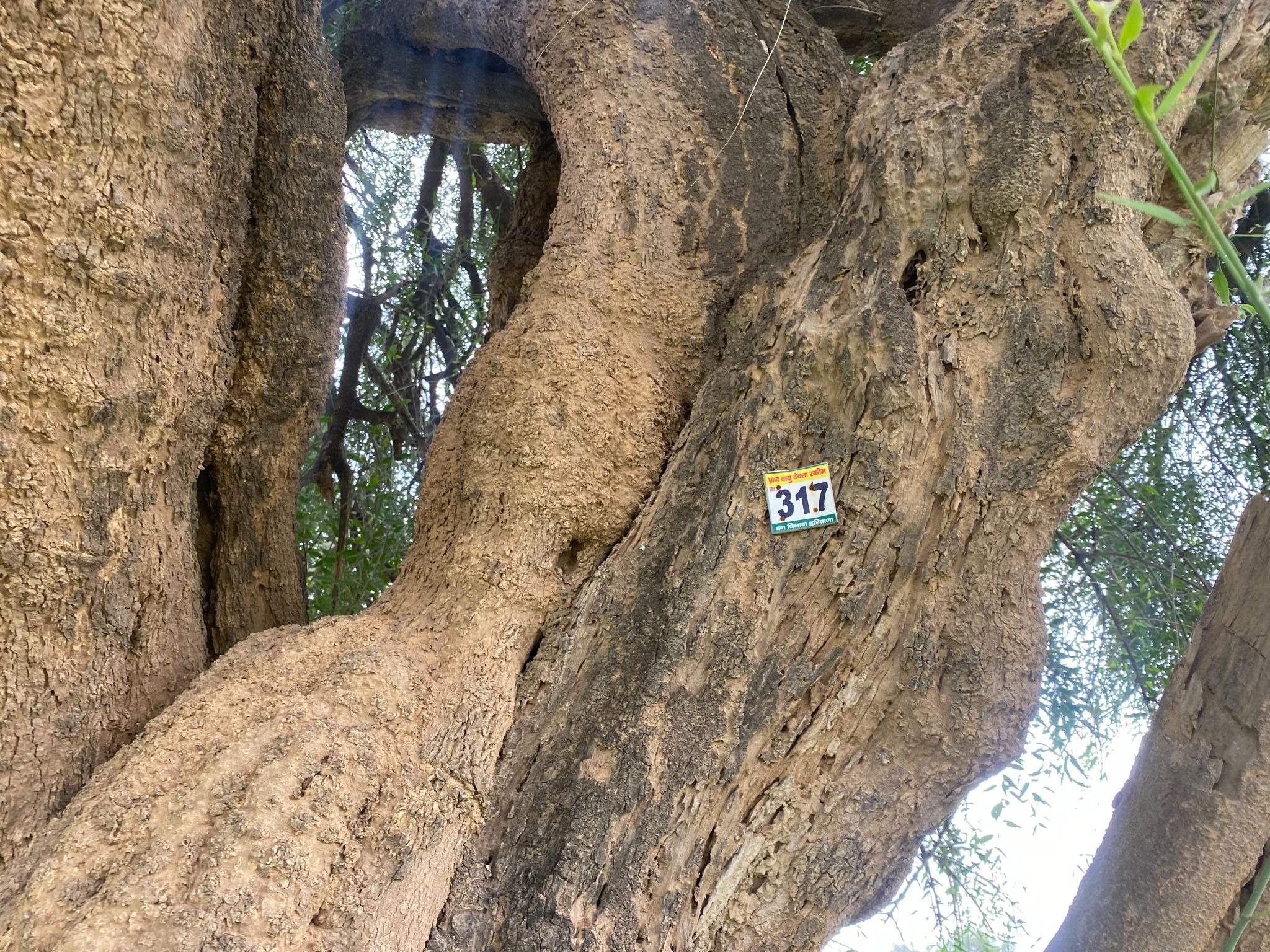
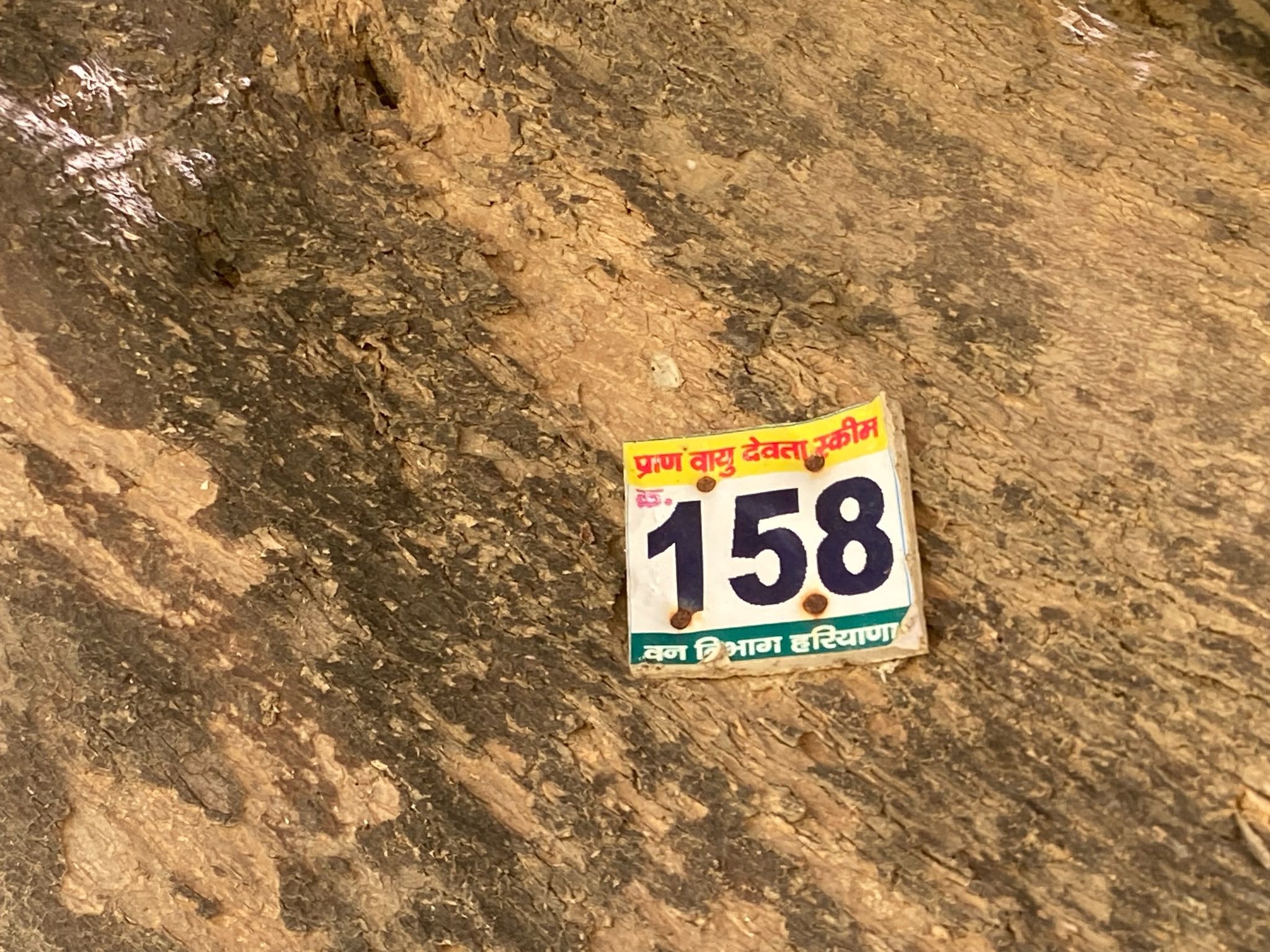
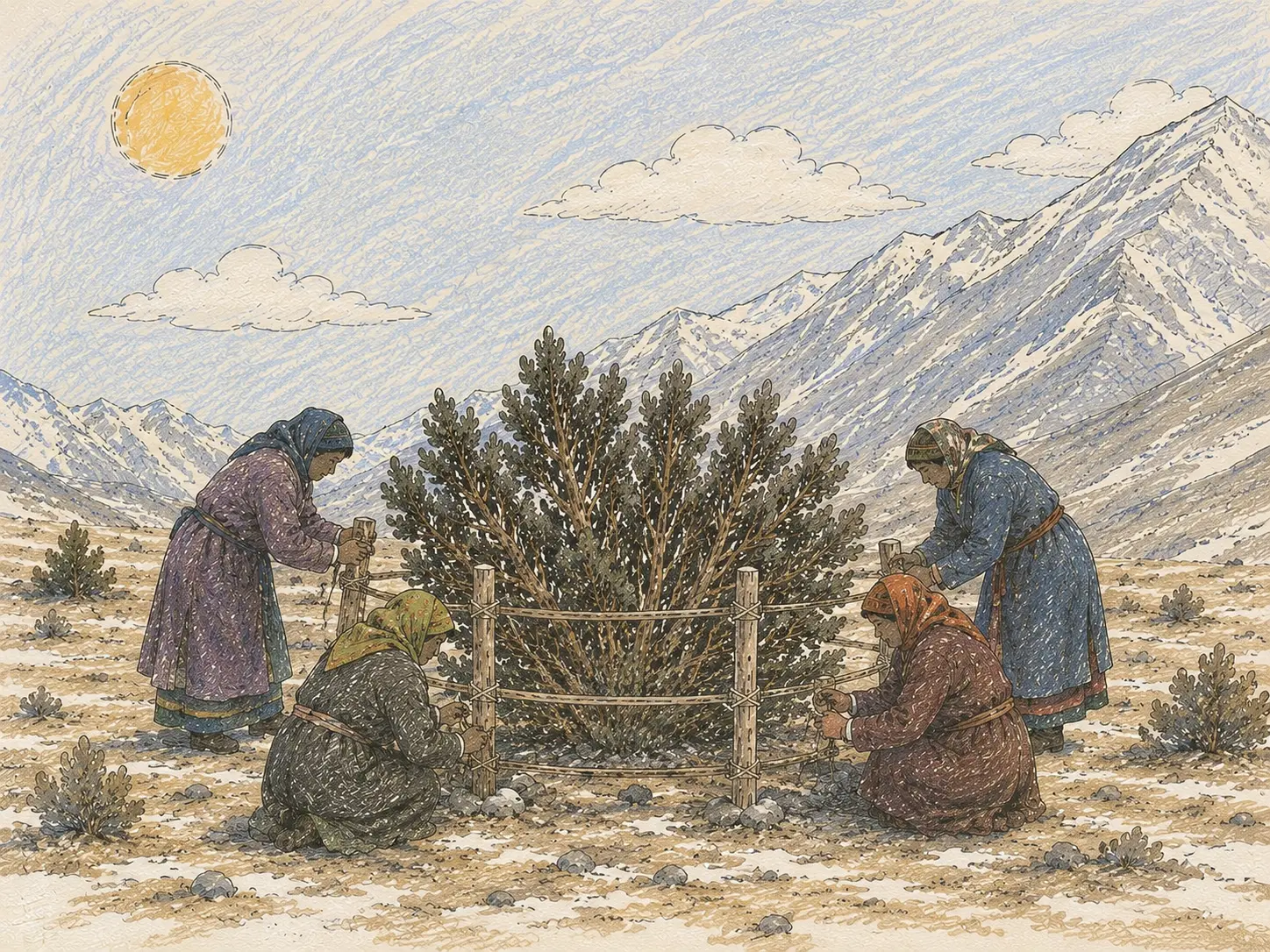
The members continue to keep a close watch. “We have put numbered placards on each Jaal tree to keep track of them,” said Shastri. From 1 to 738, all trees are locally registered under a number. The committee has attempted to register the trees under the Pranvayu Delta Scheme launched by the Haryana government. Under the scheme, trees aged 75 years or more, valued for reducing pollution, providing shade, and producing oxygen, are eligible for an annual pension.
“We have applied for the pension for two years, but we are yet to receive a response,” he said. The village residents remain unable to access the benefits of the Pranvyayu Delta, as the 2024 High Court judgement put both the cutting of Salvadora trees and acceptance of the scheme on hold pending resolution of the dispute.
Undermining the efforts
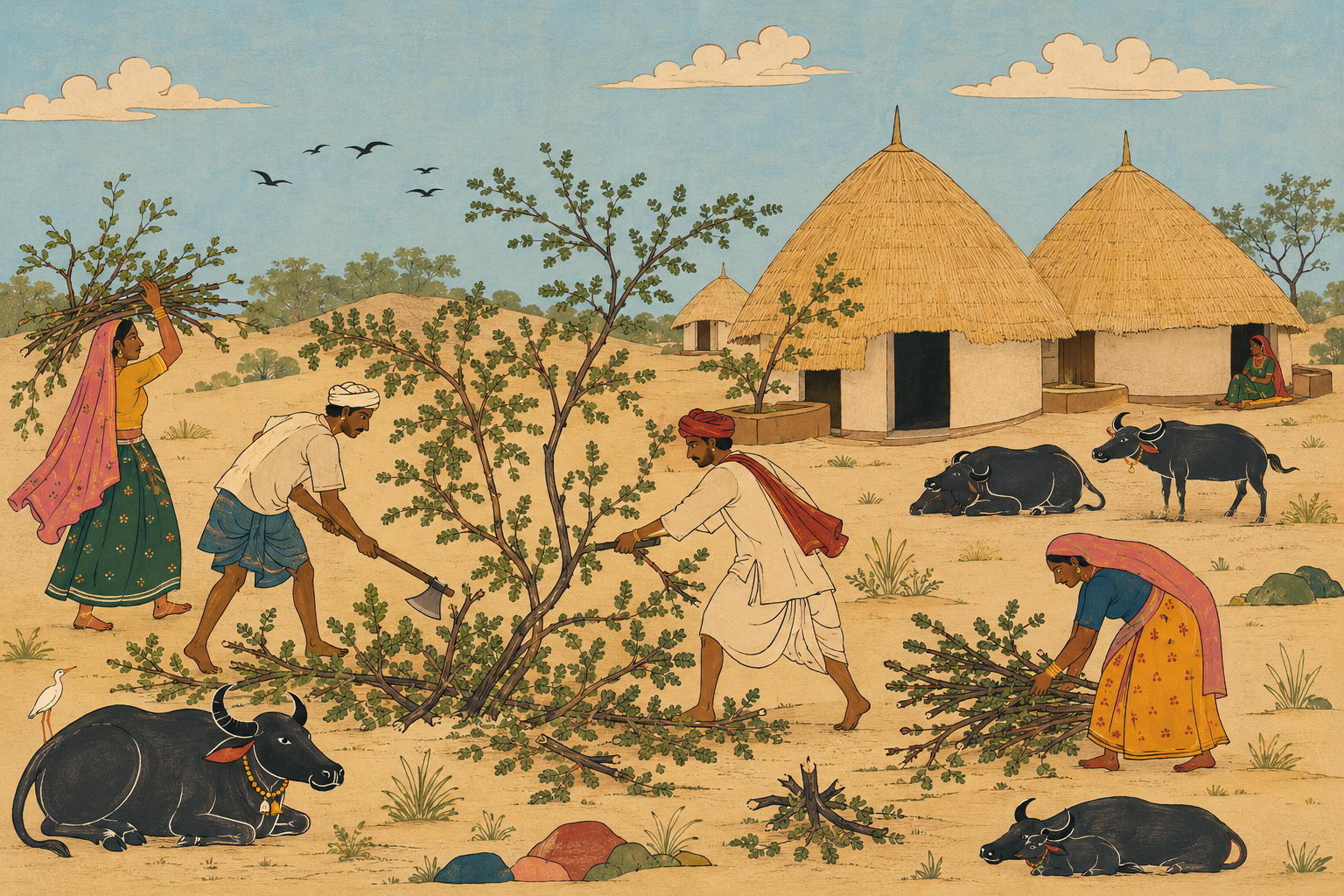
NEFPT members say villagers planted nearly guarded the wasteland 1,000 saplings, including 12-foot Peepal trees brought from Sonipat, but Panchayat workers uprooted them overnight. Residents allege the workers also set fire to the area and used toxic chemicals to kill new saplings.
They have filed multiple complaints with photo and video evidence and submitted petitions with Aadhaar details and signatures, but say no FIR has been registered or action taken.
Shastri shared how villagers rely on the forest. The forest holds many medicinal use – Gokhru (Tribulus terrestris) for heart and urinary health; Van Tulsi (Ocimum gratissimum) for respiratory issues; Punarnava (Boerhavia diffusa) for pain relief; Shivlingi (Diplocyclos palmatus) for reproductive health; Vasa (Justicia adhatoda) for overall health; and Datura (Datura innoxia) for toothache and inflammation.
“Many of these medicines, especially Gokhru, are sent from the Thaska forests to other districts in Haryana,” Shastra said.
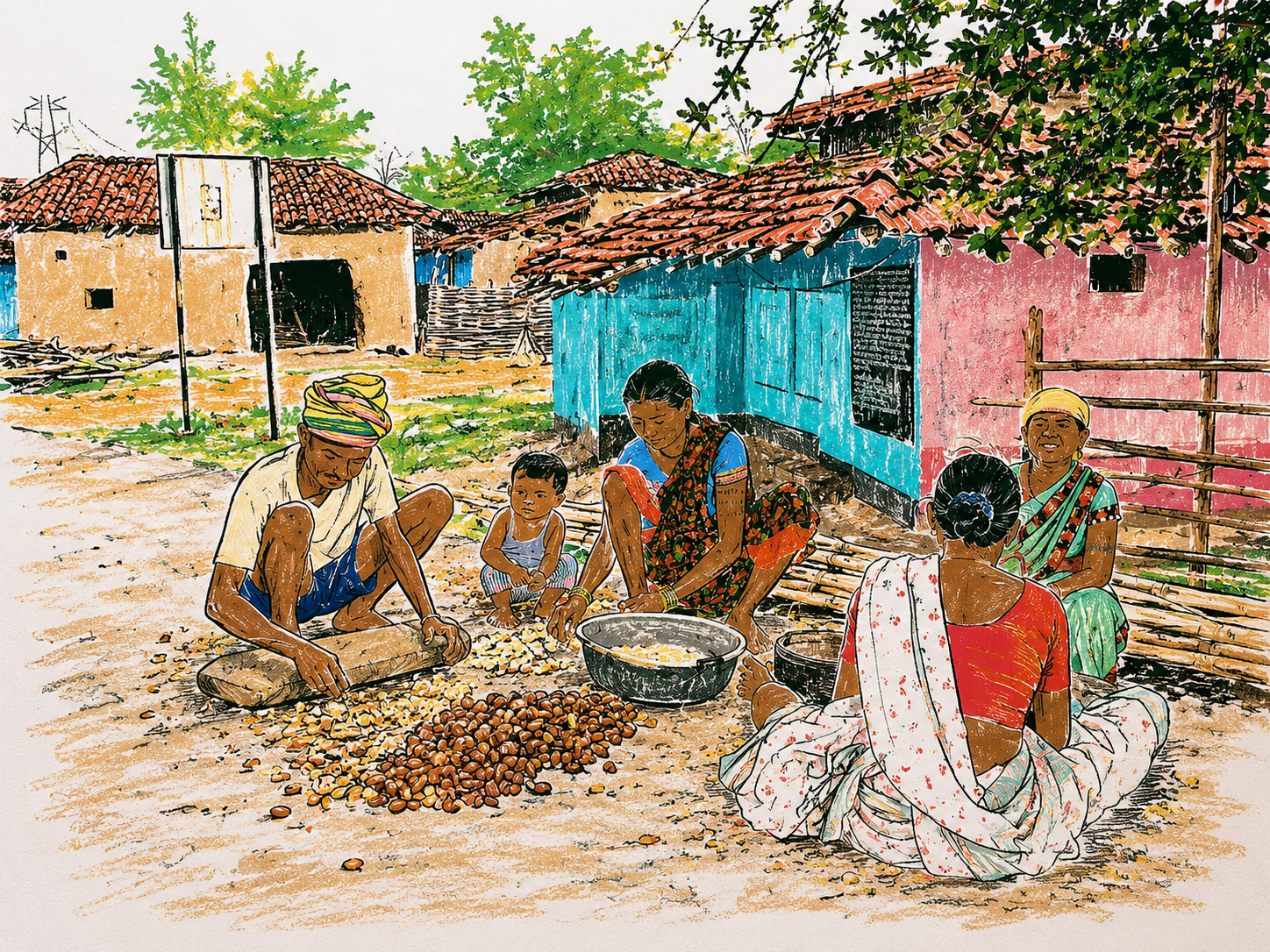
The Jaal trees, known for preventing soil erosion, also grow a red, pungent fruit popularly known as Pilu or ‘Mithi Jaal.’ “The Jaal fruit is enjoyed by the entire village and is also famous in Haryana,” said Shastri. “I have myself many times hosted officials from the state who have visited the village just to eat this fruit that grows here,” he added.
According to the members, the villagers want to make this a sanctuary for plants and animals. “If we get the pension (from the Pranvayu Delta Scheme) for our trees, we will add flowering plants, a special place for animals, and take special care of Salvadora trees,” they said.
Youth renew the struggle
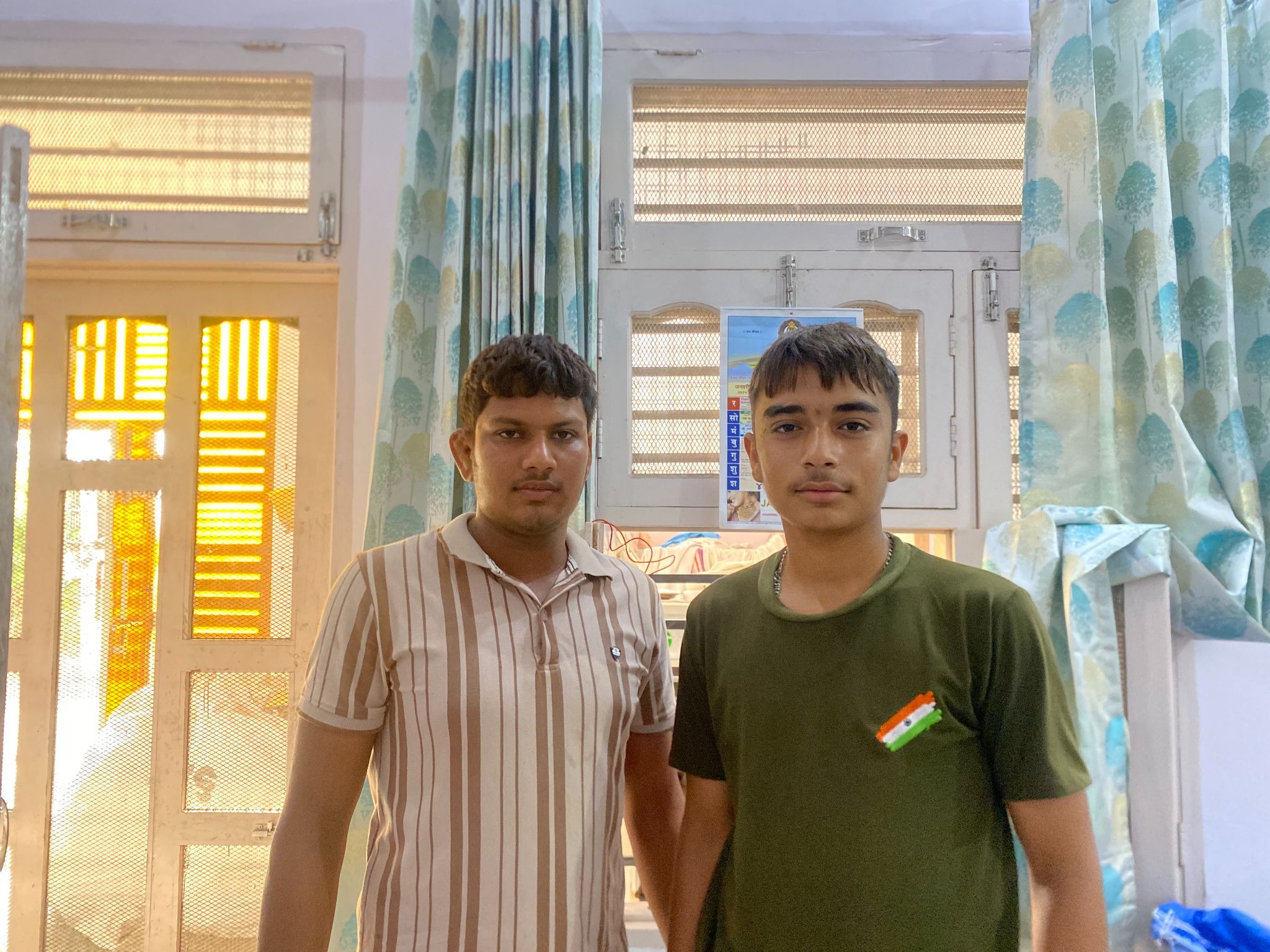
The younger generation in the village has joined the NEFPT’s forest protection efforts. “We have grown up in the forest,” say Jatin Sharma, 21, and Rohit Sharma, 17. “Every day, 25 of us play cricket and wrestle in the akhada for 2–3 hours,” Rohit adds. Along with friends, they water the forest and say they can “figure out when the tree has been felled.”
The two first attended an NEFPT Gram Sabha in 2023, where they learnt about the threat to the forest, and now join protests with the committee. “Even after we get a job, we hope to continue to look after the forests,” they said.




.webp)
.webp)
.avif)
.webp)



.webp)