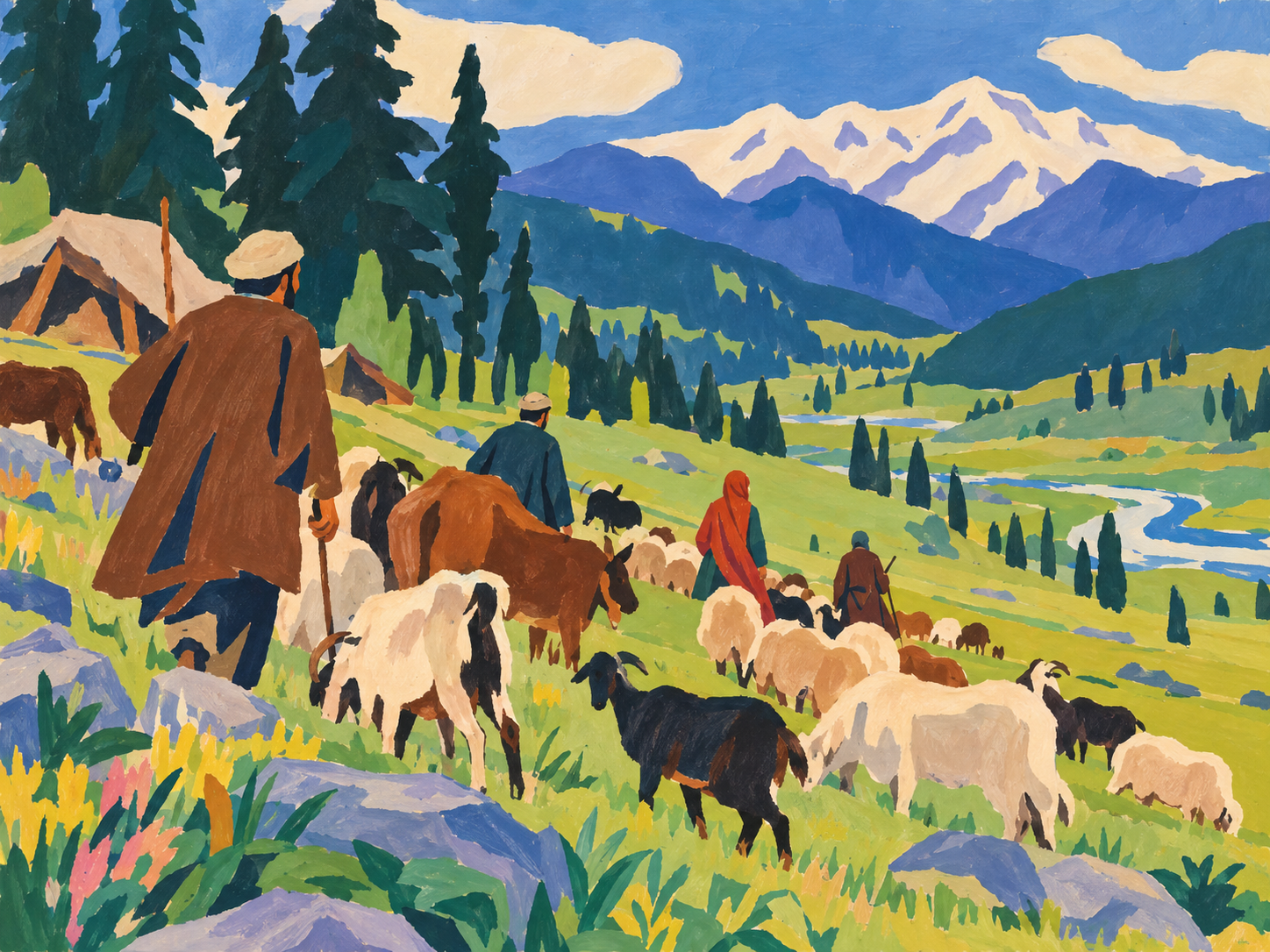
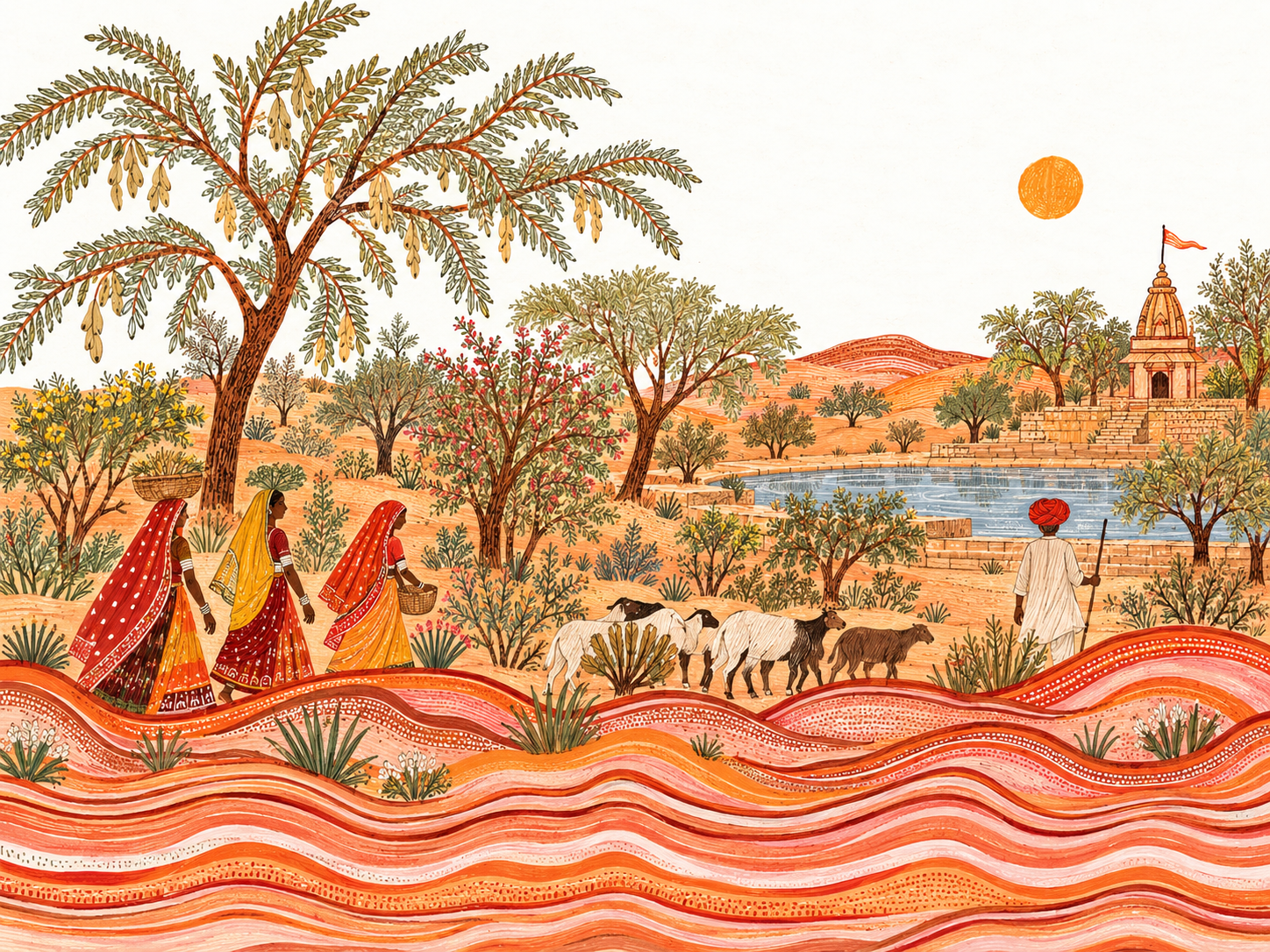
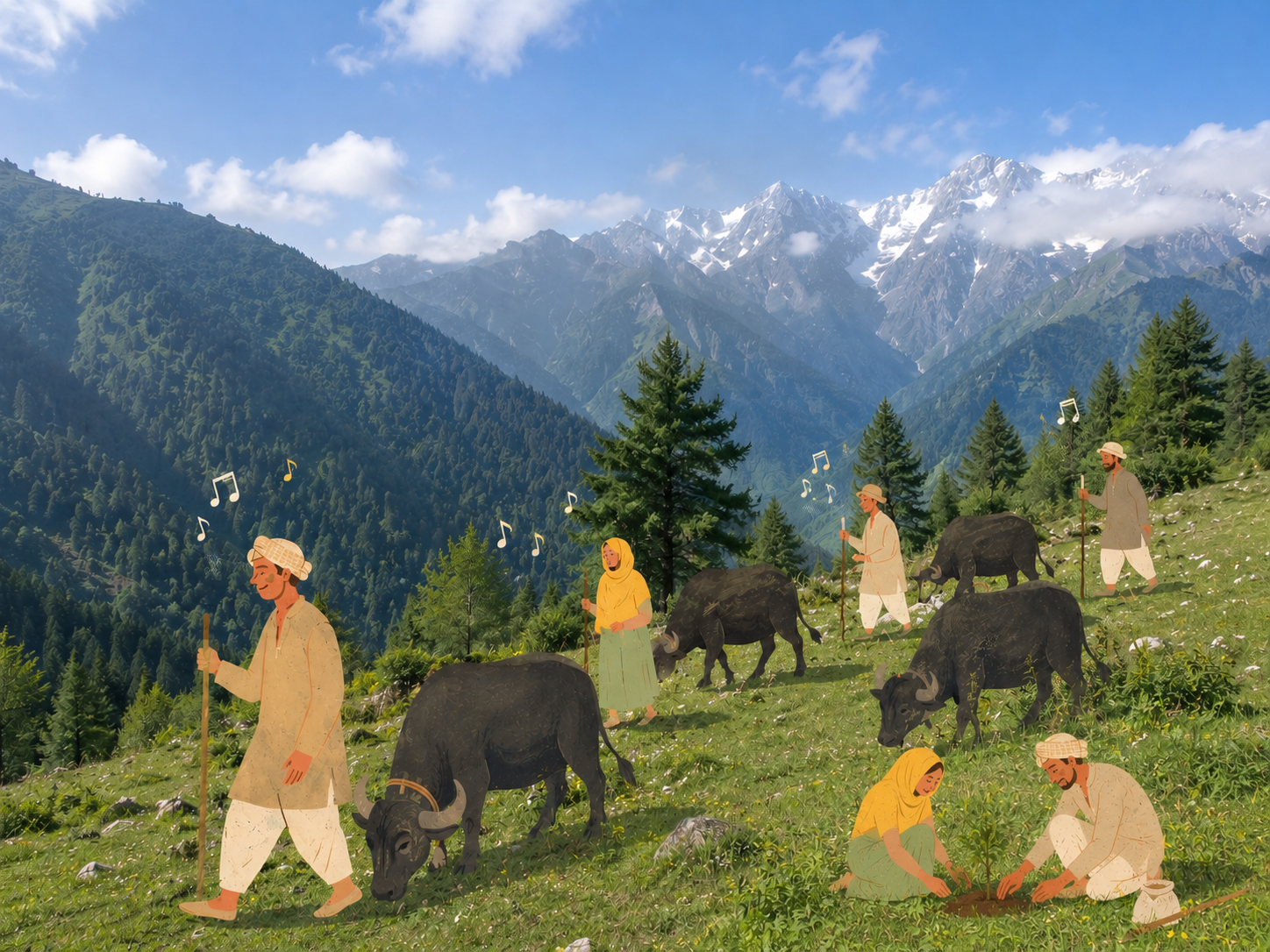
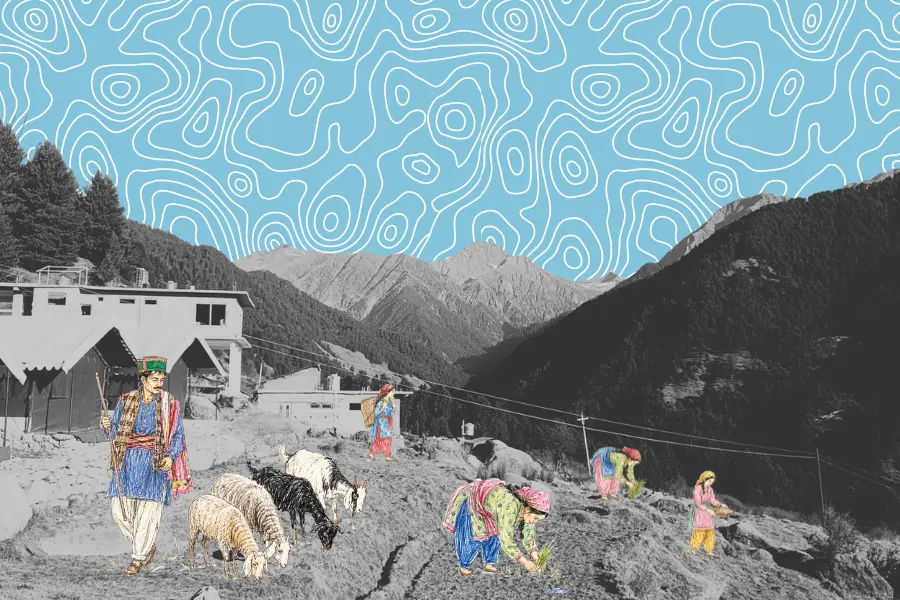
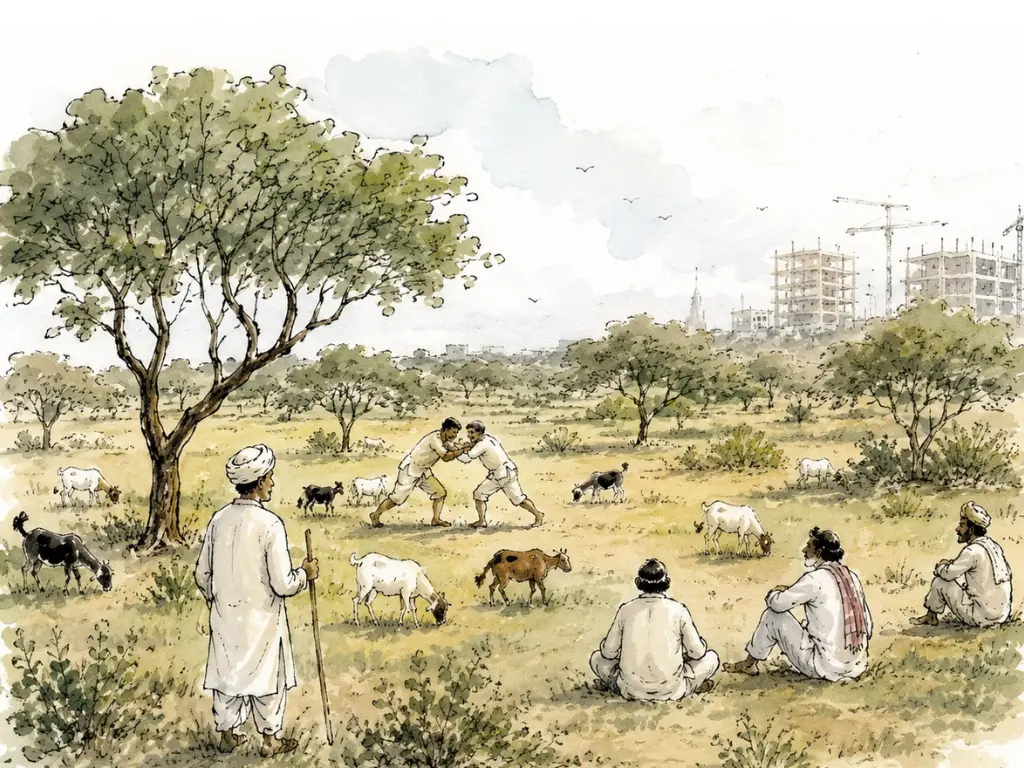
Chotila, Gujarat: On a winter morning in Reshamiya village in southern Gujarat, a Maldhari pastoralist, Jay Kaka (name changed, on his request), leans on his stick and looks across a stretch of pale-gold grass speckled with grazing goats.
He points to the grassland, locally called vidi, that his family leases annually. “Times have changed,” he says, “This is not our time anymore”.
The lease provides Jay Kaka’s animals fodder security through the dry months. Around him, village commons shrink, degrade, or become contested. Vidis are among the few places he can rely on now. “Earlier, there would be pastures like this across this region. Now there are fewer and fewer,” says Kaka.
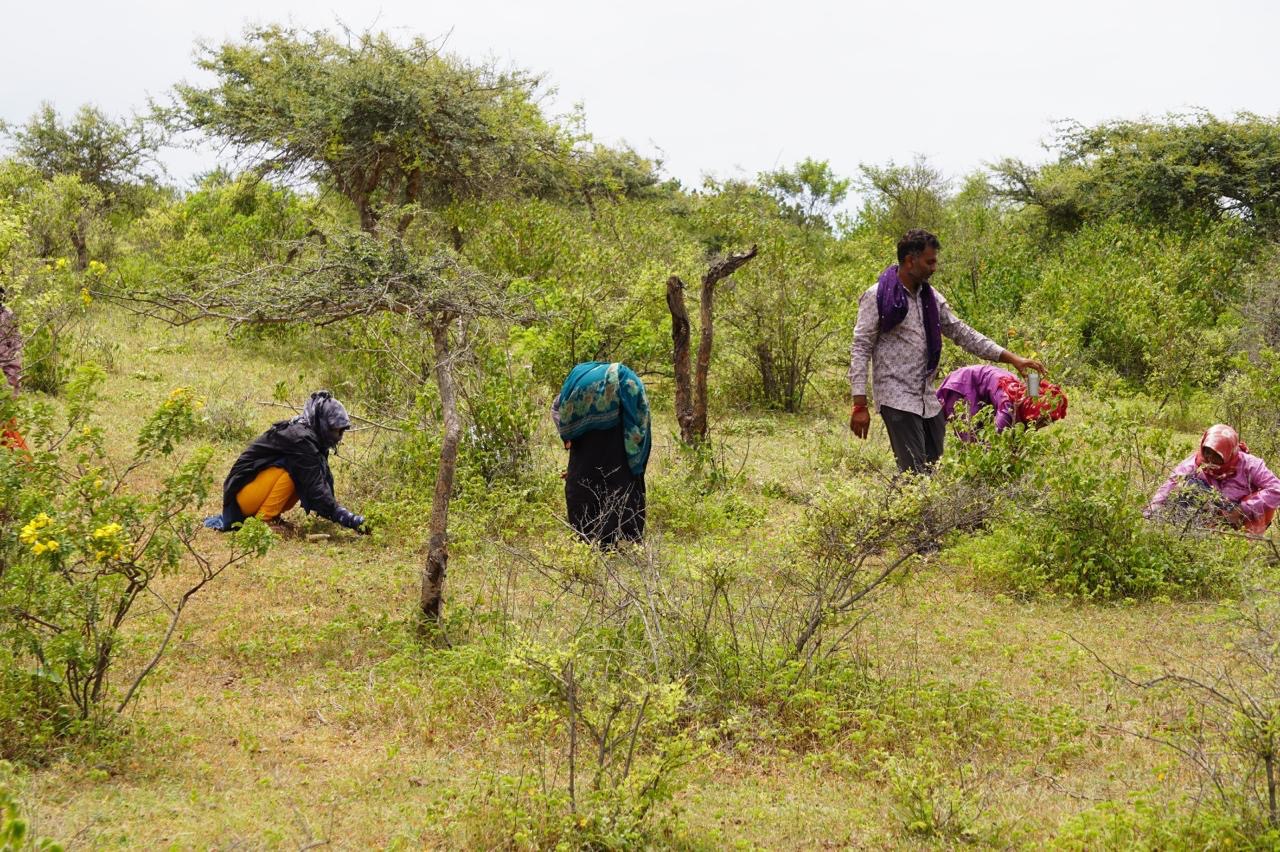
On paper, this land belongs to the state government. But in practice, its ecological health, grazing regulation, and daily management rest with the descendants of the erstwhile rulers of this region.
In this part of Surendranagar district, leases are mediated by the Kathi Darbars, who historically represent a landed nobility or warrior class, often associated with the castes of Rajputs, Kathis, and Charans. Before Independence, princely and landed families controlled large areas in the region, including the management of grasslands used by pastoralists.
After Independence, many vidis were formally brought under state or forest administration, but the daily work of regulating access, collecting fees, protecting grass, and maintaining water points often continued through old local power networks. This reflects an unfinished transition from erstwhile feudal land management to modern state ownership.
For Maldharis like Jay Kaka, who lease these lands through customary arrangements, the ecological health of the grasslands is directly tied to livelihood security.
The Commons Paradox
Chotila’s grasslands reveal a patchwork of complex commons used by pastoralists, and the varying forms of access they have to these lands.
Pastoralists stitch together access to gauchars (or village grazing lands, where they have formal access but often face weak enforcement and inadequate maintenance), vidis (these informally and privately managed government lands) and forest lands (where access is contested). They pay where they must, negotiate where rules are unclear, and absorb the cost when grazing lands degrade or disappear.
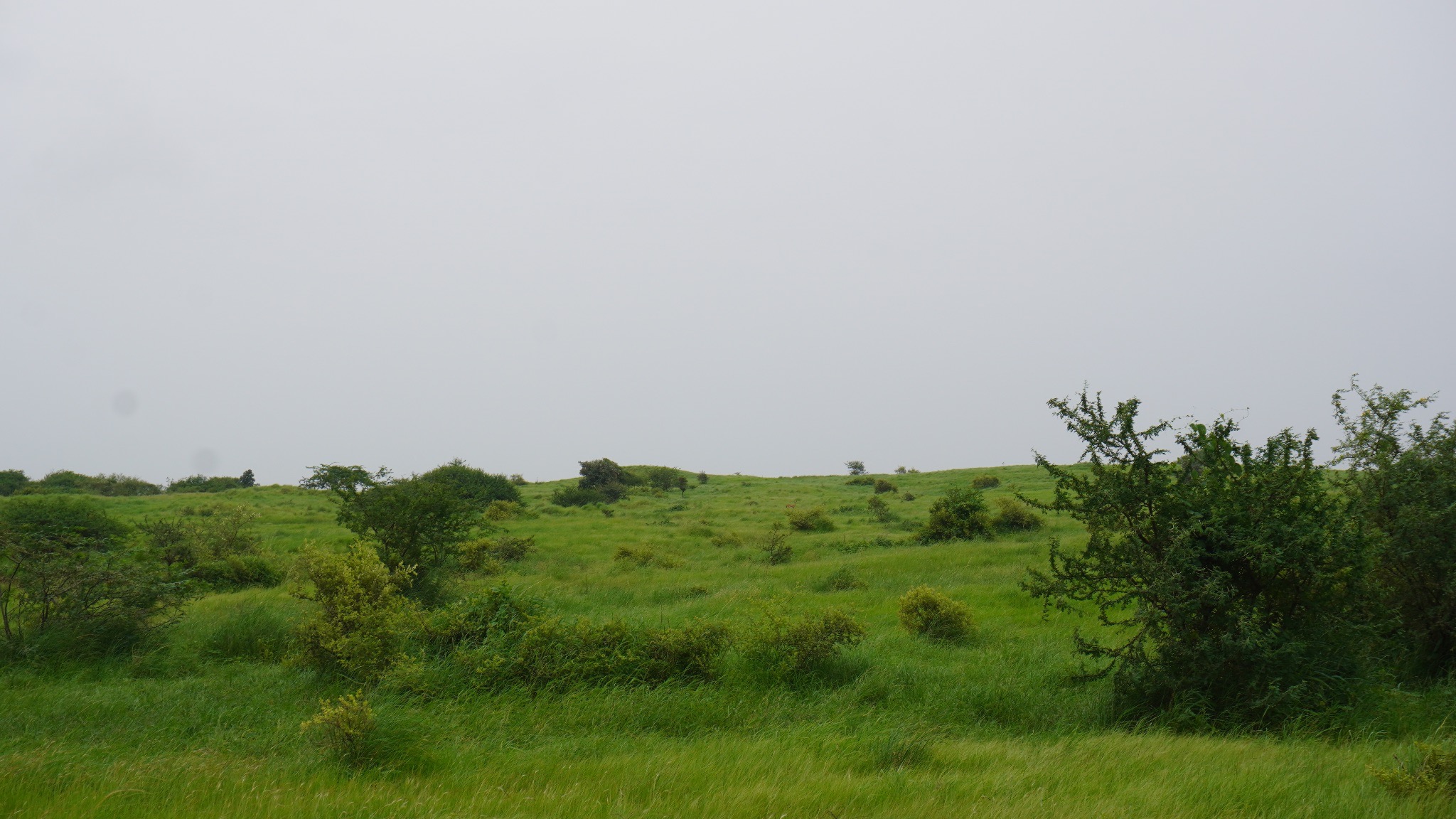
The pressures on all three are growing. Encroachment has reduced village grazing land, invasive Senna uniflora has spread through gauchars and vidis, and degraded commons can push herders towards forest patches where they risk fines, confiscation of livestock, or confrontation with officials.
Commons—shared lands such as forests, pastures, water bodies and mangroves— cover 205 million acres or one-fourth of India and form the lifeline for over 350 million people, including marginalised groups like pastoralists.
Communities across India have traditionally protected, restored and managed these commons through customary self-governance practices. These customary rights and practices, however, haven’t been formally recognised in many parts of the country.
Section 3(1)(d) of the Scheduled Tribe and Other Traditional Forest Dwellers (Recognition of Forest Rights) Act, 2006 - or, commonly, the Forest Rights Act - recognised rights of pastoral communities over pastures and traditional common lands. Most pastoralists have not been accorded rights over lands they have depended on for centuries.
The pastoralists of Surendranagar are not only users of these commons. Their labour, knowledge and collective decisions also help keep grazing landscapes functional, maintaining water points and boundaries, managing when and where animals graze, documenting routes and land use, and participating in restoration.
A commons that has outlived its kingdom
Across Chotila, the grazing spaces used by Maldharis and other pastoral communities form a mosaic of different legal categories, management structures and enforcement regimes. These include gauchar lands, reserve forests and vidis.
Gauchar (literally, cattle grazing lands) is intended for community grazing and is primarily governed through the Gram Panchayat and revenue administration. The Gujarat Panchayats Act prohibits cultivation, private construction or private use of these lands. These lands are encroached, and community leaders have sought to clear encroachments and regain access to these commons.
Reserve forests are administered by the state Forest Department. Cattle grazing is prohibited in reserve forests, unless specific rights or permissions exist. Forest Rights Act, 2006 recognises grazing rights of traditional forest-dwelling and pastoral communities, if those rights are formally claimed and verified.
The most resource-rich and well-managed grazing lands are Vidis. Research describes vidis as “protected grasslands”, which could be reserved (managed by the state forest department), non-reserved (managed by other agencies like Gaushalas (milk cooperatives), village panchayats, milk cooperatives or pastoralists, and private vidis, which are controlled by a single entity.

Access to the grasslands is dictated through fees paid to these Darbar families. Vacchraj Singh (name changed), a Darbar descendant of the Chotila princely family, describes the arrangement as stewardship, not merely rent collection.
Across Gujarat, several legal cases are being fought in civil courts between the darbars and the state government. “My family continues to oversee grassland maintenance,” says Singh, “If we step back, the grassland deteriorates and pastoral livelihoods suffer.”
As one Maldhari pastoralist put it: “The land may be government land on paper, but control is still with them. Why would they let it go? The land gives them power.” Several pastoralists requested anonymity because land relations in the villages are politically and socially sensitive.
The threats to the land and the pastoralists
The persistence of the system highlights a deeper governance gap, says Suresh Kuvadiya from Sahjeevan, a non-profit working on pastoralism in the region. “If state ownership does not translate into management, then access gets mediated through whoever can organise labour, enforce rules, and fund upkeep,” he says.
Gauchars are intended to be free and open for community grazing; access to the vidis described by pastoralists in Chotila can require money and connections to Darbar families. That controlled access can reduce grazing pressure and help maintain fodder, but it also means the most productive land is not equally available to everyone.
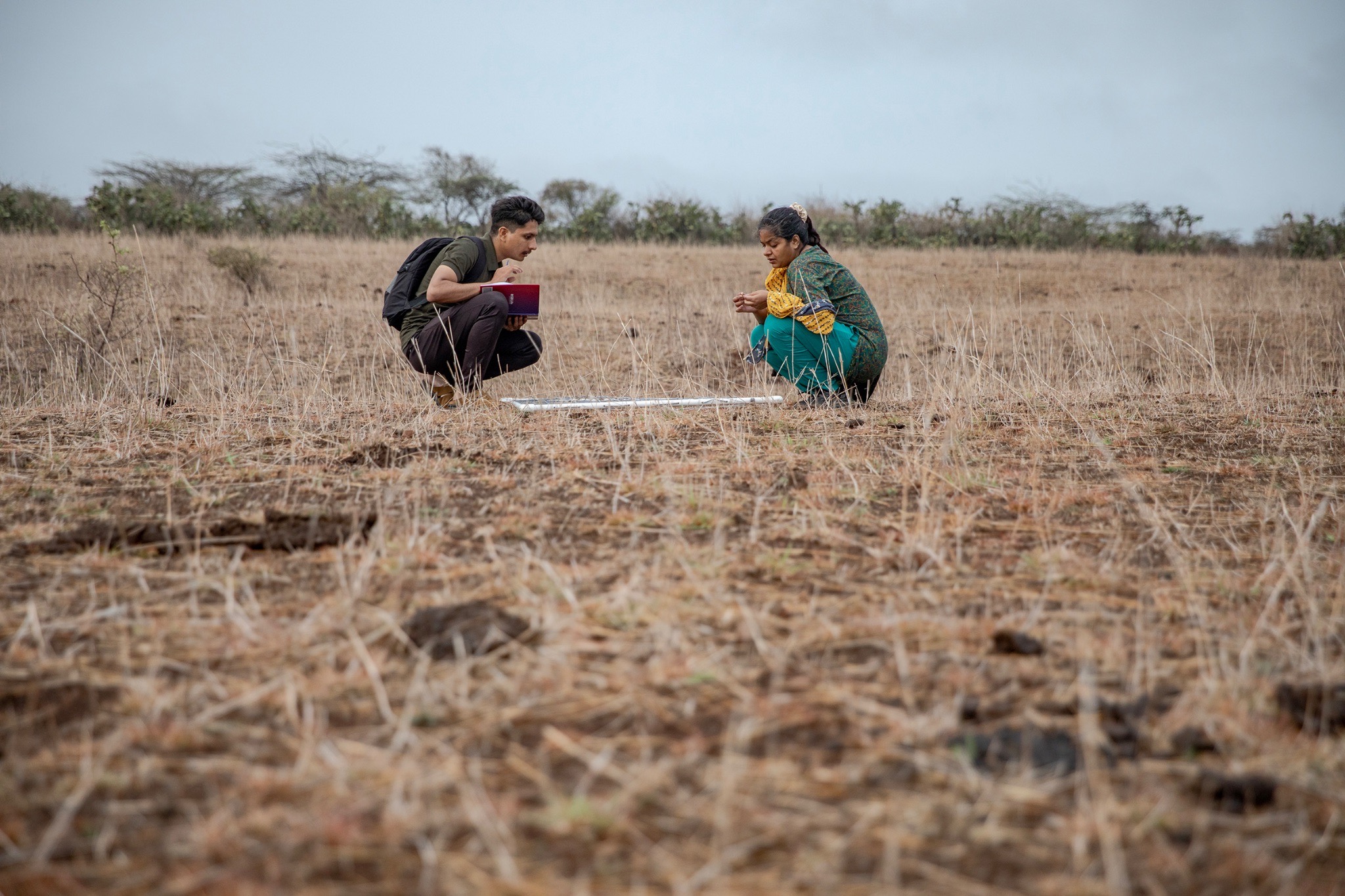
Gauchars face growing pressure not from increasing livestock, but from encroachment and conversion of open commons to farms and industry, leaving the remaining gauchars as pastoralists’ last grazing option. Ramesh Kambhalia, a Maldhari pastoralist from the nearby Kalasar village, says gauchar lands in his village have almost disappeared. “The gauchar has become farmland,” he says, “Only the road is left open because people need it for bikes.”
The remaining vidi, he adds, is divided among several Maldhari households. “But, its productivity has fallen because of Kuvad,” he says.
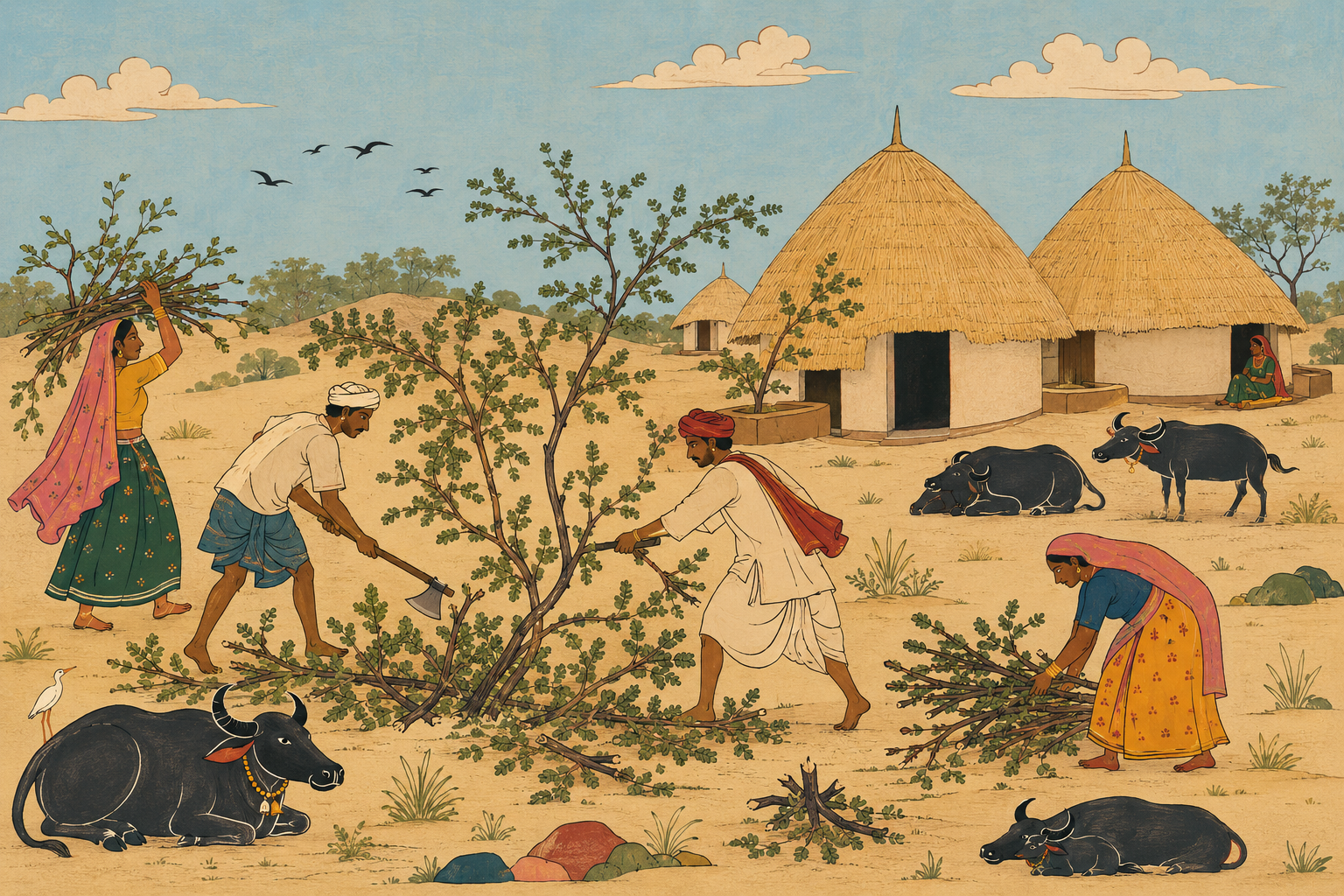
Kuvad or Senna uniflora is an invasive alien plant species. It spreads fast and reduces palatable grass cover, making it a growing threat to the grasslands.
“Kuvad has come along with fodder supplies from Surat or Ahmedabad. It started to take root a decade ago, and now it has covered all of our Gauchars and many vidis,” said Hirabhai Tramta, a pastoralist from Kherana village.
Many pastoralists say the problem is not just invasive species and encroachment, but neglect. Weed-clearing, boundary protection, and grazing rotation require money, labour, and accountability. Becharbhai Tramta from Reshamiya, summarises what he says is a governance failure: “A gauchar is common, so no one feels responsible for it.”
When gauchars are degraded, forest patches become fallback grazing zones. But this often leads to violence against the pastoralists: being chased out, fined, or asked for bribes, with “rules” shifting by officer, season, and location.
Bhupatbhai Maru, a Maldhari pastoralist, says his cattle entered a reserve forest patch adjoining the village gauchar. ‘The officials beat us with sticks and took our cattle,’ he says, ‘We had to pay to get them released.’
The community and their stewardship
For pastoralists of Chotila, stewardship is livelihood. “A grassland does not look after itself,” says Becharbhai Tramta from Reshamiya, “We have to clear kuvad, protect the water, and give the grass time to grow before bringing the animals back. If nobody takes responsibility for these things, slowly the grazing land is lost.”
Pastoral knowledge becomes critical to make decisions that can protect the land.
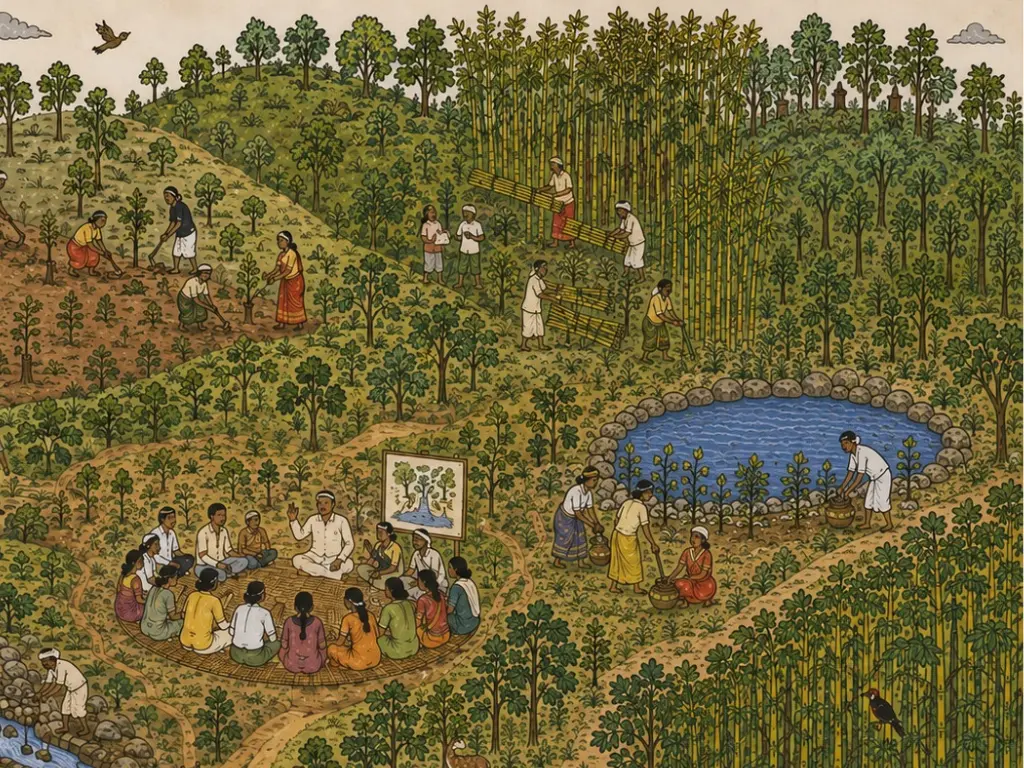
Conservation indica, a nature conservation organization working in Chotila since 2024, is working with Maldharis to document their lands. Village elders help validate maps of grazing routes and commons, while youth use digital tools to mark land use for these common reasons. The hope is that mapping turns lived knowledge of use, access and boundaries into a community record that can support future governance.
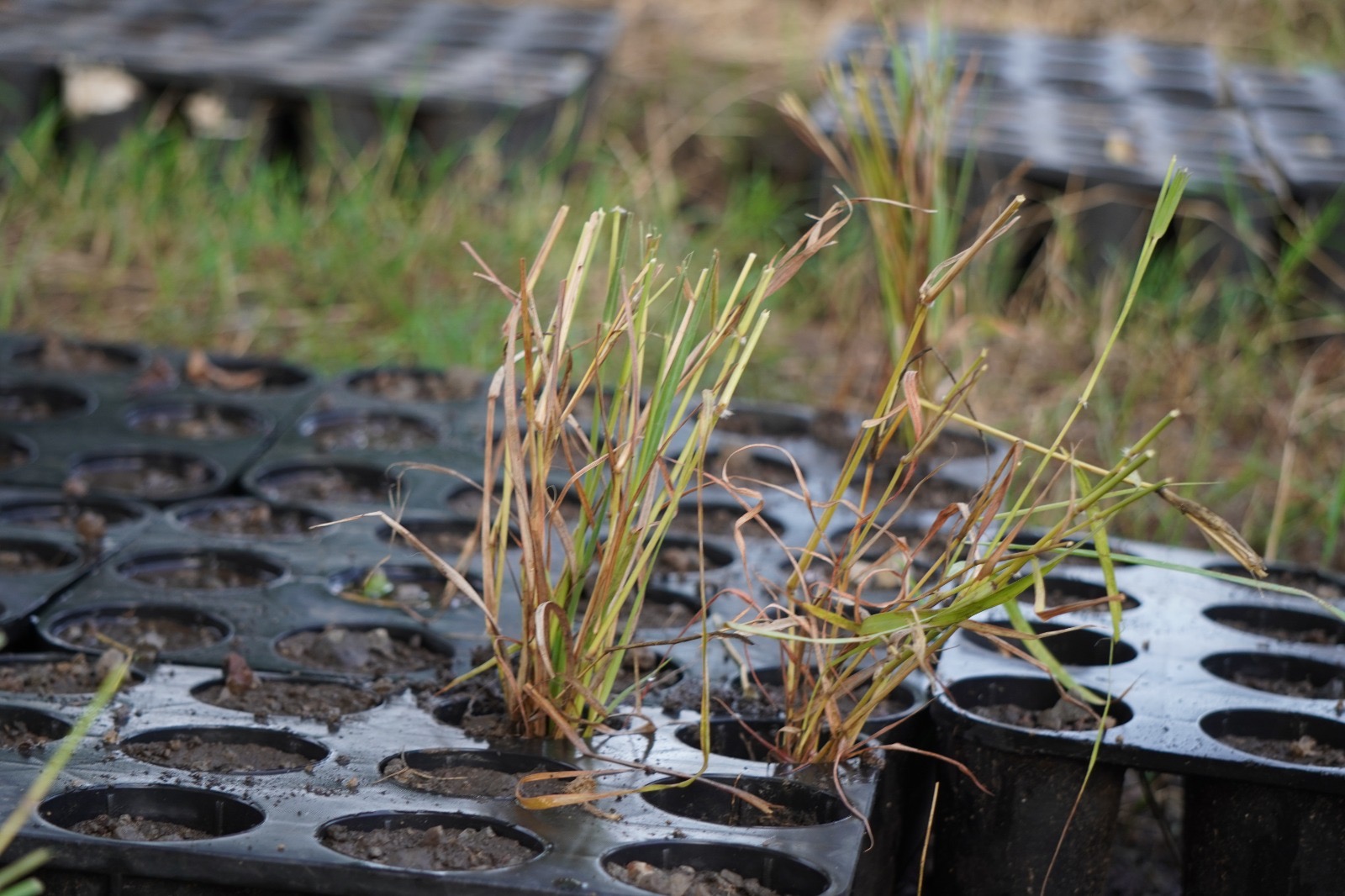
One way this knowledge is helping is to prepare a monitoring framework for the removal of invasive trees, develop a native-grass nursery and plan how restored sites will be maintained after the initial intervention.
Kuvad has been growing substantially in Reshamiya and other villages, especially in common areas like the gauchar, where no one was taking responsibility for its care,” says Jivan Ben, a pastoralist from the village. “But now, we have begun coming together to do something about it.”
Productive grasslands depend on active management: protecting boundaries, regulating grazing, maintaining water and soil conditions, controlling invasive plants and ensuring that someone is accountable for the work. Gauchars can fail not because they are common, but because common ownership has not always been matched by institutions, funds and agreed rules for maintenance.
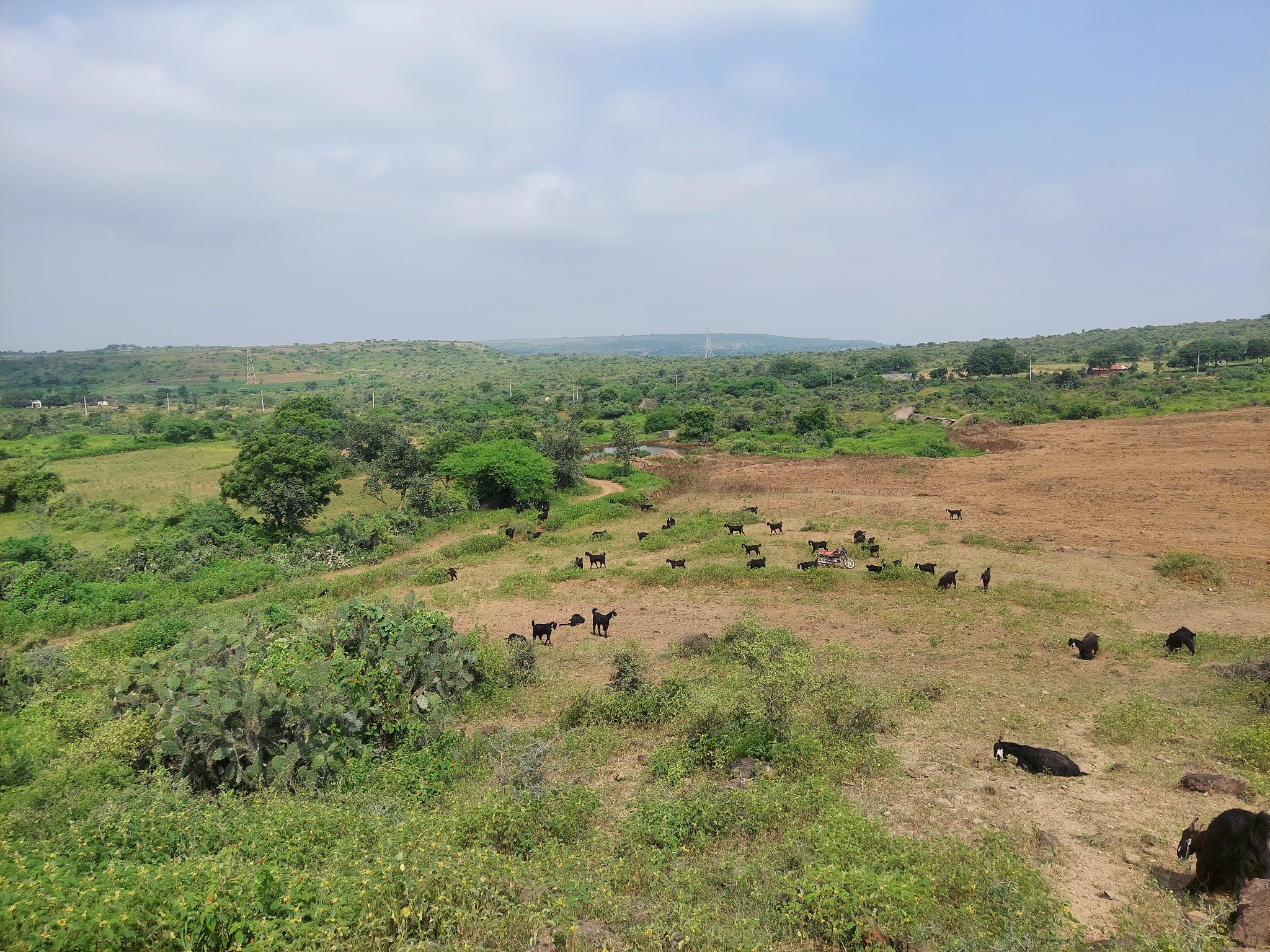
Wildlife provides another measure of what is at stake. Conservation indica has recorded Indian courser, chinkara, nilgai, leopard, striped hyena and porcupine on camera traps in healthier grassland patches, while some degraded gauchars are now dominated by dense thickets of Senna uniflora.
For pastoralists, however, the spread of Senna is not only a problem of declining fodder. They say the dense thickets also provide cover for leopards, allowing them to remain concealed close to grazing herds and ambush goats. In this way, the degradation of the grassland can create an additional livelihood risk: less usable grazing for livestock alongside greater vulnerability to predation.
Meenaben Rabari, a Maldhari woman says, “We have lived with our animals on these lands for generations. If the grasslands disappear, a whole way of living goes with them. We want our children to have these lands too, but for that, someone has to care for them today.”