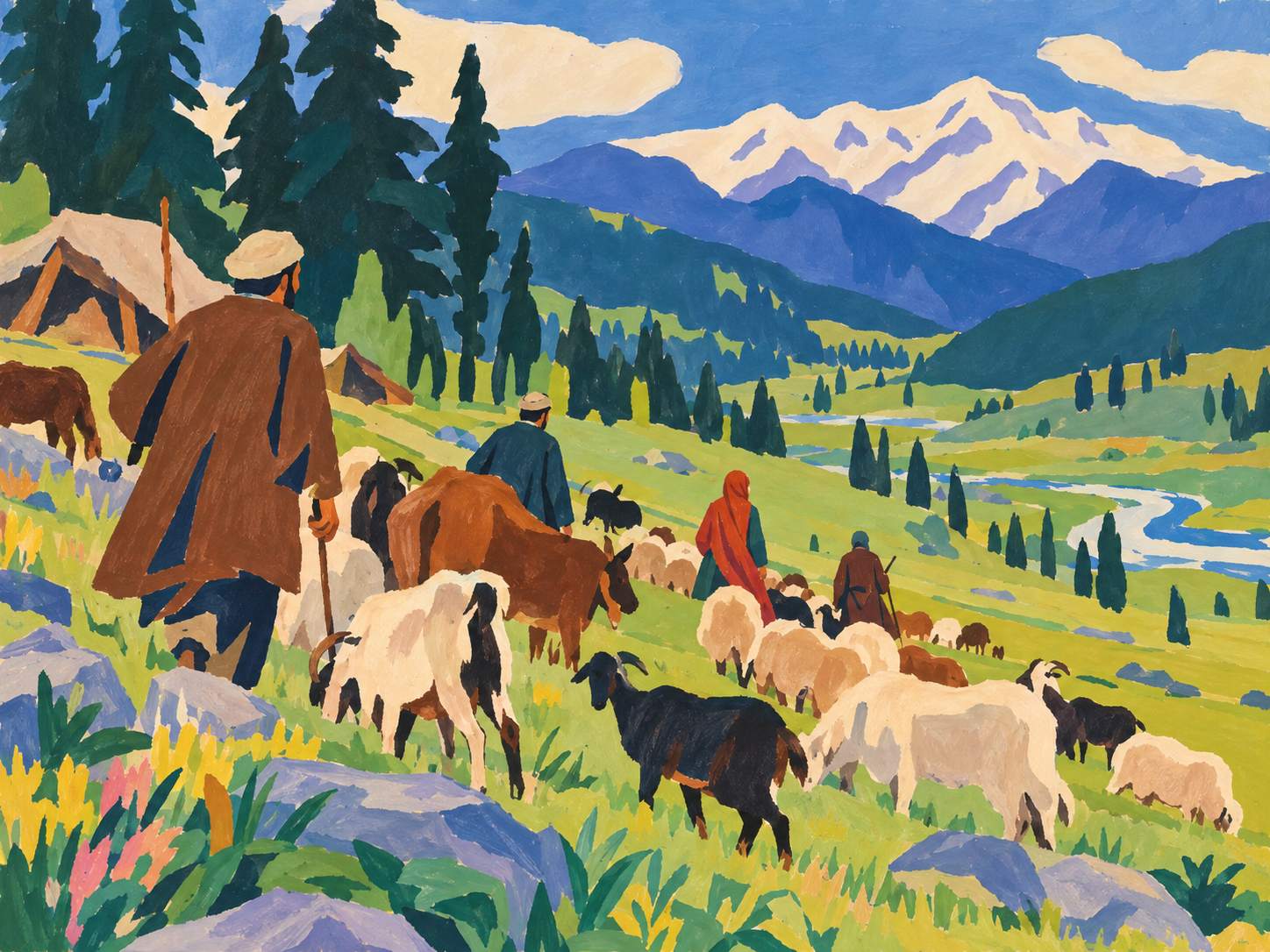
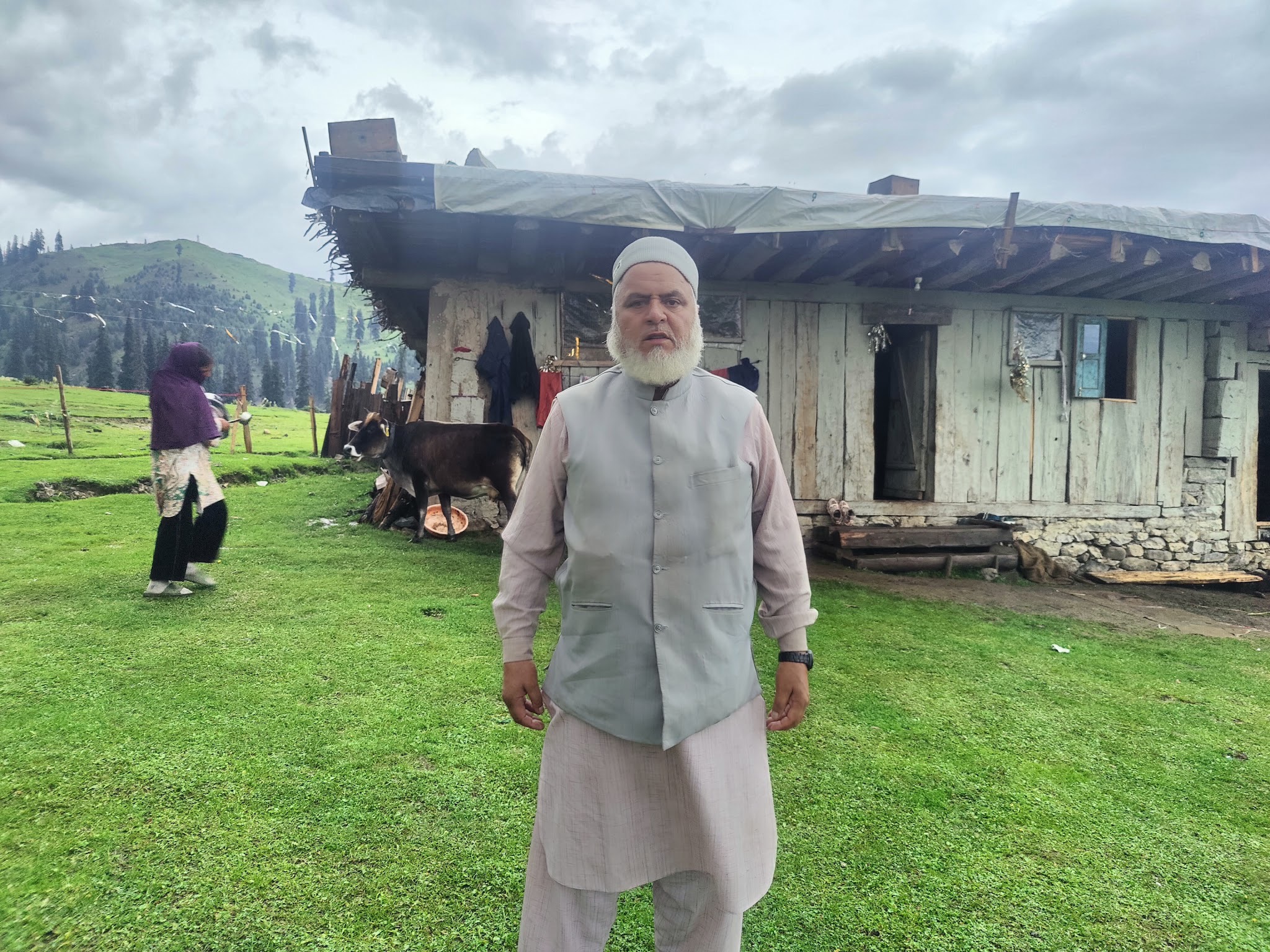
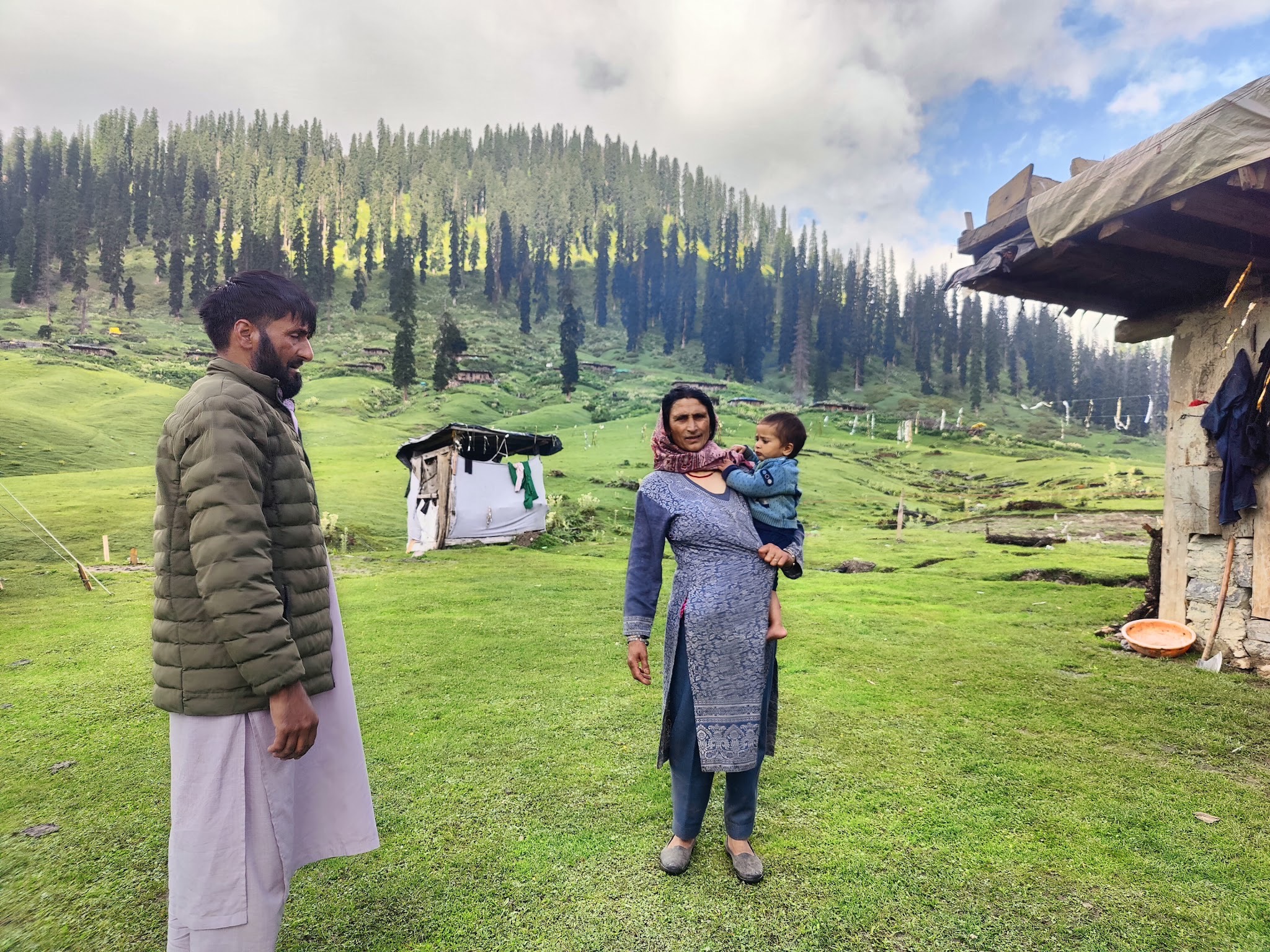
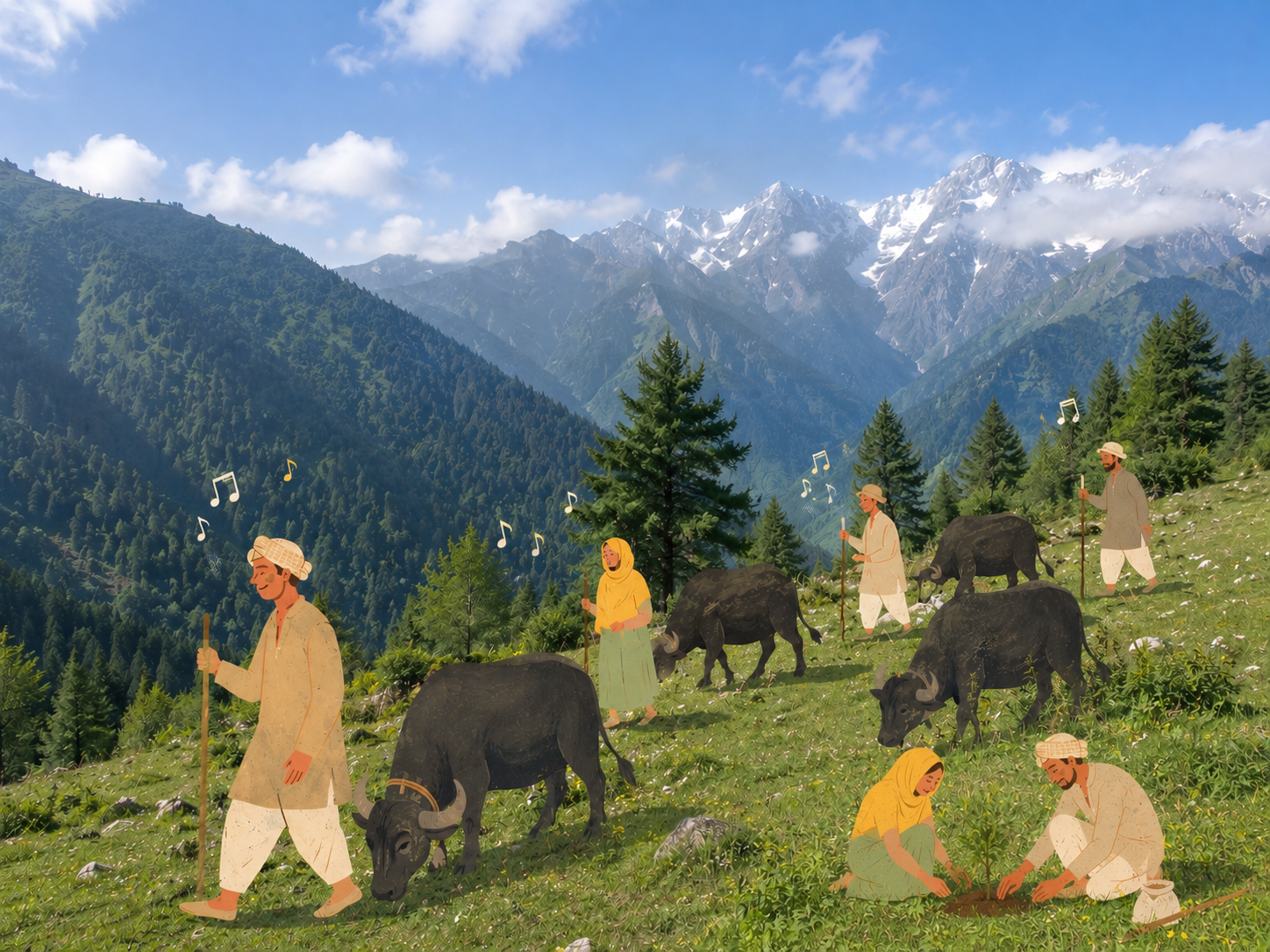
Budgam, Kashmir: Trekking to the pristine high-altitude pastures of Tosamaidan every summer has been an age-old practice for Mohammad Akbar Malik’s entire family, including his livestock.
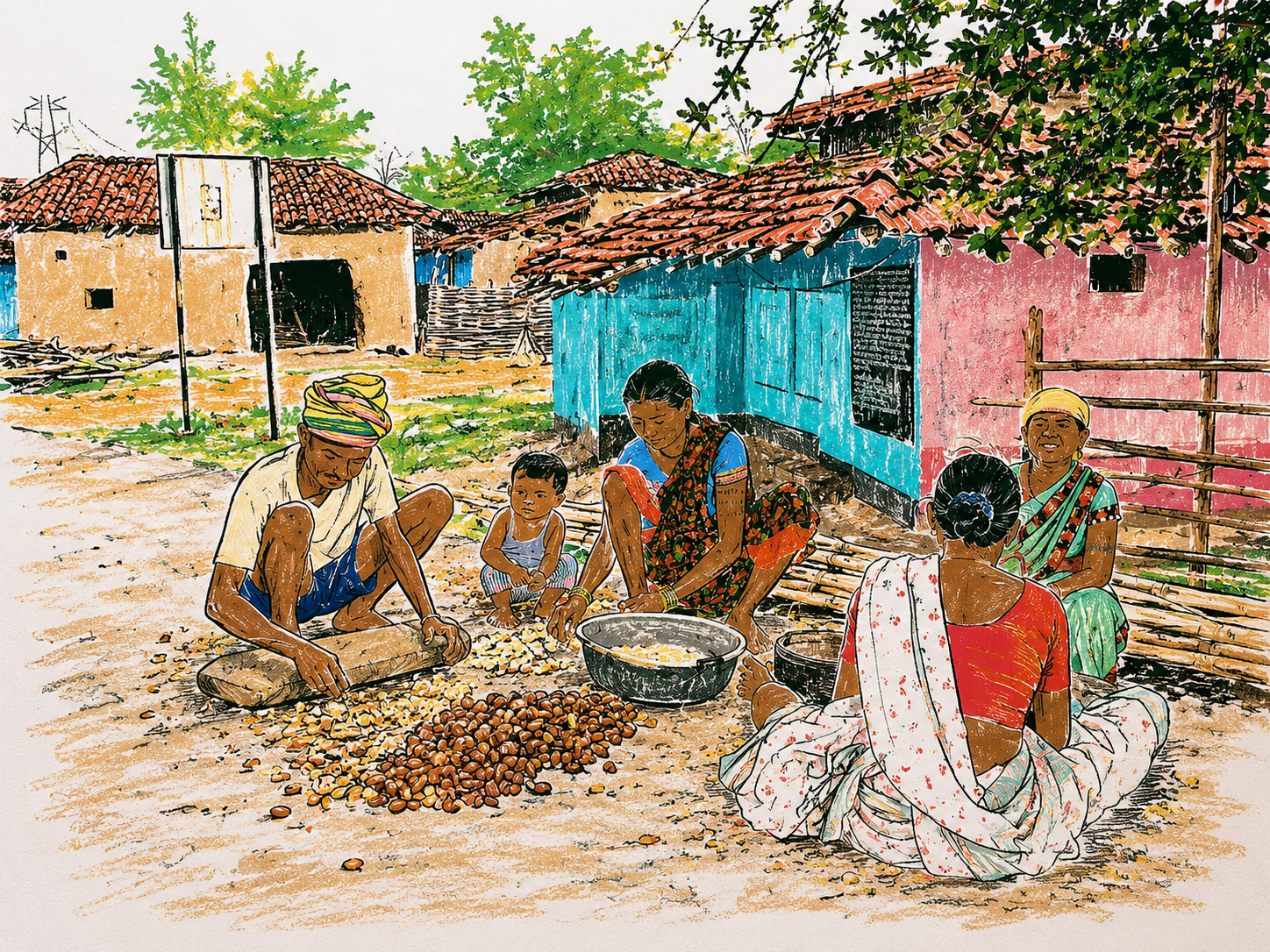
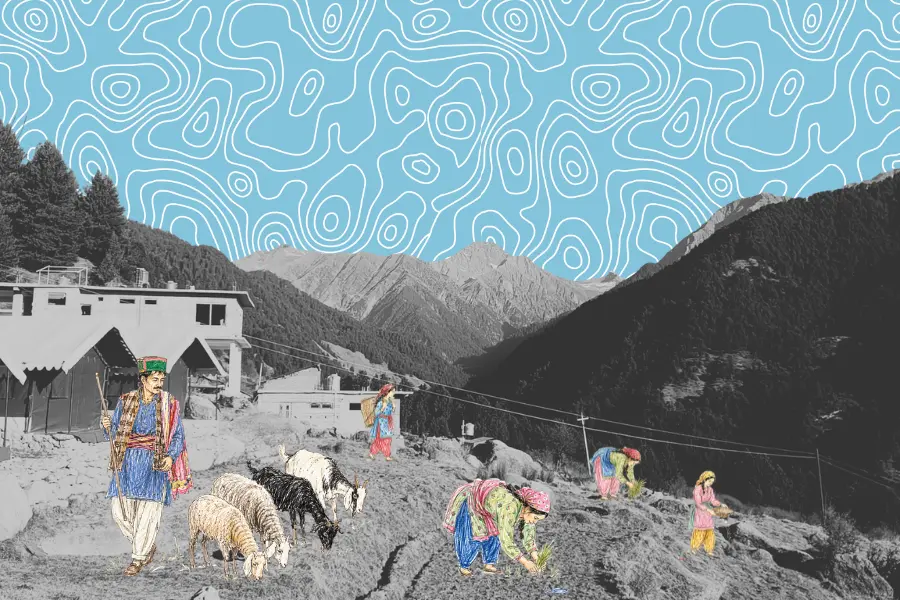
Each May, they leave their Sunglipora village in Khag tehsil of central Kashmir's Budgam district and relocate to Tosamaidan until October. During their five-month stay, the livestock thrives on the sprawling meadows and the family harvests and dries wild vegetables for their table during the harsh winter months.
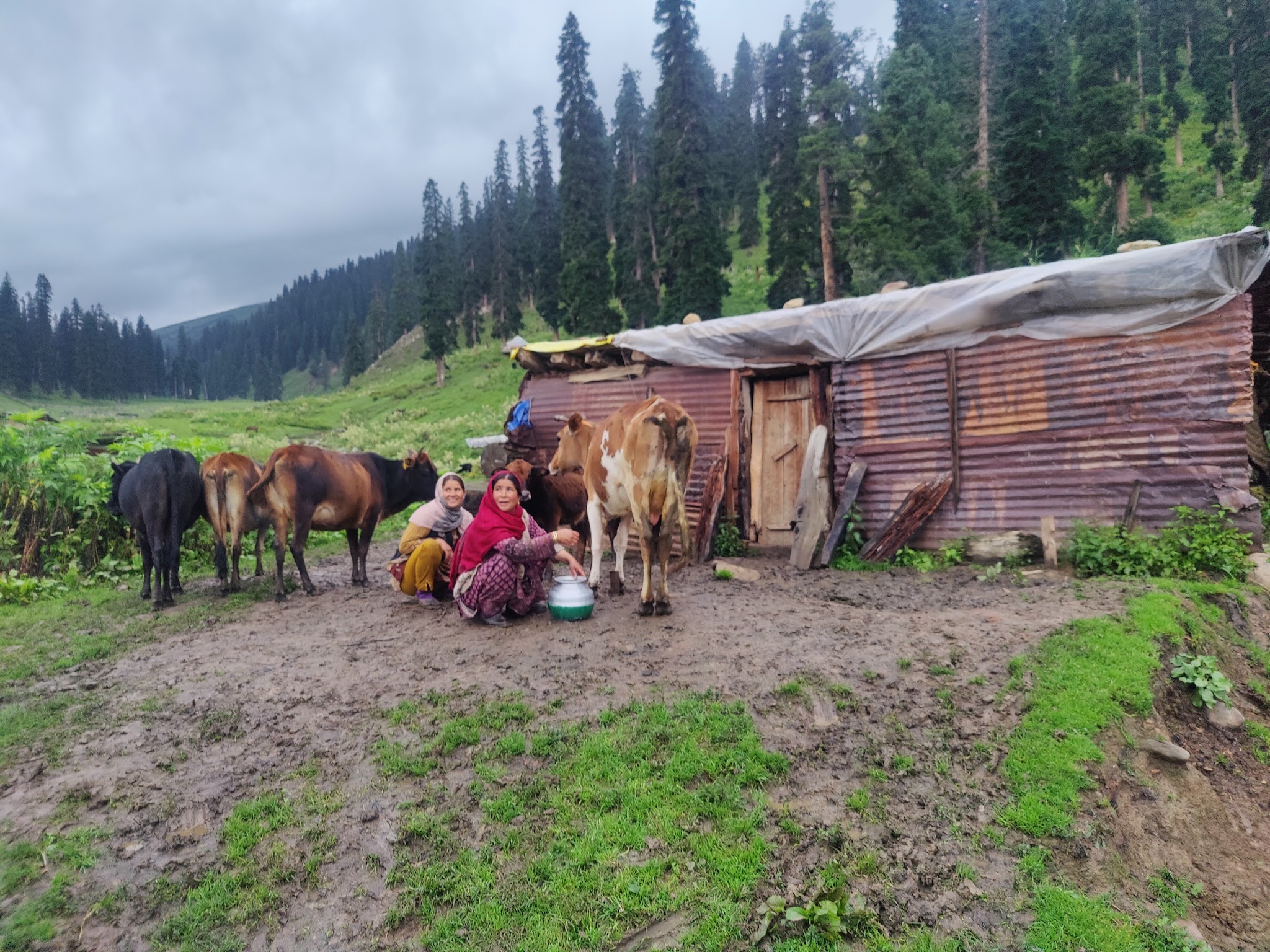
Tosamaidan is a vast high-altitude meadow in Budgam district of Jammu and Kashmir, situated approximately 10,500 feet above sea level. It is around 50 km from Srinagar and two hours by road from Budgam’s Sitaharan Village. The meadows are surrounded by dense fir, pine, and deodar forests, and crisscrossed by crystal-clear streams that whisper their way through the meadows before merging with the Shukhnag river. The backdrop of snow-capped peaks in the summer gradually transforms into mountains of snow from November to April.
This biodiversity-rich area supports a wide variety of wildlife, including the Himalayan brown bear, black bear, leopard, musk deer, grey langur, and markhor. Medicinal plants such as kuth (Saussurea costus), kutki (Picrorhiza kurroa), dhoop (Jurinea dolomiaea), and jogi badshah (Saussurea simpsoniana) are abundant.
For generations, Tosamaidan’s meadows have sustained pastoral communities who migrate there each summer with their livestock, relying on its forests, pastures and medicinal plants for food and livelihoods. But decades of military use as a firing range disrupted this relationship, restricting access to the commons and leaving behind environmental damage and unexploded ordnance.
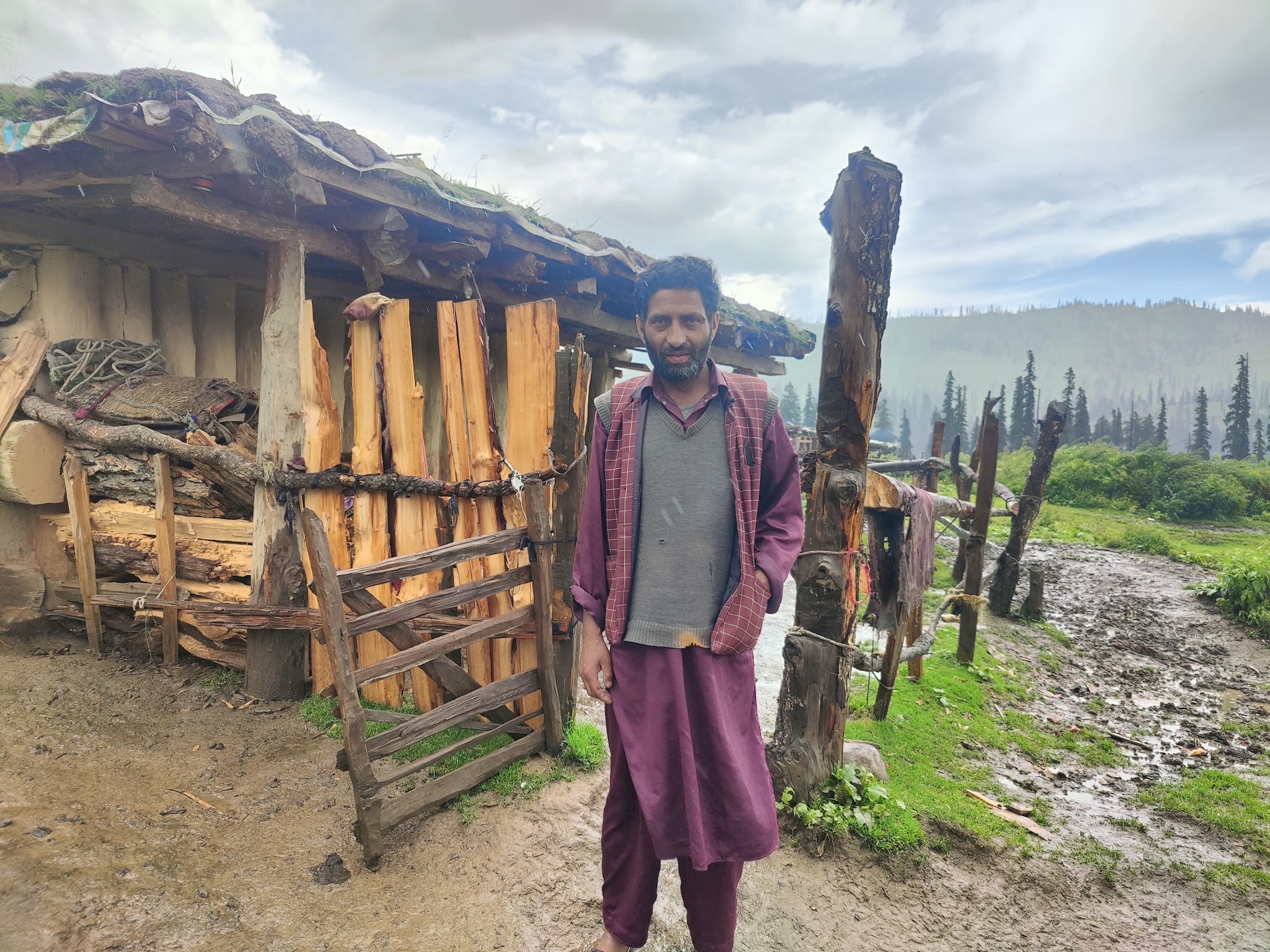
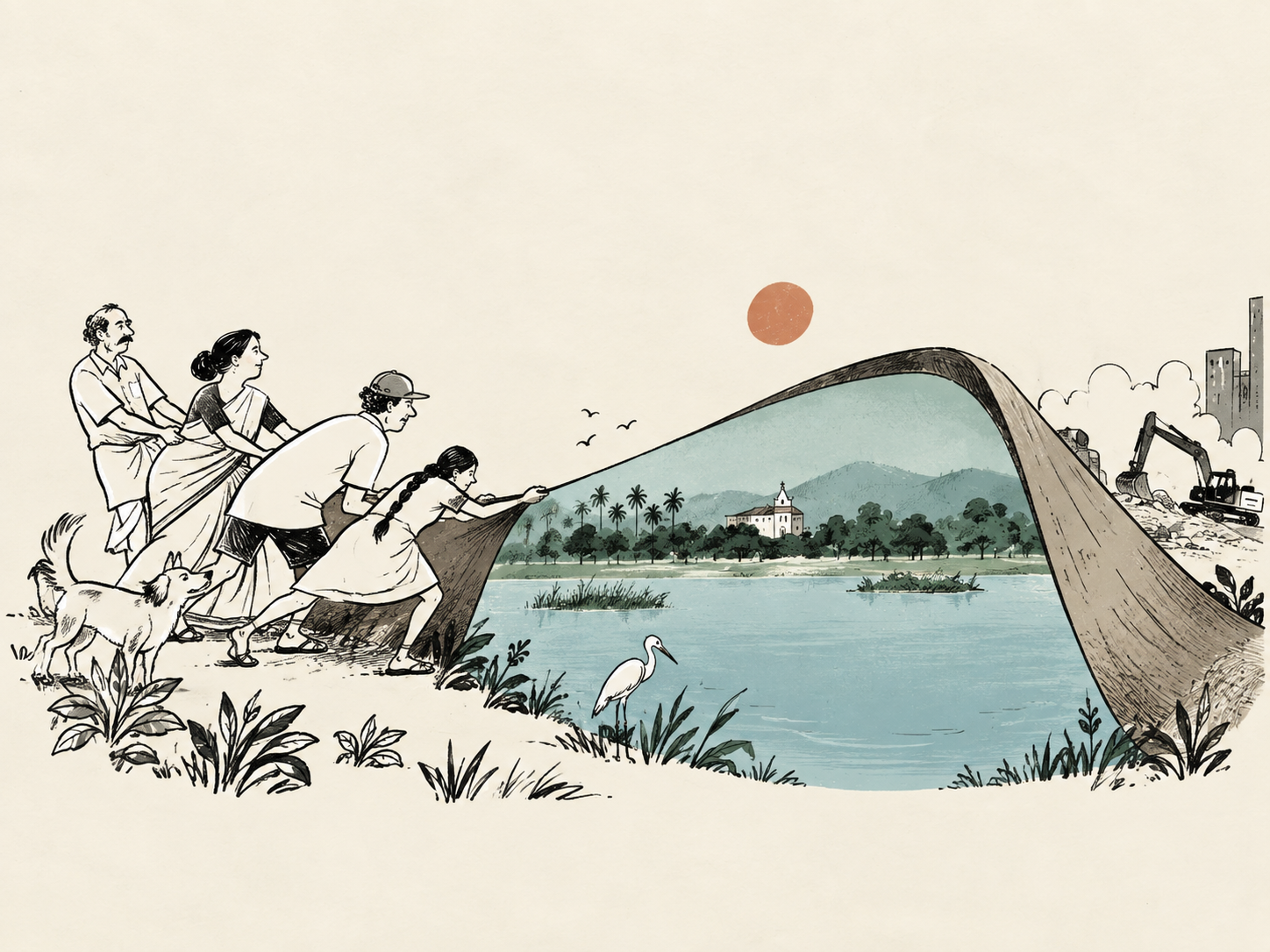
When the lease came up for renewal, local communities mobilised through protests, Gram Sabha resolutions and sustained advocacy to reclaim the landscape. The movement succeeded in ending the military lease in 2014 and opened the way for tourism and new livelihoods. Yet, as the community continues to depend on Tosamaidan, it now faces a different challenge: balancing economic opportunities from tourism and medicinal plants with the need to protect the fragile commons they fought to reclaim.
Reclaiming the Commons
Commons are shared lands such as forests, pastures, water bodies and mangroves, which cover 205 million acres, or one-fourth of India, and form the lifeline for over 350 million people, including marginalised groups like Scheduled Castes, Scheduled Tribes and women. Communities across India have traditionally protected, restored and managed these commons through customary self-governance practices. These customary rights and practices, however, haven’t been formally recognised or recorded in many parts of the country.
Pressure over resources, caste and class hierarchies and environmental degradation has curtailed communities’ access to commons, leading to over-exploitation of commons and exposing them to climate vulnerabilities and rural distress.
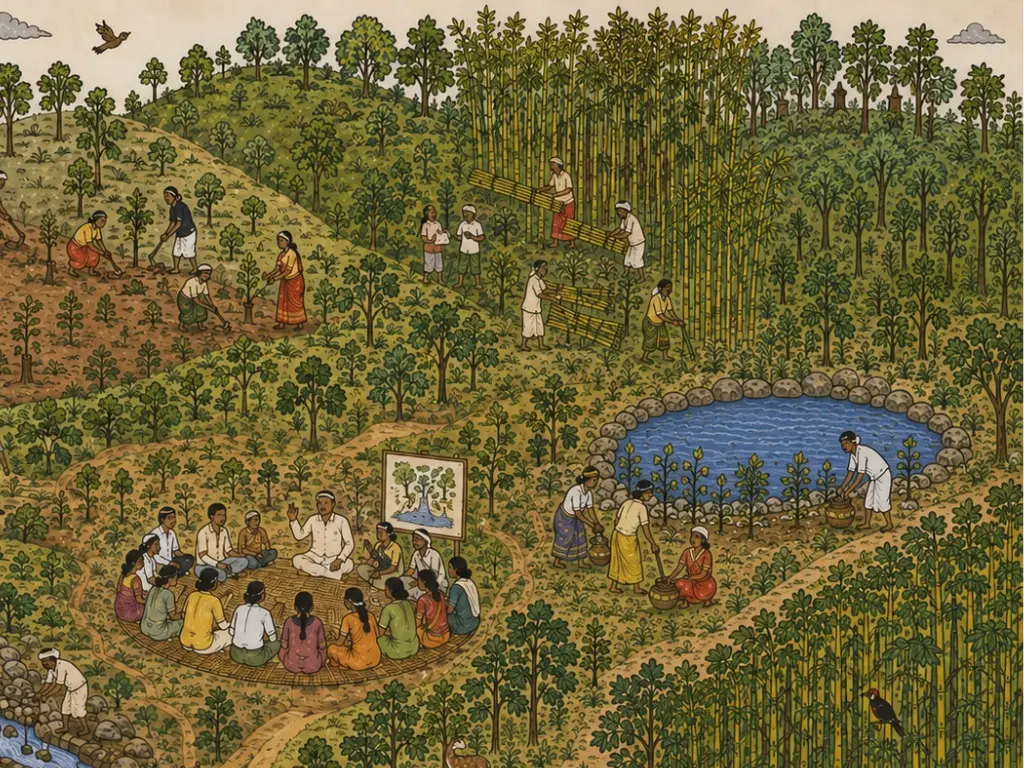
Despite these challenges, communities across India are showcasing that reclaiming, restoring and managing commons through customary self-governance practices plays a crucial role in their ecological, social and economic upliftment.
This story from Tosamaidan shows how communities can protect their commons by mobilising collectively, asserting their traditional rights, and finding ways to sustain both the landscape and their livelihoods.
Moving to the meadows
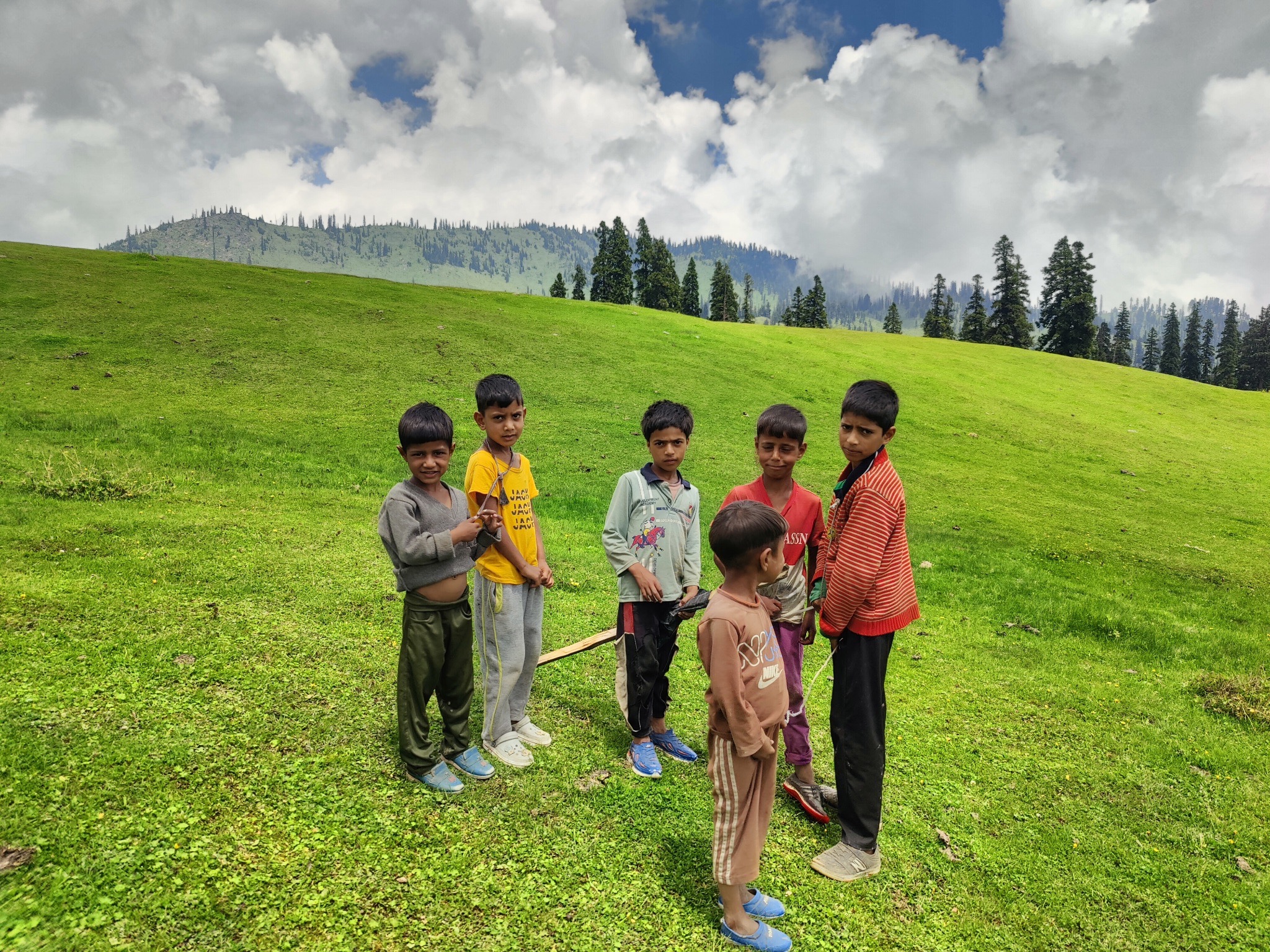
Like Malik, hundreds of families, mostly the Gujjar caste in the area, live near the lower slopes of the Tosamaidan range. The families are primarily from Khairyan, Sitaharan, Drung, Sunglipora, and Ringzabal villages. This seasonal migration is deeply embedded in their culture and traditions. Two other communities – the Chopans (from Budgam district and Baramulla district) and Bakerwals of Poonch – join the migration.
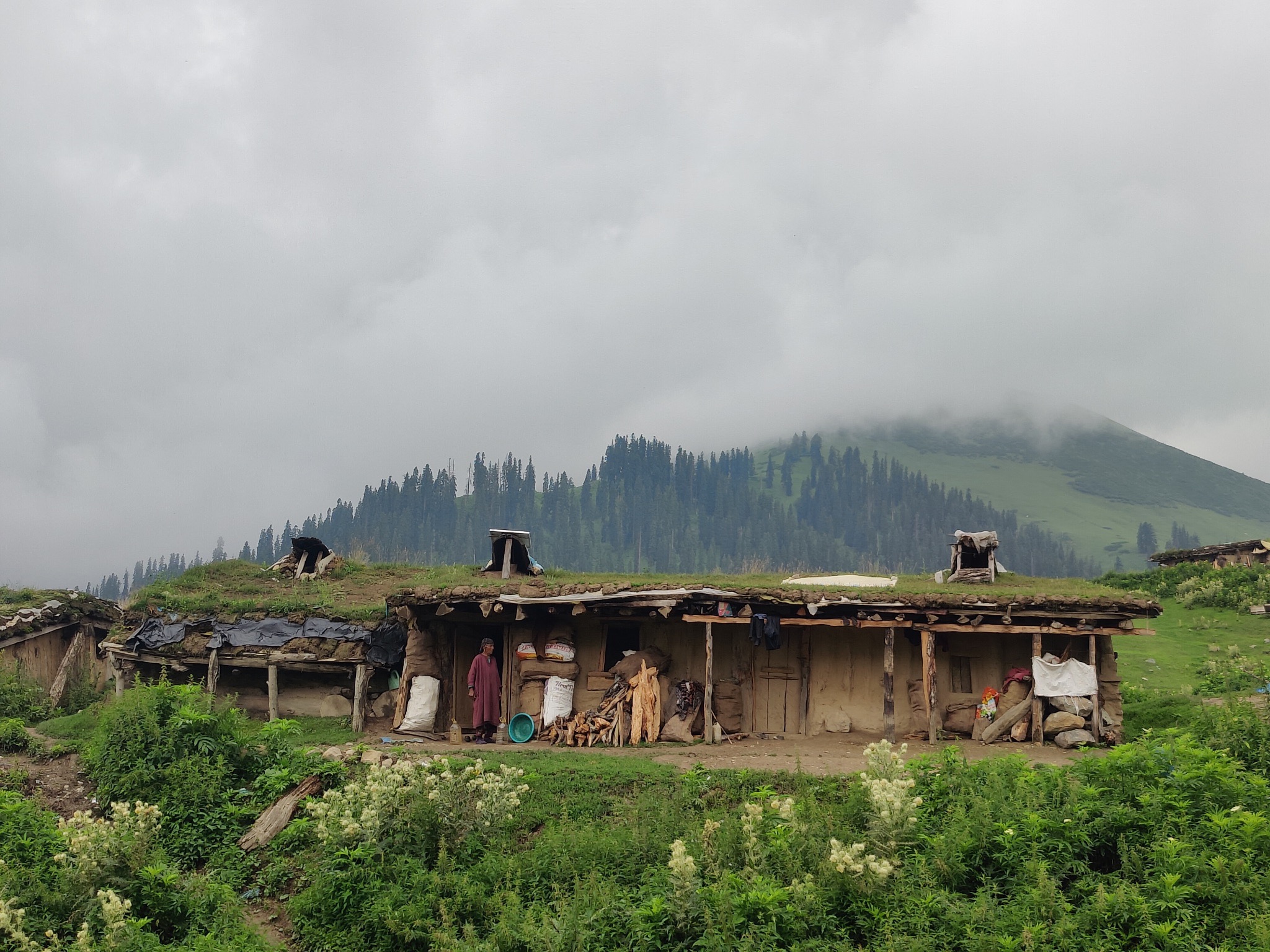
The Chopans (Pohl) are a semi-nomadic community, who rear the sheep of zamindar families for a living as they do not own livestock. Like other pastoral communities, they all live in dhokas – traditional huts made of mud, stones, and wood – in the summer. Constructed in clusters within traditionally defined boundaries known as bahaks, every community respects their allotted space.
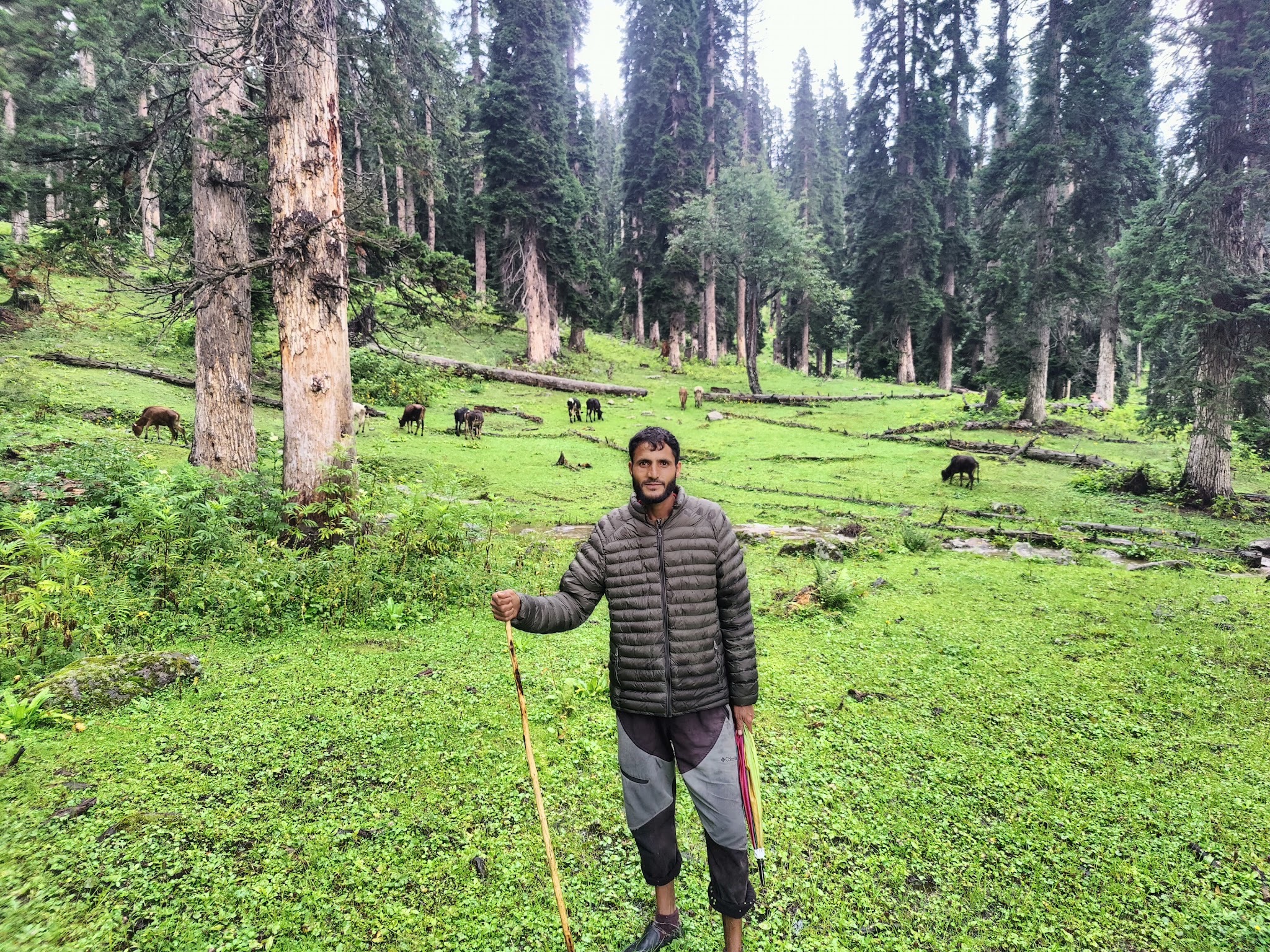
Rafiq Ahmad Chauhan of Khairyan explains the importance of the bahaks. “We use these areas for grazing. We cannot take our livestock beyond these fixed boundaries. Everyone in the community knows where their territory begins and ends. A tradition that has been followed by generations continues to be respected even today.”
The Firing Range
But the seemingly sylvan surroundings have witnessed turmoil in the past. It all began in 1964, when the Government of Jammu and Kashmir leased around 112 sq.km [according to court reports] of Tosamaidan to the Indian Army for use as a firing range. The area began booming with the sound of heavy artillery.
According to Malik, the shelling over decades had a profound impact on the environment and the wildlife of Tosamaidan. It not only caused the animals to move away from their natural habitats, but allegedly also triggered forest fires. “The constant sound of explosions and the fear of unexploded shells made it difficult for us to move freely across the pastures,” Malik says.
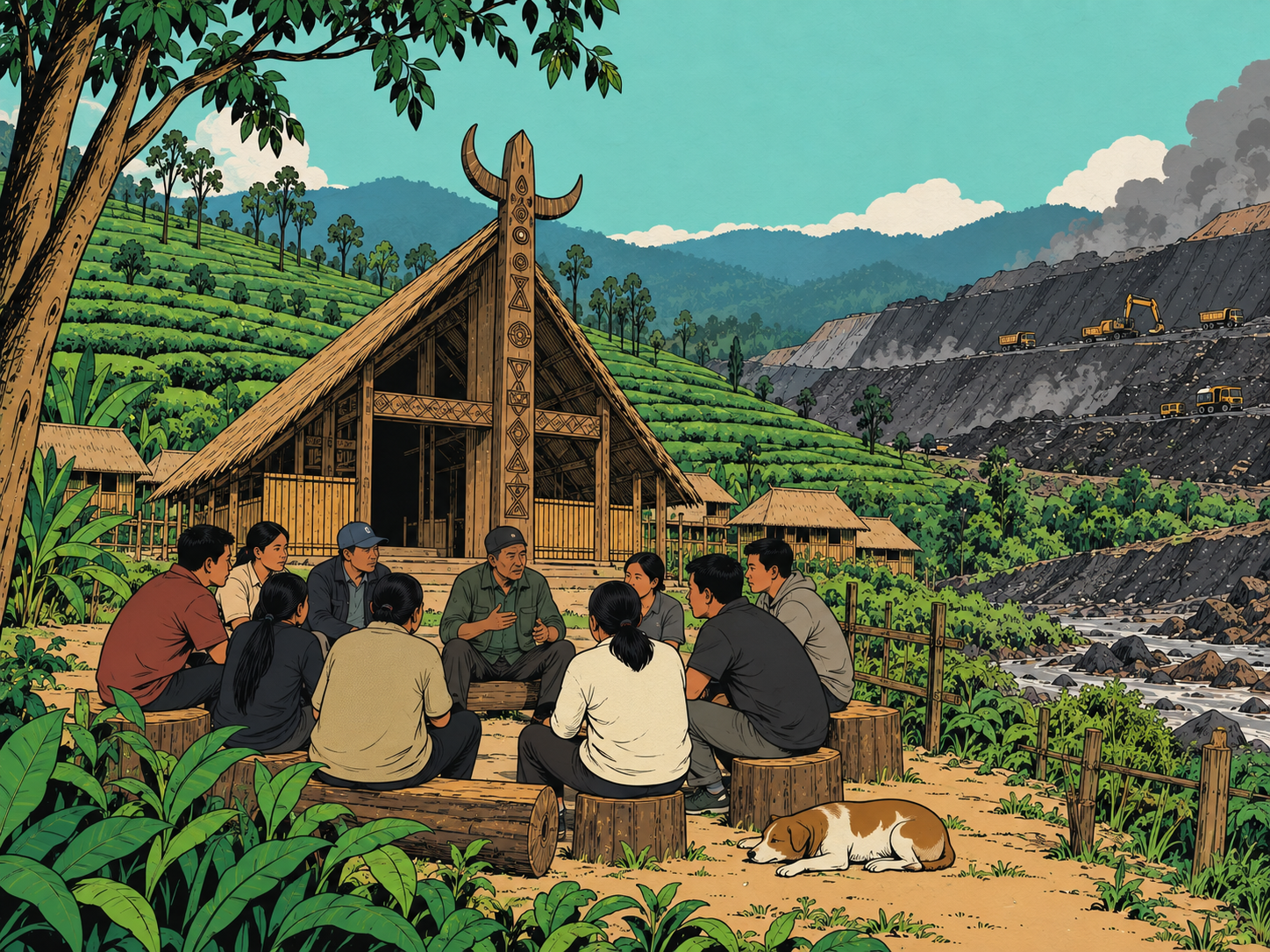
Another factor that added to the degradation of the forests was rampant timber smuggling, which became an alternative source of employment for many village people. The locals did not view it as an illegal activity for it helped put food on the table. This economic dependence on forest resources, says Malik, contributed to the degradation over the years.
The Jammu and Kashmir Pollution Control Committee, in its submission to the National Green Tribunal in a case titled Advocate Ashiq Ahmad Magray vs. Union Territory of Jammu & Kashmir & Ors., stated: “For several decades, Tosamaidan served as a firing range for the Indian Army. This activity contributed to environmental degradation, as regular shelling and troop movement impacted vegetation and led to deforestation in certain areas.”
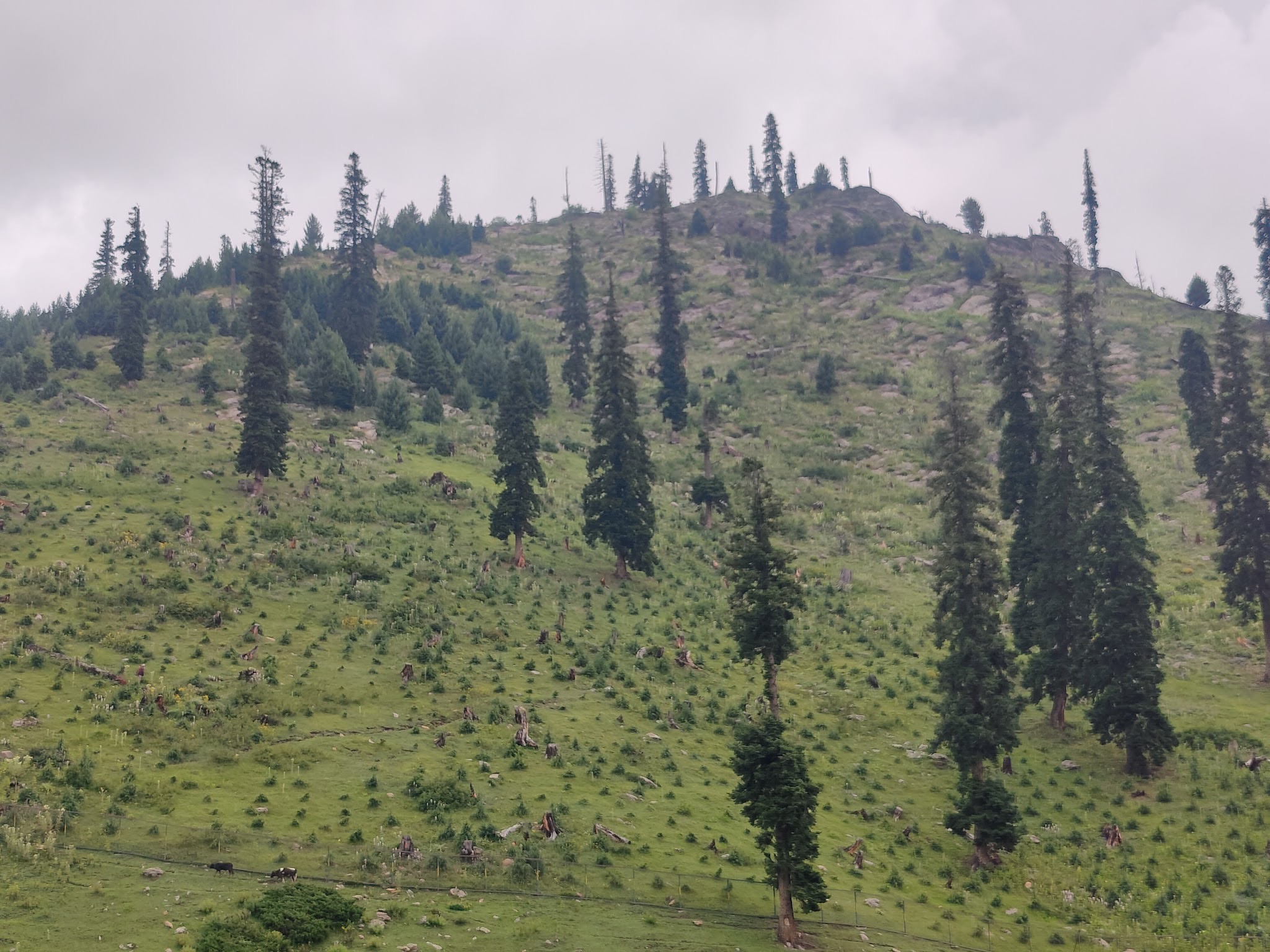
The report also pointed out that because of the defence lease, visits by forest officials were restricted, which opened the doors to timber smuggling.
Mohammad Abdullah Sheikh, 65, a resident of Khanka village in Khag, lost two of his sons and a nephew in 1992. He says all three came in contact with unexploded shells in the pastures of Tosamaidan while rearing their sheep. This devastated his family. However, the Army did not comment on the incident.
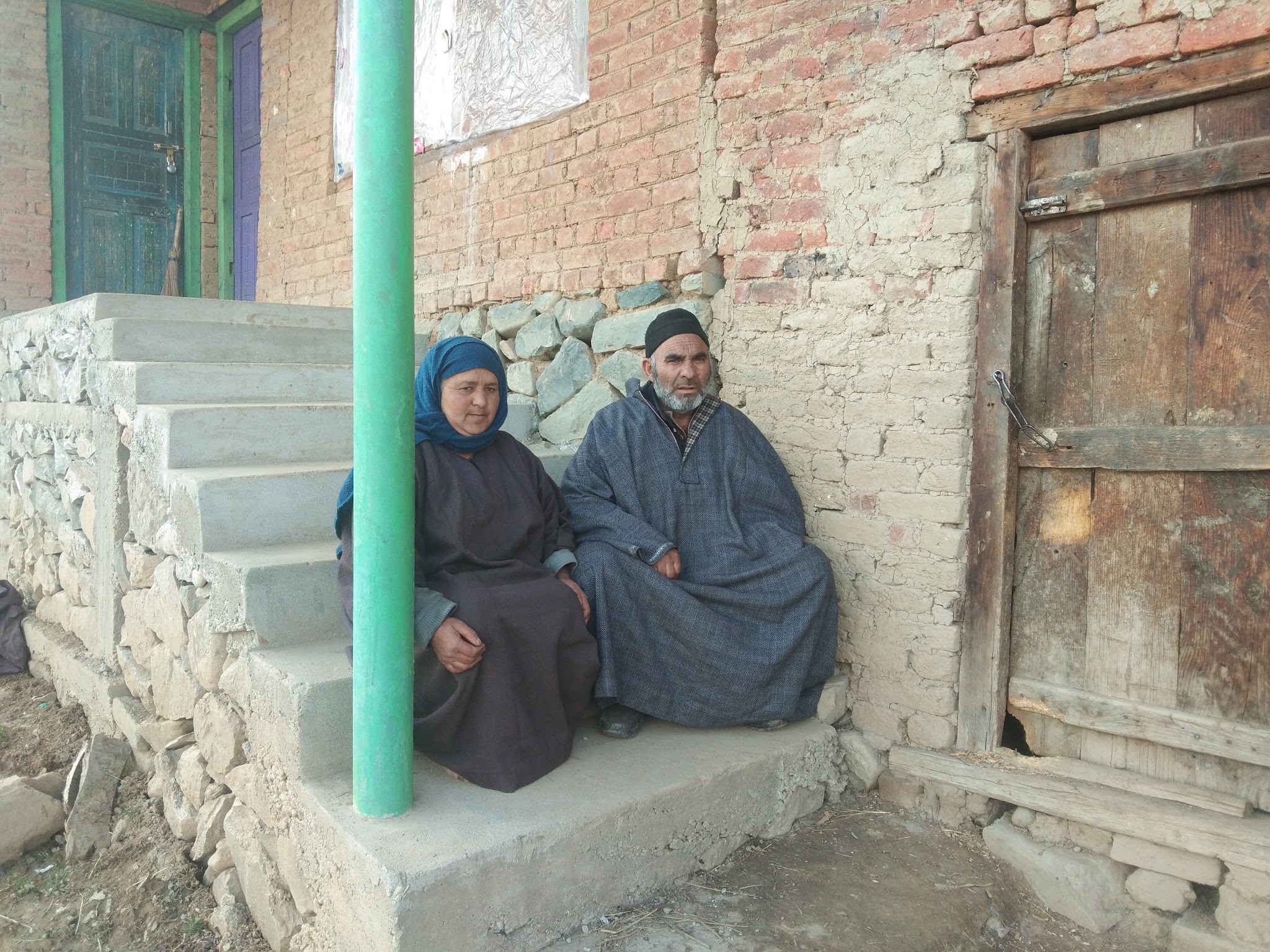
Sheikh says the lease was granted without the consent of the local committees, adding that at that time, people in the area were unaware of the potential repercussions of the lease.
In 2013, J&K Kashmir Chief Minister Omar Abdullah, in a written reply to J&K Assembly, stated that misfired shells and unexploded ordnance either left behind in the meadows or carried down via streams had resulted in 63 deaths and more than 40 injuries since 1965. However, locals claim the figures are higher, not forgetting the large number of unrecorded livestock loss, which they claim run into the thousands.
Tosamaidan Bachav Movement
Sheikh Ghulam Mohideen, a resident of Sitaharan village, recalls how Sheikh Ghulam Rasool, a doctor posted in the area, played a key role in convincing the government not to extend the lease to the military.
“When I met him sometime between 2010 and 2011, Dr Rasool asked me why we had not spoken up about the rampant timber smuggling as well. I told him that the people were poor and the sale of timber provided bread and butter for their families. They did not have other livelihood opportunities. But I did tell him how the beautiful landscape, if put on the tourist map, could provide alternative opportunities for the smugglers and thus stop the illegal activity. But to make it a tourist destination, the lease had to end first,” says Mohideen.
Dr. Rasool told Mohideen to mobilise a group of well-informed and environmentally conscious people for a meeting. Mohideen drew dozens of people to his residence. At the meeting, Dr. Rasool suggested running a campaign against the lease. What followed was a series of meetings and public protests on the issue. In 2012, the campaign was shaped into a disciplined movement, the Tosamaidan Bachav Front.
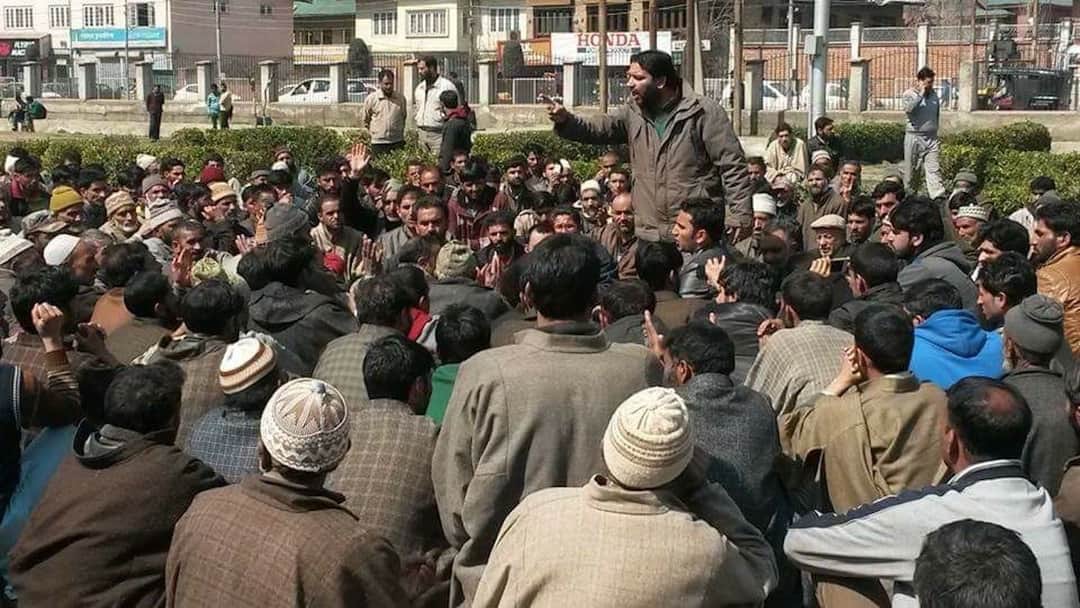
Dr. Rasool, using the Right to Information Act, learnt that the lease was extended in 2002 and was valid up to 2014. Dr. Rasool then intensified the protests. Sixty-four panchayats were mobilised and this helped pass a Gram Sabha resolution against the lease, which put significant pressure on the government.
“We had been protesting consistently,” says Mohideen. “After Dr. Rasool’s awareness campaign, people from across the belt – from Khag to Mujhpathri – began participating in the protests voluntarily.” On one occasion, around 25,000 people assembled at Srinagar’s Press Colony for a protest, he says.
Finally, Dr. Rasool arranged a meeting between the Tosamaidan Bachao Front and the then Chief Minister Omar Abdullah to brief him about the ramifications of military drills on the local population, as well as how ending it would create new opportunities for the people.
Then in October 2014, CM Abdullah visited Tosamaidan and announced that the lease would not be renewed and the area would be turned into a tourist destination.
After the lease ended, the Army launched an 83-day-long Operation Falah (Arabic word meaning success, prosperity and happiness) to clear out the firing range. Post-operation, the Army stated that it had cleared mines across a 69 sq.km area.
Lease expires
With the Army’s clearing out, Dr Rasool told the people that Tosamaidan’s biodiversity and ecology should be protected. He and a team from the School for Rural Development and Environment, an NGO, suggested the Community-Driven Adventure Rural Tourism (CDART) model for transforming Tosamaidan. The model focuses on providing local communities with sustainable livelihood opportunities so that they are less likely to indulge in timber smuggling.
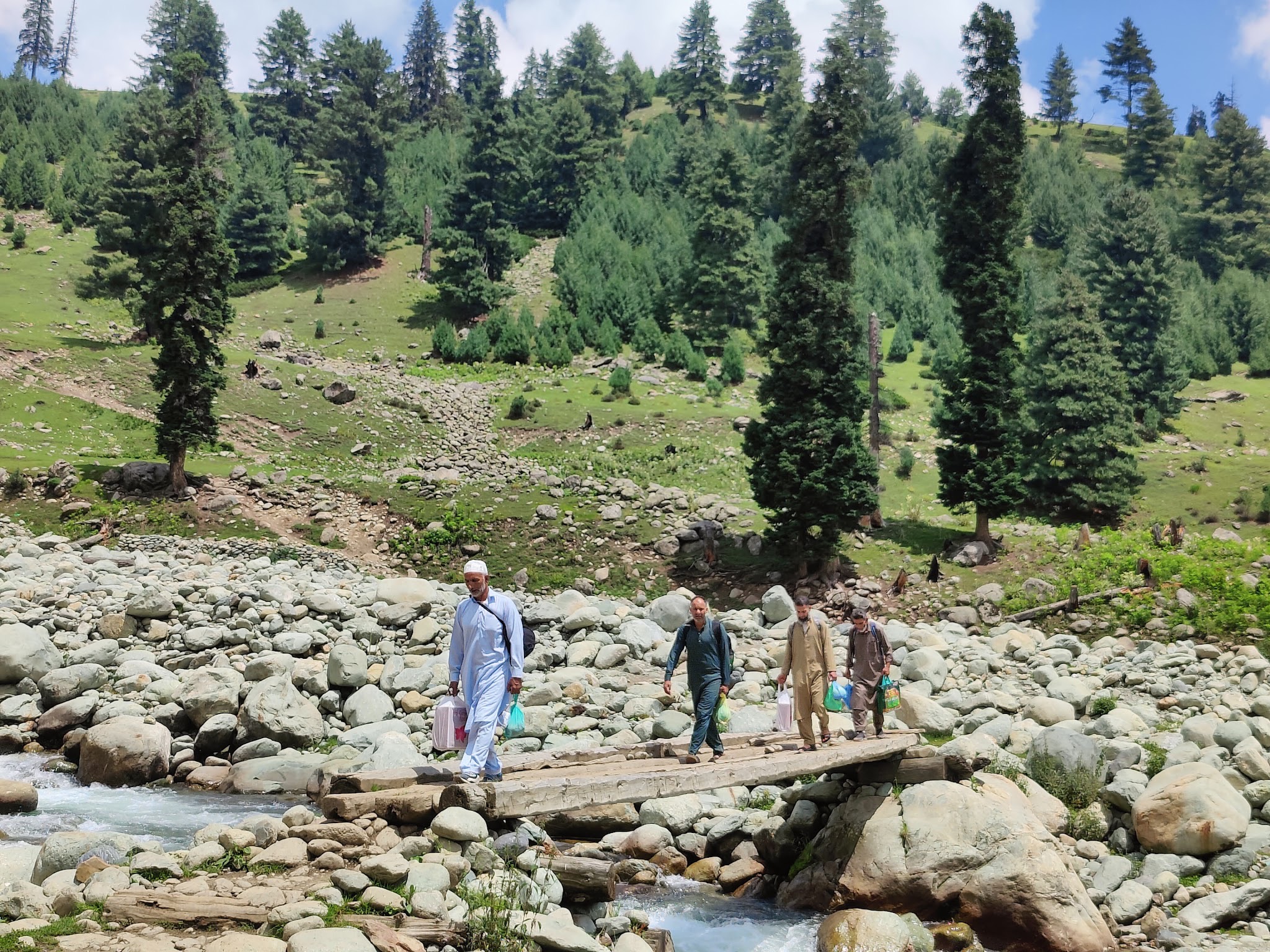
Dr Rasool submitted a proposal to the government to adopt the CDART model of tourism. “Under this model, tourists could explore the local cuisine, while forest-dwellers could work as guides and their dhokas could accommodate the visitors,” he told them.
Dr Rasool claimed that it was this model that led to the then Chief Minister, Mehbooba Mufti, inaugurating Tosamaidan as a tourist destination in 2015, following which the Tosamaidan Development Authority came into being.
Current security concerns
Imtiyaz Ahmad Khan, 30, of Sunglipora village in Budgam, turned one side of his dhoka into a shop at a cost of Rs 1.5 lakh after tourists started visiting Tosamaidan. He bought timber from the Forest Department for the renovation.
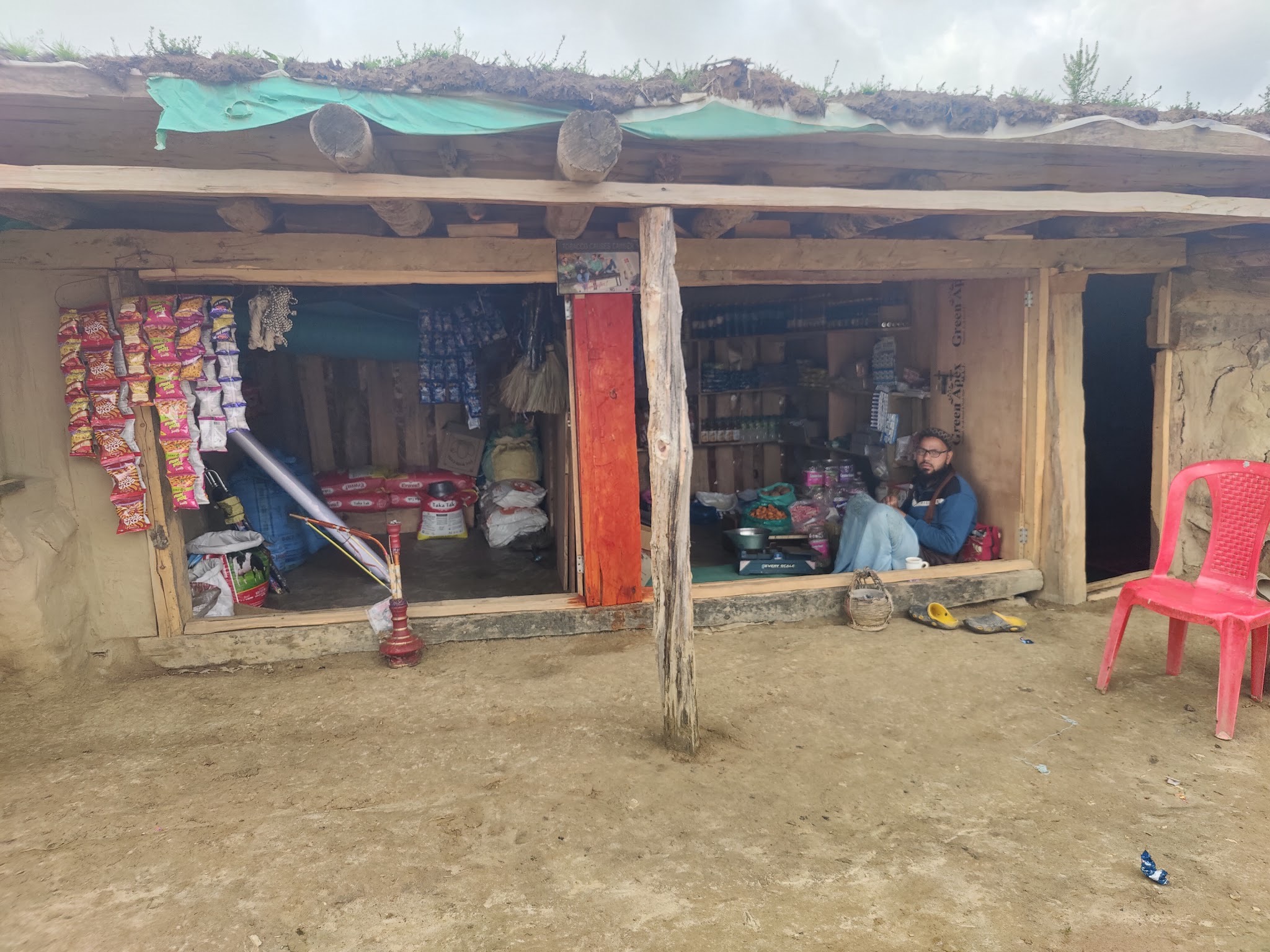
Unfortunately, since the Pahalgam terror attack in April 2025, Tosamaidan has been a prohibited tourist destination. The fallout, says Khan, is that very few people come to graze their livestock. Prior to the attack, when the military lease ended, local tourists had started trickling into Tosamaidan, opening up jobs for local residents. “Some tourists stayed in our dhokas, and we earned good money over the years. However, after the attack, business has come to a standstill,” he says.
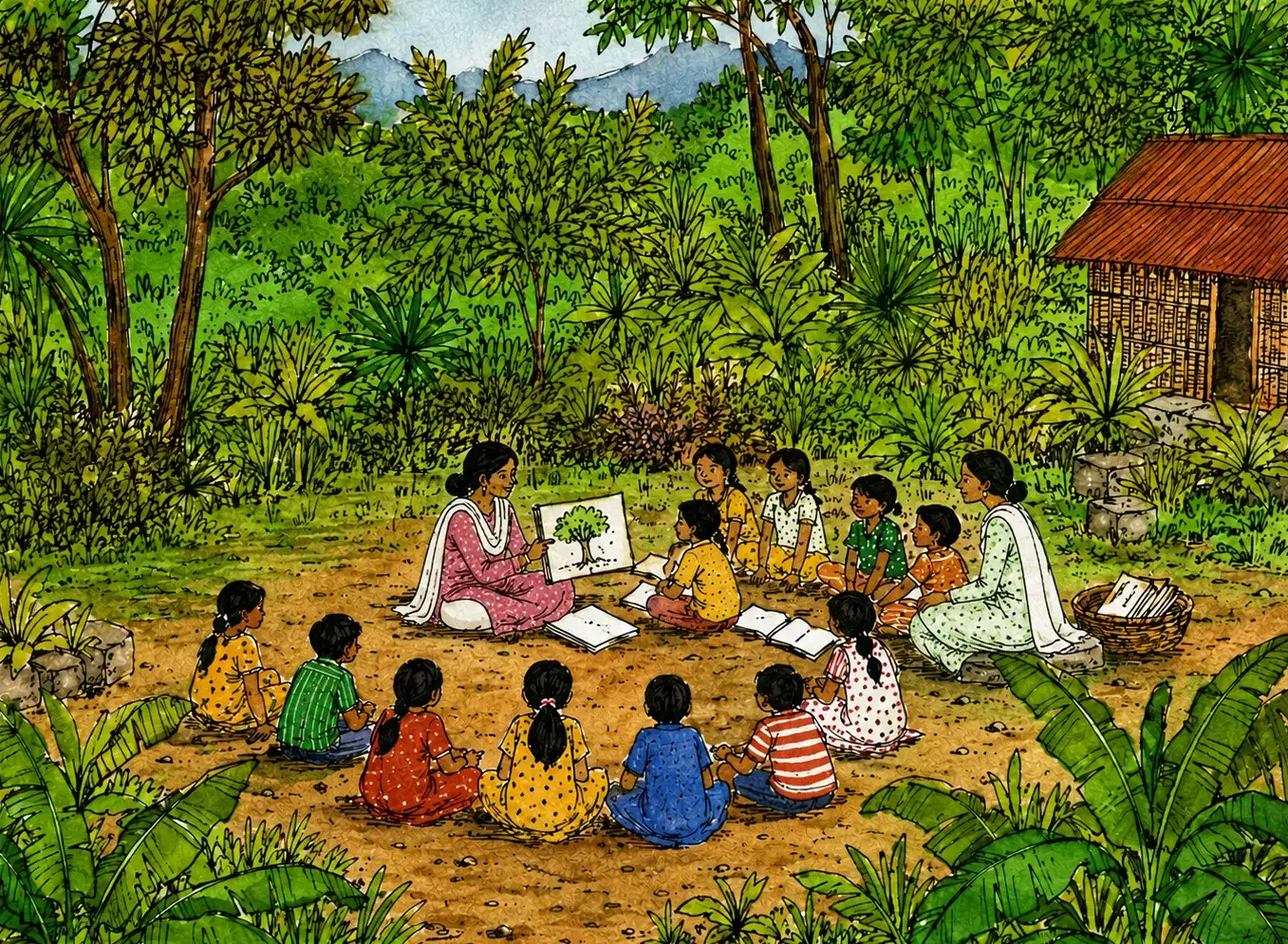
It was the practice of the government to arrange seasonal mobile schools for the community children in the summer. However, this year, the teacher assigned to the school has not yet received security clearance. Owais, a fourth-grade student from Khairyan village, says, “We did not go to school this year because the teachers did not come.”
Tourism also a threat
Bashir Ahmad Sheikh, 42, has been spending his summers in Tosamaidan since childhood and knows the area intimately. “My elders taught me all about the medicinal plants and vegetables here. Decades ago, we would use them mainly for our consumption. However, as connectivity improved, we learned that we could earn an income from them,” Ahmad Sheikh says.
Last year, sheetkhar (Fritillaria cirrhosa) was sold for ₹25,000 per kg in dried form and kangich (wild mushroom) for ₹7,000 a kg. The former is a high-value, alpine, bulbous herb found in the upper reaches of Tosamaidan, adds Ahmad Sheikh, who regularly harvests wild vegetable and medicinal plants from the area.
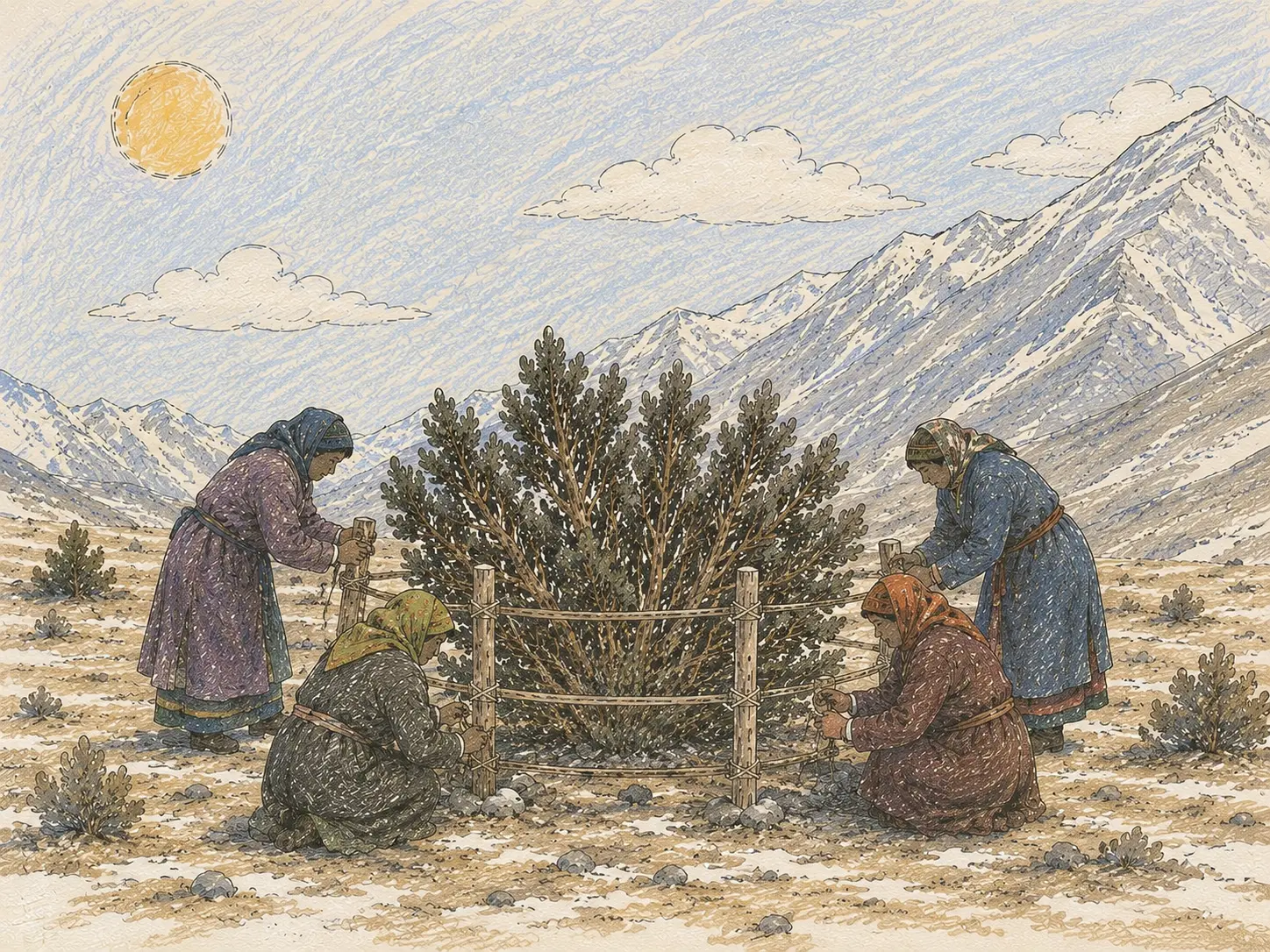
But when tourists began arriving, they damaged some of the flora out of ignorance of their importance. Jogi badshah, for example, grows on the high peaks and is harvested in late August. “However, in the last few years, trekkers have been plucking them before they are ready to be harvested,” he adds.
Mohideen, who was the last sarpanch of Sitaharan, had tried to organise the marketing of these plants by forming a Biodiversity Management Committee, but his efforts failed as no one supported him. “Official apathy and a lack of awareness among local panchayat members and the people made the task very difficult for me,” he says.
Formalising the marketing of such rare medicinal plants would be the ideal revenue generation model that could boost the income of the indigenous people who, through untiring efforts, have reclaimed this land as their own.
.webp)
.webp)
.avif)
.webp)

.webp)