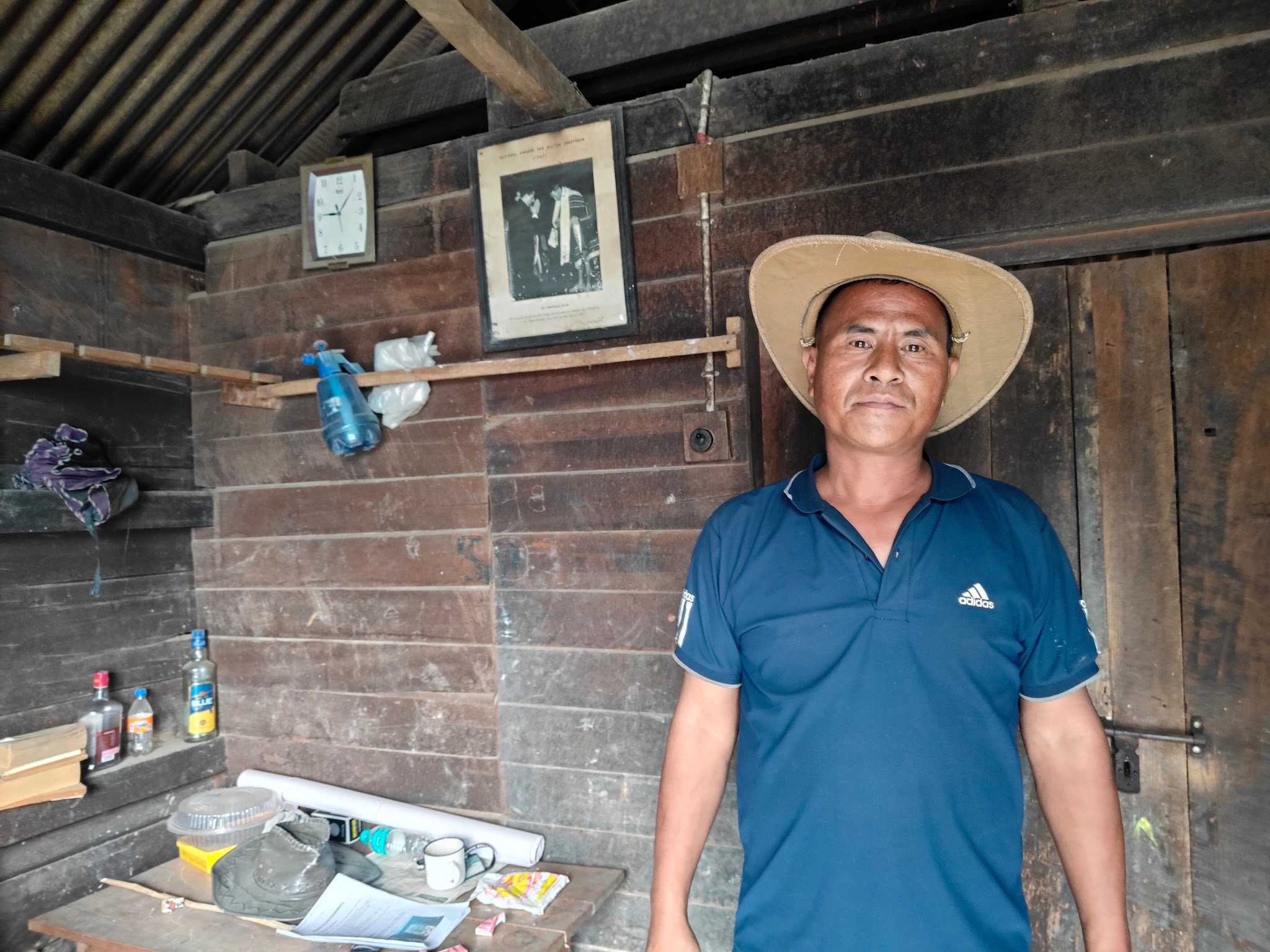
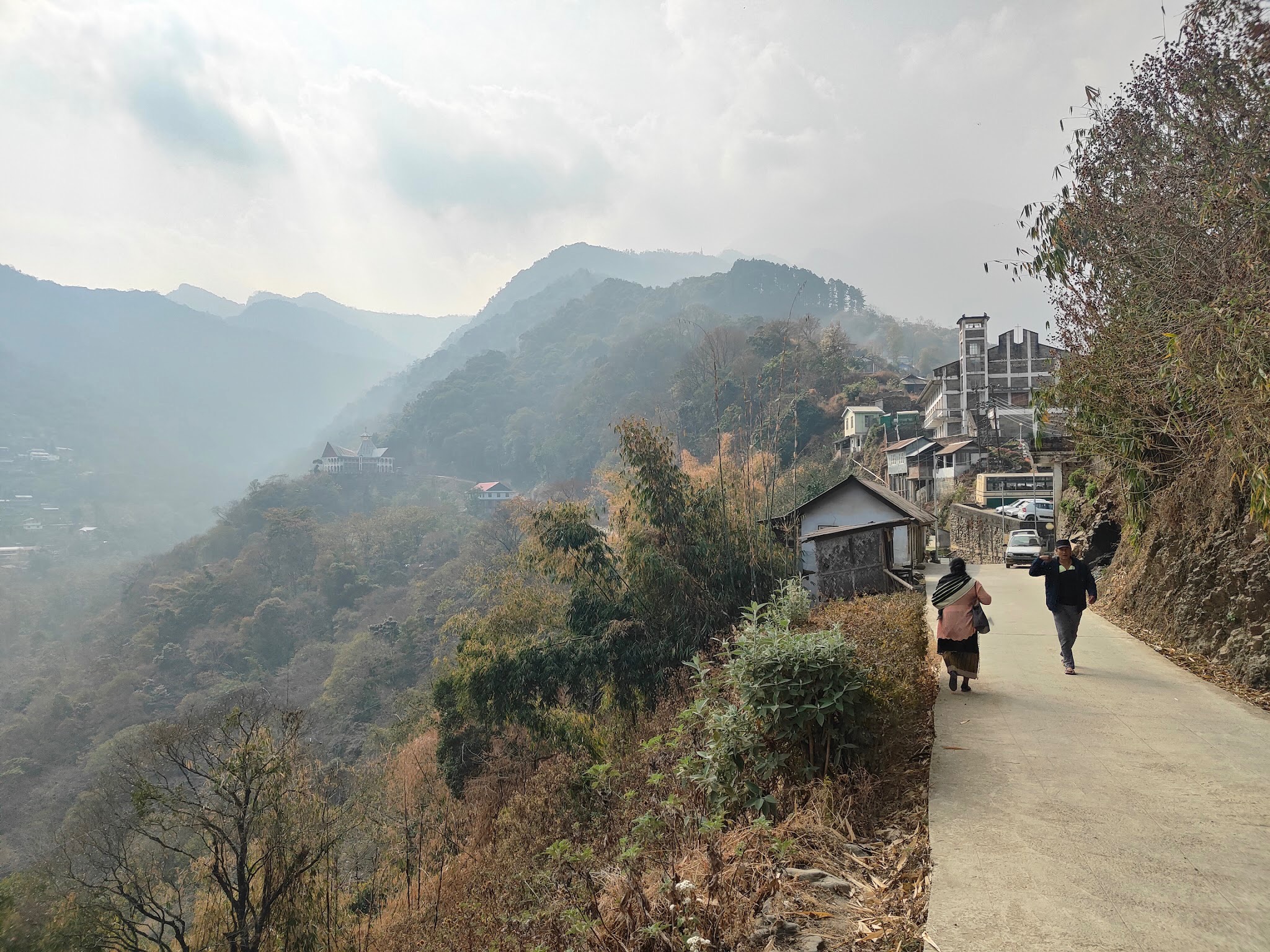
Kohima, Nagaland: “Hunting, cutting down of trees, ran in our blood,” says Ati, a 47-year-old local craftsman and tour guide. For generations, the people of this Angami Naga village, perched high in the hills about 20 kilometres from Kohima, have survived on the forests for food, fuel and identity.
In earlier decades, hunting was deeply woven into everyday life. A rifle or a spear was often seen as essential as a farming tool, and the skulls of animals such as barking deer or wild boar frequently hung inside homes as trophies and proof of a hunter’s marksmanship.
“Whenever somebody tried to stop it,” Ati recalls, “people felt strongly about it.”
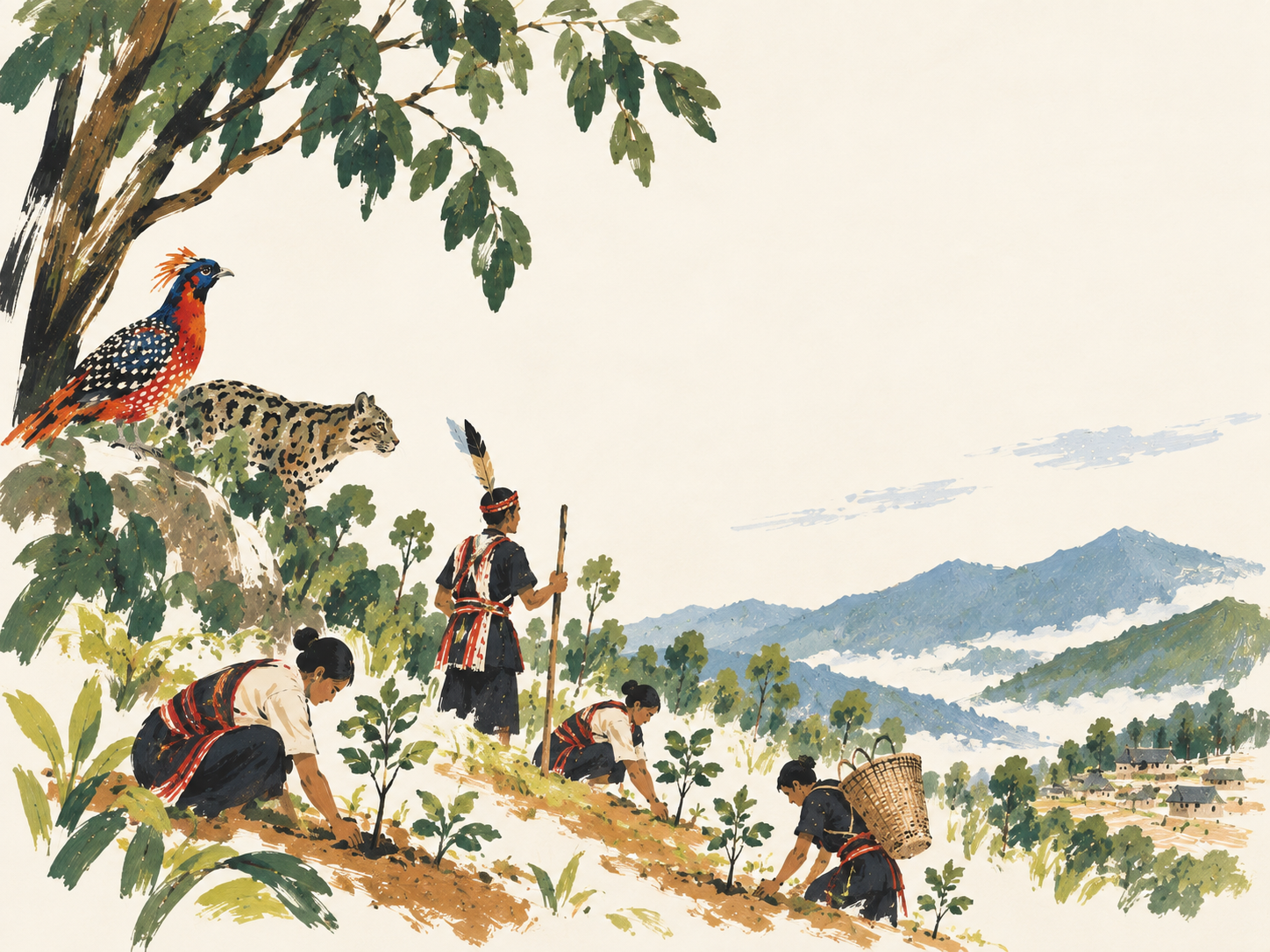
Today, however, those same houses display framed photographs of visitors and trekkers rather than the skulls of the animals killed. Over the past three decades, Khonoma has undergone a quiet but dramatic transformation. Blyth’s Tragopan has returned home as has the cloud leopard. People no longer hunt. They preserve. A village once known for its hunting culture is now widely recognised as a model for community-led conservation of commons in India.
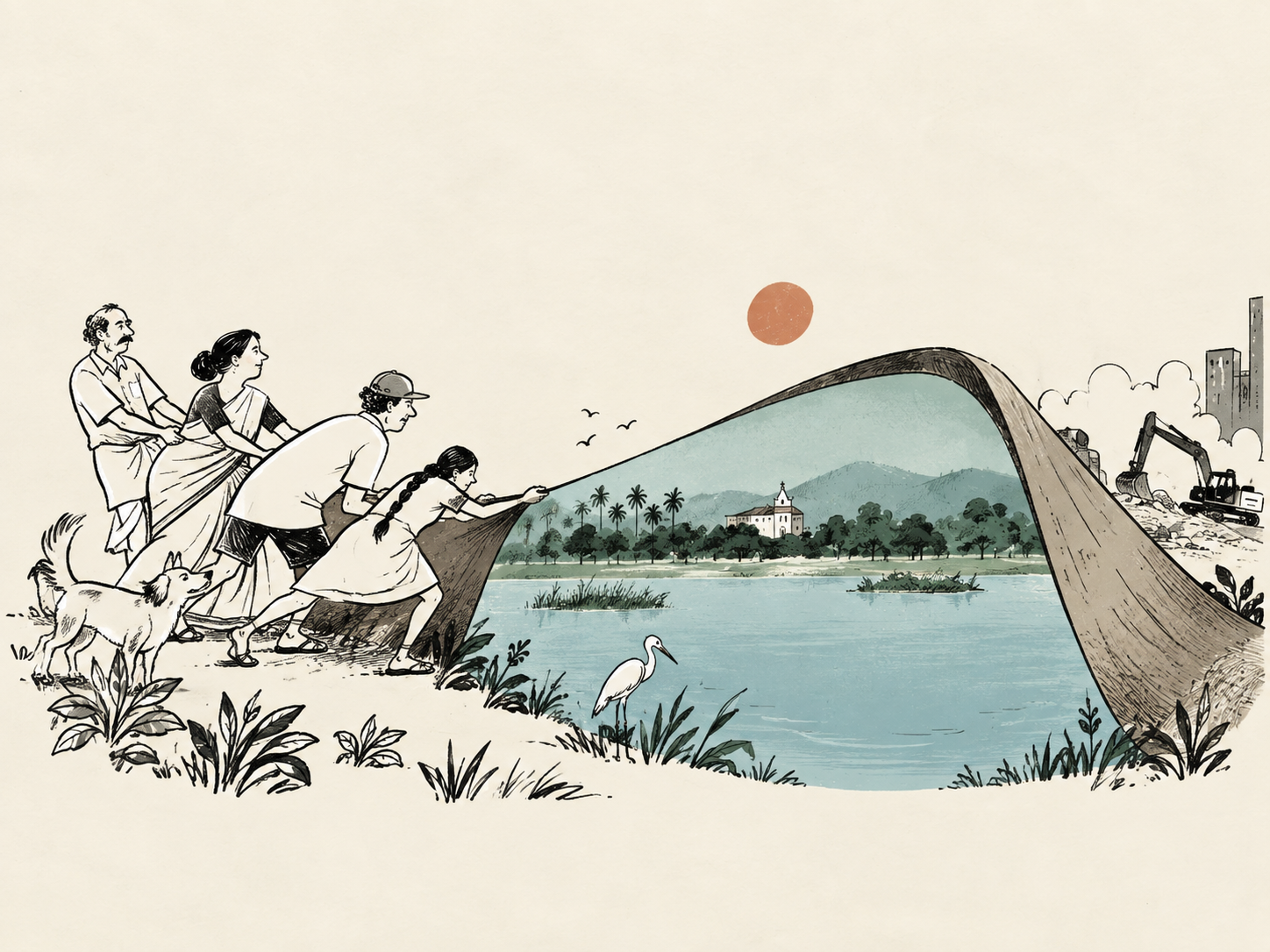
The shift towards conservation began in 1998, when residents collectively agreed to ban hunting and commercial logging across their ancestral land, which stretches across roughly 20 square kilometres of forested hills. This move towards conservation is part of a larger roadmap spread across the country, in which traditional forest communities are spearheading a quiet revolution in self-governance reclaiming their common forests, resources and common spaces.
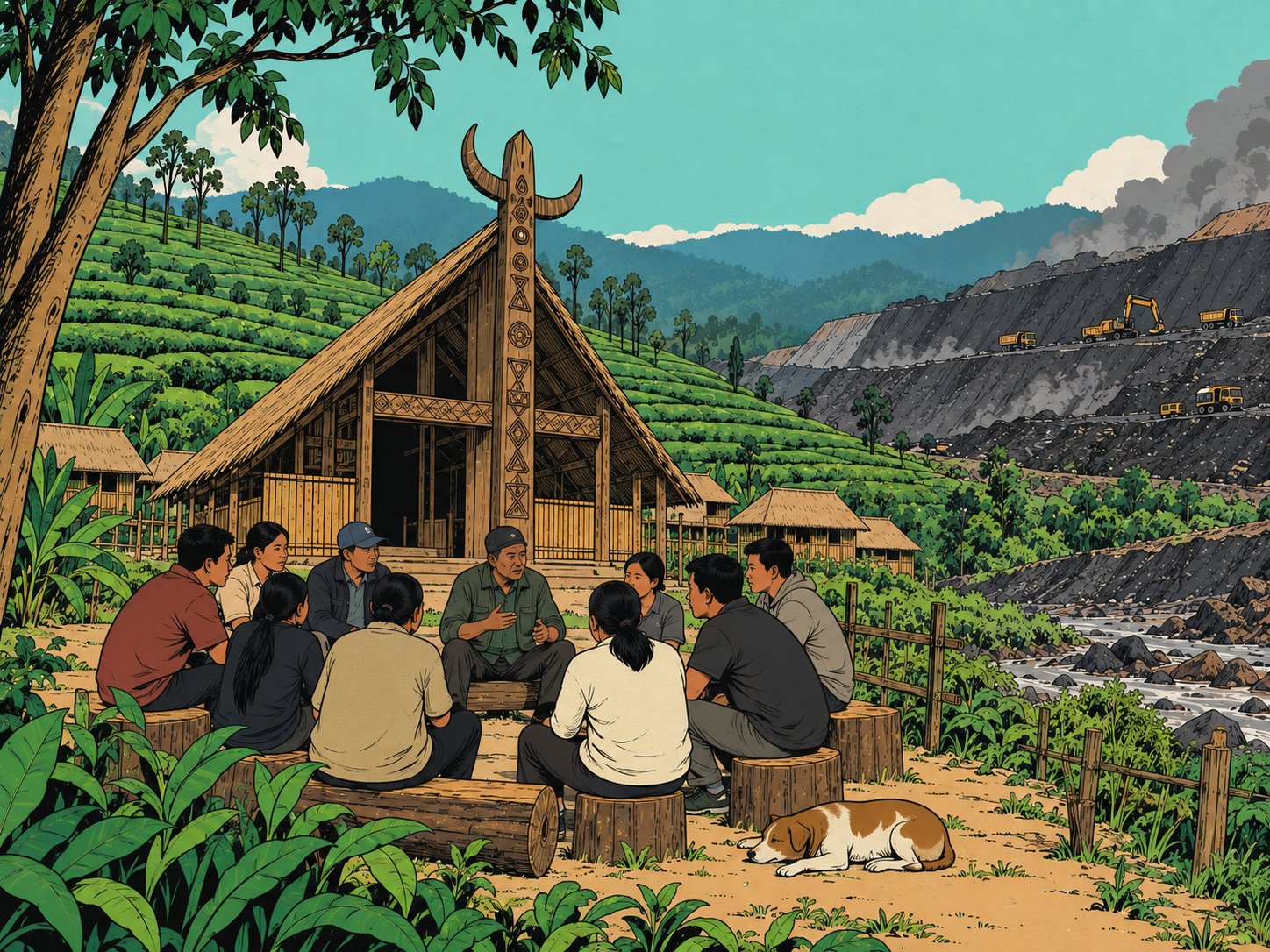
This was a result of community-led collective governance often standing in sharp contrast to corporate-led drives to denude forests and displace the original dwellers. The original inhabitants are often the first to come in the line of fire when a development project is undertaken and the challenges they face are often insurmountable. However, the struggle to secure the common heirloom is what sets the movement by Khonoma and others like this village apart.
Seven years later, in 2005, the Government of India recognised Khonoma as the country’s first “Green Village,” highlighting its locally driven efforts to protect forests and wildlife.
Reclaiming the Commons
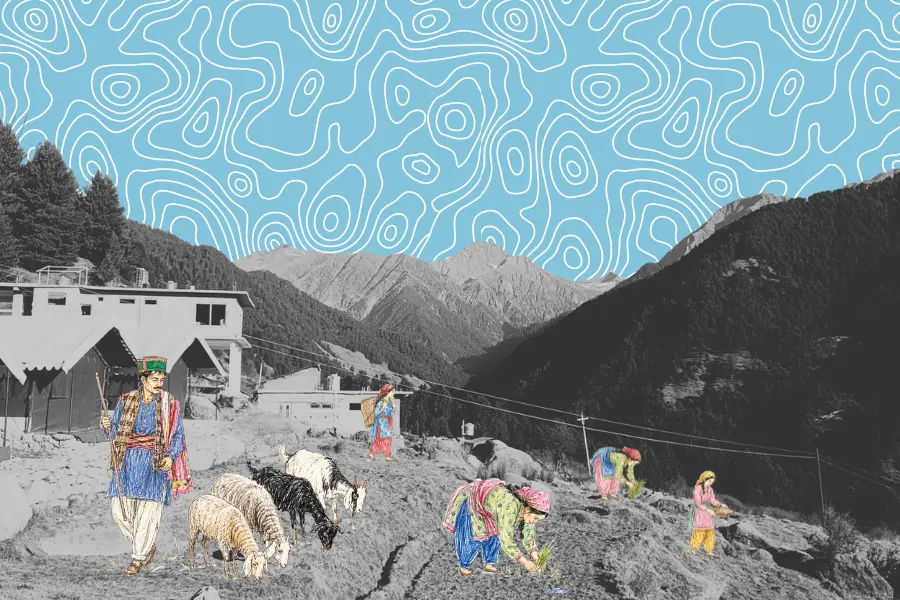
Commons are shared lands such as forests, pastures, water bodies and mangroves, which cover 205 million acres, or one-fourth of India, and form the lifeline for over 350 million people, including marginalised groups like Scheduled Castes, Scheduled Tribes and women. Communities across India have traditionally protected, restored and managed these commons through customary self-governance practices. These customary rights and practices, however, haven’t been formally recognised or recorded in many parts of the country.
Despite these challenges, communities across India are showcasing that reclaiming, restoring and managing commons through customary self-governance practices plays a crucial role in their ecological, social and economic upliftment.
The example of Khonoma shows how conservation of these landscapes is managed largely by the community. Local youth patrol the forests, village councils enforce rules against hunting, and farmers rely on traditional techniques that reduce the need for chemical fertilisers. And for firewood they regularised indigenous alternatives.
A village built around hunting
For much of its history, hunting in Khonoma was not simply about obtaining food from its forest commons. It also carried cultural significance and social prestige.
“A successful hunter was respected,” Ati explains. “If somebody killed an animal, the meat would be shared among families, but the skull or horns were kept in the house.”
The most prized animals included tigers, leopards, Himalayan black bears and wild boars. A hunter’s success in the forest often became part of his reputation in the village.
But by the late 1980s, the relationship between the villagers and their forests began to change. Traders from outside the region encouraged logging, particularly of hardwood trees, such as alder and oak, that could fetch good prices in furniture markets elsewhere within and beyond Nagaland.
Timber cutting increased rapidly. Hillsides that had once been left untouched were gradually opened up for logging.
“People wanted to earn money quickly,” says Vikongu Mu, a 51-year-old resident. “But there were not many other opportunities.”
At the same time, hunting practices were also changing. In earlier generations, hunters relied on traps, spears or locally made guns. But as firearms became more widely available in the region, hunting became easier and more frequent.
With rifles replacing traditional methods, animals were killed more quickly and in greater numbers. Wildlife populations began to decline.
One of the most affected species was the Blyth’s Tragopan, a brightly coloured pheasant found in the forests of Northeast India. Once commonly seen in the hills around Khonoma, the bird became increasingly rare. Villagers began to notice the change. Forests that had once echoed with bird calls were growing quieter.
Khonoma’s transformation has its origin in what happened as a result of hunting competition. In 1998, many community members and local forest department were alarmed by the killing of over 300 Blyth’s Tragopan by villagers following a competition.
“Many of the villagers had to rethink after the incident. The village is what we all had. The greenery comes from the forests, and wildlife keeps the forest alive,” said Vikongu, a 53-year-old Konoma resident. “The village council was keen on taking a step,” he said.
The push for change
The idea of protecting the forest first gained momentum, led in part by T.S. Angami, a retired Principal Chief Conservator of Forests who belonged to the village. Having worked for decades in forest management, he had seen firsthand how quickly forests could disappear when exploitation went unchecked.
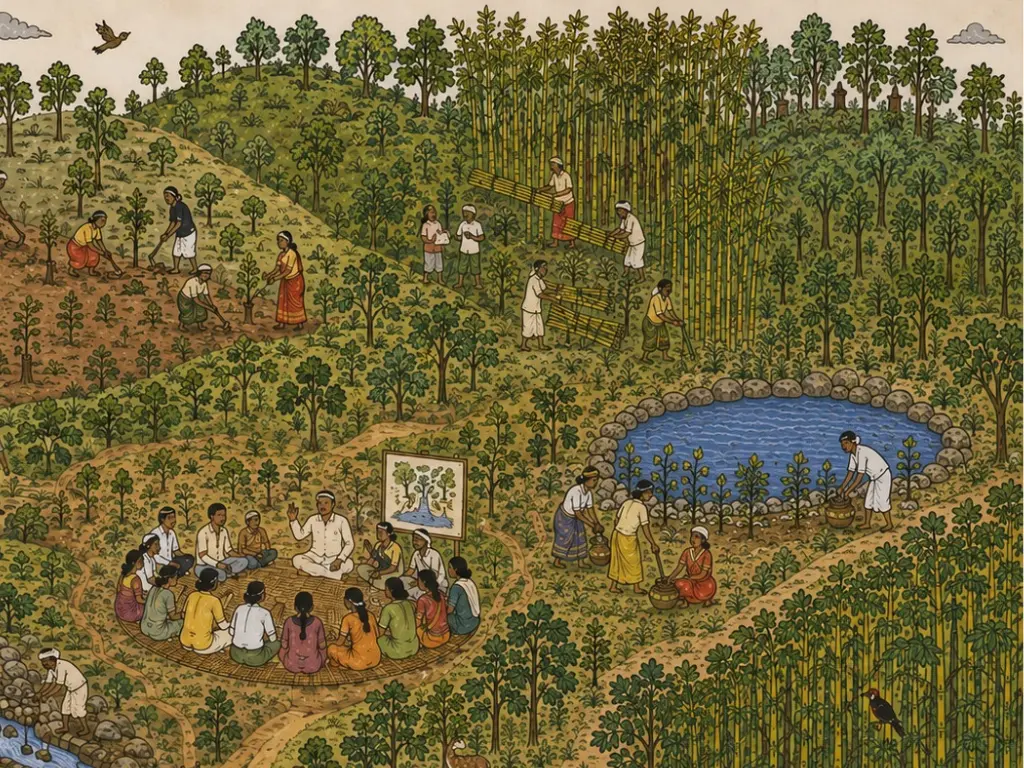
He began discussing conservation with village elders, youth leaders and farmers. These discussions took place in community gathering spaces where local decisions are traditionally debated.
The proposal to stop hunting and logging did not gain immediate support.
“There were many arguments,” says 42-year-old Kezhaseria Meyase, who later served as chairman of the village’s sanctuary committee. “For many people, hunting was part of our culture.”
Some villagers worried that banning hunting would mean abandoning traditions passed down for generations. Others were concerned about losing a source of food or income as villagers would consume and even sell the animals they hunted.
But over time, the discussions began to focus on the future of the village. Elders argued that continued logging and hunting would eventually damage the forest beyond repair.
If that happened, they warned, the community itself would suffer.
After months of debate, the village reached a decision. On 11 December 1998, residents gathered in the village square and formally announced a ban on hunting, logging and forest fires across their land.
At the same time, they created the Khonoma Nature Conservation and Tragopan Sanctuary (KNCTS), a protected area covering about 23 square kilometres of forest. The sanctuary was specifically established to protect wildlife, including the threatened Blyth’s Tragopan.
The decision marked a turning point in the village’s history.
Community patrols and enforcement
Unlike government-run wildlife reserves, Khonoma’s conservation system relies largely on the village community itself.
The governance of protected commons is in the hands of village-nominated committees.
At the heart of this governance structure is the Khonoma Nature Conservation and Tragopan Sanctuary (KNCTS), the primary body responsible for monitoring the environment and overseeing the sanctuary’s 23 sq km core area.
The committee is formed through a process of selection rather than election, with representatives chosen from the village’s three clans, or sub-communities.
Specifically, each clan nominates four representatives, three men and one woman, resulting in a 12-member board that includes a mandated 33 per cent reservation for women. The committee includes a chairman, secretary, treasurer, and an environment and developmental secretary, with the former chairman serving as an advisor to ensure institutional continuity.
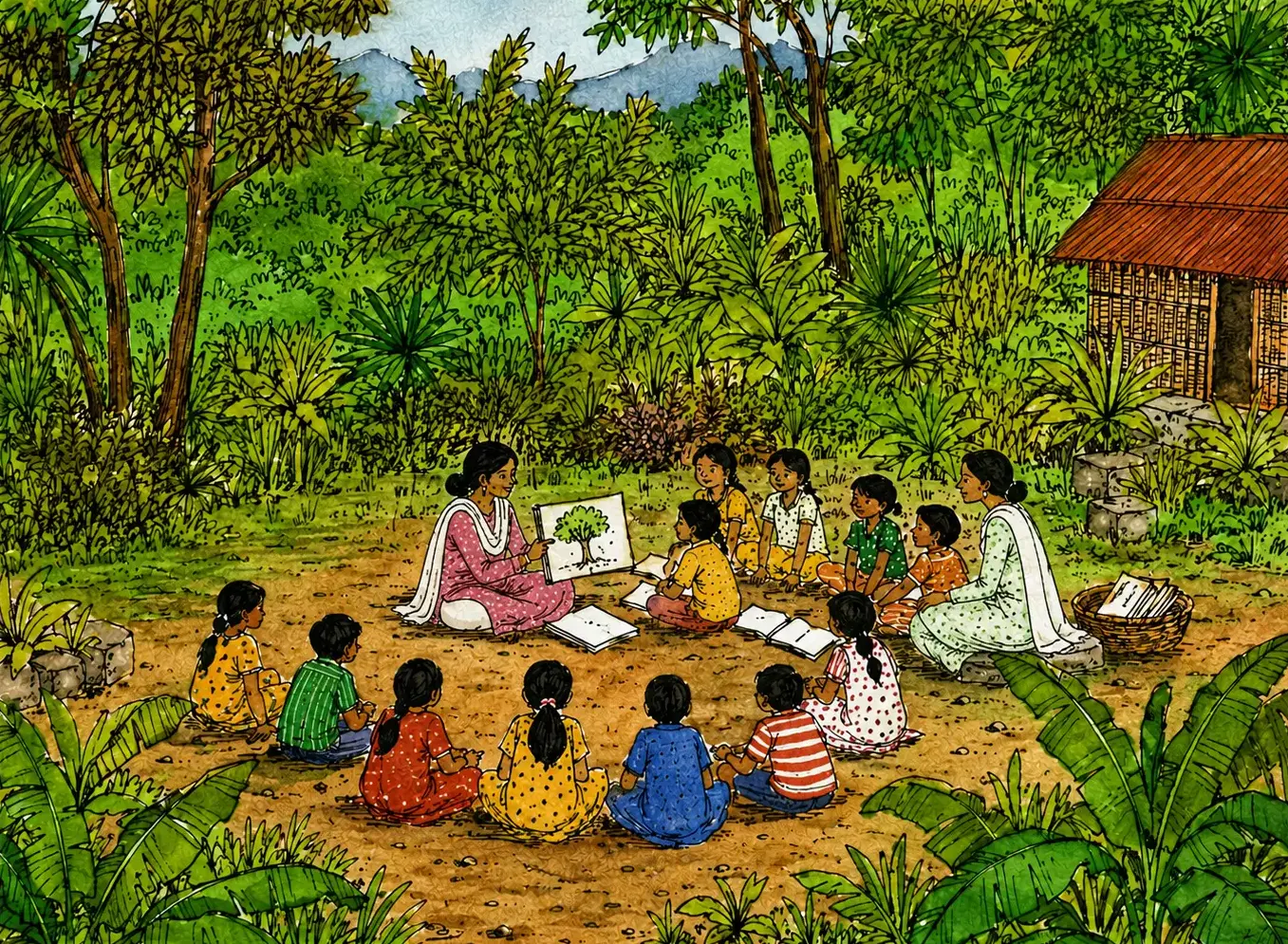
These members serve a five-year tenure, during which they manage relations with external NGOs and the Forest Department while also sensitising the village through educational seminars for children.
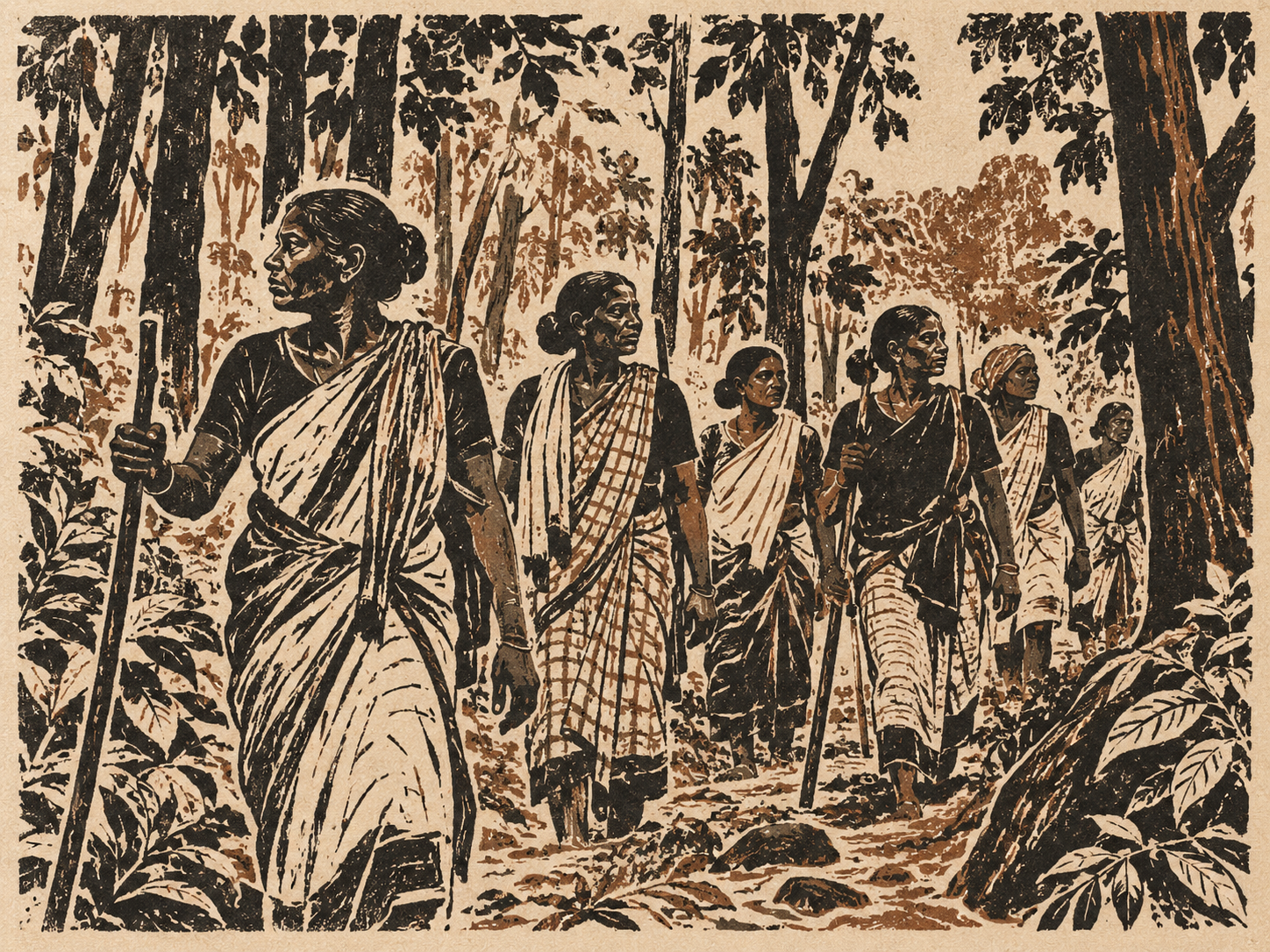
The Khonoma Youth Organization (KYO) plays a central role in this effort. This is the action committee for the protection of the zone. Its members regularly patrol the forests to ensure that hunting and logging bans are respected.
The terrain around Khonoma is steep and heavily forested, making patrols physically demanding. Yet many of the volunteers are the descendants of hunters who once roamed the same hills.
The village has also created a system of fines to discourage violations.
Anyone caught shooting a bird must pay a penalty of Rs 10,000, while killing larger animals can lead to fines of Rs 20,000. Outsiders caught hunting on Khonoma’s land face higher penalties, which can reach Rs 40,000.
A portion of the fine is awarded to the person who reports or catches the offender.
“It motivates people to protect the forest,” Ati says.
A committee made up of representatives from the village’s different clans oversees the sanctuary and enforces these rules. The village has also introduced measures to include women in decision-making bodies.
While the committee works with government forest officials when necessary, the authority to manage the land ultimately rests with the village community.
Reviving an old farming practice
Banning hunting and logging raised another challenge: how could villagers meet their daily needs without damaging the forest?
One answer lay in a traditional farming practice that had existed in the region for generations.
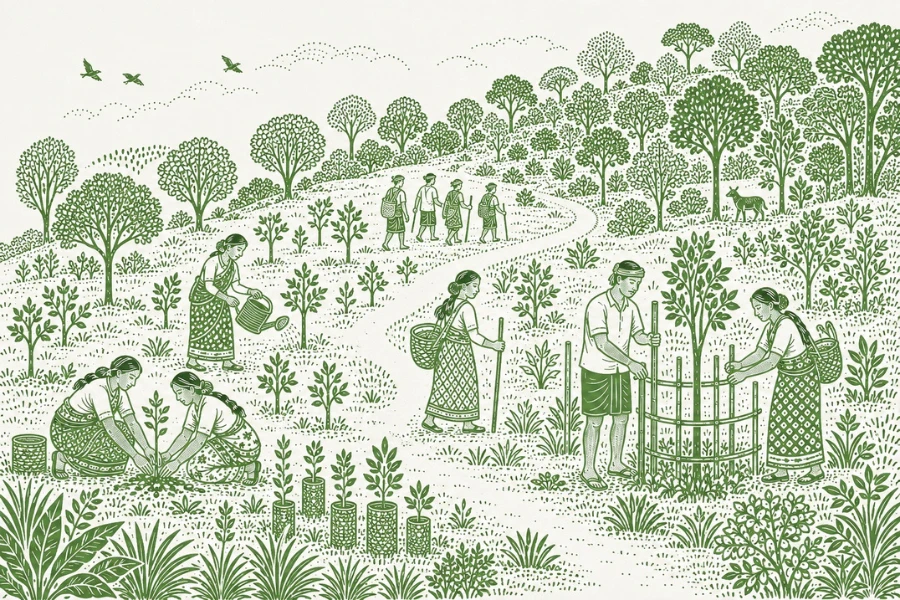
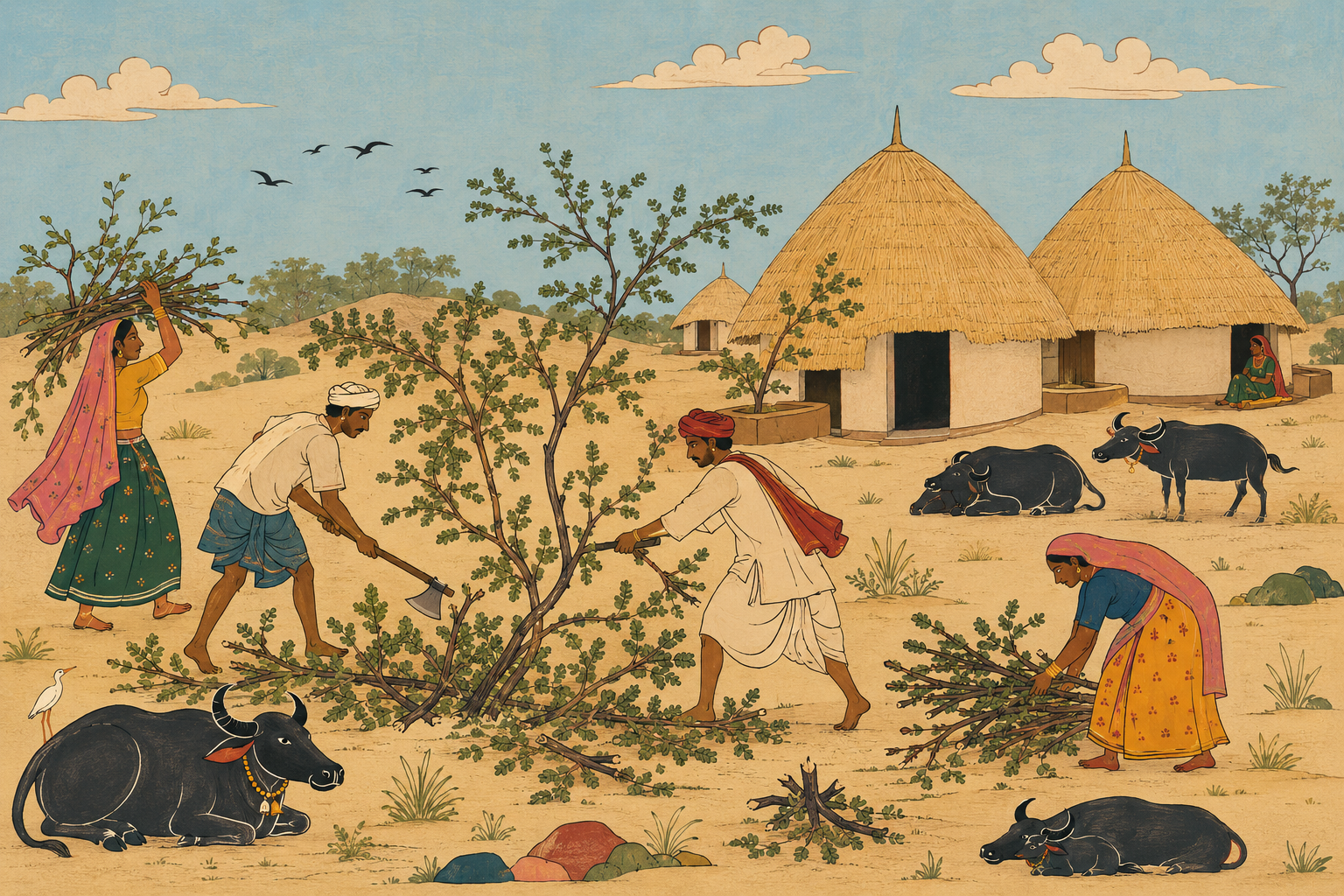
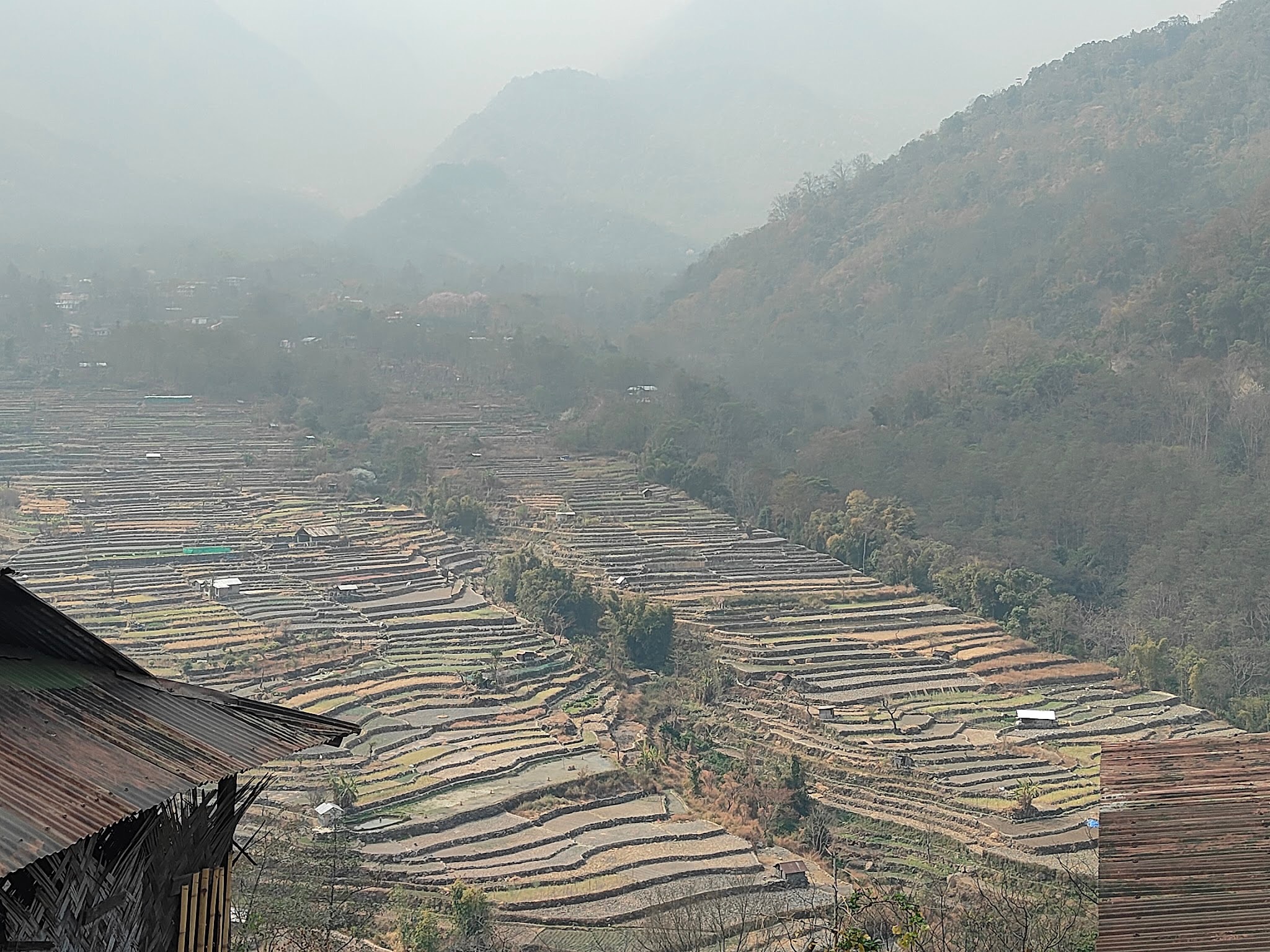
Farmers in Khonoma cultivate alder trees (Alnus nepalensis) alongside their crops. Instead of cutting the trees down entirely, they use a technique known as pollarding.
In this method, the trunk of the tree is cut several feet above the ground, allowing new branches to grow from the remaining stump. These branches can later be harvested for firewood while the tree continues growing.
Alder trees also play another important role: their roots help enrich the soil by fixing nitrogen naturally. This improves soil fertility and reduces the need for chemical fertilisers.
Crops such as rice, beans and maize can be grown in these fields with minimal external inputs.
“If this system had not been passed down by our forefathers, our forests might not be in this condition today,” says Megozobi, a teacher and guide in the village.
The practice allows farmers to meet household firewood needs without cutting large numbers of trees.
A new rural economy
Over time, Khonoma’s economy has gradually shifted from exploiting the forests to conserving them. It's a lesson not only on survival but on letting others live. One of the most visible changes has been the growth of ecotourism. Visitors now travel to the village to experience its landscapes, learn about Angami culture and explore nearby forests.
Local residents work as guides, leading trekking groups, birdwatchers and researchers along forest trails.
Ati, a 47-year-old local craftsman who earns a living as a part-time guide, highlights how this transformation has benefited the community.
He explains, "as a guide, I take people around, I earn something else out of that. Instead of going and destroying nature, something is coming out of protecting it."
He is one of 27 registered guides in Khonoma who provide specialized tours for visitors.
These services are priced according to the destination: while a walk through the village costs 500 rupees, more intensive excursions, such as a two-day trek into the conservation sanctuary, can earn a guide 2,000 rupees per day.
For residents like Ati, ecotourism has helped create a resilient livelihood that he describes as "a mix of everything," successfully balancing tourism revenue with traditional agriculture and craft work
Entry fees, Rs 50 for domestic visitors and Rs 100 for foreign visitors, collected from visitors are used for community activities, including sports events, sanitation programmes and educational prizes for students.
Agriculture has also diversified. Khonoma has become known for producing high-quality garlic, which sells well in regional markets. Some farmers earn between Rs 50,000 and Rs 1 lakh from a single garlic harvest.
Others have started cultivating kiwi fruit, which grows well in the area’s climate. Farms in the village now produce thousands of kilograms of kiwi each year.
A young woman in Khonoma says ecotourism has boosted her income; she sells local dry fruits to tourists.
Another distinctive feature of Khonoma is its roadside stalls that operate largely on trust.
Along village paths, residents place baskets of vegetables, homemade pickles, woven shawls and jams made from local fruits. Instead of a shopkeeper, the stall usually contains a small locked box for payments.
Customers take what they need and leave the money behind.
“I don’t have to sit there all day,” says Visobiu Khate, who sells local produce in this way.
Wildlife makes a return
After nearly three decades of conservation, the surrounding forests have begun to show signs of recovery.
Camera traps installed by researchers have recorded animals that had become rare in the area, including clouded leopards are slowly coming home. There have also been reports of other wildlife returning to the forests.
Birdwatchers visiting the region and even locals say sightings of Blyth’s tragopan have increased compared with earlier decades.
Researchers documented over 20 mammal species via camera traps since 2018, with clouded leopards (Neofelis nebulosa) appearing frequently, signaling habitat rebound. Hoolock gibbons (Hoolobates hoolock) and serow (Capricornis thar) sightings have risen, alongside wild boar and barking deer populations stabilizing.
For residents of Khonoma, these changes are a sign that the decision made in 1998 was the right one.
“We have already made this decision,” Ati says. “We will continue like this.” It is a common pact they have made with their immediate environment and one that looks like it will endure.
For villagers, the “Green Village” title represents something more practical, a collective agreement to protect the land they depend on.