.webp)
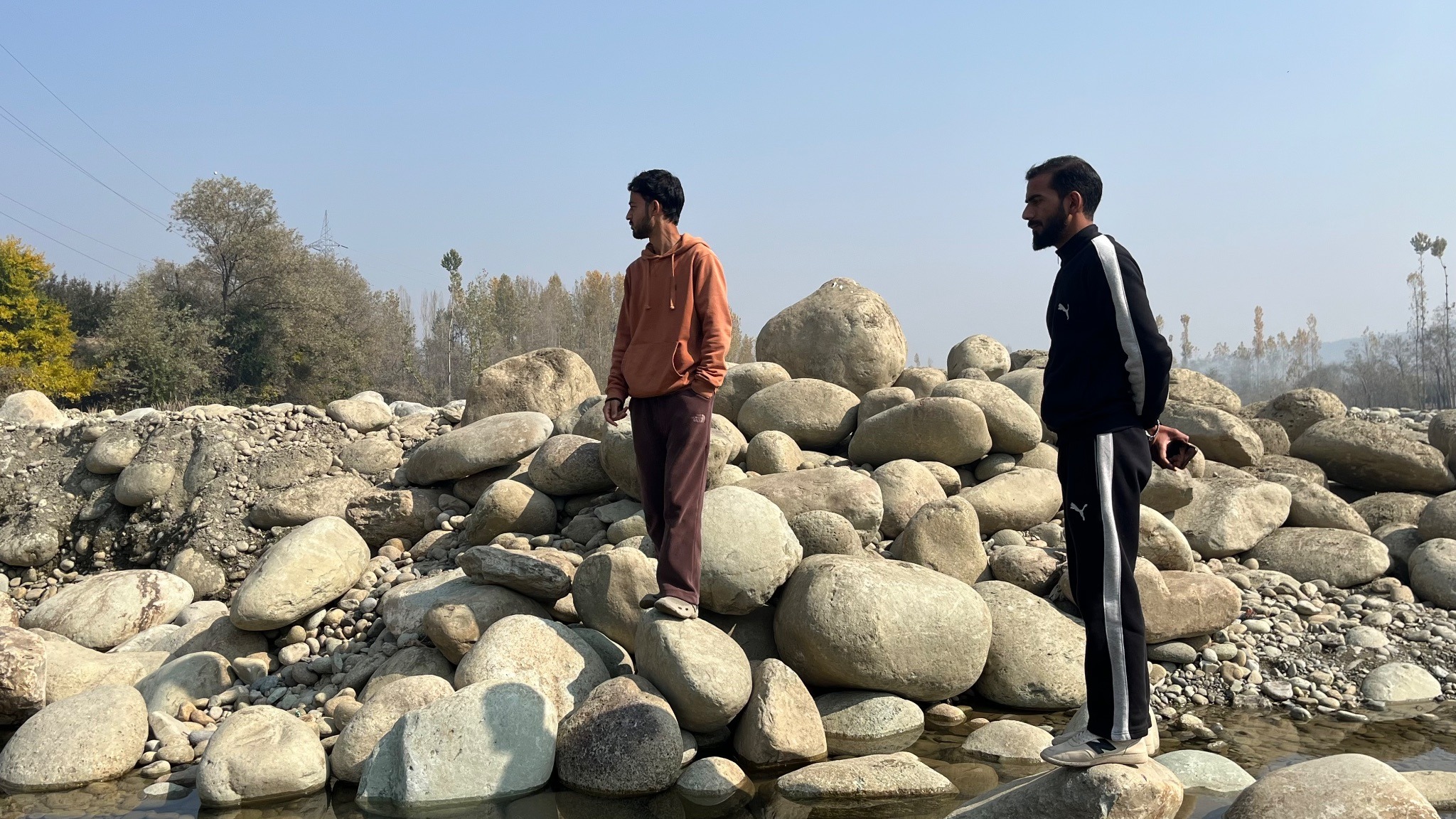
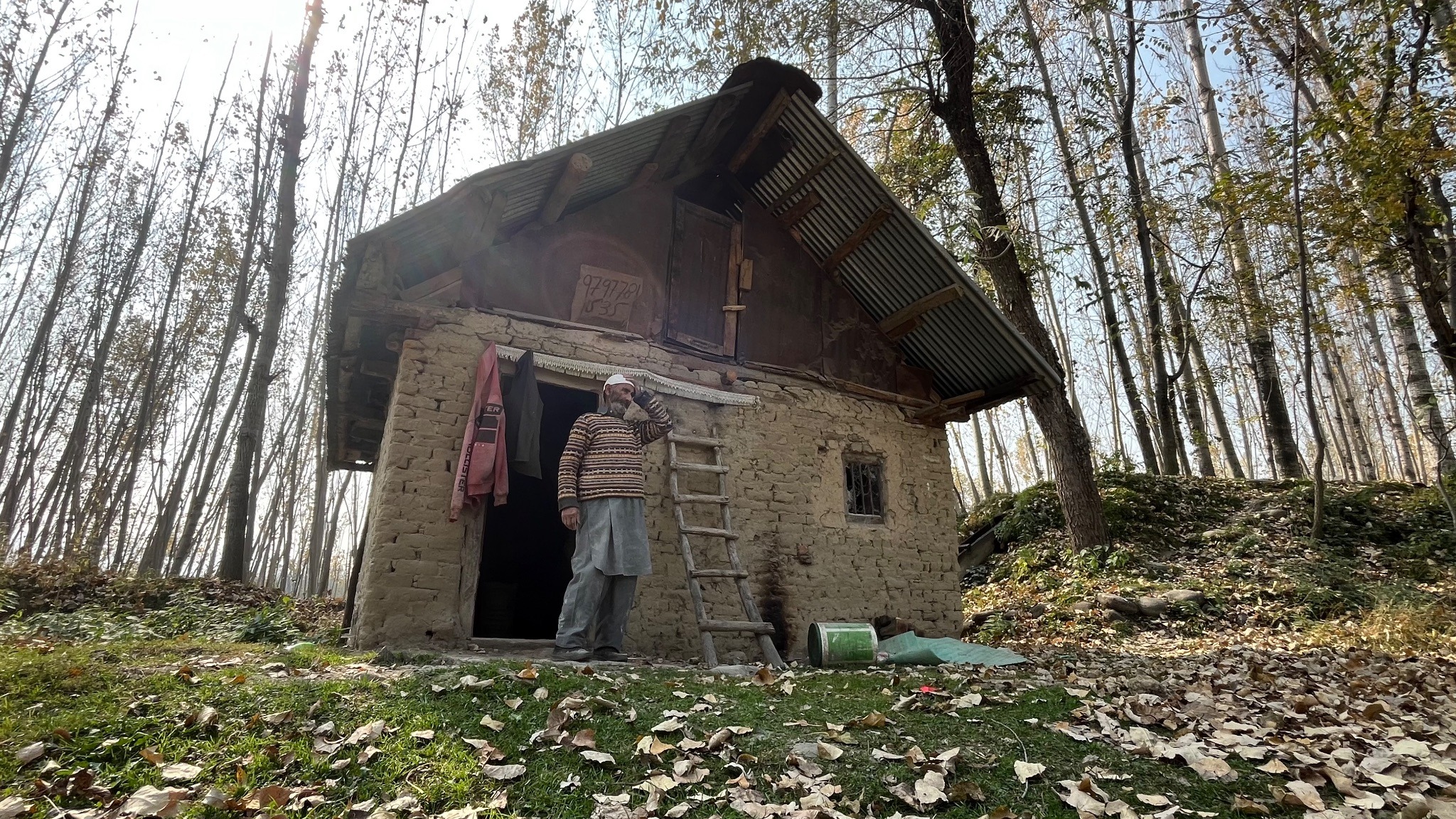
Borwah, Kashmir: On a cold autumn morning in Borwah village in Budgam district of Kashmir, 65-year-old farmer Mohammad Sadiq Bhat rolls up his sleeves and bends down to pick plastic waste tangled in the reeds from the wet mud on the banks of the Doodh Ganga River. Wrapped in a traditional Pheran, cleaning the riverbed has been Bhat’s morning ritual for the past five years.
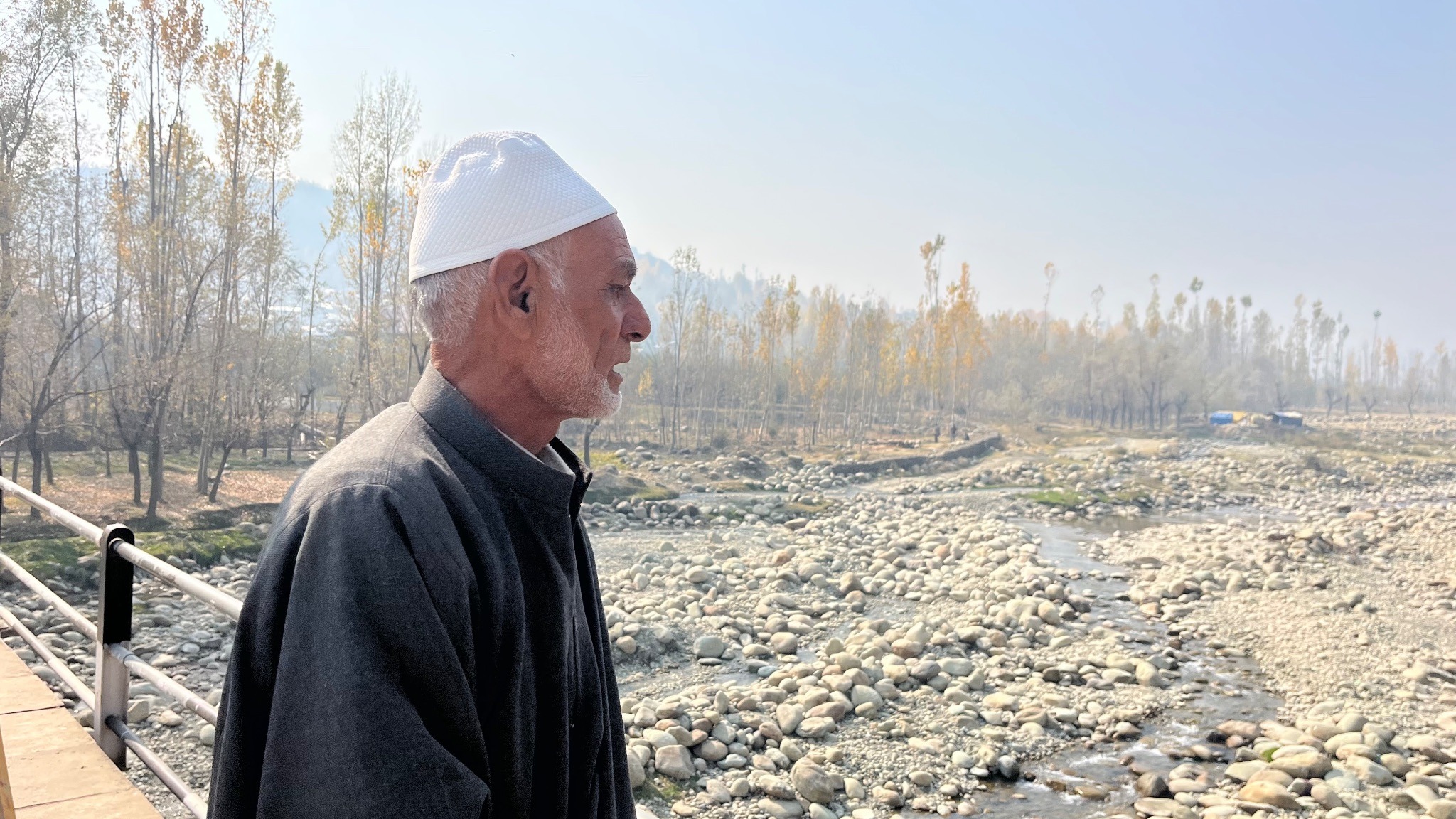
“In my childhood, the water was so clear you could count the pebbles at the bottom. It had a milky sheen, which is why this river is called Doodh Ganga,” Bhat recalls.
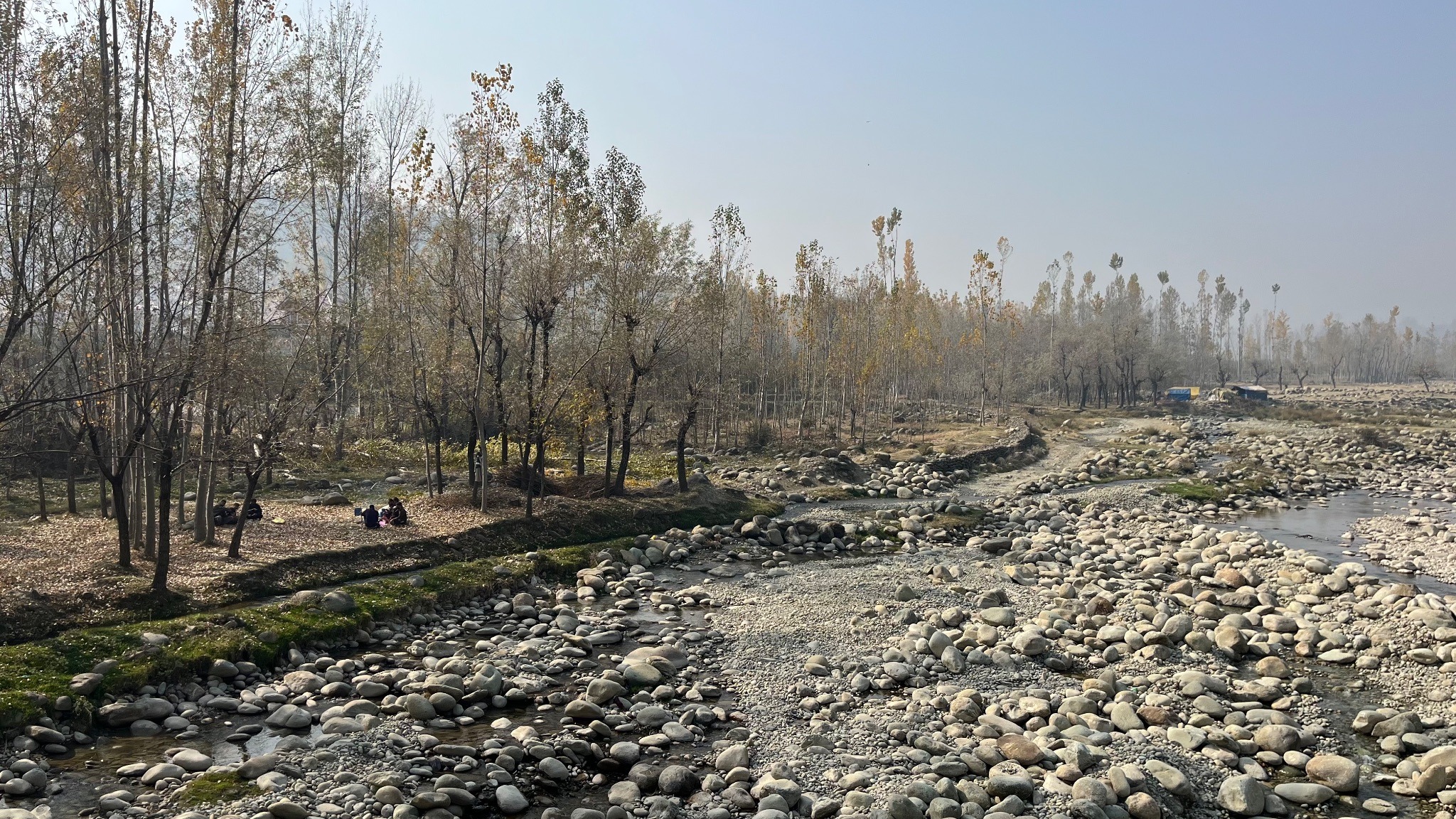
That milkiness is gone now, clouded by neglect. The once-pristine river that sparkled now carries plastic and sewage. Pollution, illegal sand mining, and encroachment have disrupted the flow of the water, killing not just the water body but the way of life for the local communities in Borwah and its surrounding villages.
But for the six villages along the river's banks that depend on it for their economic and cultural survival, giving up the river is not an option. Four years ago, the villages united to revive and preserve their water commons. Their struggle continues to date.
Their go-to tool is their smartphones. The youth record videos of heavy machinery tearing up the riverbed to dig sand and post them on social media. They tag the concerned government departments for swift action. The volunteers protecting the river report violations such as waste dumping on the riverbank on WhatsApp groups to mobilise communities. They patrol the river and use the Right To Information (RTI) Act to gather evidence and approach the court for relief.
Today, the spirited river, which had become a lifeless stream, is reviving slowly. The river's flow is picking up along Wathora and Kralpora villages, while in Borwah and Kralwari villages, recently cleared dump sites have allowed the waterway to show signs of renewal.
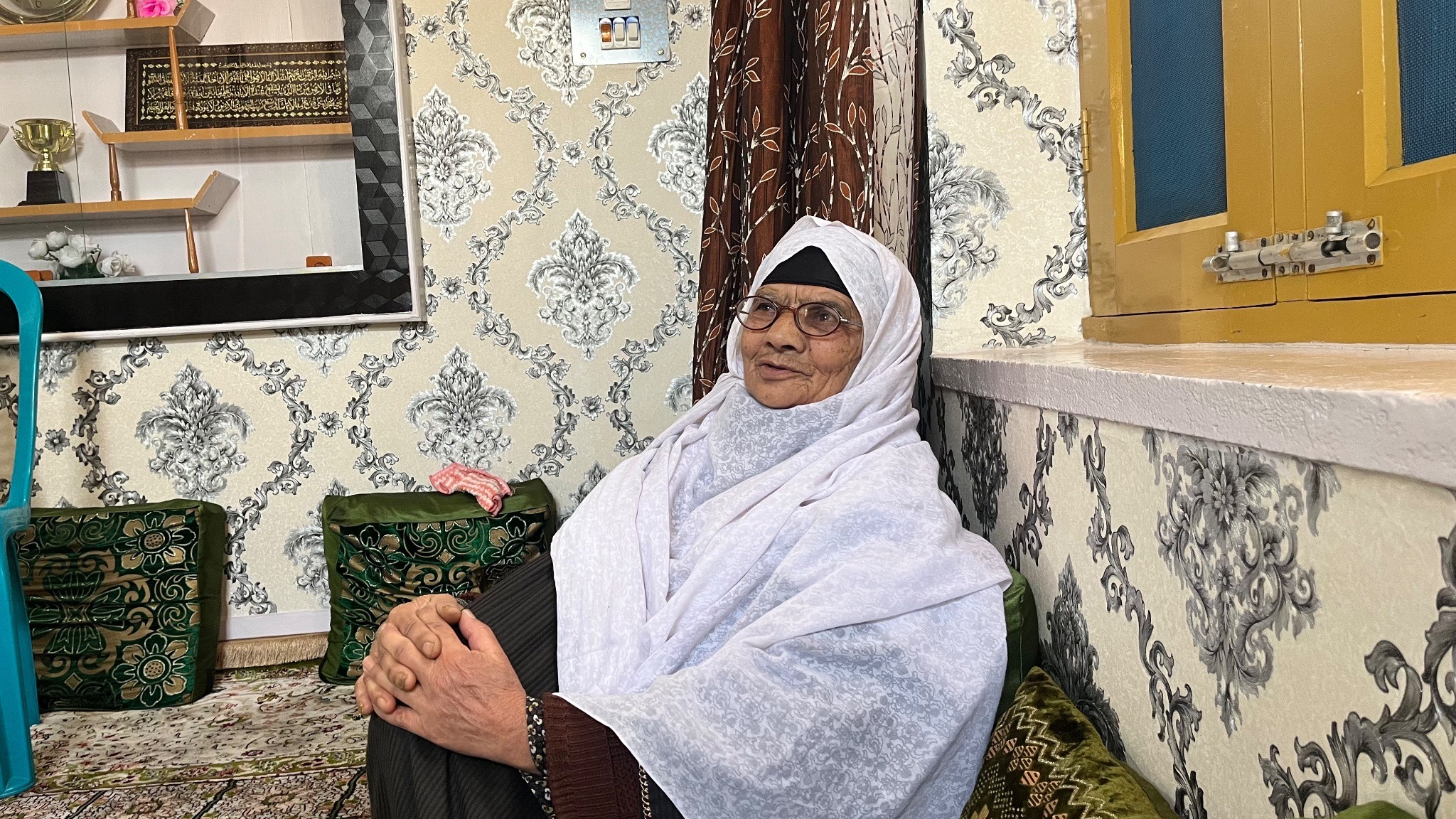
“Without water, our lives have lost meaning. We were connected as people because we were first connected to the river,” says Fatima Begum, 80, from Borwah village.
Reclaiming the Commons
Borwah’s model is part of a series ‘100 Stories on Commons’ which captures stories on how communities are governing and managing their common land, water, forests and spaces. Commons cover 205 million acres, or one fourth of the land in India, which can be in the form of forests, pastures, water bodies and mangroves. These lands form the lifeline for over 350 million people, including marginalised groups like the Scheduled Castes, the Scheduled Tribes and women.
Communities across India have traditionally protected, restored and managed these commons through customary self-governance practices. These customary rights and practices, however, haven’t been formally recognised or recorded in many parts of the country. Besides, contesting demands over resources, caste and class hierarchies, and environmental degradation have curtailed communities’ access to commons, leading to over-exploitation, climate vulnerabilities and rural distress of the common lands.
Marginalised groups such as Tribals have been disproportionately affected due to long-standing social exclusion.
Despite these challenges, communities across India are showcasing that reclaiming, restoring and managing commons through customary self-governance practices is crucial in their ecological, social and economic upliftment.
In this story, we look at how grassroots-led governance not only protects the commons but also makes the community economically resilient.
The story traces the efforts of residents of Borwah and its surrounding villages, and explores how a river revival movement has become an assertion of democratic rights, ecological and cultural memory, and community stewardship in Kashmir.
Doodh Ganga: A Way of Life
The Doodh Ganga, famed for its “milky white water”, begins its journey high in the Pir Panjal mountains. It winds through the lush orchards and paddy fields of Budgam before entering the heart of Srinagar and finally merging with the Hokersar Wetland.
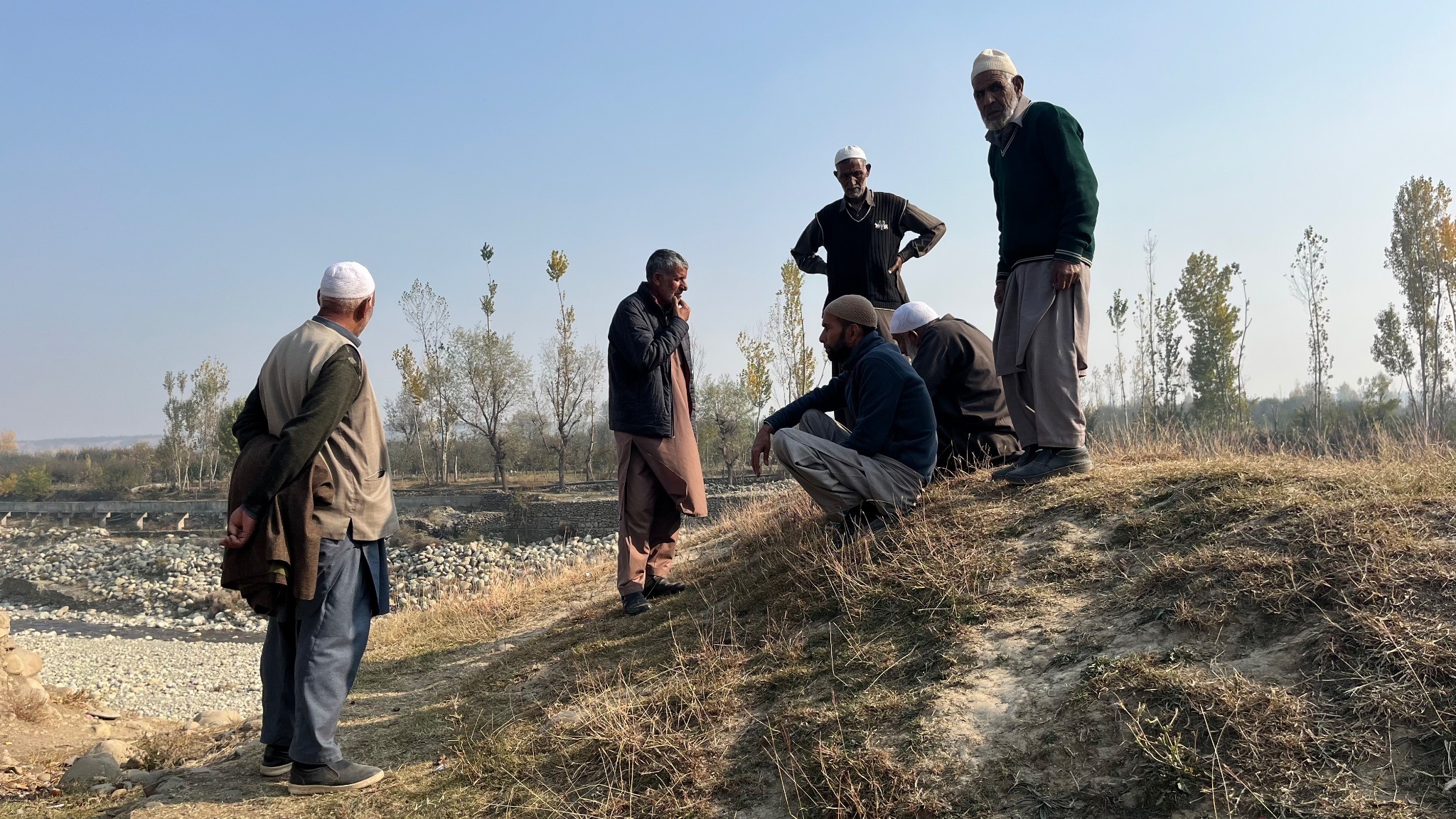
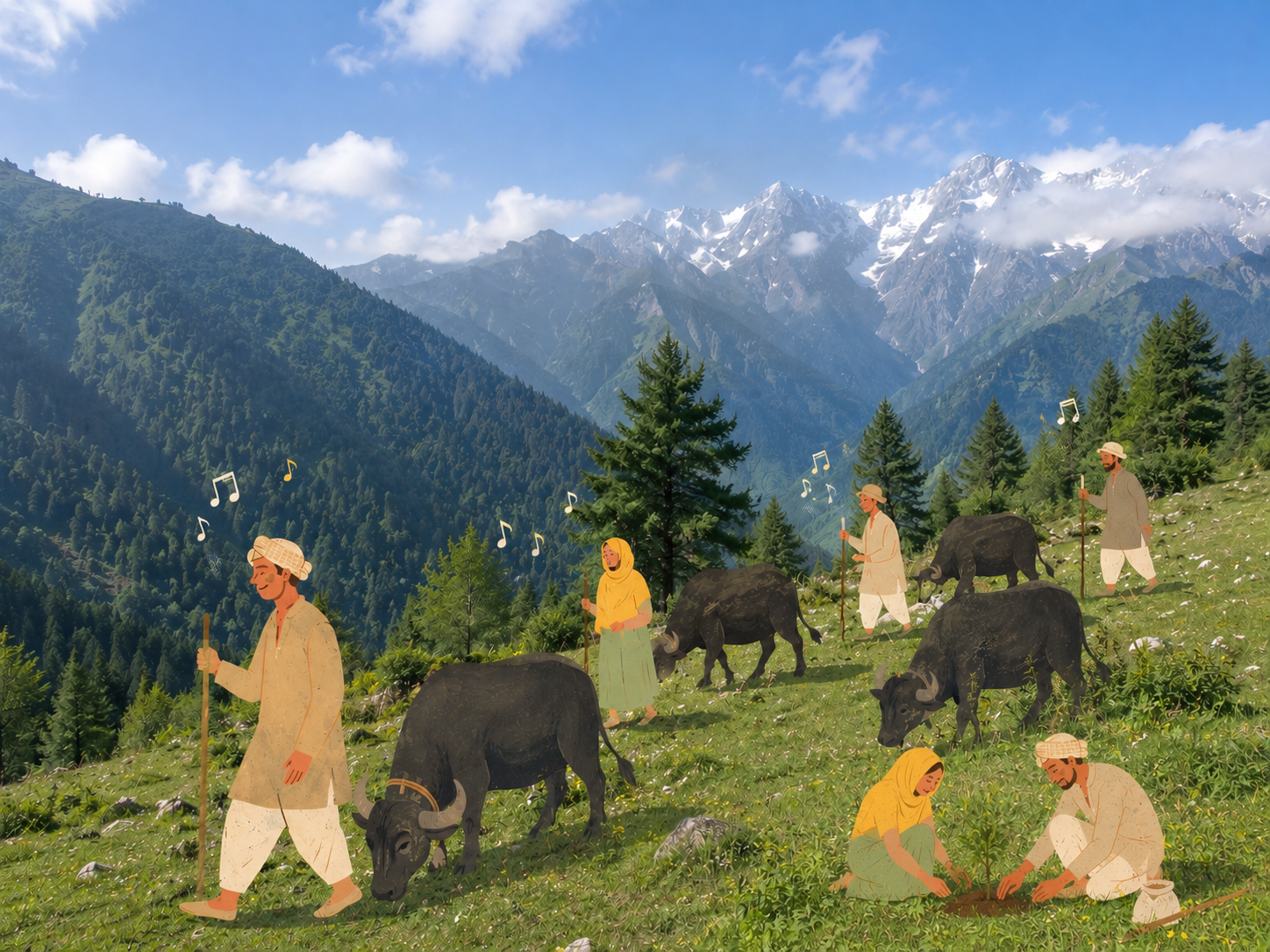
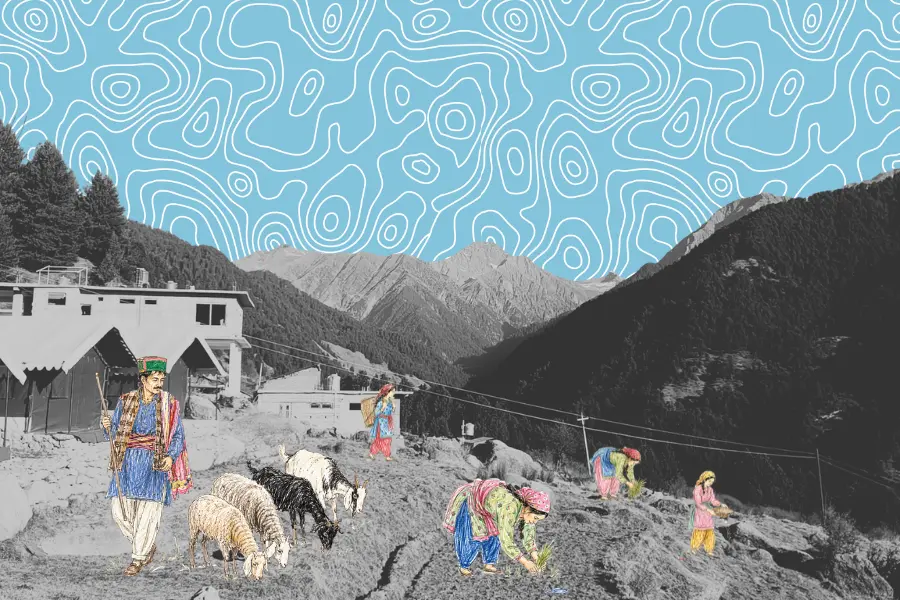
For decades, the Doodh Ganga river was the binding factor for culture, tradition and social life around Budgam. It was also the lifeblood of villages along its banks, irrigating crops, powering watermills, and nourishing communities. The Gujjar-Bakrwal nomadic tribes that passed through the area relied on the river water for their livestock and livelihood.
Women fostered friendships and exchanged bards at the riverbank while doing daily chores. The small streams of the Doodh Ganga meandered through her village, their waters pure and cool, says Begum, whose childhood and youth memories are tied to the free-flowing river.
“The river was a gathering place. Women came to the yarbal, a shallow bend, for washing clothes and fetching drinking water. More than that, it was where we shared stories, laughter, and tears. The river carried our secrets,” recalls Begum.
For older Kashmiris, the Doodh Ganga is a memory of childhood picnics, fish-filled waters, and the hum of flour mills powered by its flow. Mohammad Maqbool Bhat, 75, runs one of the last water-powered mills in Kralwari village on the bank of Doodh Ganga.
“This mill was never just a building. It fed our villages and brought people together. Now, the water is too weak to turn it. Without water, the mill is just a skeleton,” says Maqbool, touching the wooden wheel with reverence.
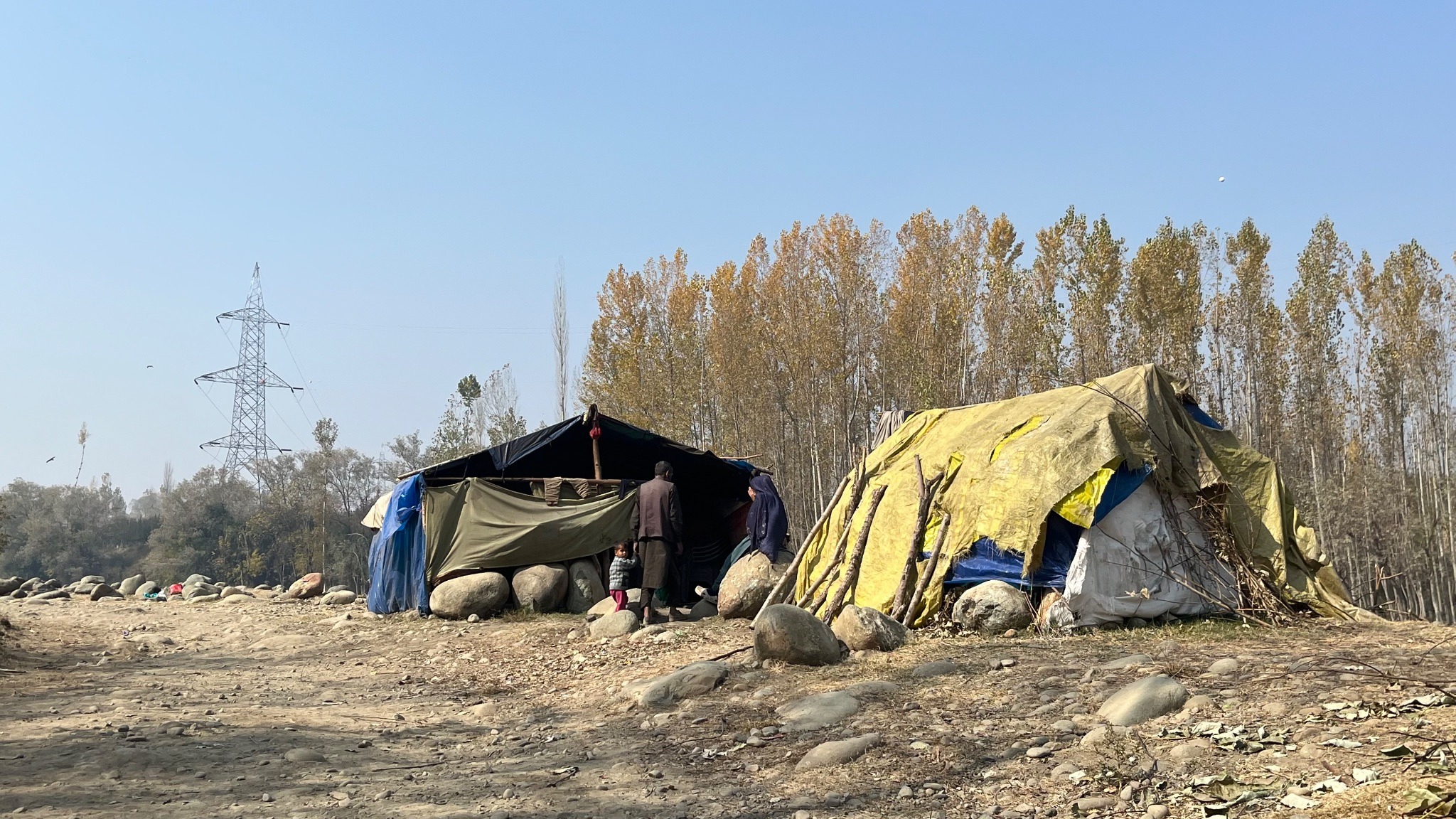
Nomadic Bakarwal shepherd Manzoor Ahmed, 40, from Rajouri district, who has camped by the river for twenty summers, also feels the loss of the river deeply.
“We drank from it, our animals drank from it. Now the water is dirty, and the grazing lands have shrunk. People talk about climate change, but we feel it in the weakness of our herds,” says Ahmed.
With the decline of the river, that social world slowly disappeared.
Killing a River
Nearly eight years ago, the banks of the Doodh Ganga river resembled dumping grounds. Plastic waste choked the reeds, sewage water flowed untreated, and watermills stopped turning. Mechanical sand mining deepened the riverbank by up to 10 metres in some areas, groundwater tables dropped, and irrigation canals dried up.
Climate change further worsened the plight of the Doodh Ganga. Reduced snowfall in the Pir Panjal mountains, erratic rainfall patterns, and shrinking glaciers played a major role in the rivers' declining flow.
The effect of this collapsing river ecosystem is felt almost immediately by the people who depend on it.
The mud beneath the feet of 66-year-old farmer Abdul Rashid is cracked and parched in the relentless sun, even though his village, Doyen, is on the banks of the Doodh Ganga River. In Chadoora tehsil, about 16 km upstream from Srinagar, the river was flowing abundantly a decade ago, irrigating his 500 kanals of land, which yielded bountiful crops and generated a steady income. But the water table has dropped drastically since.
“The canal is bone-dry now. When I was young, we could find water at only seven feet below the ground. Today, when we dig fifty feet, we only find mud,” says Rashid.
This crisis didn’t happen overnight.
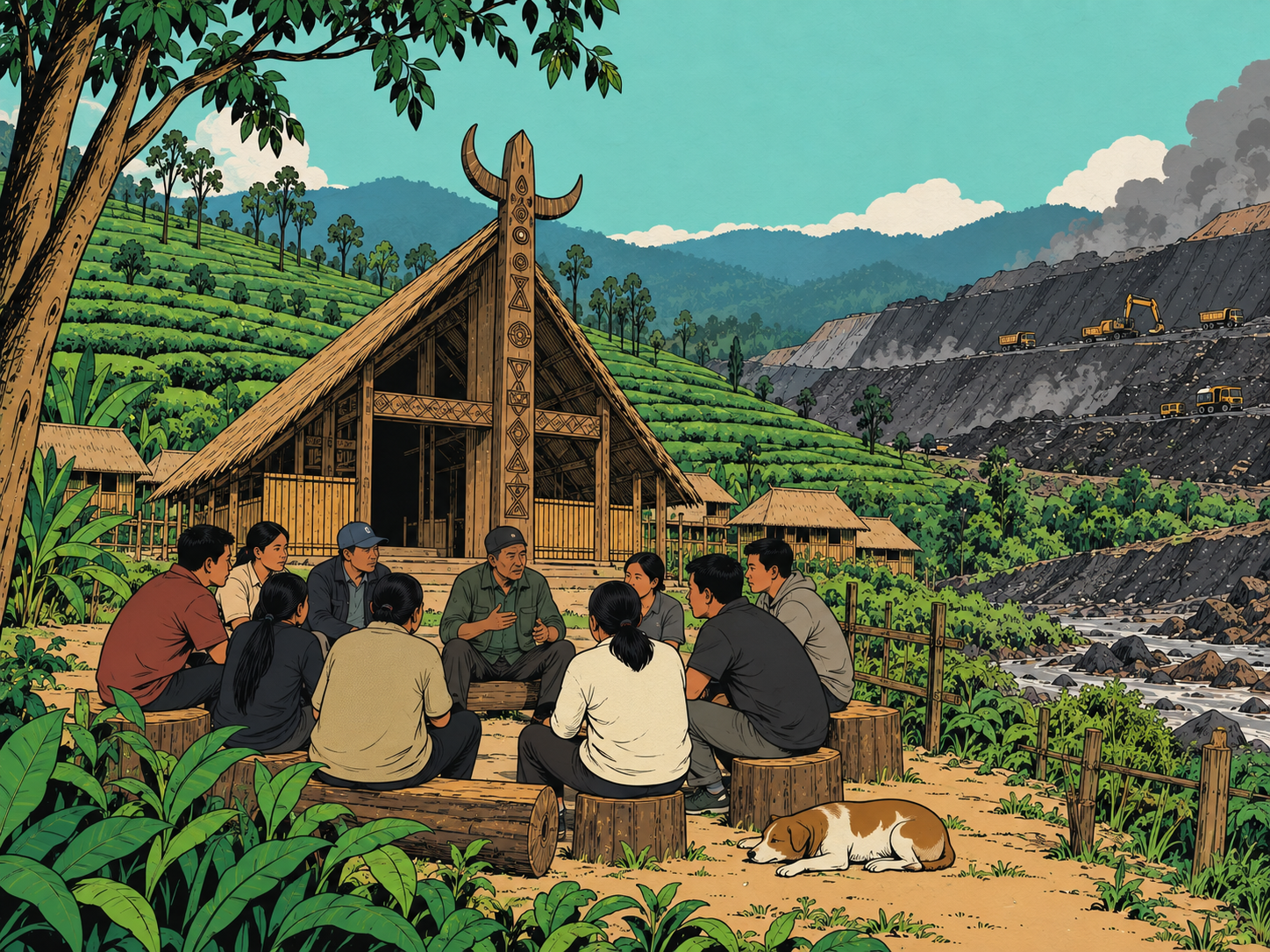
Since 2019, unchecked sand mining, especially mechanised extraction, has gouged deep scars into the riverbed, disrupting irrigation channels and killing aquatic life. Started as a small-scale manual activity, the extraction escalated rapidly when contractors rolled in heavy machinery to the river to meet the growing demand for construction materials driven by major infrastructure projects in Srinagar. Trucks carried sand and rumble through narrow villages day and night, say the villagers.
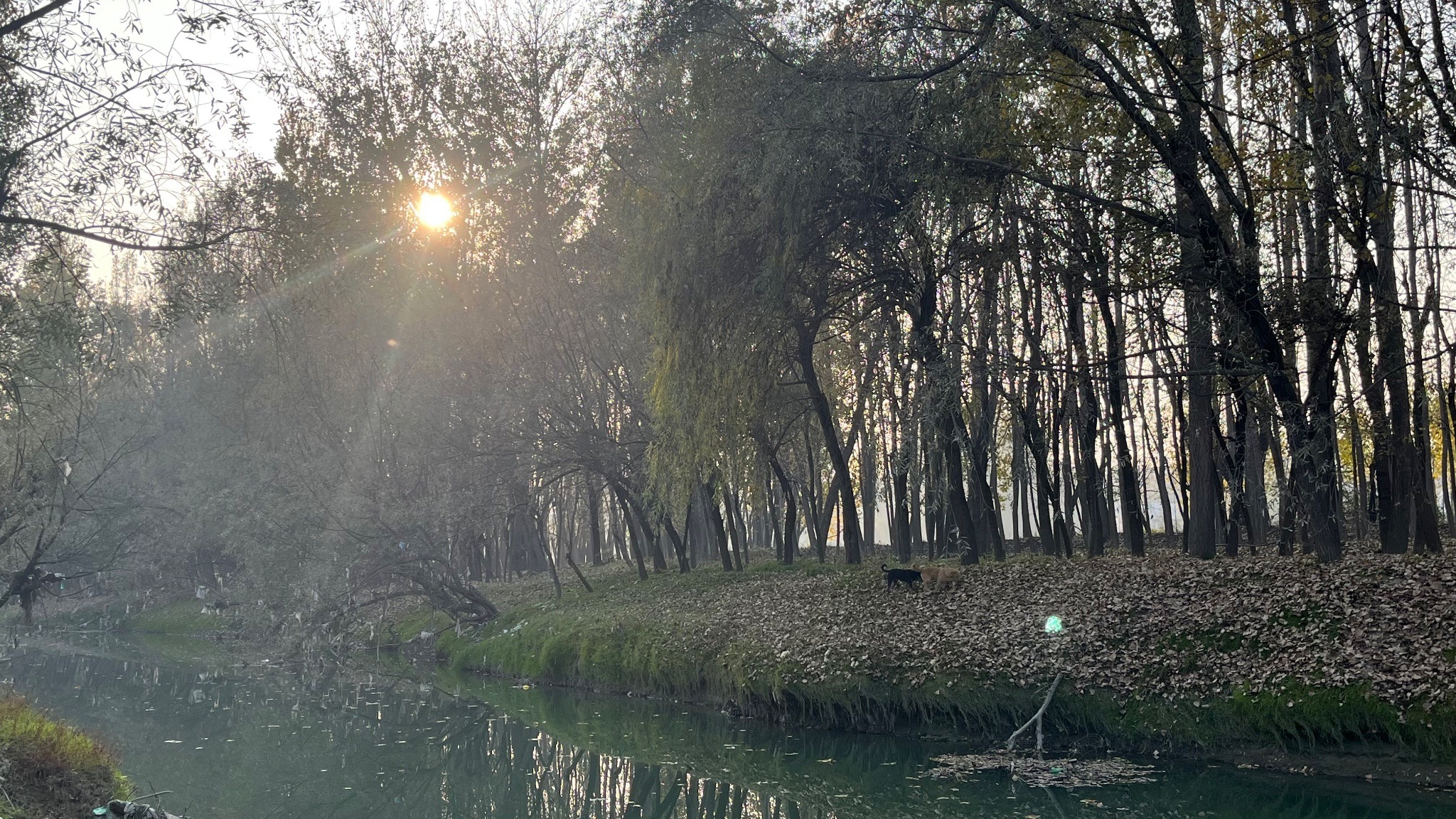
Rapid urban development overwhelmed the old soak pits and drains. As a result, untreated sewage from the numerous pumping stations in the suburbs allegedly started flowing directly into the river.
With the river under stress in Budgam, groundwater levels dropped, crops failed, and many farmers were forced to invest in expensive borewells and water tankers to continue farming. The locals complained to the concerned authorities, but their appeals fell on deaf ears, they say.
It was only after the National Green Tribunal (NGT) intervened in October that the state government assigned the work to a private agency for constructing sewage treatment plants to divert waste from being dumped directly into the river.
An official from the Kashmir Irrigation and Flood Control Department said, on condition of anonymity, that sewage treatment plants are underway.
“A ₹46 crore project has been proposed for riverside rehabilitation,” said the official.
The official added that measures such as fencing off unsafe areas, imposing fines, and conducting cleanup campaigns to reduce illegal dumping are implemented regularly - a claim locals deny.
For the local communities, these measures are too little, too late.
This writer also reached out to the Regional Director of the J&K Pollution Control Board and District Mining Officer, Budgam, Geology and Mining Department, J&K multiple times but received no response.
Our River, Our Duty
The Doodh Ganga riverbank in Borwah was a battlefield in October when a contractor tried to mine sand from the riverbank. The villagers blocked the road, filmed the process on their smartphones and reported the incident to the Chairman of the Pollution Control Committee and the Deputy Commissioner (DC) of Budgam district. The crane was confiscated overnight.
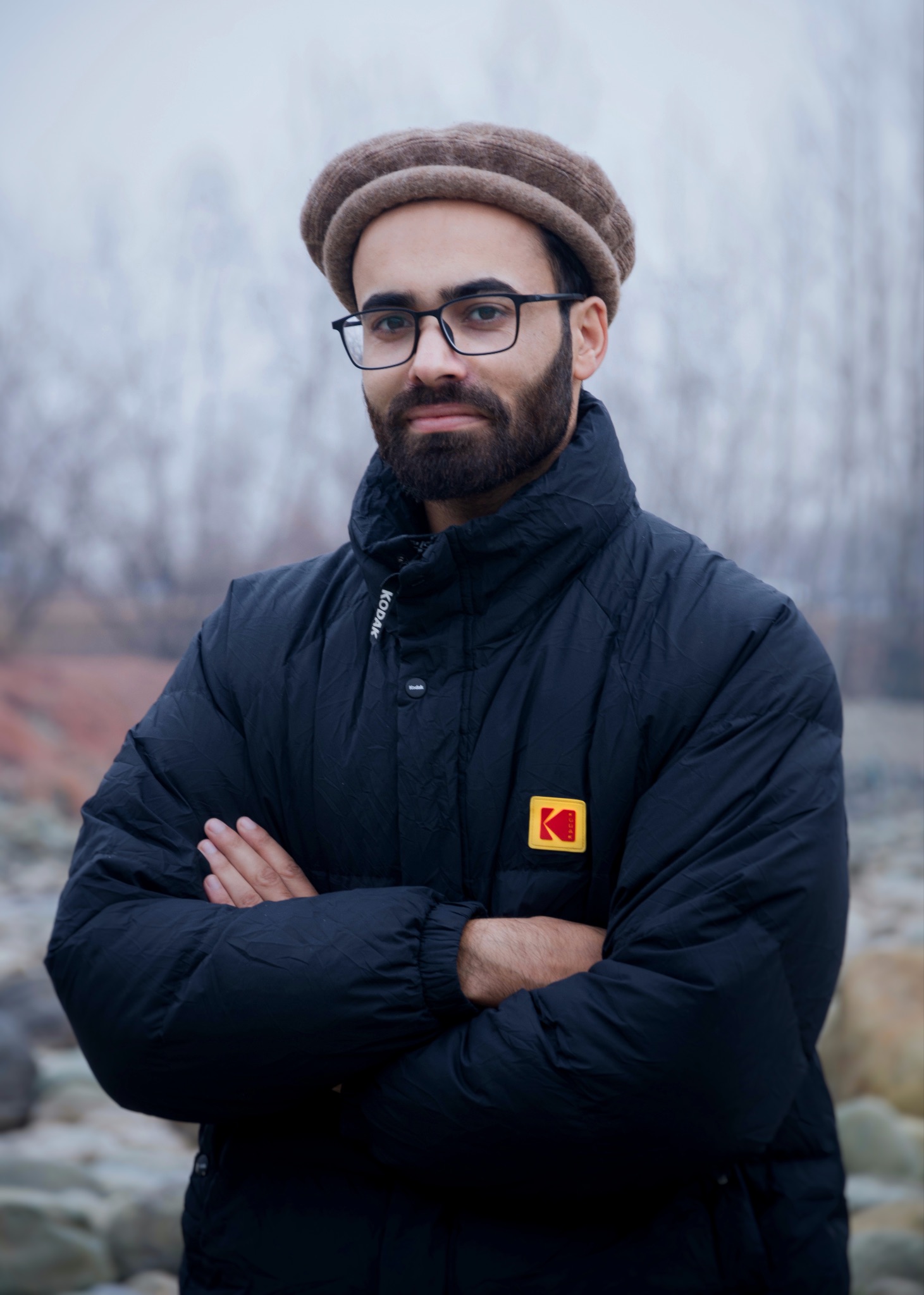
This unity to reclaim their river commons came in 2021 when tired of years of government inaction, groups of villagers, farmers, activists, and women united for the shared mission. Srinagar-based environmental activist Raja Muzaffar Bhat launched the Save Doodh Ganga campaign.
“A simple question from my young son, ‘Can I swim in the Doodh Ganga?’ made me realise how unsafe and polluted the river had become,” says Raja.
He filed RTI applications, legal petitions, and appealed to the NGT to expose widespread illegal mining, sewage discharge, and unauthorised construction choking Doodh Ganga.
“When we started, the government authorities and pollution control agencies did not know how polluted the river had become,” says Raja.
Due to their ignorance, Raja alleges, the government officials neither recognised nor addressed the river pollution. The state departments started acting only after RTIs and appeals were filed in the courts, he adds.
His campaign inspired the community to organise into informal river conservation groups in Borwah, Chadoora, Kralpora, Wathora, and Kralwari villages. Without funds or formal designations, the villagers created a local surveillance system where volunteer groups did night patrols to stop illegal sand mining and conducted regular cleanups.
WhatsApp groups were created to report violations, and village meetings were held to mobilise elders and religious leaders against the river pollution. The video evidence of violations was shared on social media to hold polluters accountable.
“I was overseeing the river even on my wedding day. There were machines in the water. My family tried to stop me, but how can you stop someone from defending their home?” says Amir Khan, 32, a volunteer from Borwah who leads a group of 15 volunteers.
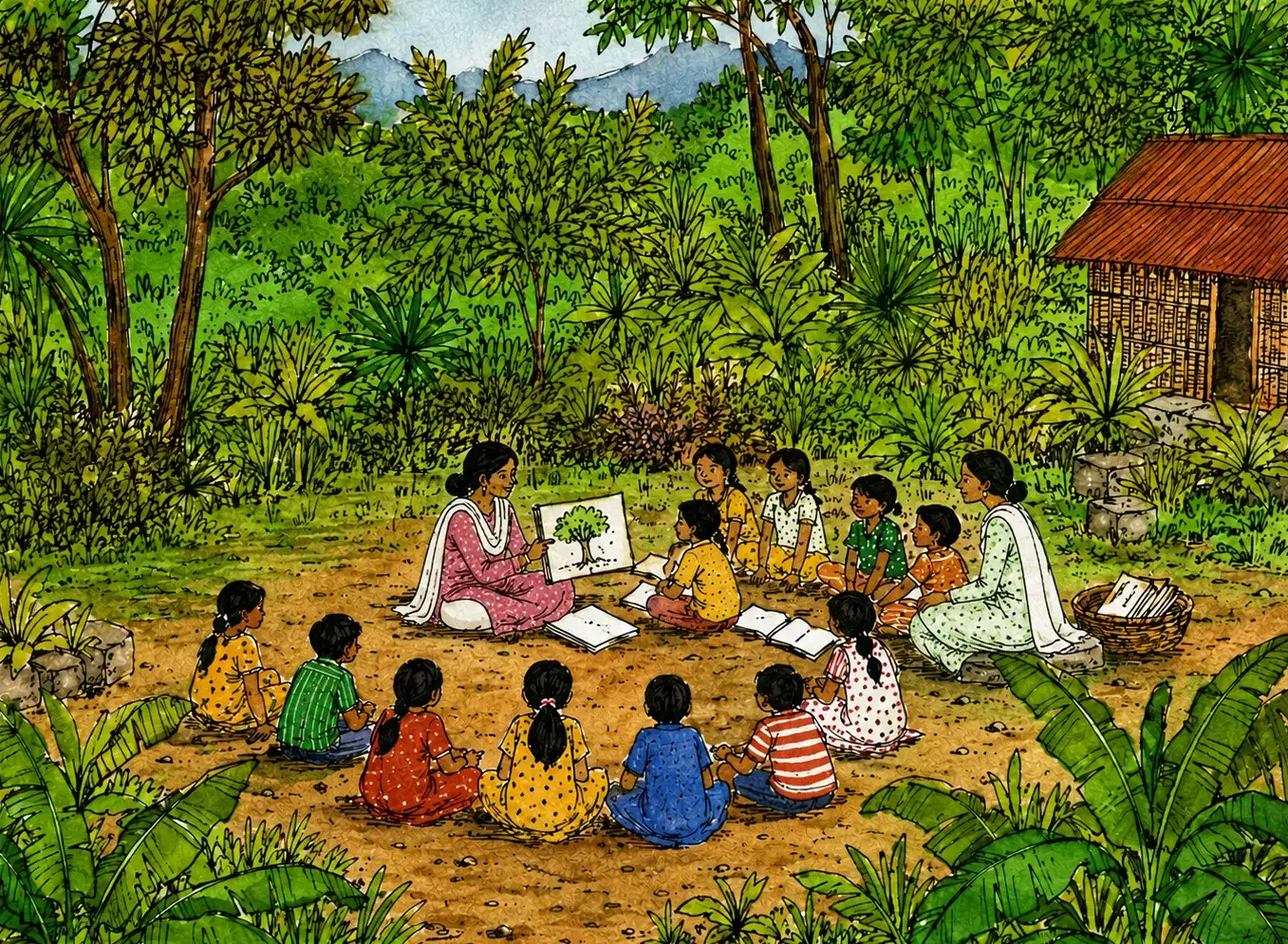
The vigilance and mobilisation is a continuous process. The schools conduct river awareness workshops and women bring to life the ethos of the Nahr (river) and yarbal practices, reminding the children that "the river is home."
“Before, the water was so dirty we couldn’t even see it. Now, about 80 per cent of the garbage is gone because people are aware. Our faith teaches that nature’s purity is sacred. Children are now guardians of the river,” says Shubeena Muzaffar, 38, who organises cleanup drives.
From a one-man fight, the Doodh Ganga campaign became a community-driven movement and social media became a powerful tool in this fight.
“We filmed violators, called officials, and cleaned banks. Earlier, we were afraid. Now, social media is our strength. Posting violations online puts pressure on the administration,” says Umar Bashir, 25, who recently joined as a volunteer.
A new generation of river guardians emerged with the campaign who managed to restore the natural flow of the river partially.
The Cost of Neglect
Over time, the community’s approach evolved from moral persuasion to legal pressure. Activist Raja used RTI and court petitions to expose unauthorised mining and sewage discharges, leading to high court scrutiny and sanctions.
Between 2021 and 2025, Raja filed six petitions in the NGT that led to landmark rulings. Among them was the major ruling that led to the government investing over ₹140 crore in sewage treatment and river rehabilitation.
“Rivers die when attention is lost. The government acted only because the community showed evidence,” says Raja.
Despite confiscating machines and imposing fines, the villagers claim, the enforcement remains stalled on the ground.
While gaps remain, river cleanliness has improved slightly, mining intensity has decreased, and community confidence has increased. The once-polluted stretches of Borwah are spread cleanly. Young volunteers proudly call themselves "guardians of the rivers".
The river’s restoration is an ongoing process, but the community has transformed silence into responsibility, proving that vulnerable urban spaces can still host powerful environmental democracy.
In Borwah, as the sun sets, Mohammad Sadiq Bhat watches the flow of the river with a calm smile. “The water connected us. When the river returns, we return to ourselves,” he says, in anticipation that his small effort of picking plastic from the riverbed is contributing to the larger cause, which will one day revive the river.
For the people of Budgam, the river is more than just water; it is a living memory, a thread that binds generations together.
“We clean it so that the memory of the river doesn’t die,” adds Bhat.
.jpg)
.webp)
.webp)
.avif)

.webp)