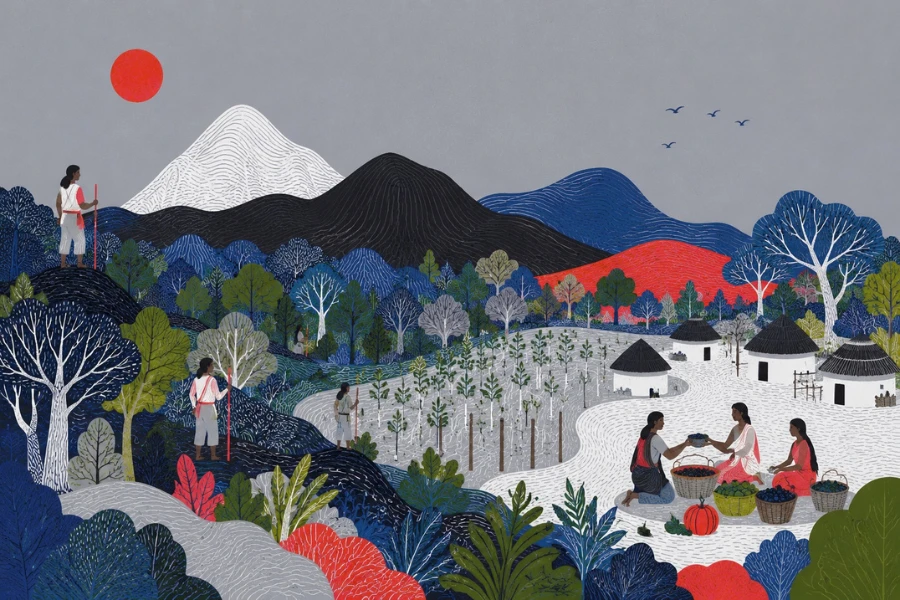
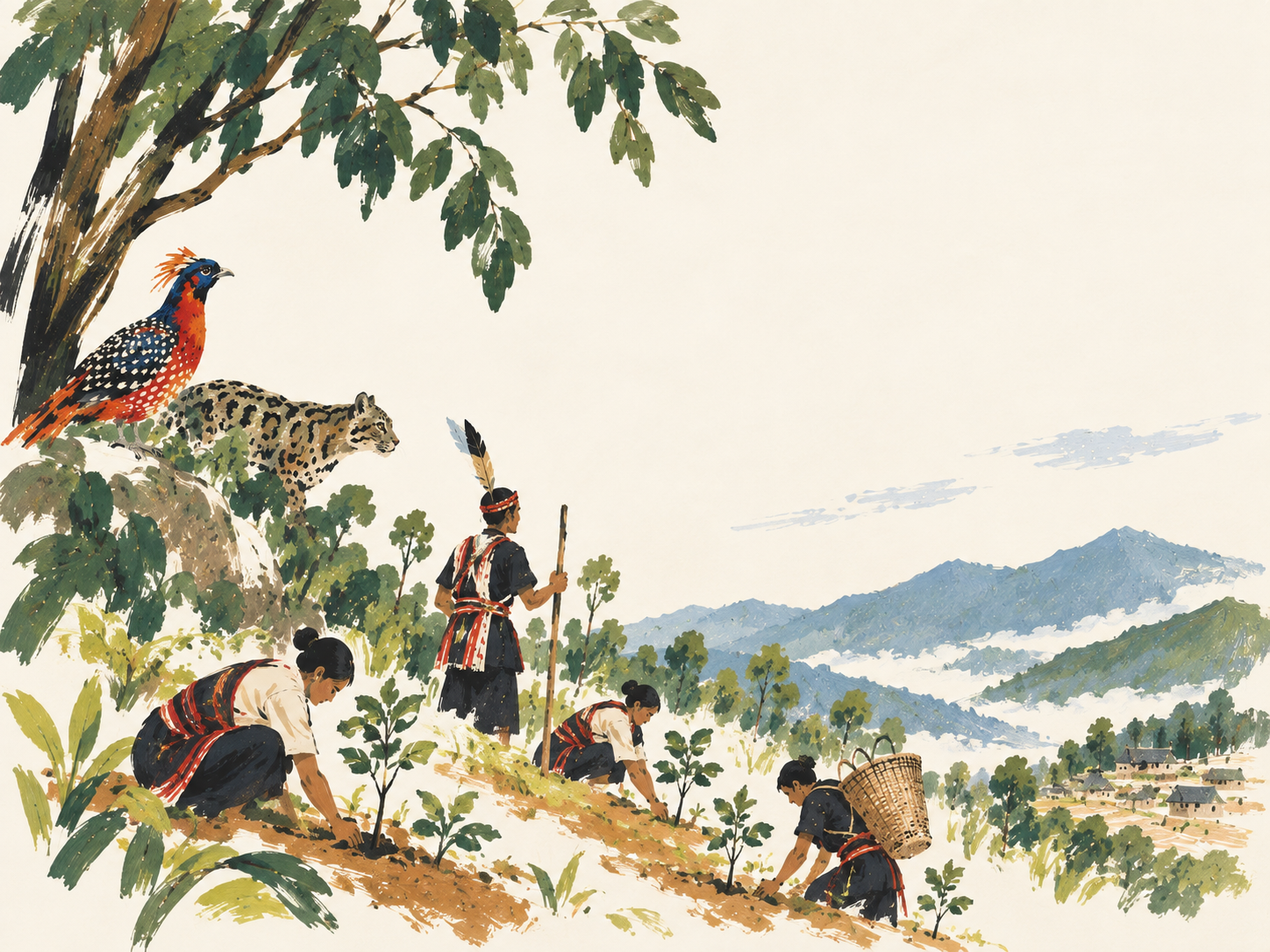
Phek, Nagaland: The hills of Chizami village roll out in soft green layers, but the calm terraced landscape belied a growing unease. Seasons had shifted. It no longer rained when it should. Crops that once grew abundantly, were faltering. In this village in Nagaland’s Phek district, where nearly every household depends on farming, uncertainty dogged their daily life.
For generations, the people of Chizami had saved their own seeds. They selected the best from each harvest, and dried and stored them carefully for the next season. But over the years, that practice began to erode. Market seeds, often hybrid varieties, made their way into the fields. They promised higher yields, but came with a hidden cost: the seeds could not be saved and replanted with the same success. Farmers found themselves returning to the market again and again, slowly losing control over what they grew.
What emerged as a response to this predicament is a system ingrained with shared responsibility, one that draws from traditions even while adapting to new climatic challenges. The village, with a 4,000-odd population, is enjoying the fruits of a community-run seed bank today. It has reshaped how farmers respond to climate change, economic dependency, and the erosion of traditional knowledge.
“If the seed bank was not here, we would have not only lost the quality of our crops, but also our livelihood and identity,” Lhikhropeu Wetsah, a farmer, articulates what her community has long acknowledged.
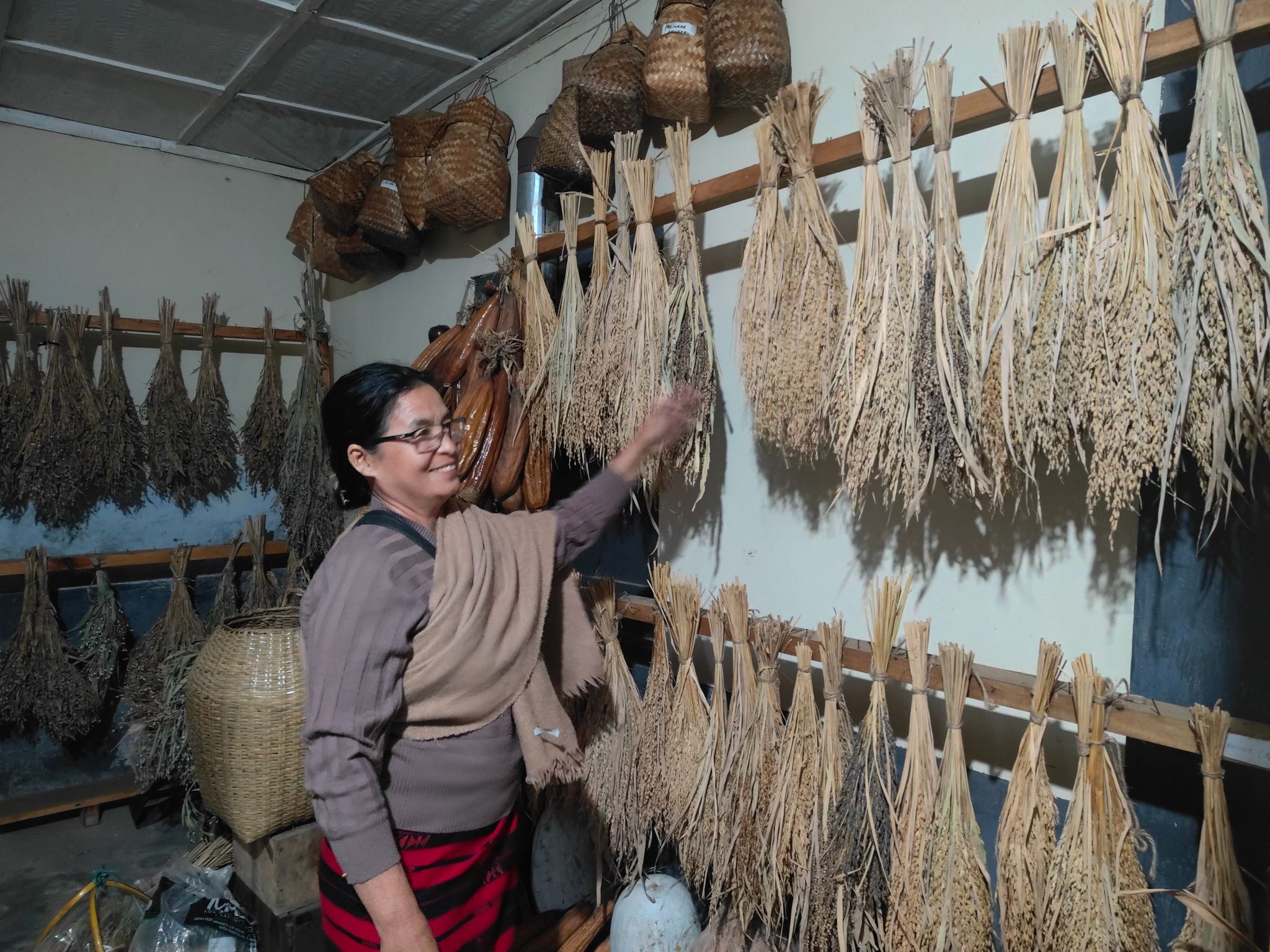
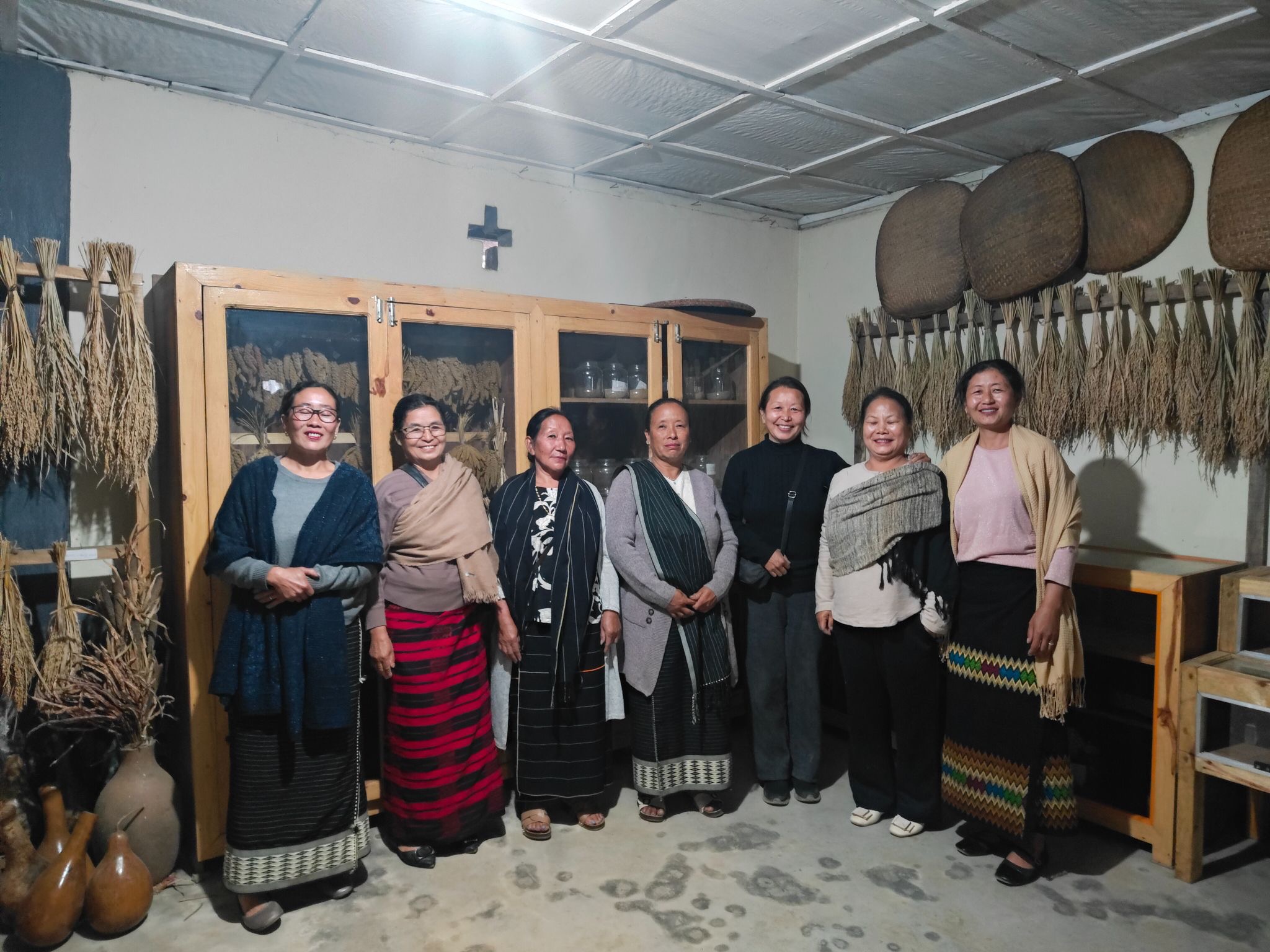
Managed largely by the Chizami Women’s Society – a collective of womenfolk – and supported by local institutions, the seed bank preserves more than 150 varieties of indigenous seeds. It operates on a simple principle: farmers borrow seeds at planting time and return double the number post-harvest. This model has allowed the community to reduce reliance on commercial seeds, strengthen local governance, and build a measure of resilience in the face of increasingly unpredictable weather. What began as a small collective effort has become central to how the village thinks about food, identity, and survival.
Changing landscape
Chizami relies on two main forms of agriculture: terraced paddy cultivation and jhum, or shifting cultivation, both of which are labour-intensive and adapted to the terrain and climate of the region.
Earlier, seed-saving was not organised at the community level. It happened within households. Farmers would select seeds from their best crops and store them for the next season. If someone needed a new variety, they could ask a neighbour. These exchanges were informal.
That began to change in the early 2000s, as external influences grew stronger. “Government programmes and private suppliers introduced new seed varieties, often marketed as more productive. But the results were not as predicted,” described Seno Tsuhah, a primary schoolteacher and indigenous social activist, known for her contribution to gender justice and sustainable farming.
For some farmers, the appeal was immediate. But over time, the drawbacks became clear.
“Our traditional seeds are climate resilient,” said Keniele Thopi, a farmer in her early fifties. “The hybrid seeds might grow well in one year, but don’t perform the next year. And, they don’t withstand our climate conditions.” She speaks from her experience with market-procured pumpkin and bean seeds. They did well in the first year, but in the second, failed to germinate.
This was the time when the climate was shifting. Farmers who once relied on predictable seasonal cycles began to notice irregularities. Rainfall became erratic. There were longer dry spells, sometimes lasting months. Crops that depended on timely moisture struggled to reach maturity.
Seno, who has worked with communities in the region for more than two decades, recalled a period of nearly four months without rain. “Everything is changing, the cycle of the rain, the cycle of the wind,” she said.
The effects rippled across the village. Maize crops suffered from new pest attacks, including the fall armyworm. Birds and insects began damaging millet fields in ways farmers had never seen before. Some were forced to delay planting, shifting sowing seasons by several months just to avoid losses.
The growing dependence on purchased seeds added another layer of vulnerability. Unlike traditional varieties, many of the seeds available in markets could not be reused effectively. Farmers had to buy them each season, often at increasing cost.
Seeds were no longer something passed down through generations.
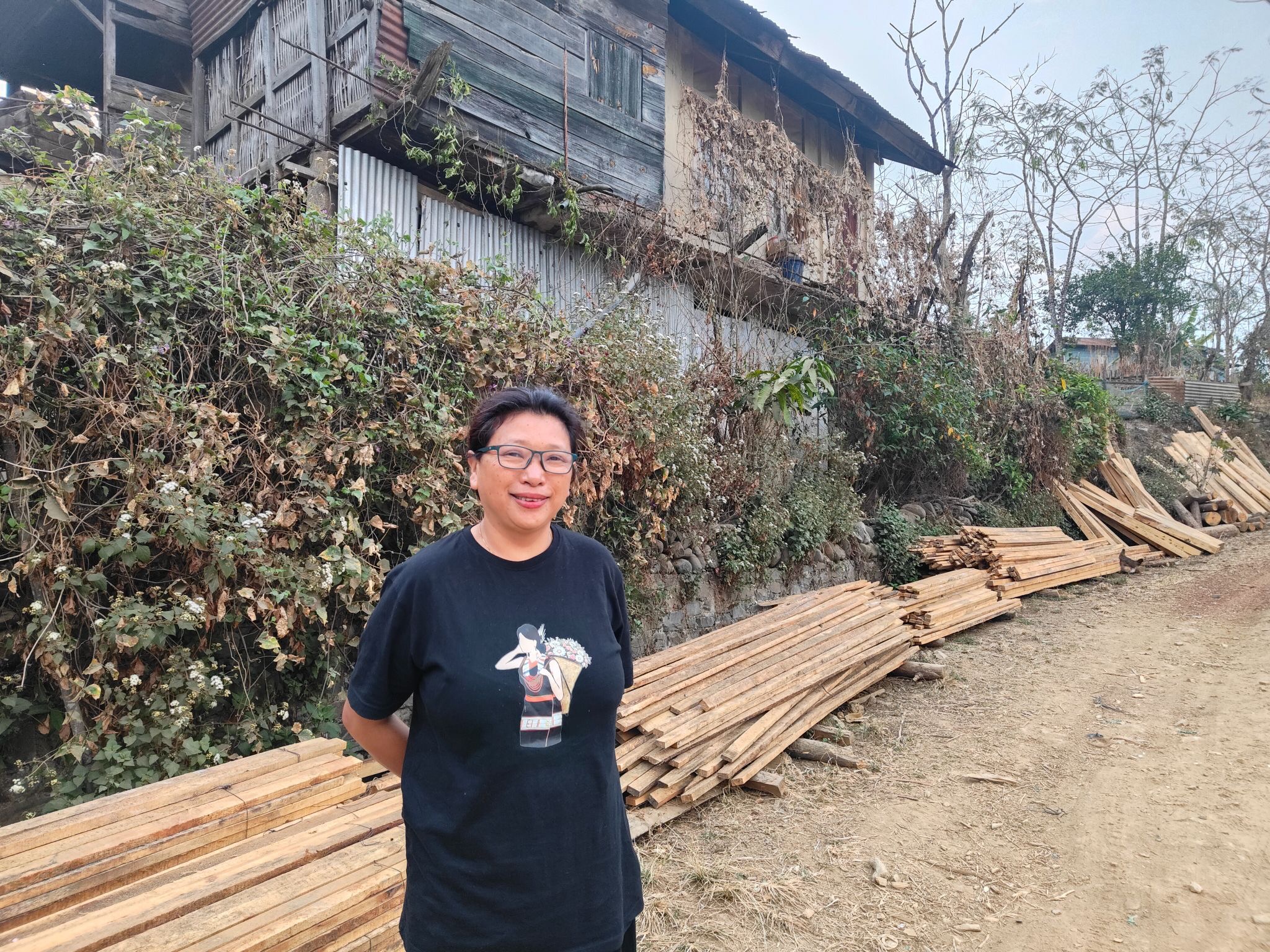
“There was also a loss of knowledge. As fewer households saved their own seeds, traditional practices began to fade. Techniques for selecting, drying, and storing seeds, skills that had once been common, were no longer widely shared,” Seno said. “It felt like we were slowly handing over our future,” she added.
Emergence of a collective response
The idea of a community seed bank developed gradually, shaped by years of work and discussion.
The North East Network, a regional organisation that had been active in Chizami since the late 1990s, initially focused on women’s health. But over time, its work expanded to include livelihoods and food security. Between 2011 and 2015, the organisation began experimenting with small-scale seed-sharing initiatives in different villages.
In Chizami, these efforts found fertile ground, especially because of the village’s history of seed-sharing. The Chizami Women’s Society, established in 1984, had long been an active local institution. By 2018, it took the lead in formalising a community seed bank.
The model they developed was both simple and structured. Farmers could borrow seeds at the start of the planting season, with the understanding that they would return double the quantity after harvest. The “interest” ensured that the stock would grow over time, making more seeds available to more people.
For 43-year-old farmer Lhizonyi-u Naro, participation in the seed bank is a security. In the last sowing season, she borrowed varieties of beans, cucumber, and millet from the bank to introduce diversity into her fields. Come harvest, she returned double the amount of seeds she had borrowed.
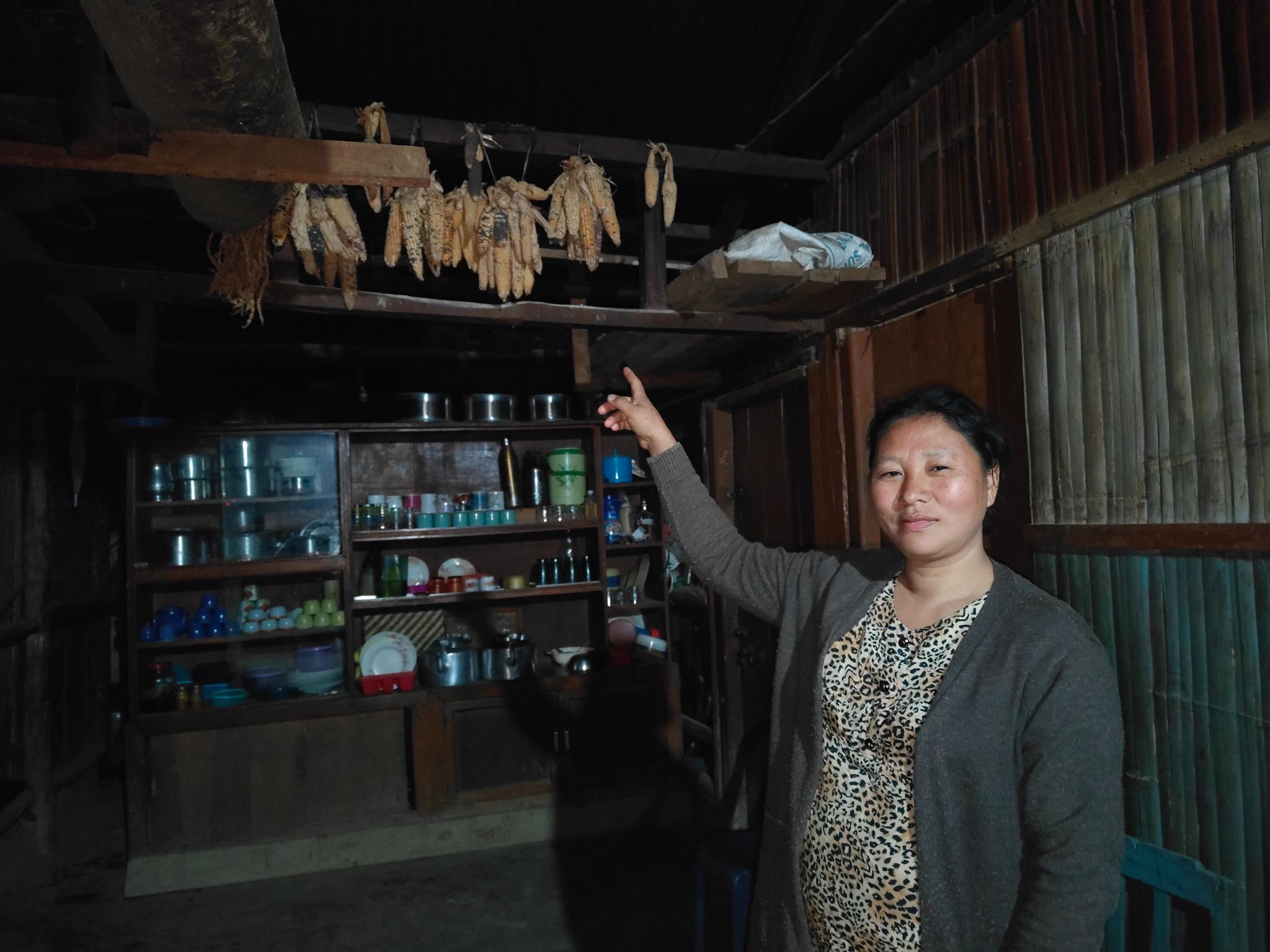
Lhizonyib supports a family of five primarily through her labour on a private plot of land roughly the size of a football field. Her livelihood is a blend of subsistence and small-scale commerce: she cultivates a diverse array of crops – paddy, maize, beans, tomatoes, potatoes, cabbage, cauliflower, onion, and garlic.
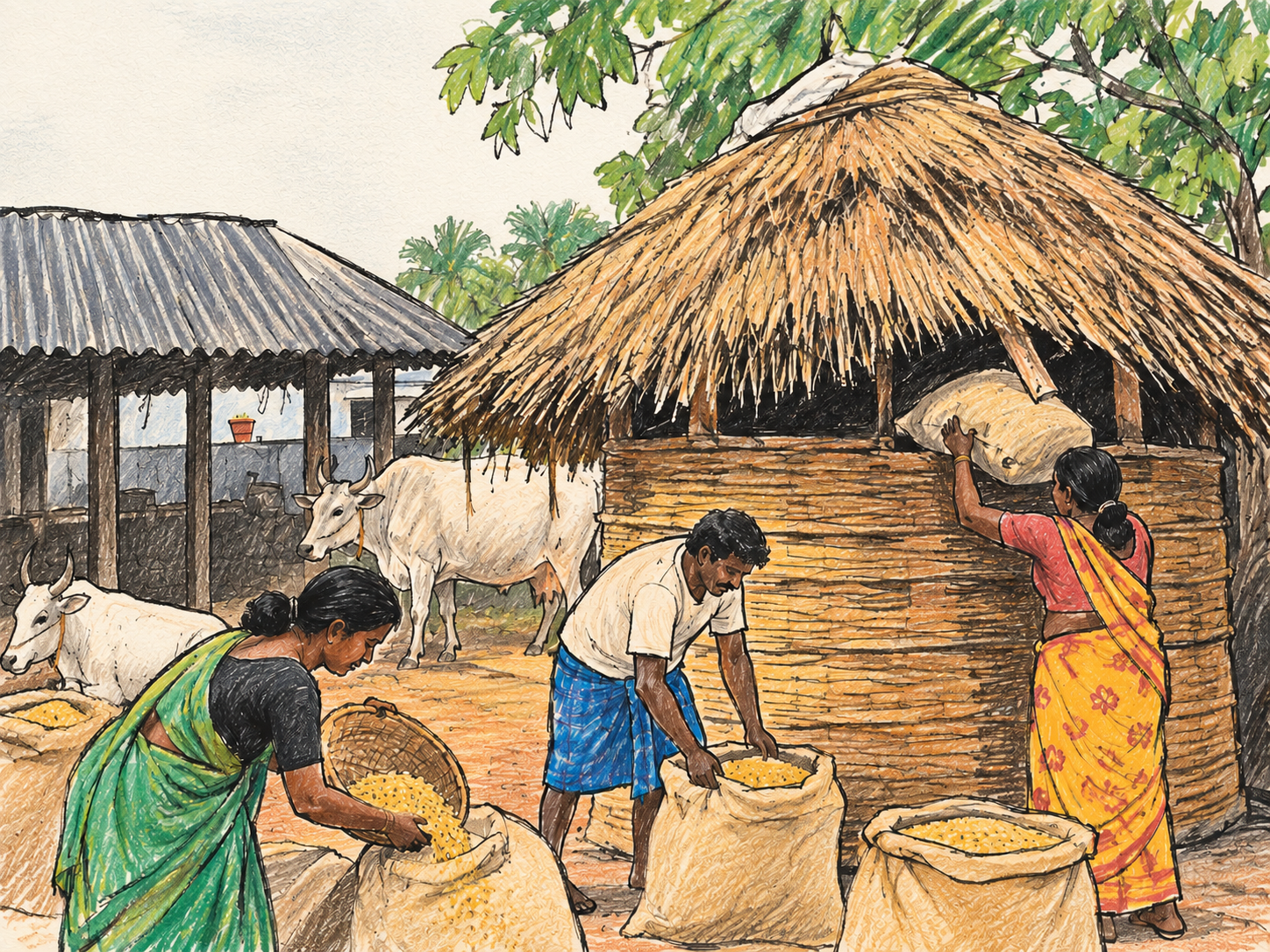
While harvesting around 40 bags of rice (each weighing about 50 kg) annually for her family’s consumption, she generates a modest cash income of about Rs 20,000 a year by selling surplus vegetables. This is a common practice for the village folk.
Seeds in the vault
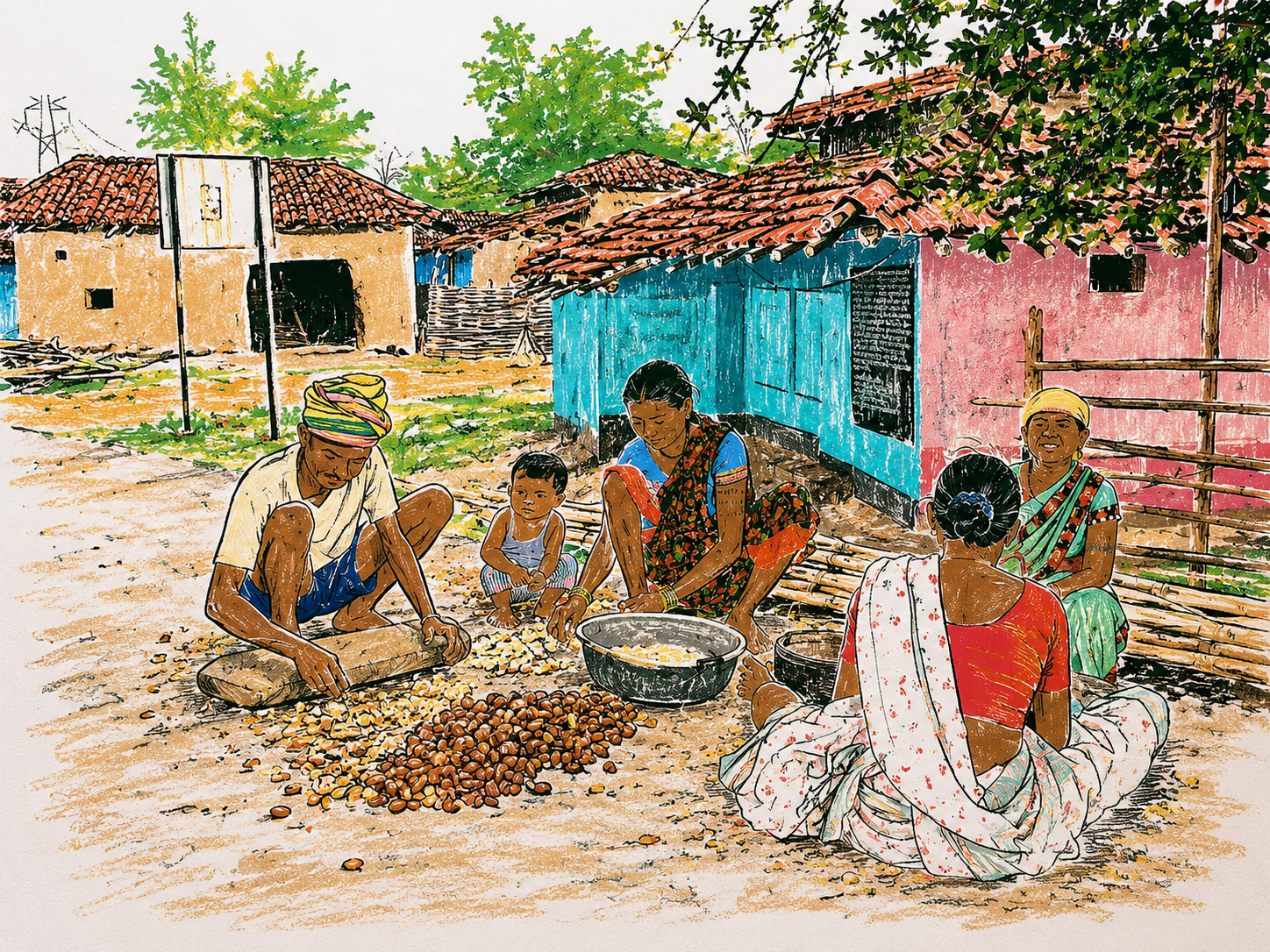
The seed bank is home to about 150 to 156 traditional local crop varieties. It includes a wide range of cereals and millets – traditional rice varieties like ‘Chizami Ru’, along with different types of local maize. Foxtail millet, Job’s tears (coix), and sorghum are also preserved and valued not just for their nutrition but for their ability to grow well in tough conditions.
Among pulses and legumes, the collection is just as diverse, featuring many indigenous beans in different colours and patterns: green, black, maroon, and even striped, or purple-seeded ones like Erumedzu and KubatseKekru. There are also cowpea and other local pulses that are not only staples, but also help keep the soil fertile.
The seed bank also protects traditional tubers and root crops, including local yam varieties, as well as taro and sweet potatoes that have adapted over time to different soils and altitudes. “These crops are especially important for food security, as they can grow in conditions where other crops might struggle,” Seno said.
“Alongside these, you will find a variety of vegetables and condiments such as local chillies, coriander, tomatoes, sponge gourd and pumpkin, vegetables that are deeply tied to daily meals and traditional recipes,” Seno added.
The collection even includes oil-bearing seeds and some cotton varieties. All of these are rooted in Chizami’s land.
Community structure
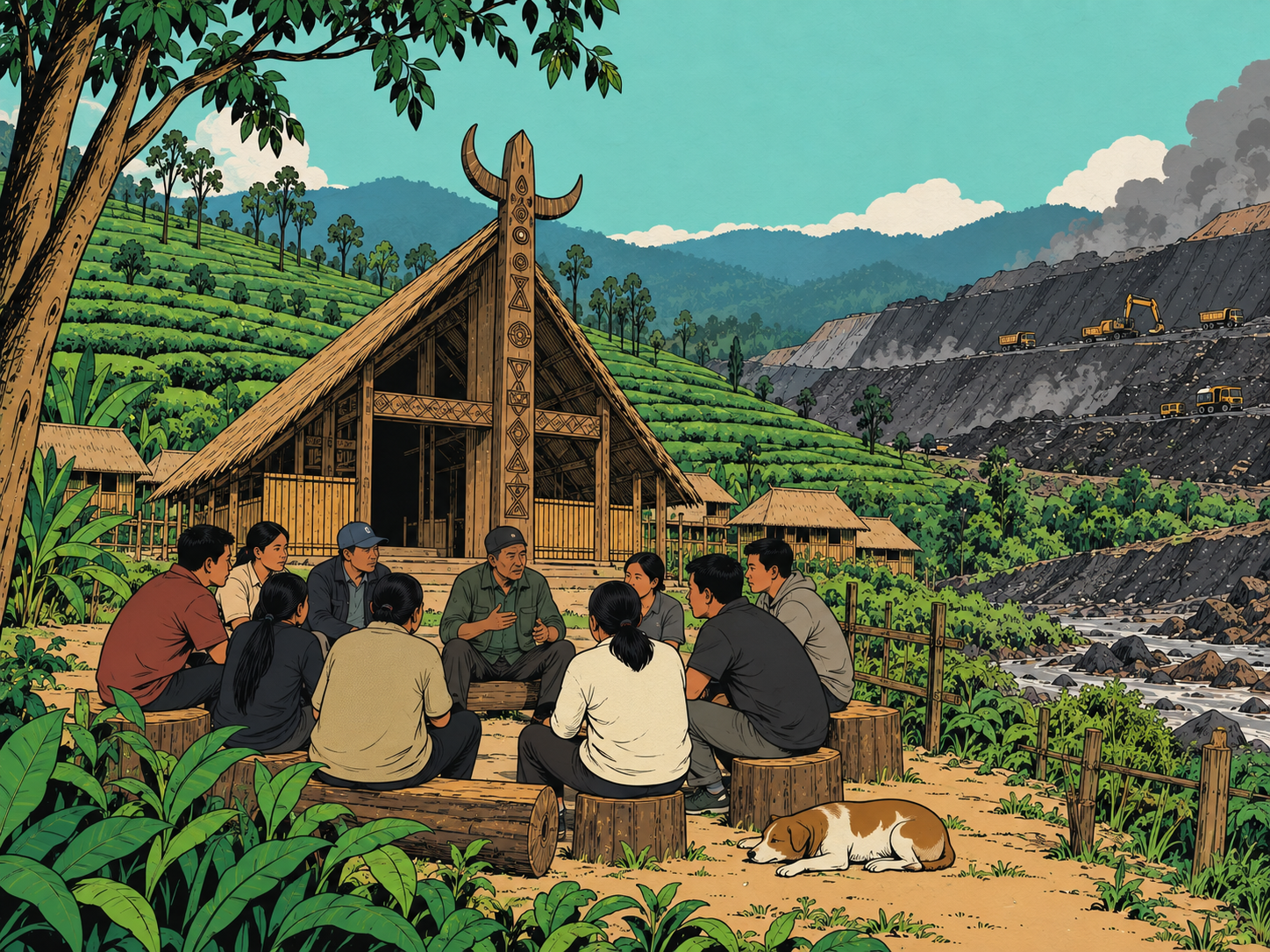
The seed bank may be managed by the Chizami Women’s Society, but its oversight extends to a committee that includes representatives from the village council, youth organisations, and student groups, who help guide its functioning.
The structure ensures that decisions are shared and that knowledge is passed down to generations.
“There is one person in charge and five other members,” said Kezunyipeu, a woman farmer, who currently oversees the seed bank. The committee operates on a rotational basis, with members serving fixed terms.
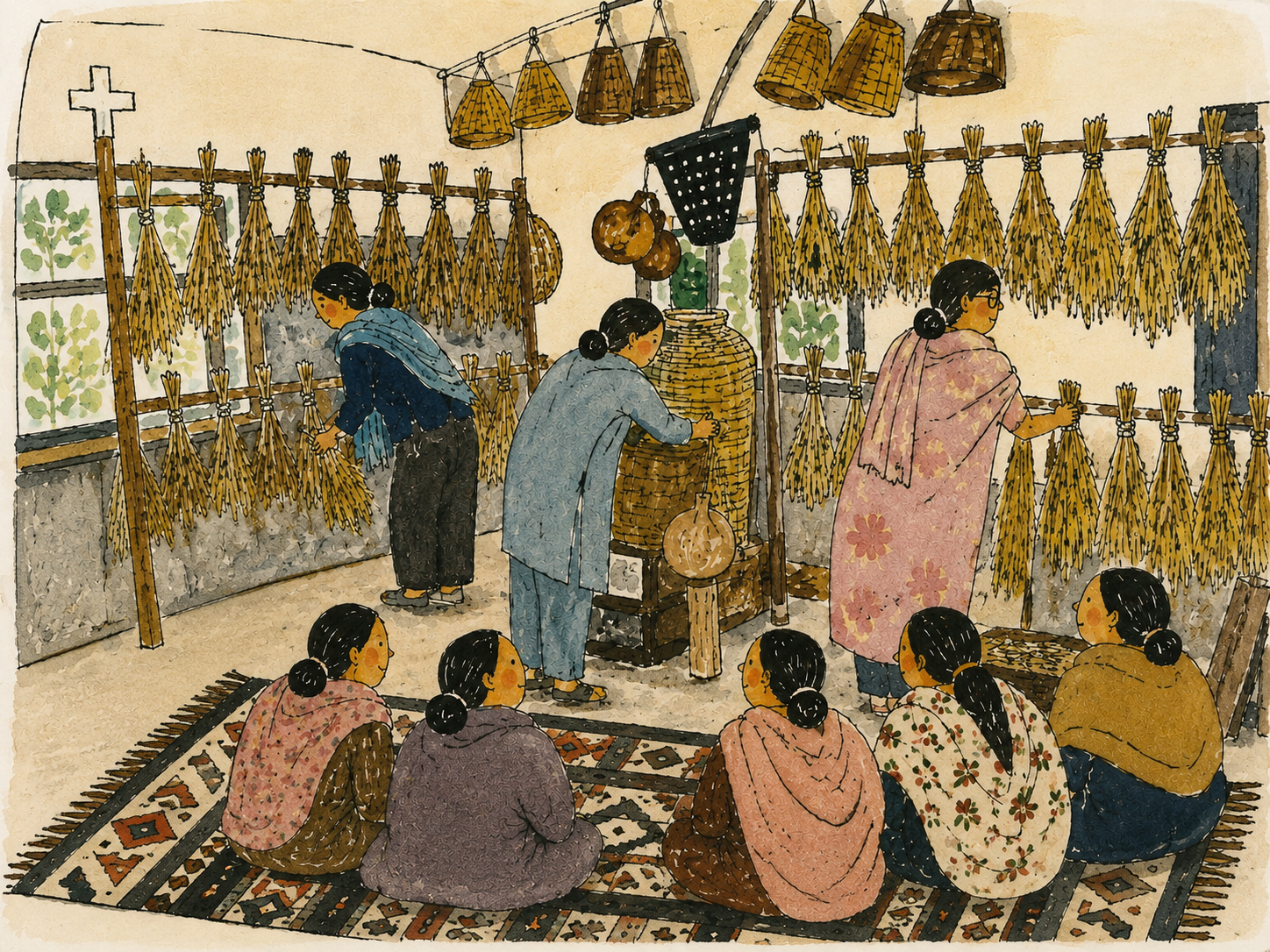
Seeds are stored using a mix of traditional and practical methods. Maize is dried and hung above kitchen fires, where smoke helps preserve it. Beans are kept in recycled containers to protect them from pests. Each method reflects local knowledge gleaned over decades.
Farmers are also trained to identify the best plants for seed selection. The process begins in the field, long before harvest. Only the healthiest crops are chosen, ensuring that the next generation of seeds remains strong.
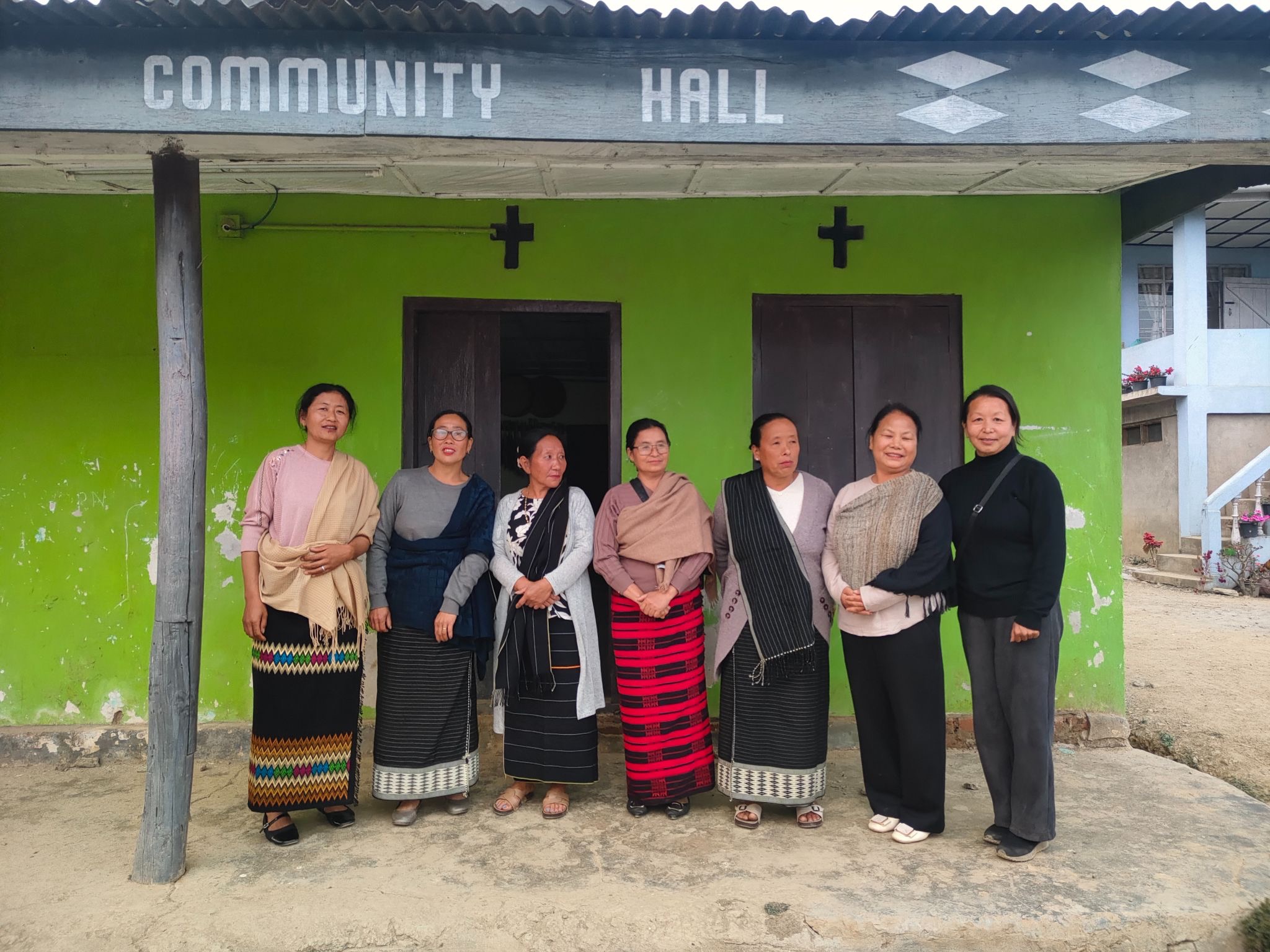
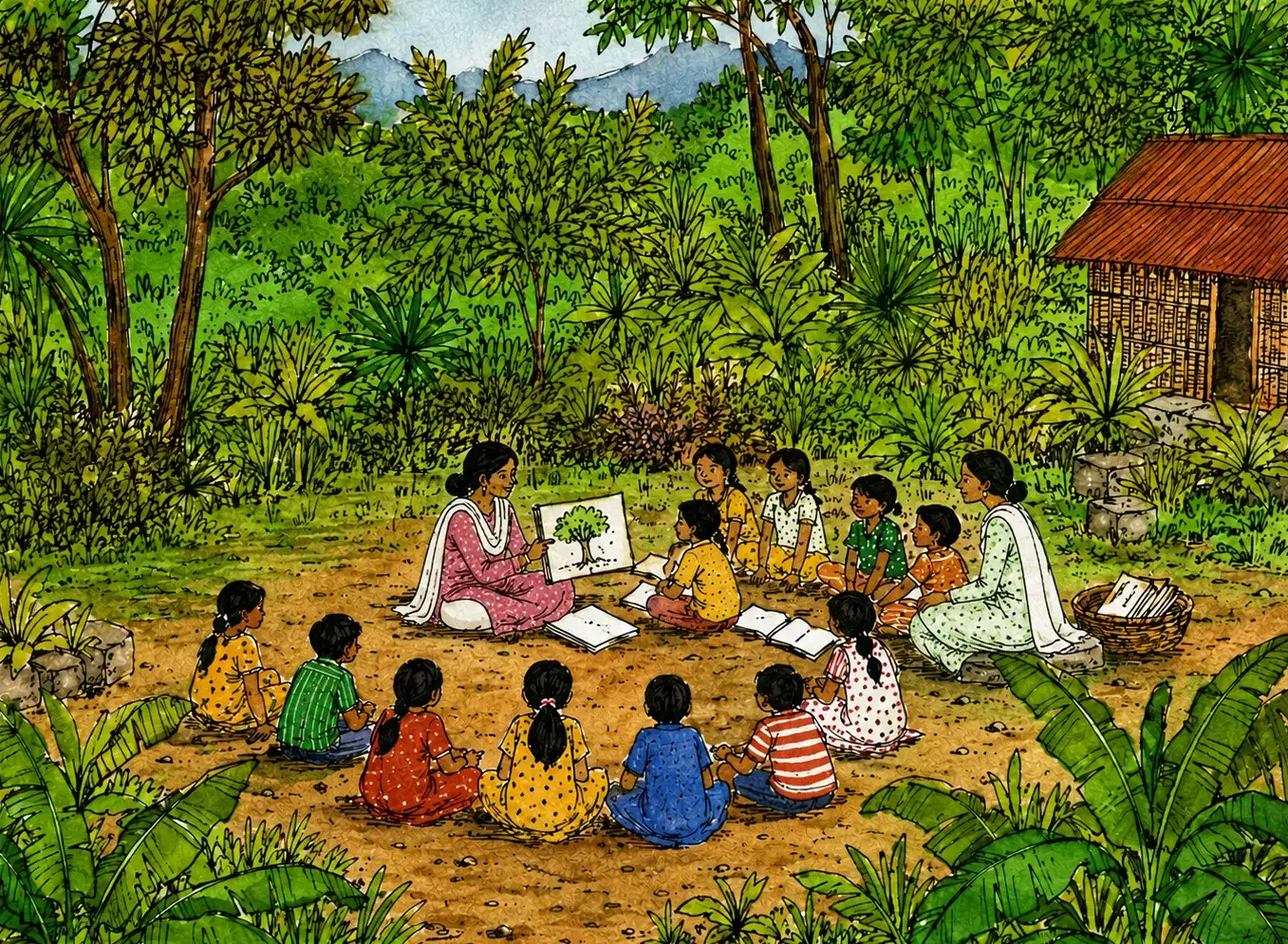
Over time, the seed bank has become a space for learning. Older farmers share their knowledge about the characteristics of different crops and the conditions they thrive on with the younger lot. They talk of soil health, pest management, and changing weather patterns.
“It has brought the community together,” Seno added.
The impact is visible in the fields. Farmers report greater diversity in their crops, as access to different seed varieties has improved. This diversity acts as a buffer against climate risks, increasing the chances that at least some crops will succeed even in difficult conditions.
For the women leading the seed bank, the work is as much about identity as it is about agriculture.
.webp)

.webp)
.webp)
.avif)
.webp)

.webp)