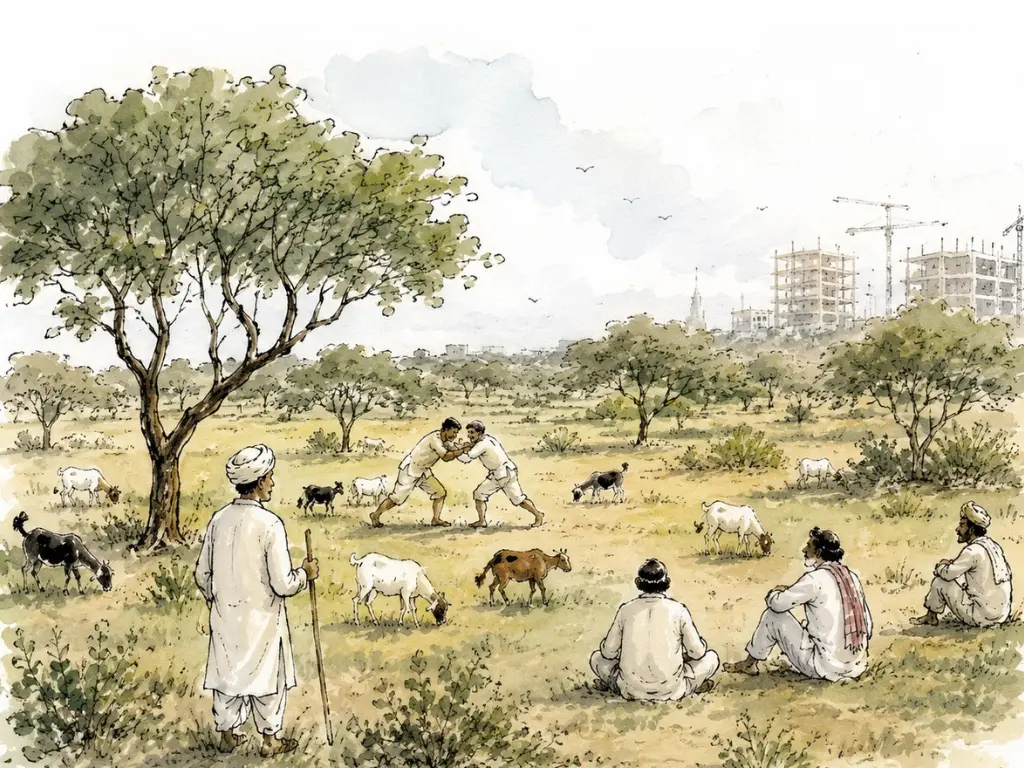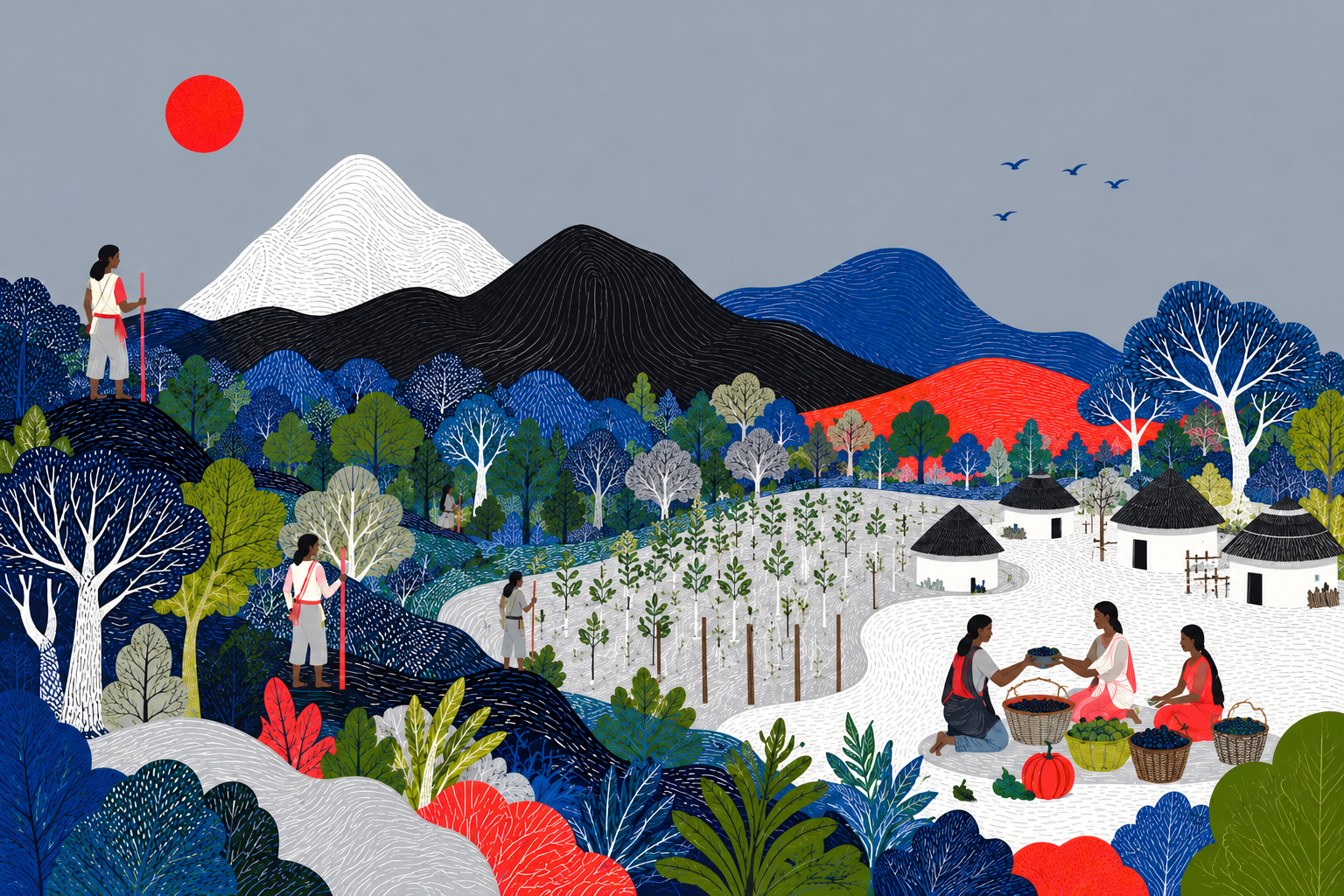
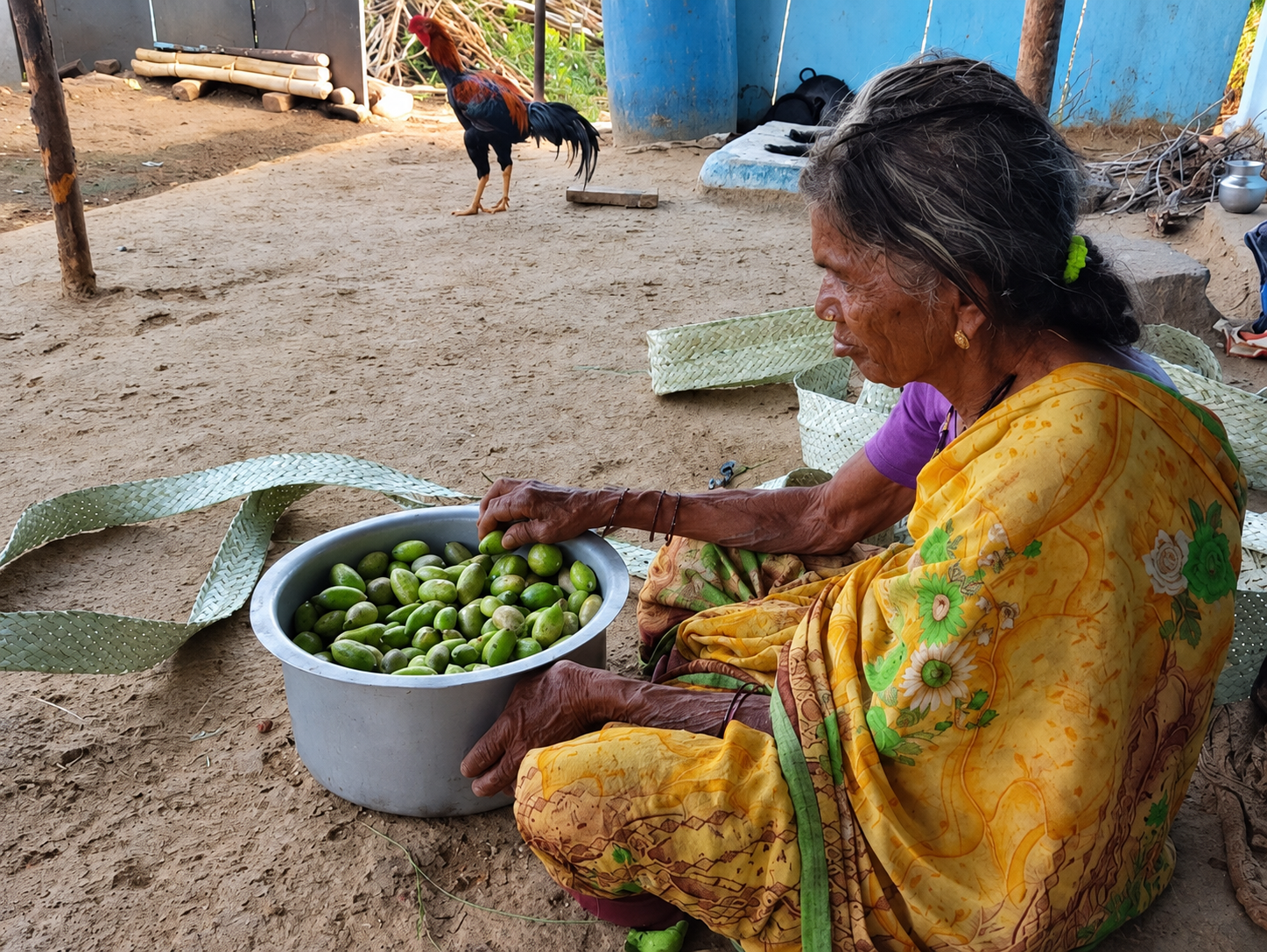
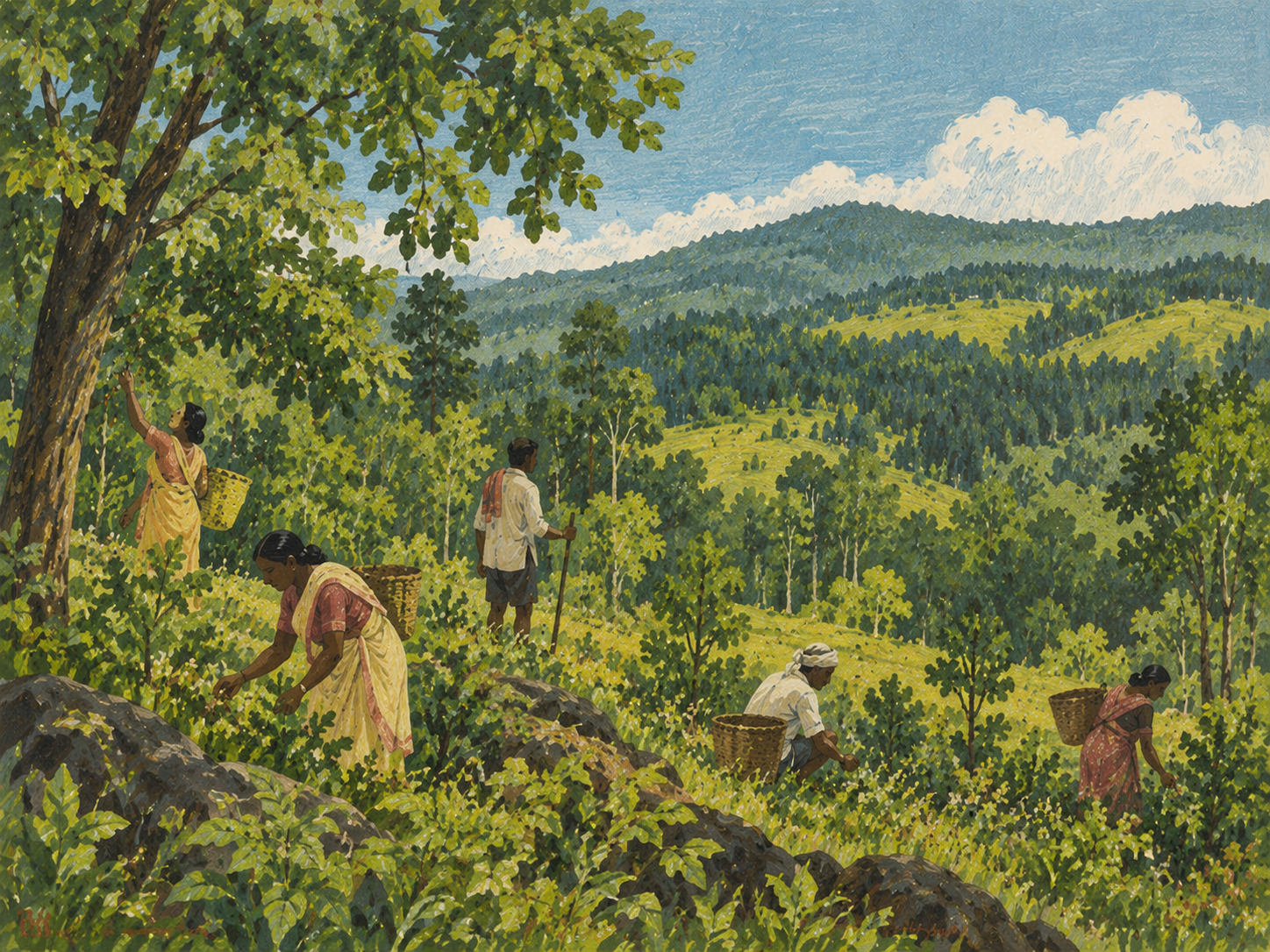
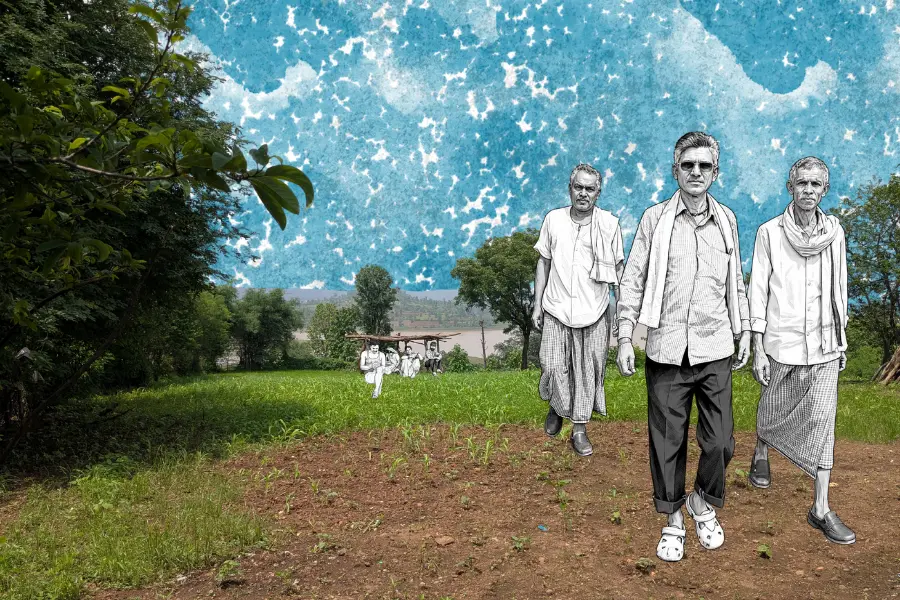
Annamayya, Andhra Pradesh: At dawn, 50-year-old B. Krishnamma from Nakkalavarikota in Andhra Pradesh’s Annamayya district joins her fellow villagers for a climb toward Mallayyakonda and Inumukonda hillocks, three kilometres away. By afternoon, they return with fresh green fruits like bikki, ullinja, custard apple and honey stuffed in steel baskets and plastic bags, strapped on their heads and backs.
A small village of around 40 households, belonging to the Boya caste, a Backward Class, is carrying forward an age-old tradition of collecting food, fodder and firewood from surrounding hill forests to barter it for rice with the nearby villages.
But repeated forest fires, which started more than two decades ago, disrupted the village economy, which is closely knitted with the forest. Vegetation declined and unchecked tree felling endangered both livelihoods and the barter economy. What followed was a collective decision by the villagers to protect the forest and its precious resources.
“The fires were becoming frequent, and the fruits we depended on were disappearing. We realised that if we don’t protect the forest ourselves, our children would not have anything left,” said Engala Kaidrappa, 62, a farmer and livestock rearer from Nakkalavarikota.
In 2001, the community united under a village institution called the Vana Samrakshana Samiti (VSS) with preventing forest fires as its primary mandate. It was formed under the country-wide World Bank-supported joint forest management programme by the forest department. Its aim was to promote community involvement in forest conservation. The mandate of VSS gradually expanded toward forest restoration, sustainable harvesting and shared governance.
Years later, the village has set an example of how community governance of commons can reduce forest fires, regenerate 140 acres of forest, strengthen household incomes and ensure food security.
Forests as ancestral livelihood
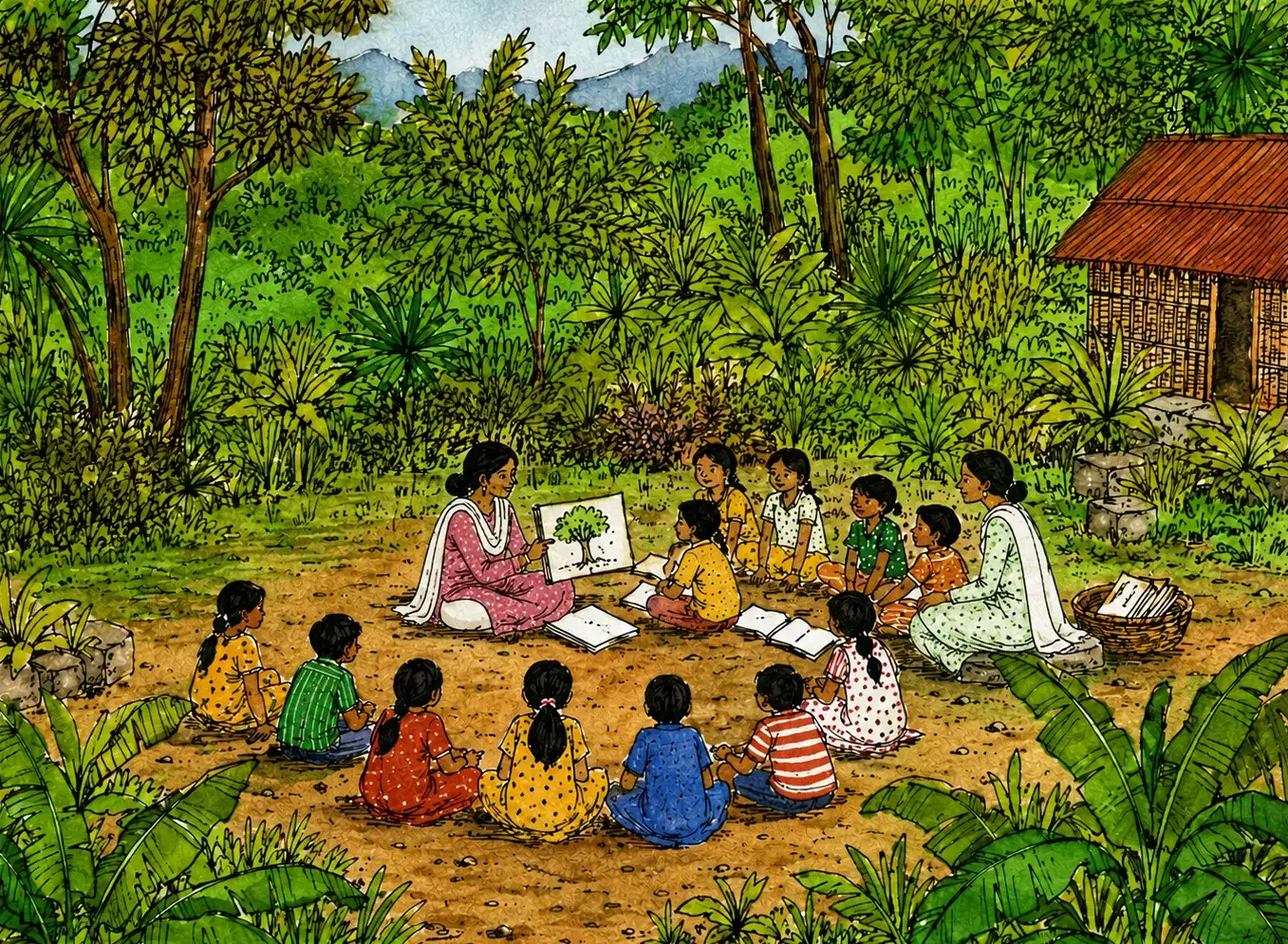
Nakkalavarikota village, part of Gurramvandlapalli Panchayat, sits at the edge of three hillocks: Mallayyakonda, Sadhukonda and Inumukonda. For over four generations, families living adjacent to these hillocks have gathered non-timber forest produce (NTFP) that are forest products useful as foods or commodities other than timber. Older residents recall walking the same forest paths with their grandparents and learning about the forest and its various plant and tree species.
“Our grandparents showed us when the fruits ripen, which plants heal fever and why we should never cut a green tree unless it is necessary. That is how we learned to live in harmony with the forest,” said Badigineni Kalpana, 30, a farmer and daily wage worker.
Barter has been central to the Boya community's survival. Lack of irrigation facilities prevents families from cultivating paddy. Instead, they rely on rainfed agriculture and can only grow groundnut and red gram. Forest fruits, especially bikki and custard apple, are exchanged for rice in nearby villages of Kalicherla, Gurramvandlapalli and Peddamandyam when cash and subsidised food supplies remain inadequate. Selling forest produce provides some cash, while barter continues to serve as a safety net.
“Our lives are tied to the forest. When rations are not enough, it is the forest that keeps our community alive. The forest is not just land, it is our food, shelter, and our survival when nothing else remains," said Kaidrappa.
Reclaiming the Commons
Besides pastures, water bodies and mangroves, forests are also shared lands called commons, which cover 205 million acres, or one-fourth of India, and form the lifeline for over 350 million people, including marginalised groups.
Communities across India have traditionally protected, restored and managed these commons through customary self-governance practices. These customary rights and practices, however, haven’t been formally recognised or recorded in many parts of the country.
Pressure over resources, caste and class hierarchies, and environmental degradation has curtailed communities’ access to commons, leading to over-exploitation of commons and exposing them to climate vulnerabilities and rural distress.
Despite these challenges, communities across India are showcasing that reclaiming, restoring and managing commons through customary self-governance practices plays a crucial role in their ecological, social and economic upliftment.
This story from Nakkalavarikota village shows how repeated forest fires led the village to take collective action to protect its heritage and livelihood from being destroyed. Their efforts revived the forest and led to sustainable household incomes.
For the villagers, the forest’s significance is also cultural. Within it lies the Kanava Gangamma temple, believed to protect livestock. Stories of healed cattle and answered prayers reinforce a spiritual bond that strengthens conservation efforts.
“If there is no forest, there is no us,” said Balaji, 28, who depends on agriculture and NTFP collection.
Signs of decline
By the early 2000s, forest fires started occurring almost every summer. Villagers recall that the fires were allegedly often ignited intentionally by the village’s shepherds and tendu leaf collectors to encourage grass growth for better regeneration. These fires also engulfed fruit-bearing trees, fodder, grasses and undergrowth, reducing forest produce.
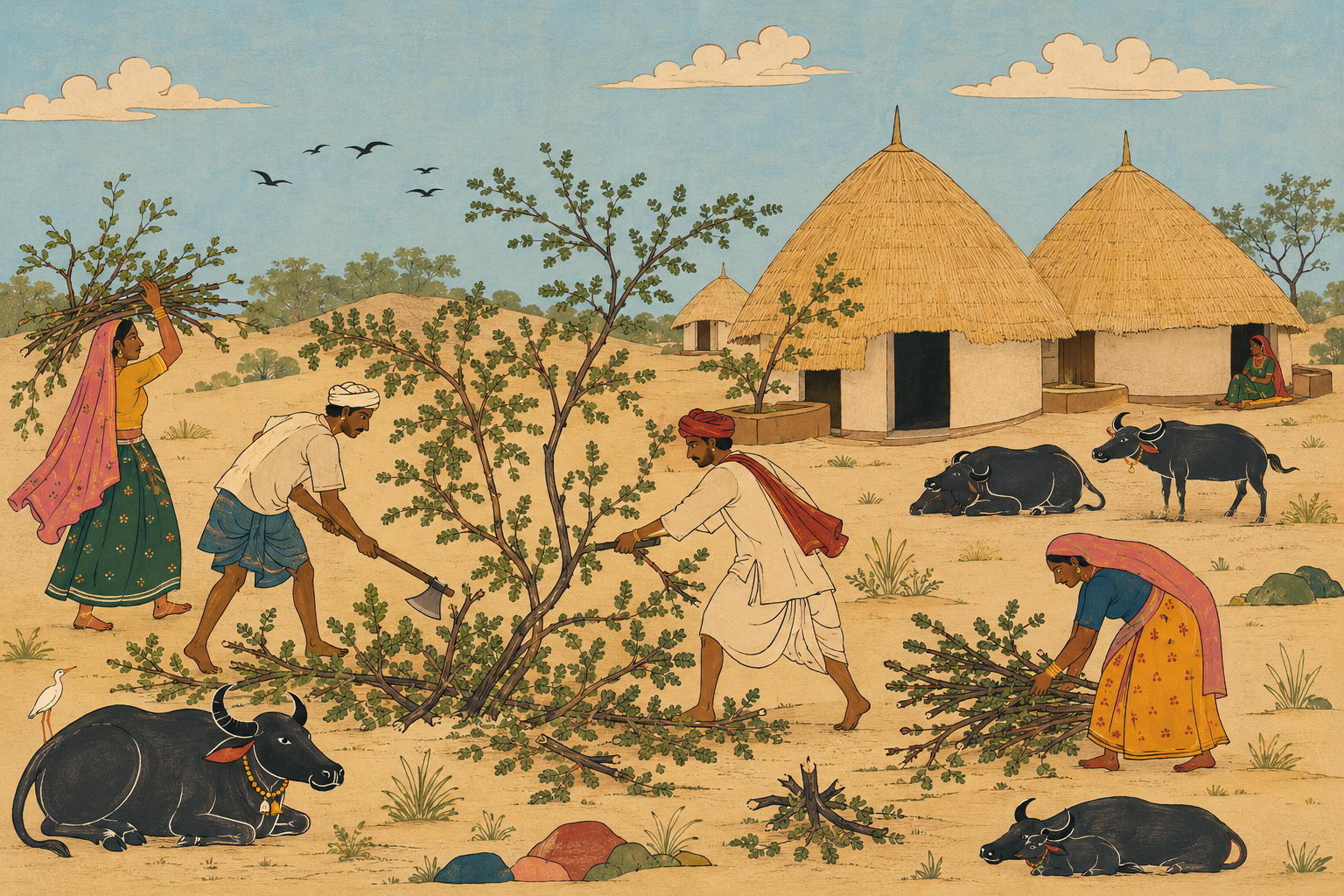
Deforestation further decreased soil moisture. There was extensive greenwood cutting for shelter, house fencing and cattle sheds. Poor rains also hampered the decomposition of dried leaves, which further led to the flames spreading.
“The fruits were fewer. The forest looked dry. We understood that if this continued, our children would not have anything left,” said Badigineni Krishnamma, a farmer and sheep rearer.
The degradation directly affected livelihoods. Women returned from the forest with smaller harvests, and livestock rearers had to travel long distances to find water for cattle. With fewer fruits to barter or sell, the villagers migrated for work and depended on farm and construction labour.
From fire control to regeneration
In 2001, the Foundation for Ecological Security (FES), a non-profit organisation, facilitated and promoted a few VSS’ in the Peddamandyam block. In Nakkalavarikota village, 15 villagers became its members, 50 per cent of whom were women.
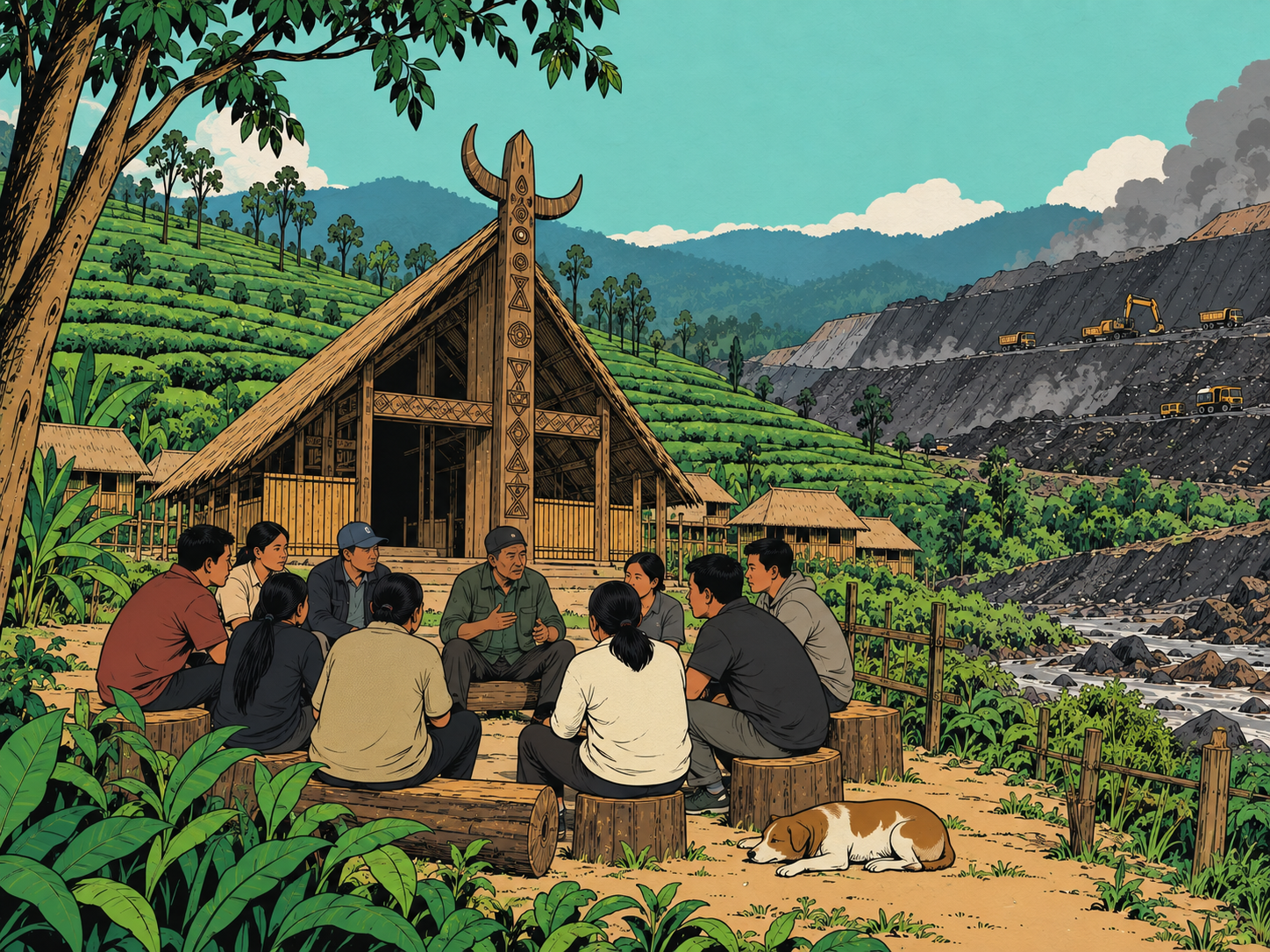
The villagers began monthly discussions on forest fires and degradation as a shared problem. They decided how to prevent forest fires and which harvesting practices to follow.
“All families meet, discuss and decide together as part of VSS,” said Korralagutta Venkatamma, 50, a farmer.
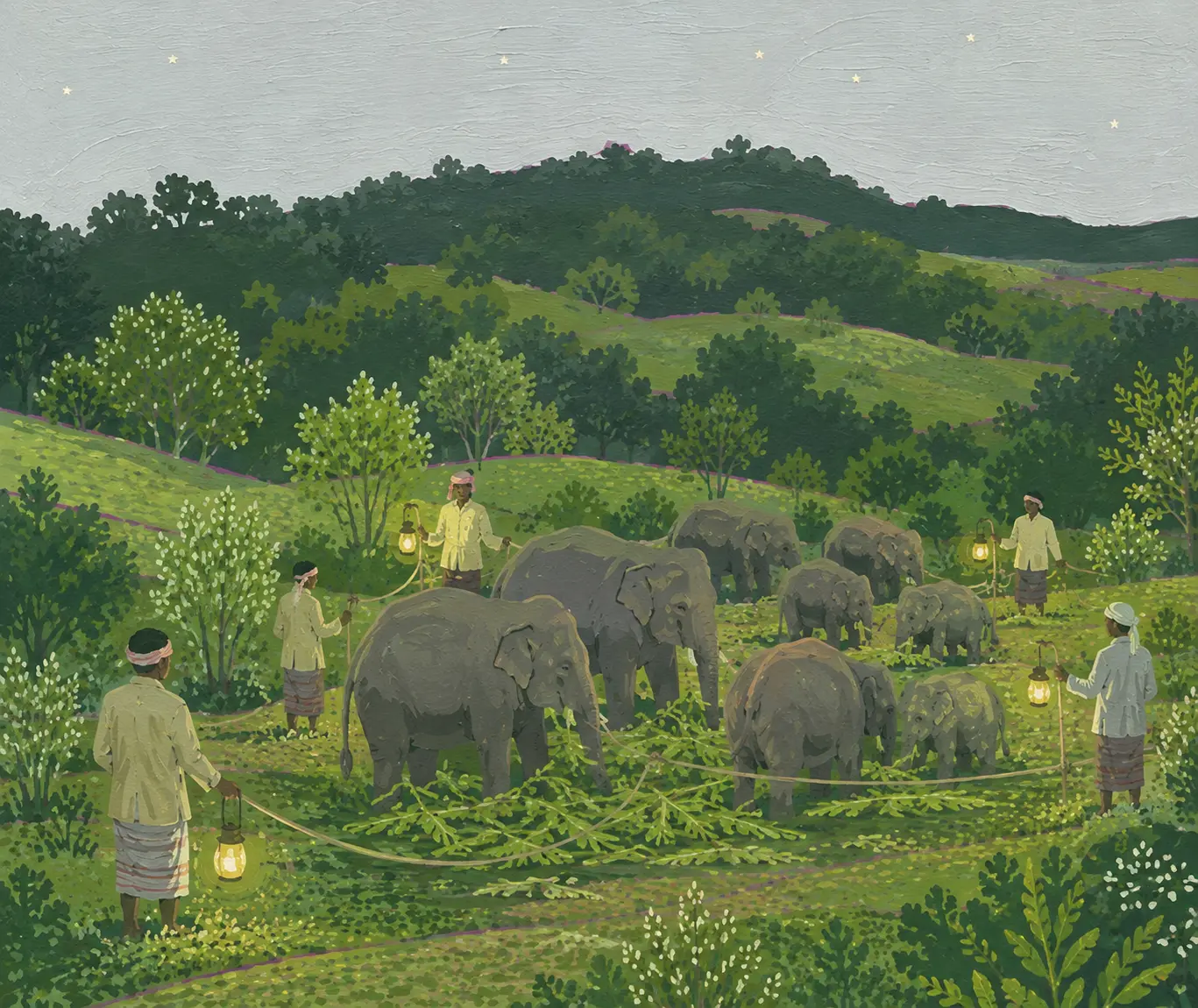
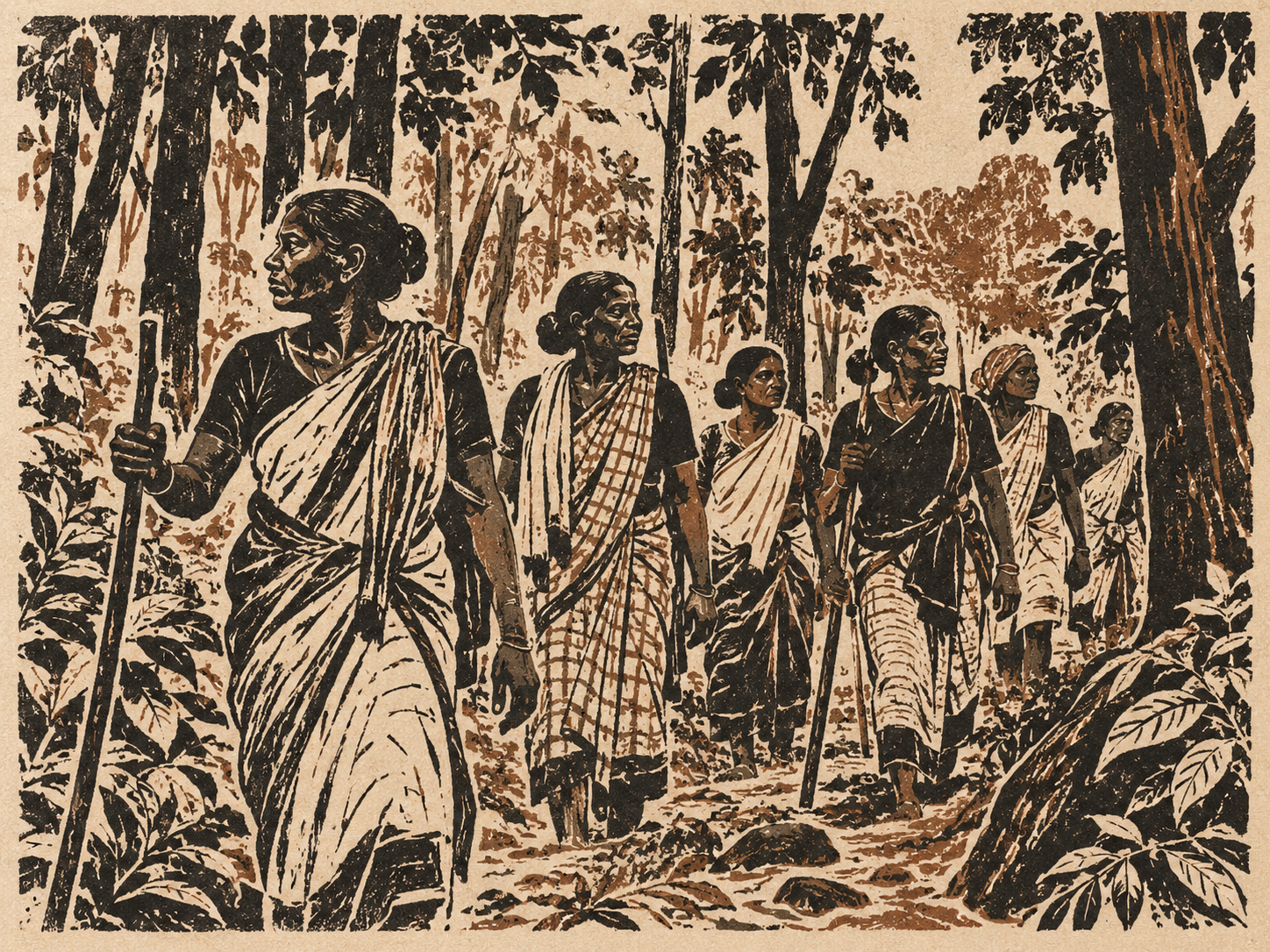
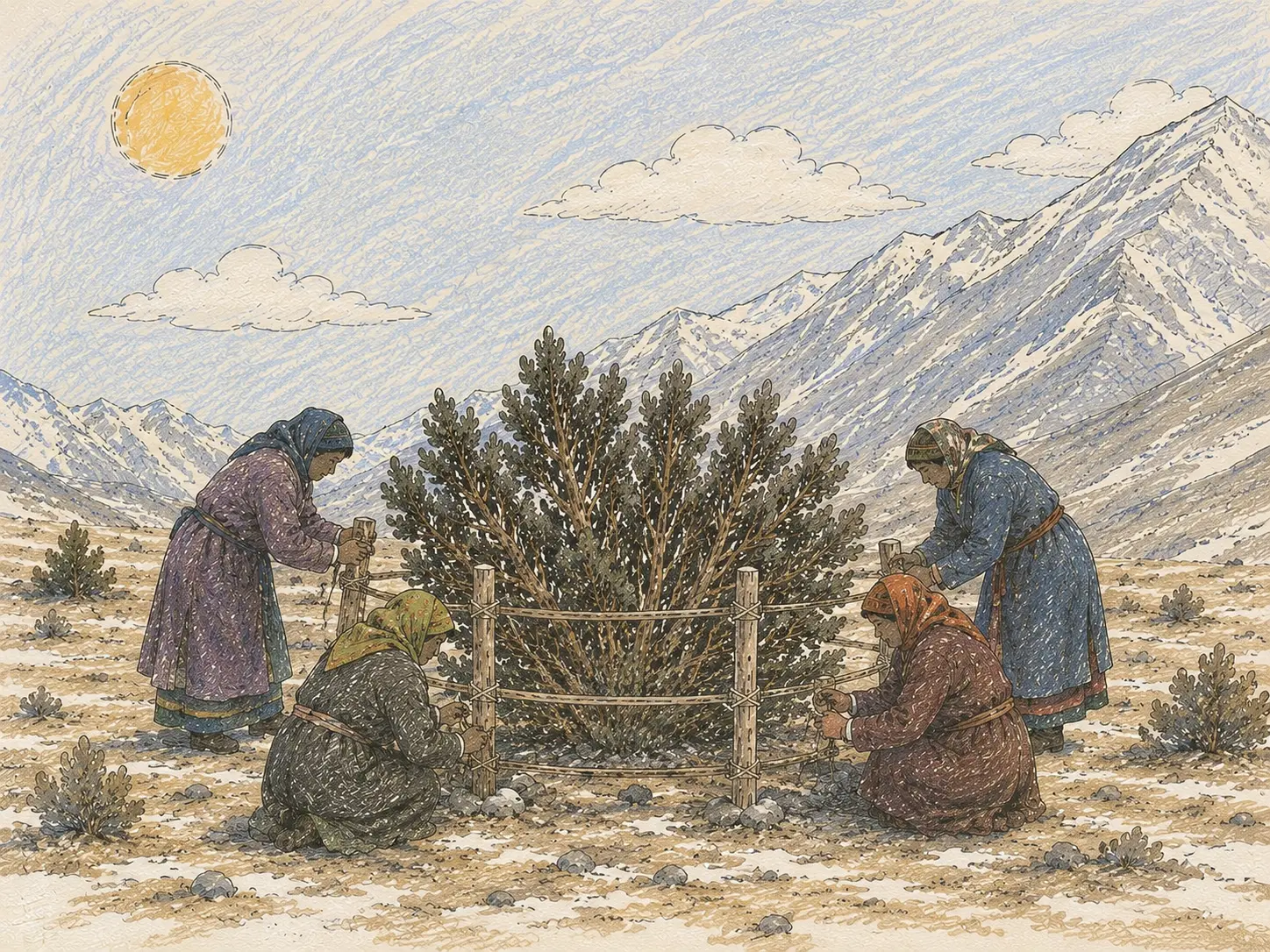
During the summer months of March to June, when the risk of fires is high, villagers stayed alert for signs of smoke from the surrounding hillocks. They took turns patrolling the hills, monitored the forest by keeping an eye out for smoke, and built a boundary around Mallayyakonda and Inumukonda hillocks. To help the effort of the community, the forest department stationed a guard to watch the forest.
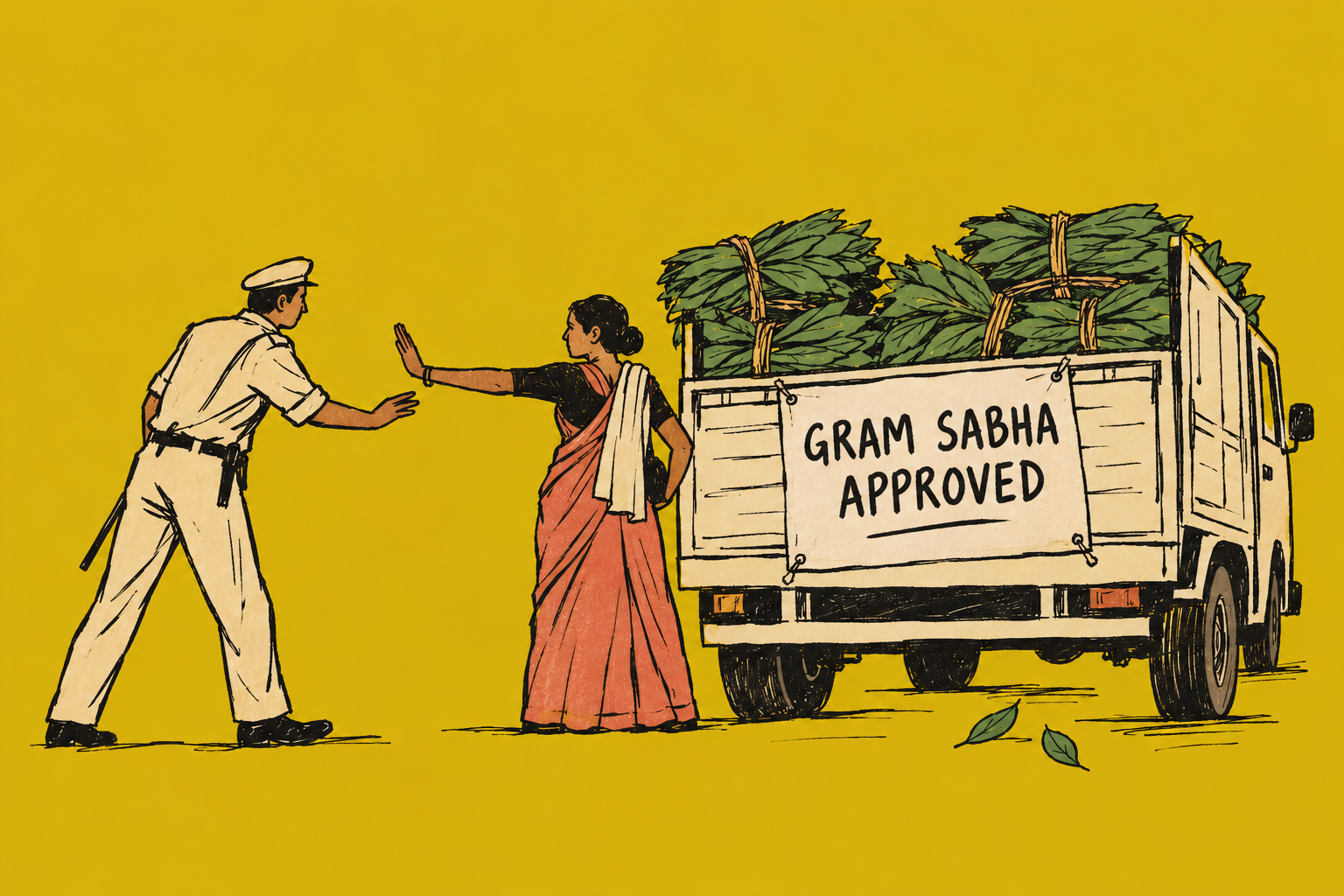
The community also formed rules for all to follow. They allowed collecting only ripe fruits and dry firewood, and banned greenwood cutting. Entry by outsiders for extraction was restricted, and toll gates were maintained to monitor vehicles more closely. The villagers maintained a check-post in Kotakadakapalli village, which has the pathway to the forest, to stop the collection of firewood by tractors.
At the start of the monitoring efforts, one member from each family used to watch the forest daily to check for fires. Now, beat officers from the forest department oversee the area and inform the villagers if they see smoke.
If a fire broke out, word quickly spread through the village and people rushed to the site to put out the flames. They used tree branches and nearby water sources to beat down the flames. Fire lines and trenches were created in the forest through conservation work to slow the spread of flames.
If the villagers caught people igniting the fire, they first gave them a warning. But if the same people are caught again, they were made to pay a fine to the village.
Women and youth at the centre
Youth and women, who spend most of their time in the forest, became the first responders to fire control. They also played a central role in regenerating the forest.
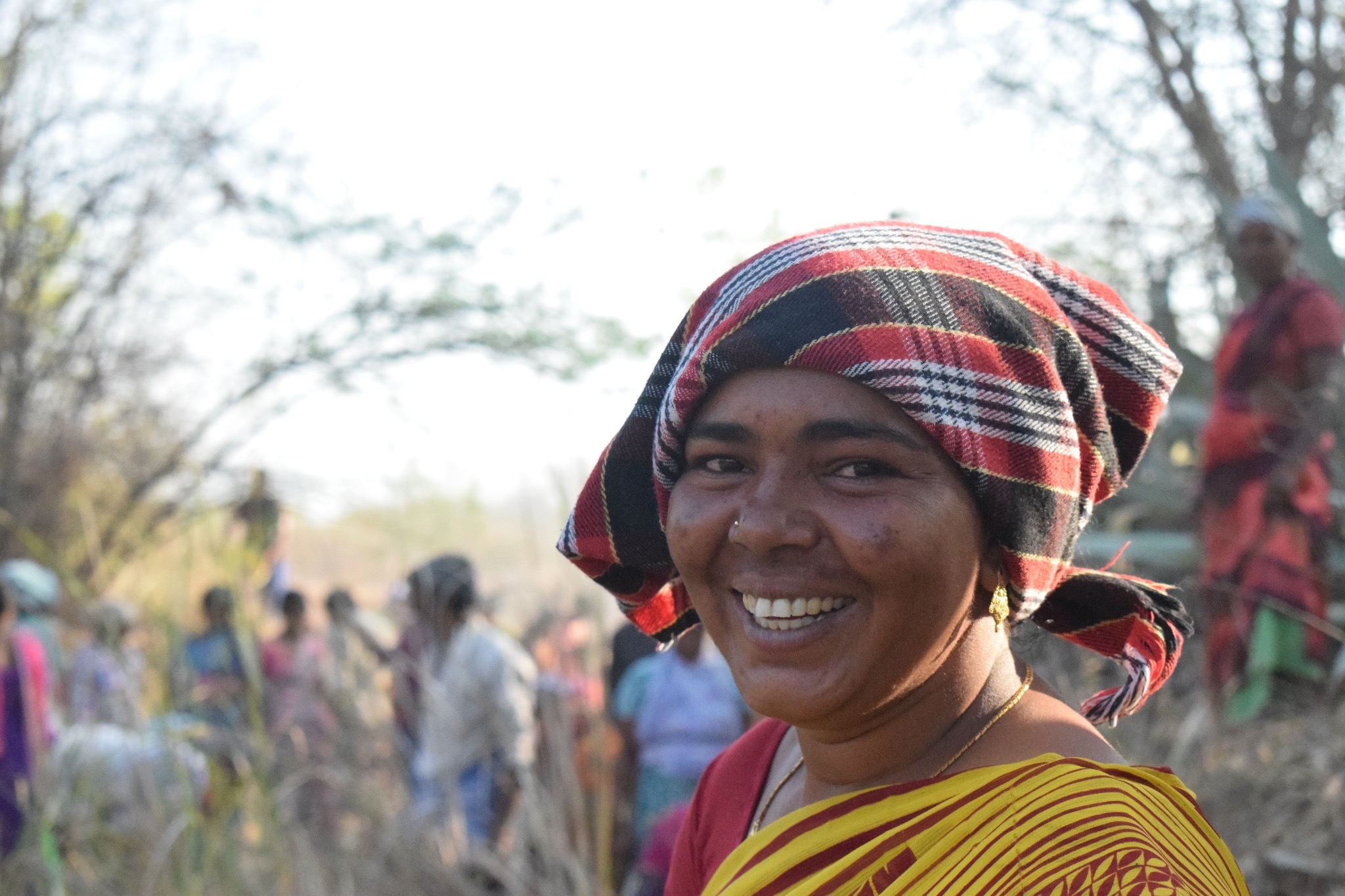
Youth participated in water conservation works. Similarly, women who collect NTFP and dried fuelwood became the implementers of the forest rules, formed by the villagers. Their daily presence in the forest gives them intimate knowledge of its health. While elders guide seasonal decisions, such as moisture conservation works.
“The forest gives us food and income, so we protect it like our own. If the forest is safe, our families are safe,” said Krishnamma.
Women’s work in conserving the forest gained visibility and recognition through the VSS. Earlier, women rarely participated in village meetings and decision-making. But VSS gave them leadership roles, such as the position of vice president. Meetings are timed around their collection schedules and priorities.
“For many years, no one paid much attention to the forest. People focused on their own work and survival. But when they realised how much their lives depend on the forest, they decided to act together,” said Yengalaa Mallakka, a daily wage worker.
Restoring the Commons
As the fires decreased, the community realised that protection alone was not enough. The real shift came when the VSS began to look beyond fire control and worked towards restoring degraded land.
“We did not stop at saving the forest. We started bringing it back. That was the big change,” said Krishnamma.
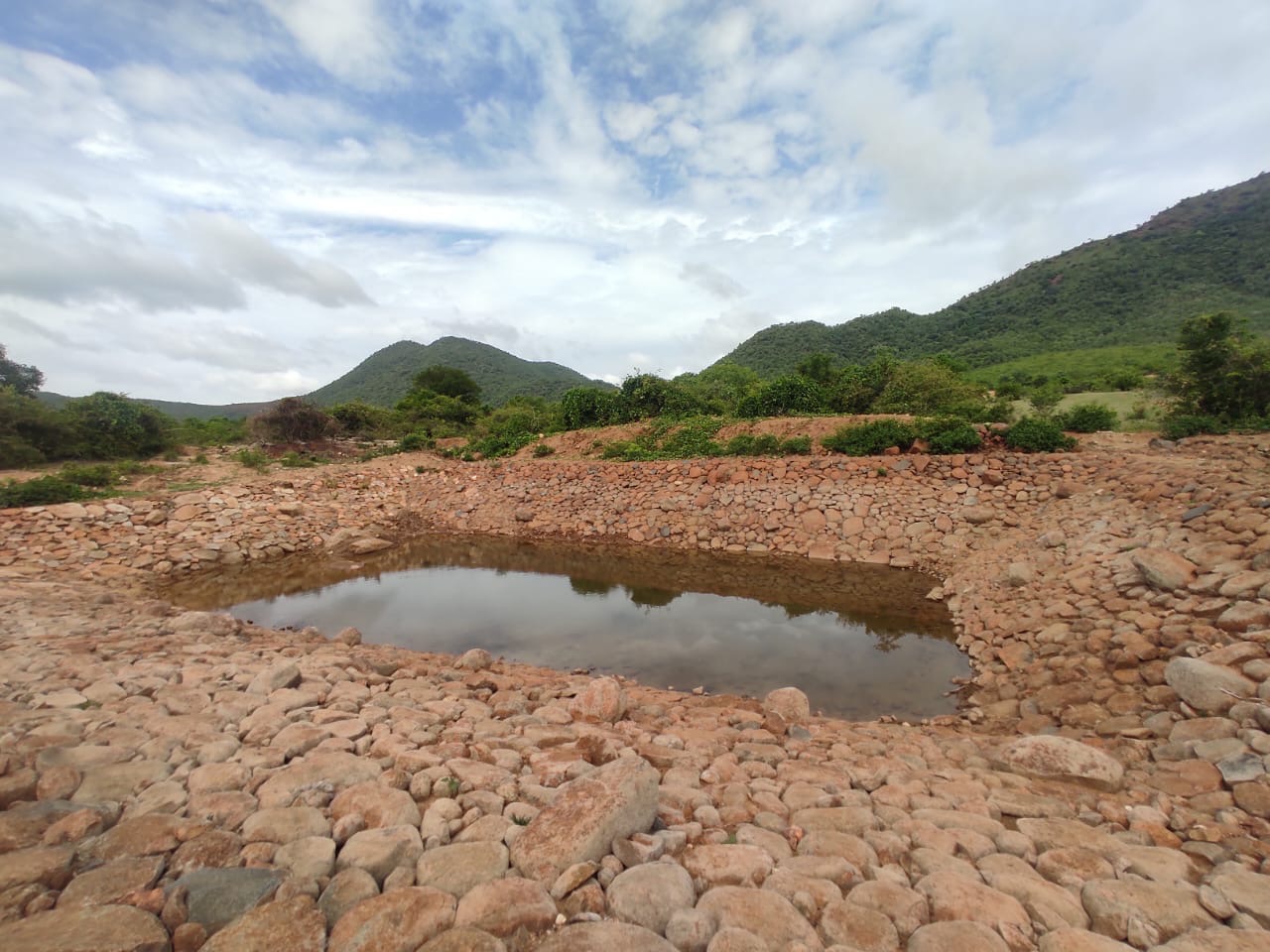
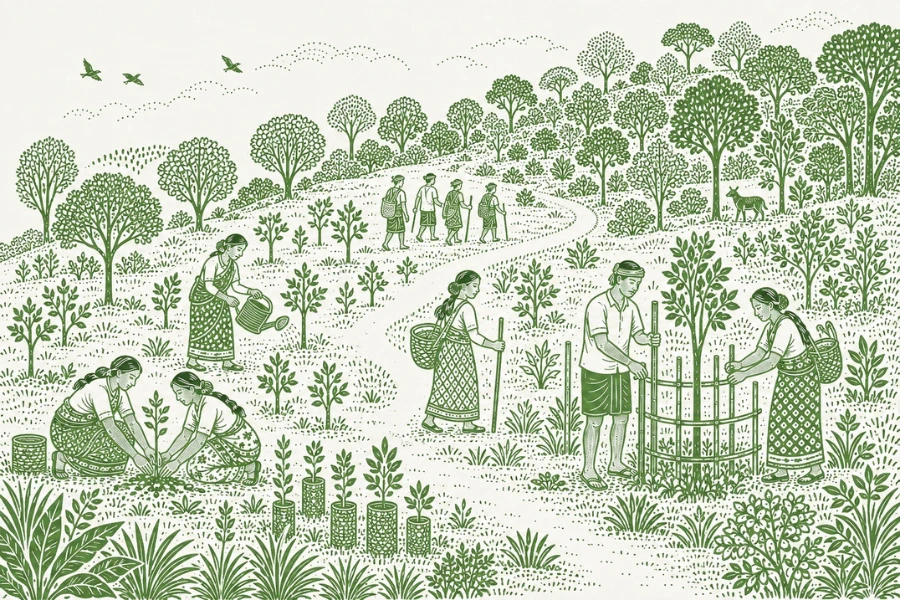
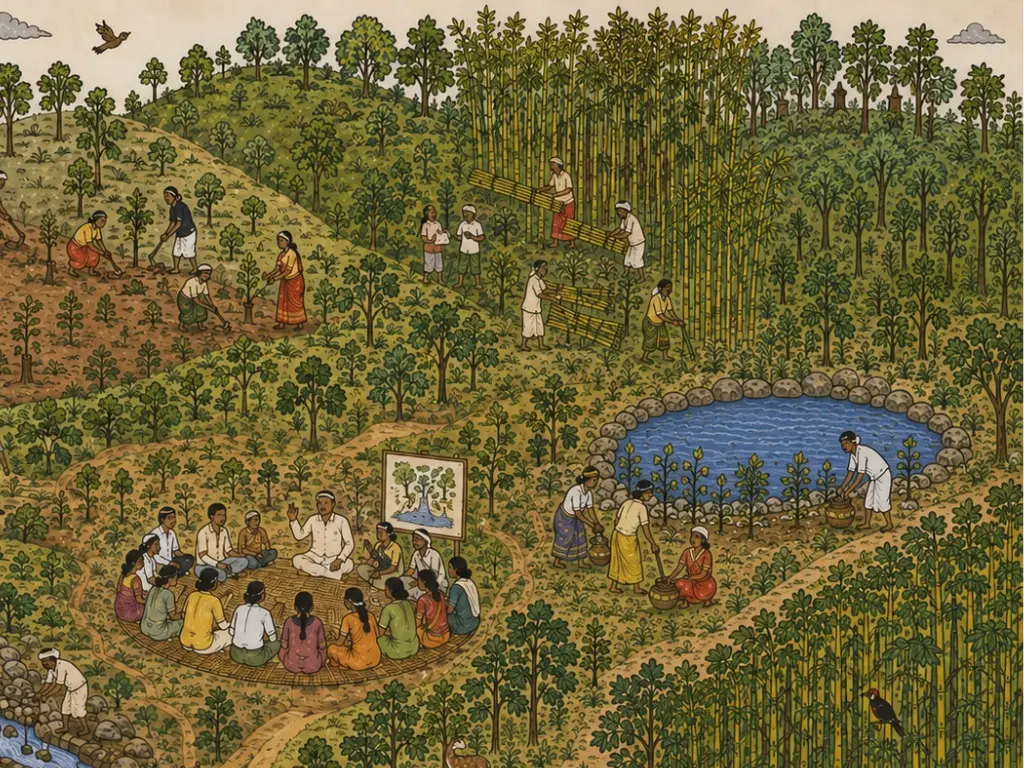
Using collective labour and wage support through government programmes, like Viksit Bharat – Guarantee for Rozgar and Ajeevika Mission, the village undertook several restoration works in the forest. The villagers dug trenches, ponds and cattle ponds, and developed horticulture plantations. These works retained rainwater, improved soil moisture, and water availability in the forest. Several ecological restoration measures, such as plantation, seed dibbling, and drainage treatment through stone gully plugs, were undertaken.
The FES provided technical assistance and raised awareness about the importance of protecting the forest and long-term survival. At the same time, the forest department supported plantation activities and the creation of fire borders to reduce the spread of forest fires.
Through the combined effort of community labour, government funding and technical support, the village was able to restore degraded patches of forest. These efforts transformed their daily life. Earlier, livestock rearers walked up to five kilometres to water cattle. Now, water is available within grazing areas.
“Our livestock doesn’t suffer like before. We don’t have to leave the village anymore,” said N Kadirappa, 52, shepherd.
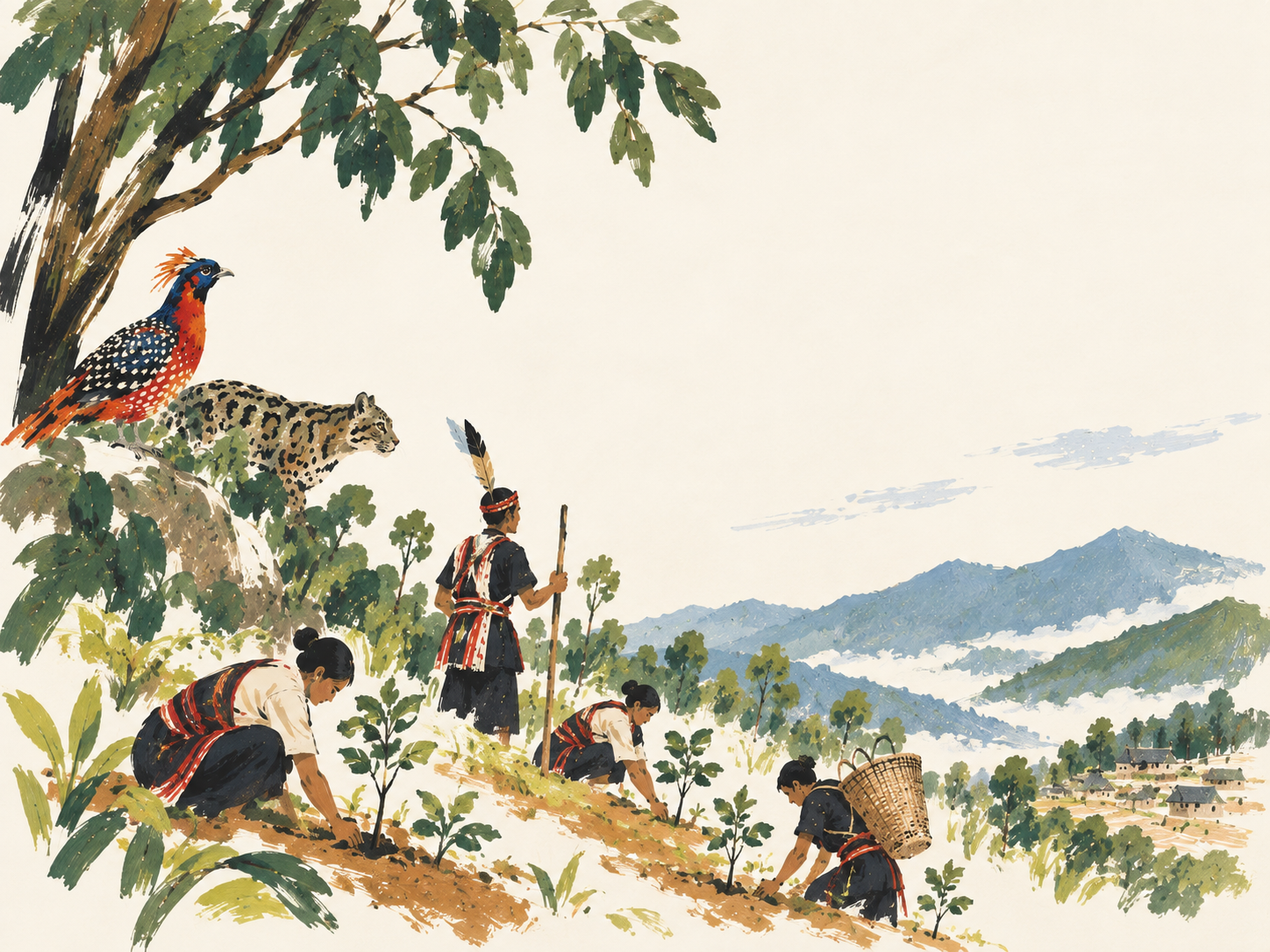
After 25 years of rigorous collective effort, vegetation slowly returned to the forest. Fruit-bearing trees regenerated, grasses grew thicker, and medicinal plants became more abundant. The villagers also noticed more birds, wild boars, peacocks, deer and other animals returning to the forest.
Strengthening the barter system
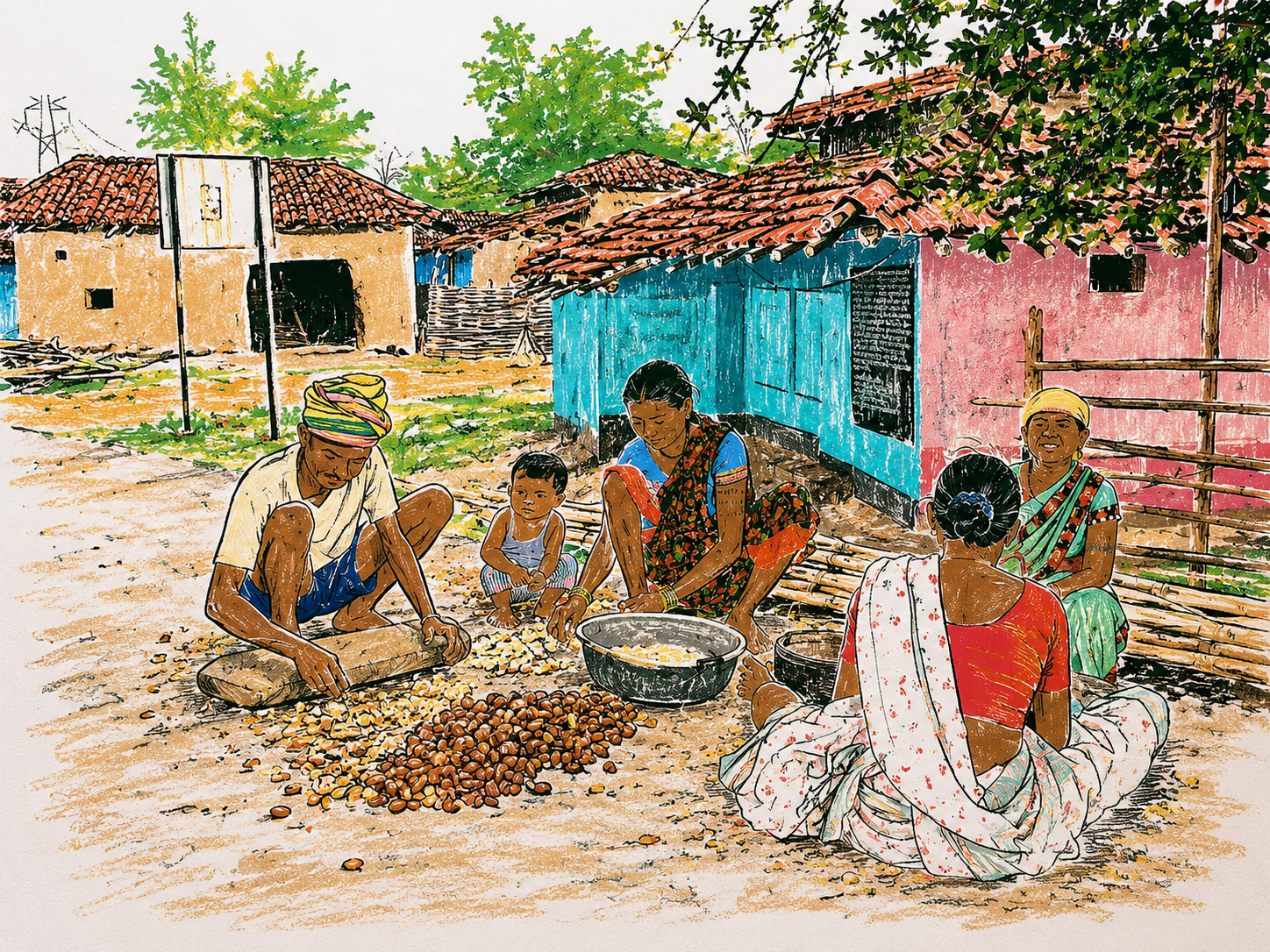
As the forest recovered, so did the barter economy. With improved availability of bikki fruit and other NTFP, women were able to resume regular exchanges for rice. While some produce is sold in markets for cash, barter remains crucial during lean months.
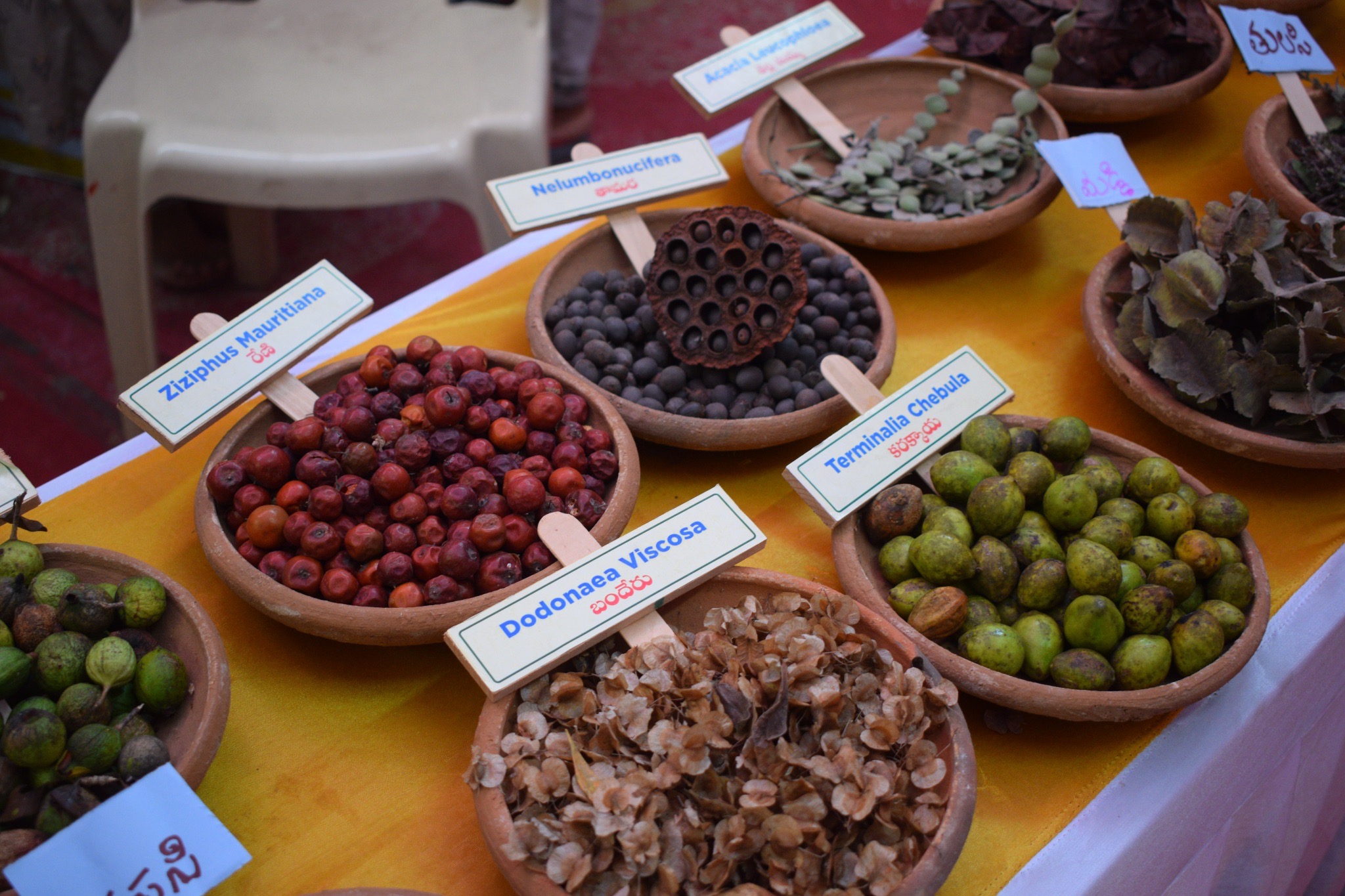
For many households, NTFP collection brings up to ₹50,000 a year. Combined with barter, this income supports education, healthcare and major expenses such as children's marriages.
“Half of what we earn comes from the forest. Without it, we would struggle,” said Yengala Ramanappa, a farmer and daily wage worker.
Challenges ahead
Despite gains, challenges remain. Forest fire risks persist during dry seasons and erratic rainfall. Even though the villagers have access to the forest, they still do not have legal rights over it.
As the sun dips behind Mallayyakonda, Krishnamma returns home, her basket now empty but her work complete. The fruits she carried will soon become rice on her family’s plate. Looking towards the forest, she smiles, “We are not only taking from the forest. We are growing together.”

.jpg)





.webp)
.webp)
.avif)
.webp)


.webp)