Ranchi, Jharkhand: Not too long ago, the twin villages of Ara and Keram in Central Jharkhand, seemed to be losing in their battle against deprivation.
“There wasn’t enough water to even grow sufficient food, leave alone cash crops,” says Ramesh Bedia, a resident of Ara and the Mukhiya of Tundahuli Panchayat, under which both villages fall.
He was 15 in the late 1980s when the villages fell in a period he calls the “days of despair”. Agriculture here was rain-fed, and any change in patterns led to severe water stress. “Our streams ran dry in the summer and we struggled even for drinking water,” he says.
There seemed no cure for these woes. Migration increased, and so did the reliance on forest produce. The village had slipped into a cycle of dependence and destruction: consequently, ended up stripping the forest bare of wood, seed and flower.
“Those who did not or could not migrate chose more and more to turn to the forest,” says Ramesh, “never realising that its slow destruction would deprive us of both water and livelihood in future.”
But they did break out of this cycle, especially when the realisation came that the fate of the forests was linked to the fate of the village.
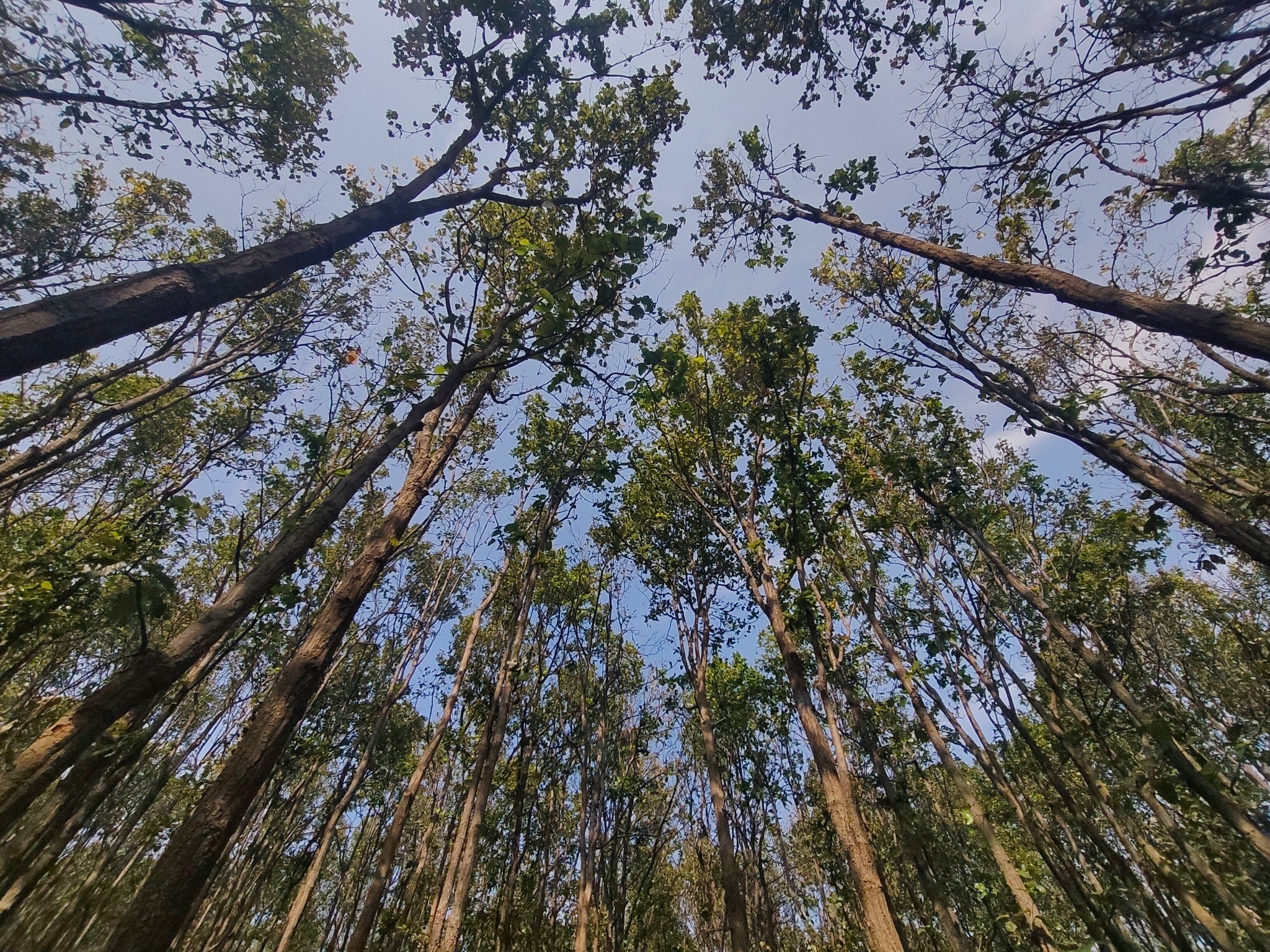
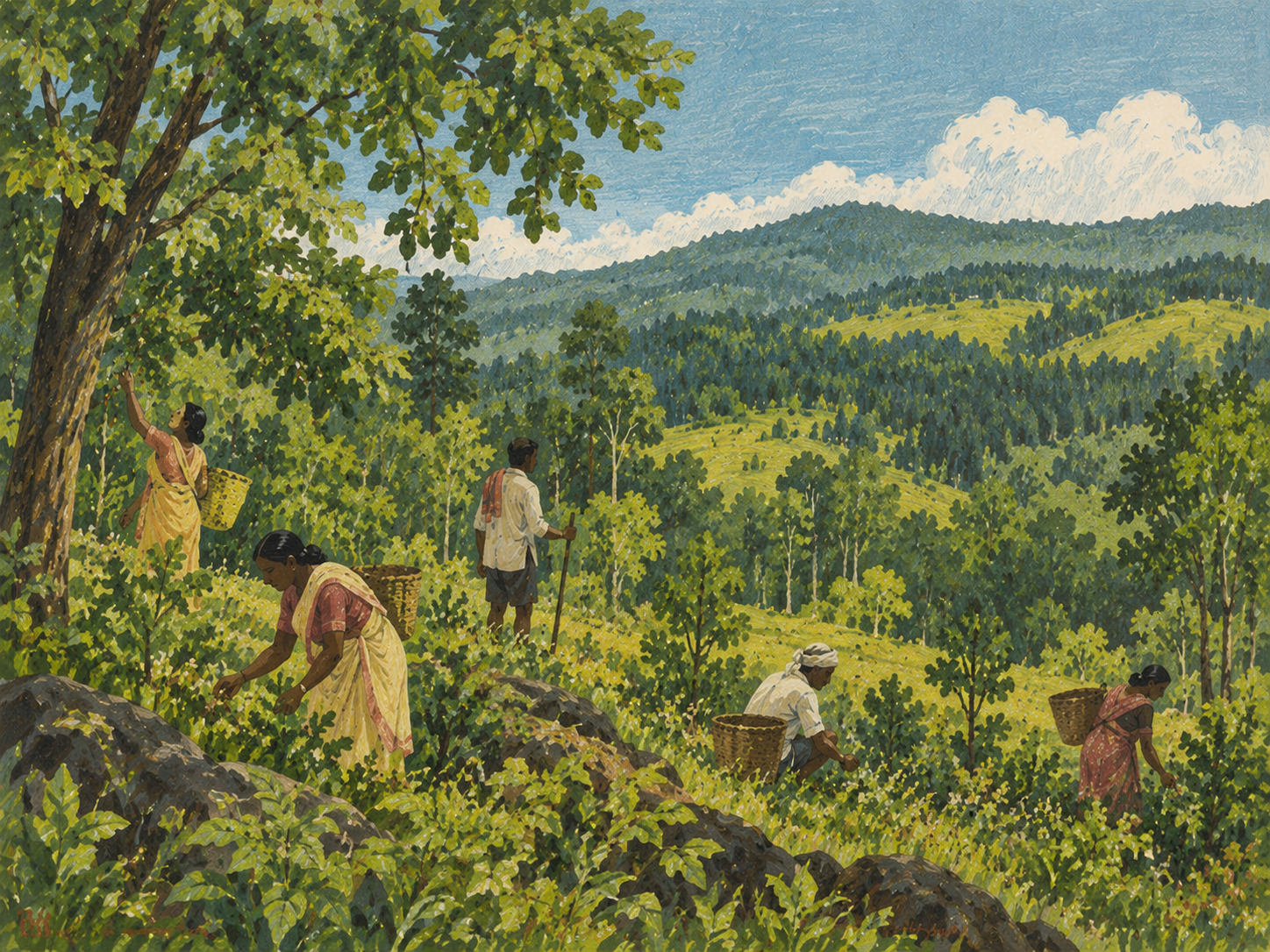
Today, the two contiguous villages reflect prosperity. Their fields are lush with year-round crops of paddy, peas, tomatoes, and watermelon, providing economic stability. Water is abundant, fed by the now-perennial Damba stream. Surrounding the villages is nearly 400 acres of forest, proudly regenerated with the villagers’ own hard work.
Rejuvenating commons for livelihood
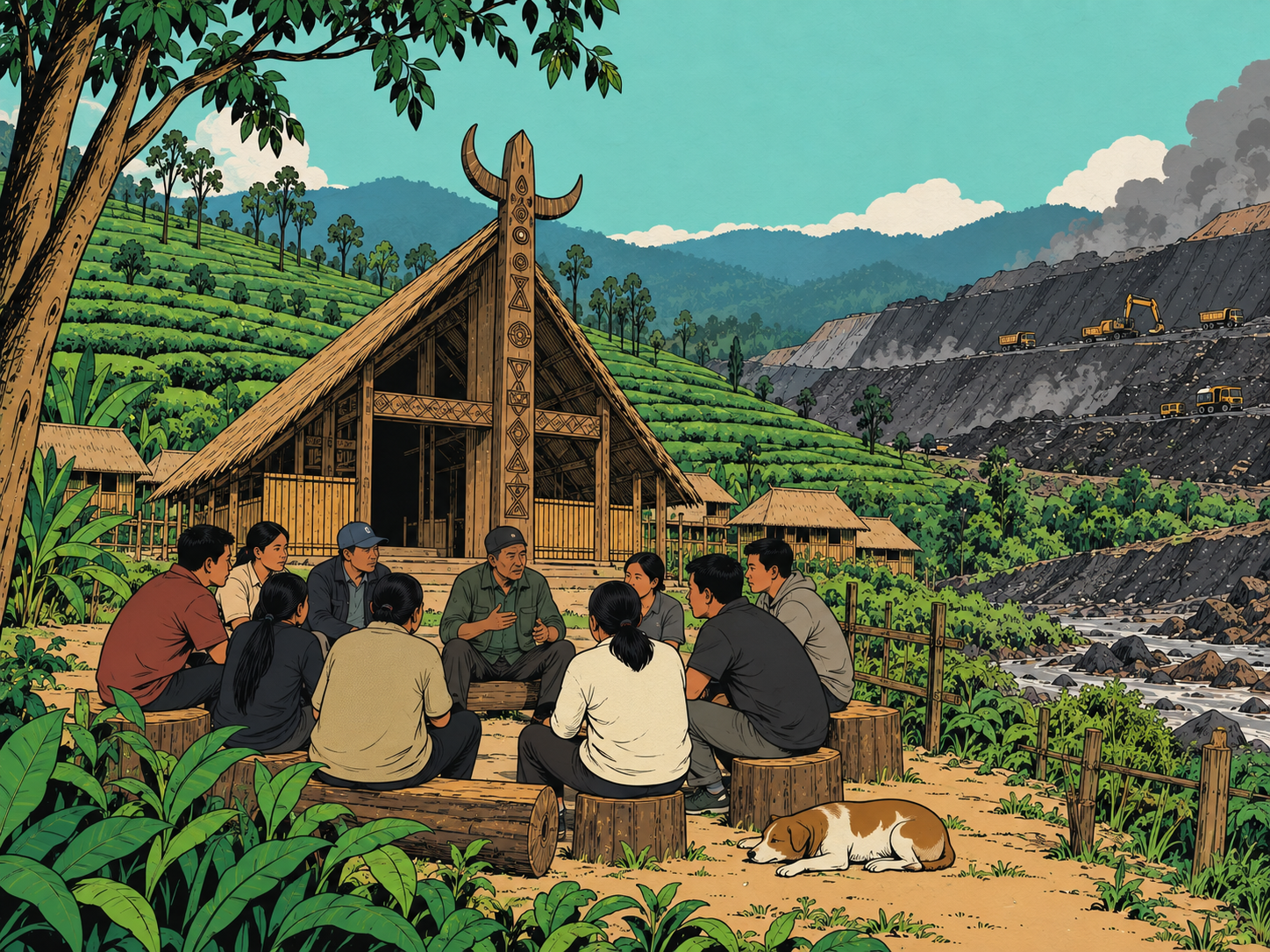
Ara-Keram’s transformation was driven by a decision taken by the communities to collectively protect their forest and water commons. In the last three decades the two villages have created collective social security measures to regenerate their depleted forest commons, undertake water harvesting work to revive the ground and surface water reserves, and addressed social issues like addiction, to transform their villages from poverty-struck to self-sustained.
Commons are shared lands such as forests, pastures, water bodies and mangroves, which cover 205 million acres, or one-fourth of India, and form the lifeline for over 350 million people, including marginalized groups like Scheduled Castes, Scheduled Tribes and women.
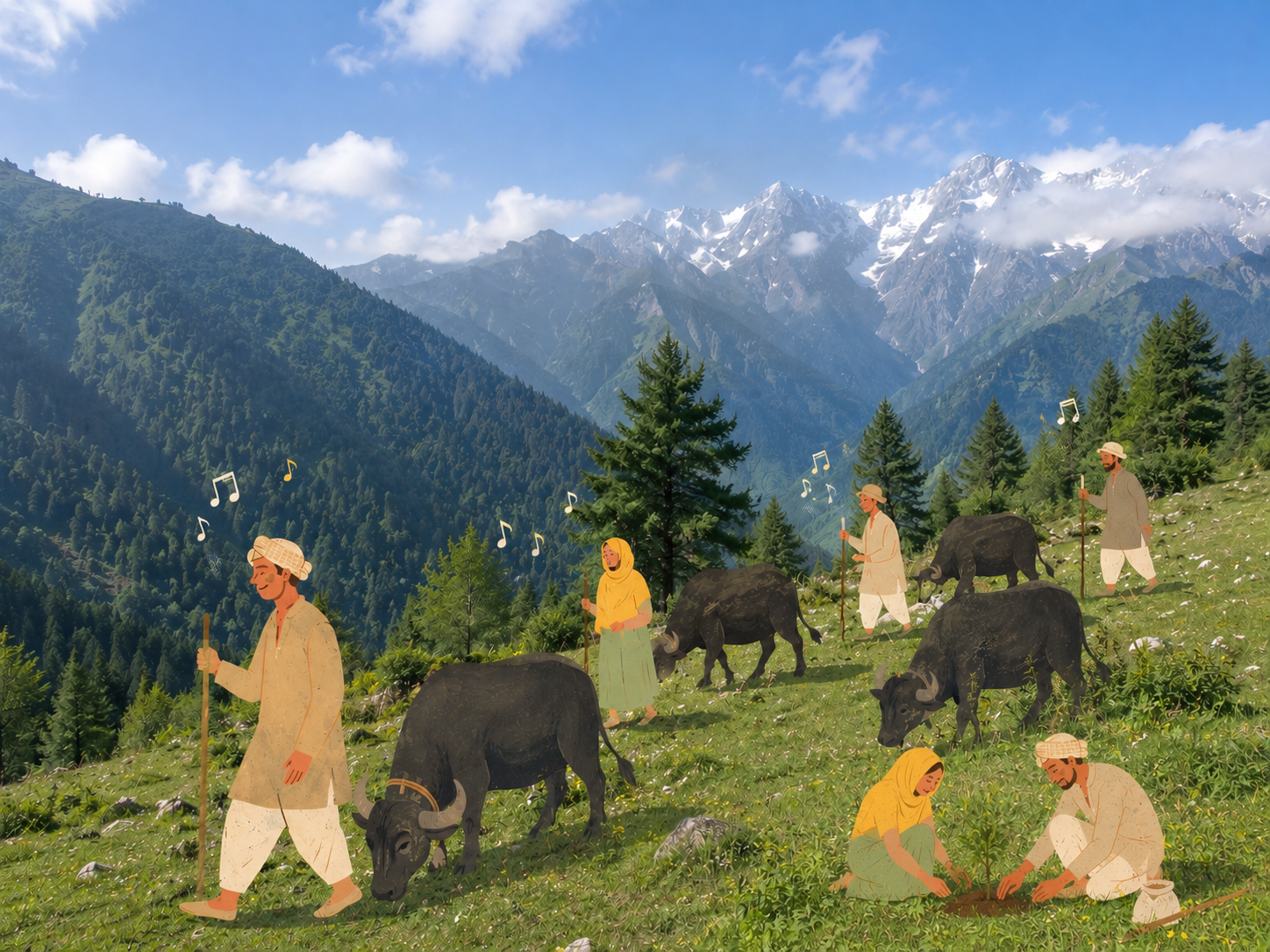
Communities across India have traditionally protected, restored and managed these commons through customary self-governance practices.
Pressure over resources, caste and class hierarchies and environmental degradation has curtailed communities’ access to commons, leading to over-exploitation of commons and exposing them to climate vulnerabilities and rural distress.
Despite these challenges, communities across India are showcasing that reclaiming, restoring and managing commons through customary self-governance practices plays a crucial role in their ecological, social and economic upliftment. This story from Ara and Keram is one such example of a community that has fought its way back from near-penury to thrive by determinedly caring for its commons. It shows how a strong gram sabha can both help a community bring its commons back from the brink and in doing so, also rebuild their own economies.
‘Days of despair’
Ara-Keram, twin villages separated by commonly-shared forests, are a couple of hours from Ranchi. The villages are home to diverse tribal and non-tribal communities. Keram is inhabited almost entirely by the Bedia tribal group, while Ara is home to seven communities, including Bedia, Munda, Karmali, Lohar, Kharwar, Yadav, Kurmi and one Muslim household.
Villagers did not have any source of cash income. Their meagre single crop barely met their food needs.
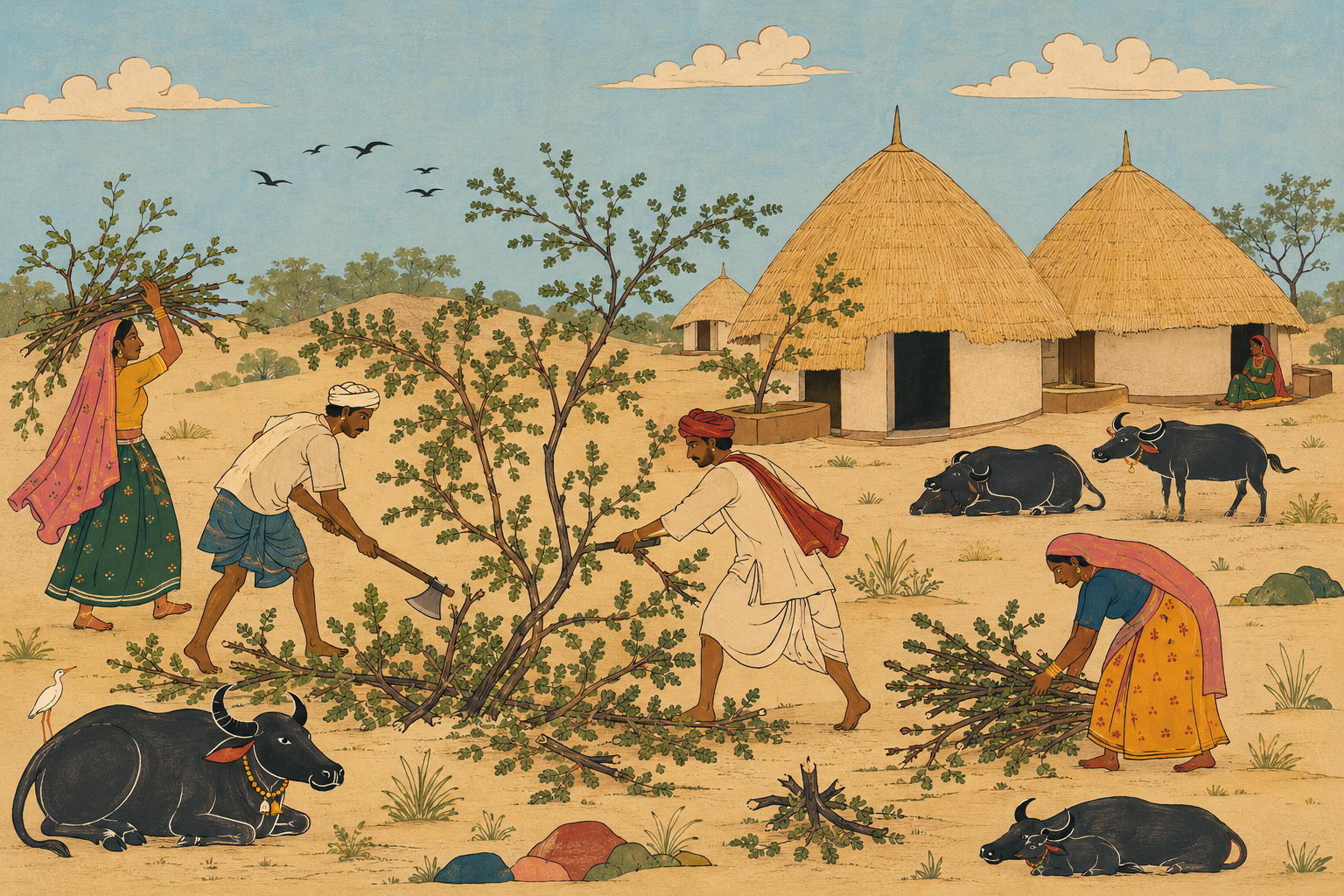
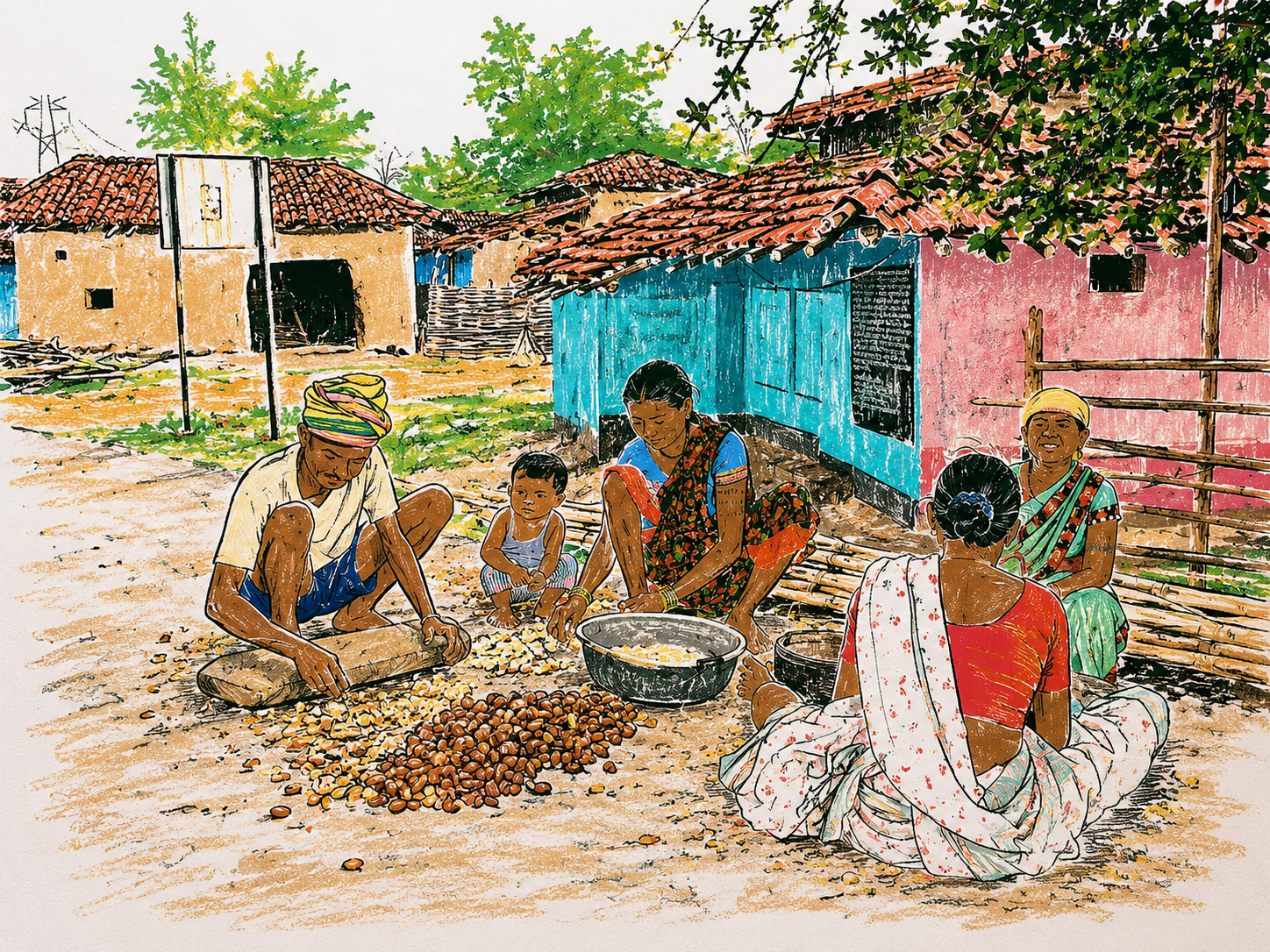
“We would rise at four in the morning to walk deep into the forest to cut wood,” recalls Ramesh, “often carrying back headloads weighing forty to fifty kilograms.”
After this back-breaking labour, they would again walk or cycle 19 km to the nearby town of Irwa to sell the wood cheaply to brick kilns. It brought limited income, and stripped the forest bare and depleted water sources.
Often, this income was lost too when forest guards caught them and confiscated their wood or tools.
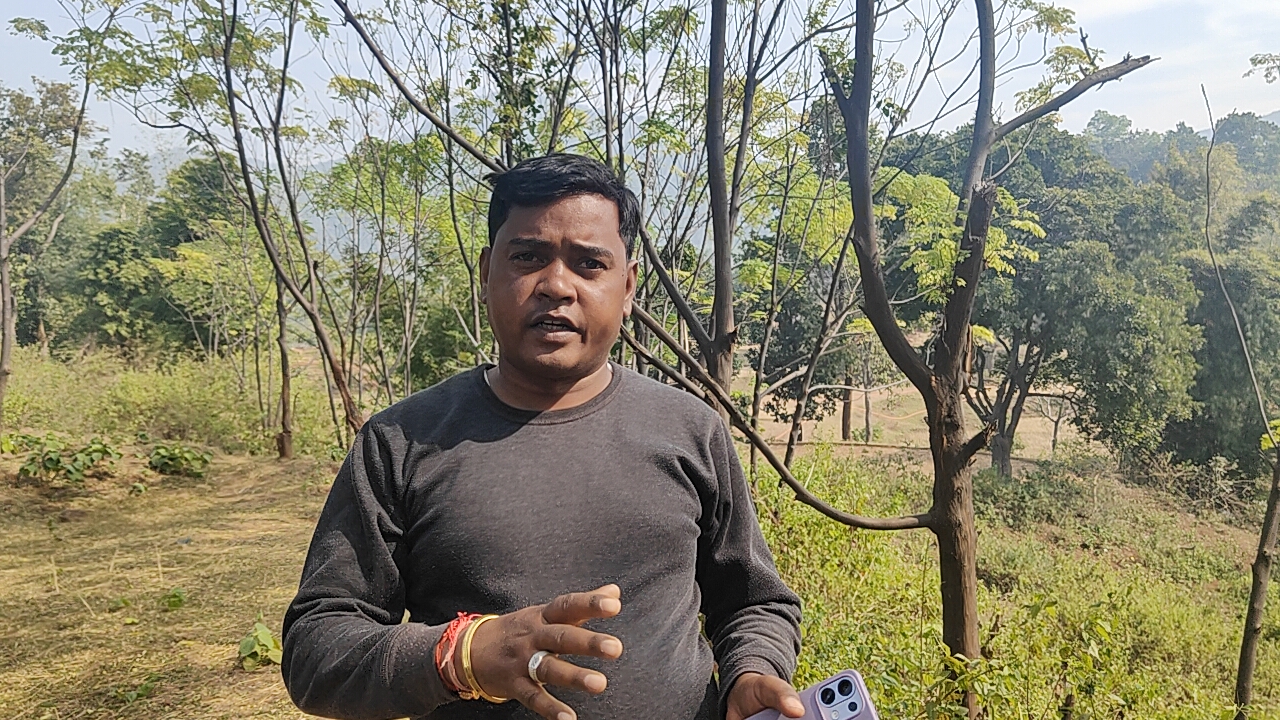
By the early 1990s, much of the 400-acre forest was already degraded. Wood became scarce, streams dried up, and even drinking water became harder to find each year. By 1992, the community was exhausted, and ready for change.
From destruction to protection
Already having felt the impacts of the collapse of the forests on their livelihoods, the villagers began to fear for the future generations. Gopal Ram Bedia, now 42 and the village gram pradhan of Ara, recalls, “For quite some time we were thinking and brainstorming on steps to bring change”. Realising that tree-felling was at the center of the degradation, Gopal adds, “We gathered in the Gram Sabha one day and made a decision to stop felling trees.”
That was the first step towards protecting the forest. In Keram, two hand-painted signboards now declare: Cutting of trees is prohibited.
Moving beyond prohibition to awareness. As consensus grew, a formal Van Suraksha Samiti (Forest Protection Committee) was formed under the Joint Forest Management (JFM) scheme of the government, initially with 35–60 active members.
JFM is a state-sponsored participatory forest governance framework under which legally constituted village institutions, such as Panchayats, collaborate with the Forest Department in the protection, regeneration, and management of forest resources. The scheme has been criticised often because the communities have limited decision making power while the Forest Department remains the de facto authority. However, Ara and Keram have leveraged this scheme to show that strong community participation can override the limitations of a government scheme, enabling effective forest conservation despite structural constraints.
Over time, the forest protection committee expanded into a broader community body with around 120 members from both villages, with elected roles such as president and secretary.
By 2000, forest management had become more systematic. Internal rules were enforced, including fines of ₹10–15 for cutting trees. Weekly meetings reviewed incidents of illegal felling, forest fires, or outsiders entering the forest. Rotating teams of 10–15 people guarded the forest each week.
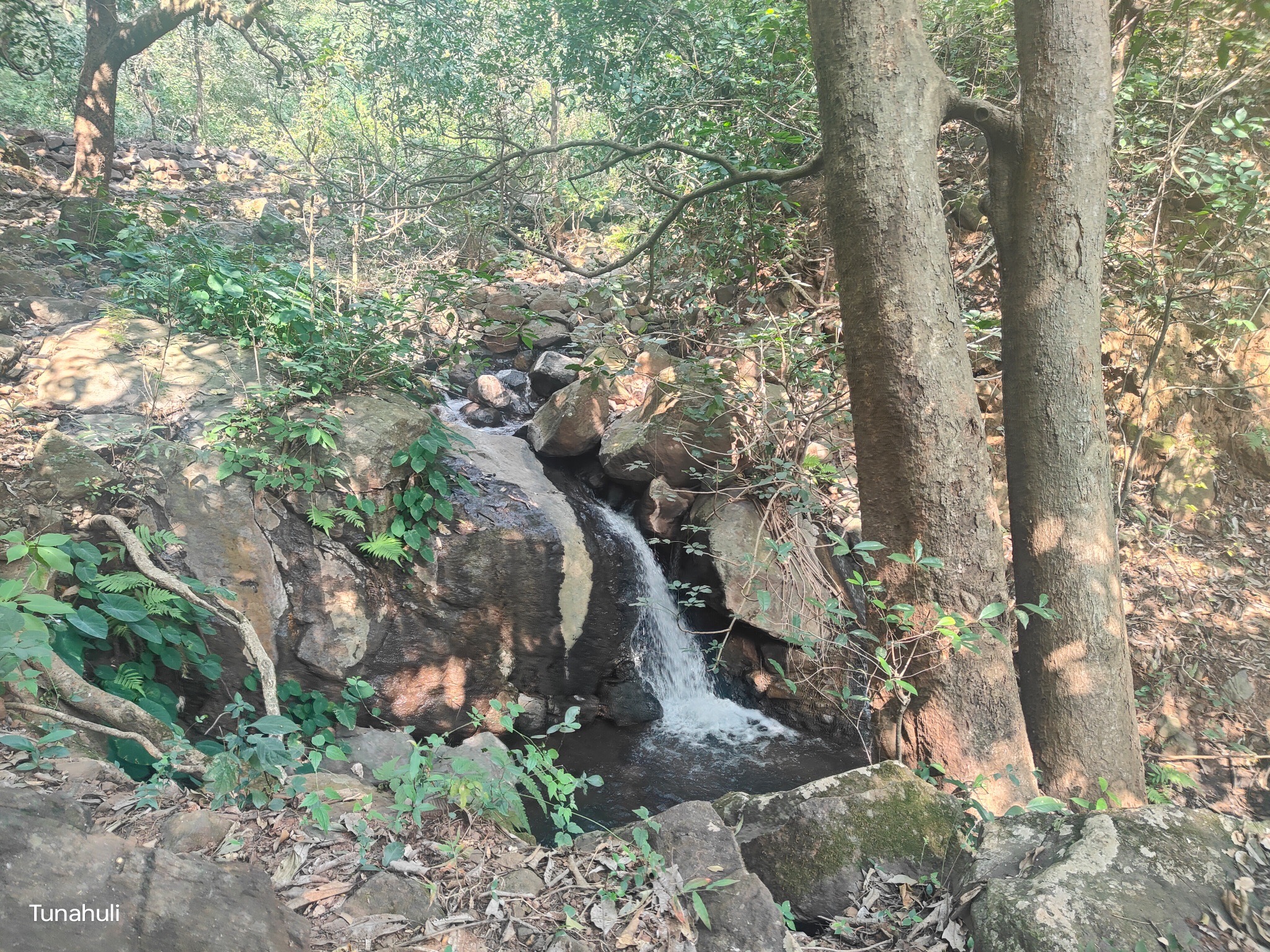
As protection intensified, the forest began to regenerate. Streams revived, the most visible marker of the revival being the Damba waterfall which slowly returned to life.
Addressing the root causes
Going beyond protection, the community decided to adopt a longer-term solution and address the root cause of illegal felling: hunger, desperation and livelihood.
The two villages created a grain bank as a safety net. They collected small quantities of paddy, lentils, and maize from every household. Families facing illness or food shortages could draw from this reserve.
Medical expenses were another driver of tree felling, so households began contributing ₹50 a month to a common fund for medical emergencies. In just a year, this support system had stabilised livelihoods enough to make forest protection viable.
They also decided to take on a different drain on resources: alcoholism. In 2016, a government official pointed out that 100 households were collectively spending nearly ₹18 lakh a year on tobacco and mahua liquor. This money could have funded schools and healthcare.
Seema Devi, 27, from Ara, says women of the two villages were the first to comprehend that banning alcohol was crucial for them to make progress. “We realised that it was needed, firstly, for reducing poverty which was a big cause of tree-felling. Also the work of regeneration of forests was highly committed work and a population steeped in addictions would not be able to commit seriously to this kind of undertaking.”
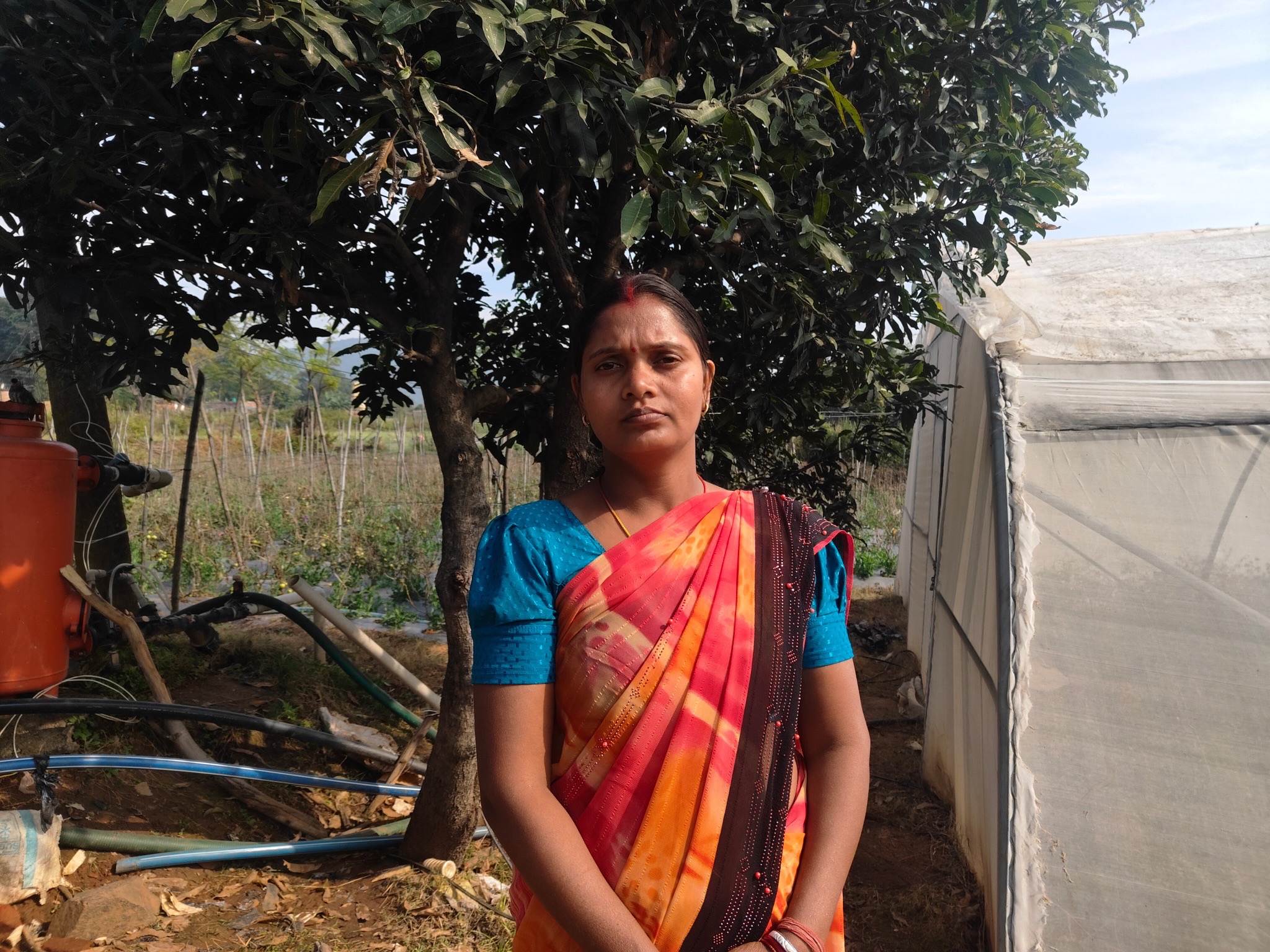
Women from both villages stepped up enthusiastically to enforce an alcohol ban. They organised awareness walks to stop the brewing of alcohol, especially amidst women who were traditionally the brewers.
Utensils used for brewing were collected and sold. The village became alcohol-free through a Gram Sabha resolution. This was the first time women were active in collective decision-making, and from then on their participation in forest management also grew.
Harnessing rainwater runoff
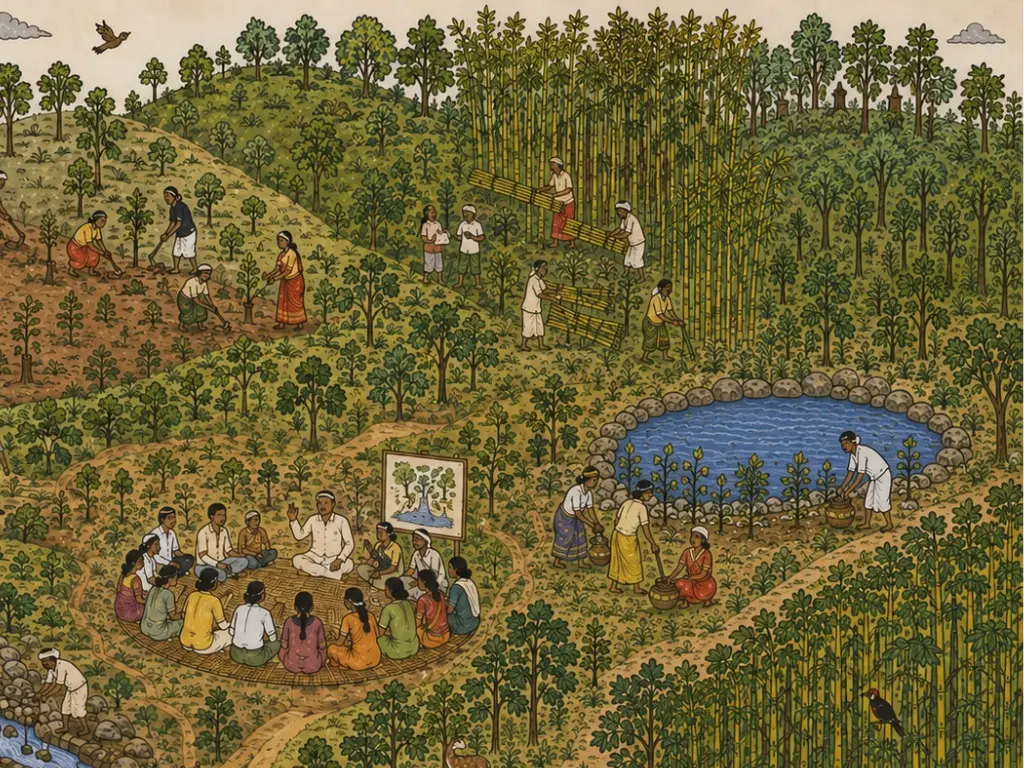
Water conservation work began with the use of Mahatma Gandhi National Rural Employment Guarantee Act (MGNREGA), a law that guarantees 100 days of paid manual work each year to rural households, providing livelihood security and creating rural public assets. Under this scheme villagers constructed around 70 water-storage ponds to harvest rainwater for agriculture. These were located variously in the forest or or private land, based on what was needed.
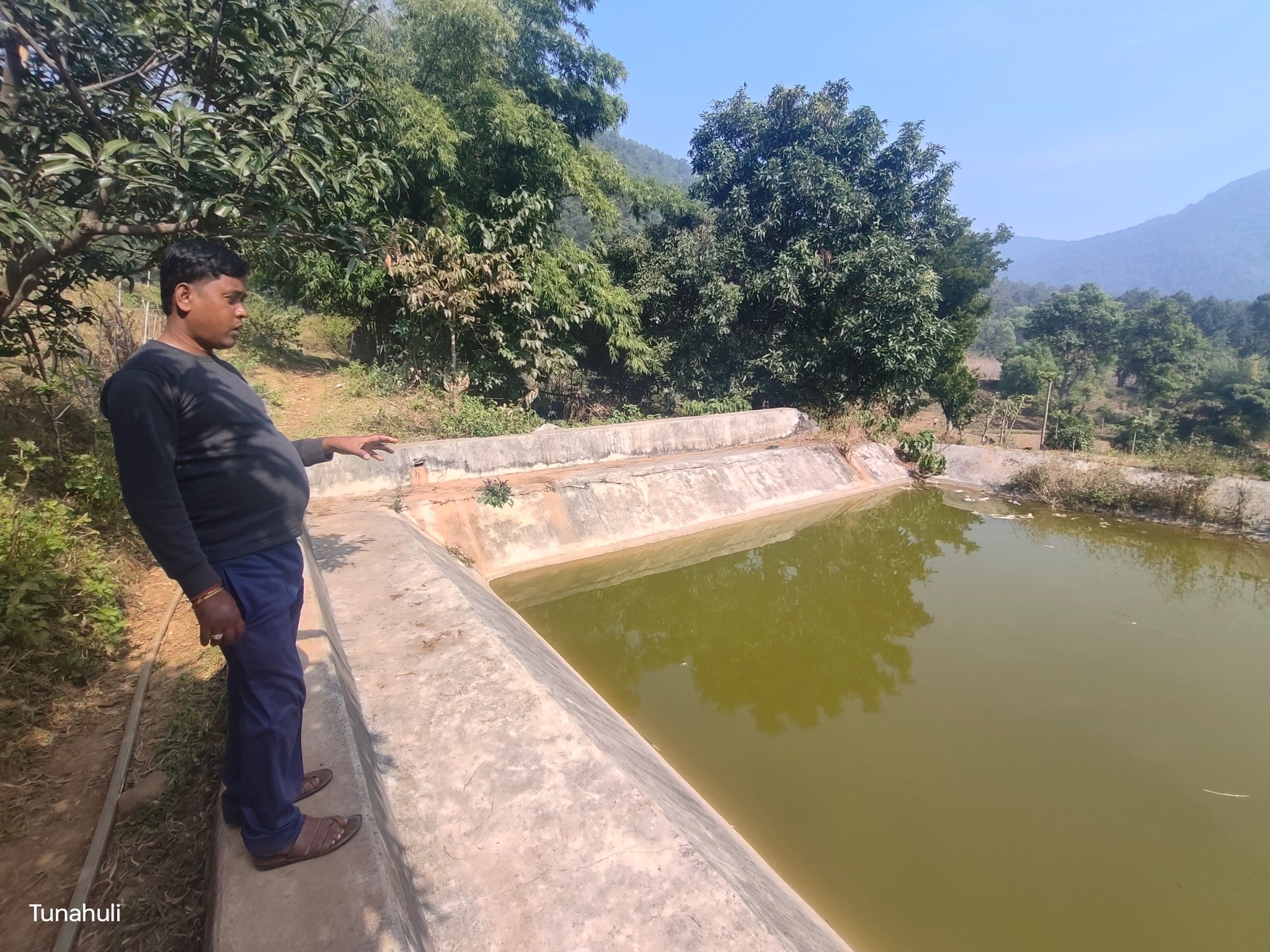
Between 2017 and 2018, they dug Trench Control Boxes (TCBs) across 300 acres of hilltop land. TCBs are rectangular trenches dug along hill slopes to slow rainwater runoff, reduce soil erosion, and allow water to percolate into the ground. Each TCB is 12 feet long, 3 feet deep, and 3 feet wide, laid in semicircular formations to capture runoff. Each holds about 3,000 litres of water, preventing erosion and retaining rainfall. Adding to these, bunds were built on lower slopes to support agriculture.
In 2018–19, villagers completed 700 check dams across forest streams in just 70 days. These structures ensured water remained stored in the hills, reviving wells and improving water availability across both villages.
From survival to thriving
Gopal Ram Bedia, once dependent on selling firewood, now farms full-time. He grows rice, watermelon, cauliflower, cabbage, tomatoes, peas, cucumber, bottle gourd, and onion, earning nearly ₹8 lakh annually. “Earlier, even my meagre earnings from selling wood were spent in alcohol because of stress,” he says. “Change came because the Gram Sabha took centre stage. When the Gram Sabha is strong, communities become stronger.”
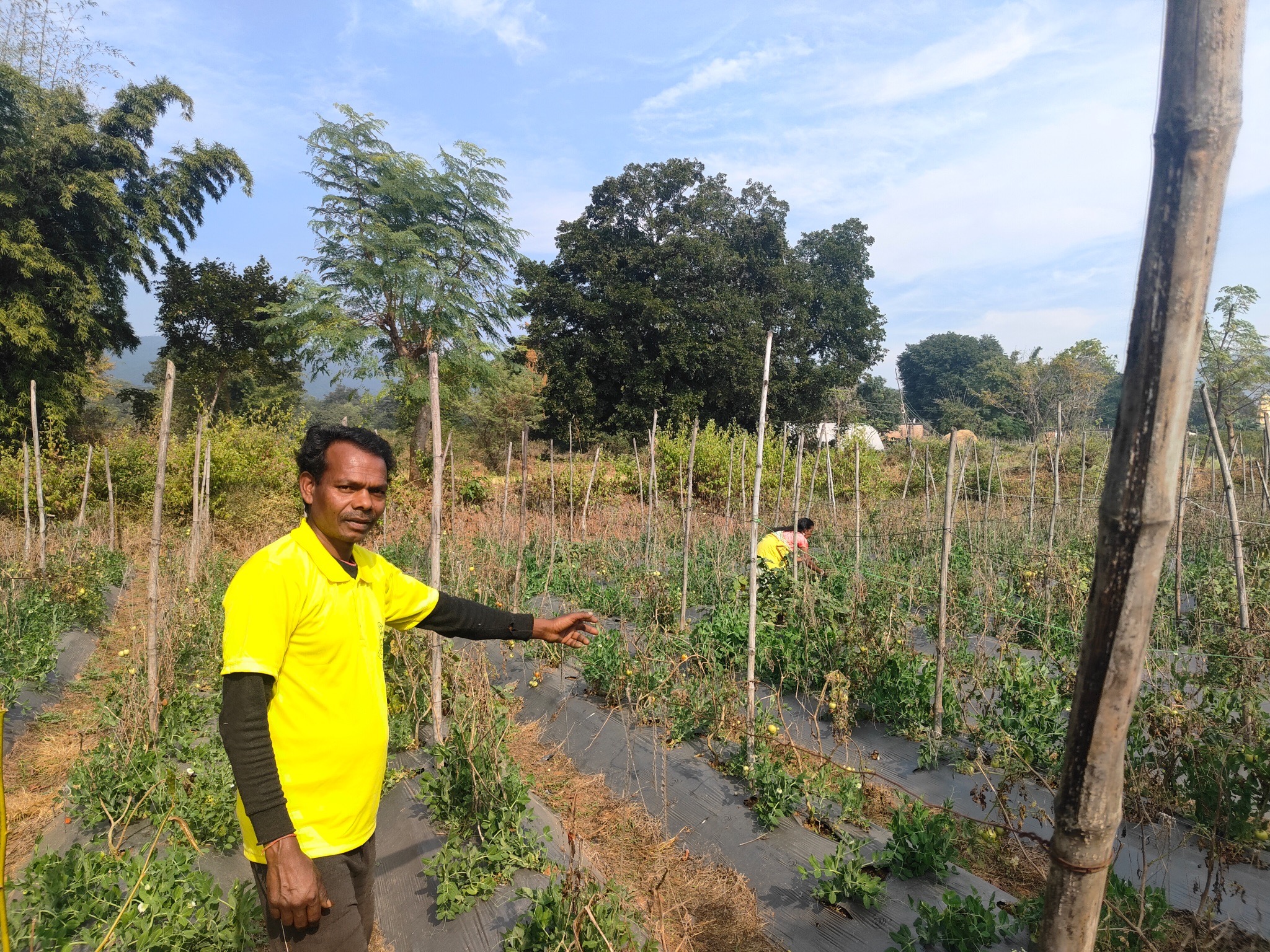
The change is visible all around. Drip irrigation and high-yield seeds, such as grafted tomatoes from Chhattisgarh with eight-month crop cycles, were introduced.
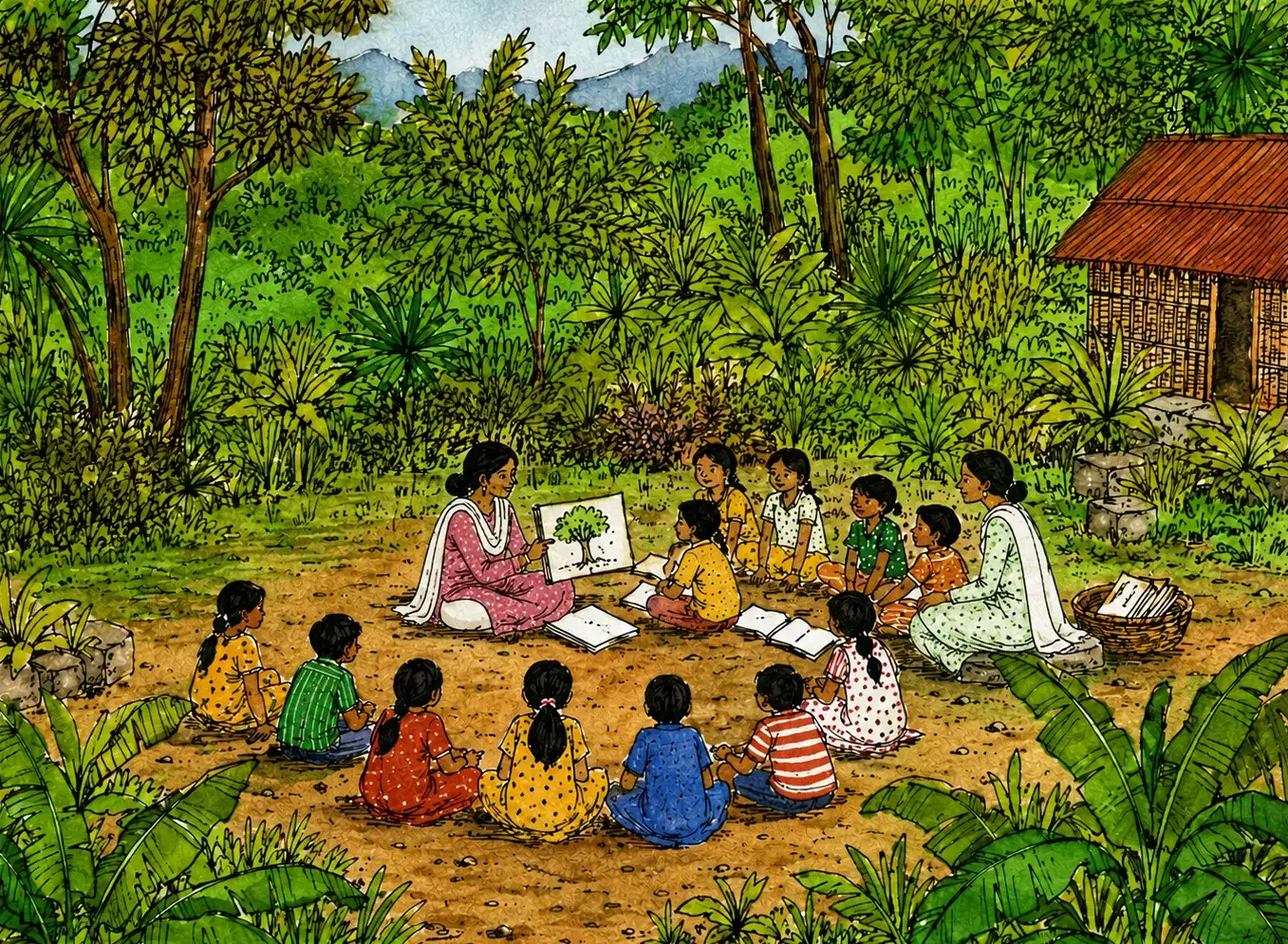
The impact is visible beyond livelihoods. School enrolment rose from 37 children to 250, requiring six additional teachers. Savings from the alcohol ban, along with awards, including ₹1.5 lakh from the Jharkhand government and ₹5 lakh from the Sant Ishwar Foundation, a Delhi-based non-profit organization focused on social upliftment, funded a hostel for 40 children, two community halls, and school upgrades.
“Earlier, vegetables were impossible to grow because of water shortage,” says Ramesh. “People migrated for work. Now, landowners provide employment to the landless within the village, because of which migration has also reduced greatly.”
.webp)




.webp)
.webp)
.avif)
.webp)


.webp)