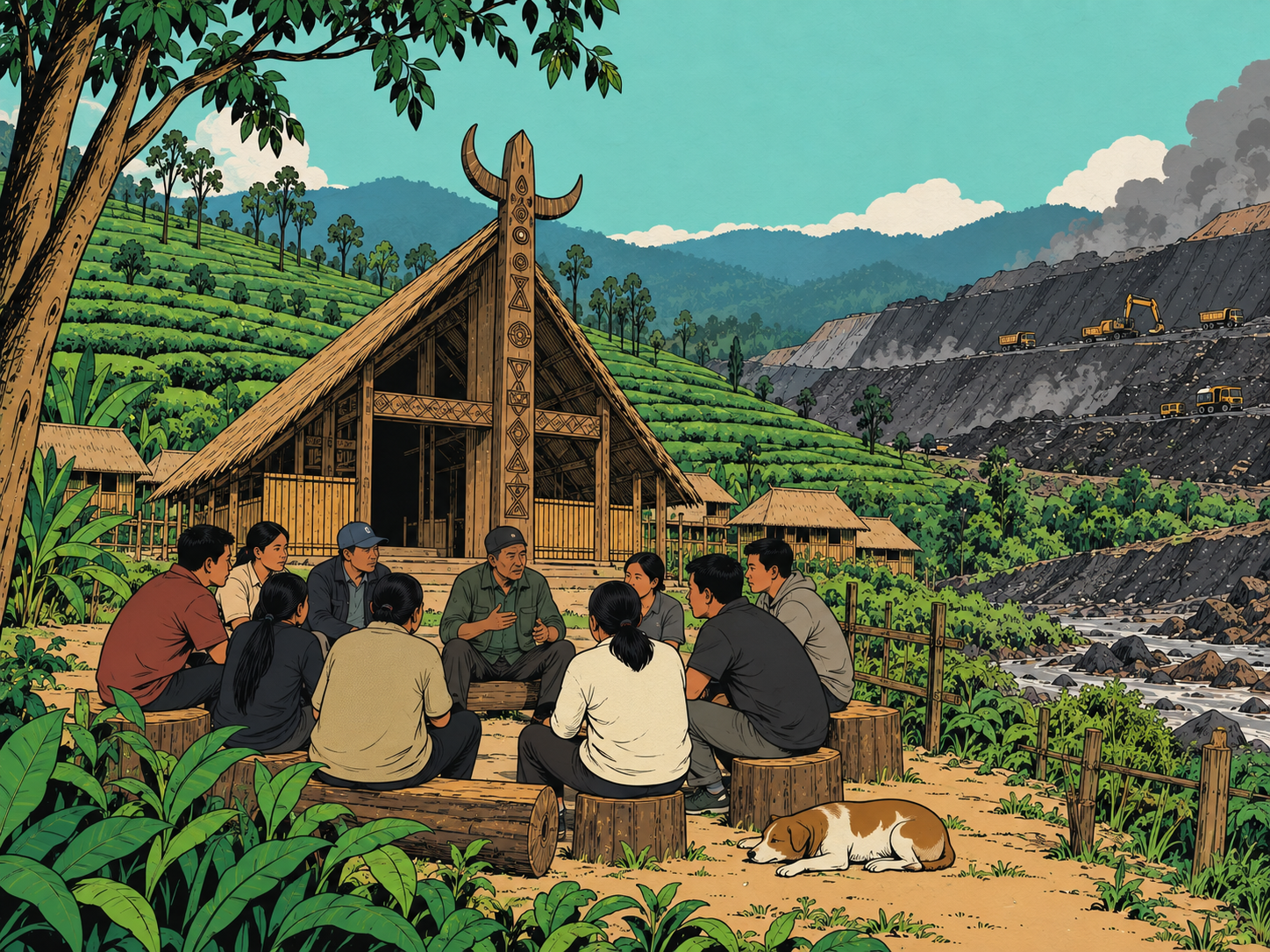
Tinsukia, Assam: The proud beating heart of a Naga village is its morung, a communal structure designed in a tribal motif for the village youth. It is here that the customs, rituals and practices of Naga clans are passed down between generations.
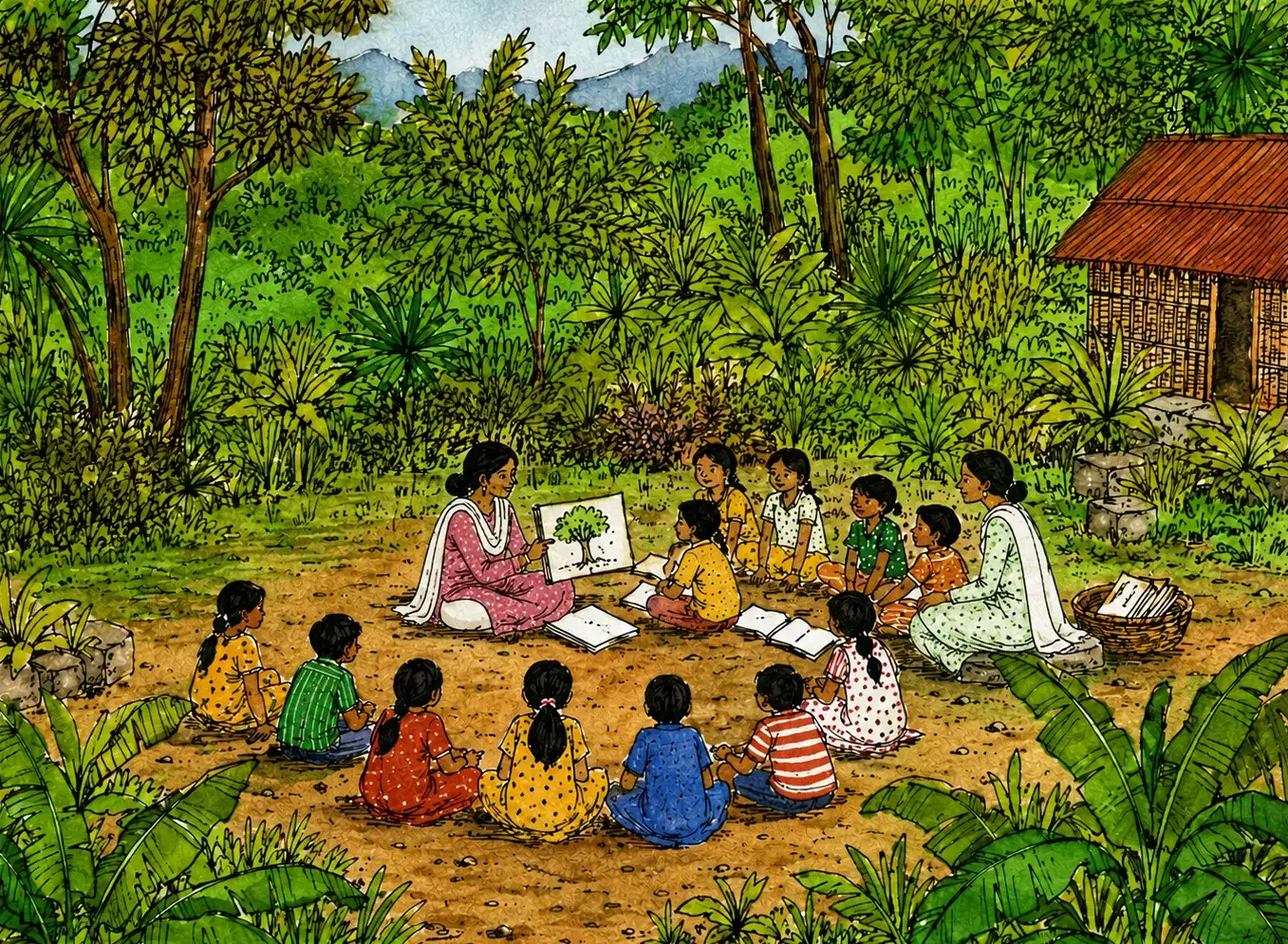
On a misty day in early winter, 41-year-old Kasheto Sema and other elders bring children from the morung to the forests that flank their village, Longtong, on the Assam-Arunachal Pradesh border.
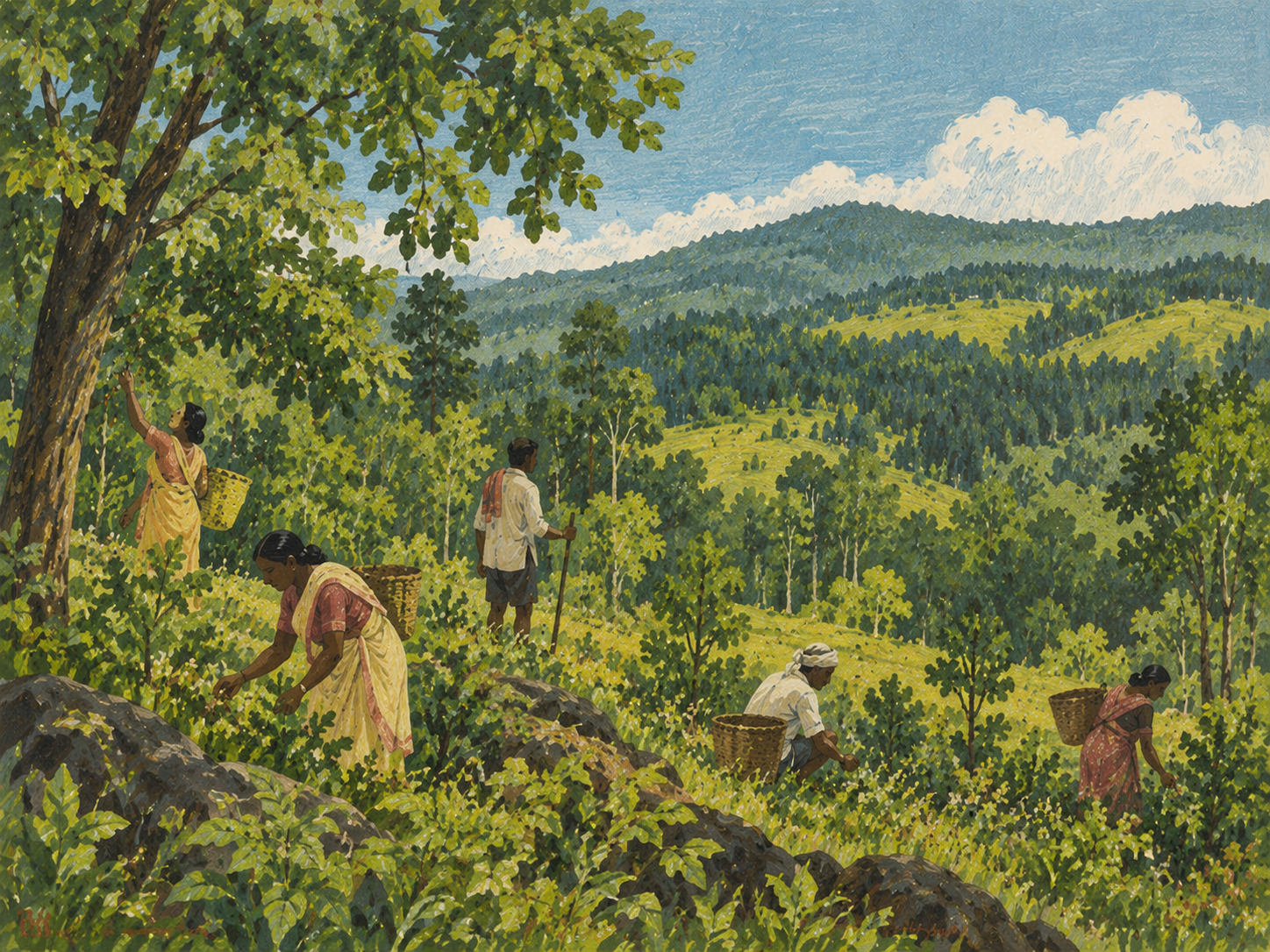
Children are shown the herbs, roots, creeks and springs found in these forests. “We depend on the forests. Wild banana blossoms, areca nuts, betel leaves, bamboo shoots, bamboo tea and herbs are important for our livelihoods,” Kasheto said.
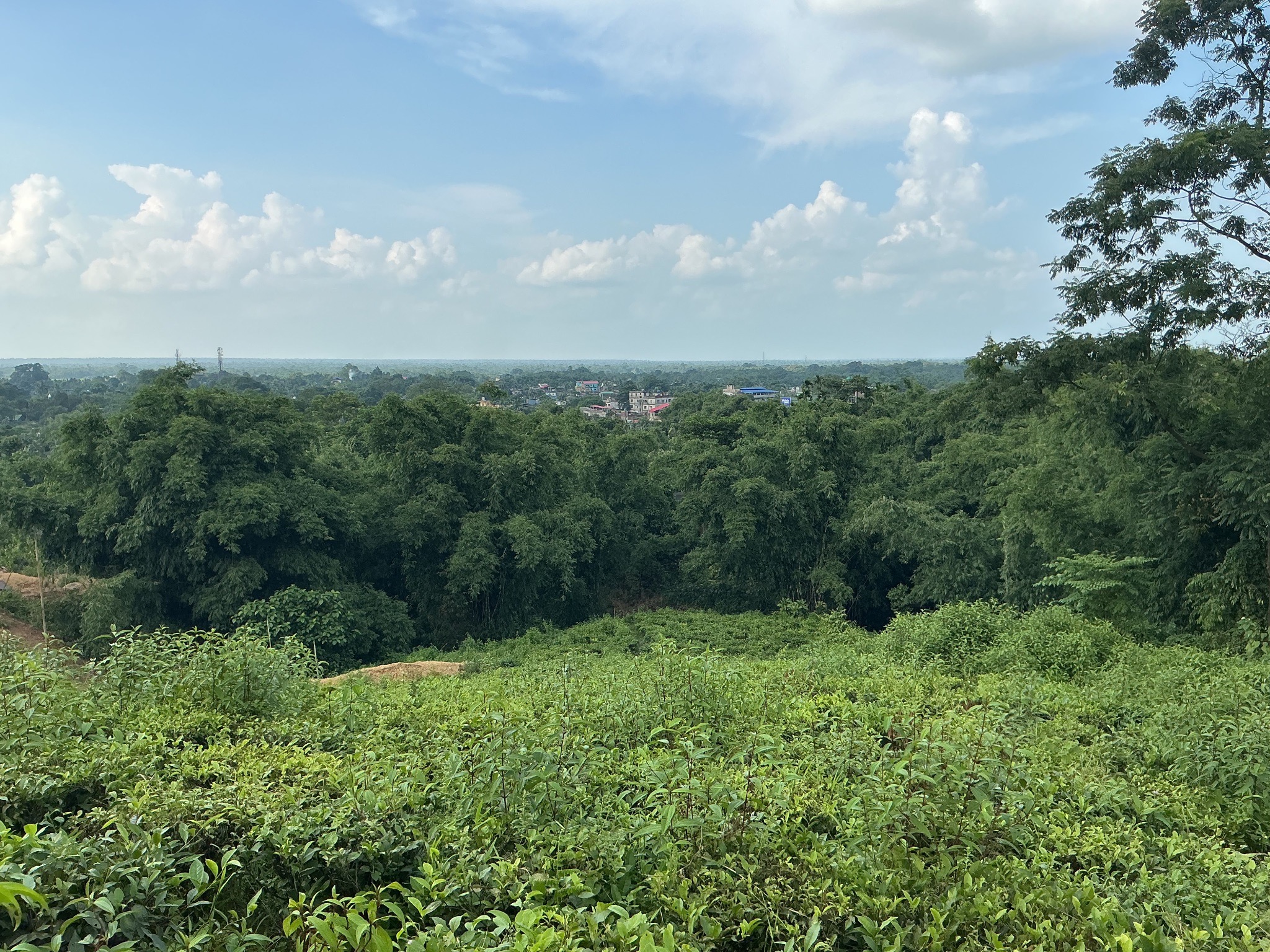
Importantly, the lessons repeatedly emphasise the collective responsibility of protecting these forests.
For more than 1,000 families, these hills and slopes are their homes and livelihoods. For North Eastern Coalfields (NEC), a public sector mining company that operates the nearby Tikak Extension Opencast project, and illegal coal miners who have proliferated here, the region is a designated spot where millions of tonnes of coal waste can be dumped.
Protecting commons against coal
The community - primarily Tangsa and Sema Nagas - could do little to halt the setting up of coal mines. But with the ever-expanding dumpsites threatening their village lands and livelihoods, they have banded together to protect the remaining patches of forests and commons.
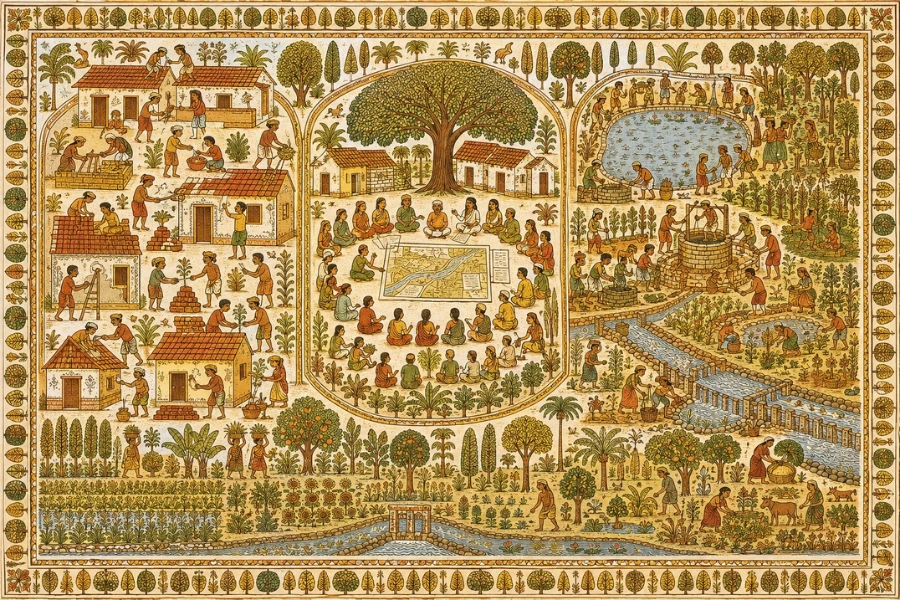
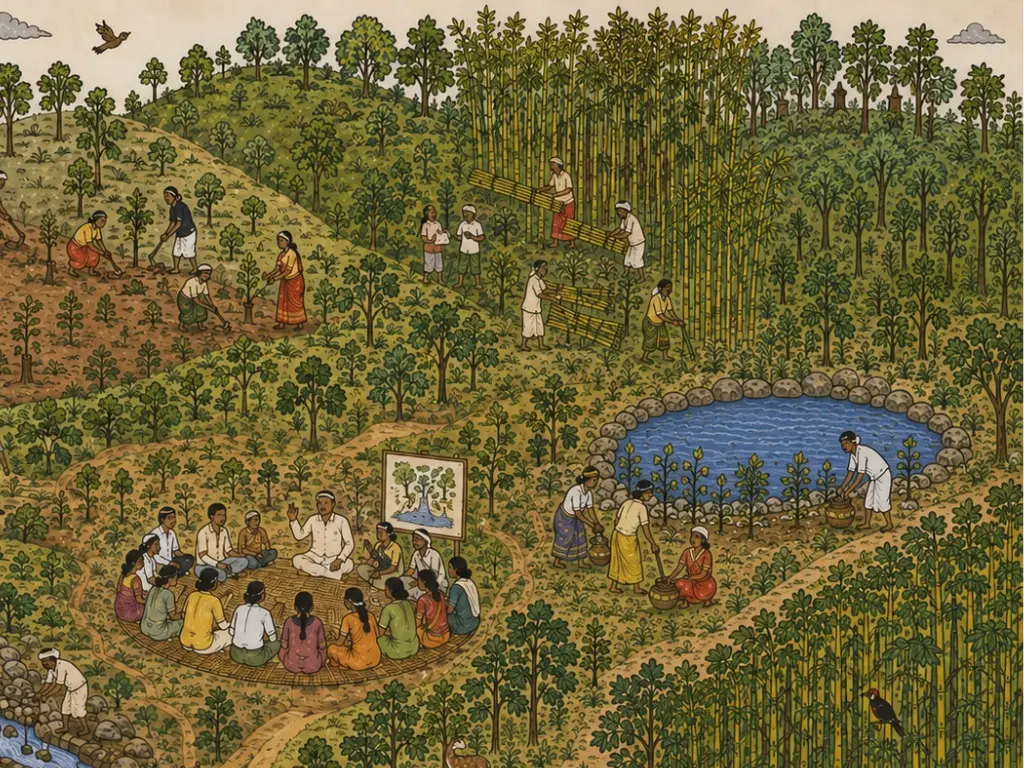
Residents of Malu Gaon, Saliki, China Basti and Jharna Basti have mapped the commons and demanded recognition of their collective rights over their land. They have revived and adapted traditional forms of cultivation, organised ecorestoration of degraded slopes and jointly patrol creeks and rivers for signs of illegal coal dumping.
Commons—shared lands such as forests, pastures, water bodies and mangroves— cover 205 million acres or one fourth of India and form the lifeline for over 350 million people, including marginalised groups like Scheduled Castes, Scheduled Tribes and women.
Communities across India have traditionally protected, restored and managed these commons through customary self-governance practices. These customary rights and practices, however, haven’t been formally recognised in many parts of the country.
The protection of commons has continued despite contesting demands over resources, lack of formal aid or policy recognition, environmental degradation and climate vulnerabilities. Ledo-Margherita’s struggle and resilience is a reminder of this.
Forest commons and Jhum lands
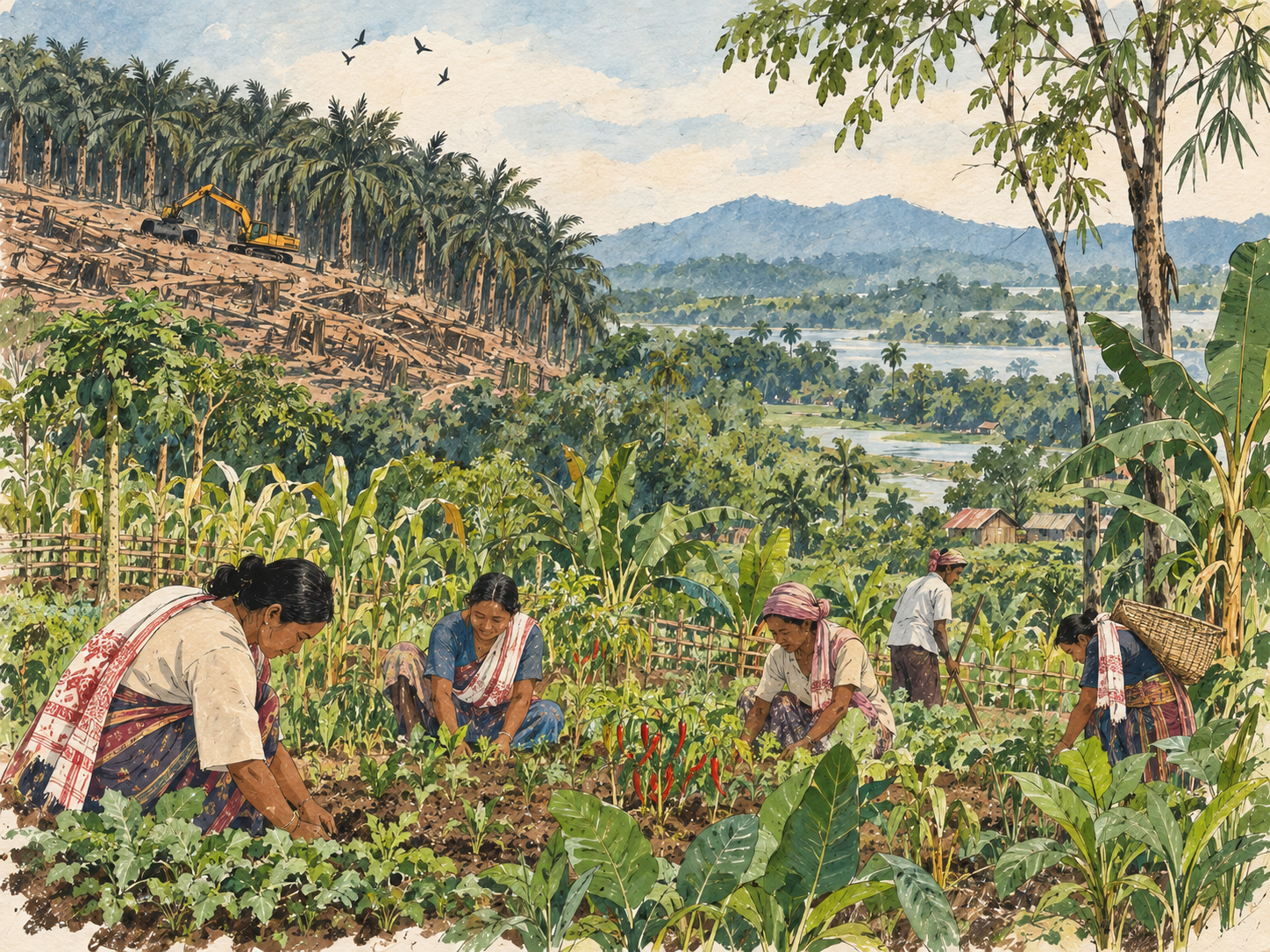
The contrast of the landscape is stark when viewed from the low hills that surround the coal mining town of Ledo-Margherita. The Patkai hill is a patchwork of community forests and agricultural lands clinging on steep slopes. Interspersed are large patches of excavated coal, gleaming black against the carpet of verdant green.
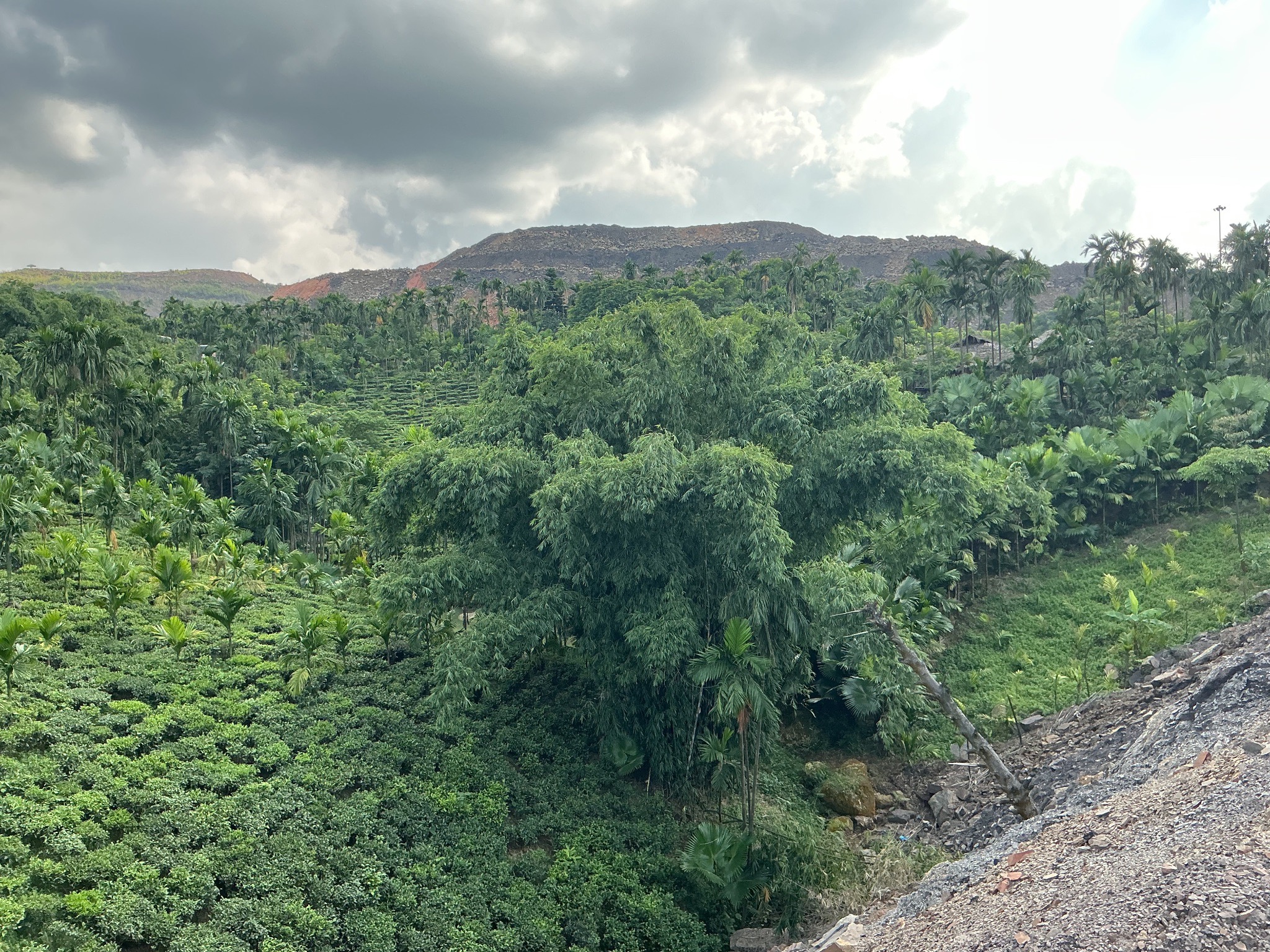
Debojit Moran, a nature guide and an environmental activist, often takes groups of tourists and locals to the stream just beside an old coal dump here. Even in such a disturbed habitat, nature thrives, he said. “These forest patches and water streams provide shade and habitats for insects, reptiles, amphibians, birds, and small mammals. These, in turn, support pollination and improve soil health for these villages,” he explained.
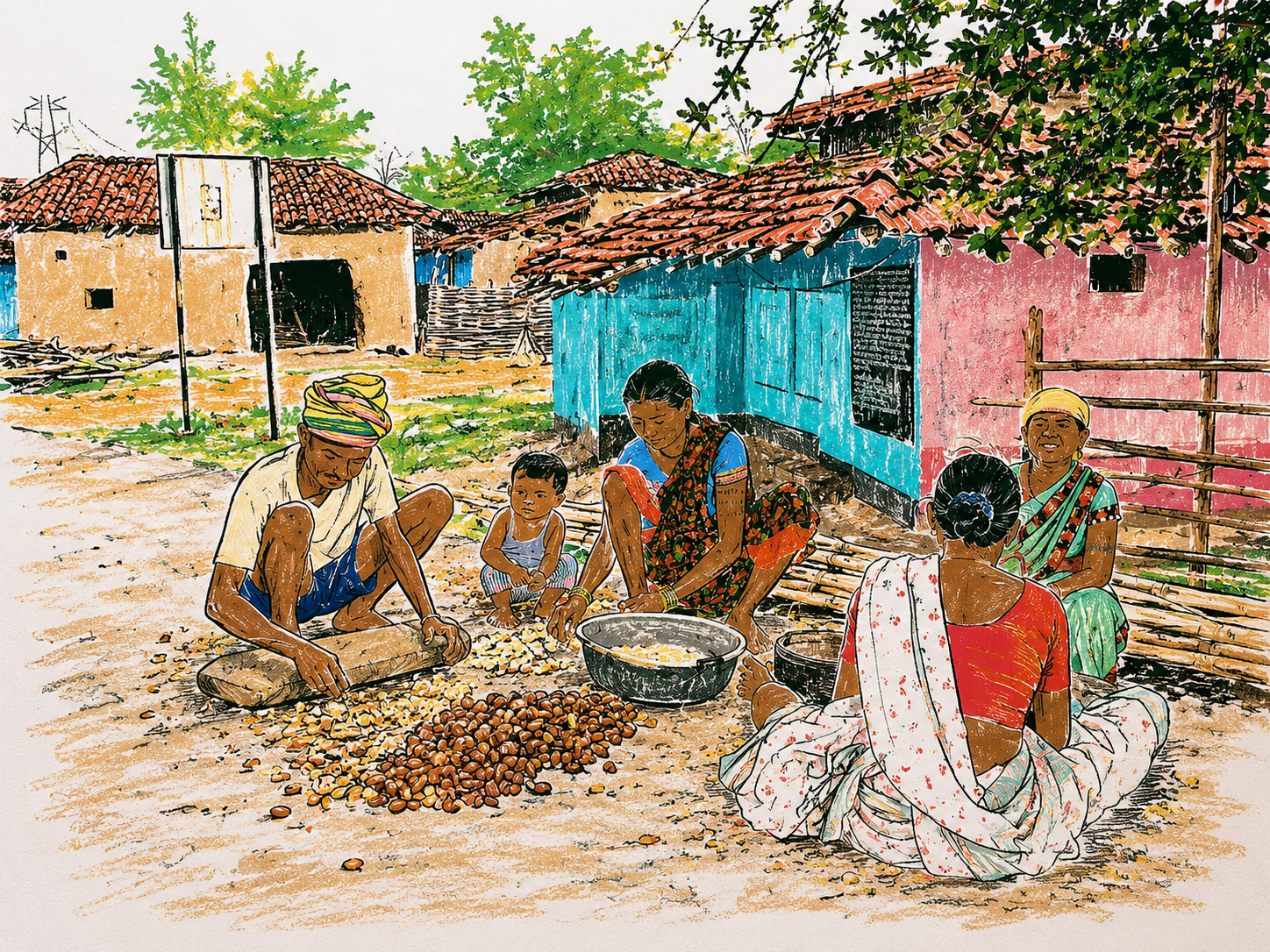
The slopes of the hills are too steep for conventional agriculture. Rainfall washes away soil and reduces its fertility after a few years. Jhum, popularly called slash-and-burn cultivation, solves this problem. One part of the forest is cut down and biomass entirely burnt. After the crops are harvested, the land is left for soil and vegetation to recover. The next year, the entire village repeats this process by clearing out another patch of the forest. Traditionally, jhum cultivations had long fallow periods which allowed the soil to fully recover.
“In these jhum lands, we can grow potatoes, gom dhan (a type of sticky rice), kosu (Taro or Colocasia), ghost peppers, and green chillies for extra income,” said 39-year-old Joshua Hakhun, a community leader from the Tangsa Naga community.
The combination of rainforests and jhum lands around these slopes acts like sponges: absorbing water during the monsoons and releasing it gradually in the form of streams that feed farmlands and tea plantations in the plains. “It is the forest that enriches the jhum lands that feeds us,” said Joshua.
This inter-dependence has become a a cultural and sacred bond to the Tangsa communities that live here. The New Year festival, Wihu Kuh (a post-harvest celebration involving dances, songs, and feasts to honour spirits), is celebrated by the community in January in the forests. Similarly, fraternity and their relationship to nature is celebrated in the Rangfraa festival, which honours the animist Creator-God of the Tangsa community.
Black spots on green hills
Mining here dates back to 1882, when the British extracted coal to fuel their regional railways. For a century, mining was carried out as small-scale, underground operations until, in the 1980s, North Eastern Coalfields operationalised large opencast mining projects. With greater extraction came larger amounts of “overburden waste”: soil, rock, and debris that are excavated to reach coal seams.
Meanwhile, illegal mining was becoming rampant. Quickly enough, space to dump this waste was running out. By 2023, new dumpsites were being rapidly sanctioned, while illegal dumping sites sprouted across the landscape.
At Jharna Basti, sixty-year-old Jamila Khatun pointed to a blackened ridge that towers over her home. “That used to be our land where we grew tea on thirty bighas and bamboo on five. Now, it’s all buried under coal,” she said.
For generations, her family has cultivated on her private land as well as the village commons adjacent to it. In this region, it’s usual for small landholders to cultivate on common lands for a small fee as decided by the village councils.
In 2024, the commons were diverted for coal heaps. Overnight, legal and illegal dumpsites mushroomed around her house, threatening even the little patch of tea plantation left.
Such is the fear that her son spends his nights guarding their tea garden, keeping an eye out for a truck that could illegally tip over a load of waste close to their land. “They come like thieves in the dark. We can hear a sudden noise and dust envelops the area,” said Jamila.
Across the region, villagers faced mounting losses and reported threats from contractors dumping coal. Streams were polluted, coal dust wilted crops and rendered soil infertile, while landslides increased during the rainy season.
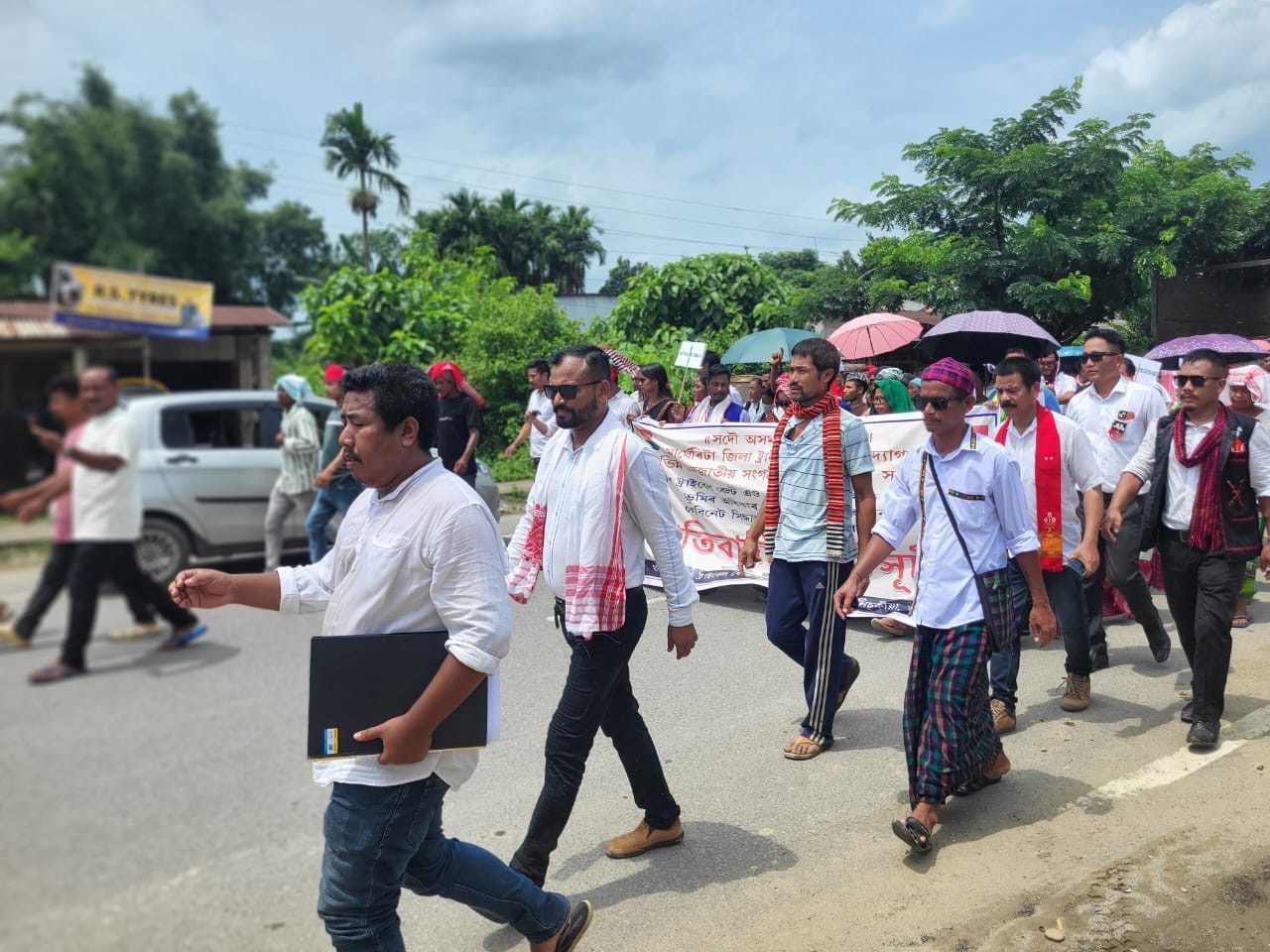
In 2023, tribal communities, along with Gorkha, Bengali Hindus, Muslims and other local communities galvanised in unison to raise slogans of protest. For nearly two years, influential organisations representing these communities held sit-ins, submitted memorandums, organised marches and monitored coal mining activities.
“If this coal waste mountain expands, our villages face inevitable displacement and ruin,” said Hotoi Sema, General Secretary of the All Assam Sema Naga Council. “All communities here have come together to push for government surveys of our common lands, and fair compensation from the coal mines,” he said.
The spark to protect their commons
This unity has spread beyond protests and confrontations with the bureaucracy. The imminent loss of commons seems to have struck an urgency to preserve them.
Groups have been working across villages to revive and adapt jhum cultivation in ways that it can overcome the sordid realities of coal mining.
As mining and coal dust claimed common lands, there were fewer lands to do jhum, and so the rotations were done faster. The reduced jhum fallow period - which is the years when the land is not cultivated and which allowed for the soil to regain its fertility - were reduced drastically. This led to short-term gain, but also led to the soil becoming infertile and eroded.
Kasheto Sema, the Naga elder from Longtong village, said villages were enforcing longer fallow periods to counter this. “We rotate crops to ensure nutrients are locked in. We cultivate rice on the slopes, with potatoes and chillies mixed in,” he says. “It’s not easy with the dust settling everywhere, but we’re teaching people how to spot erosion early, to plant bamboo barriers that hold the hillsides.”
To ensure profitability, villages were modifying the crops being planted in jhum and in small landholdings around dumpsites. “We found that rice yields were declining. So, we’re instead growing betel nut or areca nut trees along with tea plantations. These crops can handle dusty, acidic soils better and ensure some profits,” said Sema.
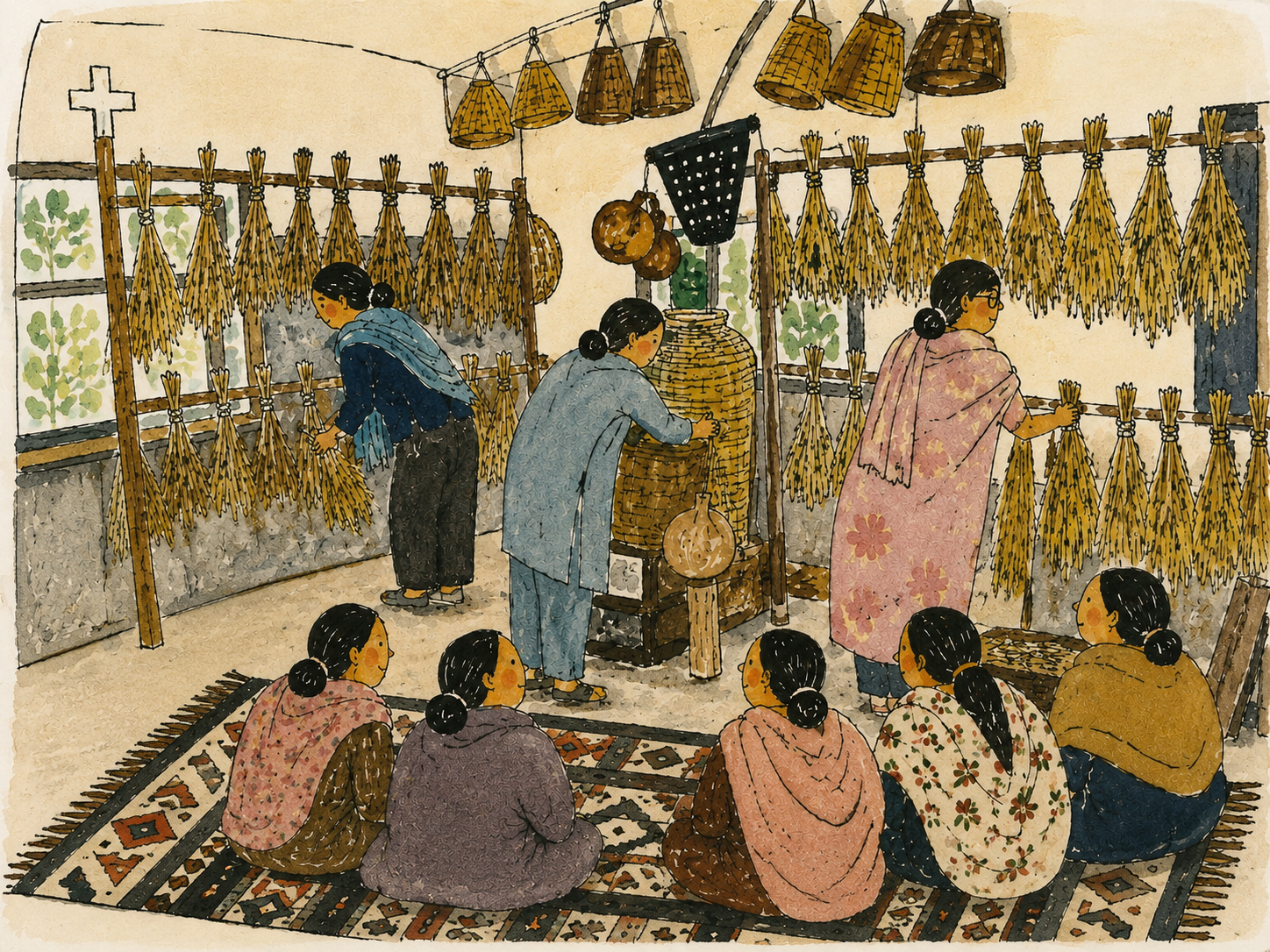
These efforts have gathered momentum across villages. In Jharna Basti, villagers pointed at newly-planted herb gardens within forest commons. These were being tended by women, and herbs were used for medicine and food: to ensure that these lands do not furtively become dumping grounds.
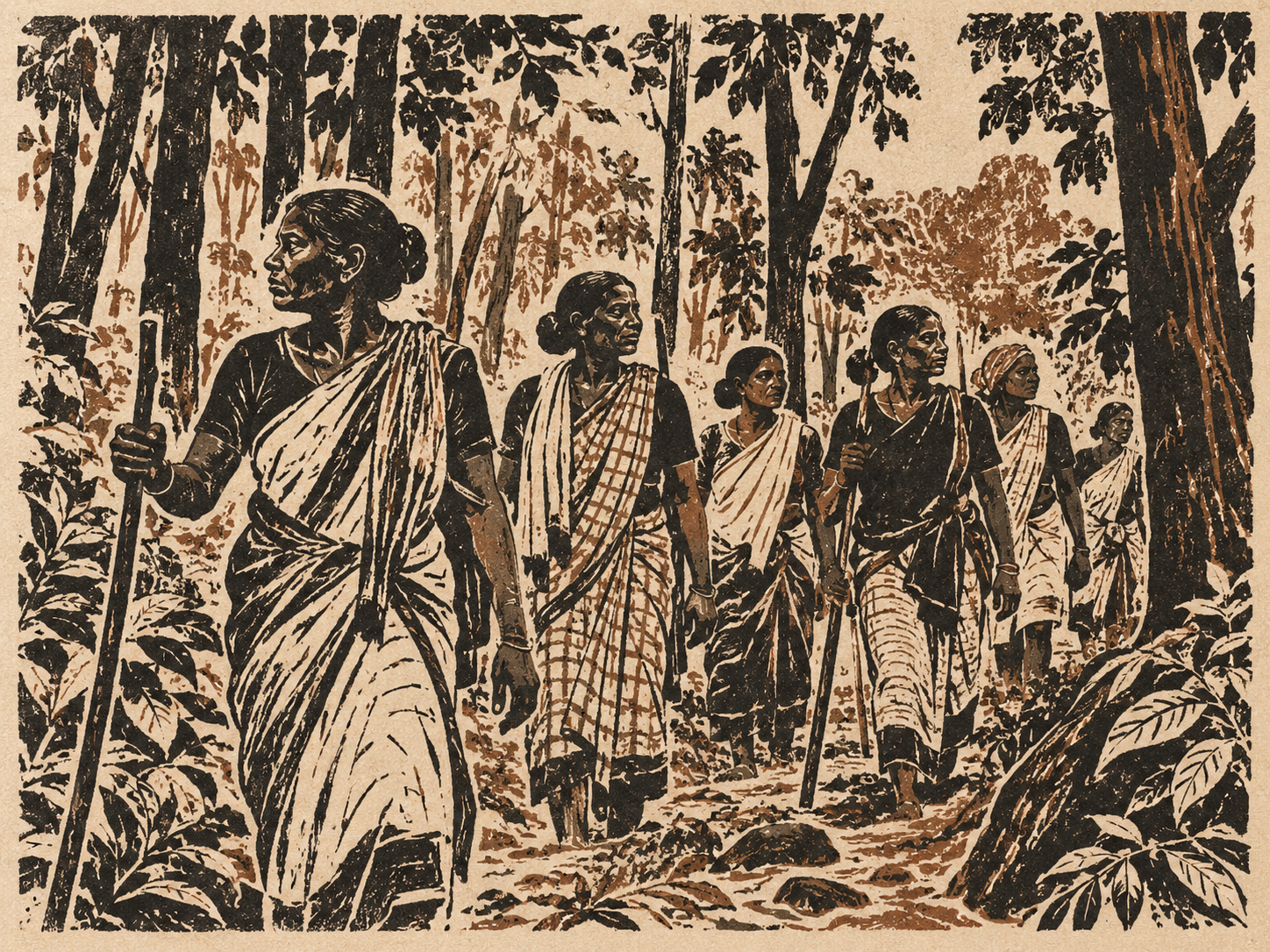
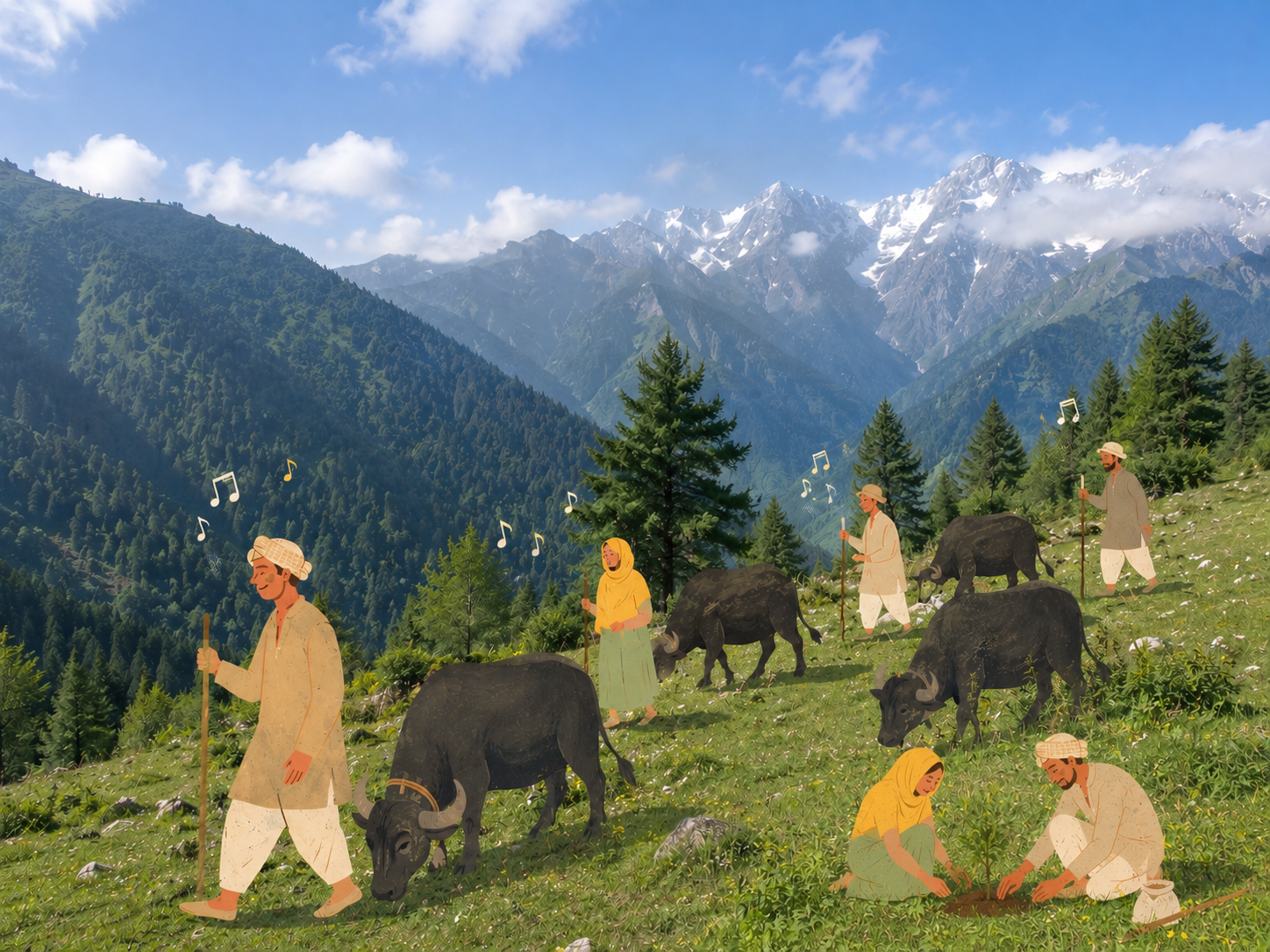
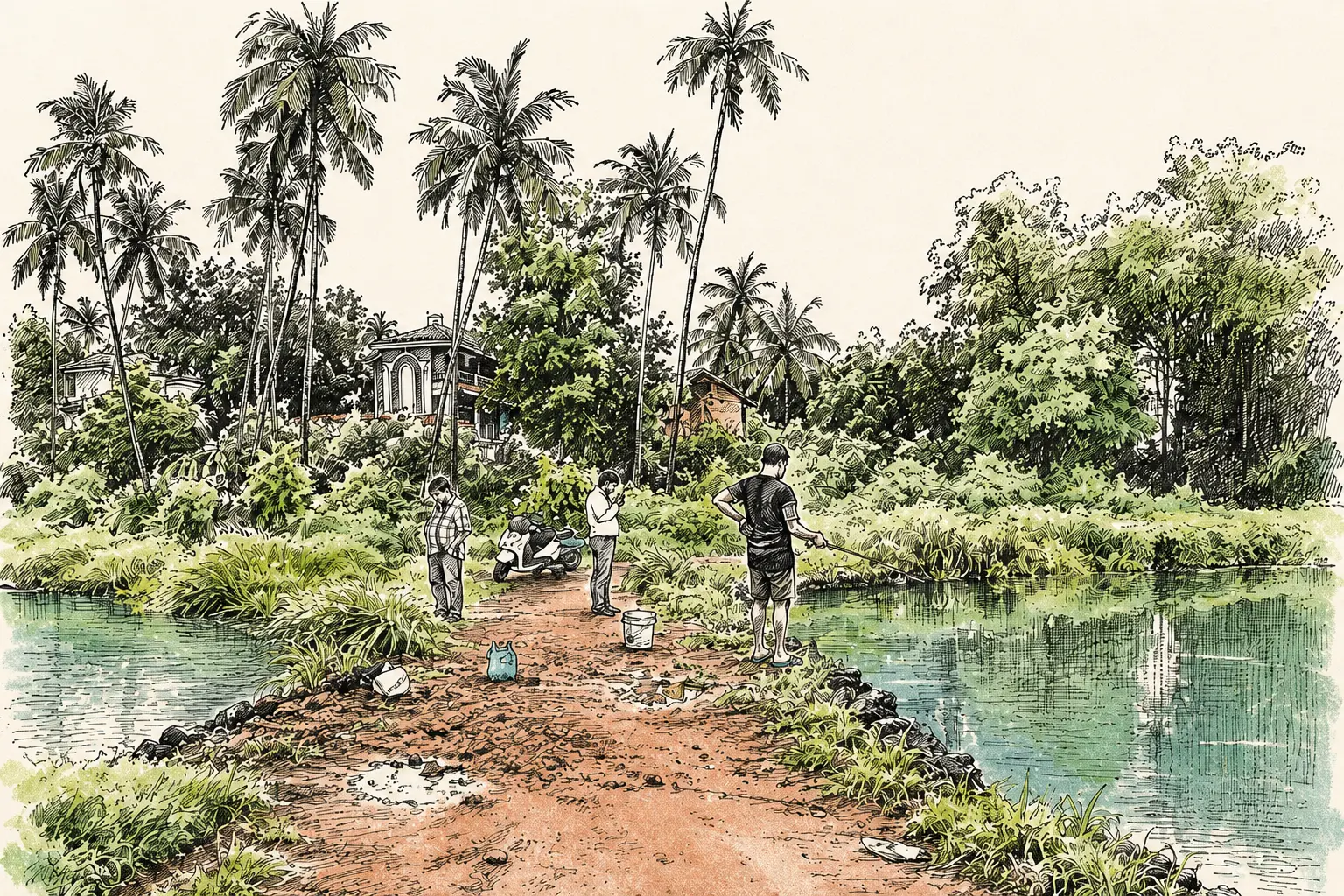
Meanwhile, village youth have formed “patrols”. Small groups walk along streams and ridges to clear any silt from coal waste run-off or spot areas where native shrubs have to be planted or slopes have to be stabilised. “We’ve seen many streams dry up due to dumping and coal mining. But, together, we’re coaxing the water back,” said Sema.
A glimmer of hope
In 2024 and 2025, the community - cutting across tribal and religious lines - gathered in large numbers in protest: sometimes, to block coal mining equipment, other times, in marches against sanctioning new coal dumps.
“Mutual cooperation was needed as we can’t fight alone,” said Tehan Hakhun, the Gaon Burha or village headman who was among the key voices rallying consensus among groups.
The local political establishment had to take notice, and so did the state and the National Human Rights Commission. Under a barrage of protests, notices and questions, NEC relented and agreed to halt all dumping between August and October 2025. “It’s just temporary. But it is a glimmer of hope,” said Hakhun.

.webp)



.webp)
.webp)
.avif)
.webp)


.webp)