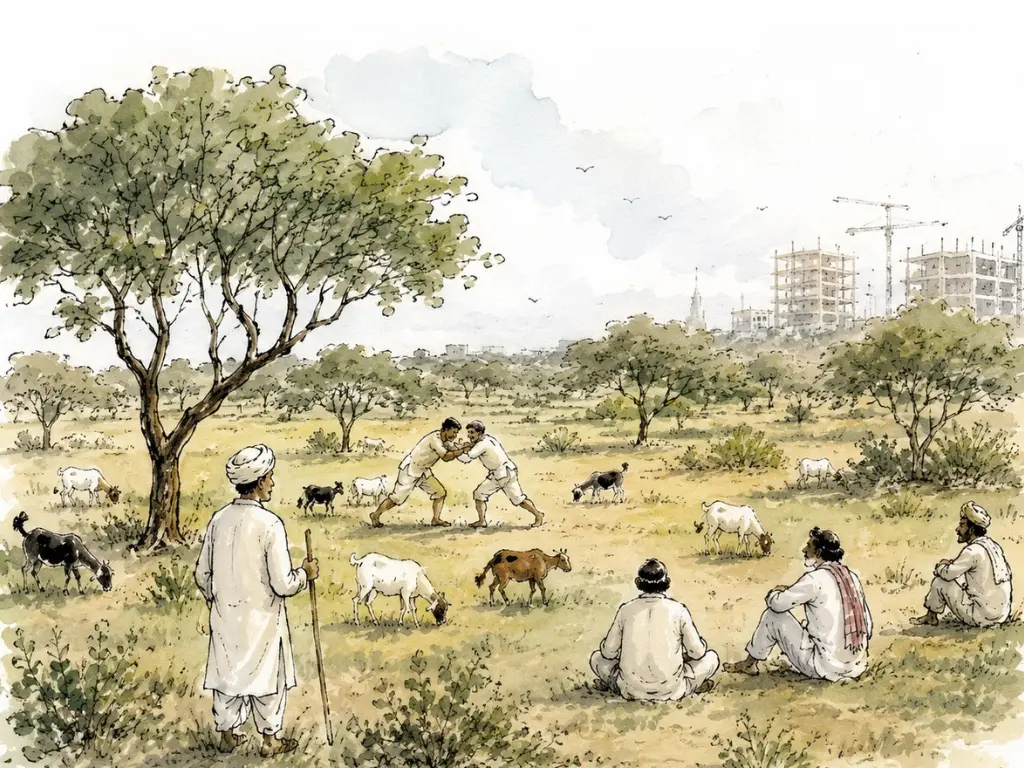
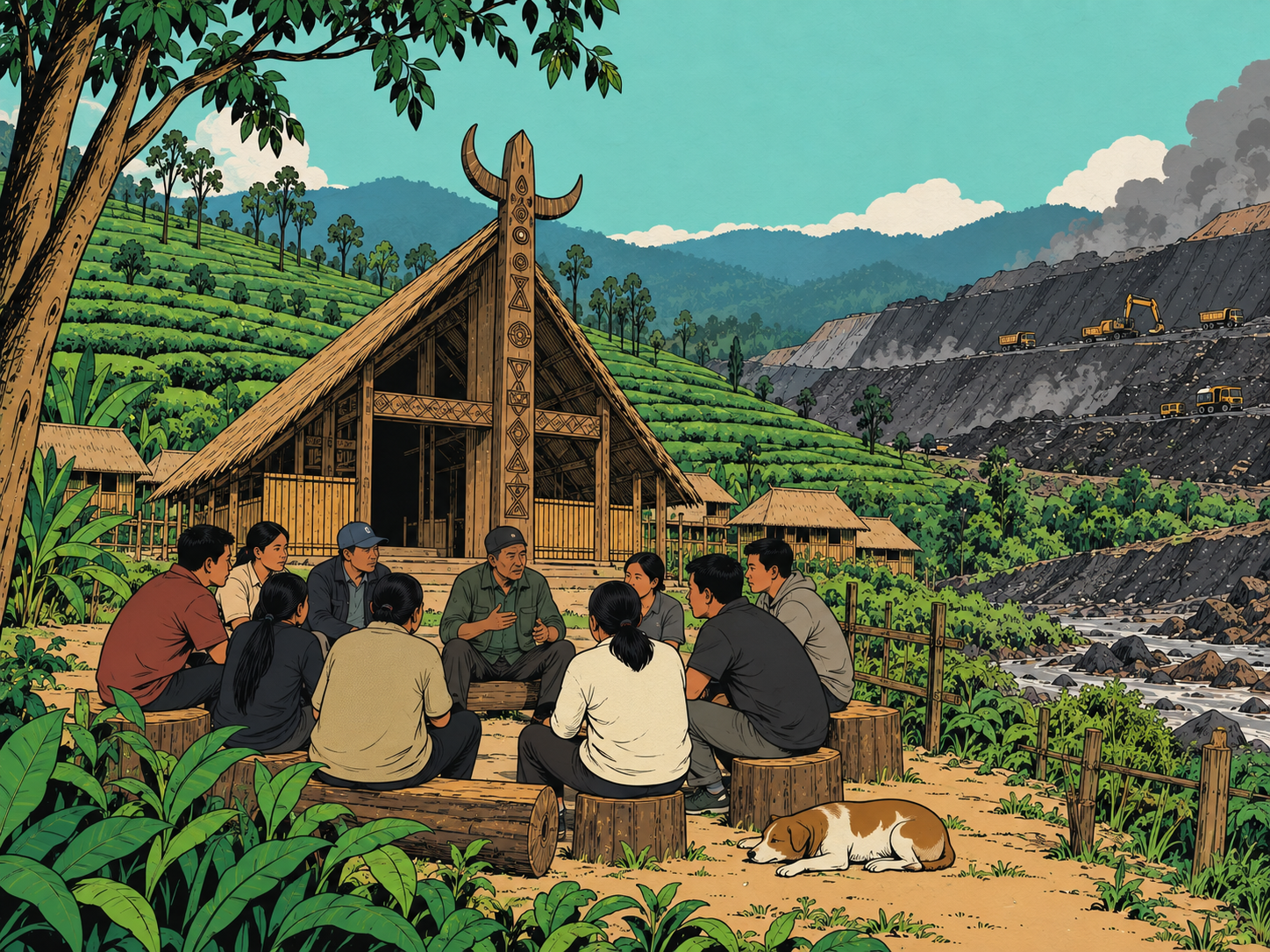
Korba, Chhattisgarh: There is a stark, almost dystopic, dissonance in Kendai village in Chhattisgarh’s Korba district. The landscape is one of lush forests and streams that surround an idyllic tribal hamlet; but underground, are two coal mines that dig up plumes of coal dust. Black powder has settled in every inch of the landscape, while a stream that cuts across fields has turned dark and polluted.
Kendai’s story, unfortunately, isn’t unique. Over 3.5 lakh people, mostly from vulnerable forest-dwelling tribal communities, are in conflict over land and resources with coal mines across the country, shows data from Land Conflict Watch (LCW), a Delhi-based research group.
However, Kendai refused to give in to its grim realities. Early on, they resolved to reclaim their landscape.
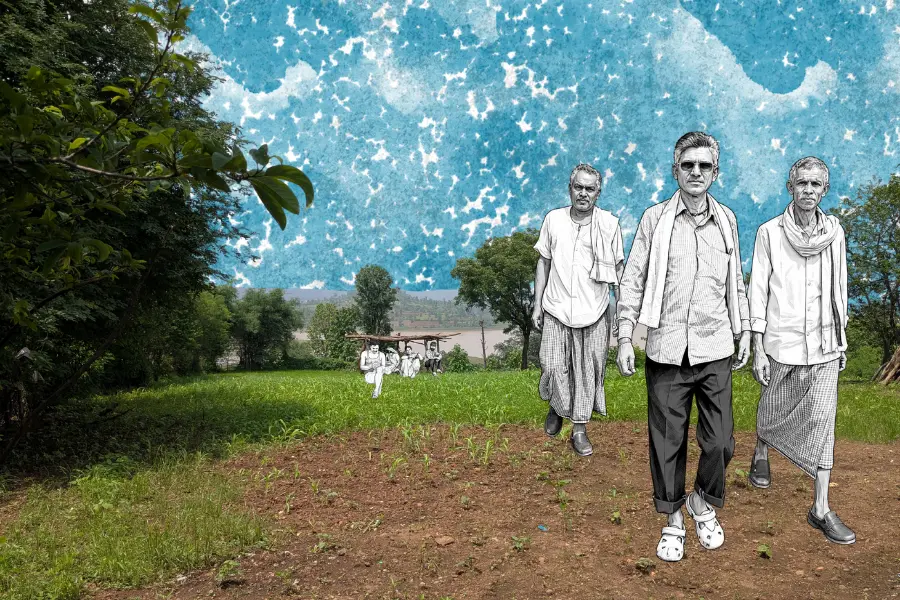
“In our community, there is a saying: Words are like arrows that have been released through a bow. Once uttered, words are not taken back,” said Babu Lal Pando, a resident of Kendai village. “Once we resolve to fight, we are not turning back.”
At the core of their struggles is water, a necessity for life and livelihood, but also sacred in the culture of the Pando community, an indigenous tribal community that lives here.
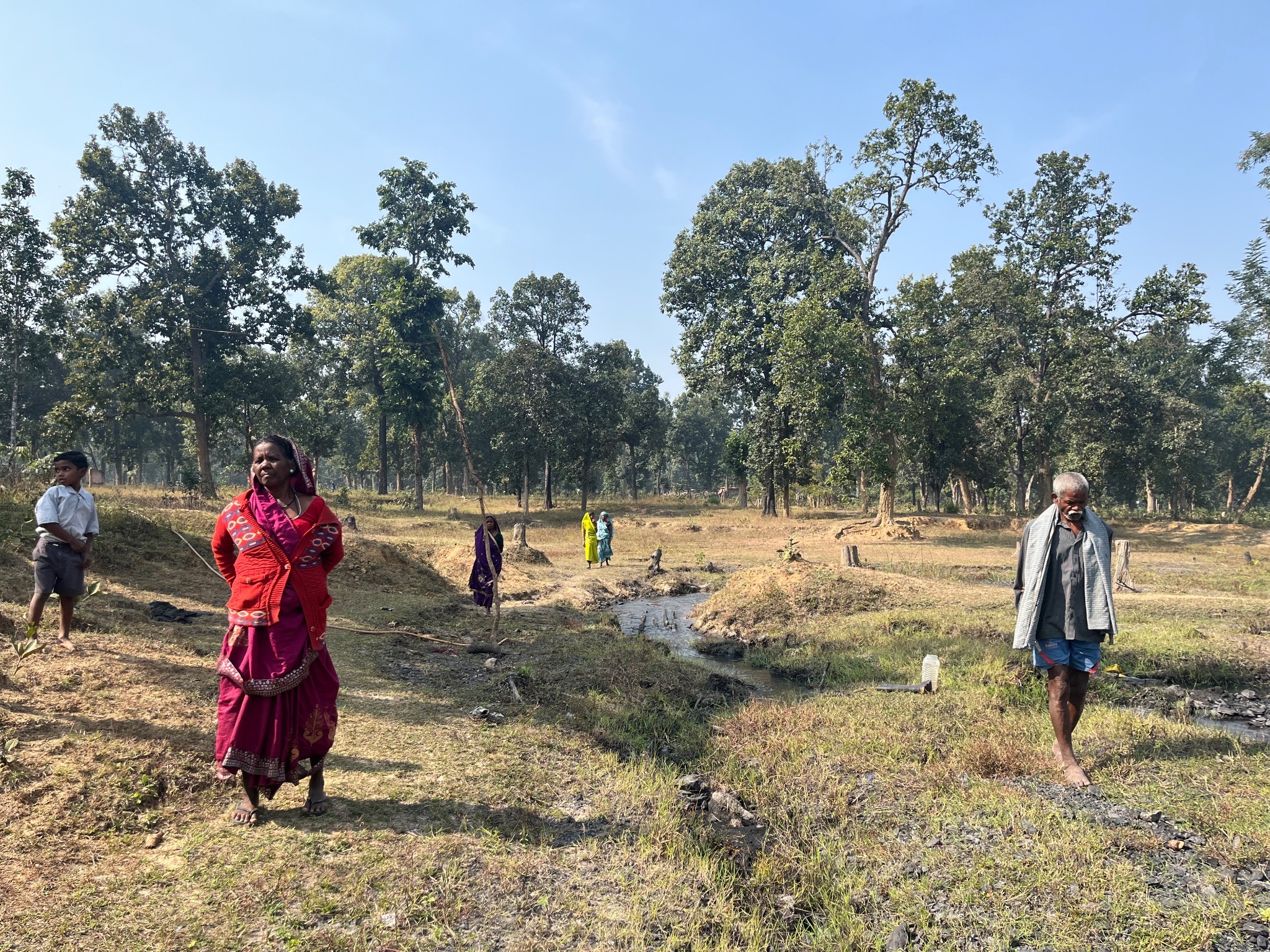
The village has spent years collectively pressuring South Eastern Coalfields Limited (SECL), which runs the two mines, to protect their water resources. Among their demands was that a small percentage of mining profits be used to develop water resources. And when led to little success, the village took it into their own hands: pooling resources and voluntary labour to build wells, ponds and check dams.
Pushing back at degradation
Commons—shared lands such as forests, pastures, water bodies and mangroves— cover 205 million acres or one fourth of India and form the lifeline for over 350 million people, including marginalised groups like Scheduled Castes, Scheduled Tribes and women.
Communities across India have traditionally protected, restored and managed these commons through customary self-governance practices. These customary rights and practices, however, haven’t been formally recognised in many parts of the country. The protection of commons has continued despite contesting demands over resources, lack of formal aid or policy recognition, environmental degradation and climate vulnerabilities.
Kendai’s experiences illustrate this, particularly when they collectively decided to take matters into their own hands to protect their water resources. By doing so, they’ve ensured their lifeline thrives, their livelihoods are protected and environmental degradation is checked to a certain extent.
Water: a sacred bond that has been stained
Kendai is inhabited by the Pando tribe, who are classified as a Particularly Vulnerable Tribal Group (PVTG), a sub-classification of Scheduled Tribe to encompass communities that are more isolated, underdeveloped and marginalized. The village sits on the hills that surround the Hasdeo Bango in Northern Chhattisgarh.
Water is a recurring theme in the fables, myths and beliefs of the village. The belief is that when their ancestors emerged in the clearing of the forests, they found a multitude of springs and seeps (water that seeps from the groundwater aquifer through cracks in rocks or soil). The abundance of water is considered to be a ‘Gift from the Gods’. During Dev Uthani Ekadashi (Jethauni), a festival observed as being the start of the season of weddings, water is taken from a well and sprinkled as divine blessing. Through the year, water is a divine instrument to consecrate weddings, rituals, festivals and even before the cultivation of rice.
This cultural importance came under threat when SECL operationalised two mines in the region: Rani Atari underground project and Vijay West underground project. They cumulatively spread over 8.14 sq.km., and extract nearly 1 million tonnes of coal annually.
The two mines came up within 5 km of each other and within forested patches that were being used by the villagers. Villagers said they were kept in the dark about the mines until the work started. By then, it was too late to claim the rights they were entitled to under the Scheduled Tribes And Other Traditional Forest Dwellers (Recognition of Forest Rights) Act, a 2006 legislation that recognises the pre-existing rights of tribal and forest-dwelling communities over traditional land and forests.
“The village had nistar (customary) rights over the entire forest and its resources. But, we realised this only after the mines were set up. We did not anticipate the harm it could cause,” said Suksen Pando, who has since claimed 6 acres of agricultural land under the Act’s Individual Forest Rights claims.
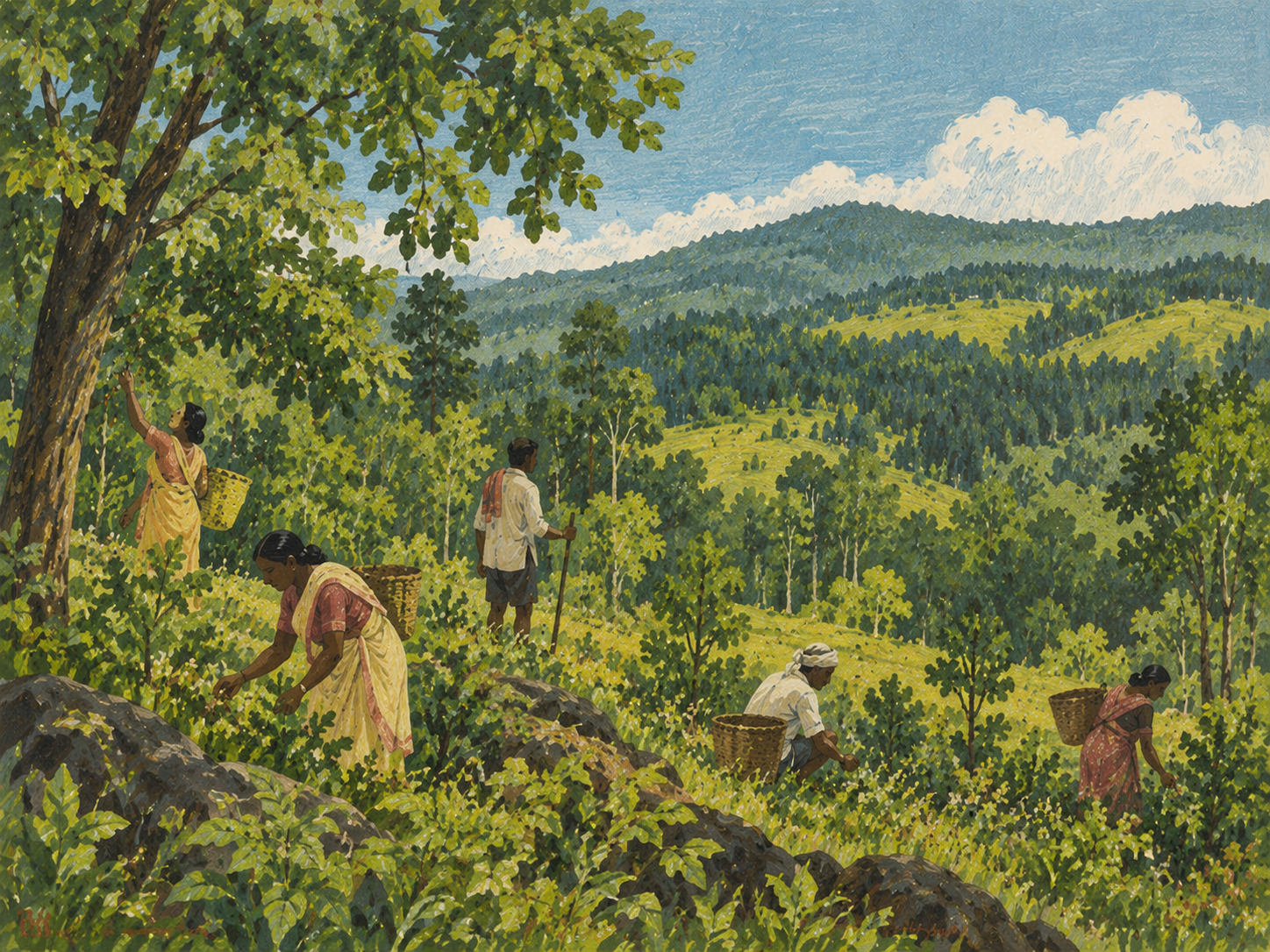
Forest produce used by the villagers included mahua (Madhuca longifolia), tendu (Diospyros melanoxylon) and charota (Cassia tora). Mahua, which is processed and distilled into alcohol, was sold to mine workers. Further, forest shrubs are fashioned into brooms which are sold in the market for Rs. 40. Apart from this, forest produce like kaddus (pumpkins) were used to make petha, a translucent soft candy.
“But, finding these produce (both for selling and eating) is difficult as the forests are degraded due to the mining,” said Jaan Saye, a farmer.
The effects on water sources were far more devastating. A rivulet from where villagers fished rohu (South Asian freshwater carp), kotri (mahseer), mungri (catfish) among others, became severely polluted. Fish catch reduced, forcing villagers to walk to Bamni river, a tributary of Hasdeo river, some 5 km away.
Villagers estimate their crop yields dropped by a quarter due to the polluted streams and coal dust. “As a community we would never apply chemical fertilisers on our land because it would harm the landscape. And now, our fields are full of industrial chemicals from polluted water,” lamented Jaan Saye. “We can’t grow enough food for our families and have to work as daily-wage workers in other villages.”
Eventually, the shortage of clean drinking water led to villagers reducing the number of livestock they keep. Before the mining, Jaan Saye had over 500 head of cattle. Now, he has 100.
The once self-sufficient village is now dependent on government schemes for rations.
The village takes matters in their own hands
With their backs against the wall, the village took it upon themselves to protect their water. Babu Lal, a resident, said they tapped into their own traditional knowledge developed by their ancestors who accessed the shallow aquifer in the region.
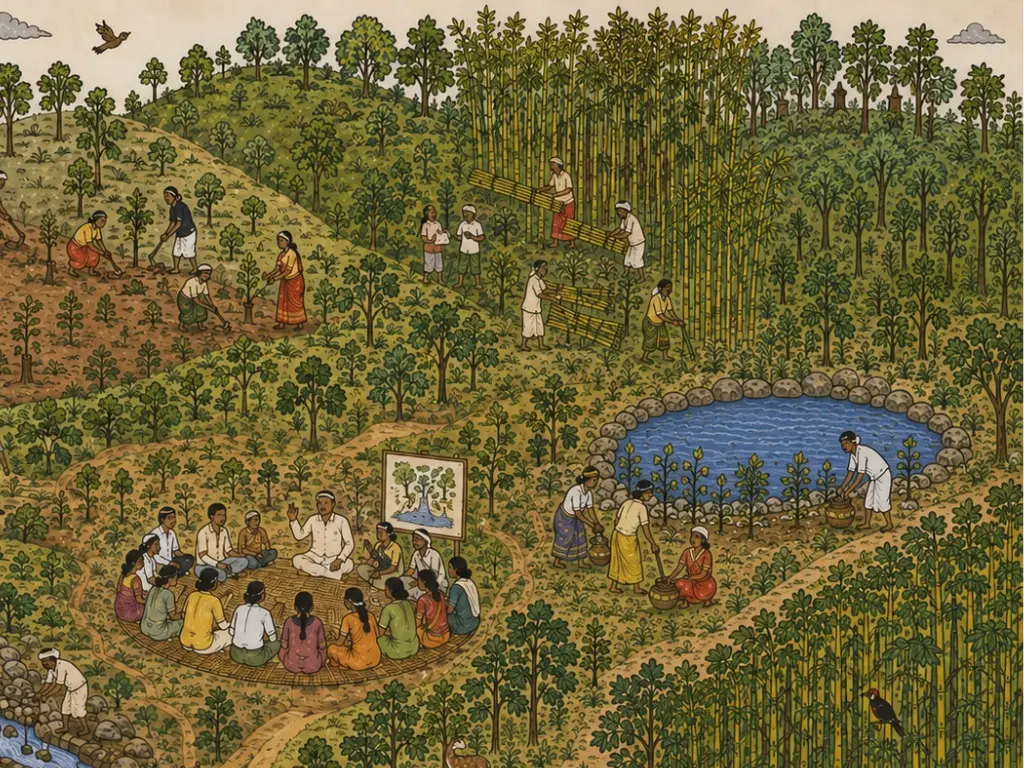
They set about reviving their water structures. A total of 80 persons, 40 men and 40 women from the village, came together for the shramdaan (voluntary contribution of their labour). In various phases between 2002 and 2008, they constructed three dodhis and a pond. Dodhis are traditional dug (shallow) wells, which are labour intensive but low on material resources.
“We tried to recreate the same landscape. These wells were meant for fish farming and for drinking water for our livestock and residents,” said Babu Lal.
Individual farmers too played their part. Jaan Saye, who had been desperately attempting to provide water sources for his livestock, built two additional ponds in 2006. It took him 5 years to complete the work.
A movement led by women
As they did this, they collectively put pressure on SECL to fund some of the water conservation projects. “Outsiders think we’re naive and easy to fool. If we don’t ask for basic amenities, no one gives us anything,” said Jaan Saye.
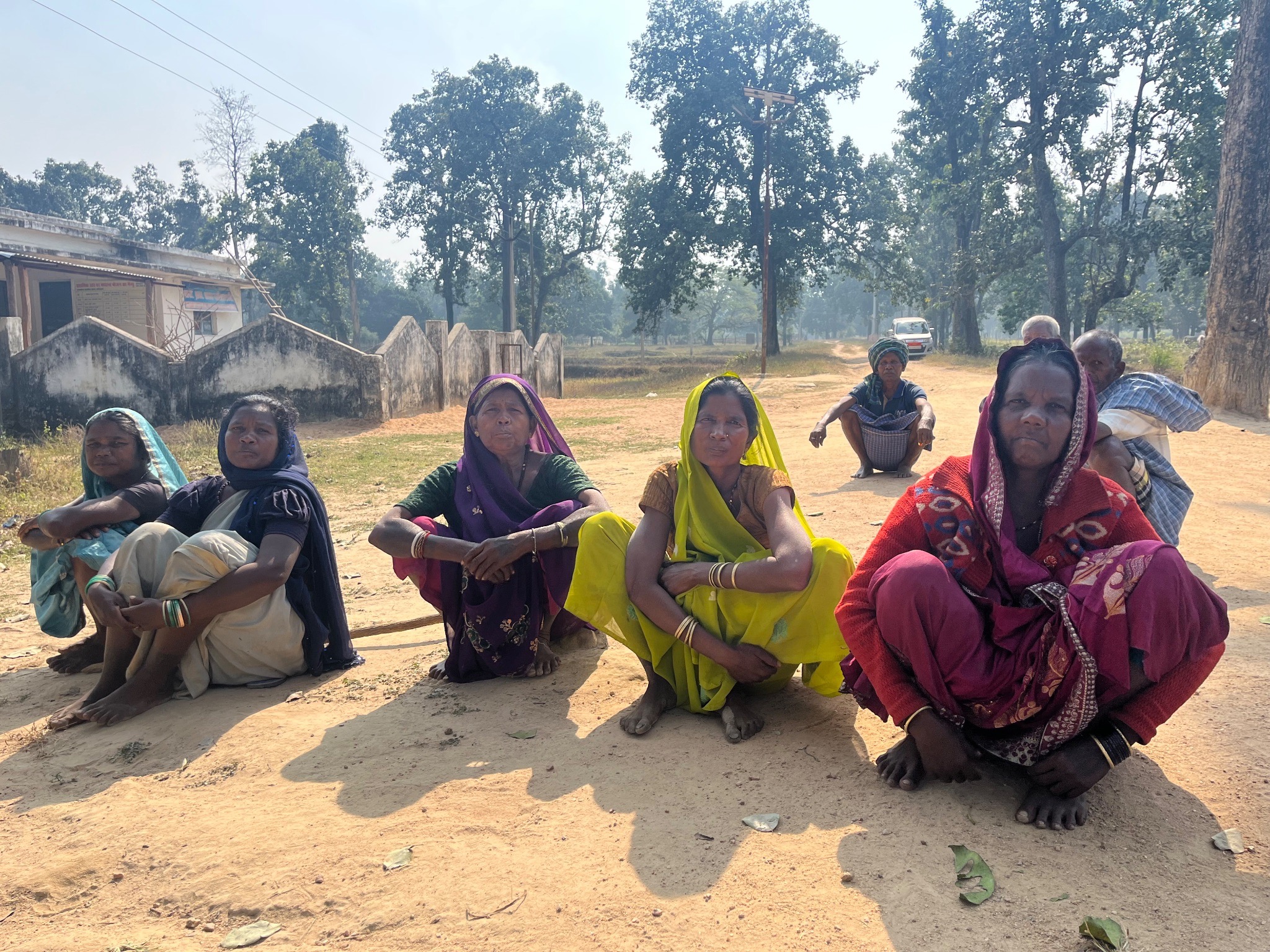
By this time, Kendai was a part of Ekta Parishad, a people’s movement for land rights working in the area that, among other things, promoted collective action, self-reliance and an assertion of rights. “Ekta Parishad did play a key role in mediating between villagers and government authorities, particularly in organising meetings with ministers and officials. But, it was the community from Kendai who took the reins and assertively voiced their concerns,” said Murli Das Sant, a member of Ekta Parishad.
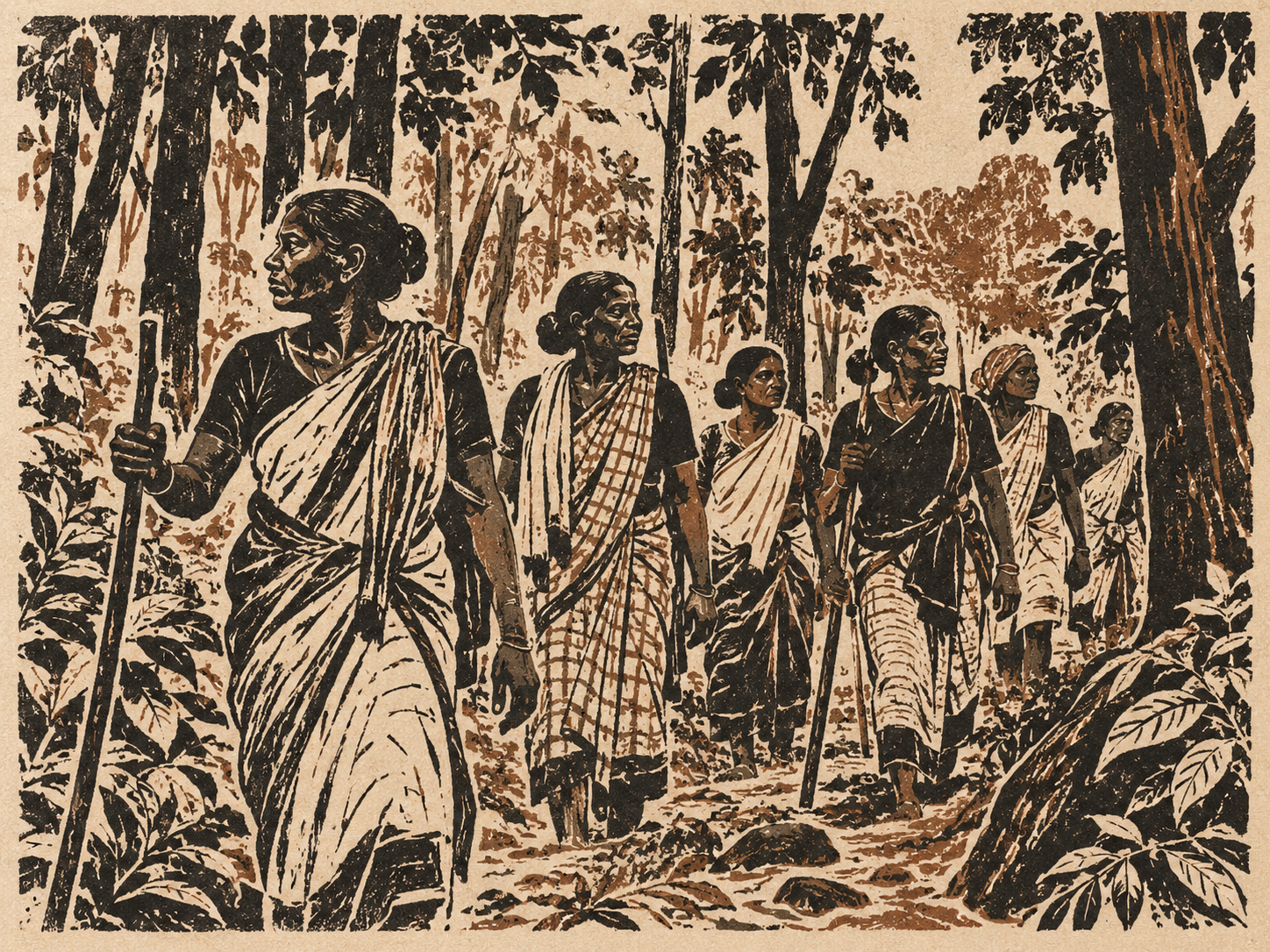
In particular, it was the women who led this movement: meeting officials and political representatives, while also shedding a spotlight on the issue.
Maanmati, a ward member, held a press conference in the coal mining town of Korba nearby where she held up a bottle of blackened water to show what the children of the village were drinking. “We’ve gone to the MLA (member of legislative assembly), MP (member of Parliament), District Council and others at least 50-60 times. We’ve sent many letters about this,” she said.
This paid some dividends: In 2008, SECL built a community hall in the village; in 2016–17, they installed a piped water supply that stopped functioning shortly after; and recently, a school was rebuilt in the village.
However, conflicts between the company and villagers continued. Most complaints fell on deaf ears. “In 2018, we built a small dam-like barrier with sand and clay to keep the wastewater from entering our clean stream. It took us two to three months,” said Maanmati. While this kept the wastewater away from their stream, it led to backflow towards the mines. “As soon as the company found out, they tore it down,” she said.
These women, led by Maanmati, continue to knock on the doors of local offices and submit letters. Among their demands is that the mining companies fulfil their public welfare responsibilities to those affected by the mining. This includes providing education, medical facilities, drinking water supply and self-employment facilities in the surrounding villages.
“All we want is for what has been damaged by mining to be restored. We will continue to resist if we have to, and we will keep approaching officials, whatever it takes, until our voices are heard,” said Maanmati.
.webp)
.webp)






.webp)
.webp)
.avif)
.webp)
.webp)