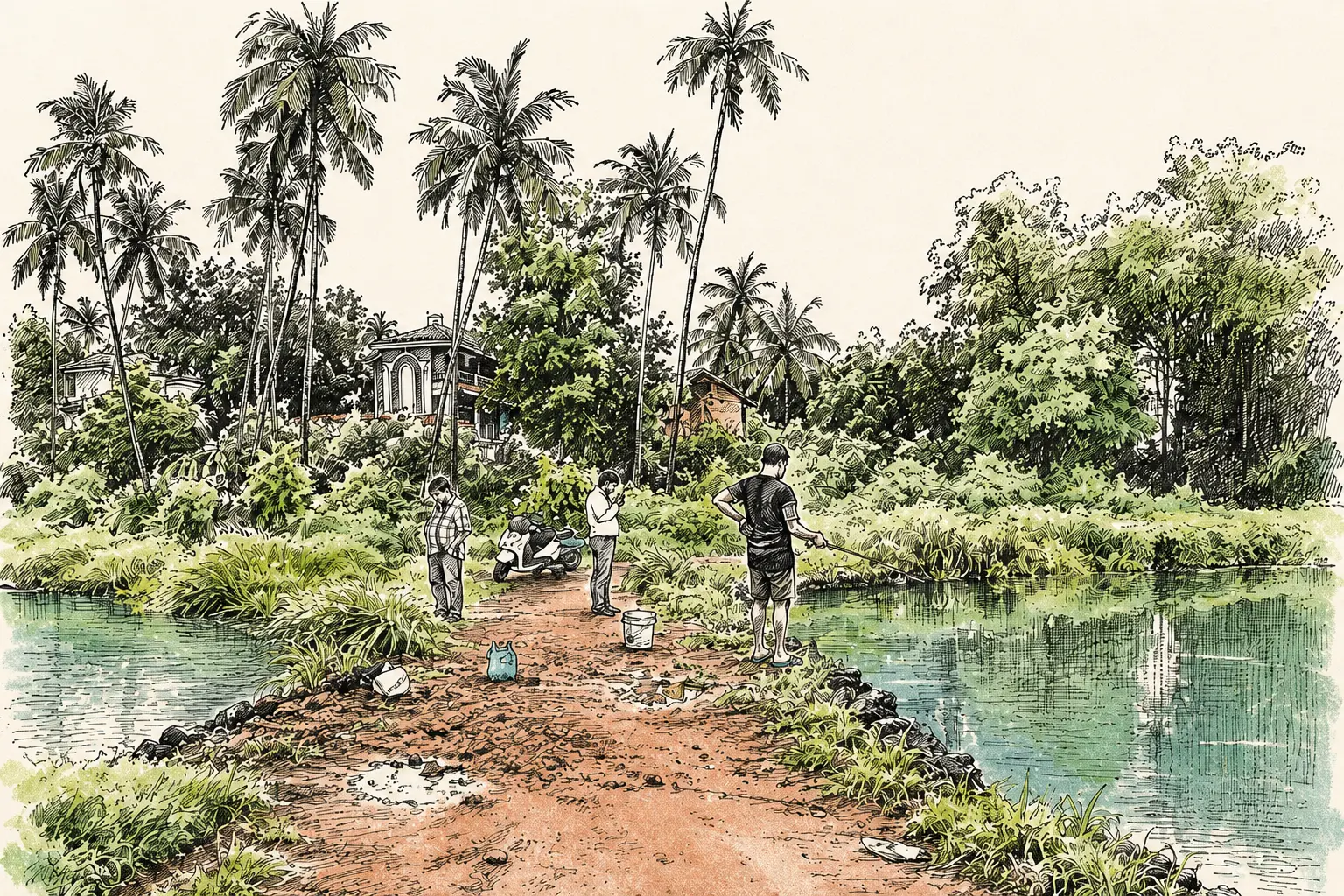
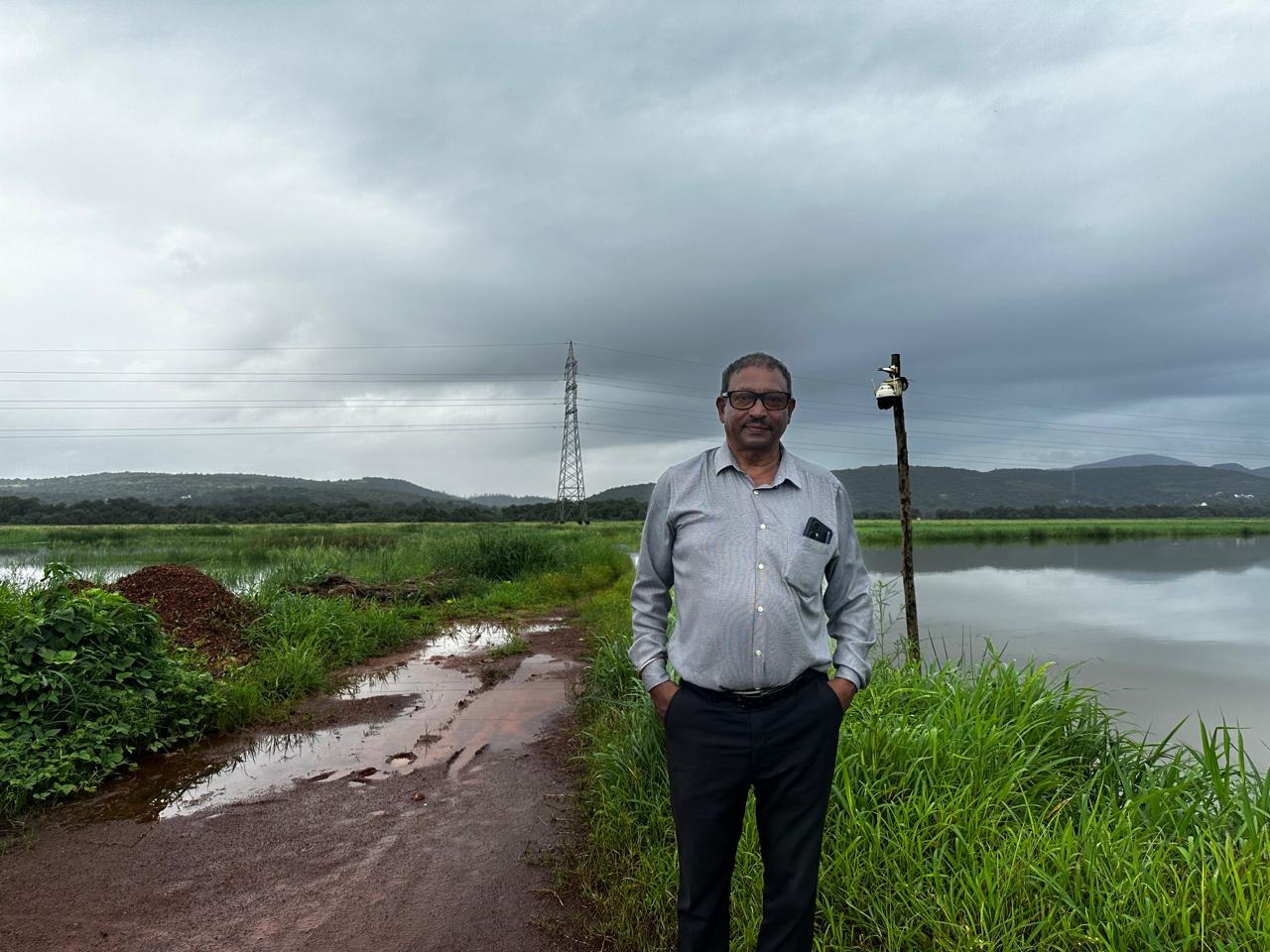
Loutolim, Goa: Albert Pinheiro, 68, trudges across the embankments that cut across the wetlands separating his home in Loutolim and the River Zuari. “I must have been 7 years old when I first came here to push bullock carts with my mother,” he said.
Ahead of him, gleaming in the morning light, are nearly seven lakh square metres (170 acre) of wetlands, called Khazans in Goa.
The child who was once taught by his parents on how to tend to the system of bunds and gates that regulate inflow of river water into these wetlands now shoulders the responsibility for its preservation.
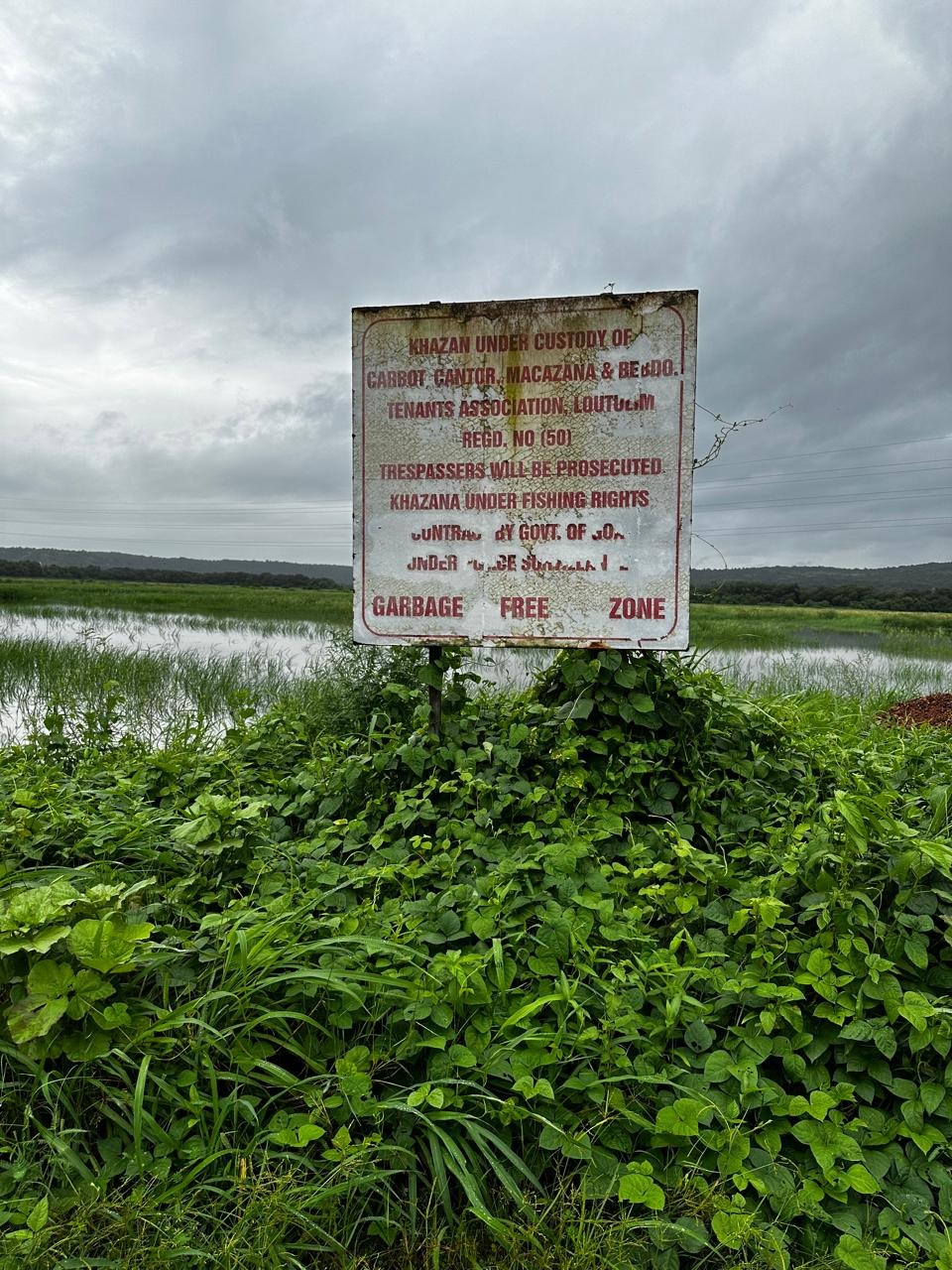
Albert is now the Chairperson of the Carbot Cantor Mascasana & Bebdo Tenants Association, a collective of over 30 farmers who depend on Loutolim’s Khazans. “We wake up and eat rice from these fields, and our days end with rice from these fields. For us, these fields are everything,” he said.
Ancient Wisdom, Modern Resolve
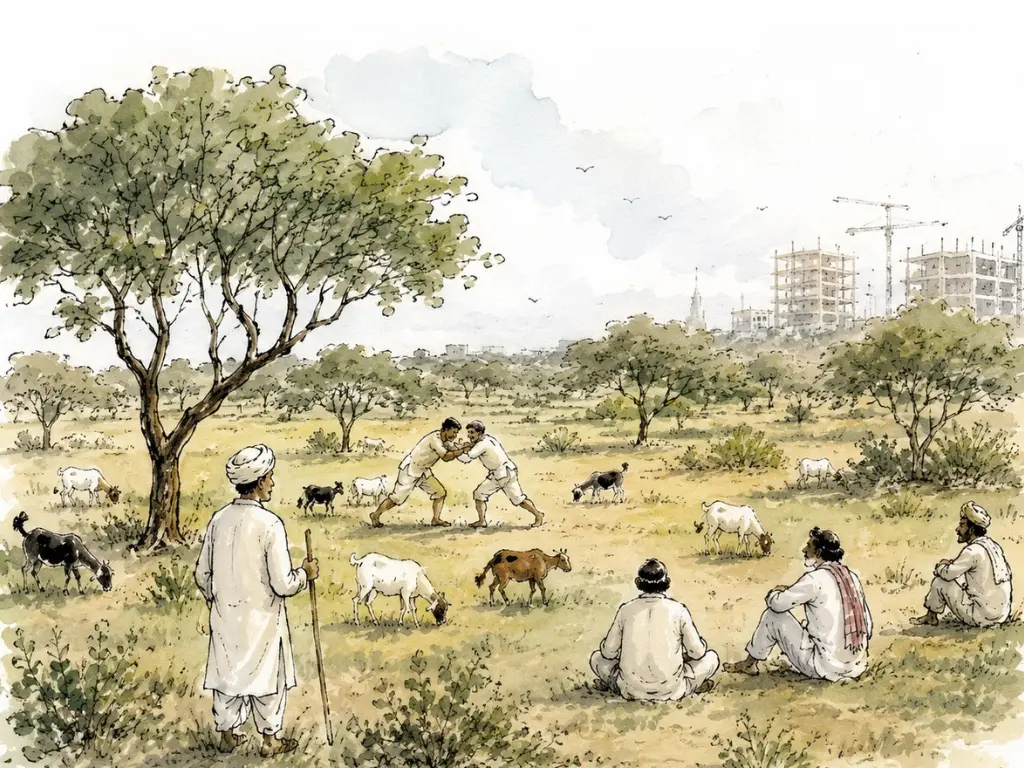
On the other side of the low hill that separates Loutolim from the highway is one of Goa’s largest industrial areas. The threats of real estate interest, infrastructure projects and encroachments are ever present for Khazans.
Throughout Goa, the unstoppable march of construction threatens this 3,000-year-old cultivation system built on the foundations of climate wisdom and community stewardship. Of the estimated 18,000 hectares (180 sq.km.) of Khazans that were once present, just around 2000 hectares are cultivated, the rest remaining fallow or lost due to inundation or land diversions.
But, associations like the one in Loutolim, are holding their own against these threats. Their collective governance, created by tradition and bolstered by law, have managed to keep alive the traditions of practicing zero-input rice cultivation and sustainable pisciculture within Khazans.
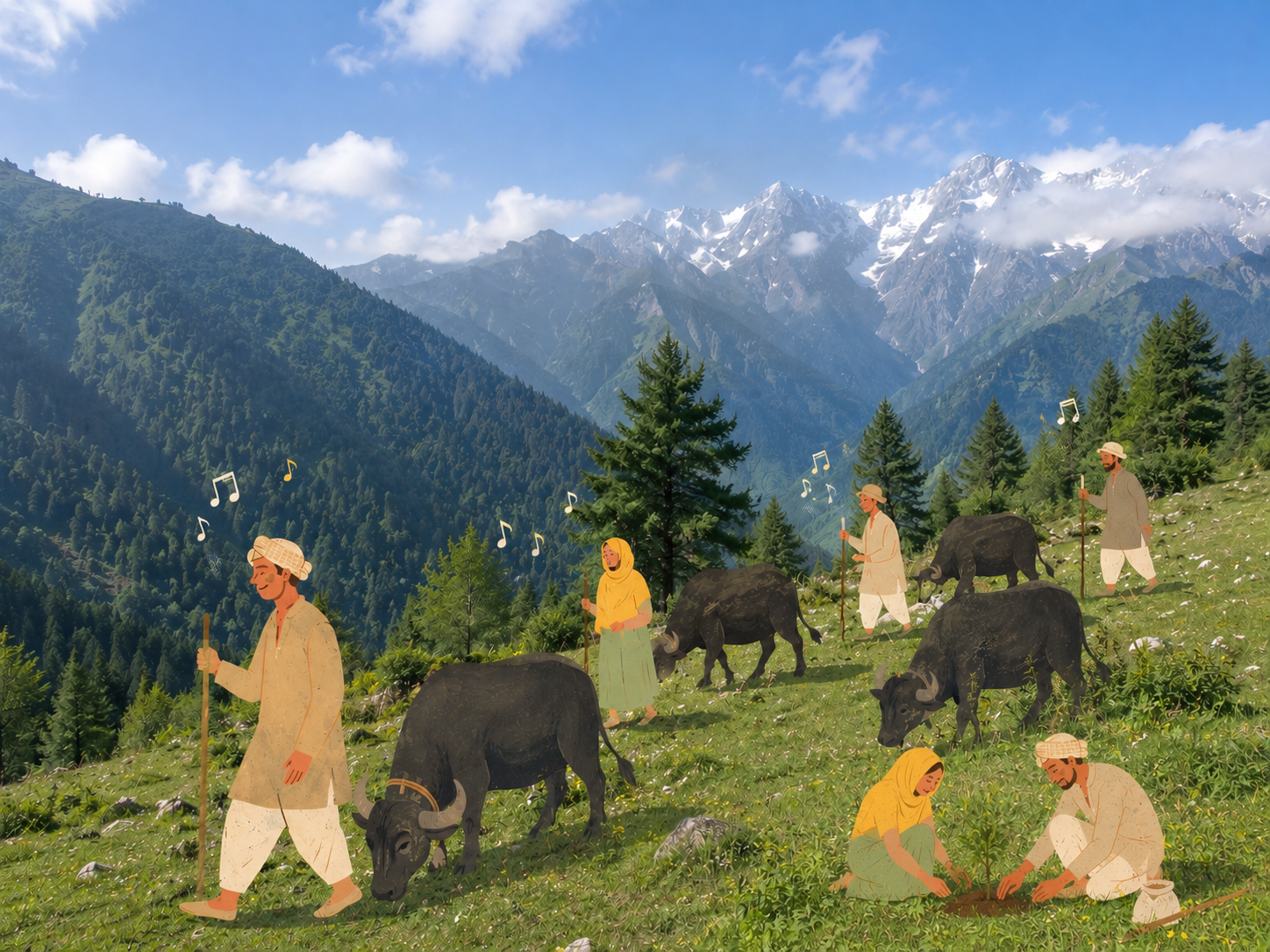
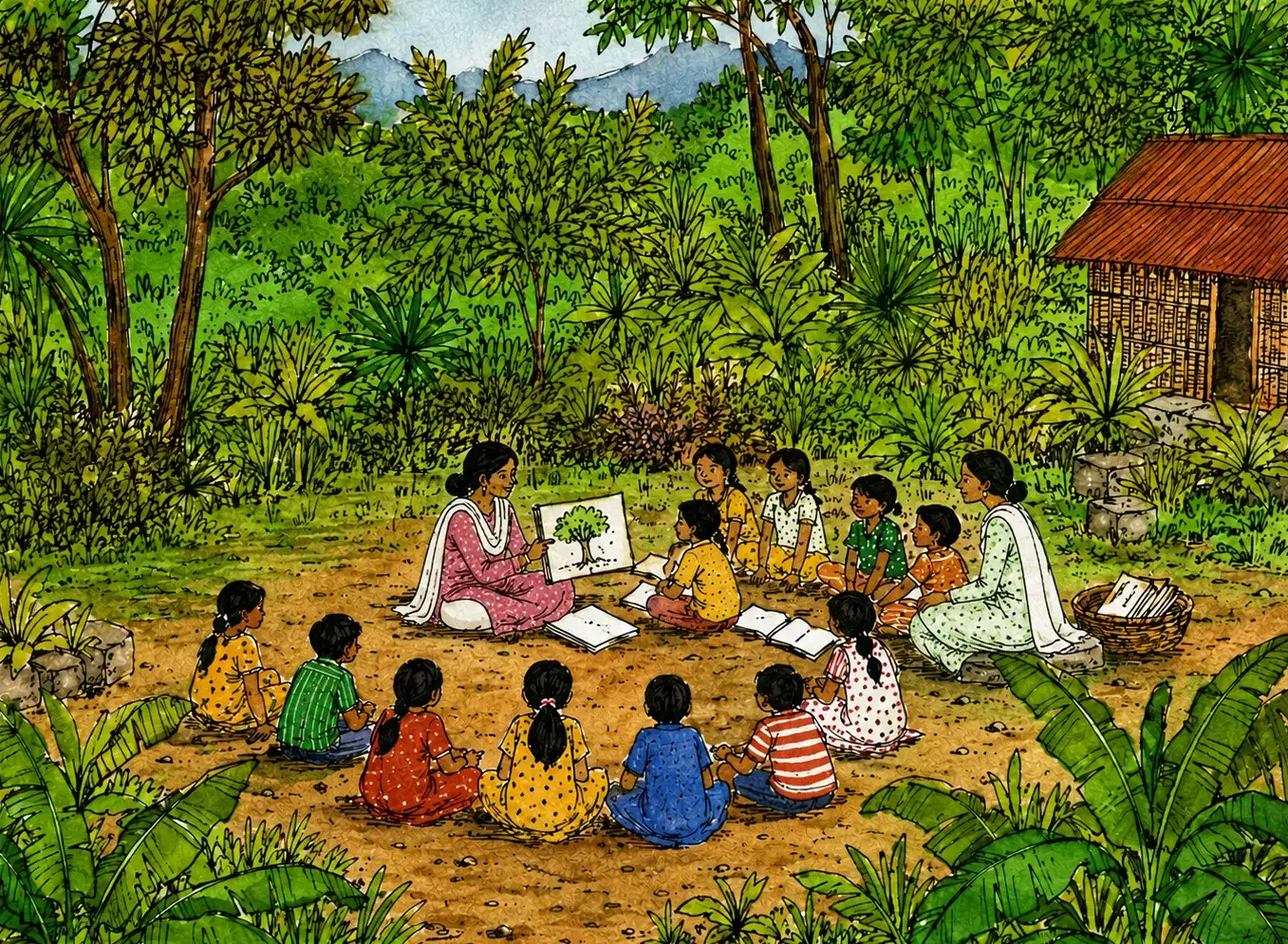
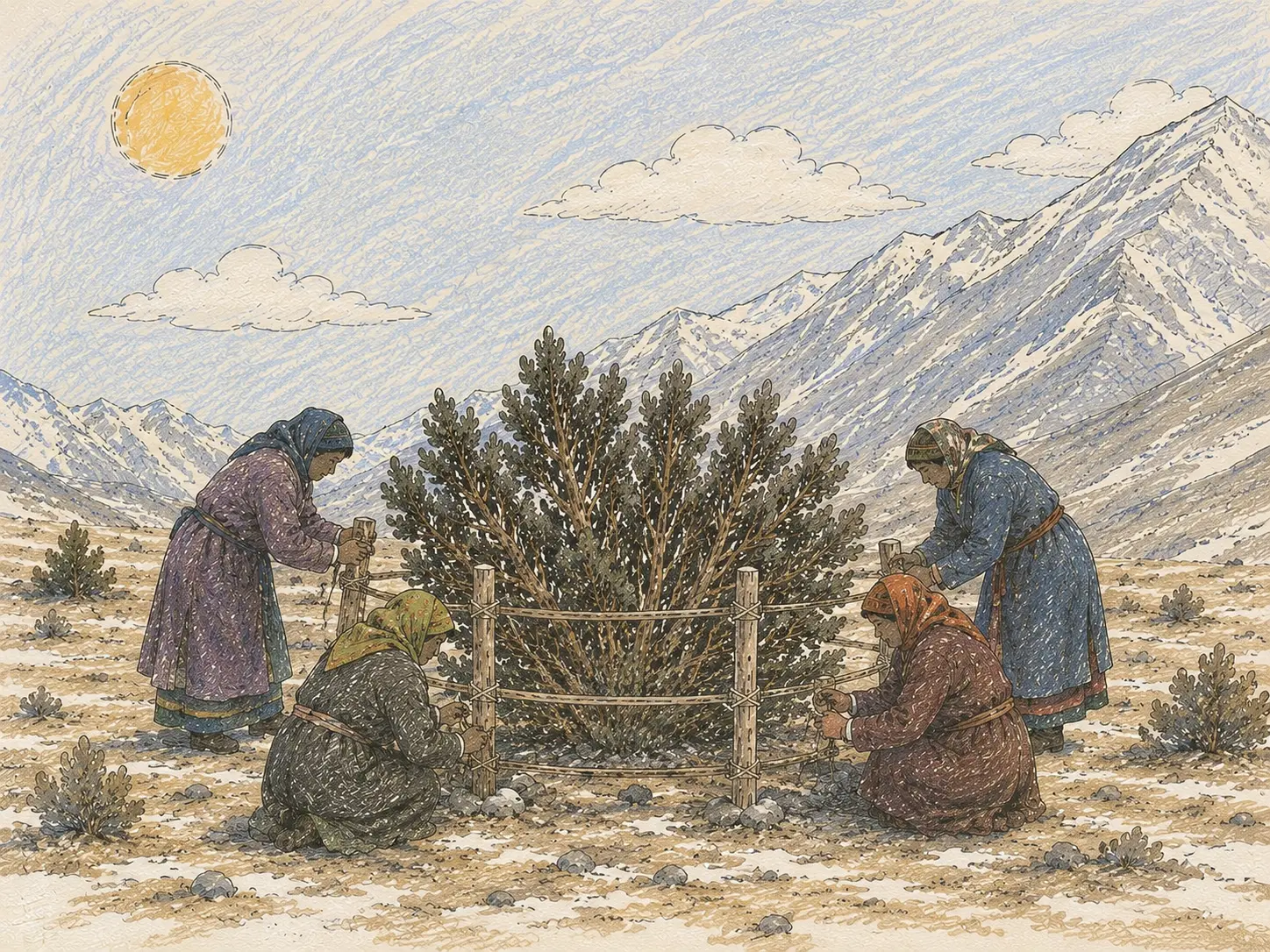
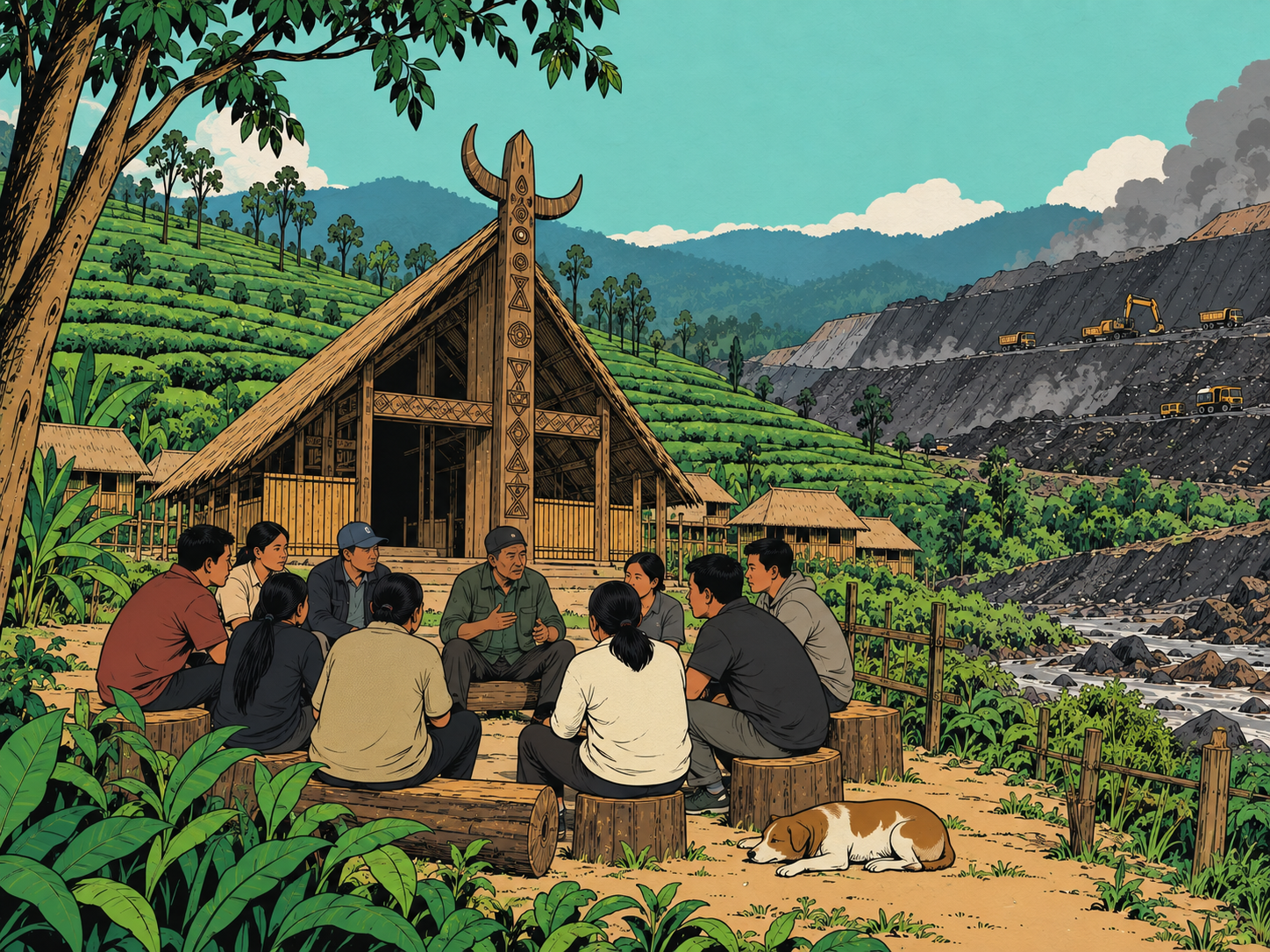
Across India, commons—shared lands such as forests, pastures, water bodies and mangroves— cover 205 million acres or one fourth of the country. They form the lifeline for over 350 million people, including marginalised groups like Scheduled Castes, Scheduled Tribes and women. Communities have traditionally protected, restored and managed these commons through customary self-governance practices. The protection of commons has continued despite contesting demands over resources, lack of formal aid or policy recognition, environmental degradation and climate vulnerabilities.
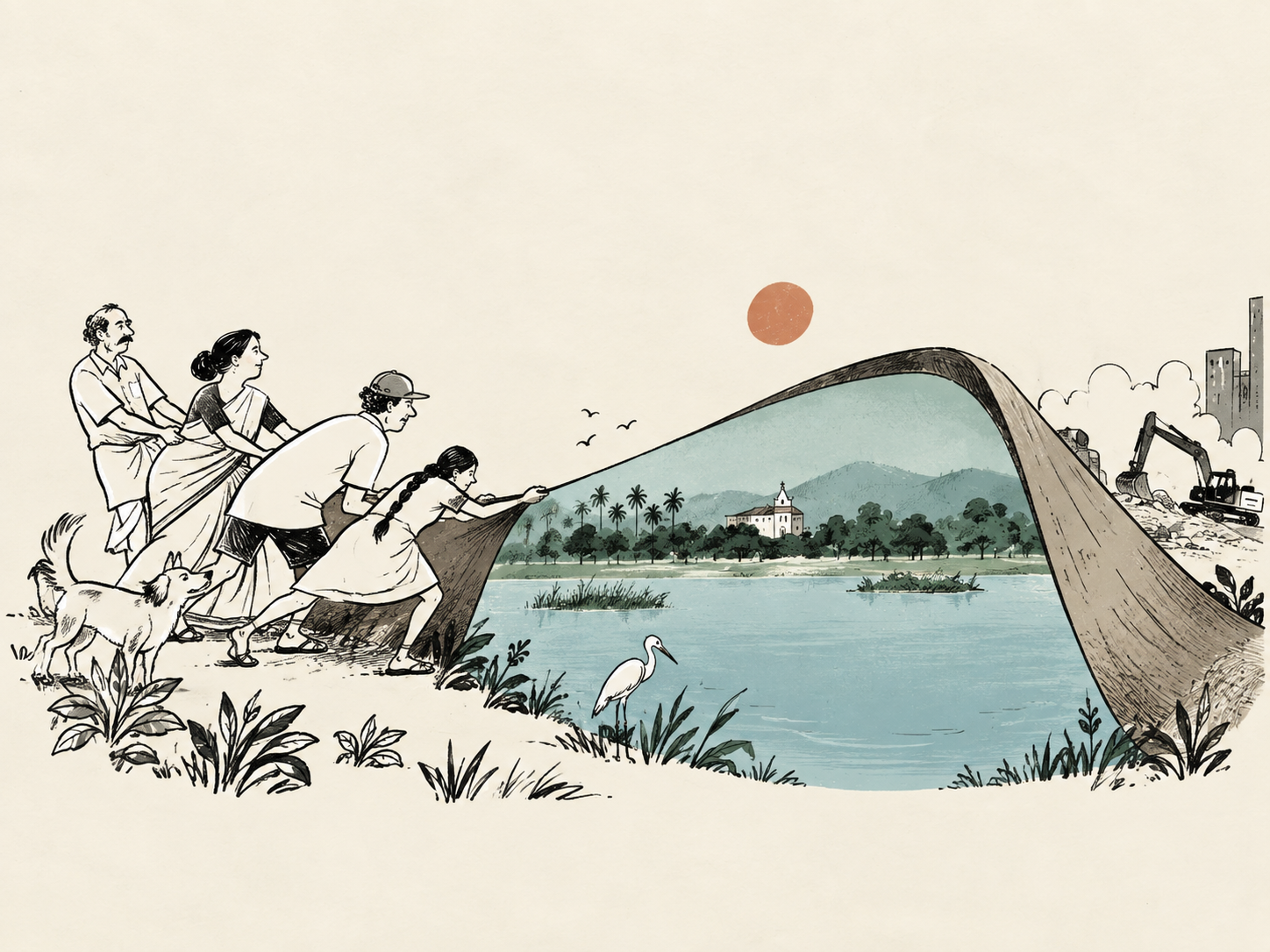
In Loutolim, a bridge project threatened to divert a significant share of the Khazans. It is the tenant cooperative that has rallied the community, petitioned the government, and filed suits in the court that have managed to stall the bridge project for two years, demanding protection for Khazans. These stories show that communities across India are reclaiming, restoring and managing commons through customary self-governance practices that can play a crucial role in their ecological, social and economic upliftment.
Goa’s unique commons
It’s Goa’s unique geographical challenges that led to the creation of Khazans. The system of channels, streams, estuaries and rivers that dot the undulating landscape of Goa also leads to tidal influx - where, salt and salinity of the oceans can creep into the waters up to 40km inland.
Over nearly 3,000 years, agriculture in these areas evolved into the Khazan system: a series of bunds, sluice gates and canals that has reclaimed the floodplains. During monsoons, fresh monsoon water is diverted into these lands. In this engineered landscape, salt-tolerant rice varieties such as Korgut, Khochro and Assgo can be grown. After harvest and from the dry period of November to May, the fields are flooded and fish is cultivated. This acts like a natural fertilizer that replenishes the soil for the next season.
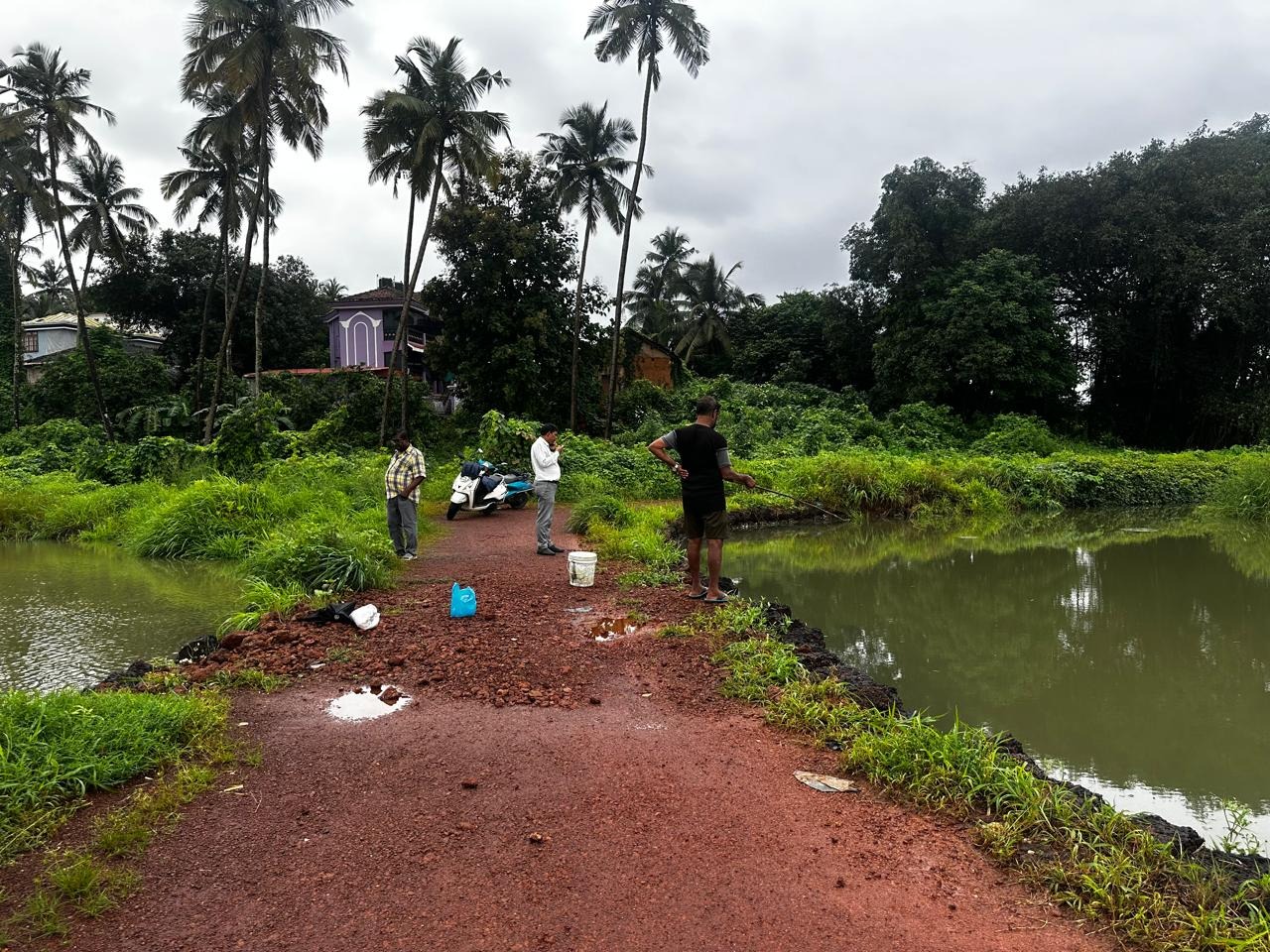
The Khazans play an important ecological role. They host several species of birds and other animals; and help prevent flooding in the region. Moreover, they are deeply ingrained in the cultural landscape of the region.
Traditionally, the land was managed by the village through its Gaunkari system (a local self-governance structure for the entire village and its lands which was later termed as “communidades” by the colonial Portuguese). These lands were given out to tenants, and the lease and profits were used for works within the village. Goa had over 220 registered communidades.
In 1964, the Goa Agricultural Tenancy Act formally recognized these tenants, and gave them rights over the Khazans. Eventually, these tenants - including the one in Loutolim - formed their own associations to collectively cultivate and manage the Khazans. At that time, 138 tenant associations were formed.
However, although the 1964 Act created tenant associations, these associations struggled financially. “With less money coming in than the old system had, farmers lost interest in cultivating or managing khazans,” said a 2024 research by ICLEI South Asia.
With little funds to maintain embankments and sluice gates, many tenant associations wound up or left the Khazans fallow. Some, like the Carbot Cantor Mascasana & Bebdo Tenants Association, persisted.
Governing the Khazans
Loutolim’s association is governed by a committee comprising the Chairperson, Vice-Chairperson, Treasurer, Secretary and an Attorney. They are elected from within the members every three years. Currently, there are less than 15 active members.
The Association is funded through rice cultivation and auctions of fishing rights. The association generates around ₹2 crore annually from rice. But, not all land parcels - which are managed by its members - report profits.
Membership at Loutolim - like many other tenant associations - is hereditary. For Lino Antonio Fernandes, he not only inherited the spot, but resolutely followed in the same footsteps as his parents and grandparents. “My son asked me why I continue to cultivate and fish in the Khazans if we’re losing money. I told him that my father told me never to leave these fields,” he said.
The tenant associations use the profits from the auctions and leases for the upkeep of bunds, sluice gates and canals. This is a critical job that requires quick, decisive action and an ability to mobilise farmers and labour. “Even in the middle of the night, we may have to spring to action and work,” said Albert.
A few years ago, a breach in the bund led to an inflow of saline river water. Villagers rushed to the spot and formed a human chain, passing on clay from the village to the breached embankment. “The harvest was saved,” said Albert.
The association also plays a key role in resolving disputes over water use and cropping; while, they are an important voice of support for the tenants before government revenue and agricultural authorities.
Rallying around the Khazans
This collective voice has become stronger as a proposed bridge project across the River Zuari at Loutolim threatens to wipe out vast stretches of Khazan lands. The New Borim Bridge project will acquire 40 hectares of these Khazans.
The community, with the association being at the centre of it, protested, petitioned ministers and even filed suits in court against the project. They have stalled land acquisition for nearly two years.
While the cases have not led to a resolution yet, the community members believe it has managed to protect the Khazans so far. “Because of our case, the land acquisition process for the Bridge Project has slowed down. There has been no movement on it for two years now,” said Lino. During this time, farmers like him were offered money as compensation for the land. “But we said we are not here for money. We’re here for our livelihood,” he said.
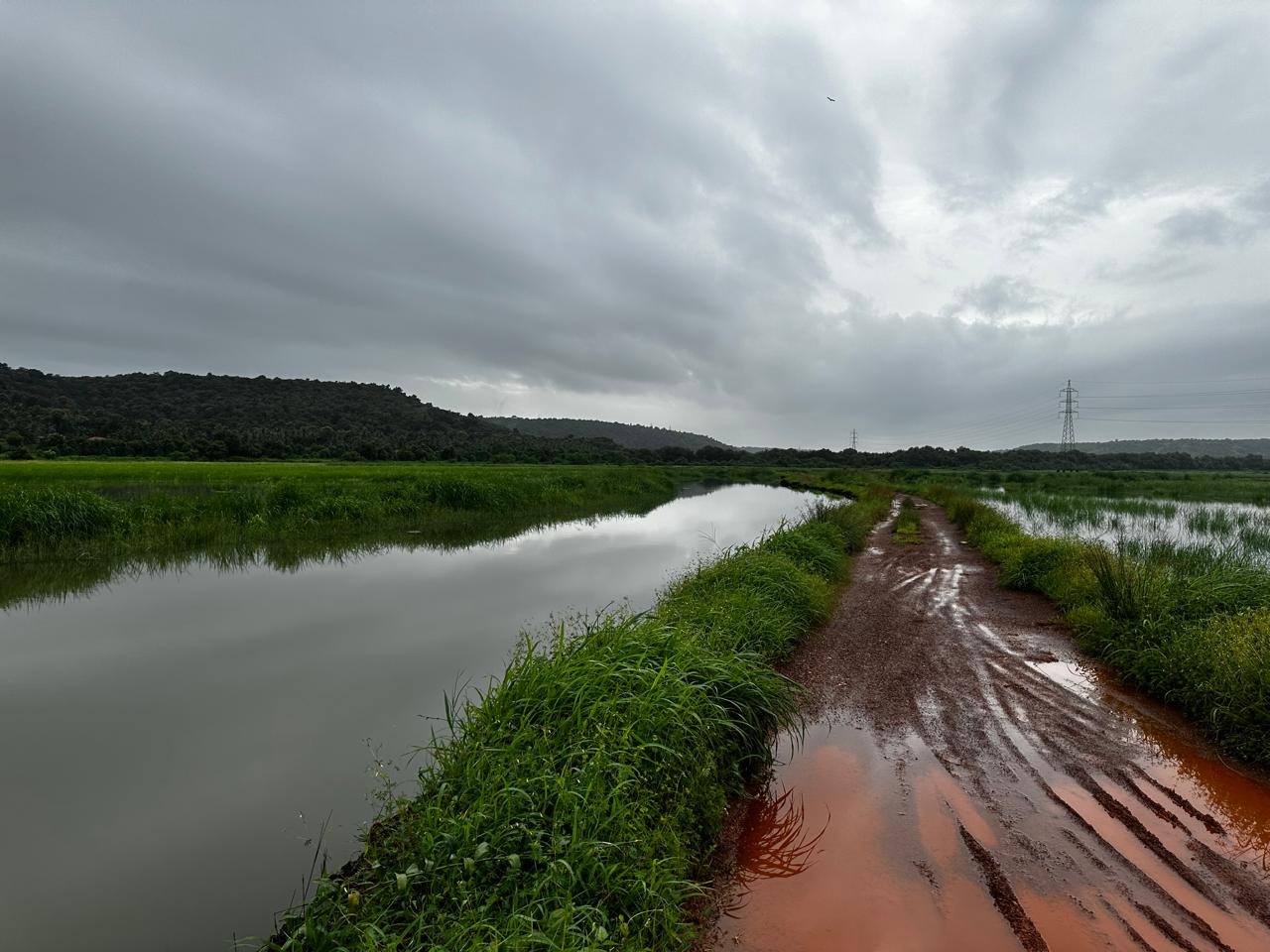
This is but one of the many challenges that face Loutolim. In early 2025, tenants again came together to lobby against a proposed law that would mandate that the government receive 20% of the income from fishing rights. This would severely impact the finances of associations and their ability to maintain the bunds, say residents.
Albert lets out a deep sigh as he recalls all the ways modernity attempts to strangle Khazans. But he is quick to add that these lands, once governed by village Gaunkars, have withstood floods, droughts, colonial powers and attempts to forcibly change and govern these lands. “The spirits of the Gaunkars walk in these fields at night. They will ensure no harm comes,” he said.
.jpg)
.webp)
.webp)
.avif)
.webp)

.webp)