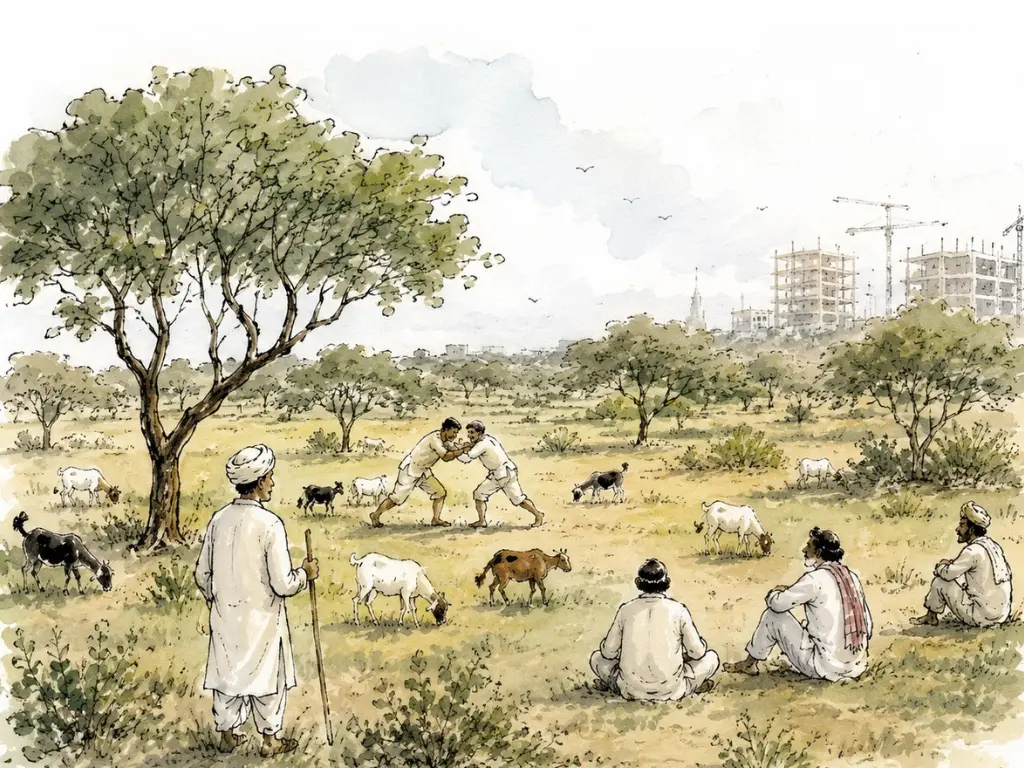
Hatikhuli, Assam: For as long as anyone could remember, the days and nights in the villages of western Assam’s Nagaon and Karbi Anglong districts were defined by a seemingly unending conflict. It often started with the chest-vibrating trumpet of elephants charging out of the forest, followed by the frantic crackle of firecrackers and the desperate shouts of men defending their crops, homes and lives. Coexistence had meant distress, destruction and loss.
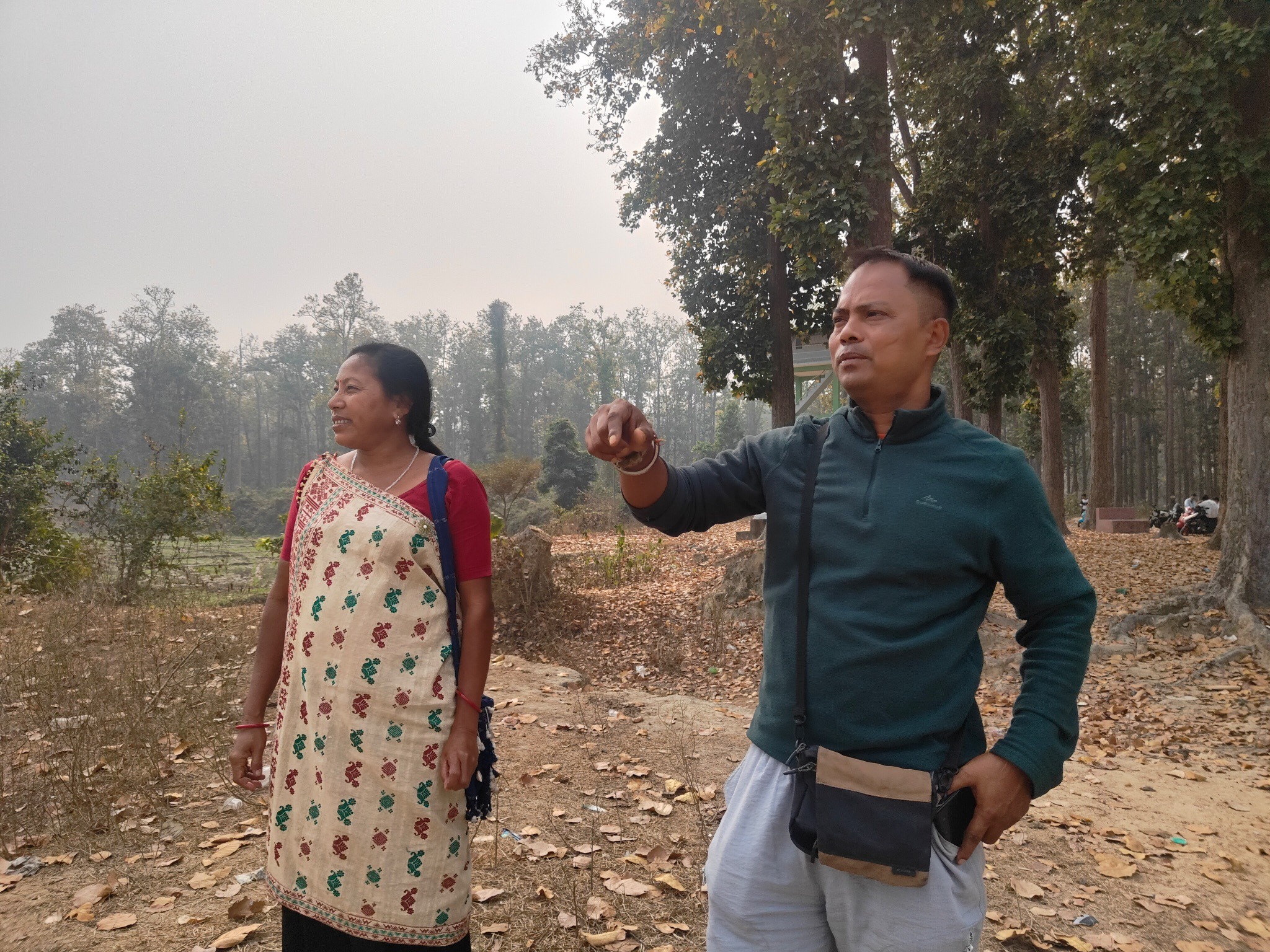
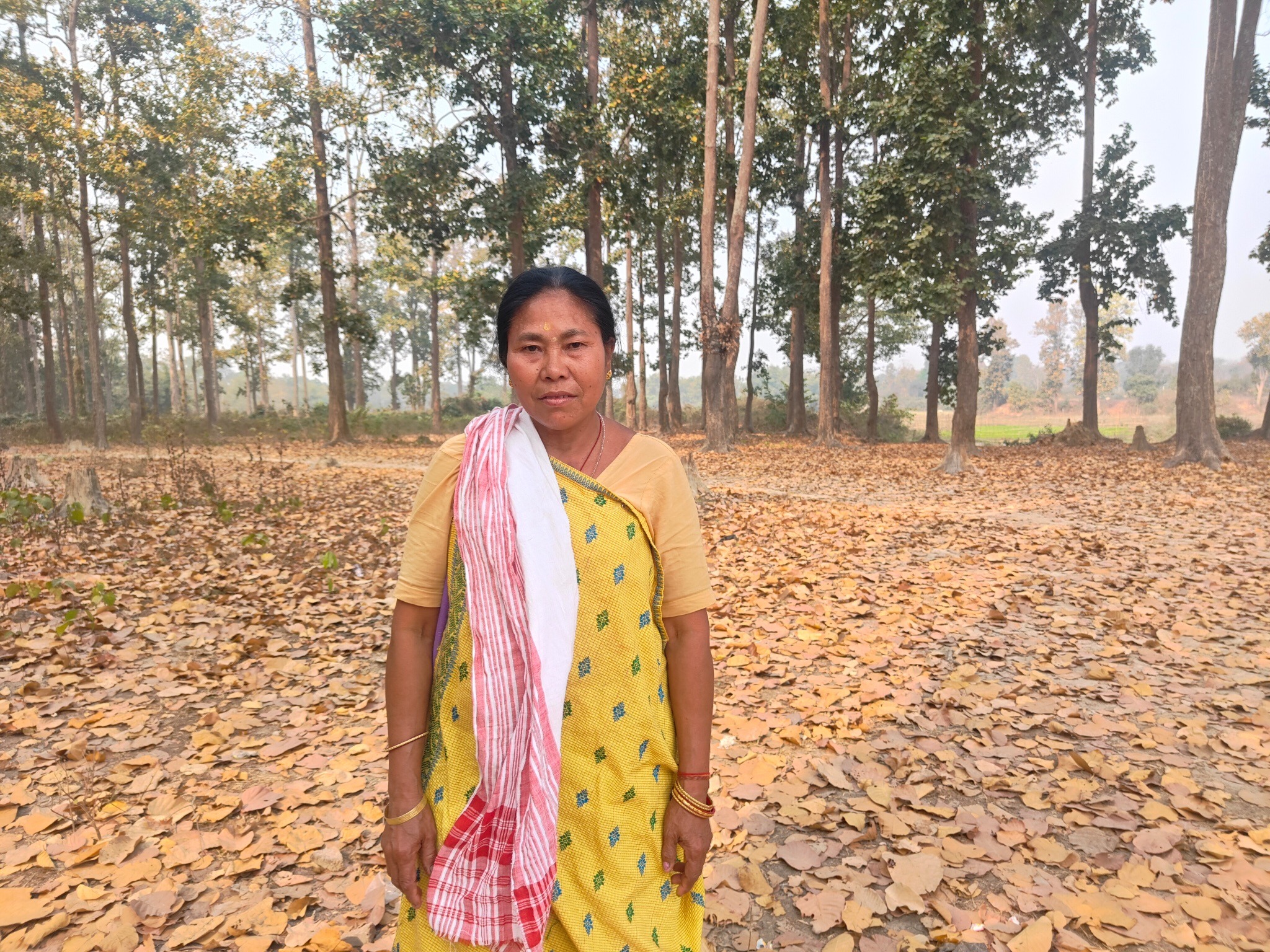
“We lived in fear,” said Sarasati Teronpi, a 50-year-old tribal farmer in Nagon district's Hatikhuli-Rong Hang village. For her the elephants’ charge came to represent not just loss of crops, but the trauma that had ravaged her home. In 2010, an elephant killed her nephew. The toll piled on each year: with villagers saying at least four people would die annually in the human-elephant conflict.
When it was apparent that the violence could not break this cycle of loss, villagers decided to try something different: kindness. They would grow crops for the elephants in their common lands.
It was initially met with skepticism. “Why would we grow rice for the elephants who destroy everything?” asked Sarasati, whose anguish was born of years of burying the dead and watching her granaries destroyed in a single night. She was now being asked to give up a part of her land for the elephants.
Remarkably, they worked through their hesitancy, and spurred by women like Sarasati, the village transformed its 1,200 bigha (or, 400 acre) of common lands into a veritable buffet of fodder for elephants. Villagers even donated 180 bighas (60 acre) of private land, where they grow rice exclusively for the pachyderms. The community had forged a remarkable peace treaty with nearly 200 wild elephants.
This community-led effort protected not only their village, but also their neighbouring villages. Hatikhuli-Rong Hang has proved that coexistence between Man and Animal begins with a recognition of shared lands.
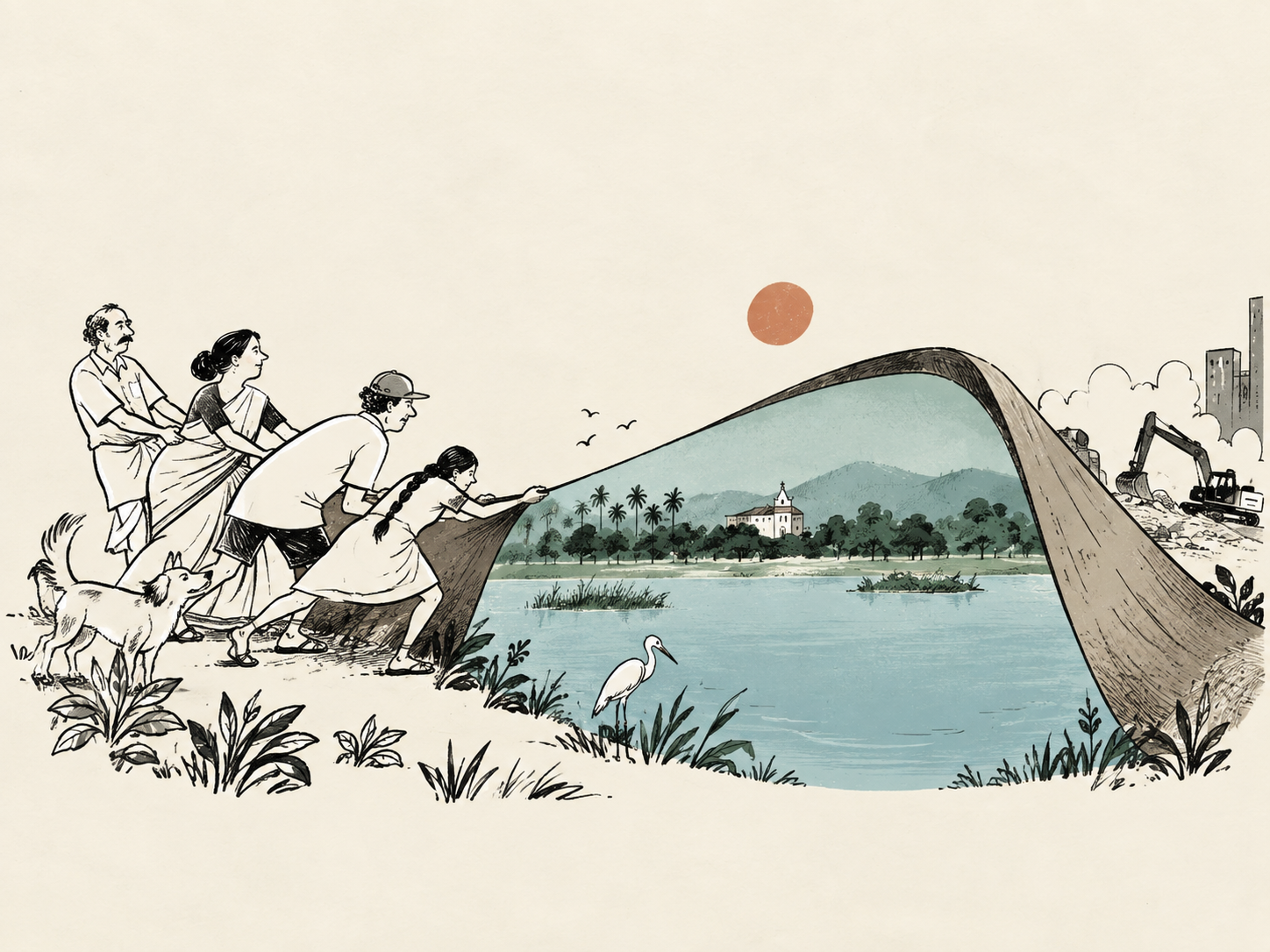
Across India, commons — which are shared lands and resources such as forests, pastures, water bodies and mangroves — have been spaces used by communities to build resilience. They cover nearly 205 million acres or one-fourth of India and form the lifeline for over 350 million people, including marginalised groups like Scheduled Castes, Scheduled Tribes and women. With the community at the helm of commons governance, these spaces are dynamically used through collective negotiation and congruence with local conditions. Hatikhuli village using their commons to resolve human-wildlife conflict illustrates this symbiotic relationship.
Driven to desperate conflict
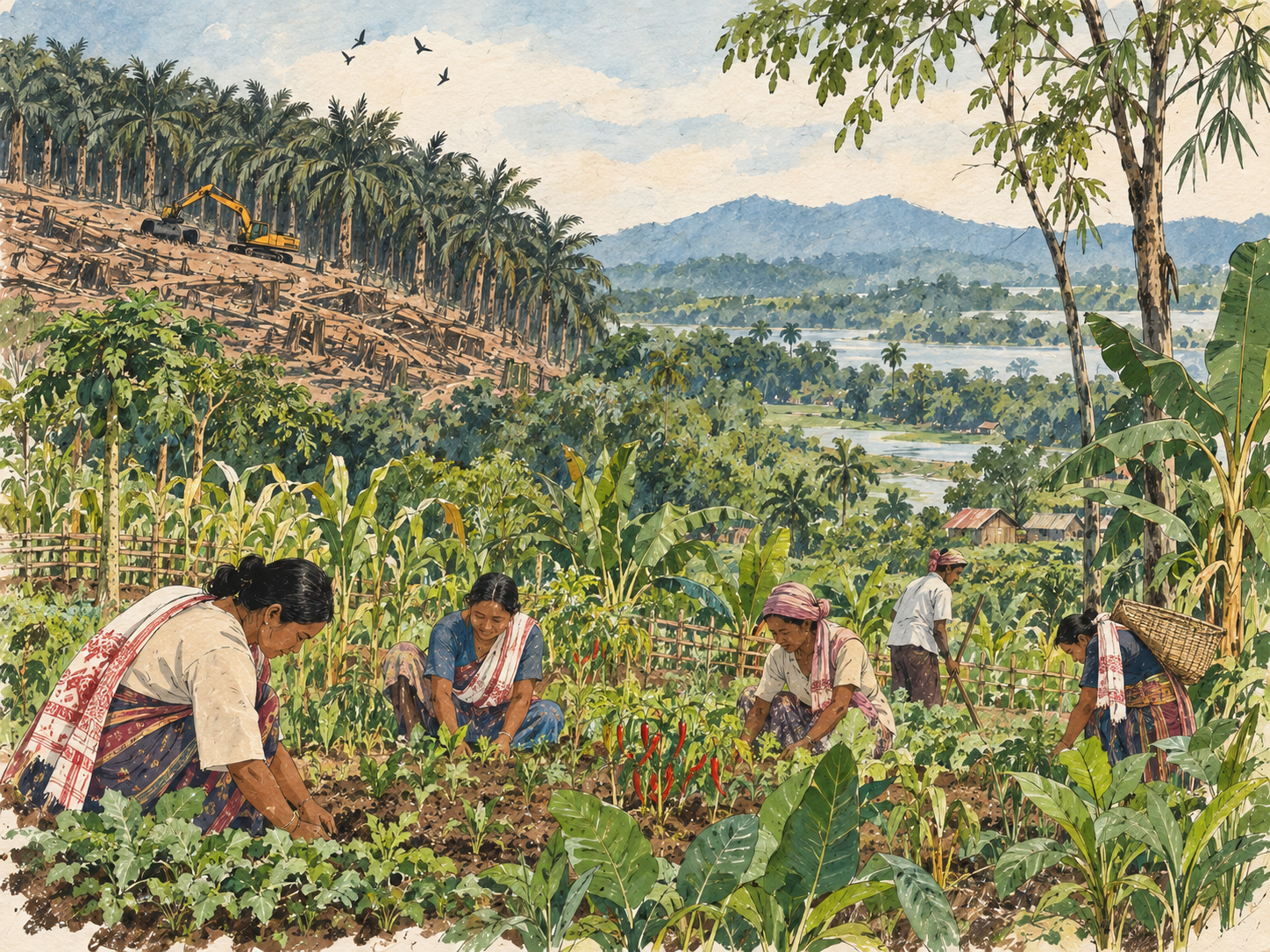
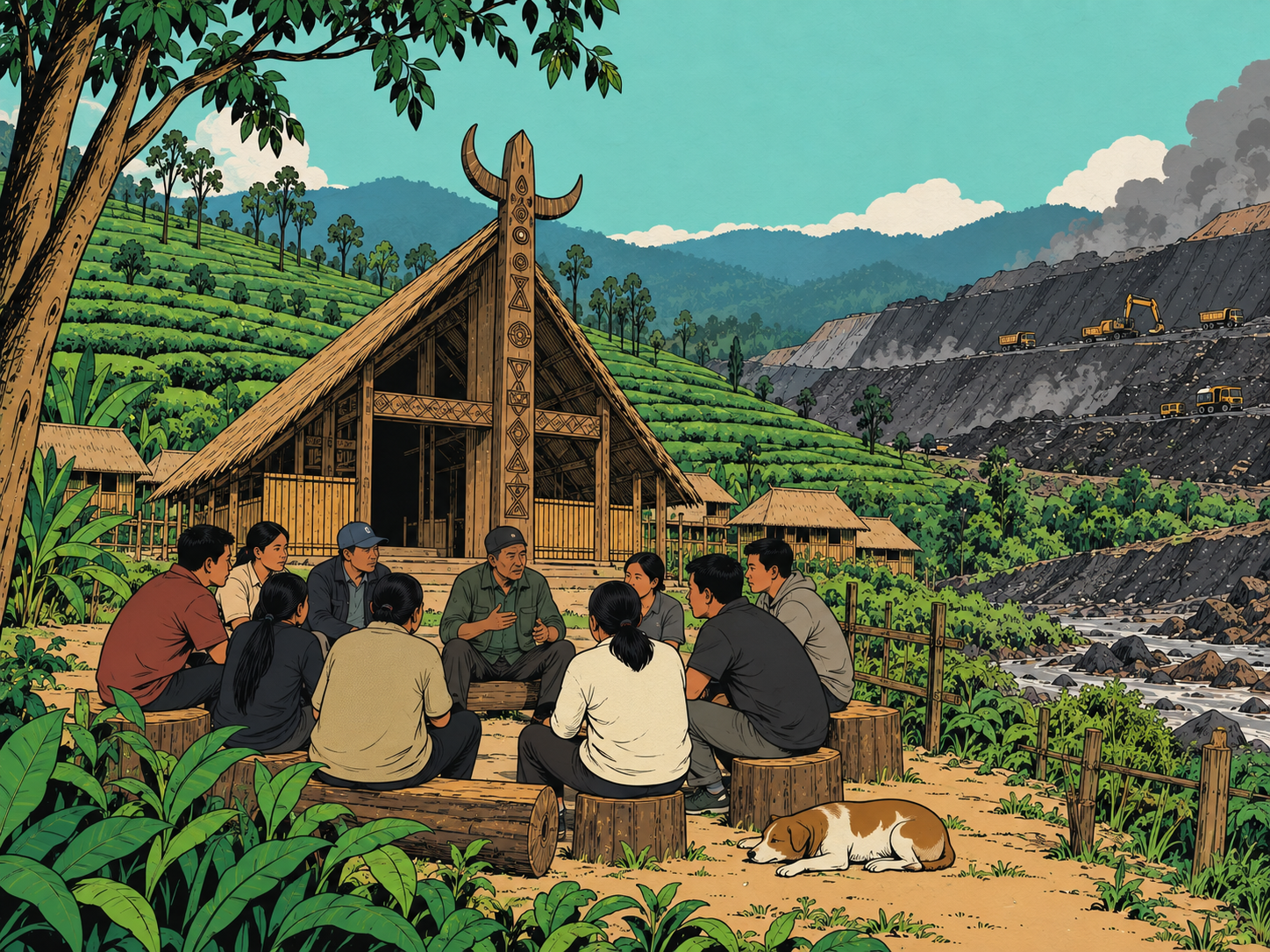
The roots of the violence in Hatikhuli Rong Hang village were as much ecological as they were economic. For years, the elephants of the Kaziranga landscape were being squeezed out of their traditional foraging grounds amid habitat loss and destruction of forests.
A 2020 study used high-resolution images to reveal a sharp decrease in core forest from 1176.69 square kilometer in 2002 to 748.28 sq.km. in 2013. The shrinking of forests in the region reduced elephant habitat.
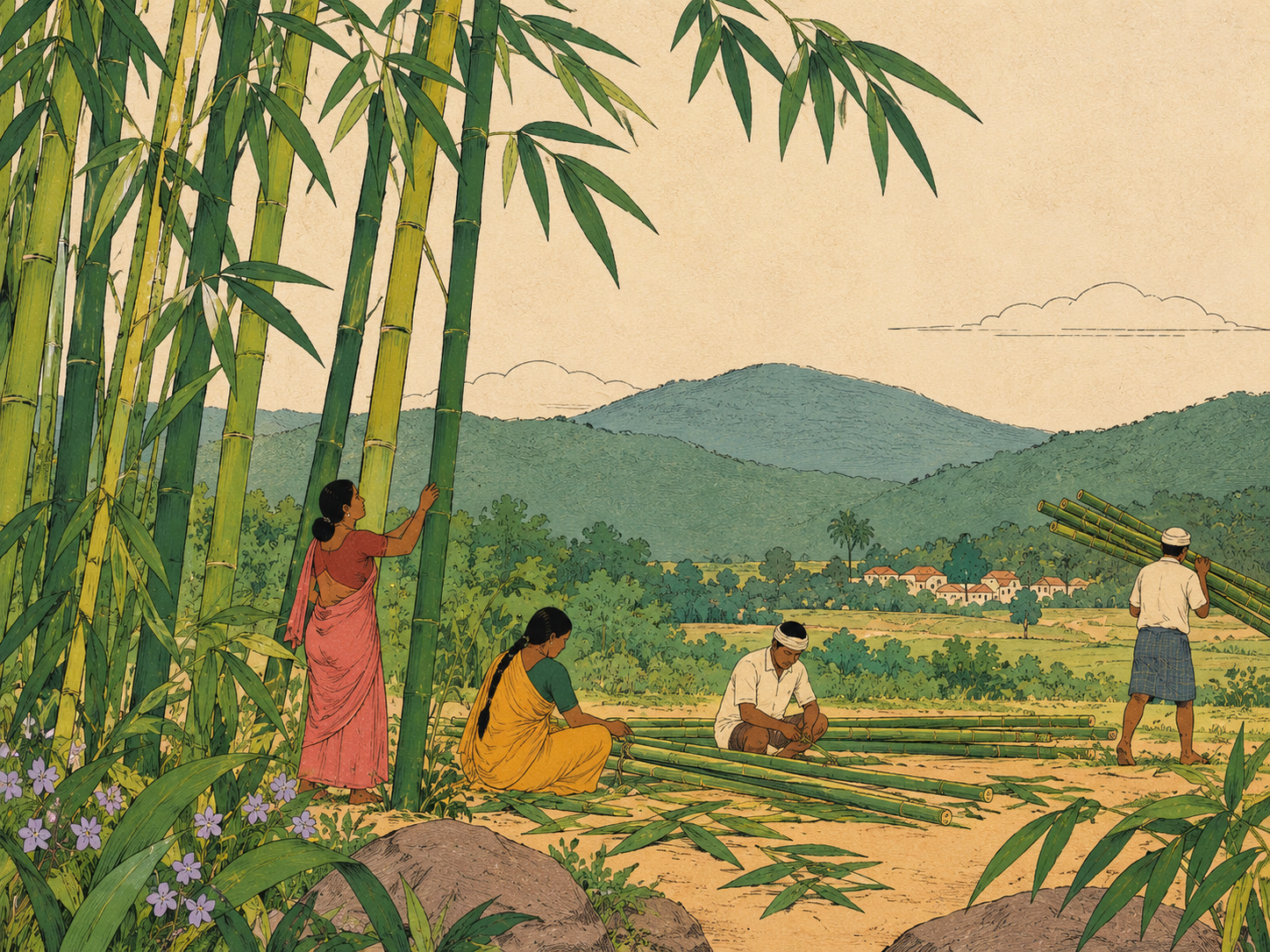
This exacerbated after 2001, villagers said, when businesses extracted the bamboo from the nearby hills for a paper mill in the Nagaon district, leaving the slopes barren and the elephants hungry. Asian elephants, such as those in Kaziranga region, have a varied vegetarian diet, and feed on grasses, bamboo, leaves, bark, shoots, creepers, palms, etc.
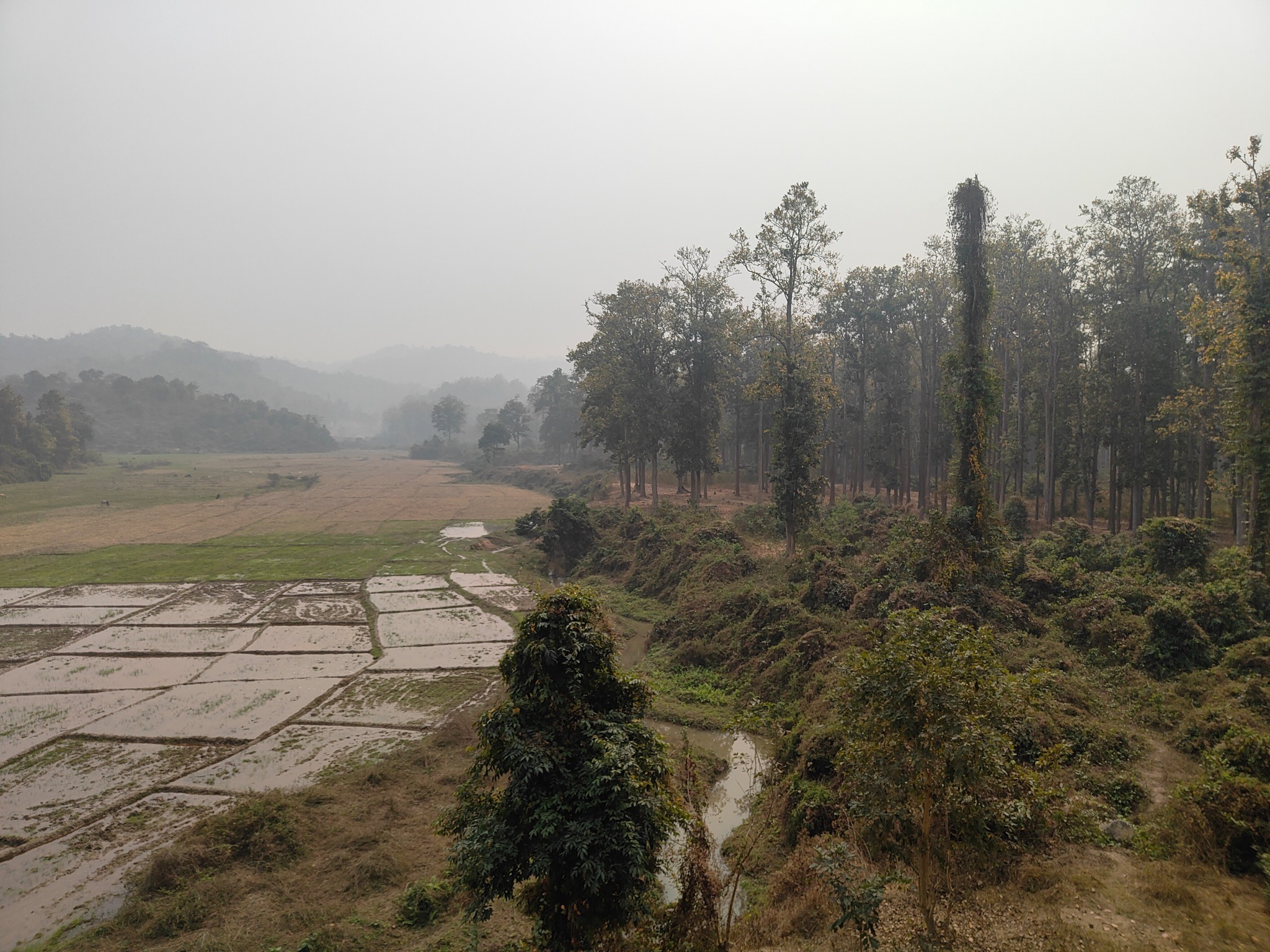
Stripped of their natural fodder, the herds turned to the plains: the lush, green paddy fields of the local farmers belonging to Karbi, Adivasi and Muslim communities.
“Around 2003, I started visiting those sites of conflicts where I would always find villagers in distress after elephants ransacked their homes,” said Binod Dulu Borah, 42, a local conservationist who grew up amidst this chaos. Over the past decade, he has rescued injured, abused or lost elephants.
The retaliation from the humans was equally desperate – sticks, torches, and firecrackers were used to drive the herds back, often only making the animals more aggressive. "People would react violently," says Leena Timungpi, a 43-year-old farmer in the village. "Then the elephants would become more aggressive, and the destruction would continue.”
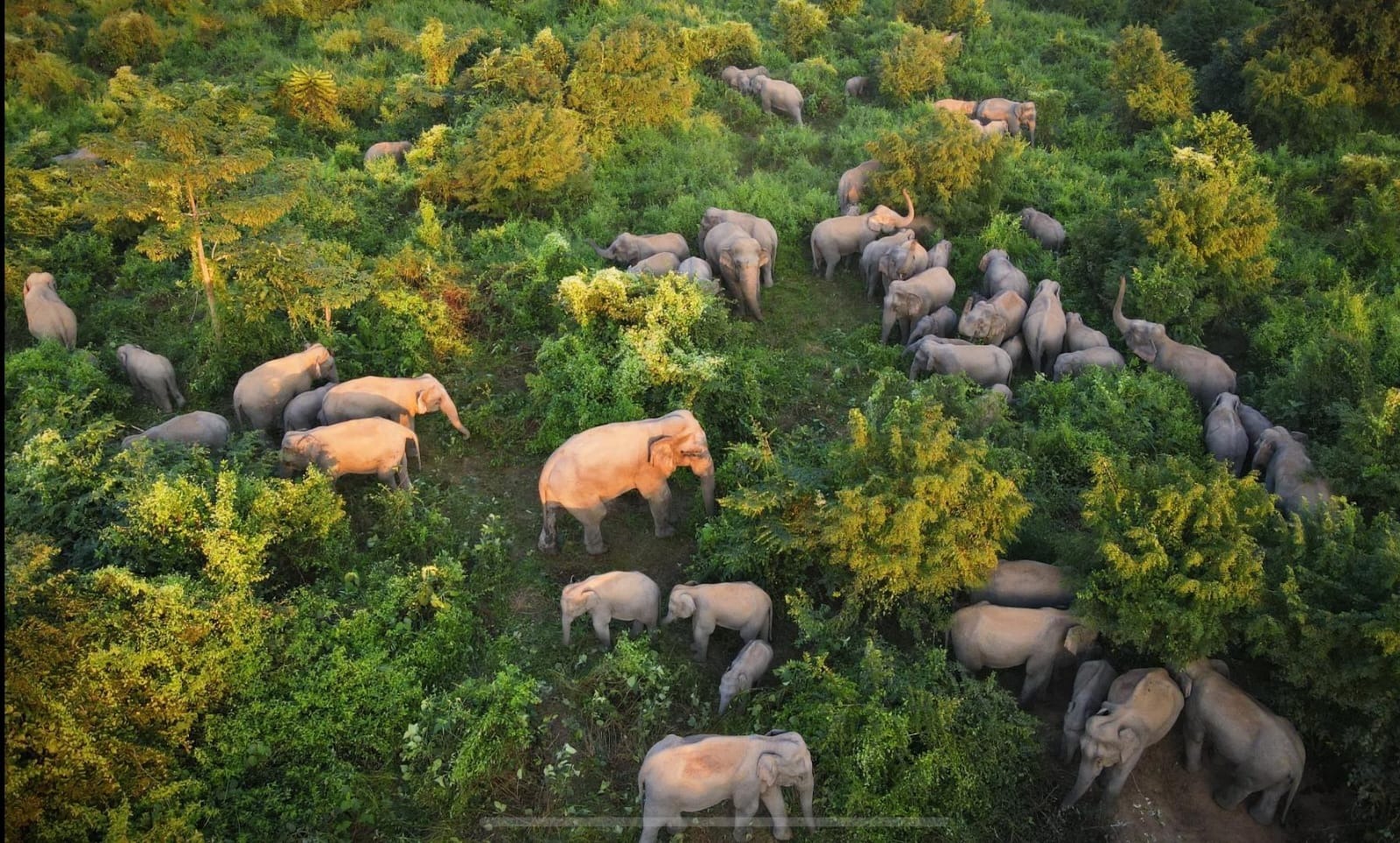
By 2017, the crisis had reached a breaking point. Borah and environmental activist Pradip Kumar Bhuyan came together to understand the scale of this human-elephant conflict. They conducted GPS mapping for over two months and found that a group of over 200 elephants was moving through a 134-kilometer trail, gathering in places like Hatikhuli between October and December. During this window, they would move across 40,000 bighas of land, leaving a trail of ruined crops, destroyed houses and broken lives in their wake.
Pushing through fear for a solution
Violence, through firecrackers or mobs that chased the elephants, was nearly always the last resort for the community. They had tried other traditional ways, including planting banana trees in common spaces, hoping that this would divert the elephants. But, Borah said this was "just a one-day meal" for the pachyderms, who were encouraged to stay longer in the plains.
The breakthrough came from a moment of observation. Borah recalls that in 2012, he noticed an elephant in Kaziranga National Park eating a hardy, nutritious grass known as Napier grass. "The idea struck me," Borah says. "If we plant these at the hills or at the slopes in huge quantities, then elephants would not have to move further into the village for food,” Bhuyan suggested the idea that planting Napier would stall the elephants in their tracks.
When Borah and Bhuyan first approached the villagers of Hatikhuli with a proposal to grow rice on 180 bighas of private land and napier grass, elephant apple, and other crops on 1,200 bighas of the barren hillside, they were met with fierce resistance. The community was weary of outsiders. Past experiences with contractors who came to strip the hills of resources had left them doubting the intentions, and many feared the project was a "ploy to take over their land". In 2017, 14 meetings were held in various hamlets in the village, and each time, the village unanimously opposed the idea.
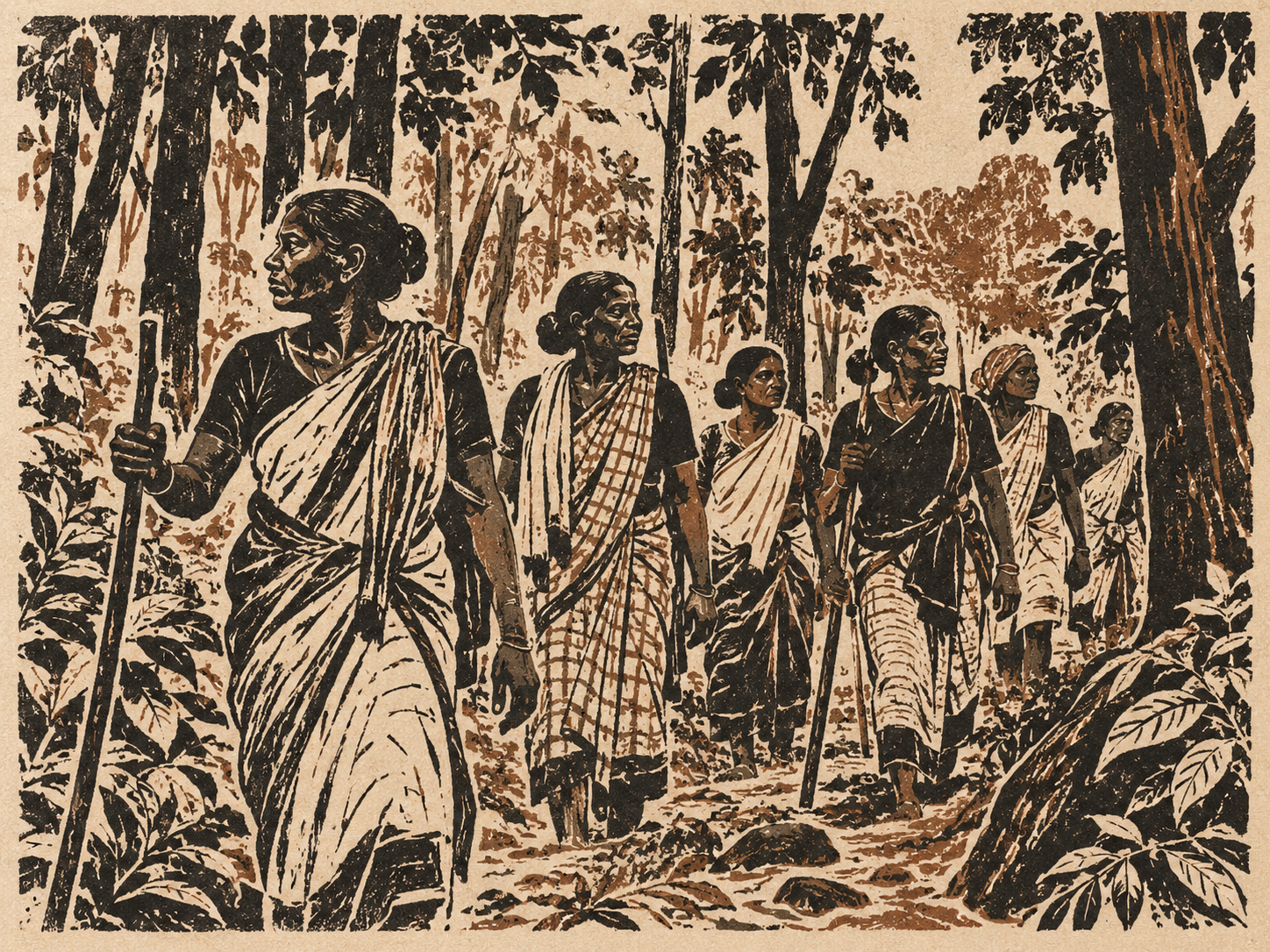
The breakthrough came about when women extended their support. Sarasati Teronpi and Leena Timungpi were among those who argued that at least a chance should be given to this idea.
They convinced the men in the village to allow the experiment to happen once. "In our village... women are heard the most," Timungpi explains. "And that’s why we were able to convince the villagers".
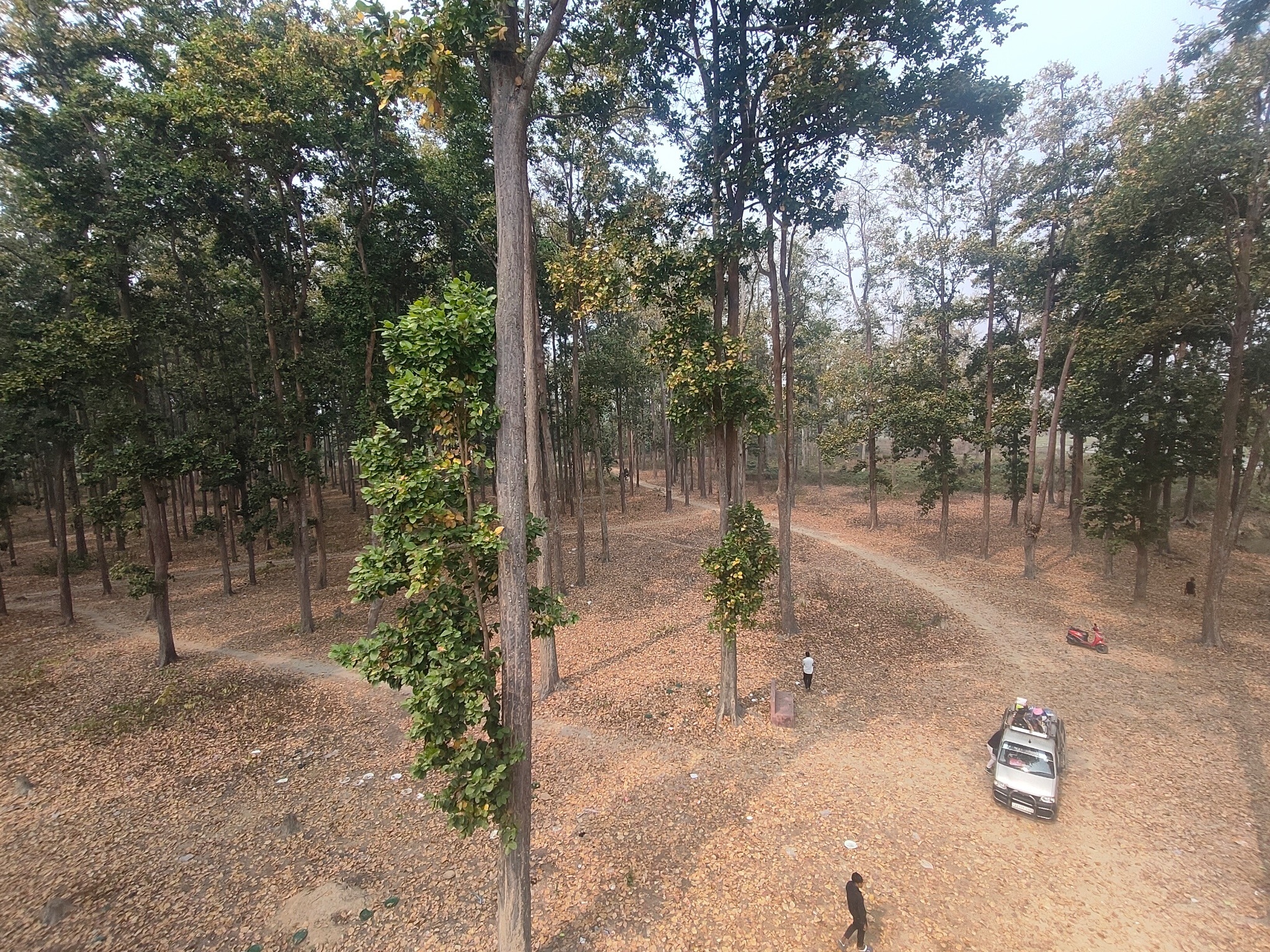
A peace offering on the village commons
In July 2018, the experiment began. The land at the foot of the hill was chosen to grow rice for elephants as this area was under the most conflicts.
Villagers donated their lands voluntarily. Sarasati herself gave up seven bighas of her own property for the cause.
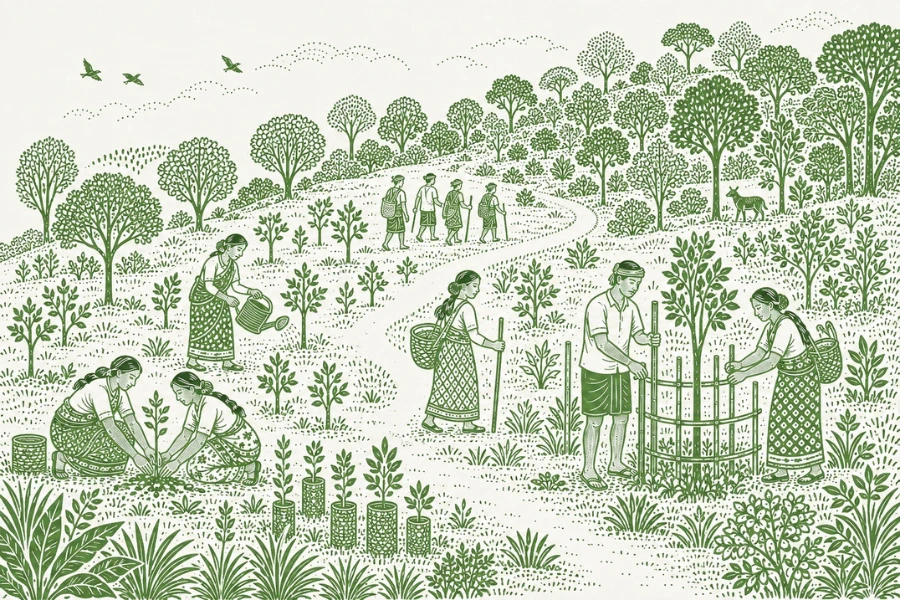
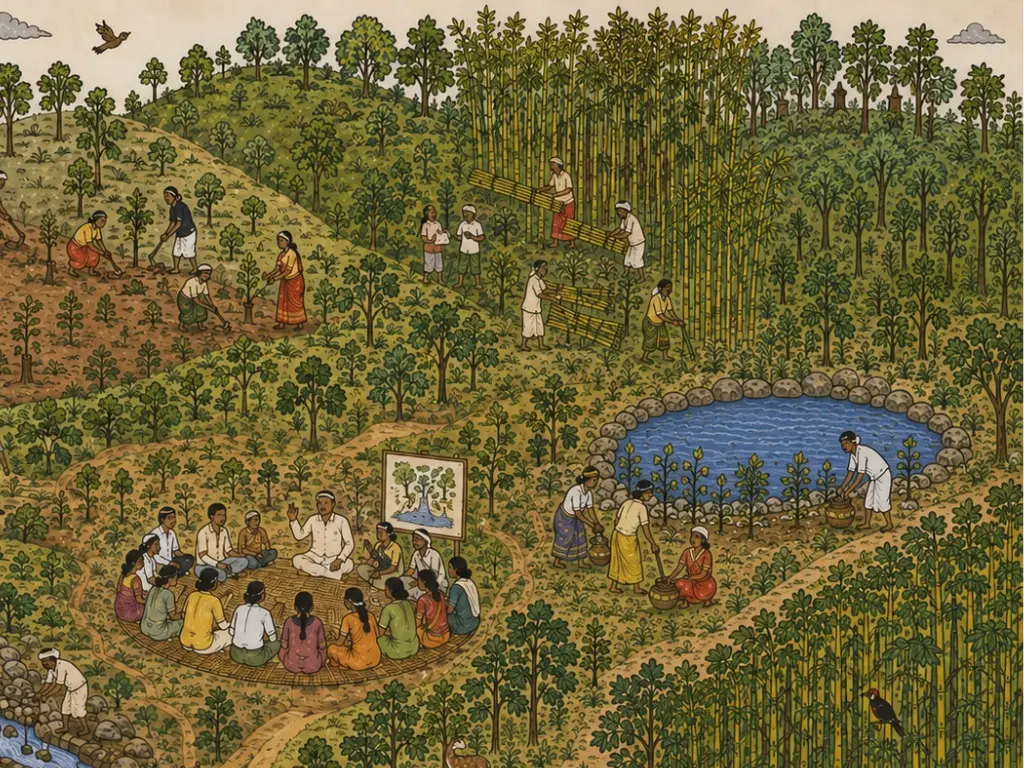
Under the initiative led by NGO Hatibandhu, founded by Borah and Phukan, villagers laboured to plant rice on 180 bighas of private land specifically for the elephants. The community worked on 1,200 bighas of commons – a degraded hillside – planting a buffet of Napier grass, jackfruit, elephant apple, and bamboo.
The lush green fields were ready for feeding the elephants. The villagers conducted a multi-faith prayer at the fields; Hindus prayed to the Elephant-headed god Ganesha and Muslims prayed to Allah. For the first time, villagers prayed not to drive away the elephants, but for them to relish the grains grown for them.
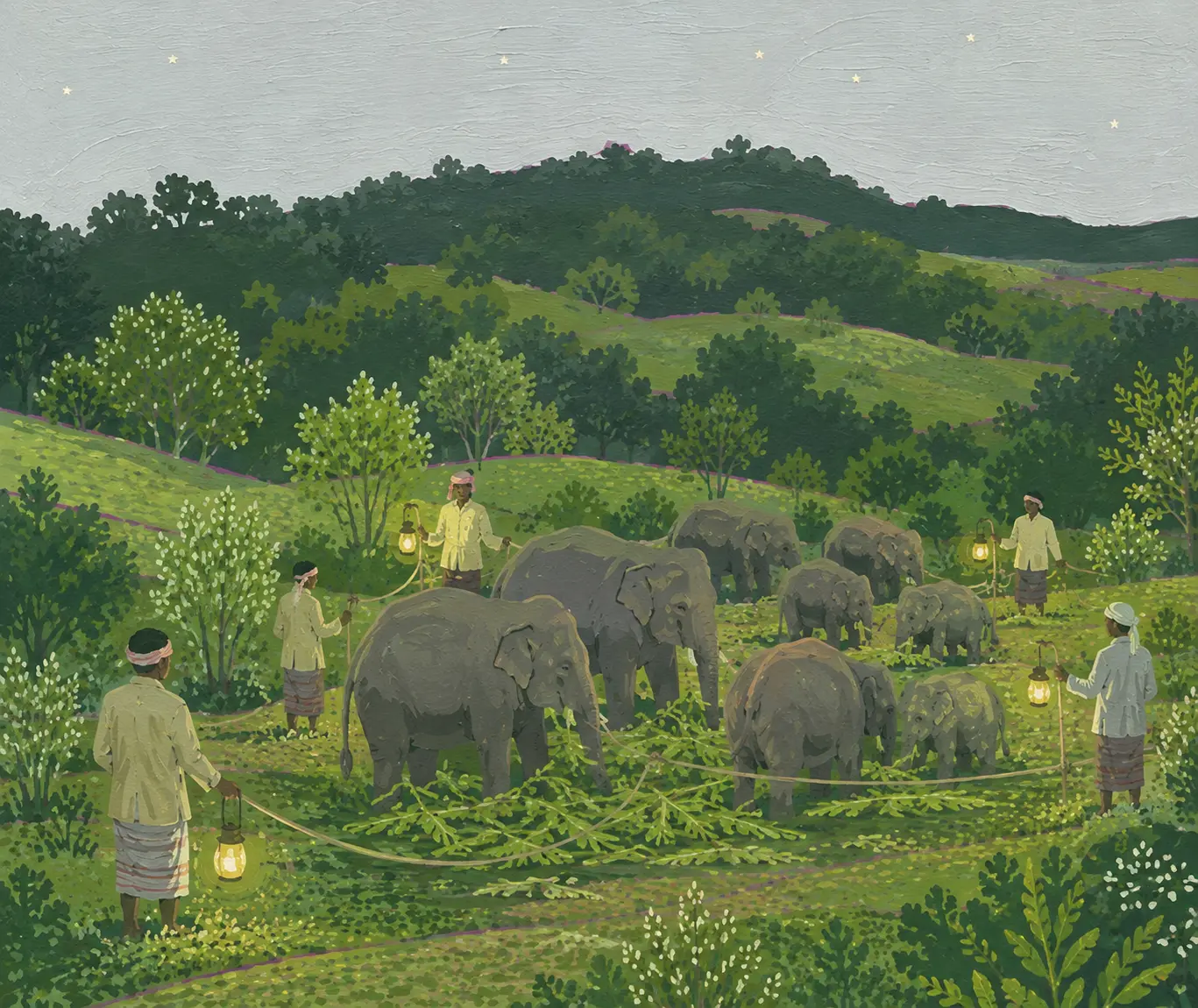
When the herd of over 200 elephants arrived that October end, the village was ready. They carefully managed where the herd fed each night. Villagers marked a specific boundary using flames and ropes, guiding the elephants to a designated section of the field – ten bighas one day, slightly less the next. The elephants, surprisingly, respected the boundaries.
“The elephants did not cross the marked boundary where food was provided,” Borah notes. By 2 a.m., the giants finished their meal and retreated peacefully into the forest. This process continued for a month.
This managed coexistence allowed the farmers to harvest their own rice on the other side of the village undisturbed for the first time in decades. The hill, once stripped bare for the paper industry, began to turn green again, providing a permanent home for the fodder the elephants craved.
A festival of coexistence
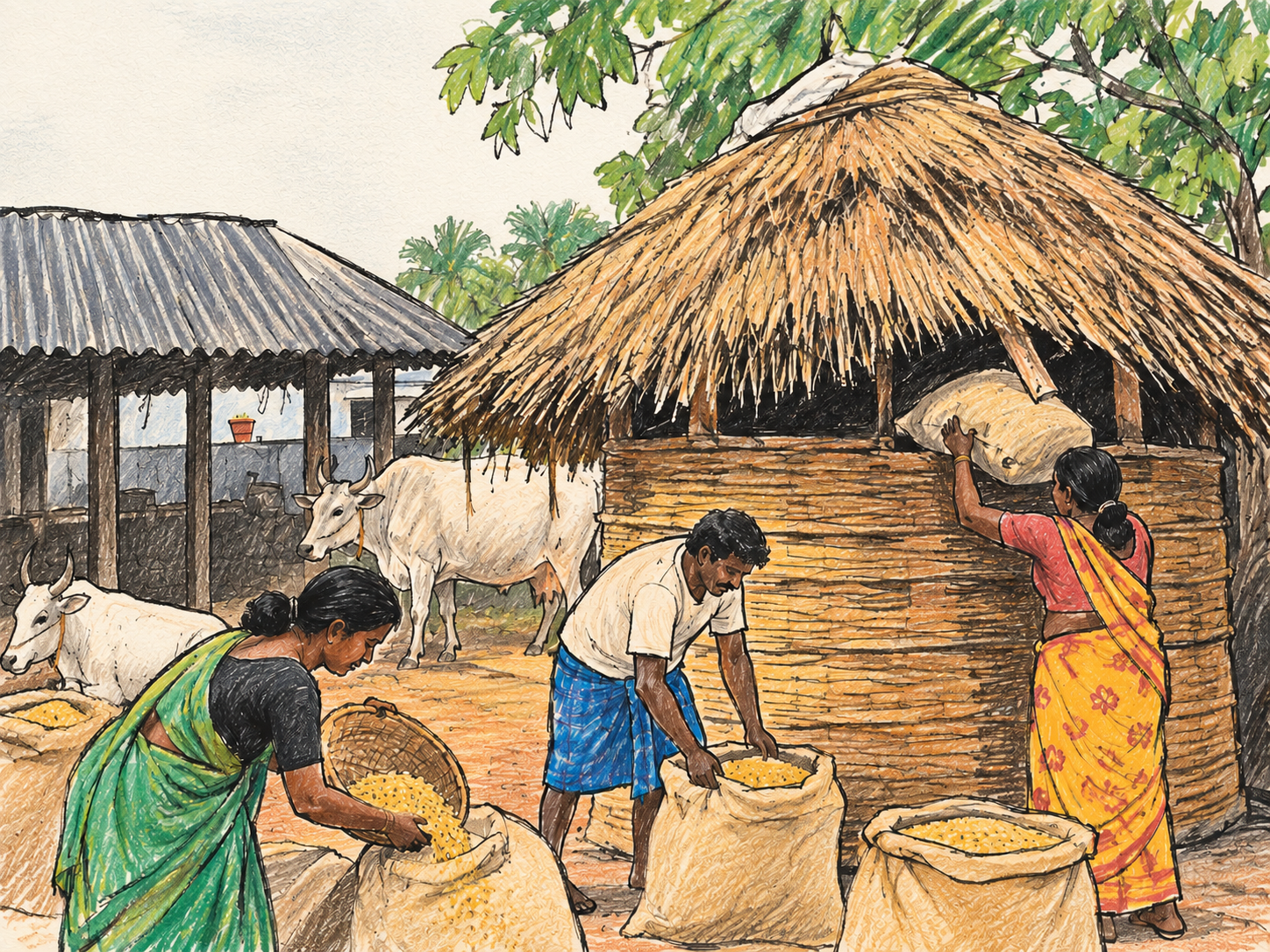
The success of the first year transformed the village's culture. What began as a desperate experiment has evolved into a proud ritual. Every July, the village now holds a “khichdi feast” where the community eats together before beginning the cultivation of the elephant’s rice. When the harvest season approaches in October, they hold a multi-faith prayer.
The results are evident. Violence has vanished. Coexistence has taken its place. "We can confidently say that there are no more human-elephant conflicts," says Sarsati. The elephants no longer roam into distant habitat areas because they no longer have to search for food. Even the daily rhythms of the village have changed; people who once feared walking to the hills for firewood during the day now do so freely, knowing the elephants are in their own designated sanctuary.
In Hatikhuli, the use of village commons ended the human-elephant conflict. Villagers have moved past the era of firecrackers and kerosene, arriving at a simple, yet radical philosophy. "Villagers understand clearly now," Borah says, "that if elephants are loved, they love back.”
.webp)




.webp)
.webp)
.avif)
.webp)

.webp)