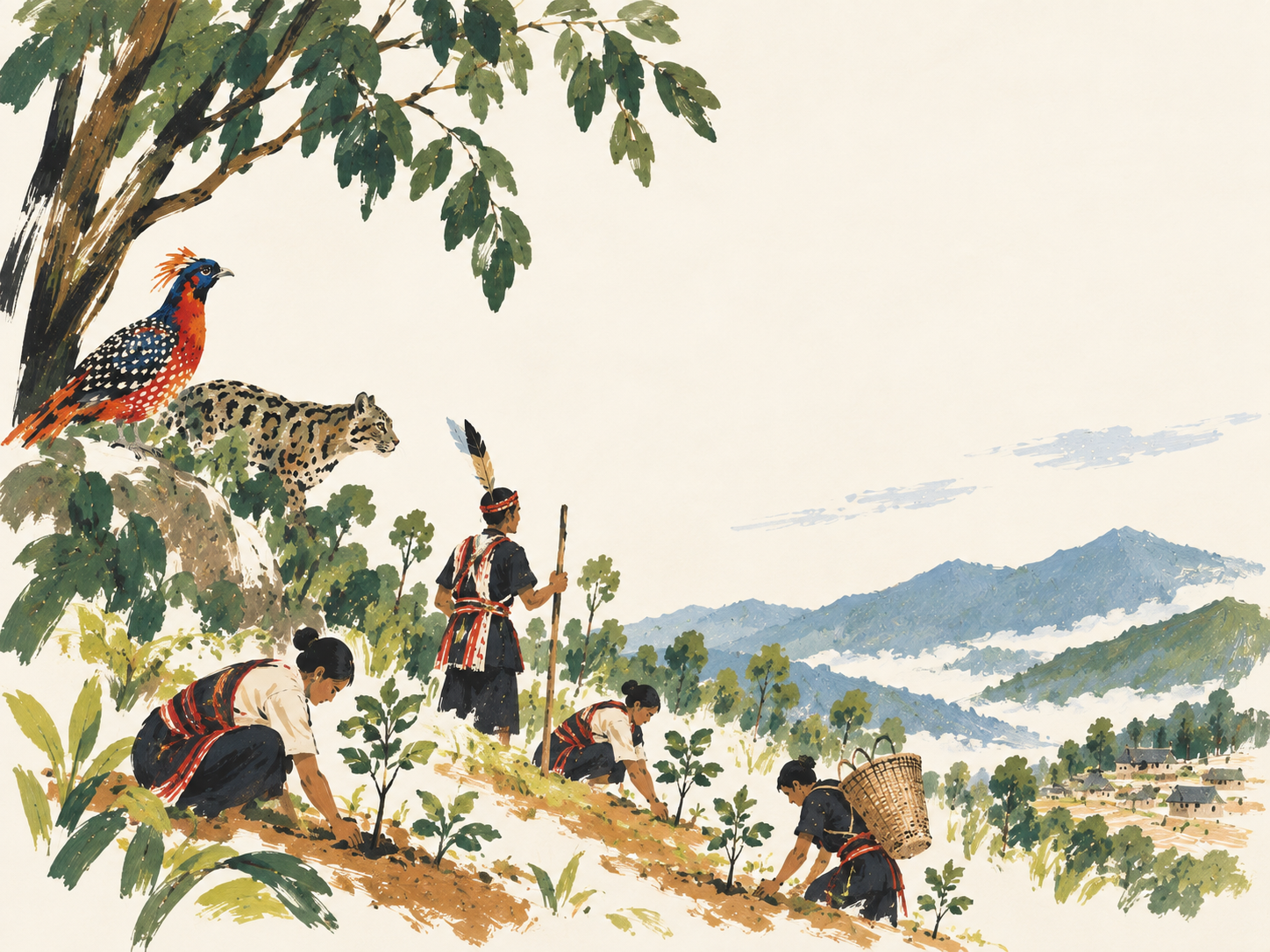
Khongdei Khuman, Manipur: There was a time when the forests around Khongdei Khuman were filled with large trees, birds and wild animals. Children would accompany their elders deep into the forest for hunting. That was how the little ones learnt, first-hand, that a landscape abundant with flora and fauna was not simply resources to reap, but to preserve and cherish for future generations.
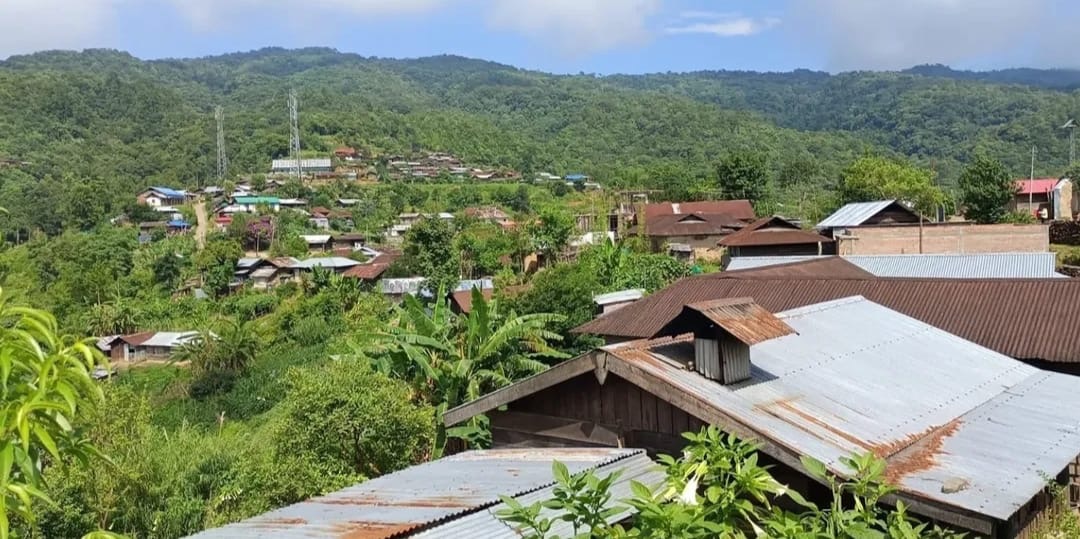
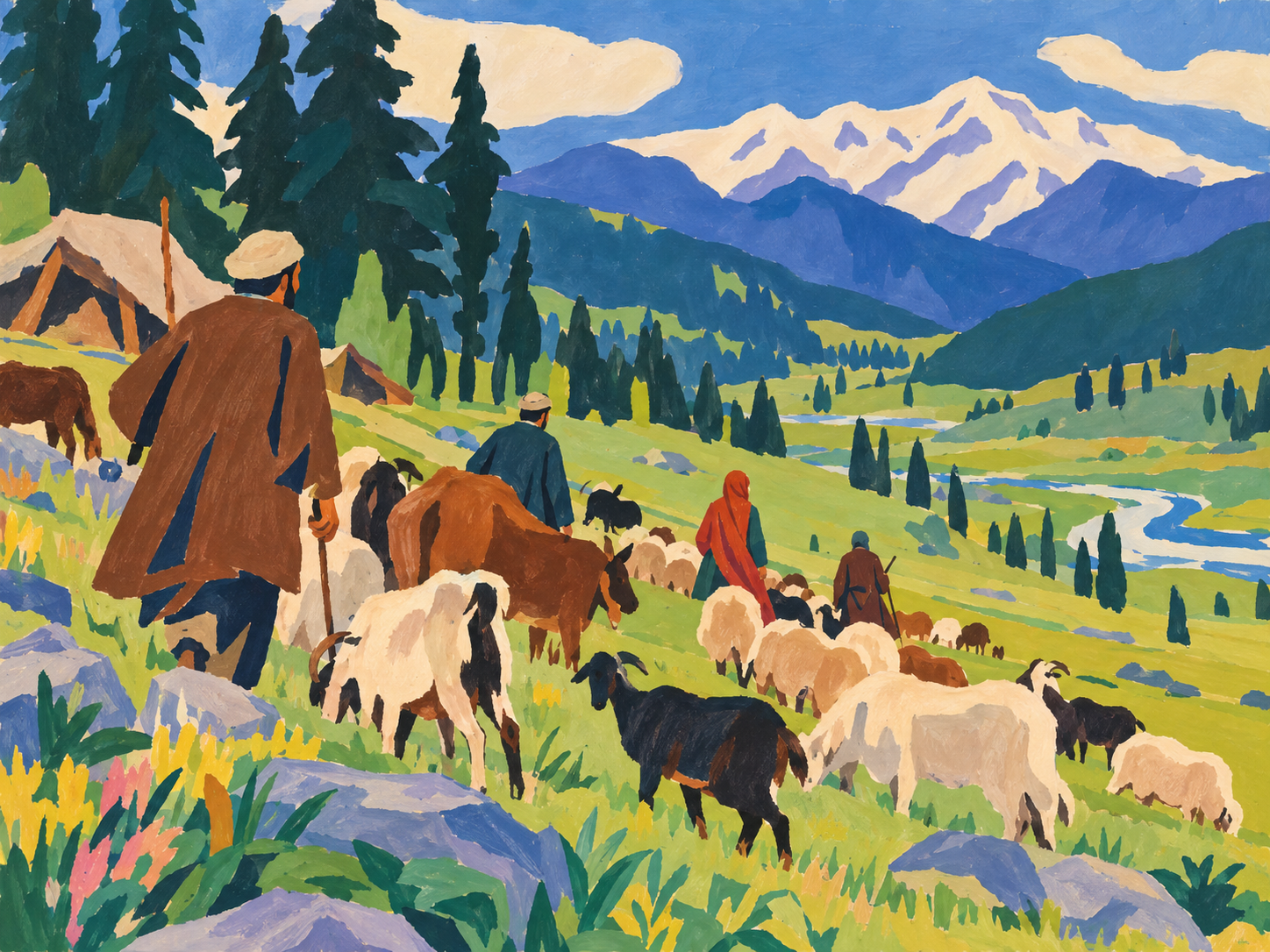
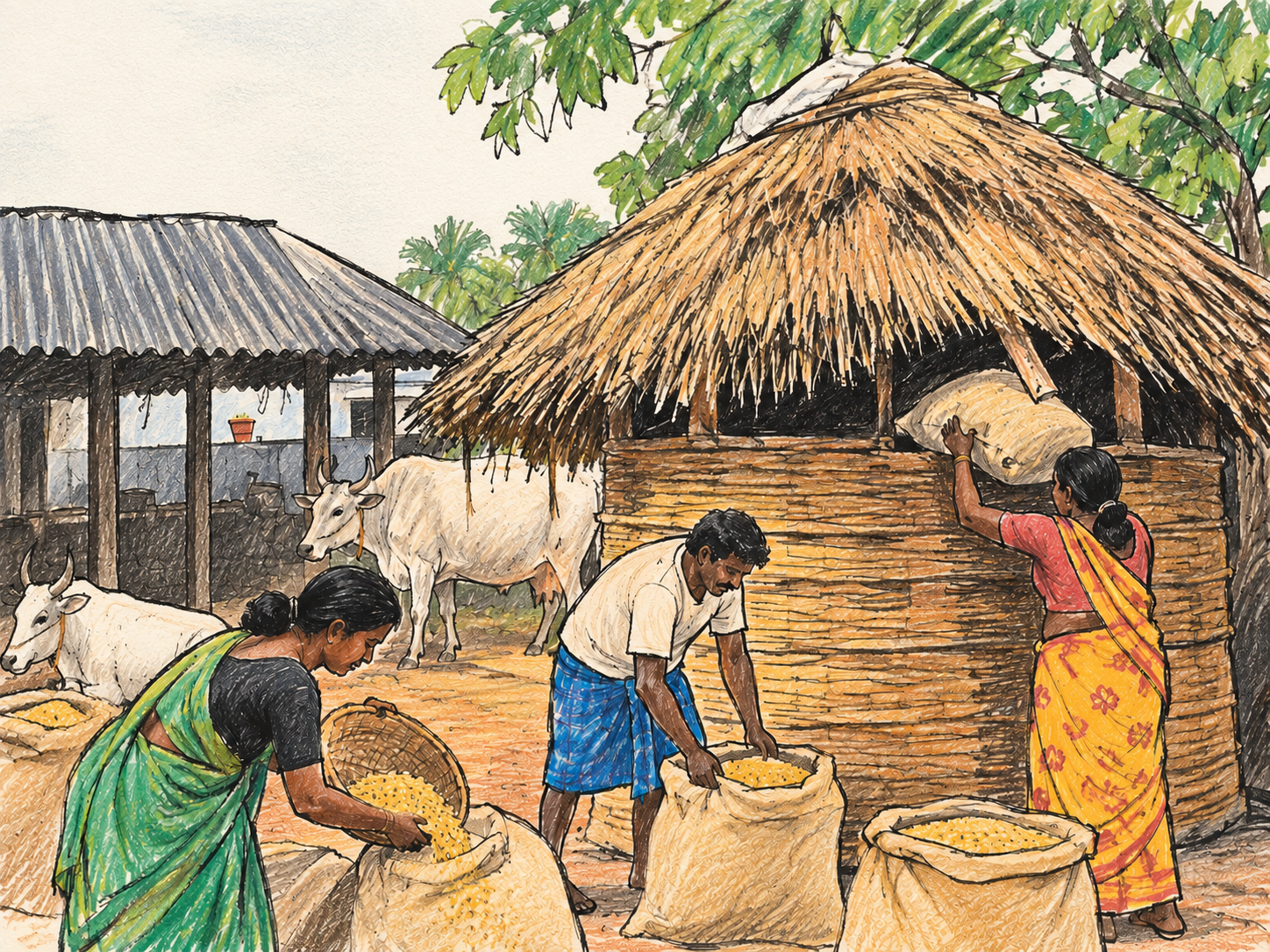
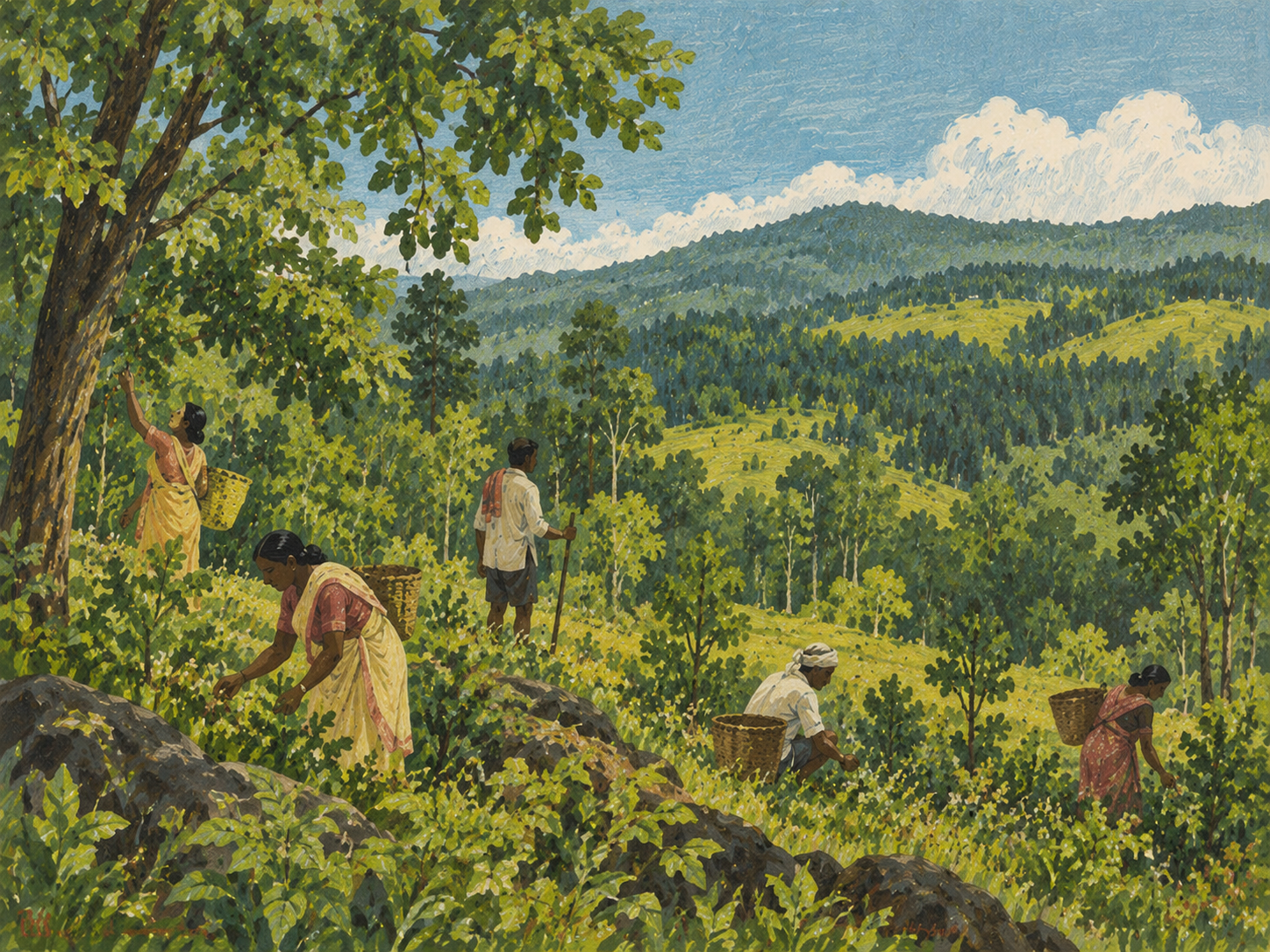
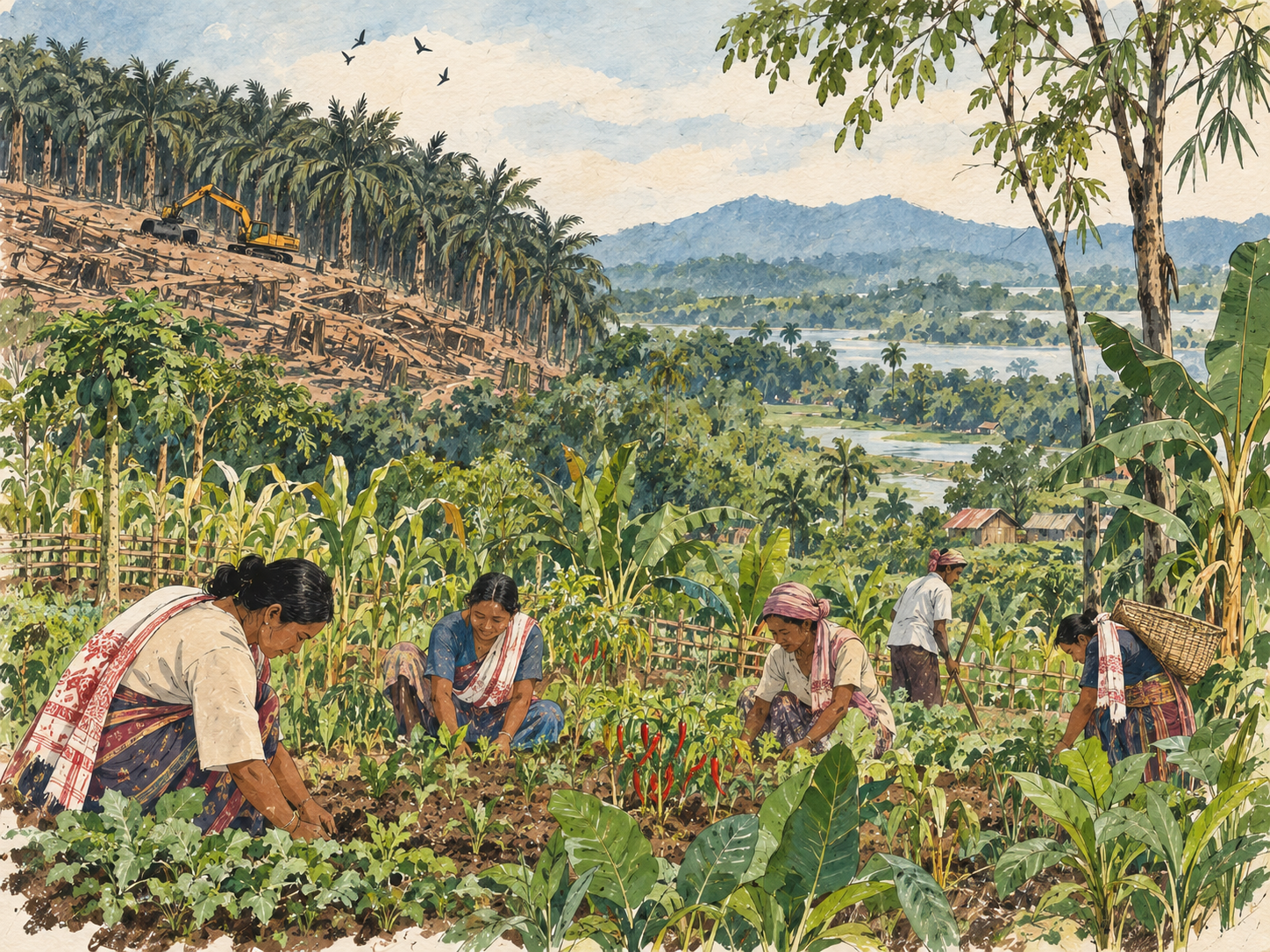
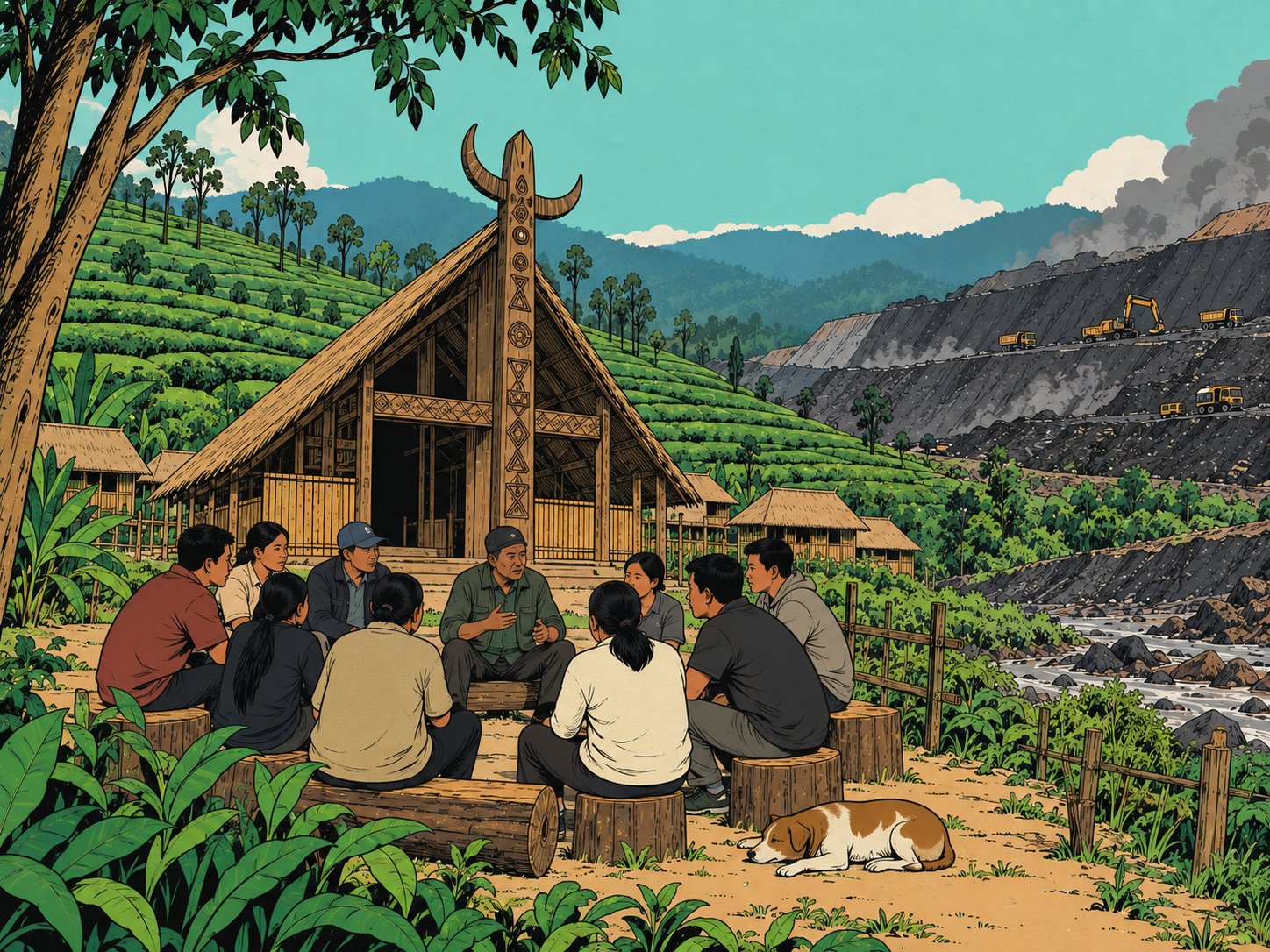
Khongdei Khuman is a green, hilly village in the eastern part of Manipur's Senapati district, a region dominated by Naga tribes, and in which agriculture and the forest are the mainstay. Around 3,352 people live in 570 households. Terrace farms spread along both sides of the Iril river, which flows through the region. Rice is the staple food, and terrace farming is the main agricultural practice, although some prefer jhum, or shifting cultivation. The produce includes rice, maize, beans, potatoes, cabbage and other vegetables.
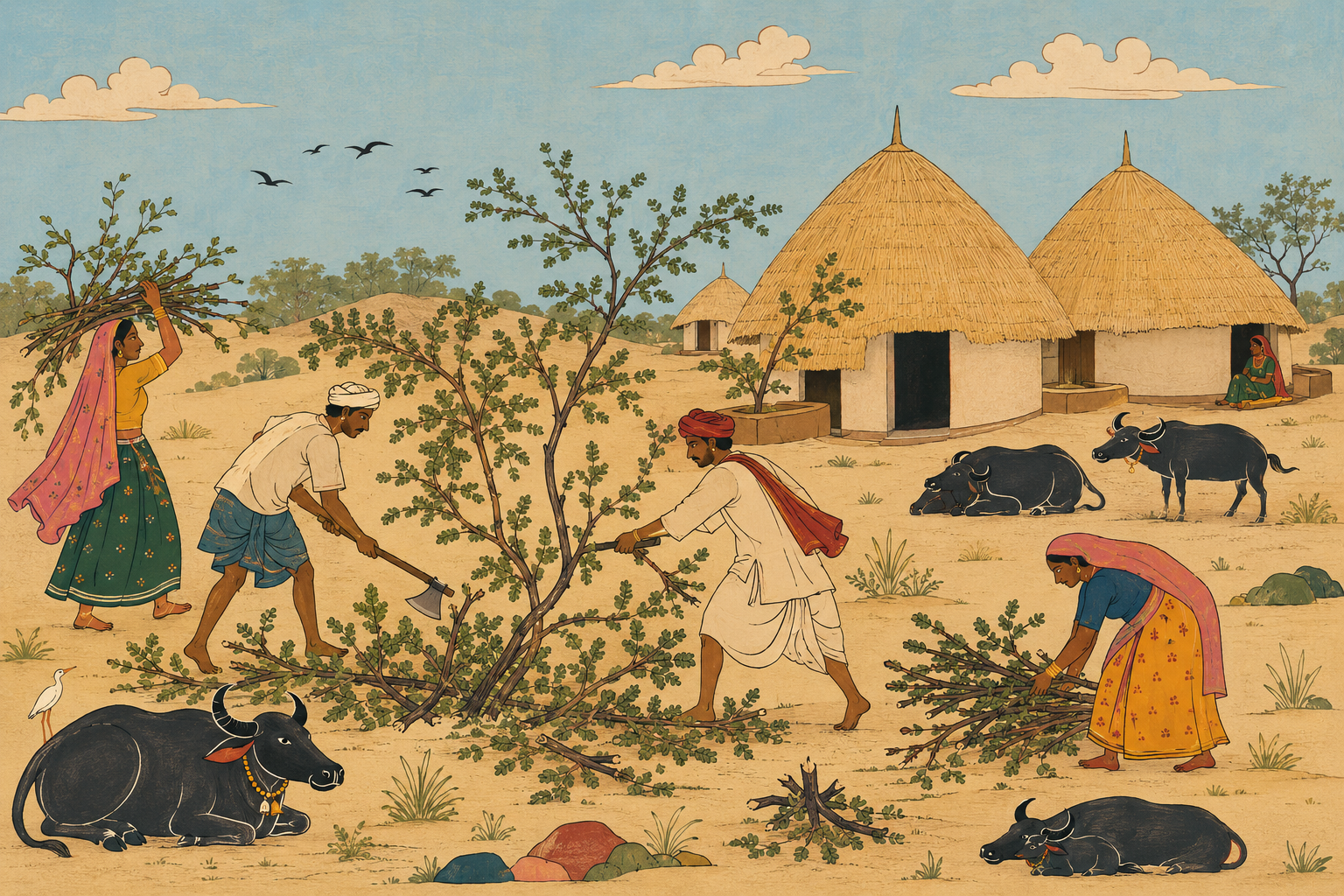
K. Khovii, still standing ramrod straight at 84 years, is one of the oldest members of the village. He remembers the days when felling a big tree was not as simple as taking an axe to the trunk. “People would carry out a ritual under the tree,” he says. “It was to prevent bad things from happening to the one who cuts down the tree. Without the ritual, the people believed he would die.”
Today, this belief may sound preposterous, but in Khongdei Khuman, forest customs still reign despite the spread of Christianity. It is these traditions that guide the people in conserving their shared landscape.
Shared by the community
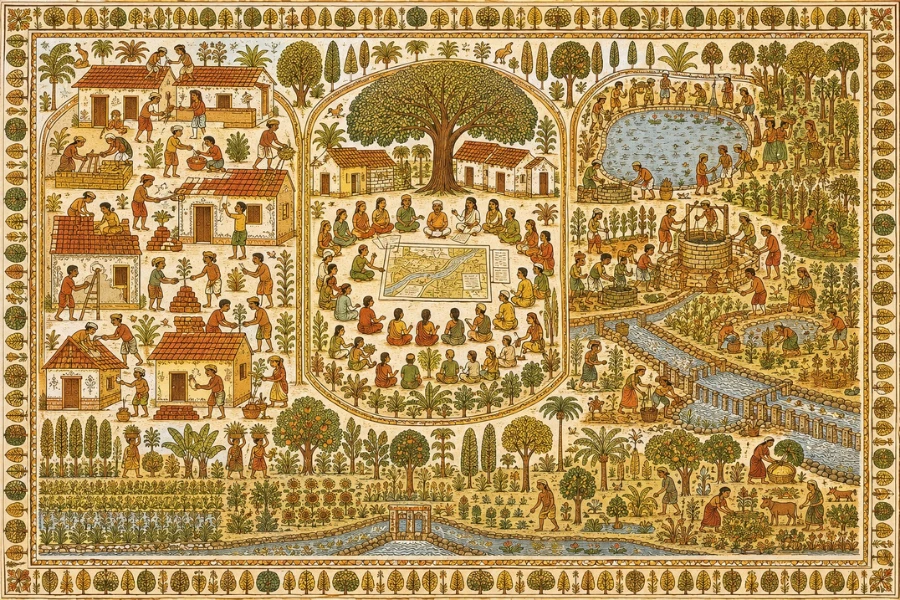
The region here is broadly divided into community, clan and private land. Community land is held collectively, while clan land is held by a family – father, his brothers and their progeny – within the village. Private land belongs to individual households.
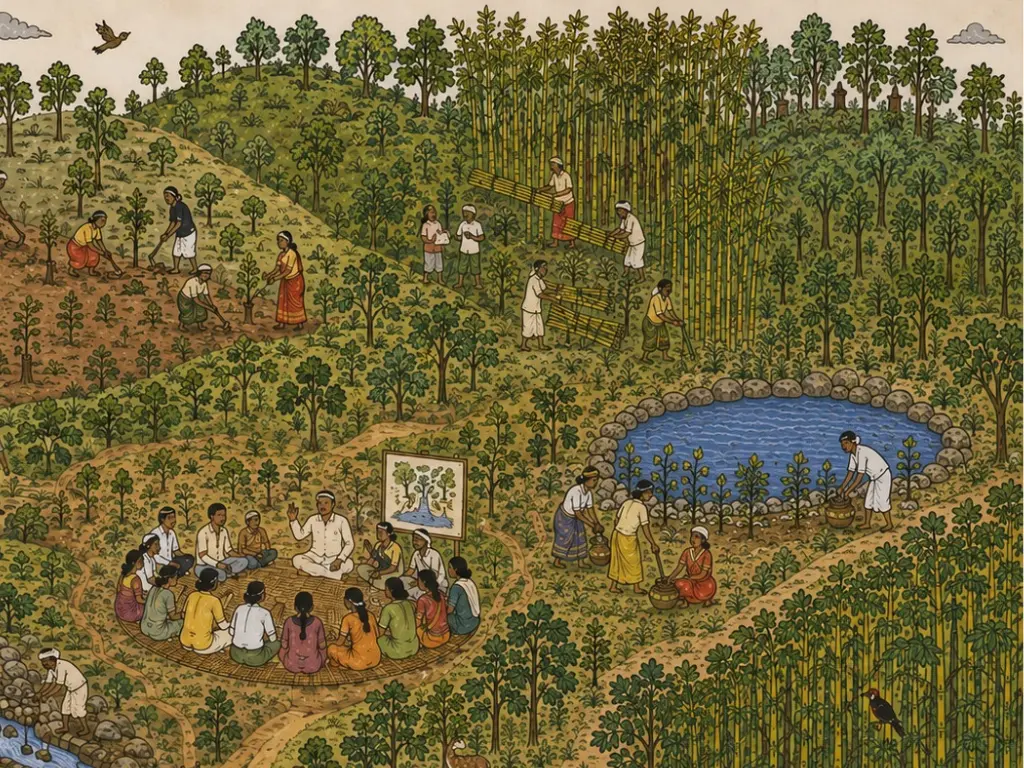
The community forest is therefore not simply a collection of trees that individual households can use as they wish. Though the residents are free to collect timber, firewood, vegetables, berries, mushrooms and other resources for household needs, taking timber and stones outside the village for commercial purposes is prohibited. These rules are maintained to sustain the landscape and community life.
Hravei, 38, lives on the edge of the community forest and is witness to the shifting landscape. An accident during a hunting trip in 2011 left him with locomotor paralysis. Since then, he has been observing the undulating land from his farmhouse. “Before my accident, our forests were full of birds and wild animals. Today, many of them are rare to find,” he adds.
Customs that survive
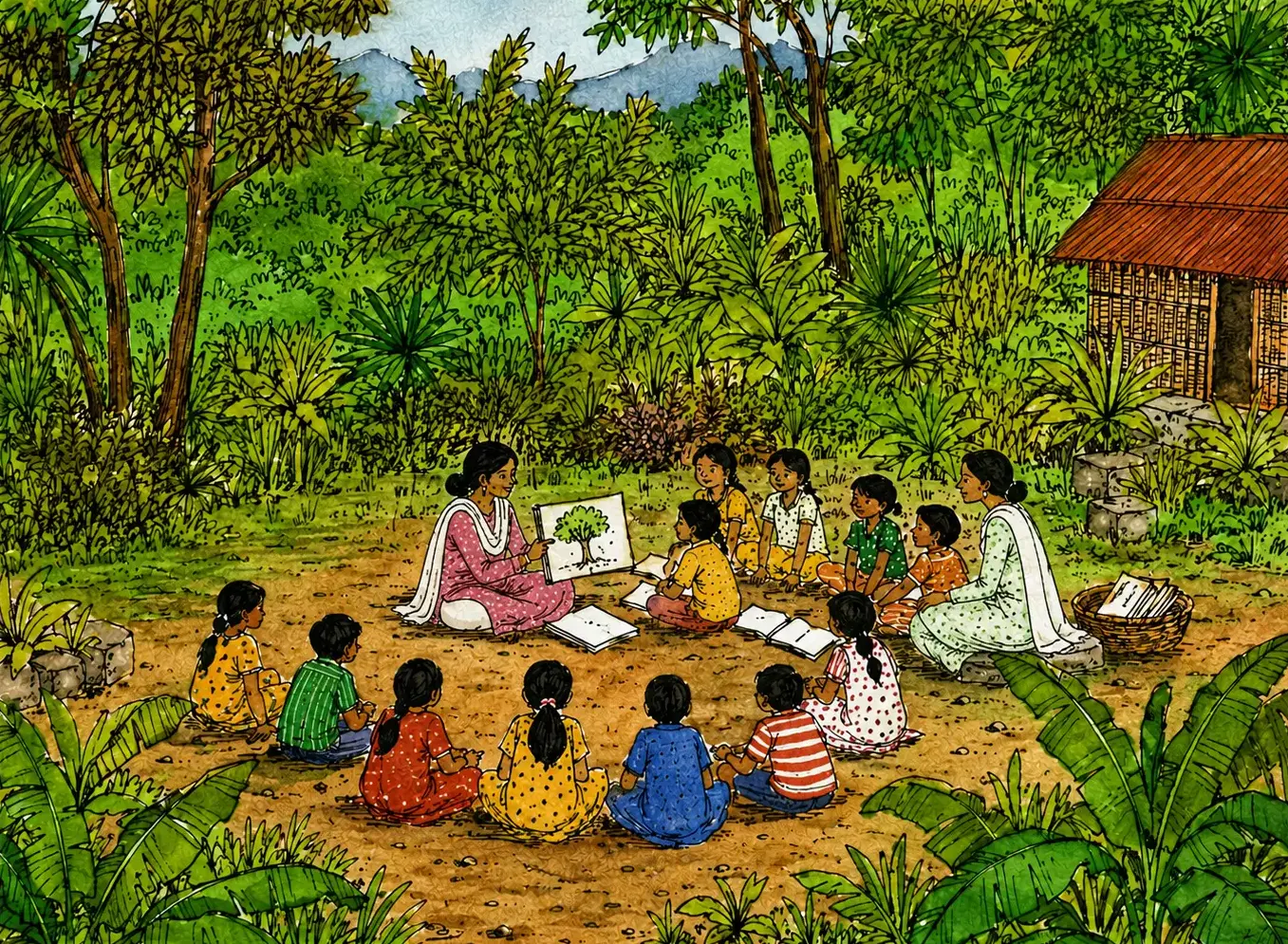
Before Christianity spread to Khongdei Khuman, the people of the village practised a range of rituals. Today, though all the residents of the village are Christians, indigenous knowledge and customs have not disappeared. This knowledge is passed down to generations through everyday interactions rather than formal teachings.
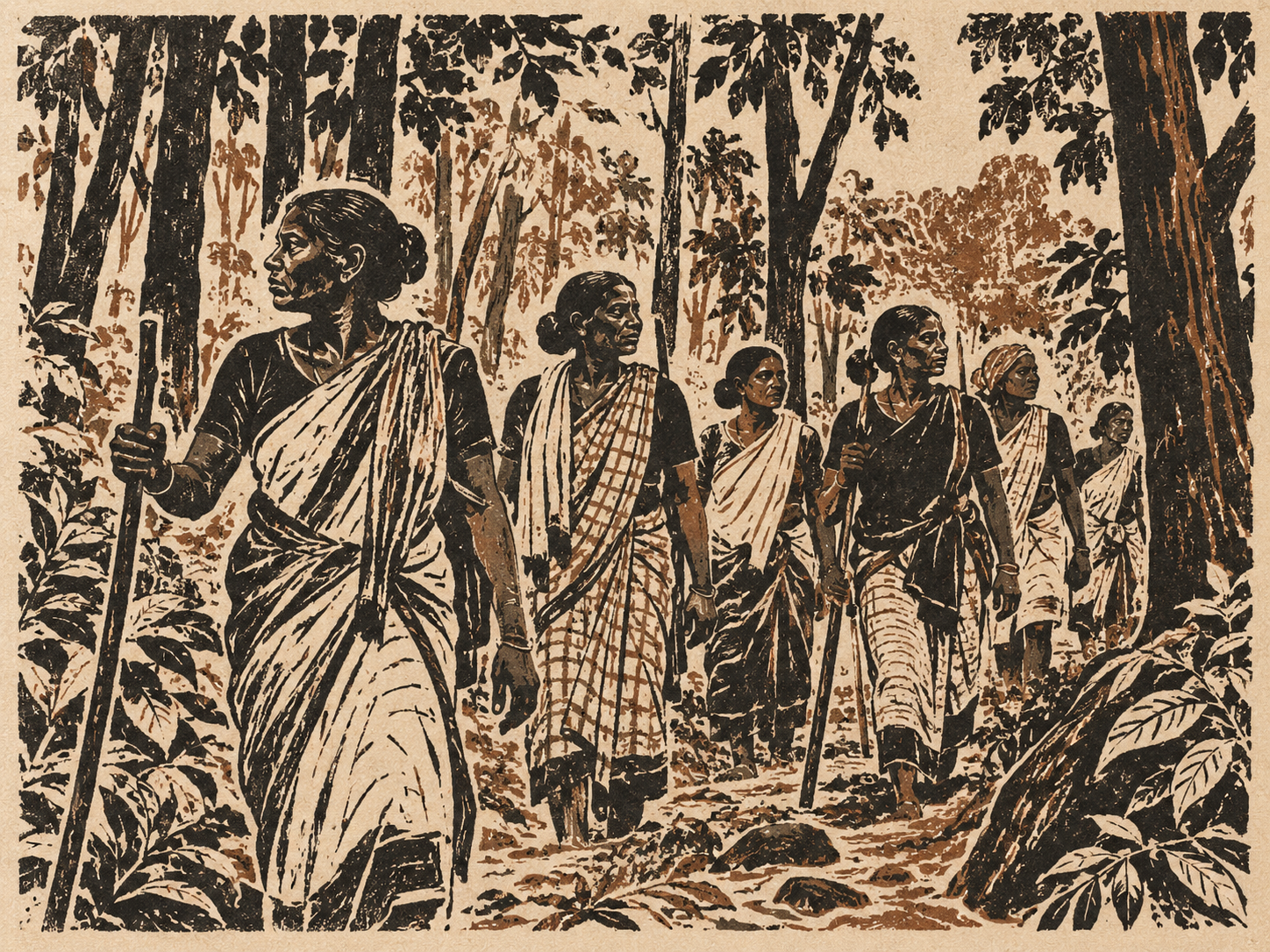
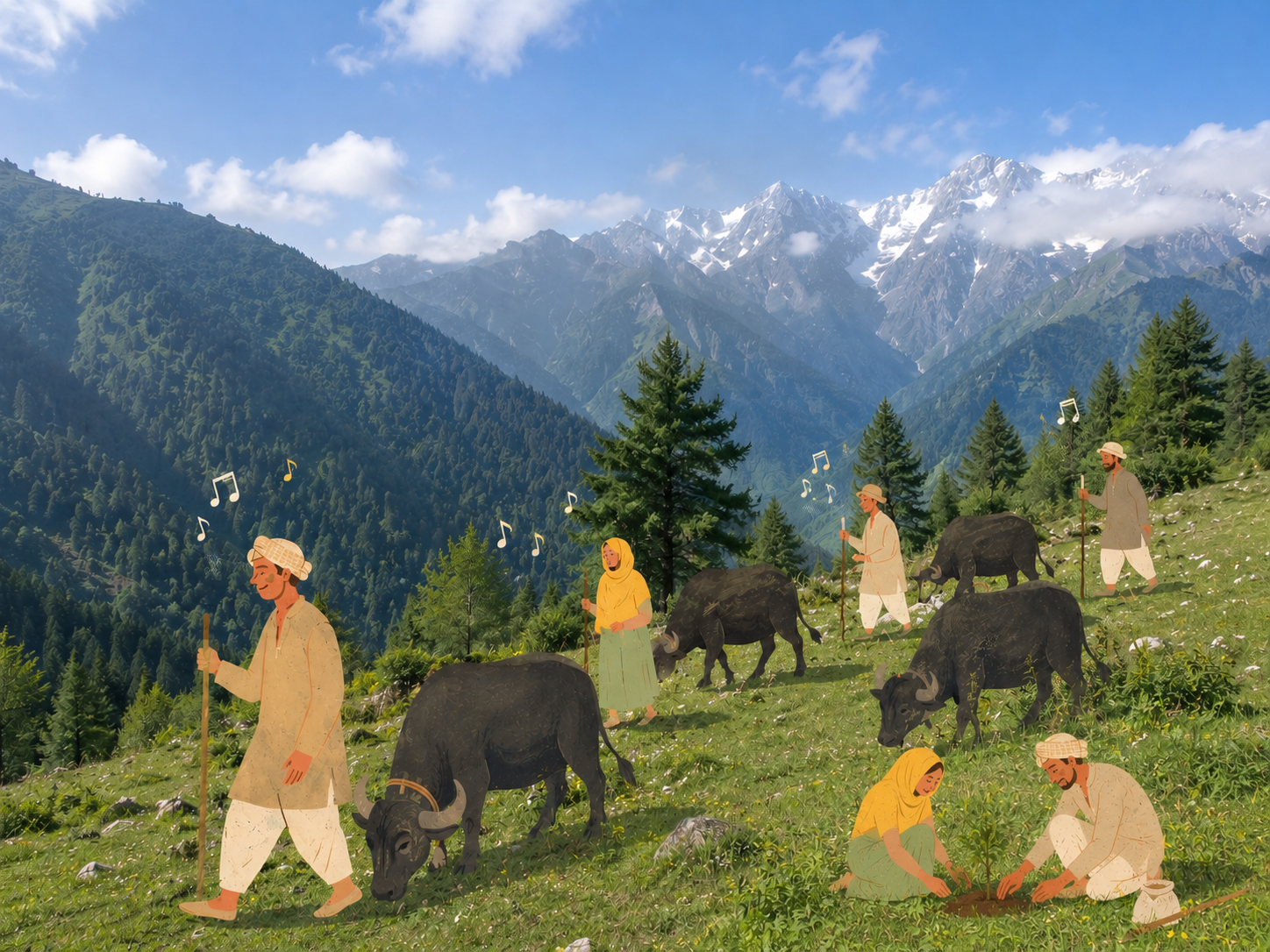
Rokhu, 24, who holds a master's degree in Cultural Studies and has documented aspects of local indigenous knowledge, says young people often learn most effectively when they accompany elders in their activities. “Many elders find it difficult to articulate the knowledge. The best way to learn is to spend time with them, and walk with them, in the fields and forests. The seniors love narrating their past experiences and the oral narration that was passed on to them,” he says.
Tree spirits
One of the strongest ancient beliefs of this community is associated with trees, which they believe harbour spirits, both good and bad. For example, when constructing a ‘Dung Doo’ – a traditional wooden house for village chiefs and wealthy individuals – the wood for its structure undergoes a ritual. Before felling a tree for timber, clan members sacrifice a chicken under the tree and then leave for home. The decision to cut the said tree hinges on the dreams experienced that night. An unfavourable dream would leave the tree standing, and another would be selected.
Building such a house involves a large feast for the village, while carved animal heads displayed on the structure reflect the number of bulls or buffaloes slaughtered for the feast. Other wild animals, like a lion or monkey, would also be carved if the owner has hunted either one.
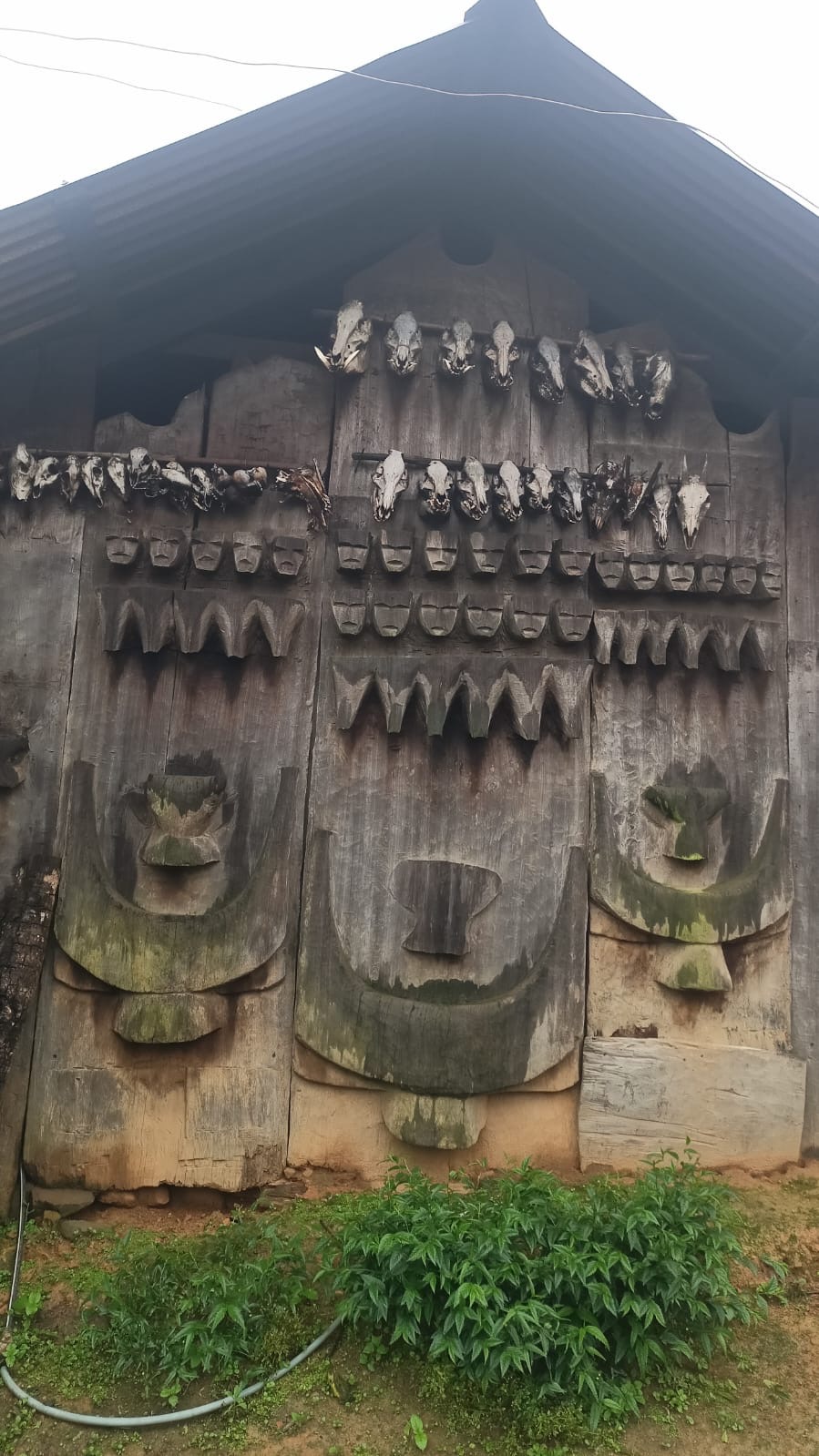
Another custom rigorouslessly observed is that the tree felled for a village chief's house is always taken from the eastern side of the village, where the sun rises. Choosing one from the western side is considered inauspicious. These practices do not prevent people from utilising what the forest offers, but instead serves as a sort of reference manual of dos and don’ts.
Stones as markers
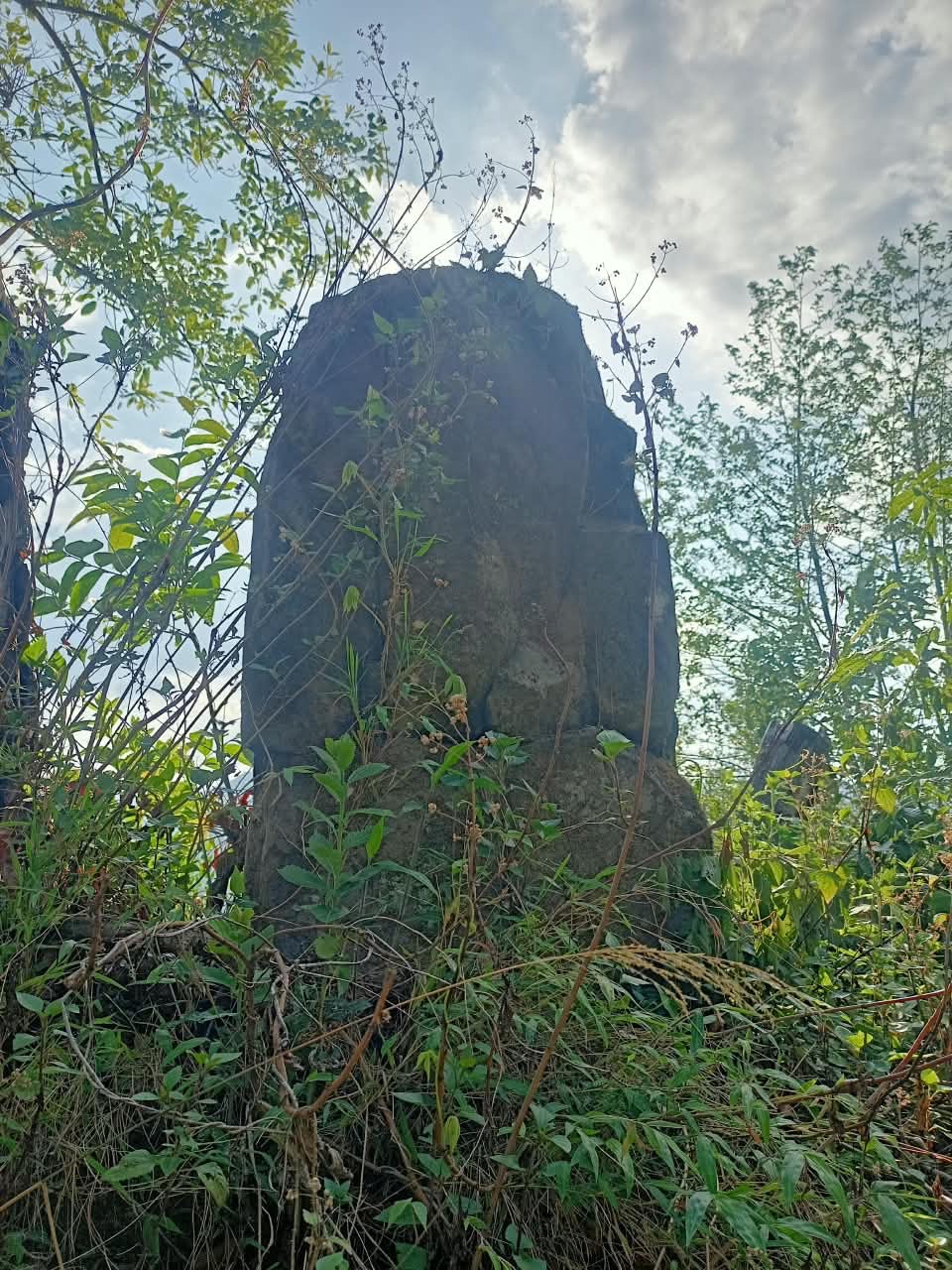
Stones have long held importance among Naga communities, serving as totems of both social and cultural significance.
Apart from marking the boundaries of land, stones are often erected by individuals after hosting feasts for the village people. The size of the stone reflects the reputation and social standing of the person who erected it. The monoliths have not disappeared with time. They continue to be raised on special occasions, such as church jubilees and certain milestones.
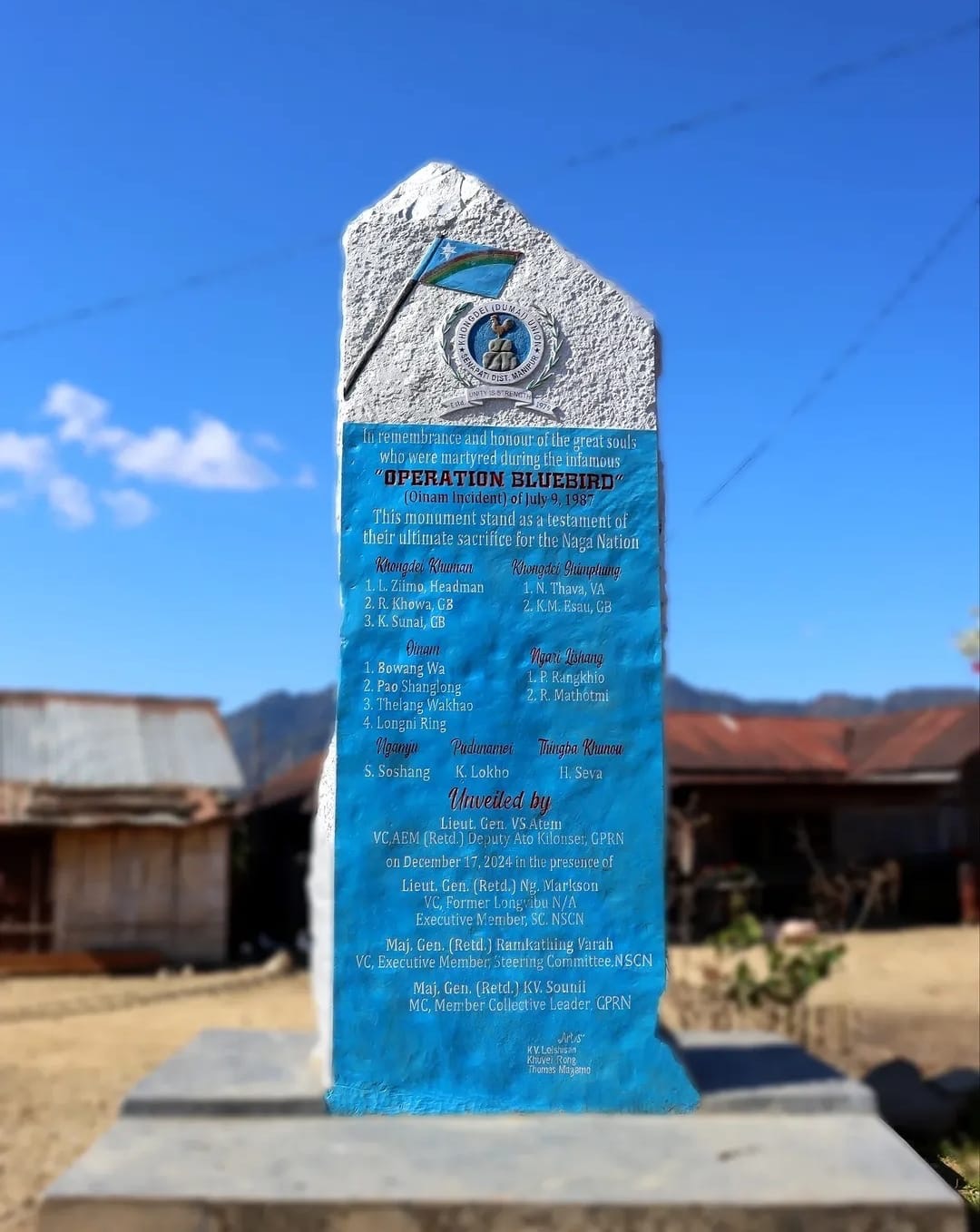
Even the location of stones is considered significant, and disturbing them is believed to invite bad omens or unusually heavy rainfall. Whether it is an ancient, moss-covered stone hidden in the undergrowth which is ‘guarding the forest’, or a modern monument standing tall in the village centre in honour of a poignant moment, these stones are how the tribe inscribes its history.
Rokhu, who is a staunch believer of these practices, recounts an incident to drive home the point. “On July 7 and 8, 2026, the weather was warm with a clear blue sky. But on the 9th, there was ceaseless rain. The fog crept into our homes. It was windy and cold. My dad said, 'The weather is not normal, someone must have done something'. The rain continued for the next two days. In the evening of July 11, I met Apfii (my grandfather) Miidaivii. He was so exasperated with the weather. He blamed it on some youngsters who were using an earthmover near the sacred areas.”
Even if such beliefs are questionable, they serve to deter village folk from disturbing the harmony of the landscape.
A forest under pressure
Contemporary development projects such as rural roads and other infrastructure development in the village have contributed to the clearance of the forest. Population growth has increased pressure on the environment as more land is needed for cultivation, and timber to build homes.
Khovii has observed the transformation over most of his lifetime. “Today, many trees, especially the huge ones, have been felled for constructing houses,” he says. This has had an impact on the wildlife as well.
Hravei feels the same way. The forest he knew when he was younger, is no longer visible today.
What remains
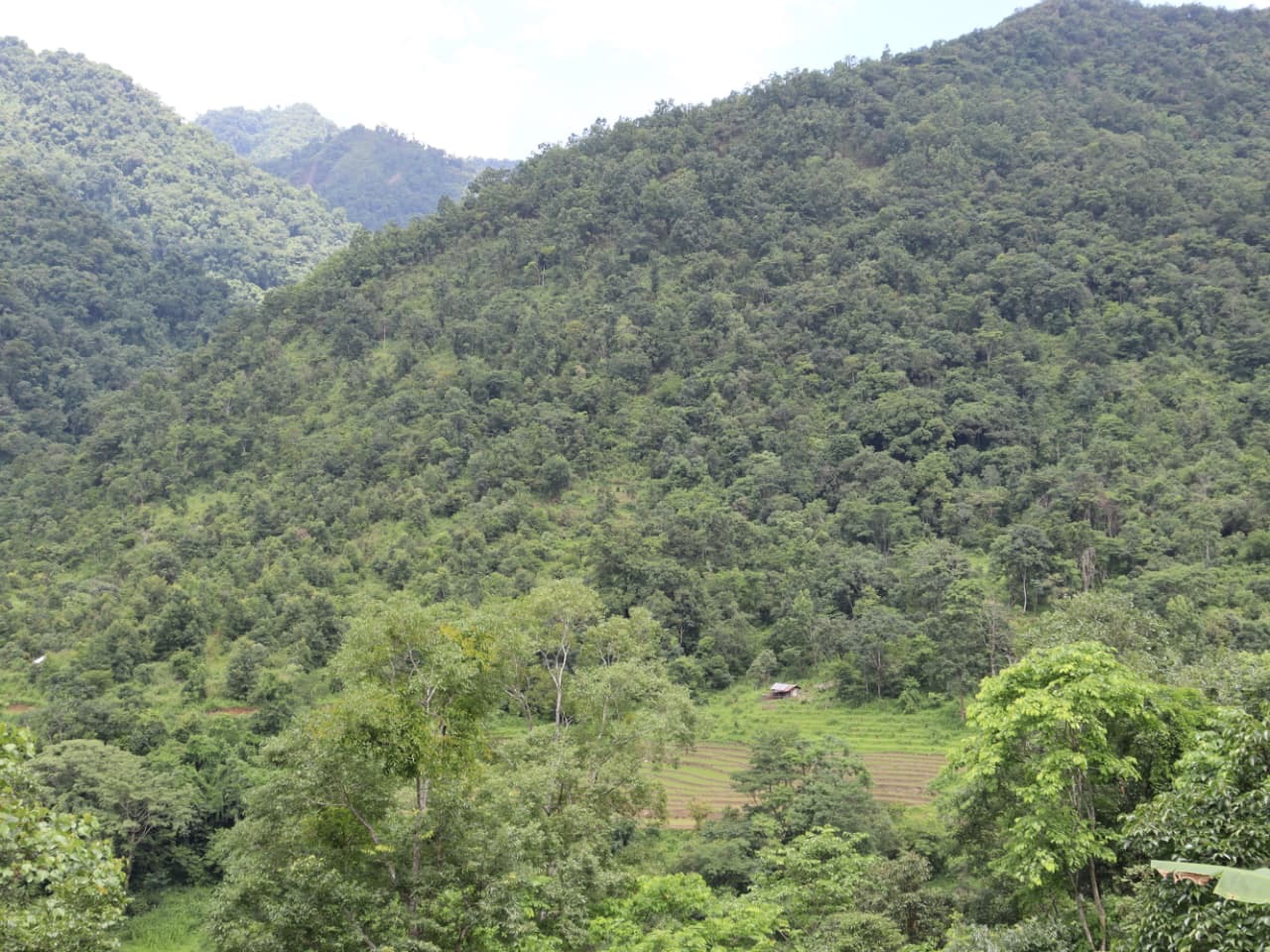
At the same time, the community is negotiating a changing relationship with its forest. Christianity may have changed their religious beliefs and development, their geography. But what remains steadfast are the customs and practices governing community ownership, restraint and respect for select places.
It survives in conversations between elders and the youth, in the rules governing community resources and in the caution with which some trees and places are still approached. For Khovii, that continuity matters, as it gives him added assurance that his community truly understands the forest it shares.