Kangra, Himachal Pradesh: When the country was under lockdown due to Covid-19 in 2020, villagers from Kukurgundha village in the remote region of Chhota Bhangal in Himachal Pradesh received the news they had been waiting for years. Their 14-year-long struggle to attain Community Forest Rights (CFR), rights of forest-dwelling communities under the Forest Rights Act, 2006, had finally ended.
“We were overjoyed with the news, but also a bit sad as we could not celebrate due to the lockdown,” says Rajkumar Thakur, shepherd and farmer from Kukurgundha village, who helmed the long struggle that united seven panchayats.
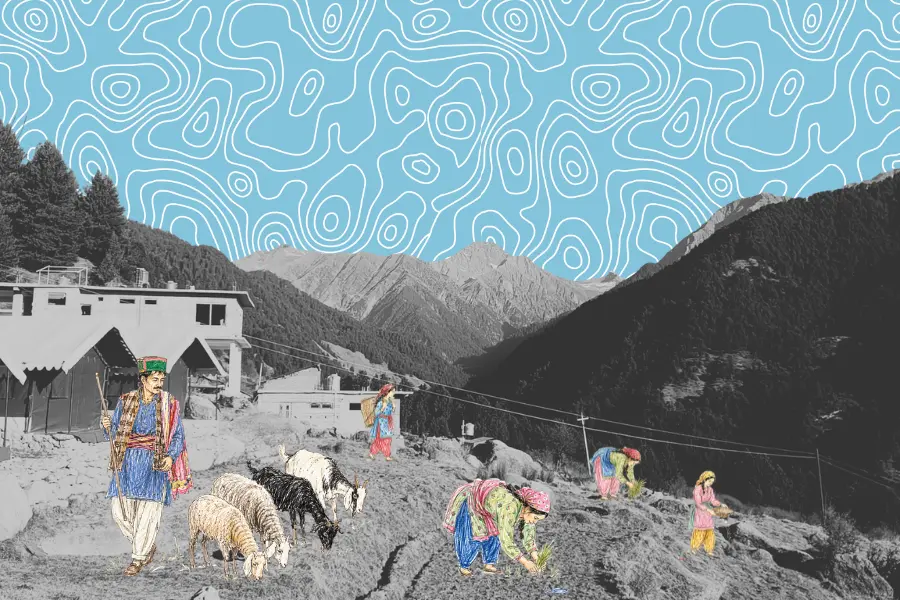
Chhota Bhangal region lies deep within the Dhauladhar range in Kangra district. The Uhl River, flowing down from the Thamsar Glacier at nearly 5,000 metres, defines the landscape of this narrow valley. It is dotted with 45 revenue villages, which fall under seven panchayats that make up Chhota Bhangal. The villages are settled on either side of the river.
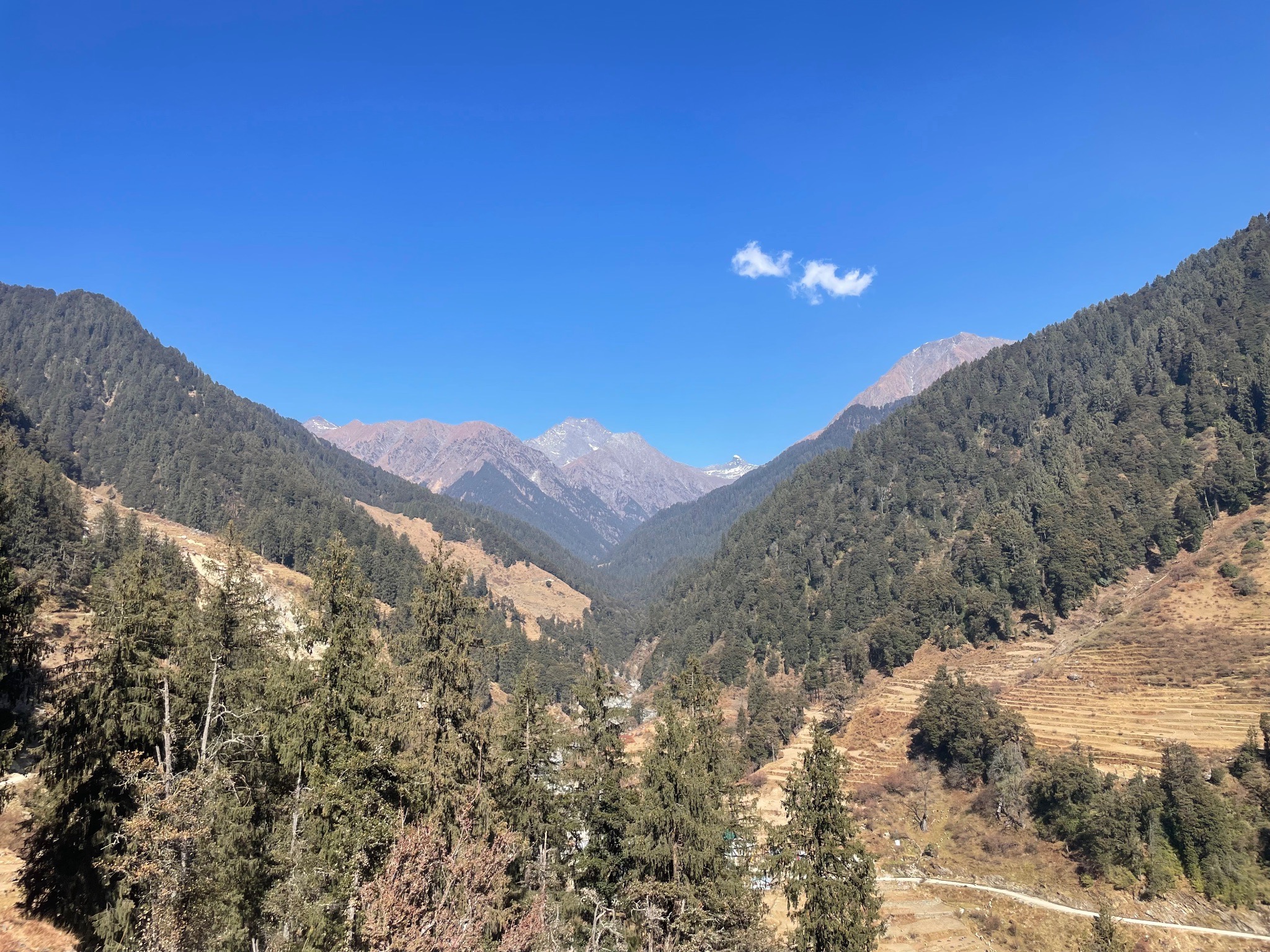
The community’s access to the forests, which they depended on and preserved for generations, abruptly ended in 1994 when the state notified the Chhota Bhangal region as part of the Dhauladhar Wildlife Sanctuary, also called Bir Wildlife Range or the Territorial Range, spread over an area of 10,176 hectares.
The announcement came without the consent or knowledge of the forest-dwelling non-tribal villagers, who had settled there generations ago and accessed firewood, fodder, and herbs from the forest. This relationship with the forests had shaped their lives for generations, and it came to a halt without any alternative sources of livelihood.
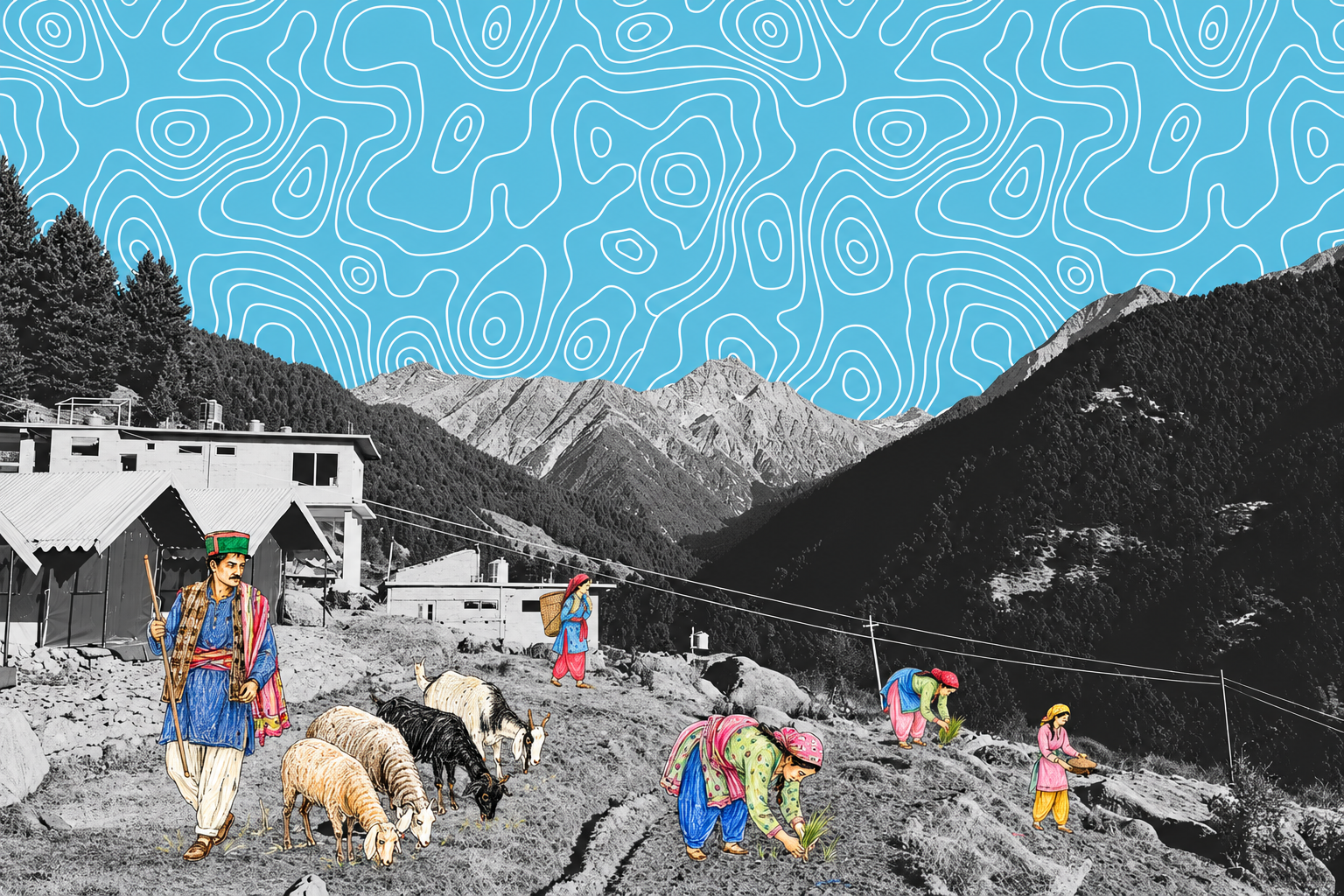
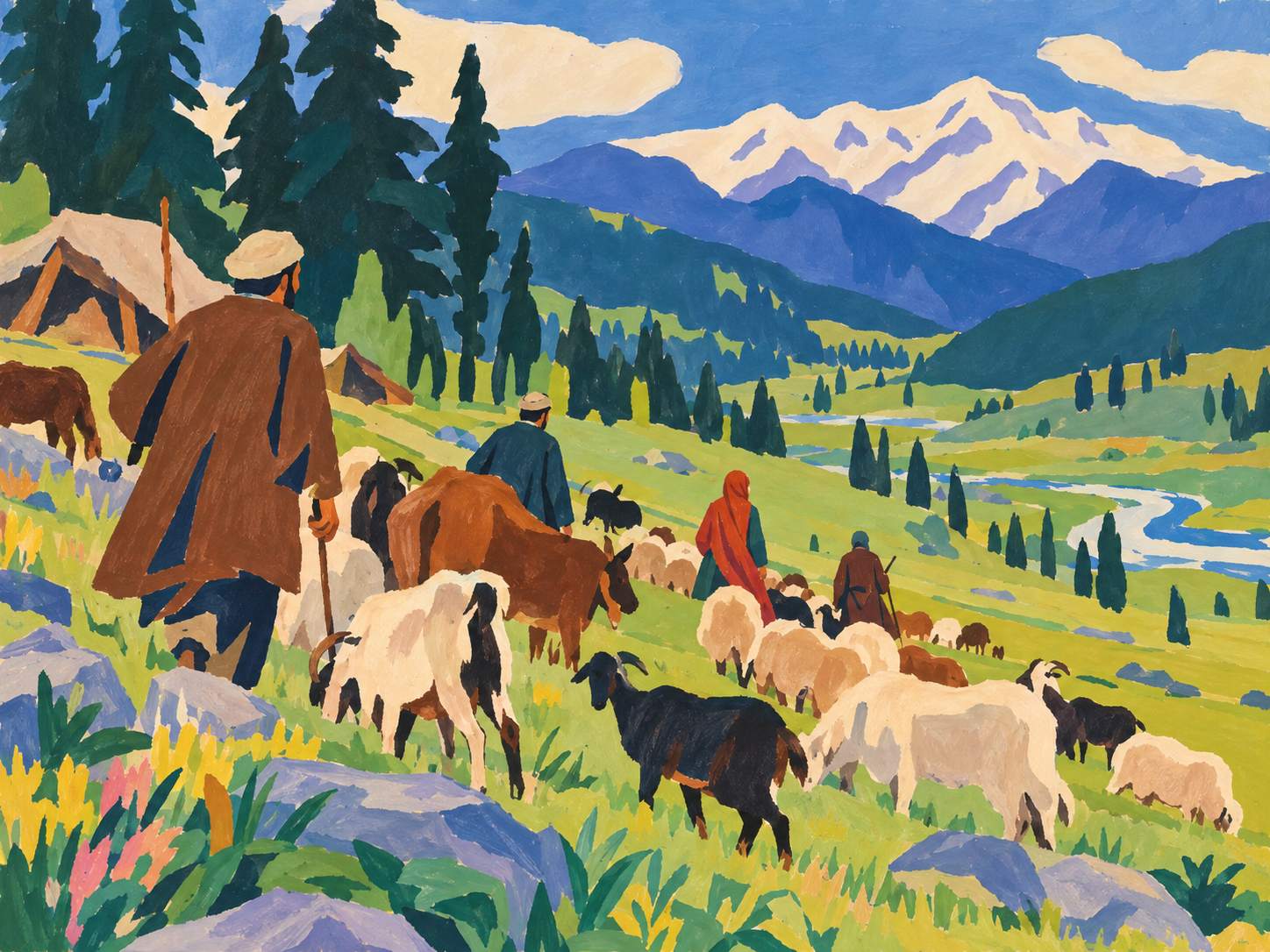
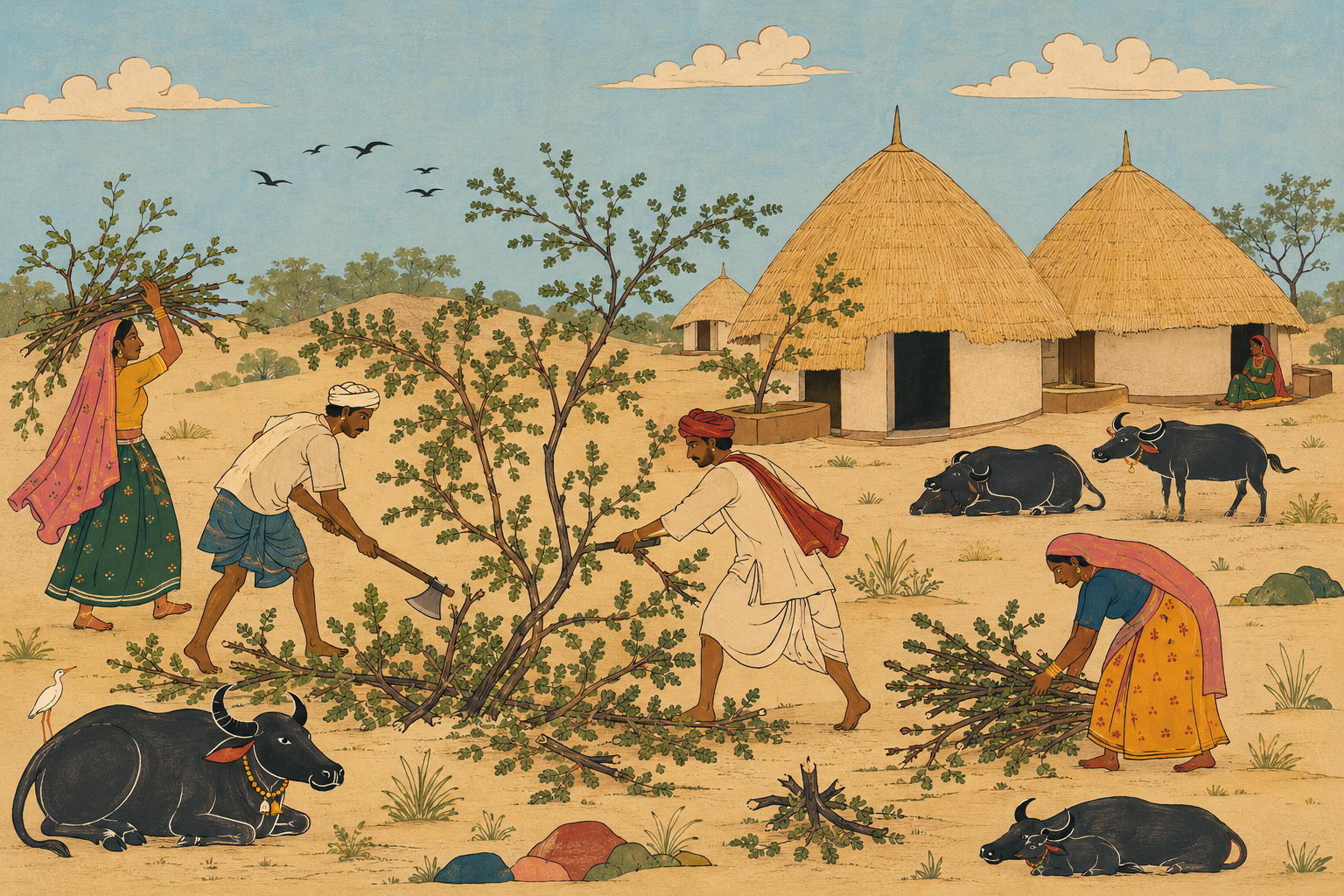
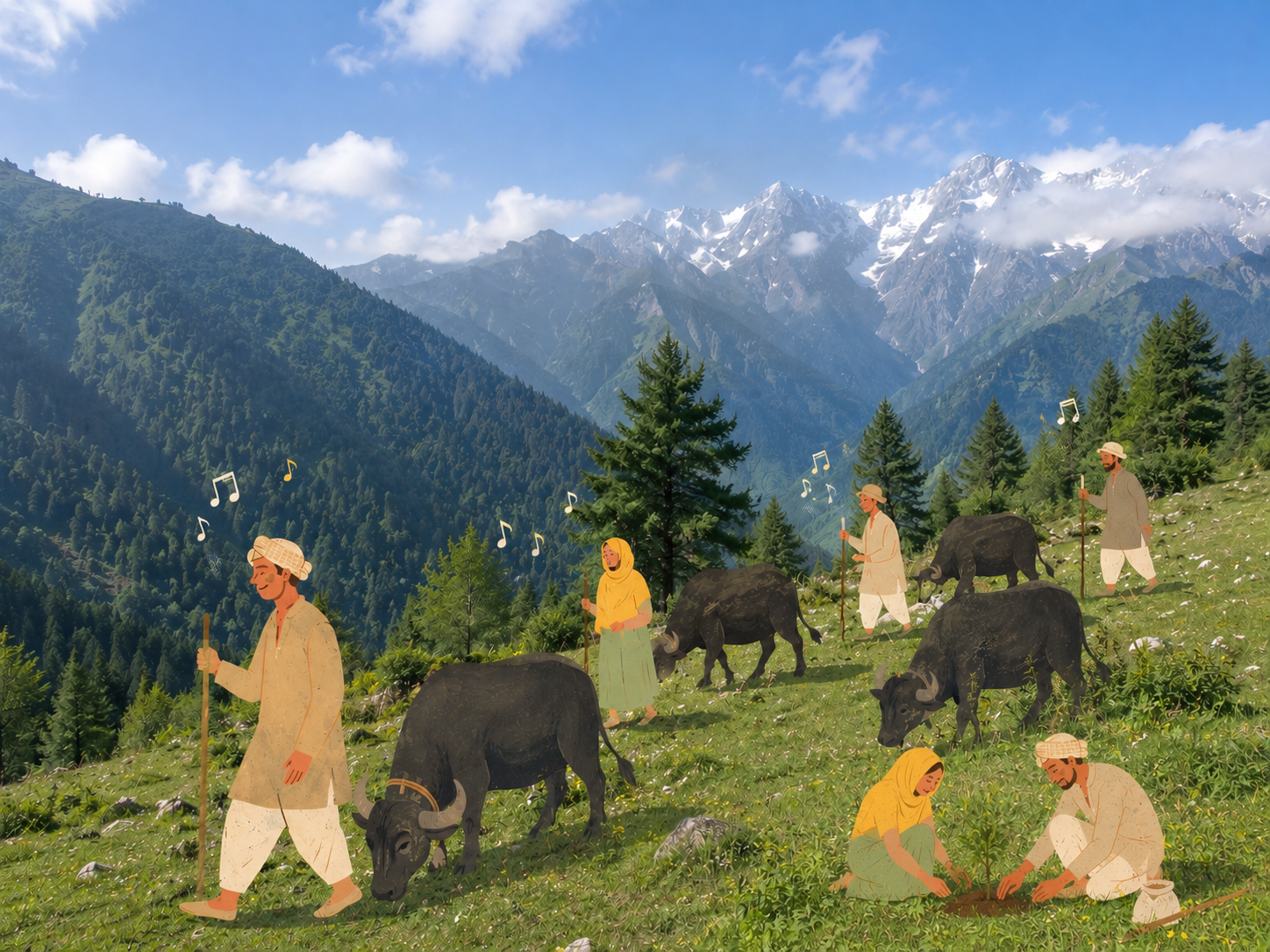
“Our lives are dependent on this forest, whether it is for firewood, grazing, construction or agriculture. We still cook on chulhas in our homes and forage fallen wood from the forests. We don’t have stoves or cylinders,” says Rita Kumari, farmer and shepherd from Kukurgundha village.
For years, the notification remained largely on paper. However, from 2000 onwards, forest officials began restricting the entry of the villagers into the forests. With the forest department’s presence, for the villagers, everyday dependence on the forest became violations.
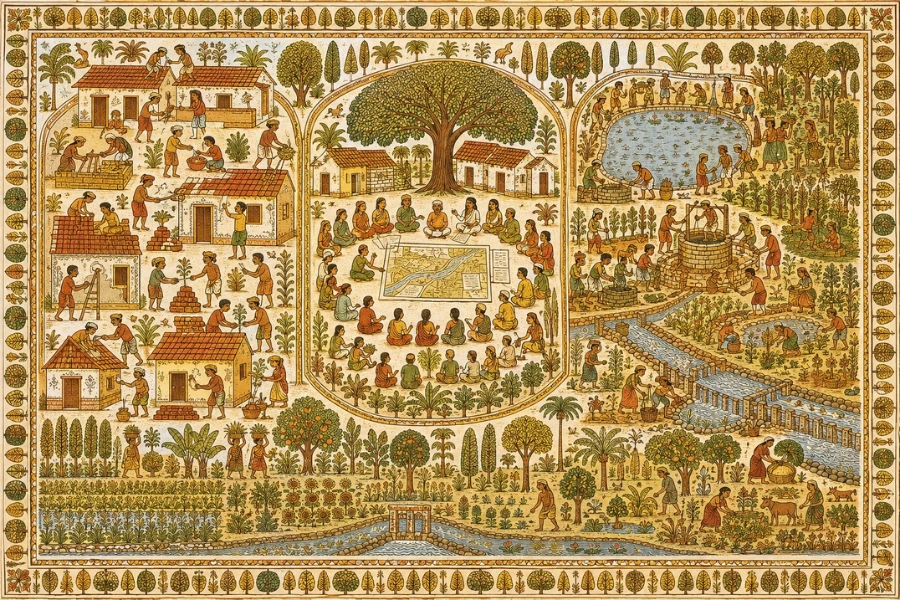
As the word spread among the seven panchayats about hindered access to the forest, the villagers decided to join the fight together for a common cause. They collectively decided to revive Jumla Panchayats: traditional, informal panchayats where the elderly men of the village decide matters relevant to their villages and forest governance.
Their struggle was waged not just in gram panchayats, but they eventually took the fight to the courtrooms and government offices.
Reclaiming the Commons
Commons are shared lands such as forests, pastures, water bodies and mangroves, which cover 205 million acres, or one-fourth of India, and form the lifeline for over 350 million people, including marginalised groups like Scheduled Castes, Scheduled Tribes and women. Communities across India have traditionally protected, restored and managed these commons through customary self-governance practices. These customary rights and practices, however, haven’t been formally recognised or recorded in many parts of the country.
Pressure over resources, caste and class hierarchies and environmental degradation has curtailed communities’ access to commons, leading to over-exploitation of commons and exposing them to climate vulnerabilities and rural distress.
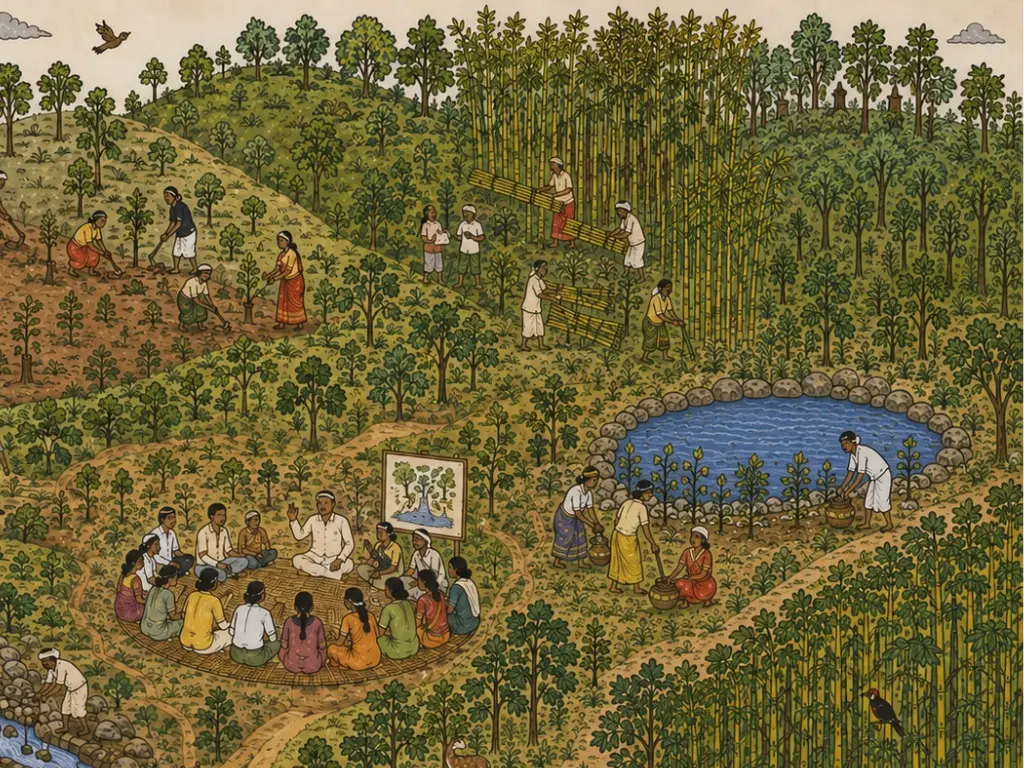
Despite these challenges, communities across India are showcasing that reclaiming, restoring and managing commons through customary self-governance practices plays a crucial role in their ecological, social and economic upliftment.
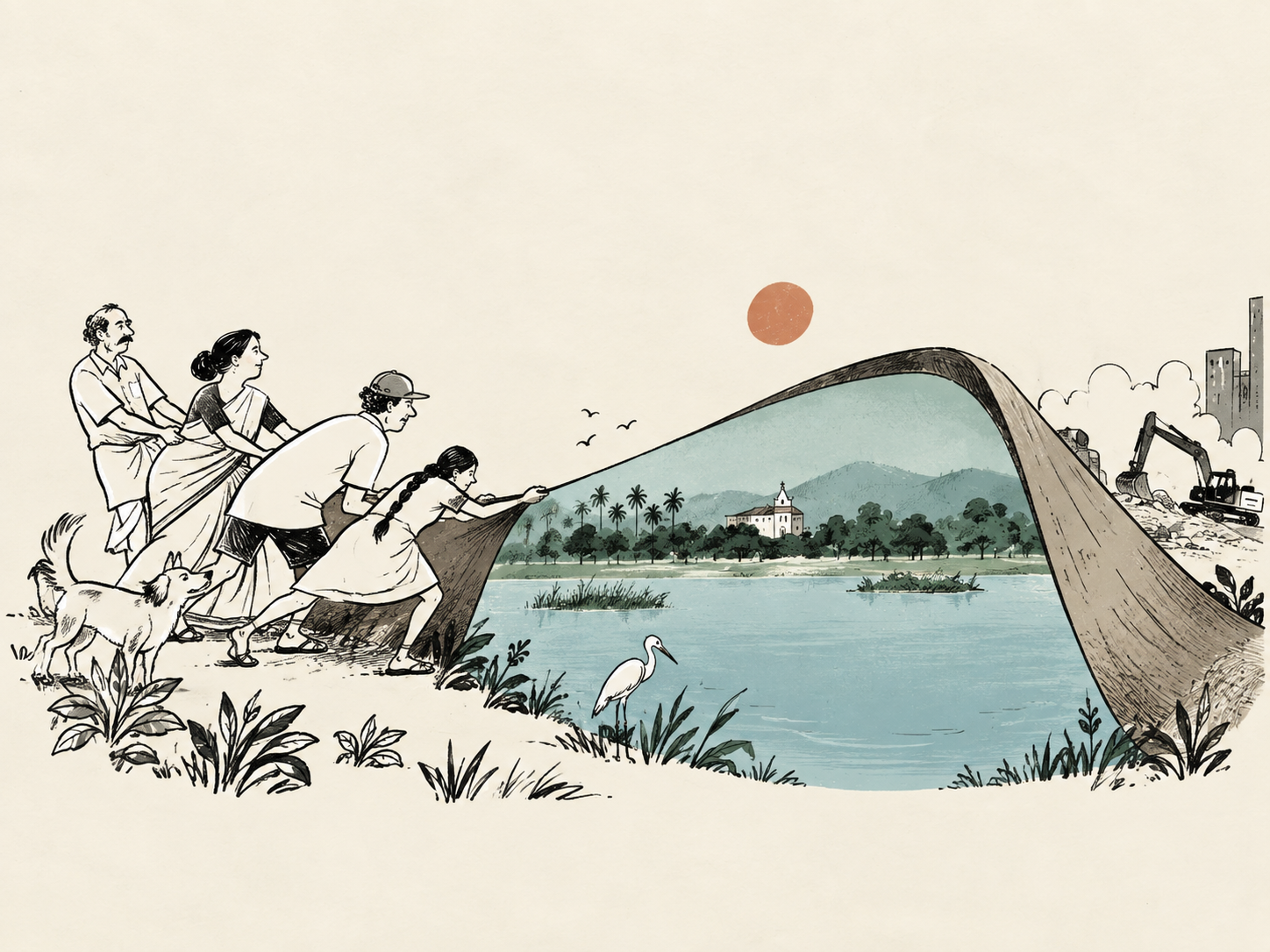
This story from Chhota Bhangal in Himachal Pradesh is one such example, where through collective struggle, the villagers of seven panchayats in the region managed to secure community rights over forests which they have been protecting and preserving for decades.
Mobilising the villagers
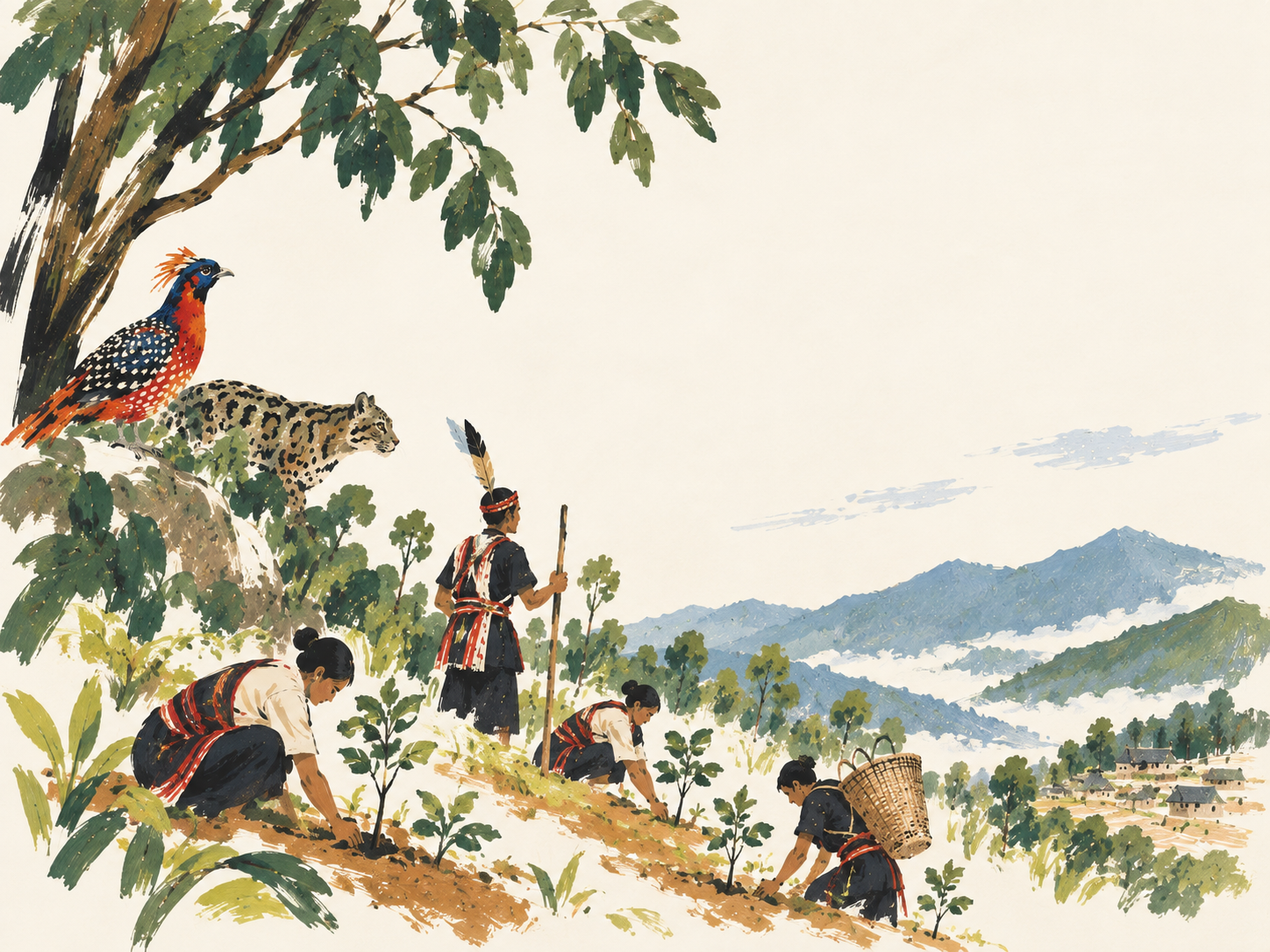
For the residents of the Chhota Bhangal region, the forest is home to different varieties of indigenous trees like Tosh, Kharsu and herbs like karhoo, patish, nagshatri. The hills are also home to the Himalayan black bear, leopard, ibex, two varieties of fox, deer, many birds, and minerals.
Access to forests was inseparable from livelihoods, especially for the pastoralist communities. They found it increasingly difficult to sustain their livelihoods without access to the forests and some of them started finding ways to enter the forest discreetly. If caught, they were fined for accessing the forest resources on which the villagers had depended for years.
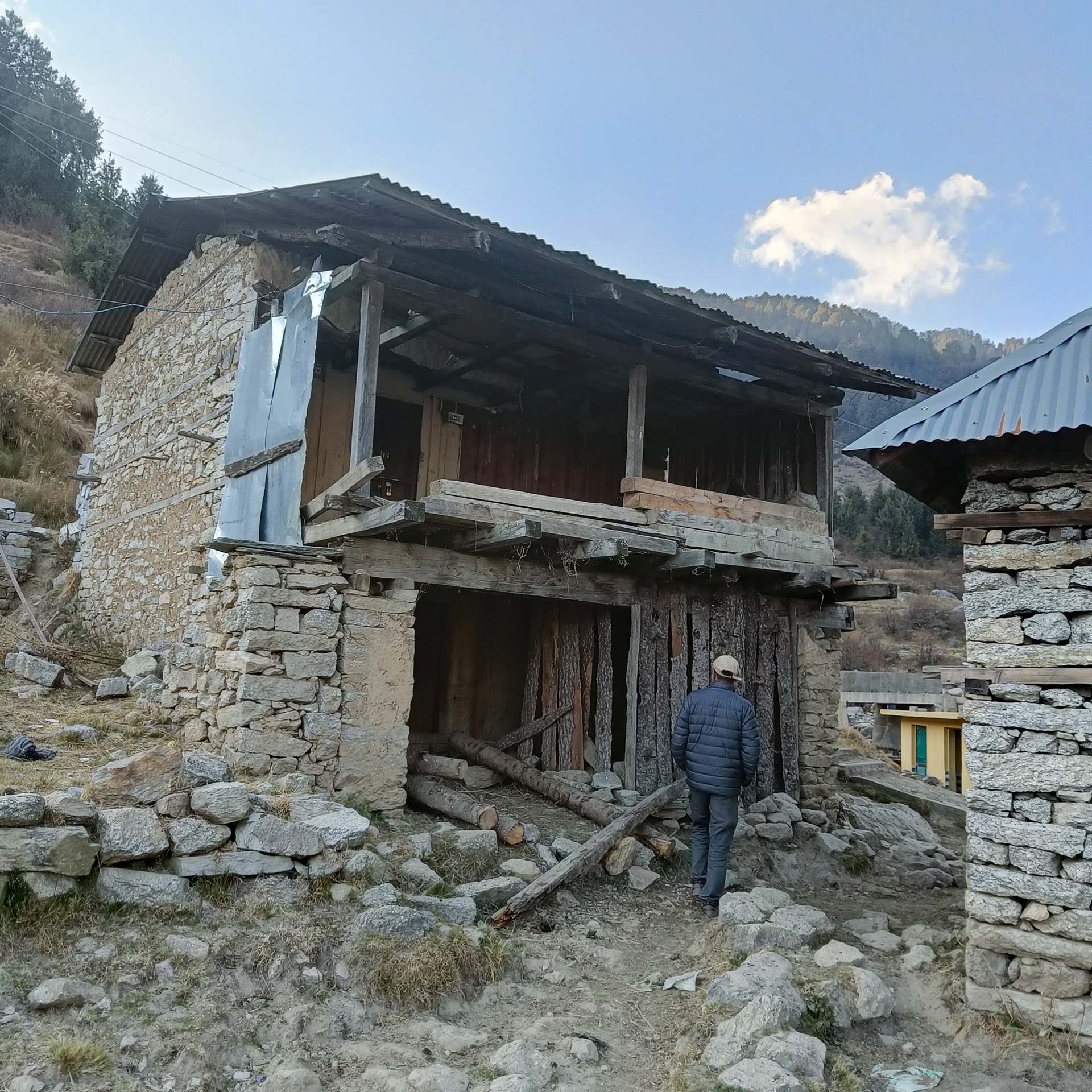
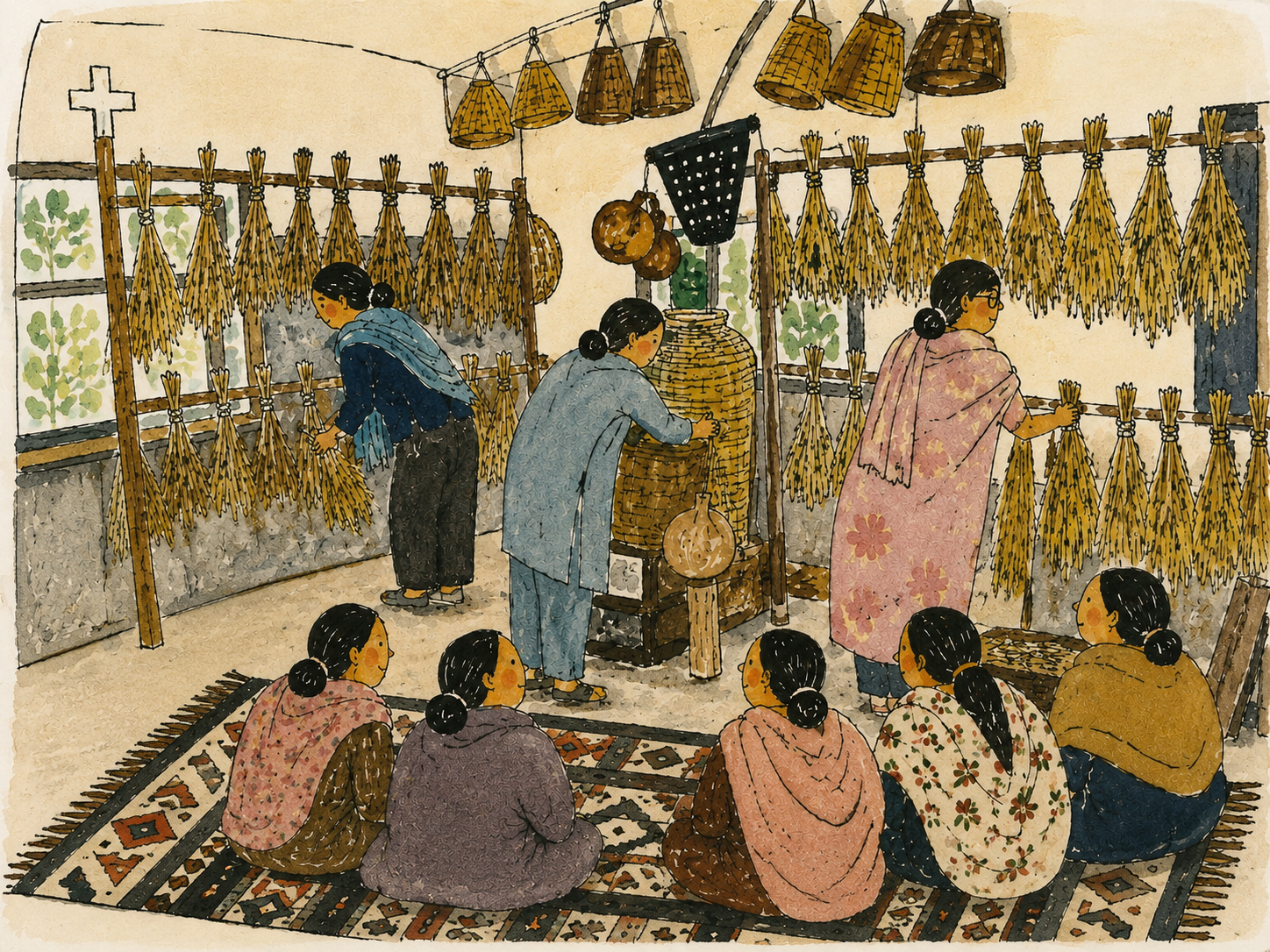
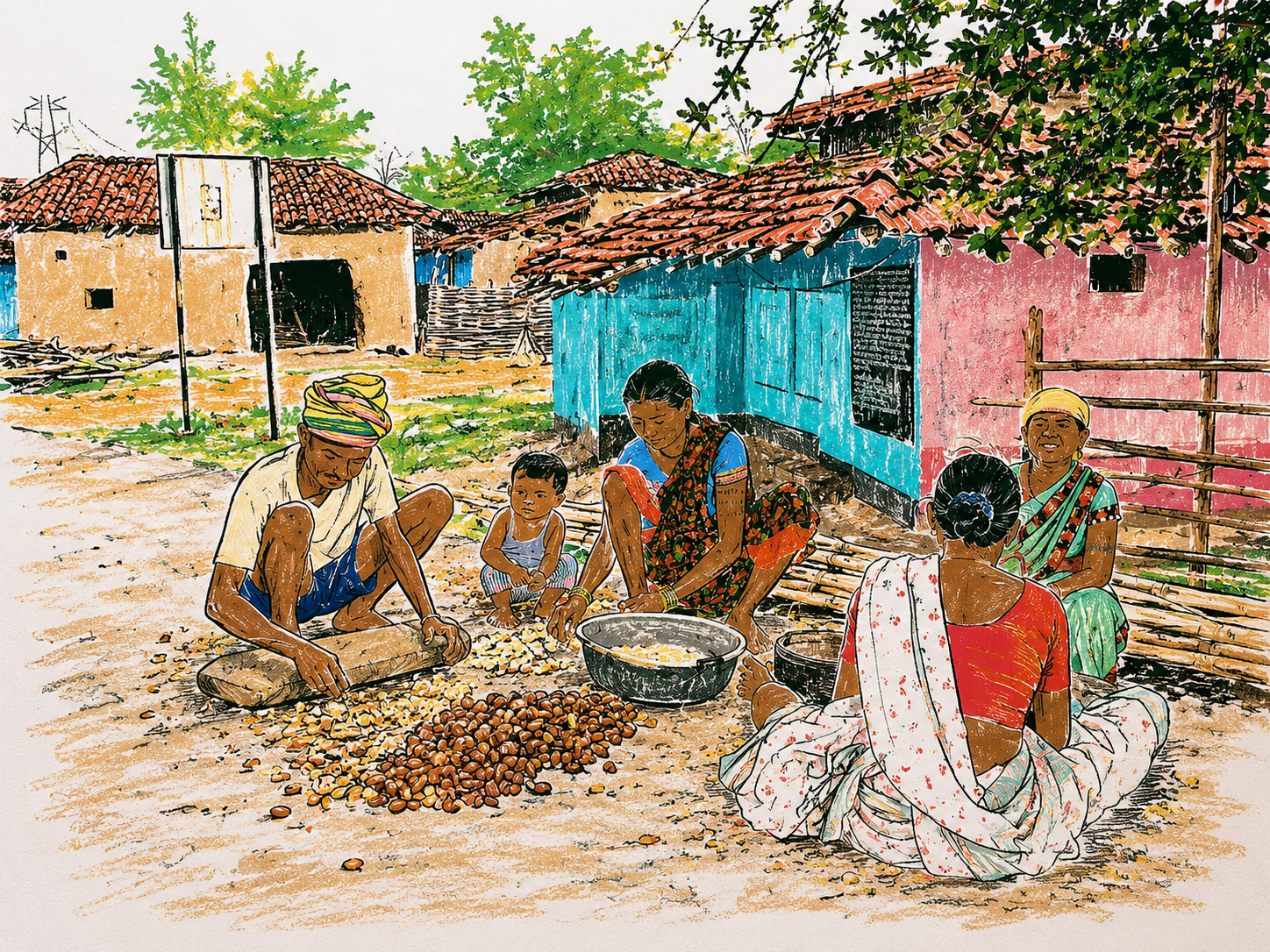
Herbs had long supplemented the incomes of households around the forests. Herbs growing at higher altitudes have medicinal value and fetch reasonable amounts to the villagers.
“We survived by selling herbs for a long time. We had no other source of income. Even the crops we grew were only for subsistence,” says Sudarshan Thakur, farmer and shepherd, Bara Garan village.
For families barely earning ₹50,000 annually, forests remain essential for sustenance in this remote mountainous region.
When the forest officials stopped the villagers from collecting firewood, herbs and grazing animals, the matter was raised in their respective Gram Sabhas repeatedly over the next few years. Communication across the villages made them realise that their struggles are the same.
The villagers resorted to an old institution called Jumla Panchayat, which is a collective, informal Panchayat convened by elders on issues related to the village. The seven panchayats decided to hold a common Jumla Panchayat.
“Our ancestors governed forests through the Jumla Panchayat. For example, if there was an overlap of grazing on the same land by different villages, the Jumla panchayat would intervene and solve the matter,” says Manku Ram, farmer and shepherd, Rajgundha village.
The Jumla Panchayat historically decided on subjects such as which areas to be allotted for the shepherds to graze, or which herbs should be harvested where. They also decided which patch of land is to be left for regeneration. When the entry to the forest was stopped, the Jumla Panchayat took the lead in fighting for the villagers’ forest rights.
The villagers approached Kisan Sabha, a non-profit organisation in a nearby town, Baijnath, working on land and agrarian issues, which guided them to unite and organise themselves to fight collectively.
“We are cattle and sheep herders. Without forests, our occupation collapses,” says Pawana Devi, from the Chhota Bhangal region who also works with Kisan Sabha.
Thus, the collective struggle began. Representatives from each village held special meetings once a month in the panchayat of Multhan to discuss how to take the struggle forward. Issues regarding gaining access to the forests for firewood, herbs and grazing were discussed in the meetings.
Gradually, the representatives started meetings with the forest officials and travelling to Bir Range office and the Conservator of Forests office in Dharamshala became a routine.
The villagers alleged that the forest department continued to stop the villagers from taking up local governance work.
“When MGNREGA came in 2005, we started repairing our paths because they were in a bad condition. But the forest officials came and took away our tools. A lot of issues began happening and we were getting frustrated,” says Rajkumar Thakur.
The reporter contacted the Bir Range Officer Anjana Singh, who could not comment on events from the past.
Formation of FRC
In 2006, the Forest Rights Act (FRA) came into effect across the country, which recognised the rights of forest-dwelling communities. The villagers now had the opportunity to file for claims on their forests under the FRA. With help from Kisan Sabha, the villagers decided to take legal recourse because even though the FRA was notified, its implementation for non-tribal areas was sketchy.
“The FRA 2006 gives a provision to the communities to file for the demands through a process by forming Forest Rights Committees (FRC). Before the FRA, forest-dwelling communities, especially non-tribal ones, had little formal role in forest governance,” explains Anjana Singh, Range Officer, Bir.
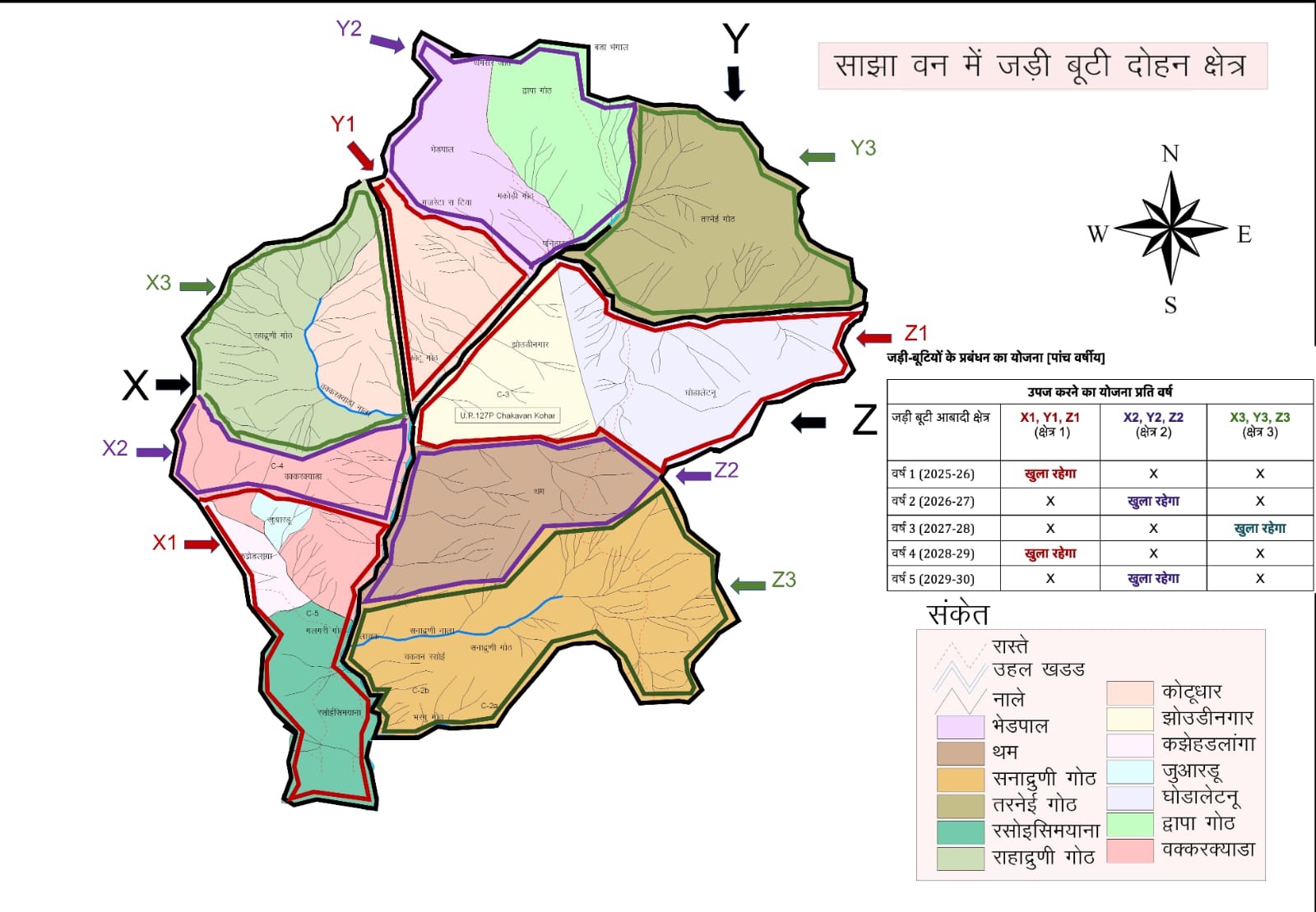
An FRC is a village-level body to manage forest resources that a community is mandated to form under the FRA after it secures rights over its resources. It comprises 15 members to help communities claim and protect their forest rights. The FRC gave the villagers a formal mechanism to document and present their case to the government. The villagers hoped that once enforced, the FRA would enable them to put up their forest claims in front of the government through the FRC.
Legal recourse
In early 2008, seven panchayats of Chhota Bhangal - Bada Garan, Kothi Korh, Dharman, Multhan, Swad, Lohari and Polling - filed a petition in the high court seeking to implement FRA across the state.
Meanwhile, the villagers continued their protests outside the forest offices in Bir and Dharamshala, and at the Sub-Divisional Magistrate (SDM) office in Baijnath. The movement gained momentum and the villagers were hopeful of a win.
“Our demand was clear that the state either withdraw the notification of the sanctuary or implement the FRA in entirety,” says Devi.
Finally, in 2013, the state government sent a panchayati order to the village saying that the work under FRA is also extending to non-tribal areas. A year later, the implementation began.
By February 2014, the process of forming FRCs had begun across Himachal Pradesh, including in Chhota Bhangal. Twenty-eight villages formed the FRC, which incorporated all 45 revenue villages in the Chhota Bhangal region. Each FRC committee had 15 members, with 30% reserved for women. Around 3,000 such committees were formed across Himachal Pradesh.
“We decided to begin filing our demands with the Multhan tehsil and presented them to the forest department,” says Devi.
Once the process with Multhan was in motion, all the other panchayats began filing their claims. Representatives from all seven panchayats began reviewing documents and resolving objections during their monthly meetings at Multhan panchayat.
“Those meetings kept us alive as a movement and gave us courage,” says Rajkumar Thakur, president of the FRC in Kukurgundha and Rajgundha villages and vice-president of the collective committee of Chhota Bhangal.
All the panchayats decided that their demands were the same, and therefore, they agreed to file collectively for – rights to graze, firewood, collection of grass and herbs, building material such as timber and stone and the right to cultivate the land for agriculture.
“Our files were returned many times over the years, but we kept reworking our documents and sending it back,” adds Devi.
Justice at last
In April 2020, amid the Covid-19 lockdown, the Himachal Pradesh government granted Chhota Bhangal its CFR titles, locally called ‘pattas’.
“This was the first case in the country of non-tribal forest-dwellers getting forest rights,” says Rajkumar Thakur.
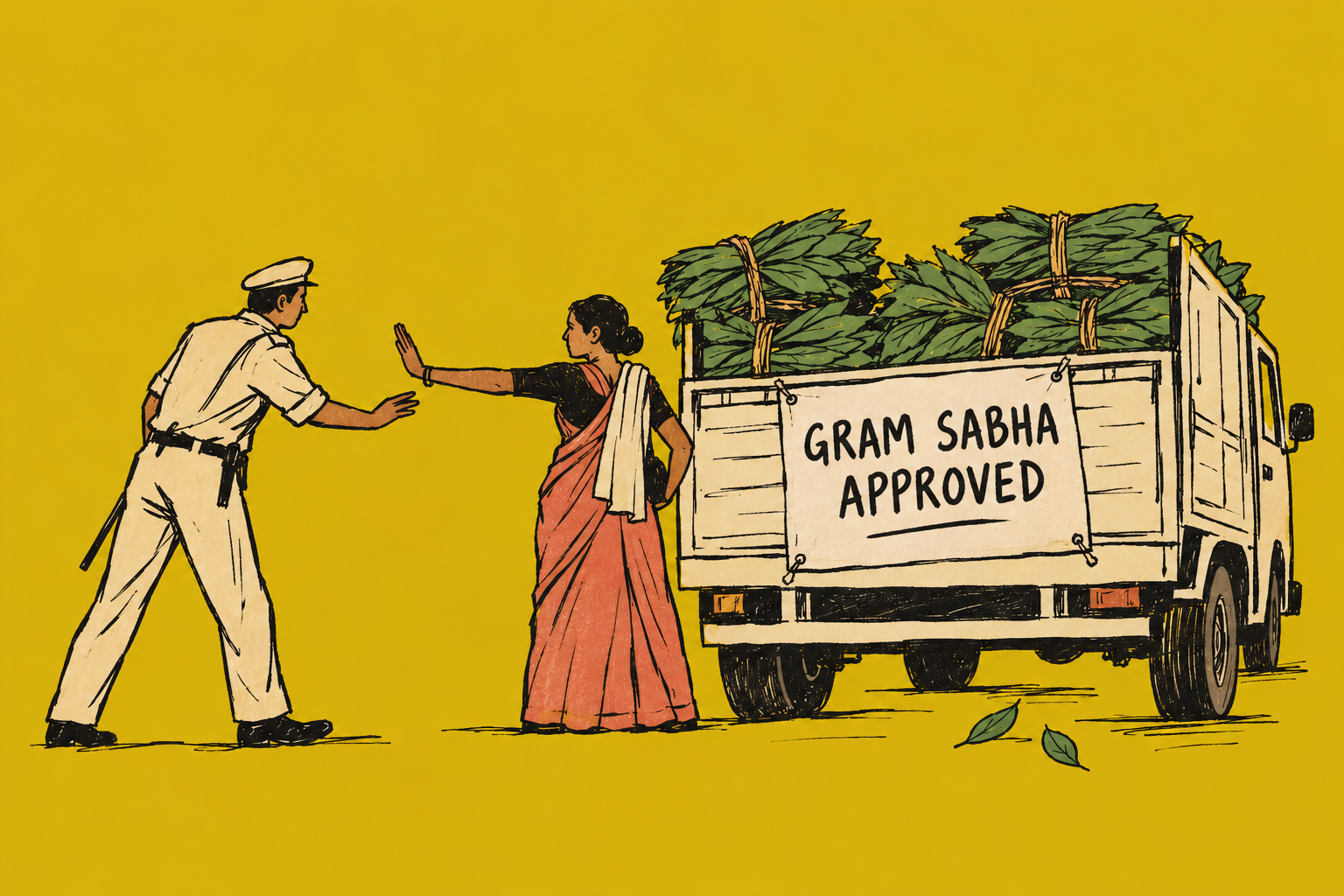
The recognition allowed the villagers access to forests for firewood, grazing, and the collection of grass and herbs. After the villagers were granted the pattas the gram sabhas began issuing permits for sourcing of herbs in a sustained manner. The villagers also began protecting the forests with the forest department officials from exploitation of resources.
“If someone is found stealing herbs, we tell the forest guards to fine them,” says Ram.
Today, a road connects Rajgundha village to Billing, a famous paragliding hub, which brings trekkers and tourists to the villages. It gives the villages an alternative source of income from organising treks and campsites. This has reduced the families’ sole dependence on selling herbs from the forests.
“Dependency on herb collection has reduced not just in our village but across the region because of better connectivity with roads. But it has not disappeared completely,” says Rajkumar Thakur.

.jpg)


.webp)
.webp)
.avif)
.webp)

.webp)