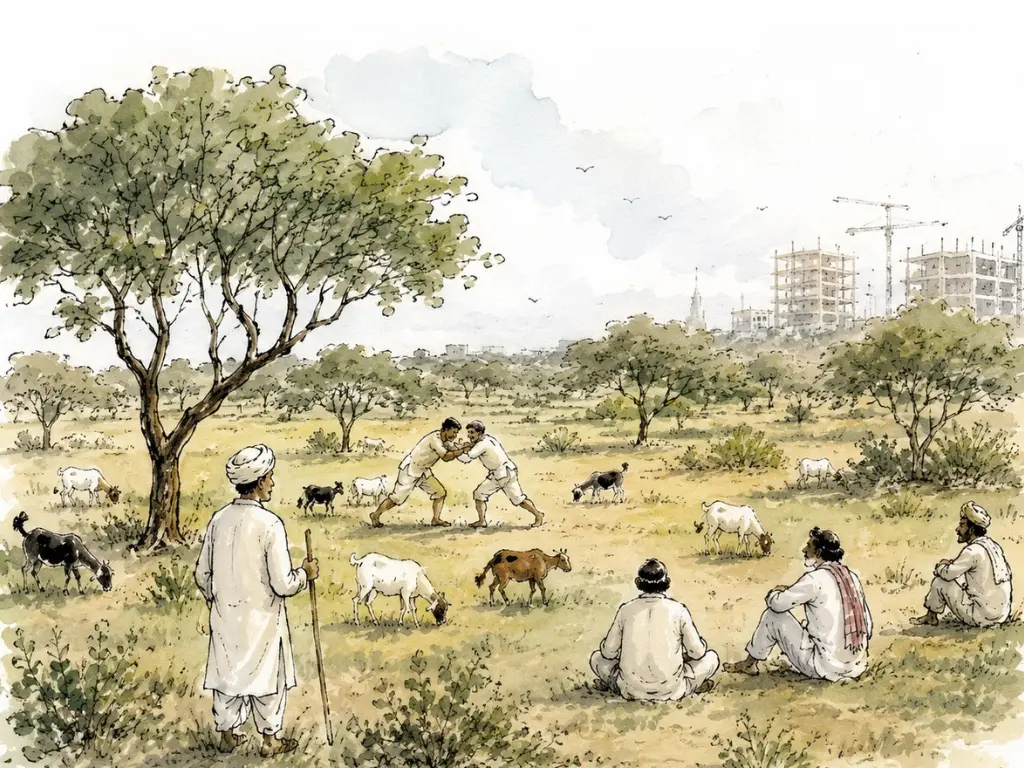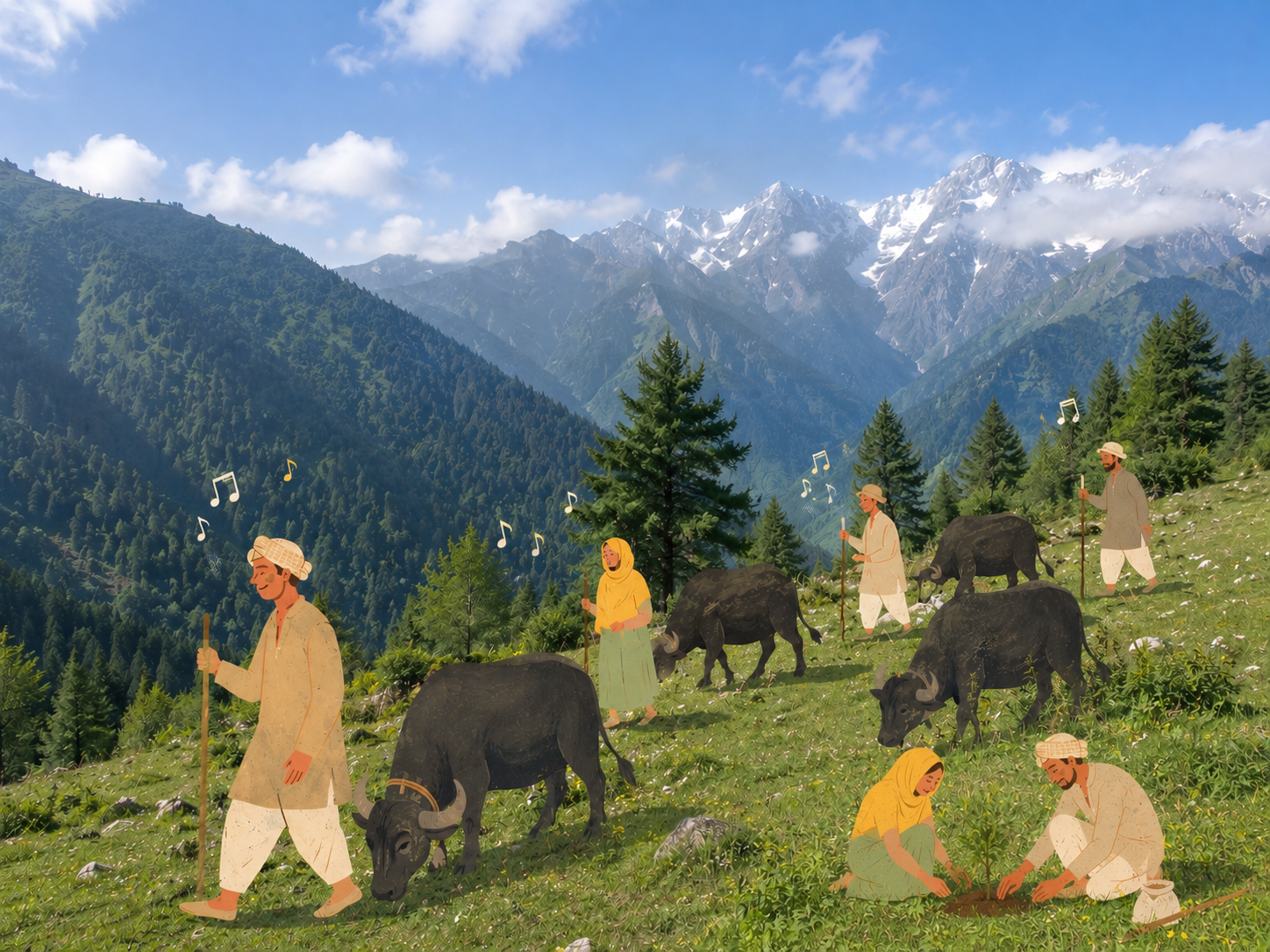
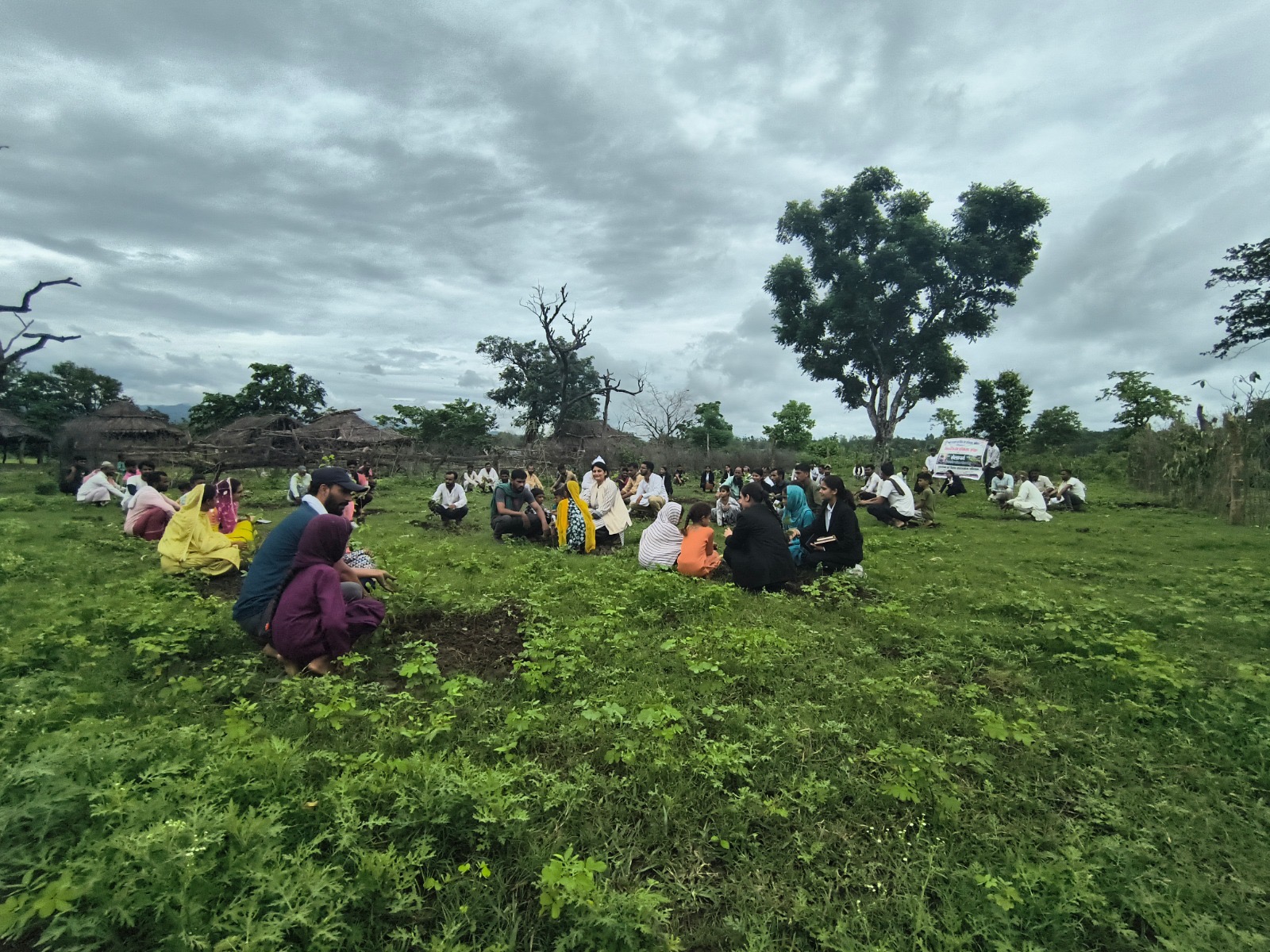
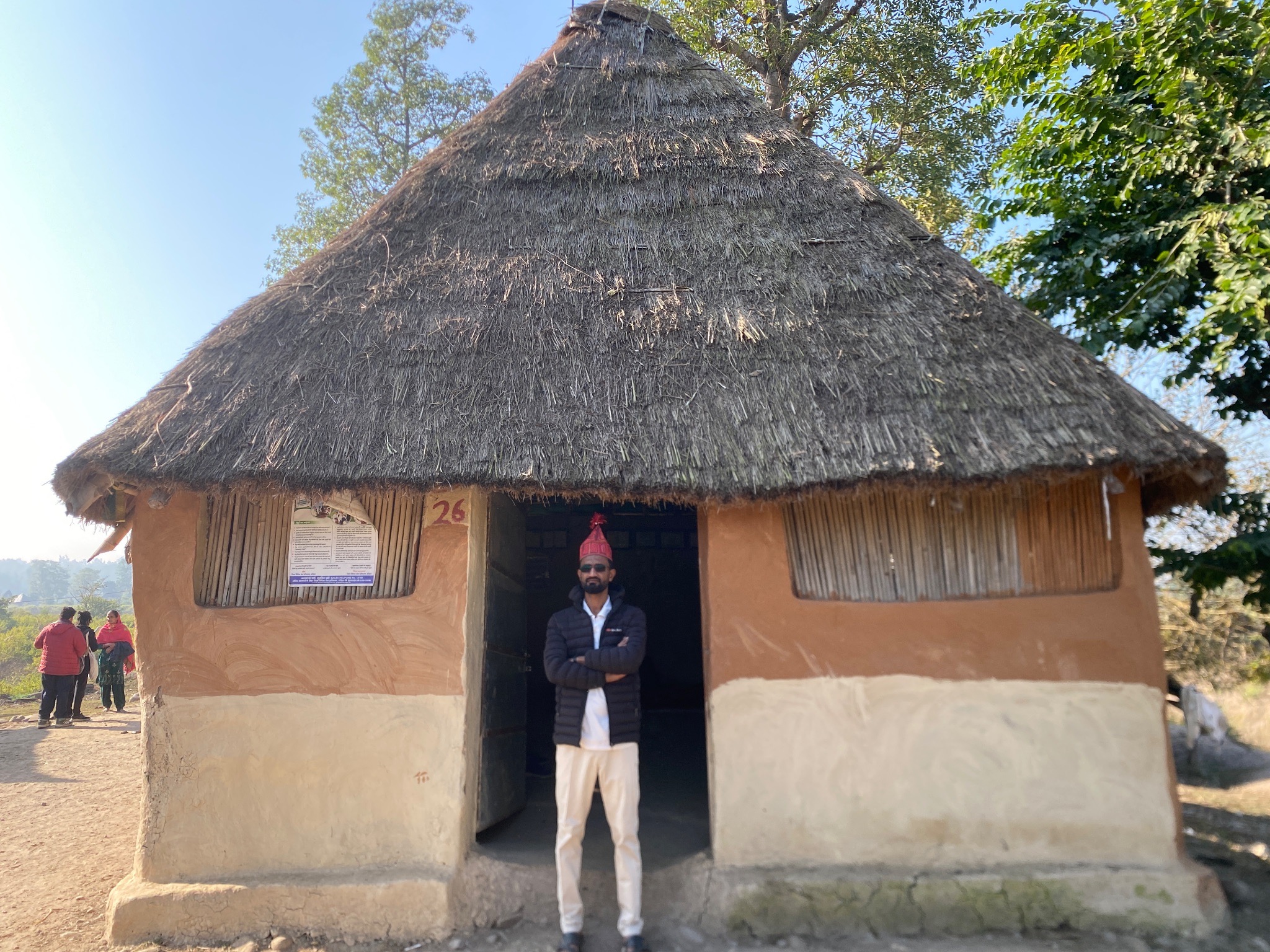
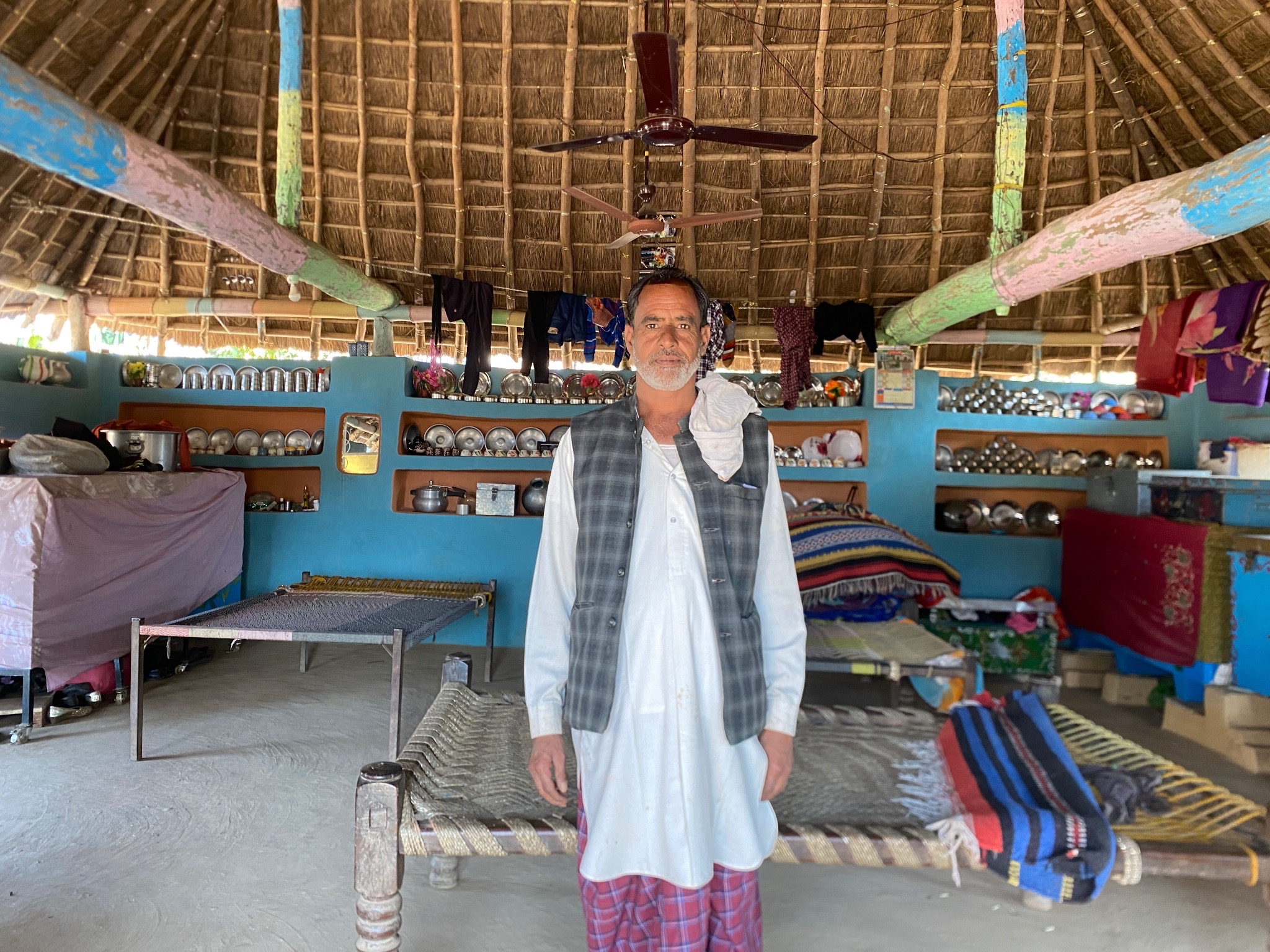
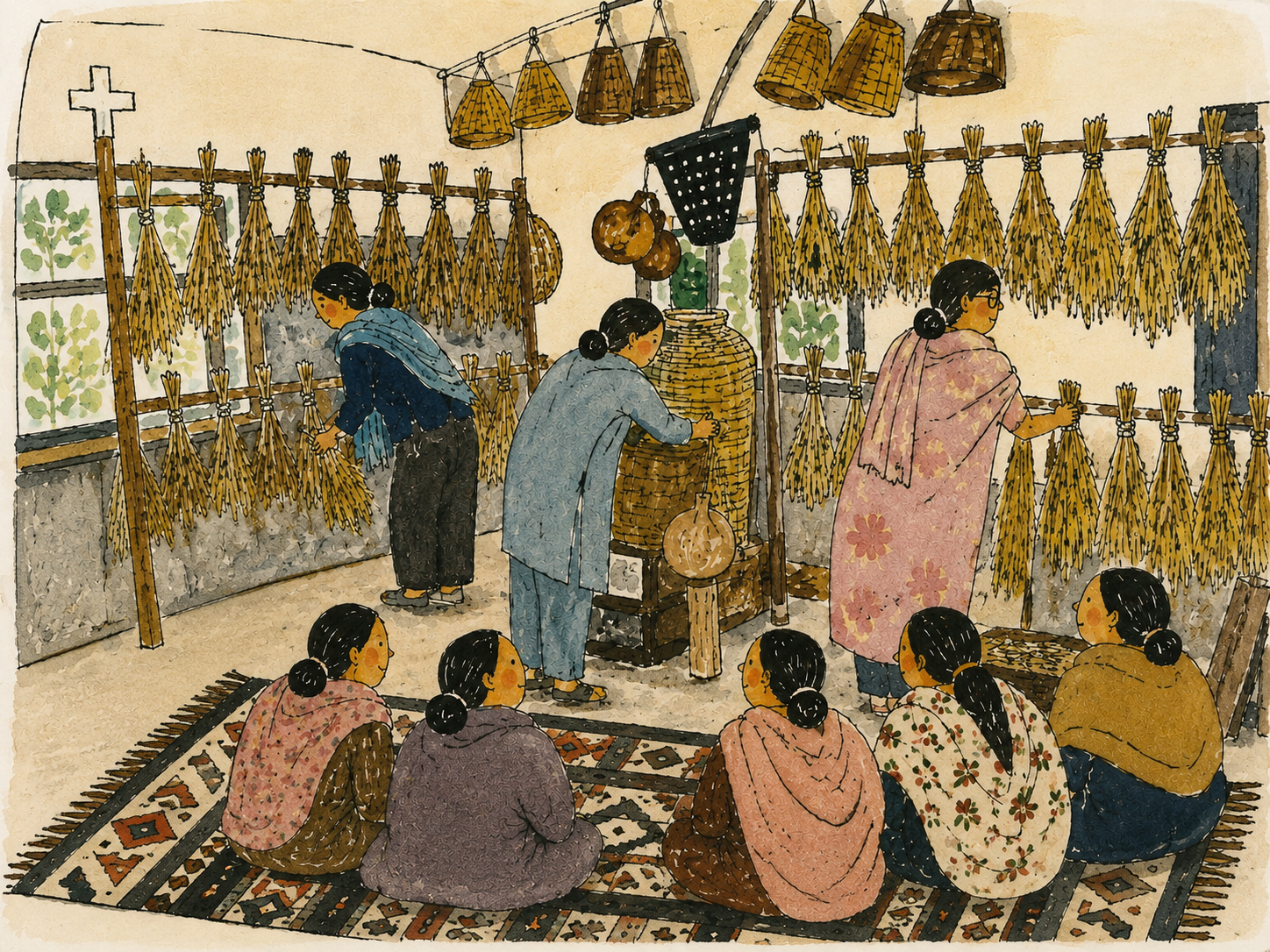
Pauri Garhwal, Uttarakhand: Every July, at the onset of the monsoons, the Van Gujjars of Uttarakhand gather in their traditional mud, wood and straw houses called Deras. They partake in sweets and food, sing folk songs about forests, and recite paeans about Gojri, the indigenous buffaloes they breed. This is Sela parv, a festival observed by the pastoral community to celebrate the forests that give them livelihood.
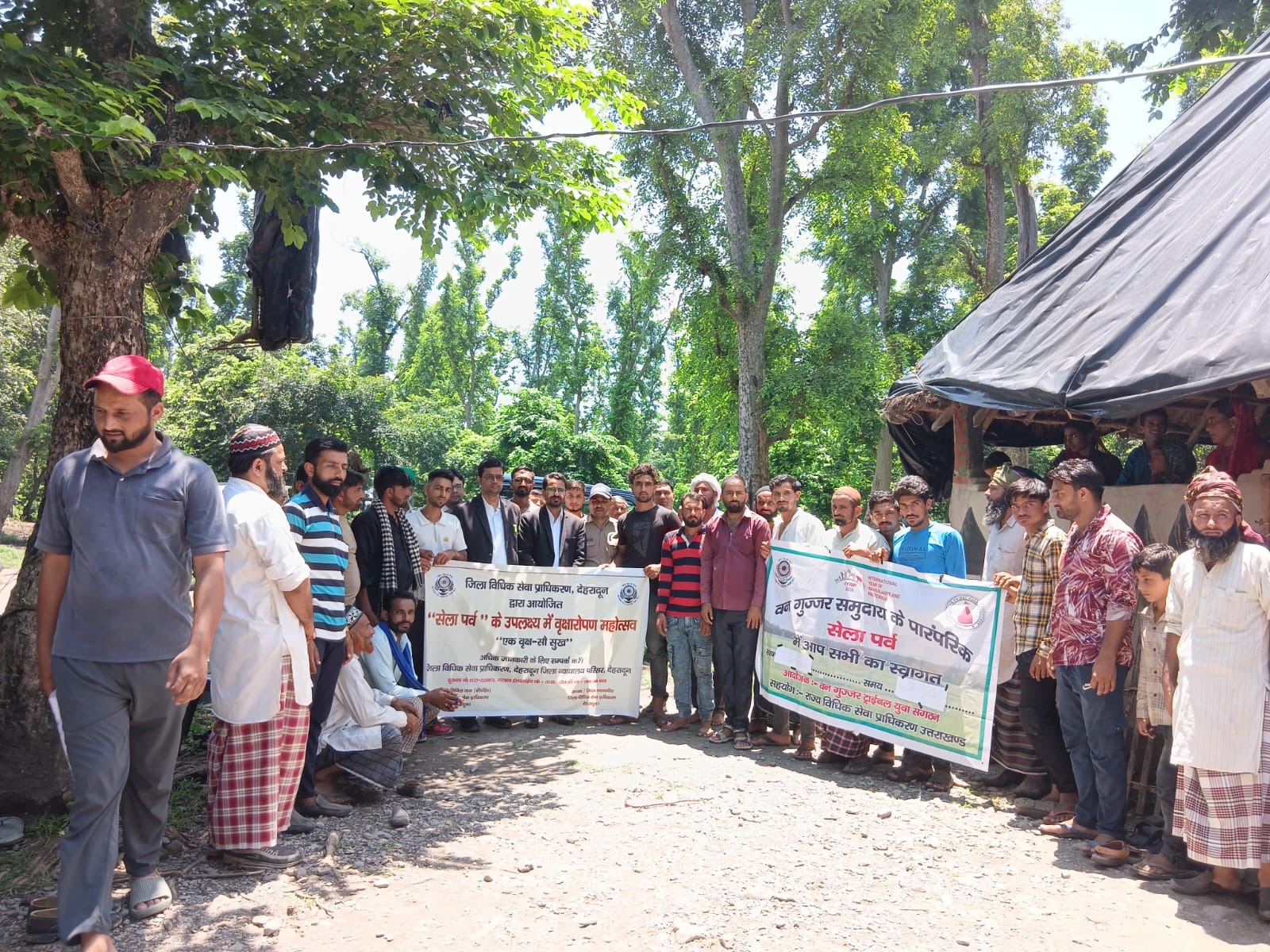
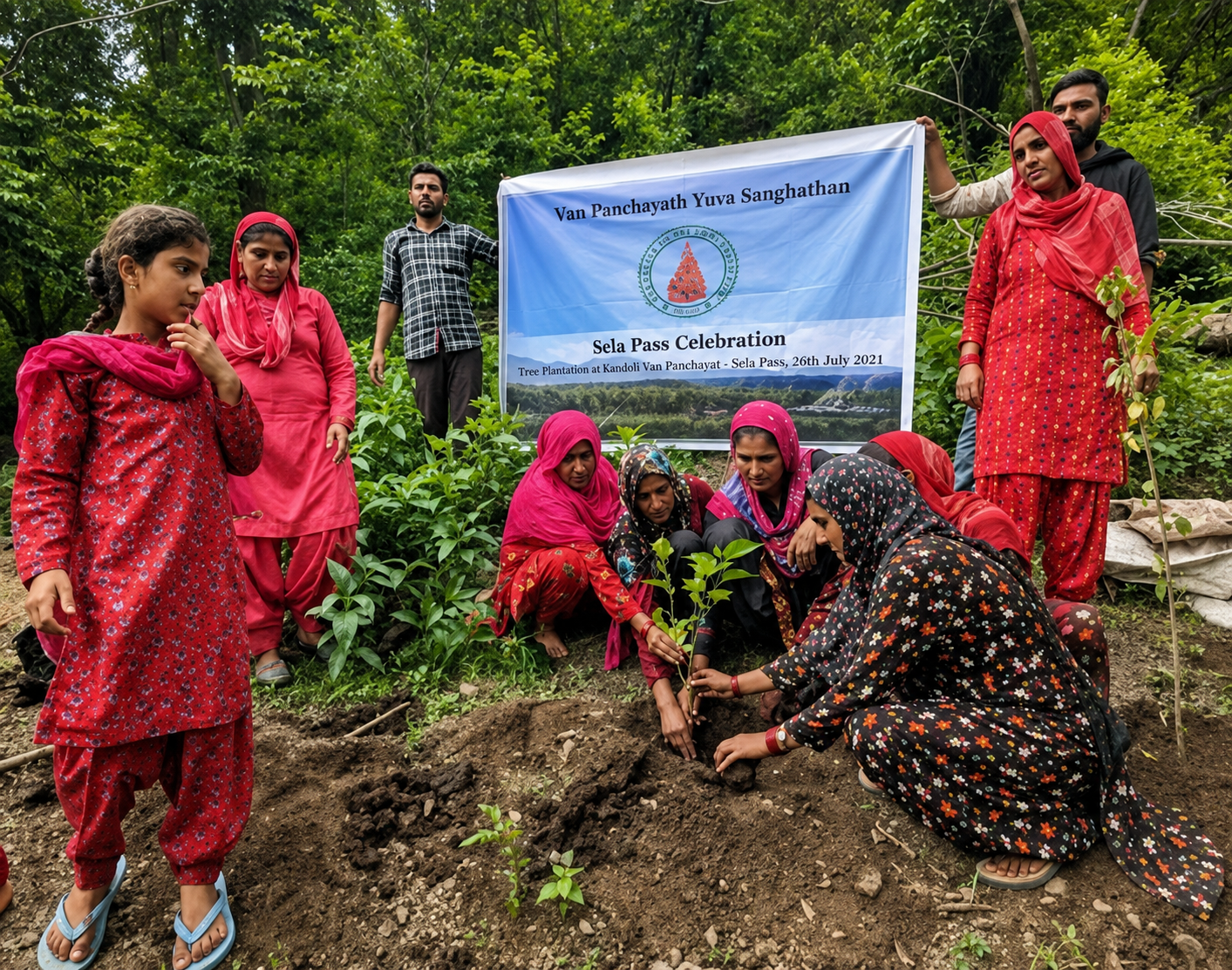
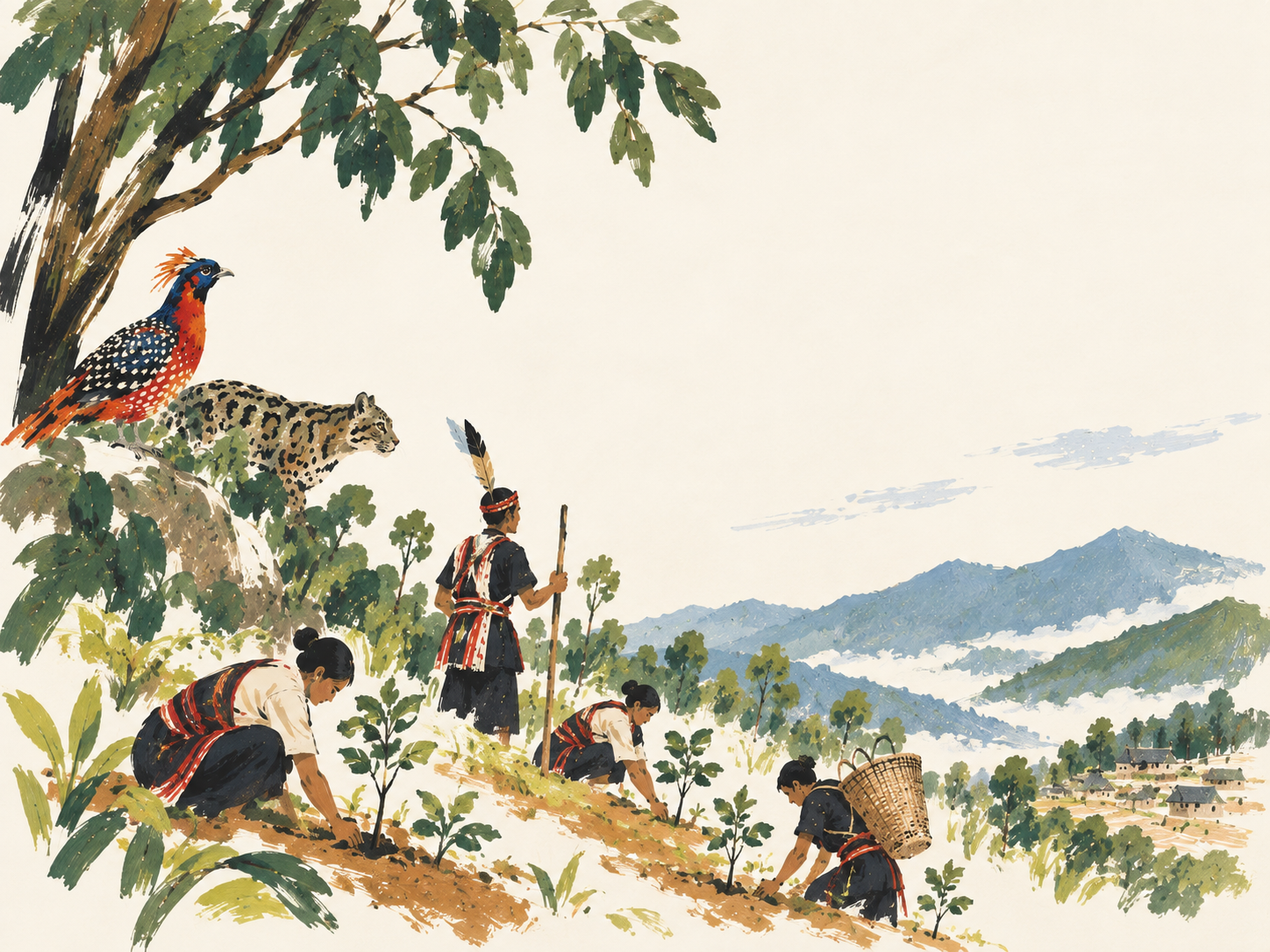
The Van Gujjars then scatter into the forests, dispersing seeds and saplings native to the woods around. “We rely on the forests, and forests rely on us. A Van Gujjar has no life without the forest,” said 24-year-old Aftab Chouhan Gujjar, who was among those planting saplings at Kunao Chaur village of Pauri Garhwal district.
Around him, in the woods, are the young trees of Neem, Jamun, Bael, Peepal, and Shisham planted by him and other villagers during recent festivals. A little further on, are gigantic, mature trees planted by their forefathers.
A community shaped by forests
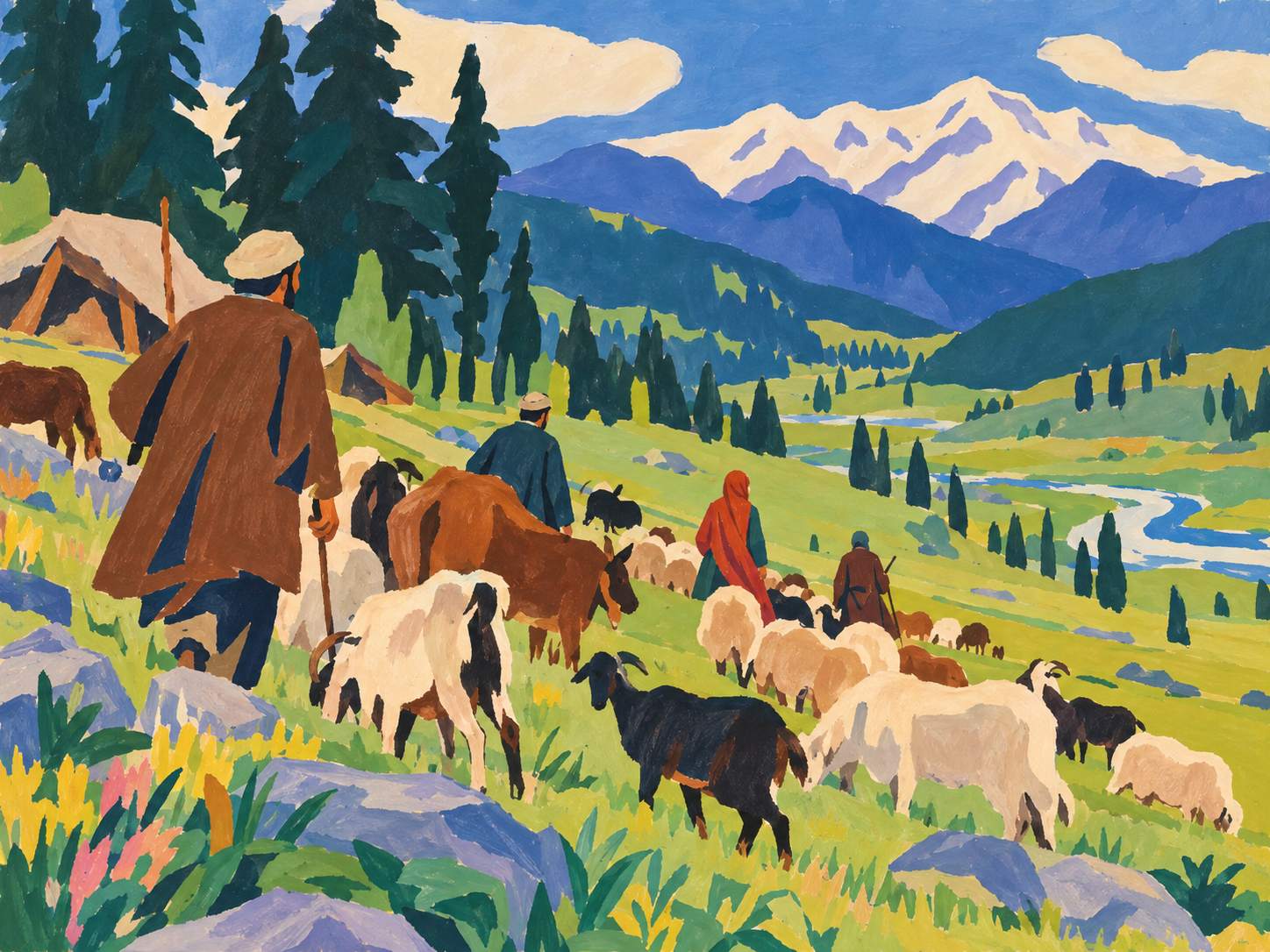
Sela Parv has been traditionally celebrated within the semi-nomadic community that travels between the upper Himalayas and the lower Himalayas in search of grazing land for Gojris.
Since 2020, the festival has been revived and enlarged by the younger generation of pastoralists as a way to prove to the State that the lives of Van Gujjars are enmeshed in the forests around them.
In Uttarakhand, the community is particularly vulnerable to government eviction drives and policies that restrict access to forests. Unlike the Van Gujjars in Himachal Pradesh or Jammu and Kashmir, the Uttarakhand pastoralists do not have Scheduled Tribe status. This makes it more difficult for them to access rights and protection under the Forest Rights Act, 2006, the law that recognises traditional rights of scheduled tribes and other forest dwellers.
Over the past 15 years, 1,393 families of the nearly 3,000 households have been relocated outside Rajaji National Park. The rest live in constant fear of eviction.
These evictions are a continuation of exclusionary wildlife protection policies that alienate local communities from the land they depend on and dismiss their role in the protection of forests.
As a reaction to these evictions and the cycles of insecurity, the Van Gujjar Tribal Yuva Sangathan (VGTYS) was established in 2020 by two young pastoralists. Today, it has over 200 members working to secure legal rights for the community. They also play an important role in creating awareness among officials of the Van Gujjars’ traditional knowledge system that has contributed to the forests around.
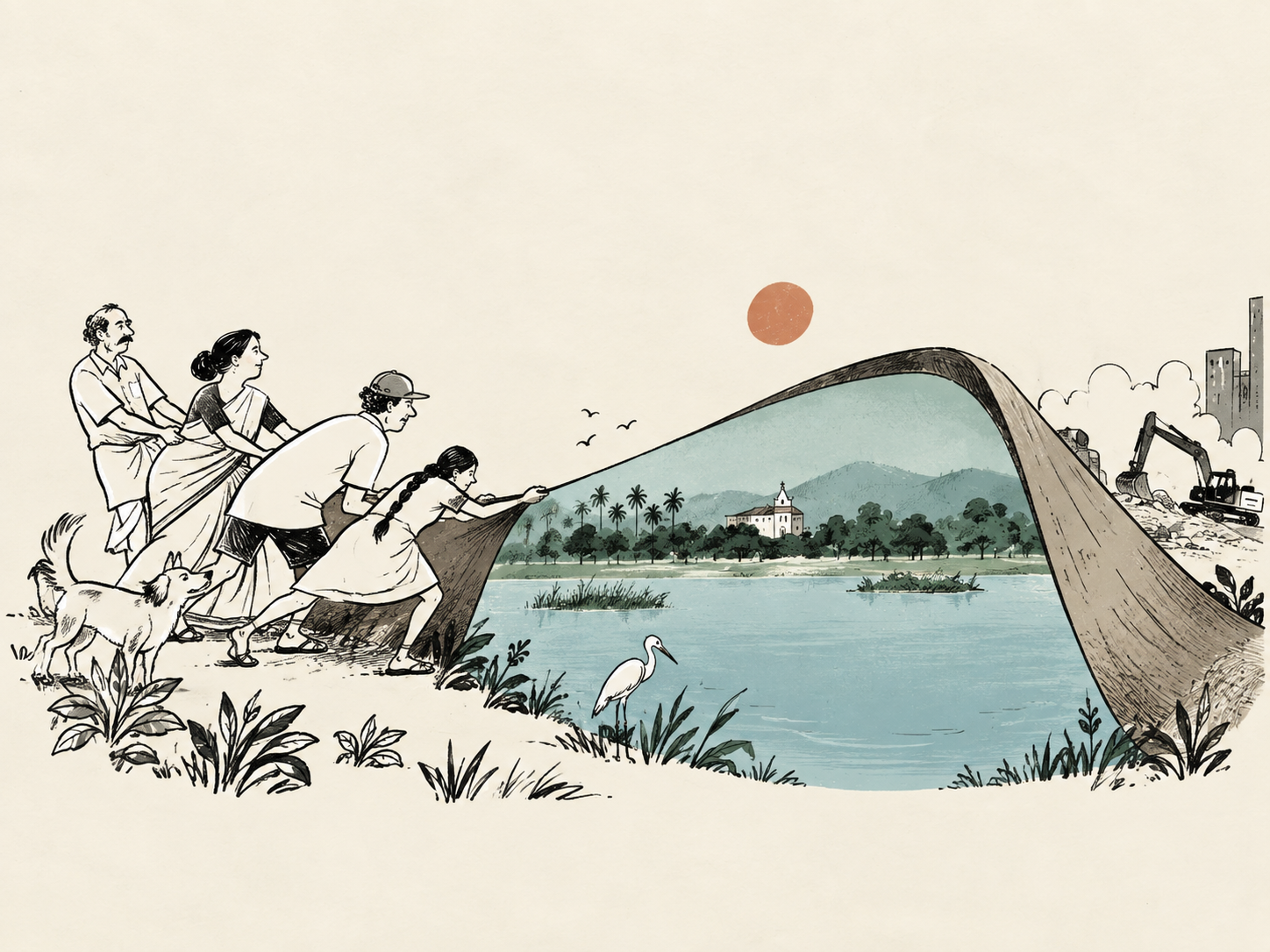
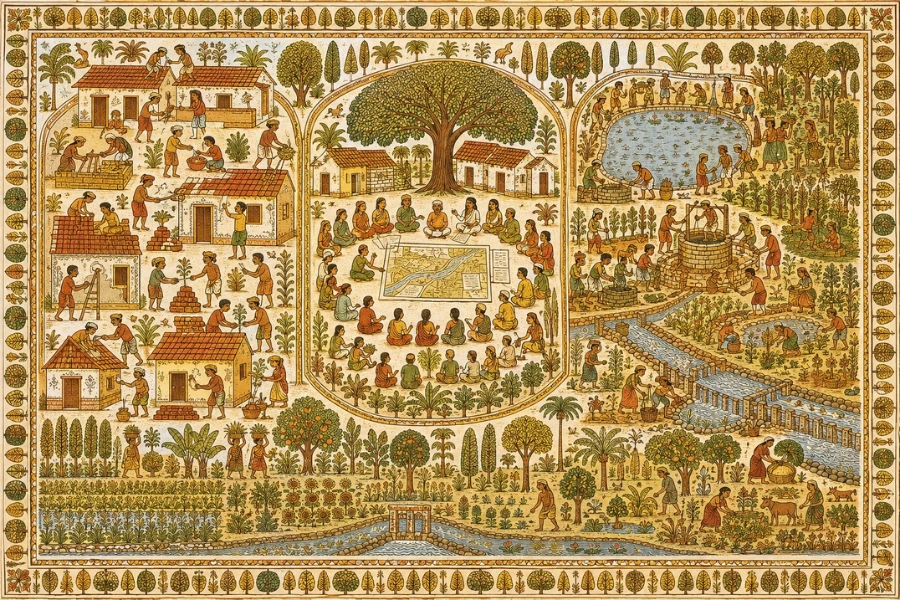
Commons — shared lands such as forests, pastures, water bodies and mangroves— cover 205 million acres or one-fourth of India and form the lifeline for over 350 million people, including marginalised groups like Scheduled Castes, Scheduled Tribes and women.
Communities across India have traditionally protected, restored and managed these commons through customary self-governance practices. These customary rights and practices, however, haven’t been formally recognised in many parts of the country. Communities like the Van Gujjars are often excluded.
Traditions that leave a trail
31-year-old Mohammed Meer Hamja, founder of VGTYS, who lives in Kunao Chaur, realised that traditional practices of the community were often ignored in discussions around the protection of forests. “We decided to sit down with our community elders and document these practices,” he said.
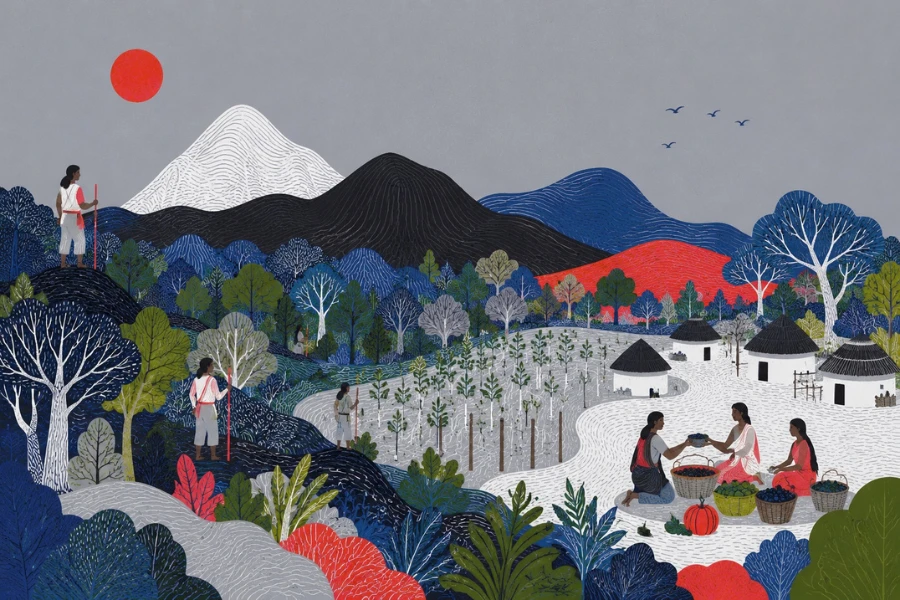
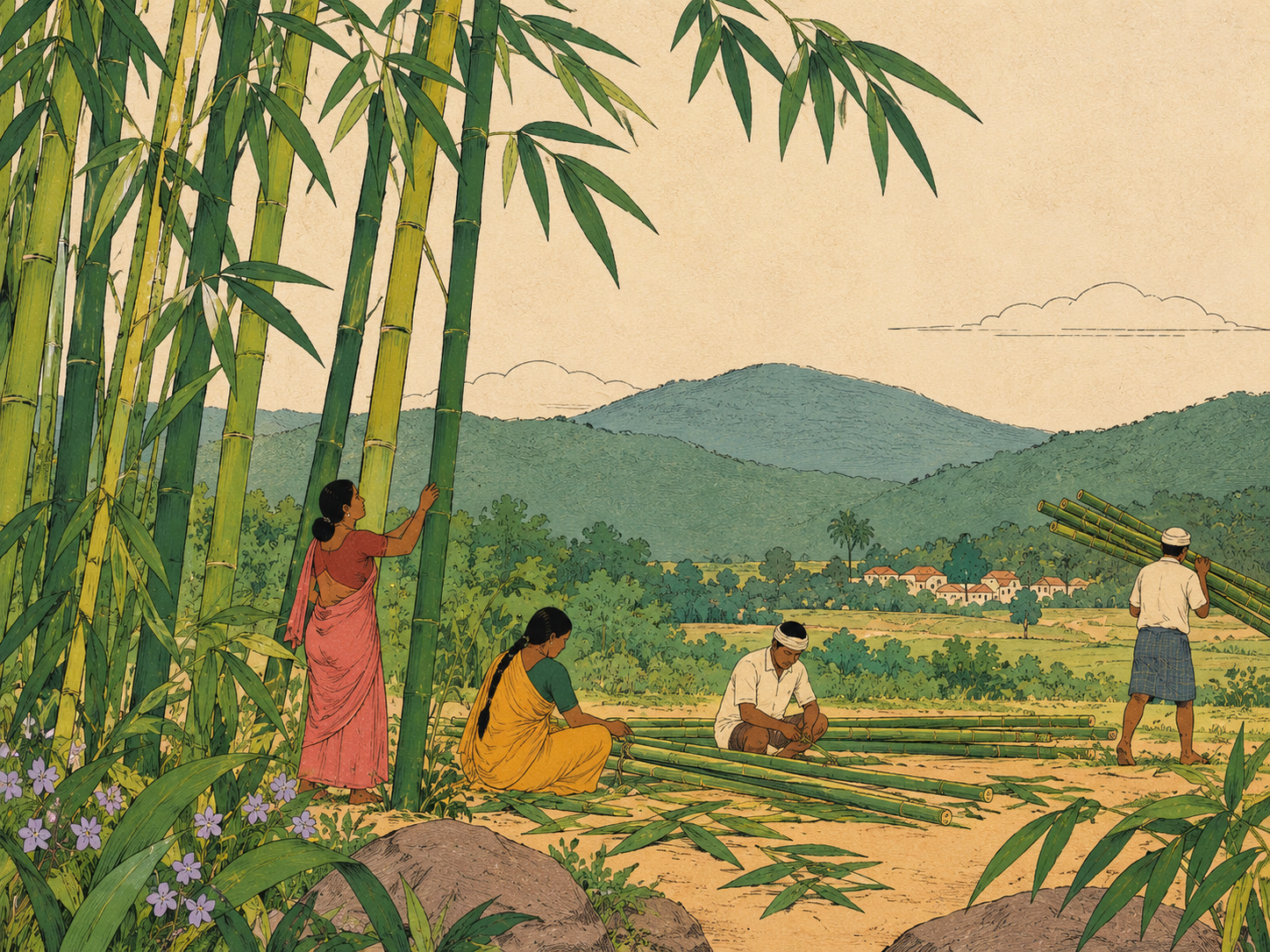
He cites the example of the practice of “Nedi”. Nedi is the stem of a tree that is used in the process of churning butter in households. After its use, the stem is planted in the soil from where the clone of the original tree — usually Semal (Bombax ceiba) or kedi (screw pine) — sprouts. The Van Gujjars migrate long distances, and pick up around 20 stems from the “best trees” around the locations of their stay. As they migrate and graze, they plant these stems, leaving a trail of trees.
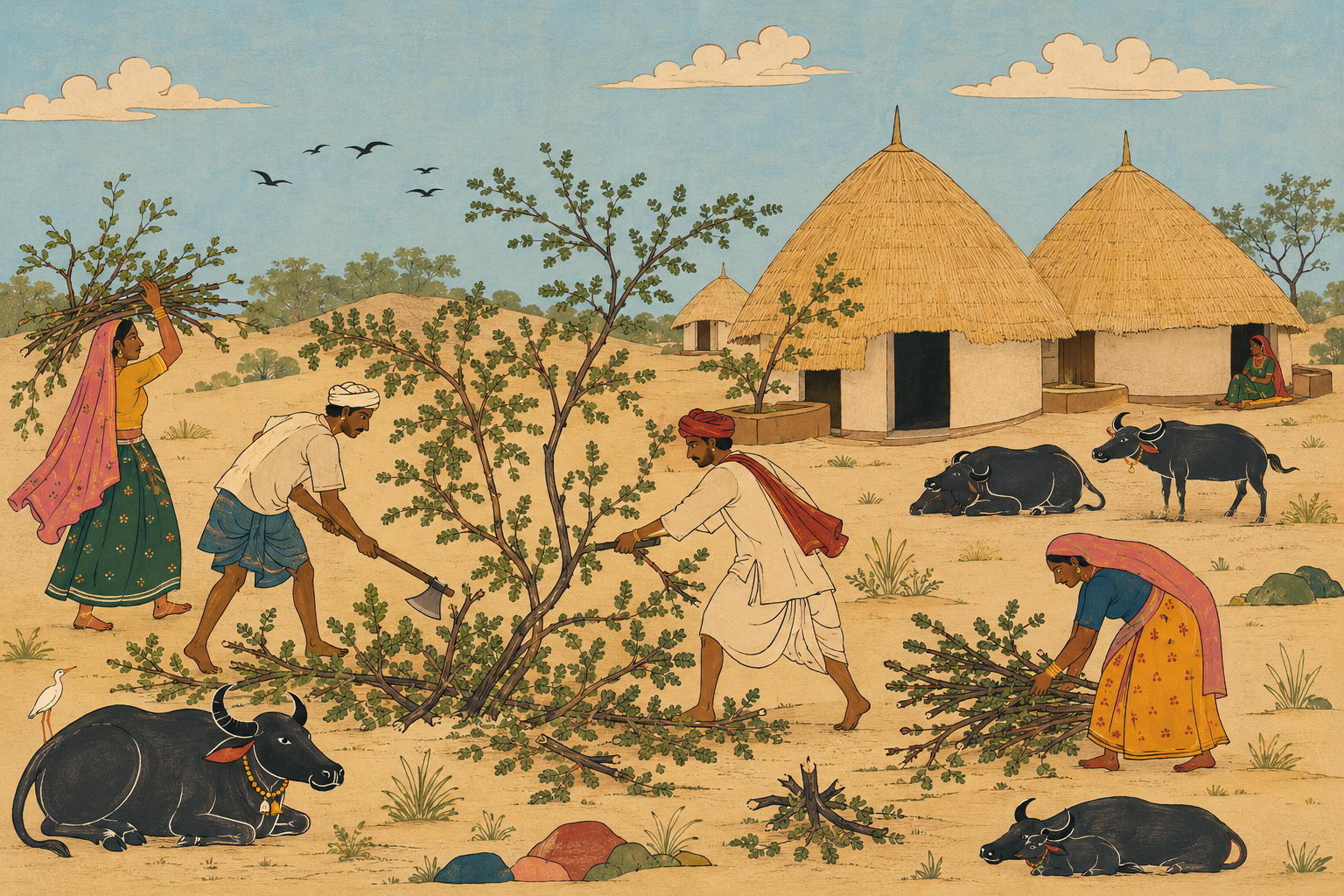
Another proud tradition is Path Badhno (translating to “growing leaves”), the practice of lopping or pruning trees. This is tied to the custom of appointing a Chief Grazer or Maai within a household who is responsible for the upkeep of cattle. The Maai determines rules of grazing: from the selection of trails that reduces risk of forest fires to the lopping of trees around the grazing area to encourage tree regeneration. This ensures that enough leaves will be available in lower branches for grazing, while the upper branches are untouched.
Hamja found these practices gradually disappearing from the community. “As forests became declared protected areas, the Van Gujjars lost their sense of ownership of the forest. They didn’t see themselves as the guardians of the forest,” he said. Outside the forests, common spaces were being constructed upon or fenced off. “Practices like Nedi were gradually forgotten as there was no space left to plant these trees,” said Hamja.
There was also a gulf developing between forest-dwelling Van Gujjars and those who lived outside the forests. “We realised that we needed to revive these traditions not just for our own community, but to showcase it to the world,” said Hamja.
This led to the revival of Sela Parv, which was now being revived and opened up for the outside world. The first edition of the festival was held in 2020 in Hamja’s village, Kunao Chaur.
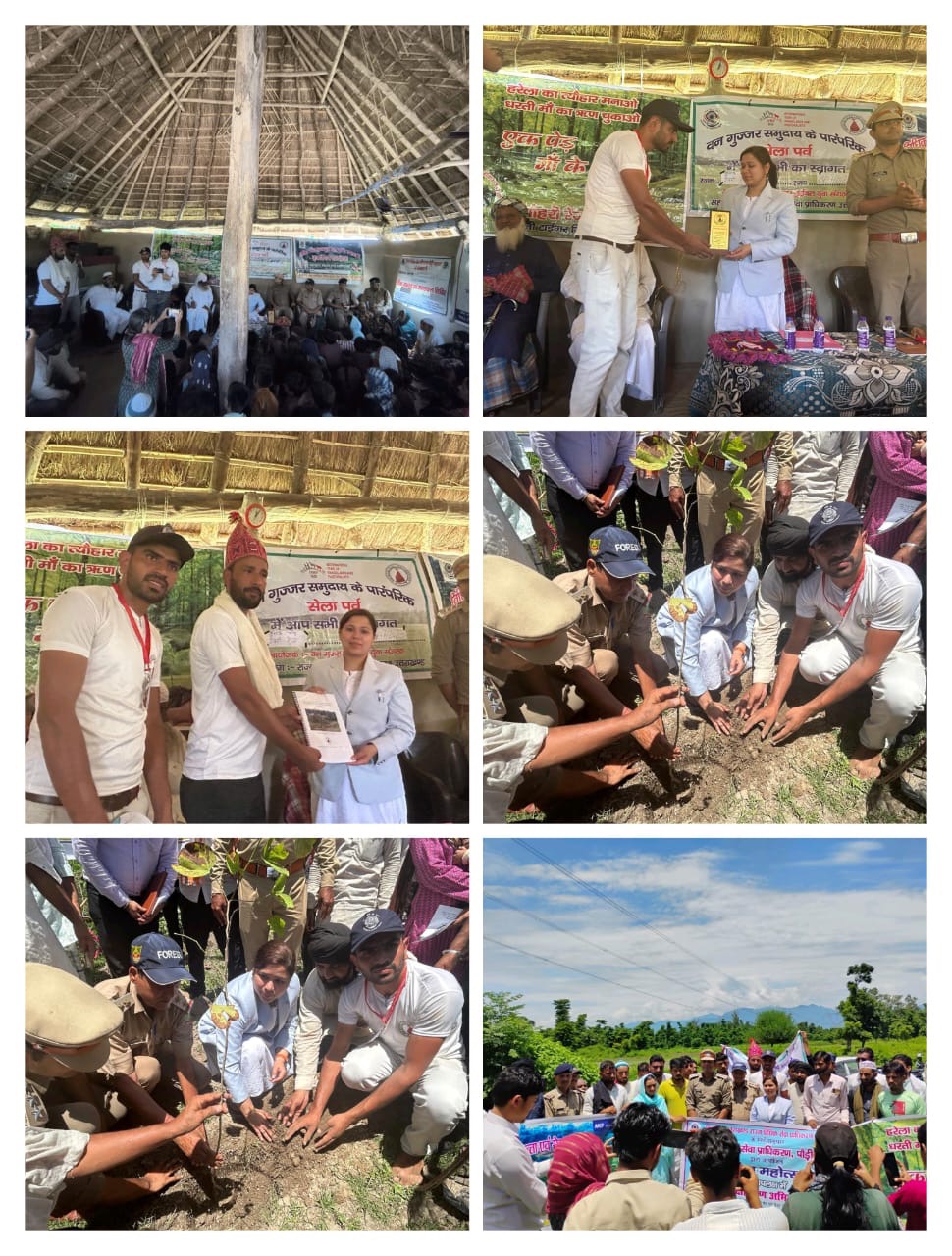
and presentation of report on role of Van Gujjars in conservation of forests | Captured by Van Gujjar Tribal Yuva Sanghtan
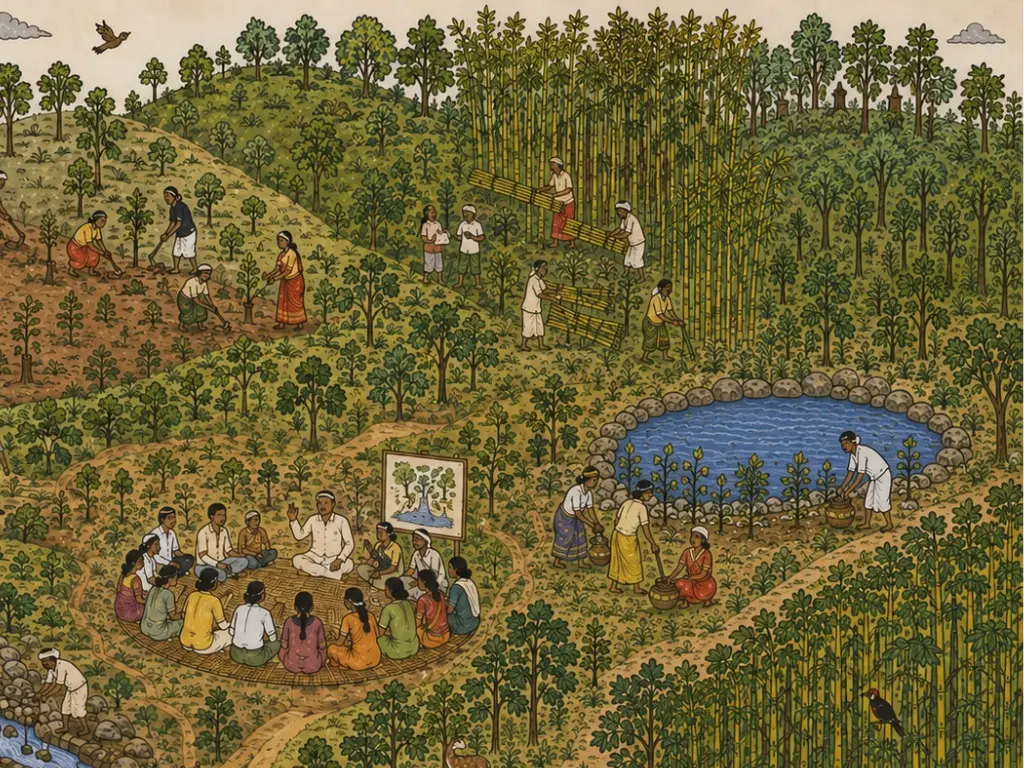
Since 2020, the festival has been organised across Van Gujjar settlements in Uttarakhand. VGTYS has said it planted 2,868 trees, of which 1,641 have germinated or survived.
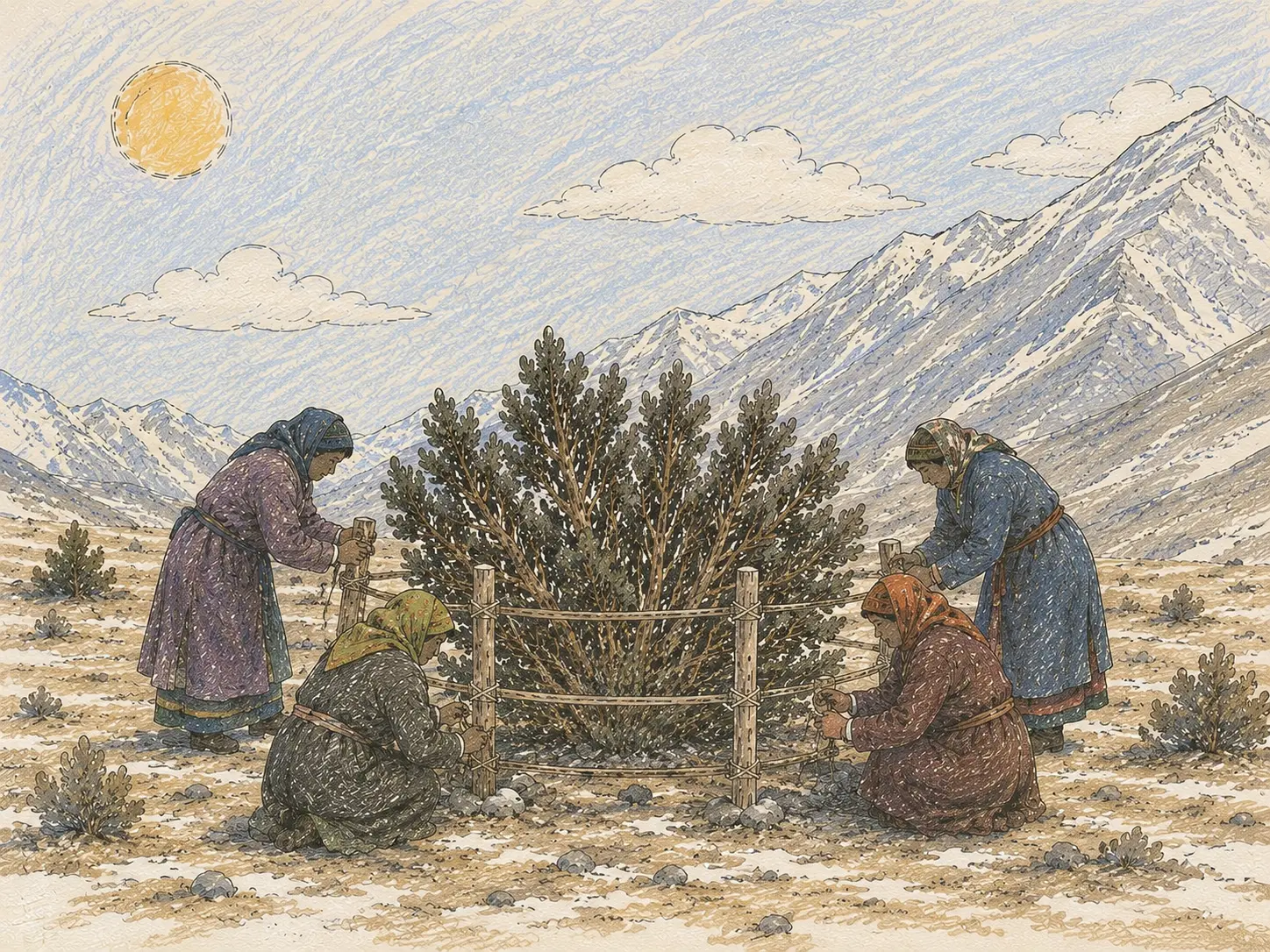
This rate, said those in VGTYS, is higher than what is achieved in most government afforestation programmes. Moreover, the planting is far more attuned to its environs, including the use of bamboo tree guards instead of metal or barbed wires that hurt smaller mammals, and the selection of only native species.
“Our elders know which areas within forests can be planted, and which patches is not conducive for trees. A lot of government officials see empty patches and decide to plant trees there. They only want to see a green forest cover on satellite imagery. But the clearings are a natural part of the forest,” said Hamja.
“The jungle is ours”
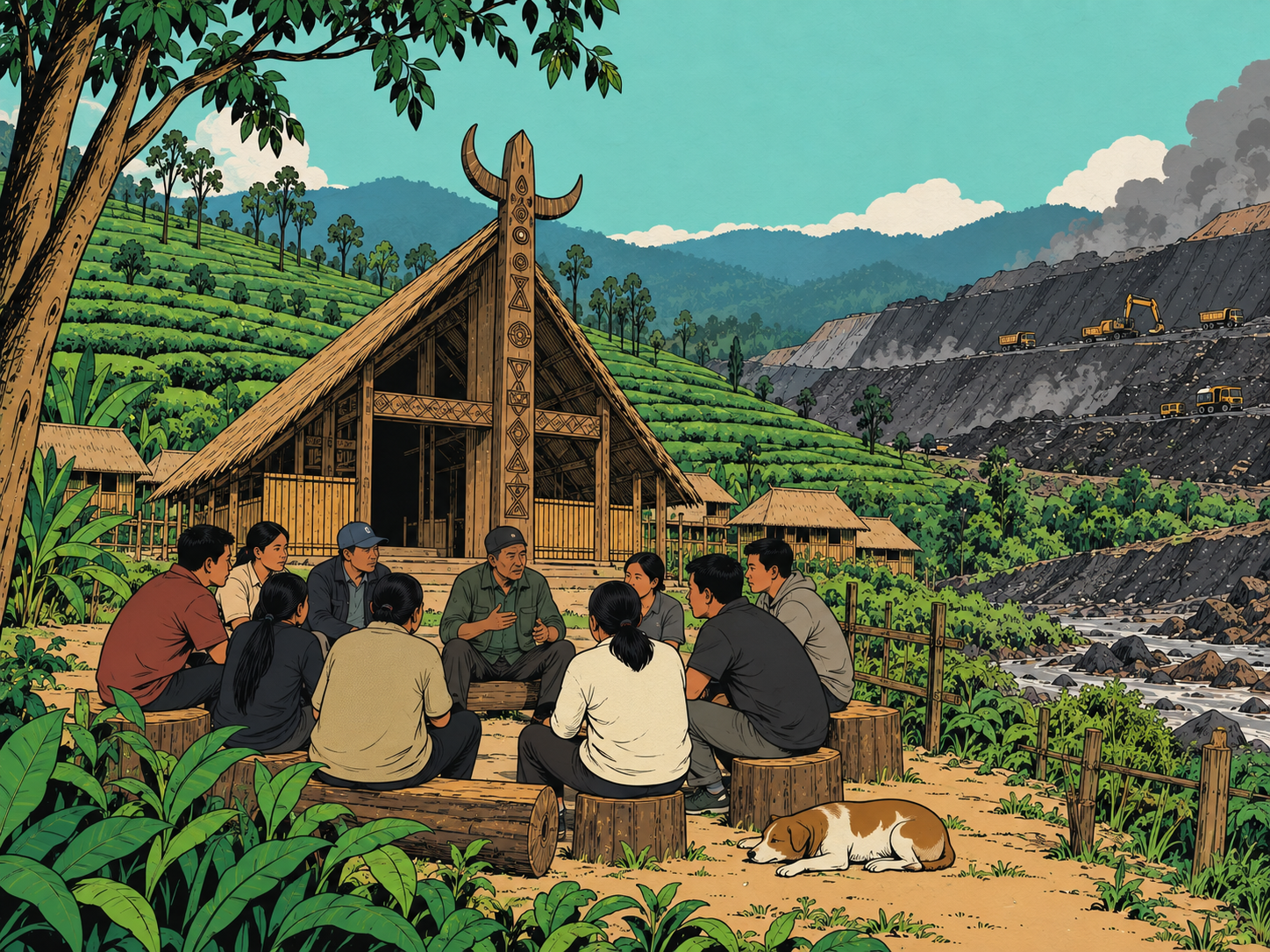
The VGTYS and the festivals do more than just revive traditions and plant trees. They are critical in uniting the community and providing a blanket of security against exploitation by local government agencies.
“We used to give forest rangers milk, butter and money as bribes, to allow us to graze or obtain lopping permits,” said Munnu Gujjar, a 42-year-old pastoralist living near Haridwar. “Each family would end up giving 16kg of produce just to get lopping permits,” he said.
The community had claimed entitlements under the Forest Rights Act but their claims are not approved by the authorities yet. The Act grants forest-dwellers (even non-tribal communities) rights over cultivated forest lands and also grants communities rights over traditional forest lands. The process of providing evidence for non-tribal communities is more stringent, with families having to show documentary proof of at least 75 years residence in the area. Without these rights, the community was vulnerable to eviction.
In 2018, the forest department encircled the home of 50-year-old pastoralist Mustafa near Haridwar, seeking to evict him. It was the Van Gujjar youth who stood between the bulldozers and his house. “It was the first time I felt that someone was standing with us,” said Mustafa, who goes by only one name. “My generation is largely uneducated and unaware of the laws. We didn’t even know we had rights,” he said.
This lack of awareness had led to a cycle of fear. And this led to insecurity that kept the Van Gujjars out of their legal rights, said Najakat Ali, a 26-year-old member of VGTYS. “Our elders believed that if they raised their voices to demand rights under the FRA, then it would lead to more retaliation, and more evictions and demolitions,” he said.
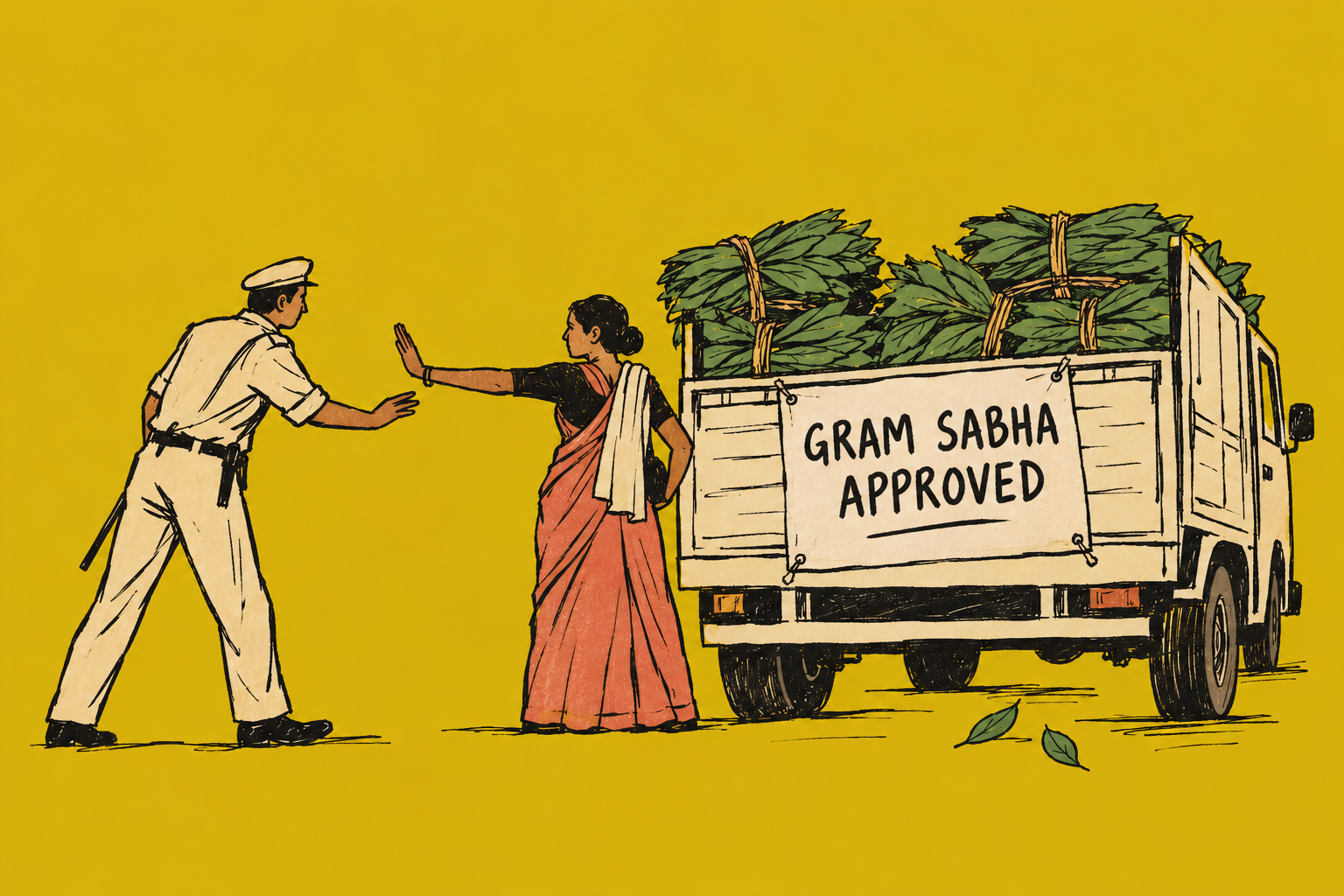
The group has been instrumental in forming Gram Sabhas and Forest Rights Committees (FRCs), local bodies that help file claims for individual and community rights.
“We find documents, maps and records to submit to claim our rights,” said Ali, who is the president of the Gram Sabha and FRC in Jamun Mundhal and Simbal Sroth regions in the Shyampur forest range.
So far, 108 villages have filed for Community Forest Rights claims, the highest among Van Gujjar habitations in Uttarakhand. These claims are still under process, but the law recognises the community’s pre-existing rights even if the claims are not decided. “Whenever we are stopped from accessing forests, we show them the FRA Act. It is a reminder to them that the jungle is ours, and the department is only its watchmen,” said Ali.
A stage for women
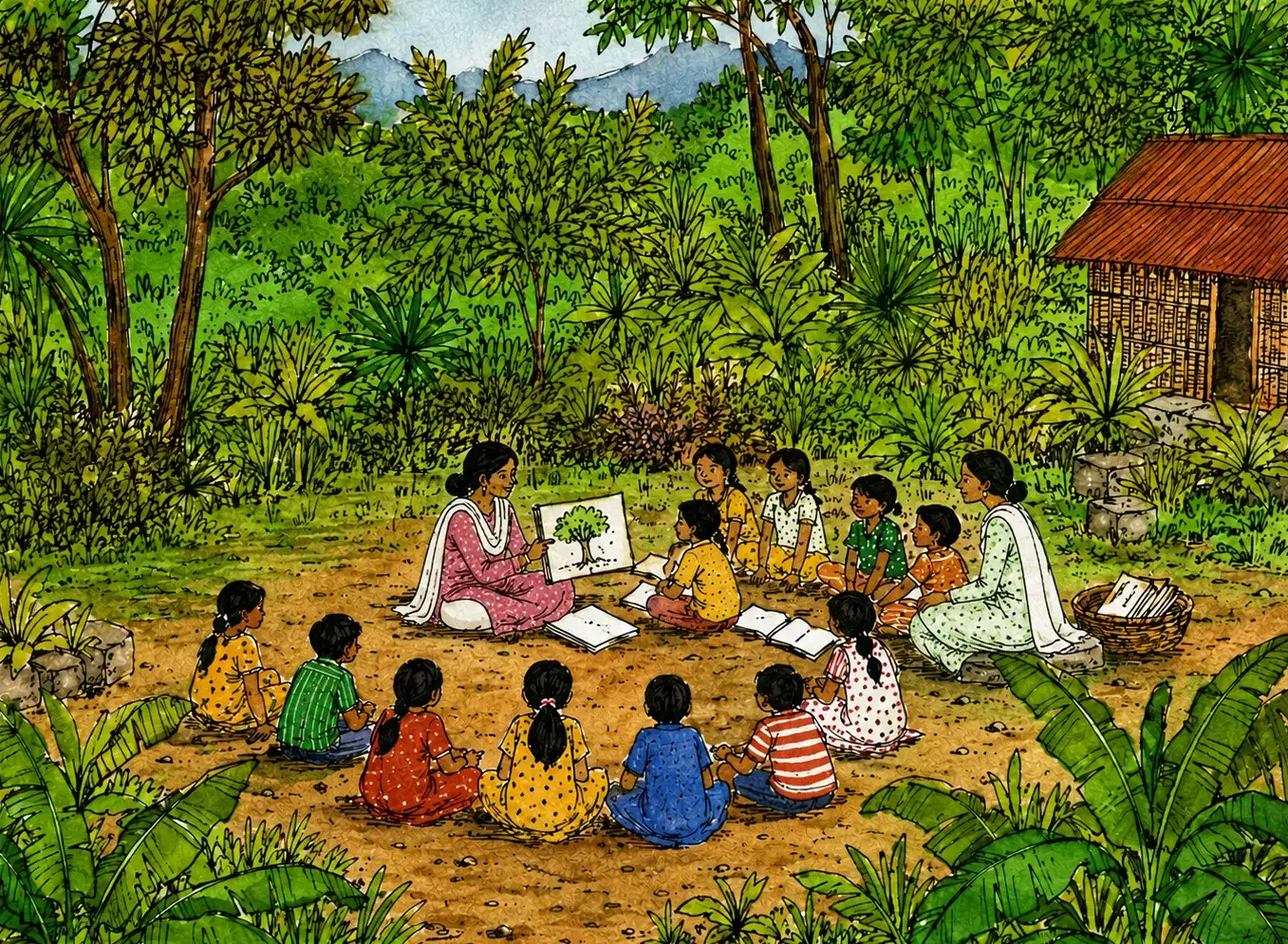
During the 2025 Sela Parv at Kusrela village, 30 women stood at a distance watching men gather on stage to sing traditional songs. 22-year-old Nagma Bhadana, a member of the VGTYS, spotted the women in quiet observation. She approached them and invited them to join the singing. After some polite pleading, only four women agreed.
Nagma, who works as an education coordinator for children of the community, said it was an indicator of the marginal role women were playing in the movement for the Van Gujjar community’s rights. “Women are hesitant to step outside. They feel their role there is insignificant, and they don’t want to leave household chores to go there,” she said.
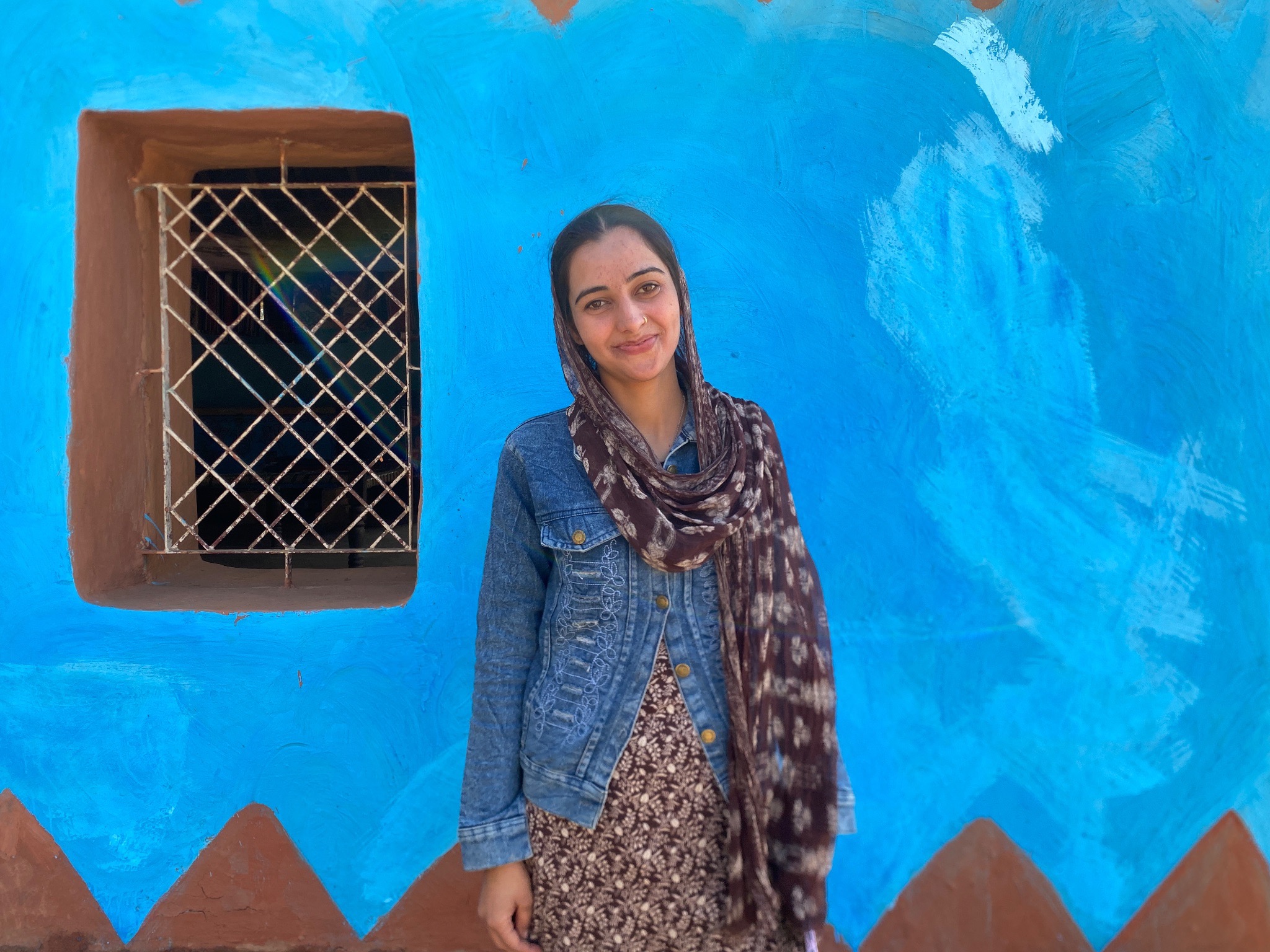
Nagma’s family were evicted from Rajaji National Park in 1983 and resettled in Gendi Khatta near Haridwar along with nearly 1,000 Van Gujjar families. She has grown up seeing the community being denied access to forests, and has seen women of the community kept away from education.
Among the key messages Nagma gives now is the role of women in FRA. The Act mandates “full and unrestricted” participation of women during gram sabha meetings, while individual land rights are accorded to both men and women. The Sela Parv is a way to create awareness among women, she said.
“Earlier, it was hard to gather women to the awareness camps, but today they come on their own. Their participation in the festival is rising,” said Nagma.
A song for Gojri
At the festival, the community gathers in Deras, their traditional homes, and shares homemade kheer. While the knowledge of the old is passed down, Bainth, their traditional folk songs, are sung. And in the lilts, melodies and lyrics, the baton is passed on to the next generation. The message is of the Van Gujjar love for the forest and their buffalo, Gojri.
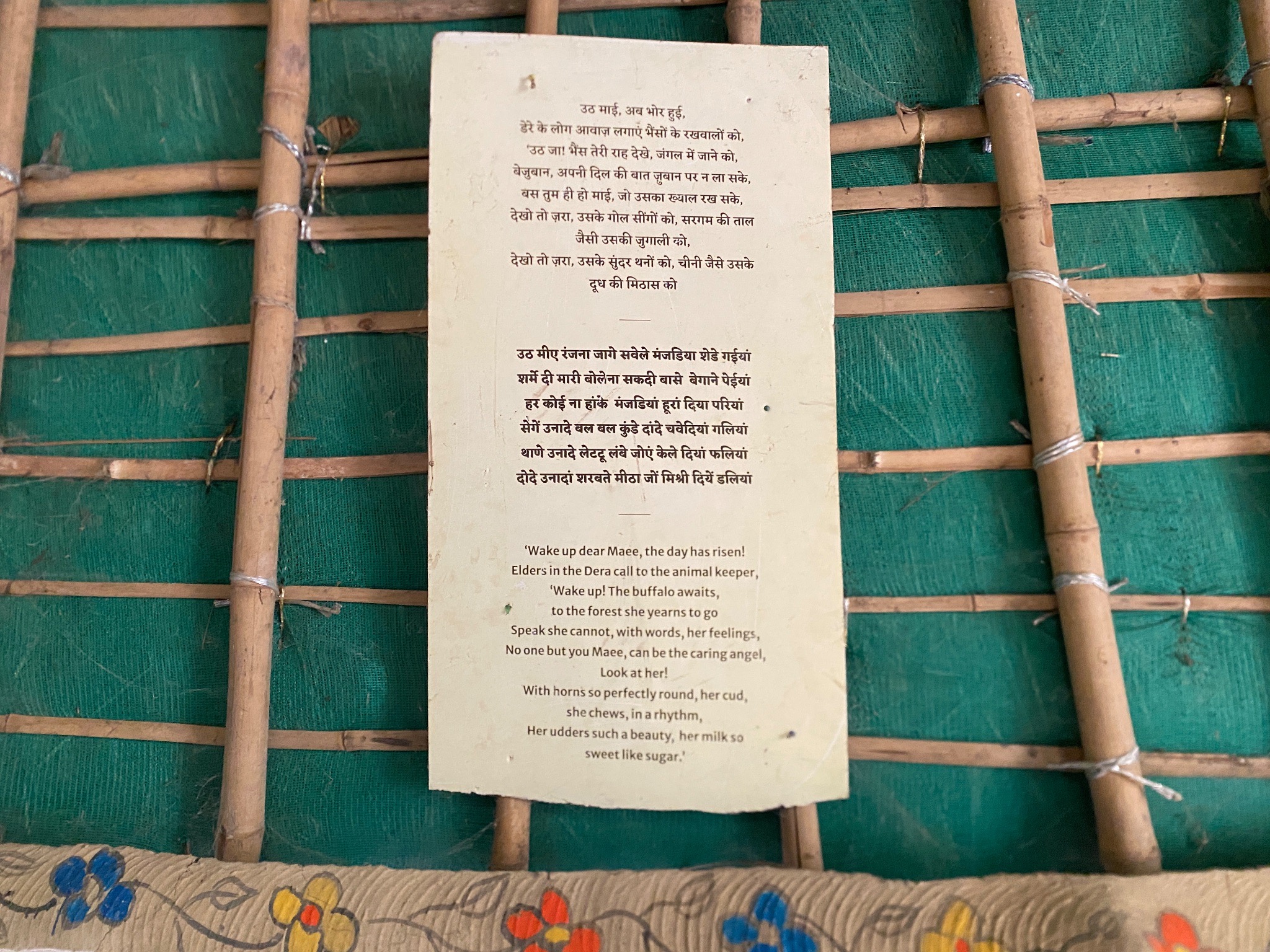
“Wake up, dear Maee (Chief Grazer), the day has risen!
Elders in the Dera call to the animal keeper,
'Wake up! The buffalo awaits, to the forest she yearns to go.
Speak, she cannot, with words, her feelings.
No one but you, Maee, can be the caring angel.
Look at her!
With horns so perfectly round, her cud, she chews, in a rhythm,
Her udders are such a beauty, her milk so sweet like sugar.”

.webp)
.webp)
.webp)
.avif)
.webp)

.webp)