Udalguri, Assam: For years, this land was bare, covered in sand and river stones, left behind by the repeated floods of the Dhansiri River. The ground reflected heat. In summer, the air shimmered above the white sand. There were no birds, no shade, no crops.
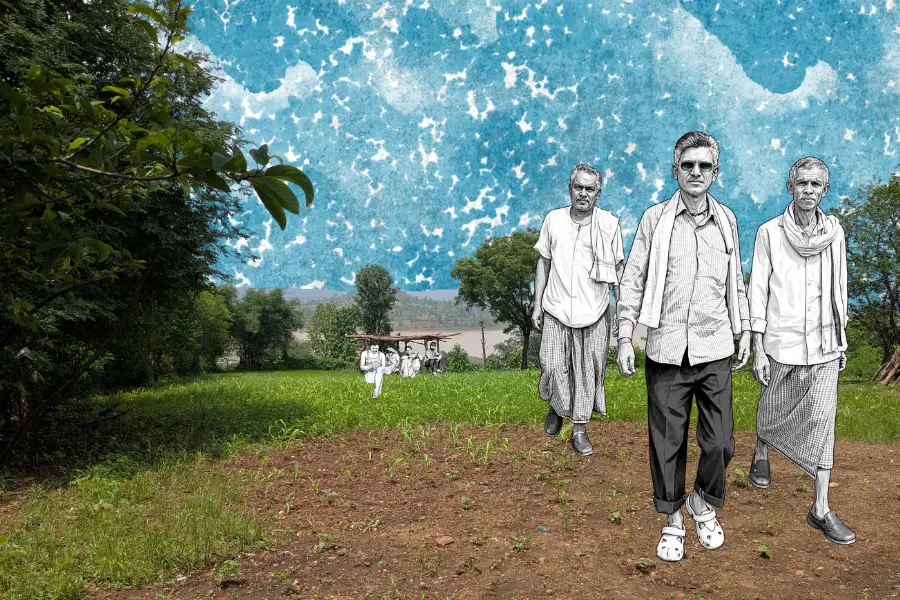
When sixty years old Ismail Daimari looks at the tall khair and sisu trees forming a part of the man-made dense forest in the Udalguri district at Assam-Bhutan border, he says, he sees something brought back to life.
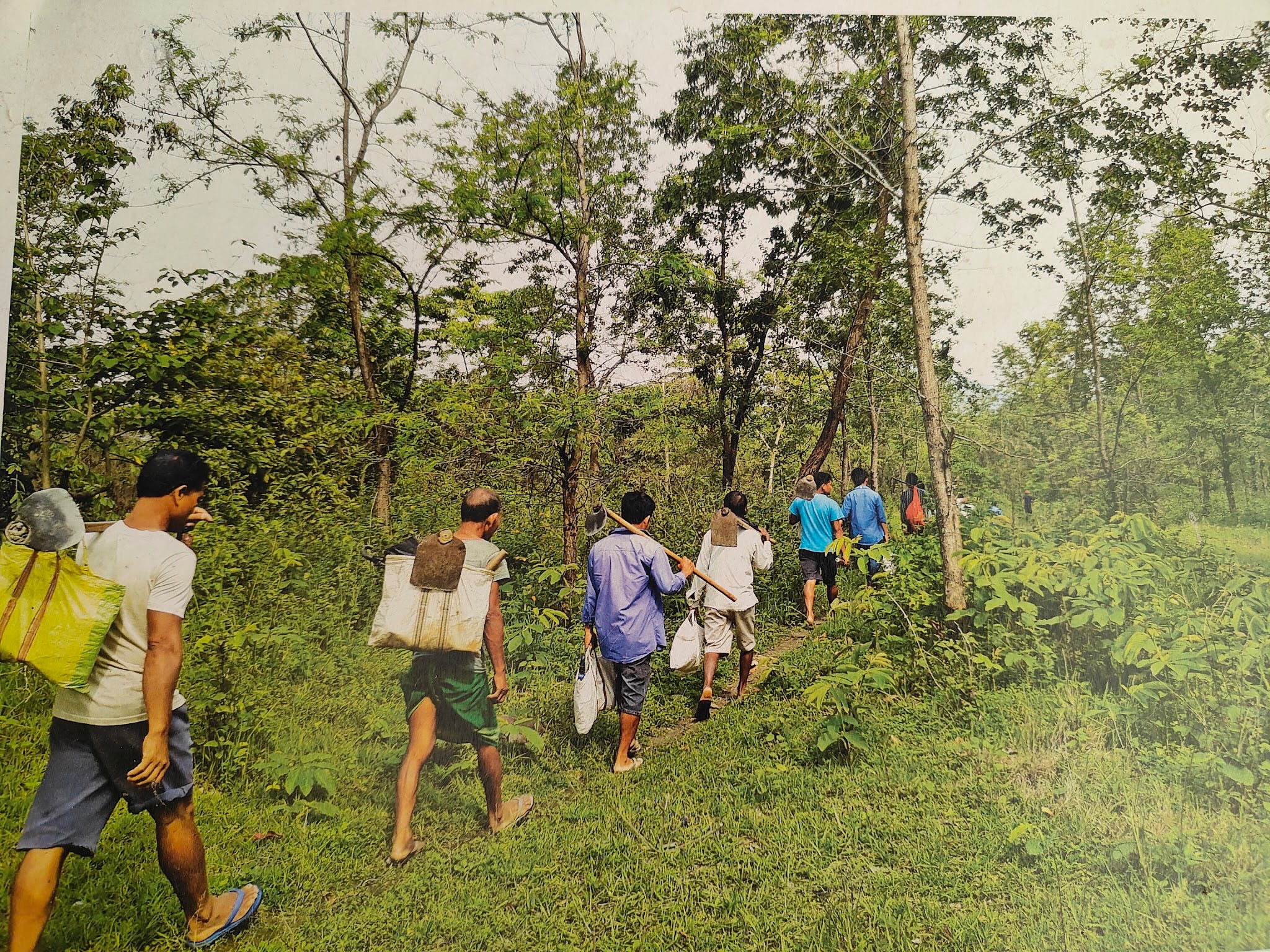
“We would feel the heat, and this would always remind us of a lost forest in floods turning into a desert,” says Daimari, who was a farmer then, and recently retired from the state forest department as PP (Personal post), a position created for a specific officer engaged in ground activities.
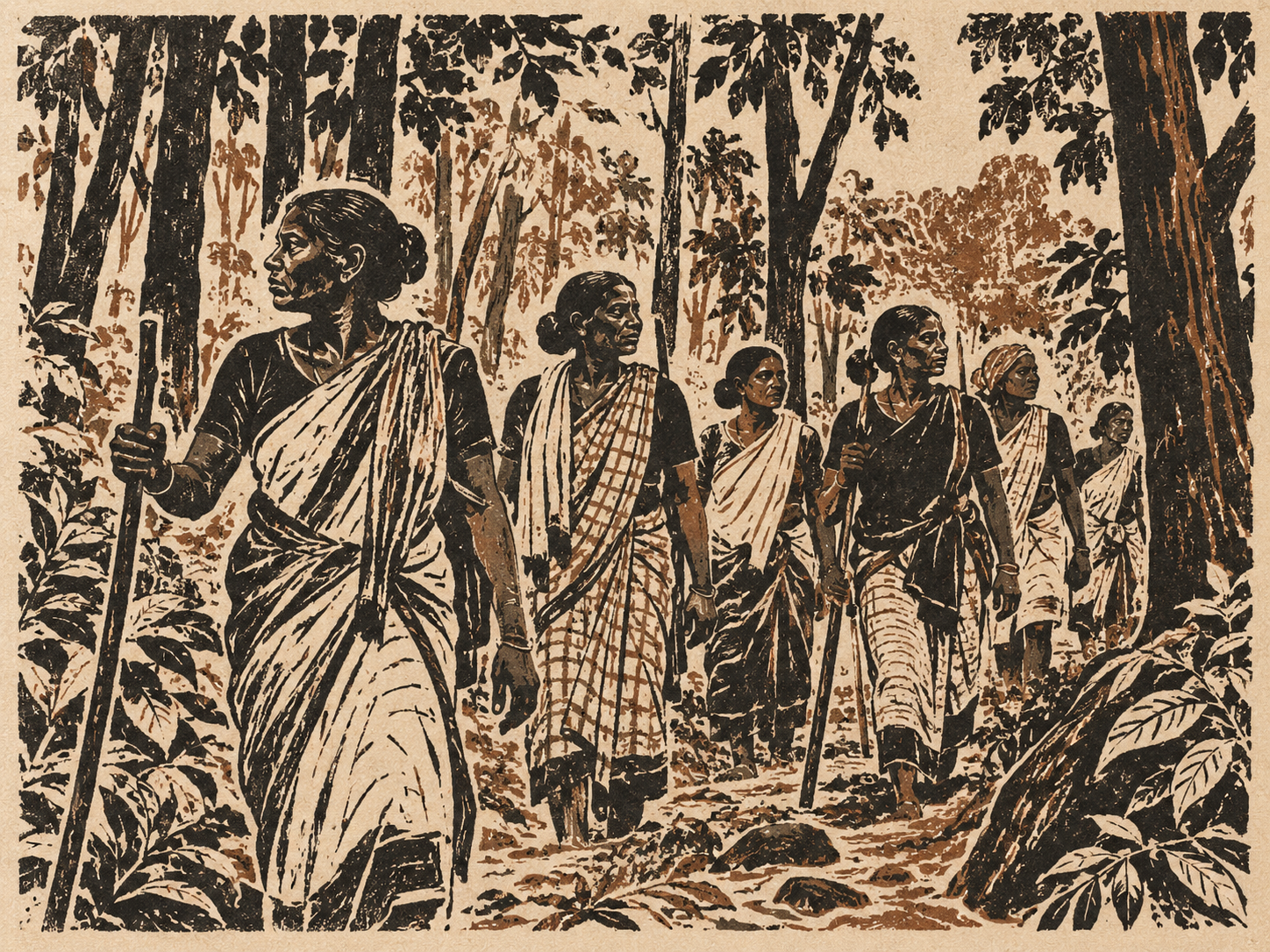
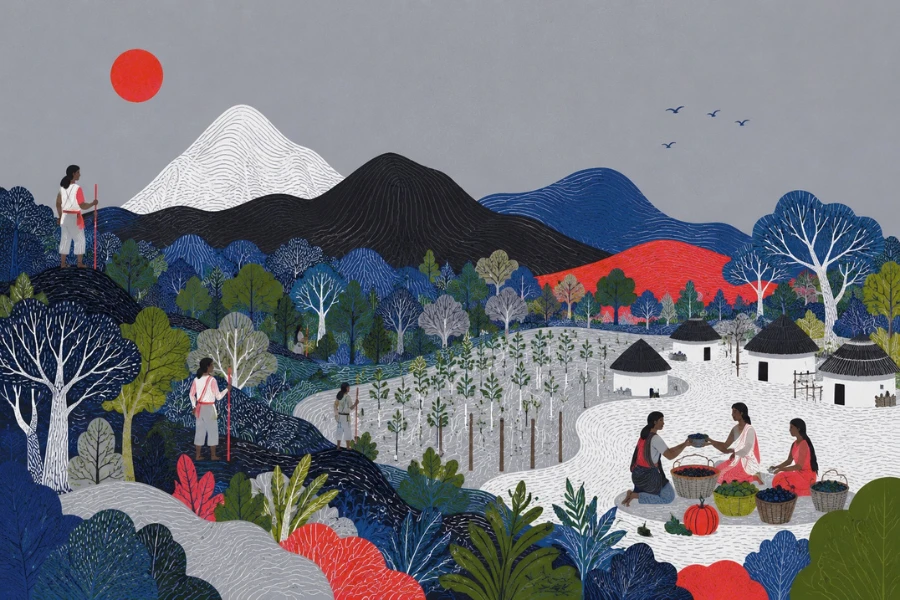
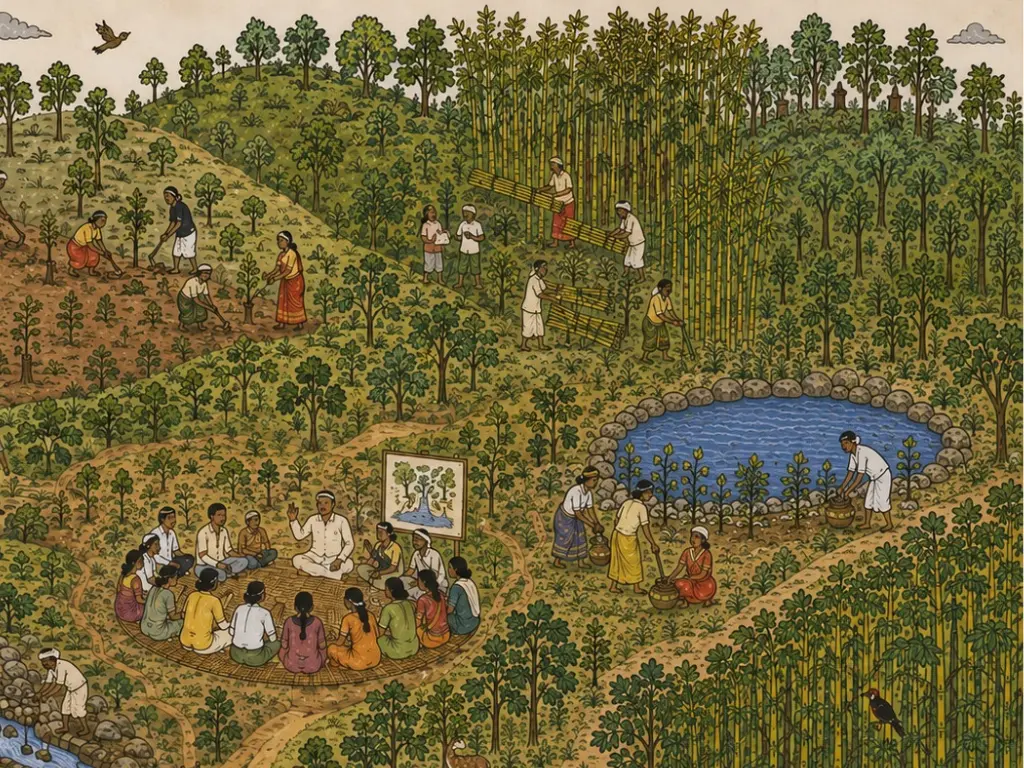
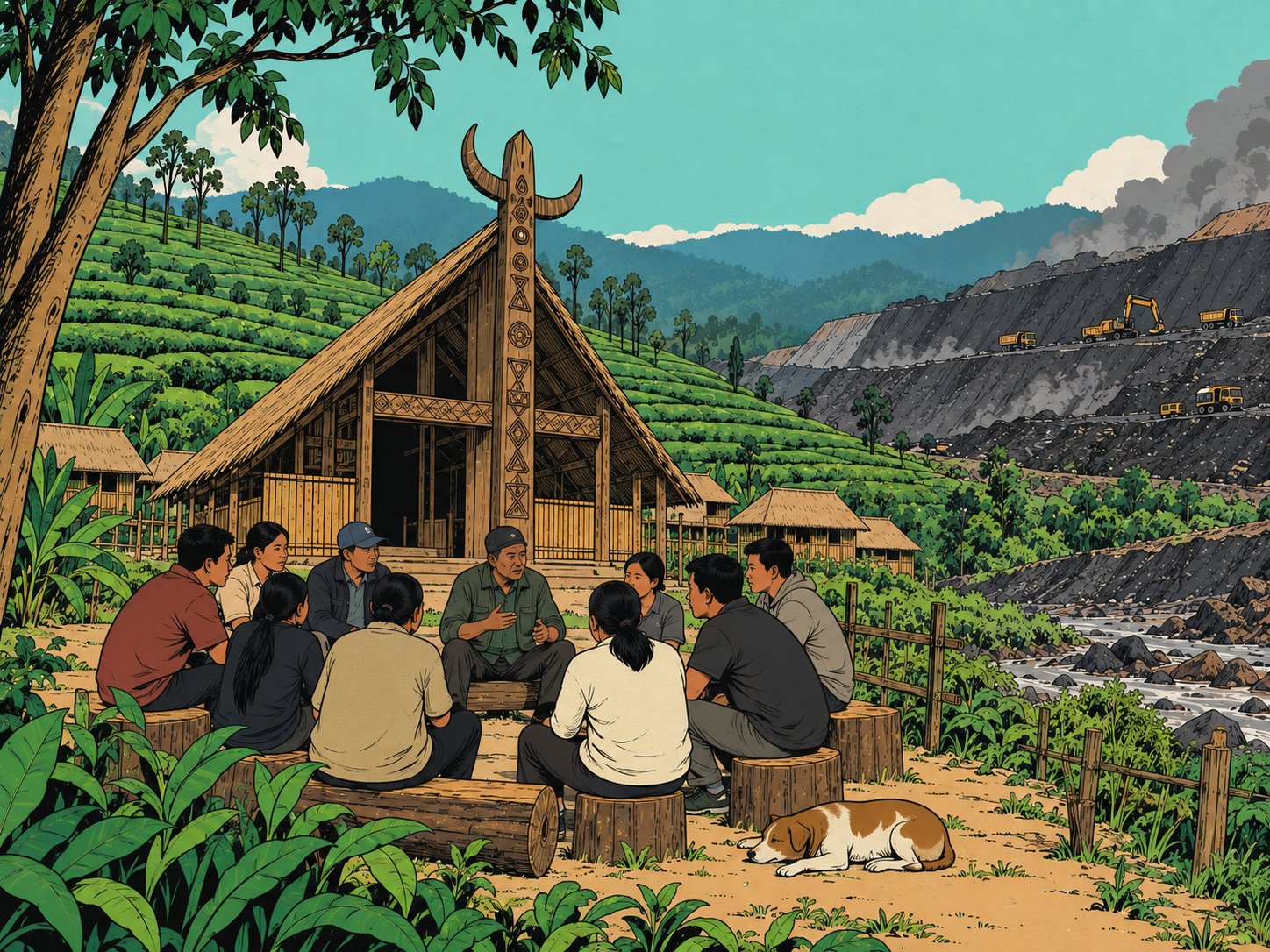
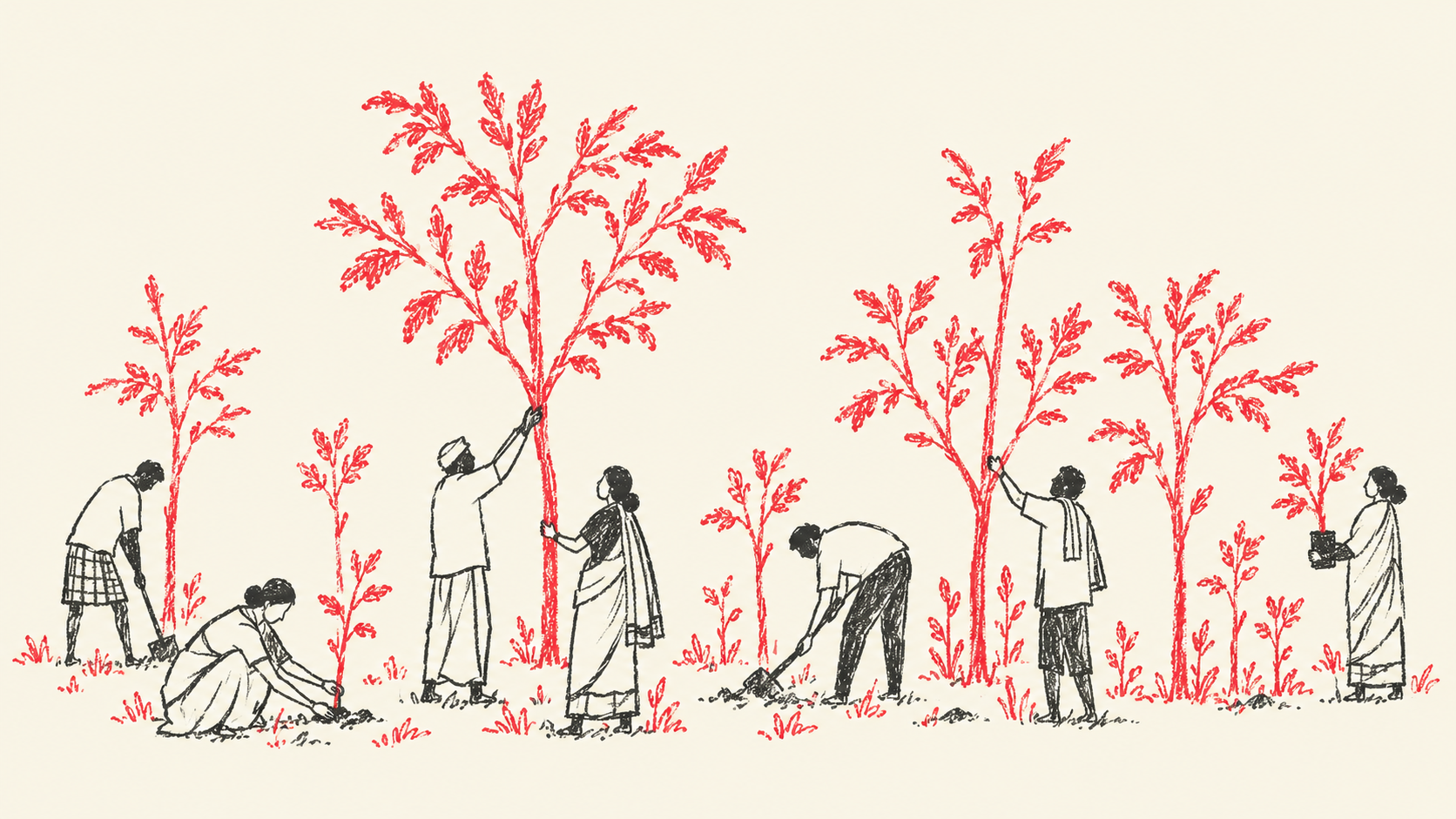
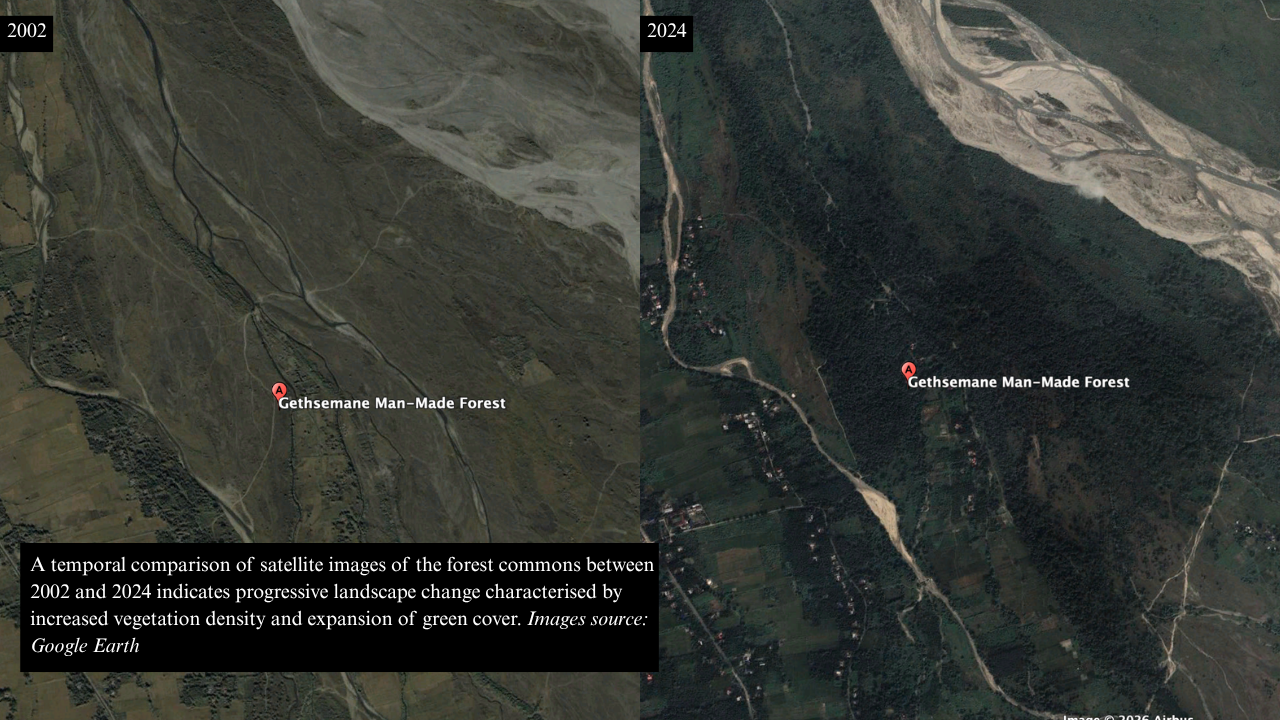
But the landscape has now changed. In 2005, the tribal community members from six villages – Sonai, Sialmari, Amjhora, No. 2 Sonai, No. 3 Sonai, and Kacharigaon – came together to restore 5500 bighas of commons. Villagers took decisions, spent years planting 14 lakh plants of 35 species, and protecting them, eventually turning the flood ravaged barren land into a dense forest after two decades. Wild animals such as elephants and tigers returned, birds now nest here, and the heat is never more felt. The process of regenerating the forest commons was governed by the community, that stood firm, and made it possible.
As the forest cover disappears
Global Forest Watch estimates that five North Eastern States bore the cross for 60 per cent loss of forest cover between 2001 and 2023. The Indian State of Forest Report 2023 recorded a loss of 327 square kilometres across the region. This, in addition to the loss of approximately 1020 square kilometres of forest cover was the highest recorded anywhere. The loss is also an indicator of structual collapse in the communities that have for long sustained the commons through a complex system of local governance. Udalgiri’s attempt is part of a larger movement by people to take control and sustain their commons.
A dead ‘forest’ of sand and stones
The destruction of the forest was a result of both floods and illegal felling. In 1979, the Dhansiri River, flowing down from Bhutan and Arunachal Pradesh, flooded with such force that the devastation ravaged and reshaped 5500-bighs of forest land. While the illegal felling of trees also continued. The flood uprooted trees and stripped away fertile topsoil. What remained was a layer of silt, sand, and stones. A second major flood in 1989 deepened the damage. Over time, the old forest disappeared. By the early 2000s, the area had become a hot and lifeless stretch of land where nothing grew.
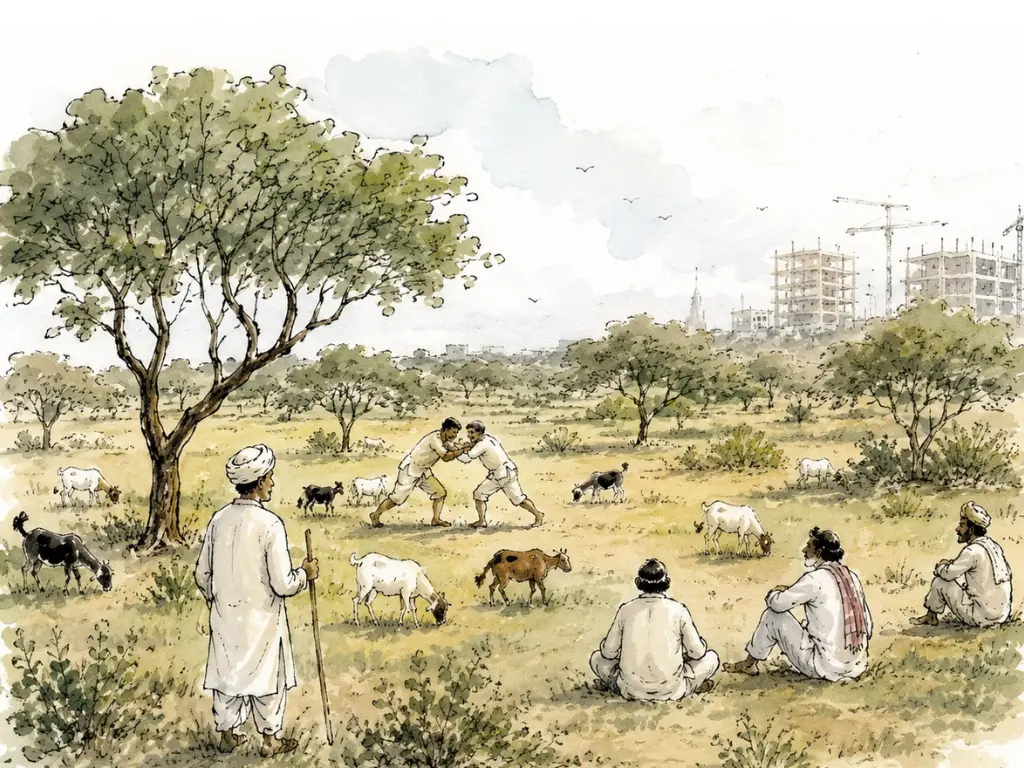
For families living nearby, the turning of the forest to a barren land was way more than environmental loss. Although the villagers majorly depended on farming on their private land, the loss of the forest meant fewer resources, less income, and greater uncertainty. Firewood became scarce. Grazing land shrank. Young people began leaving the villages in search of work. When Demari and others began working in the area in 2003, the landscape still looked defeated. “It felt endless,” he recalls. “You could walk for a long time and see nothing but sand.”
In that difficult setting, in 2003, Daimari along with 34 other community members from the six villages formed the Sonaigaon Multipurpose Farm, a small self-help group, at the commons. Their first goal was simple survival. They raised cattle, dug ponds for fish and tried small vegetable cultivation wherever the soil allowed. Money was limited, but the group created a sense of shared purpose.
A turning point came in 2005, when they connected with the then Forest Range Officer Naba Kumar Bordoloi of Bhairabkunda Reserve Forest. He introduced them to the Joint Forest Management Committee (JFMC) system. Under this arrangement, villagers would restore and protect the forest, while the government would provide funding and technical guidance. It was not a quick promise. Meetings were held. Plans were drawn. Officials visited the site.
A ‘man-made forest’ and the return of the wild
By the end of 2006, a formal proposal had moved from the local District Forest Office to the central government in Delhi. It secured approximately Rs 82 lakh for a five-year restoration project. For the first time, the idea of rebuilding the forest felt possible.
“The communities always wanted to make use of the land, both in terms of livelihood and safeguarding the environment, this was a right opportunity for the villages to work together,” said 62-year-old Elison Daimiari, a villager of Sonai.
Six villages came together to form six separate JFMCs. A central committee coordinated the work across the 5500-bigha area; about 1818 acres. Elison clarified that though formal committees were under JFMC, there was no influence of any official in their work even as the position of secretary was reserved for a forest official. “We villages made their own decisions, we were free from such scrutiny,” Daimari added.
In April 2007, the planting began. For many villagers, this became full-time employment. They earned around Rs 150 per day, modest but steady wages that supported their families whose livelihoods depended majorly on agriculture.
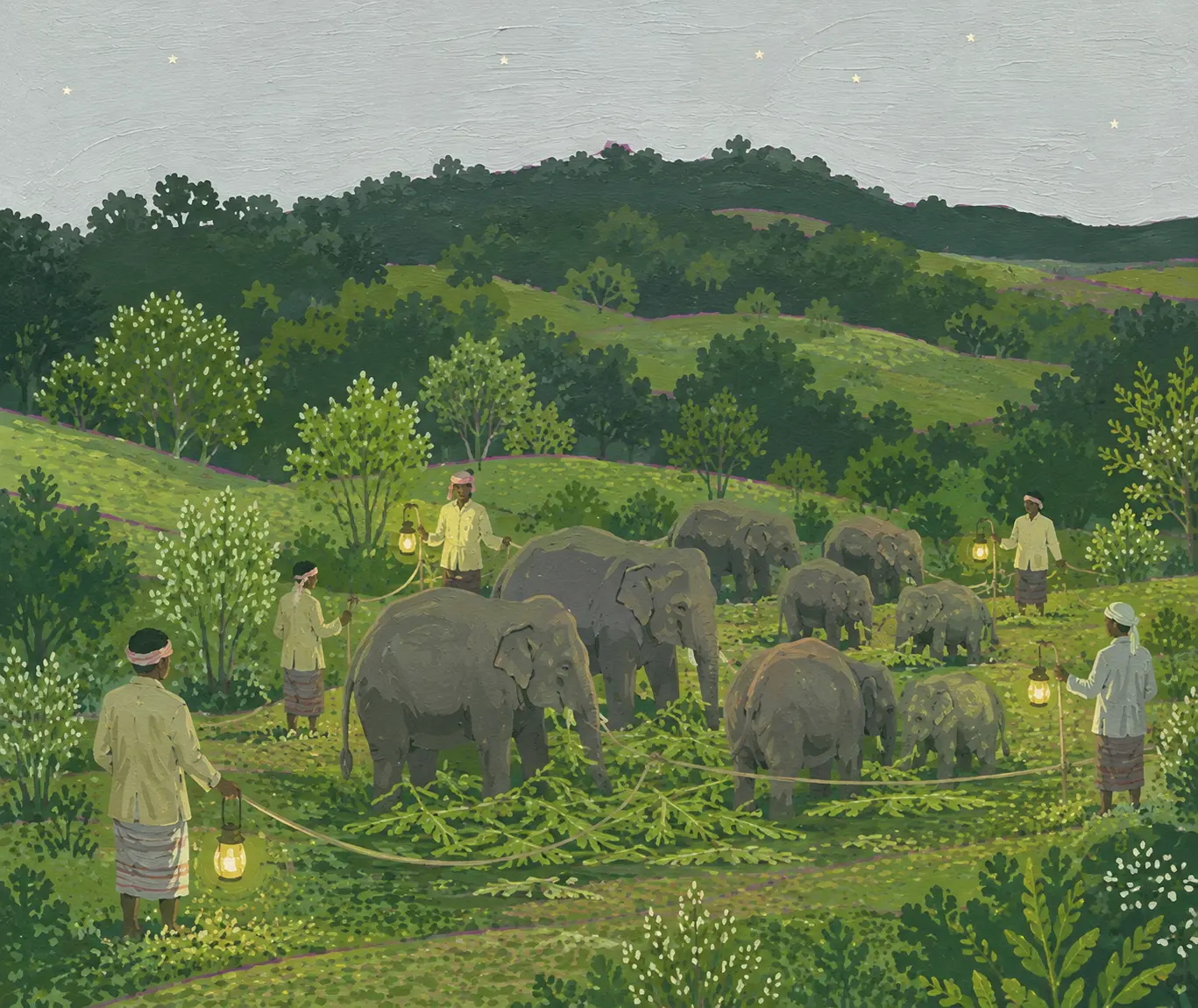
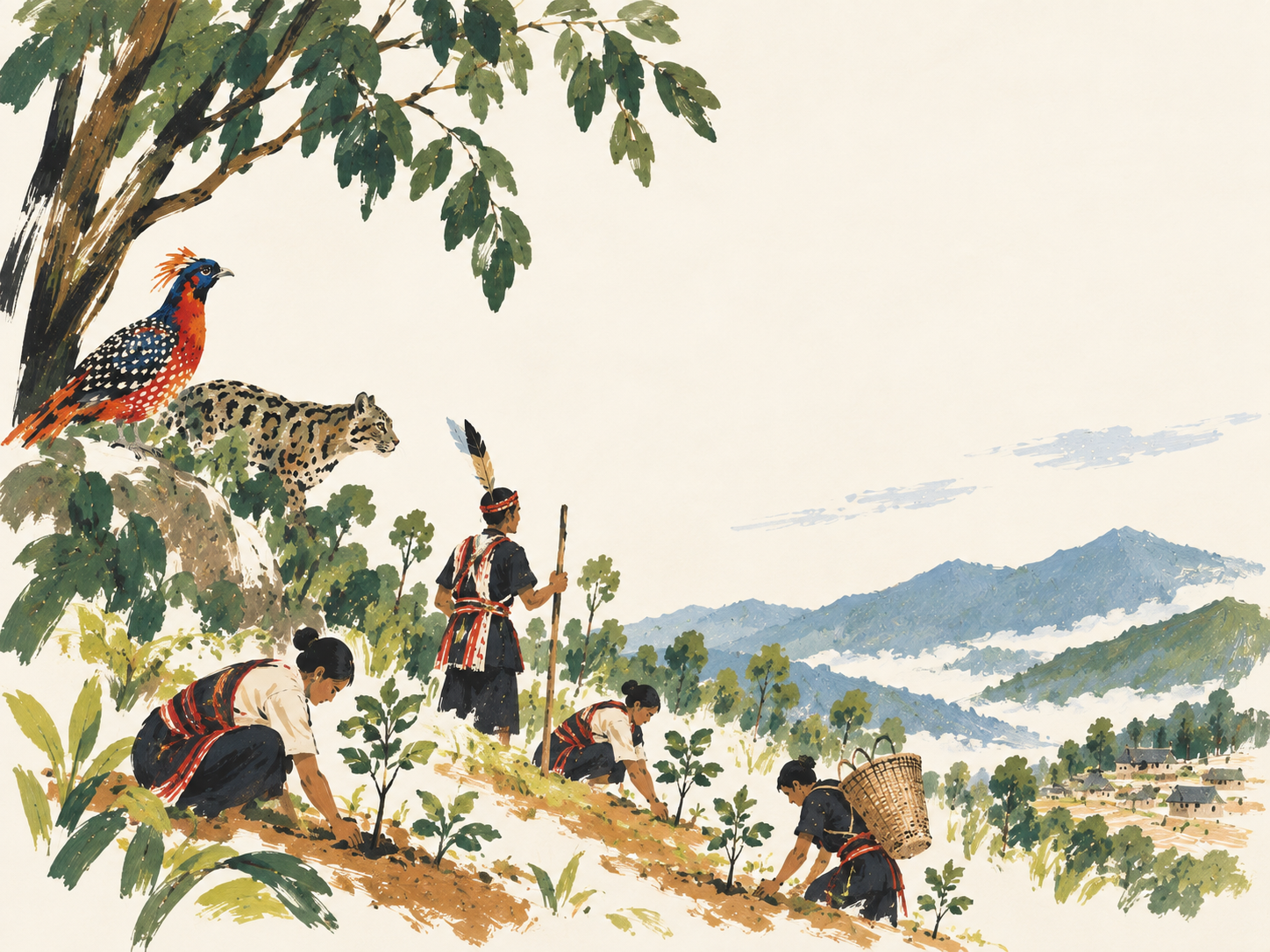
The work was physically demanding. The soil was rocky. Saplings had to be carried long distances. Pits were dug by hand. Indigenous species were chosen carefully: sisu, gamari, koroi, amla, and others suited to the region. Bamboo was planted not only for income but also as fodder for elephants, which often moved through the area.
In the early months, progress was slow. Many saplings did not survive. The sun was harsh, and water sources were limited. But the villagers kept planting. Over time, green patches began to appear against the white sand.
Protecting the young forest was even harder than planting it. Grazing cattle could destroy months of work in a single afternoon. Fire posed a constant threat during dry seasons. The villagers built temporary camps on the site and took turns keeping watch, day and night.
“Even at midnight, if we saw flames or smoke, we would rush with 16-liter spray machines filled with water to extinguish the fire,” says 55-year-old Rajen Daimari, another villager.
The work required sacrifice. Some members spent nights away from home. Others faced criticism from neighbors who doubted the effort. “People asked why we were wasting time trying to grow trees on sand. Some called it a misuse of public money. The doubts were painful, but we stayed united,” Rajen added.
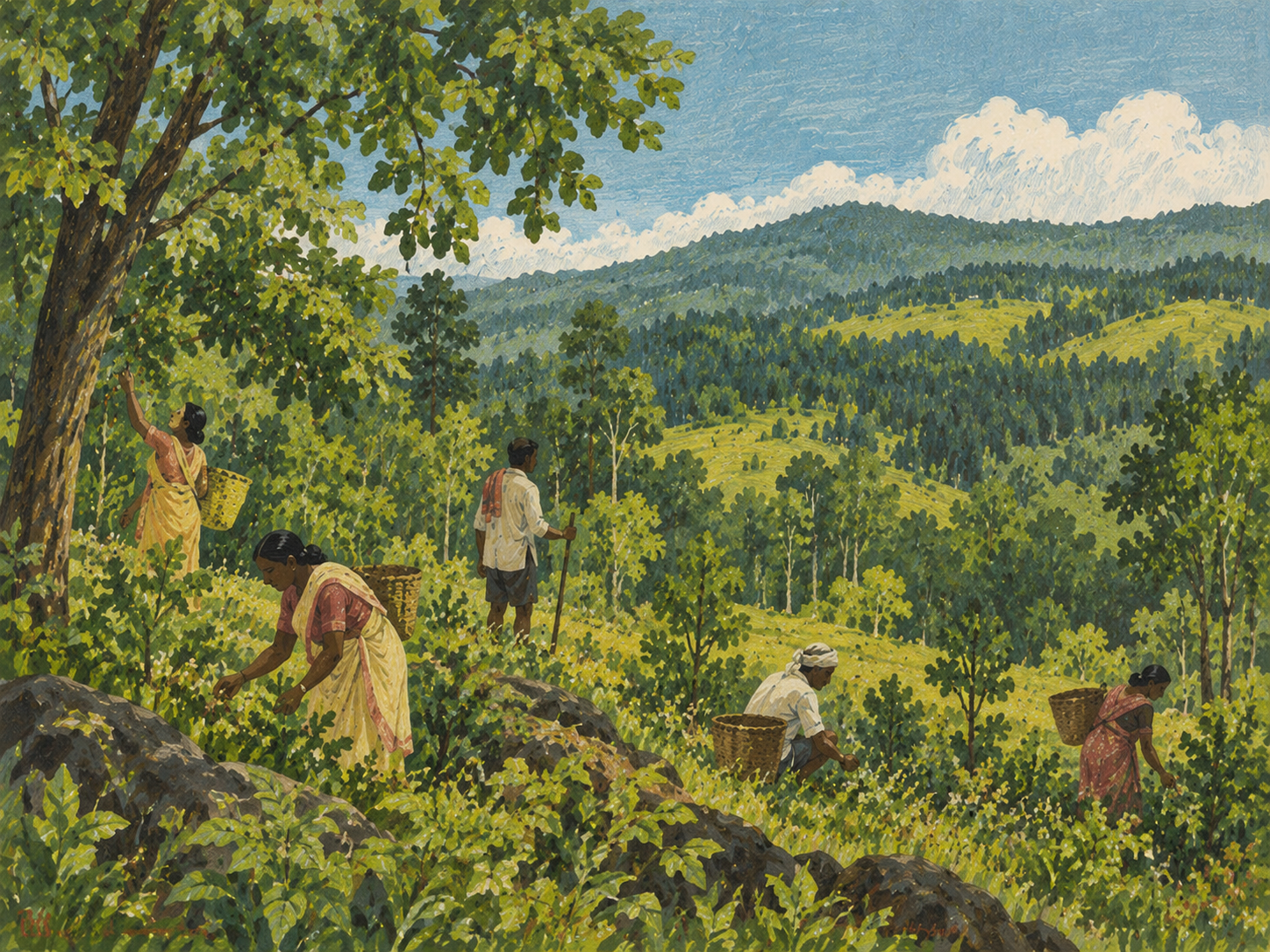
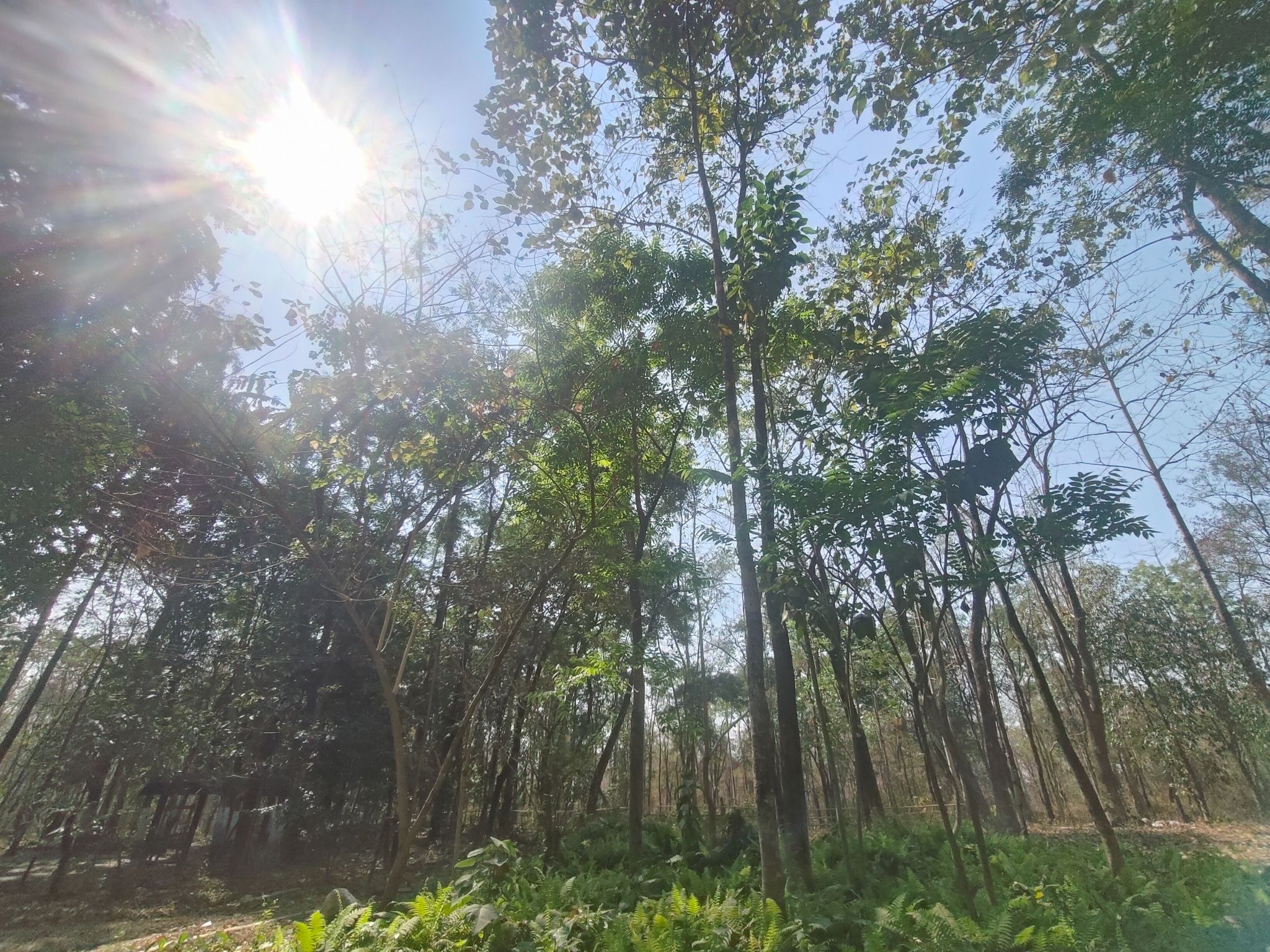
Six years later, 2012, visible change had begun. The saplings grew taller. Shade started to form. Grass returned. Birds and wildlife reappeared.
The trees such as khair, sisu, gamari, koroi, simolu, teak, amla, and bamboo were visible all over.
“Even the air felt slightly cooler. What had looked impossible was slowly taking shape,” says Esmail Daimari.
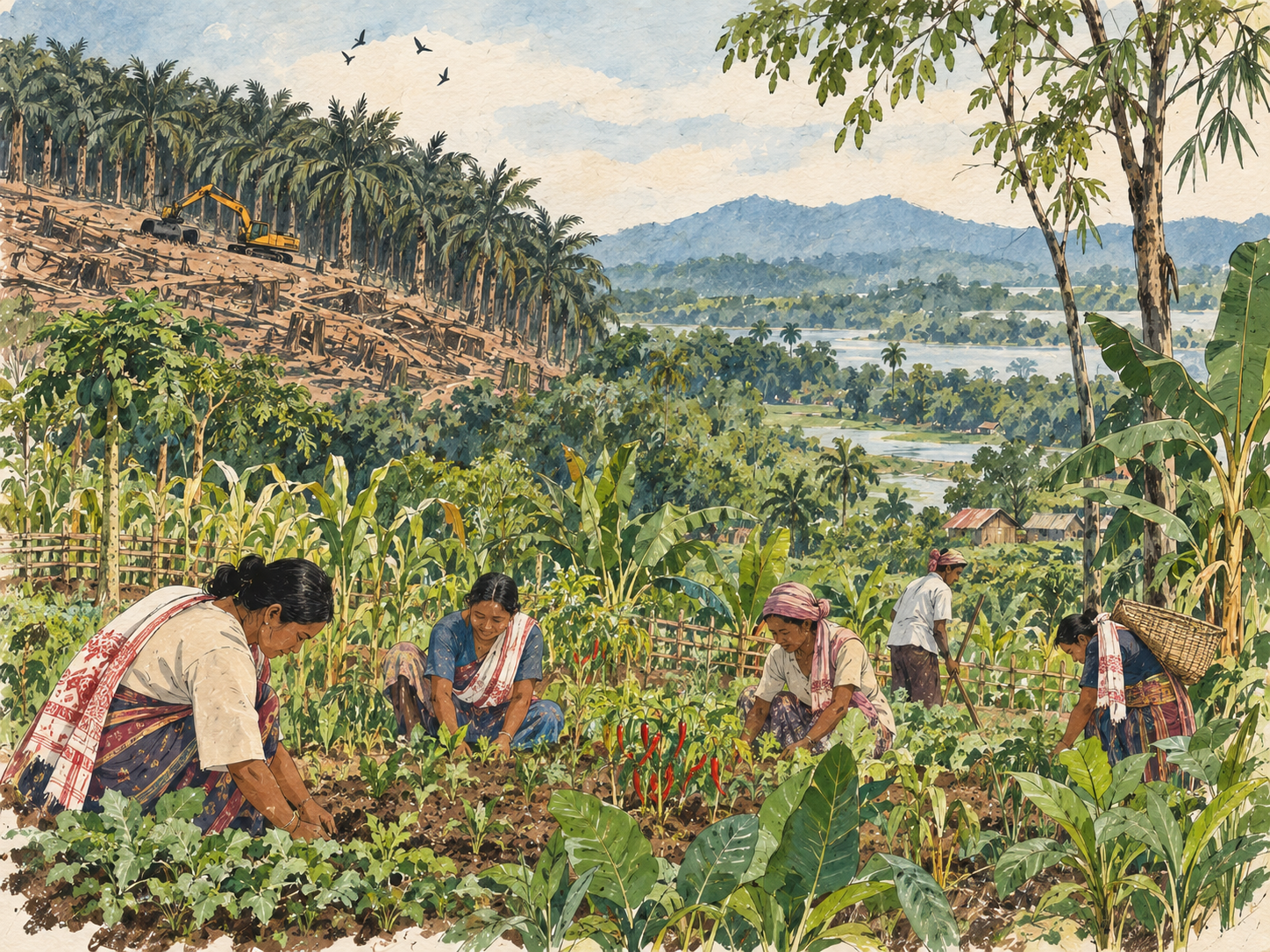
Post 2012, the community began experimenting with forest-based livelihoods. Some tried cabbage and chili cultivation. With support from the Agriculture Department, they planted pineapples. They looked for crops that could grow in the recovering soil.
Not every effort succeeded. A project to grow Napier grass for livestock feed failed because there was no reliable market. The group had to absorb the loss. Instead of giving up, they reassessed their options. They sold their 30 cows and invested in rubber. Today, about 500 rubber trees stand within the restored area, providing a steady and growing annual income.
The first ever income from rubber was generated in 2016, over Rs 10,000. This grew up to Rs 60,000 in 2025. “We aim to see gradual increase in profit from rubber,” says Esmail.
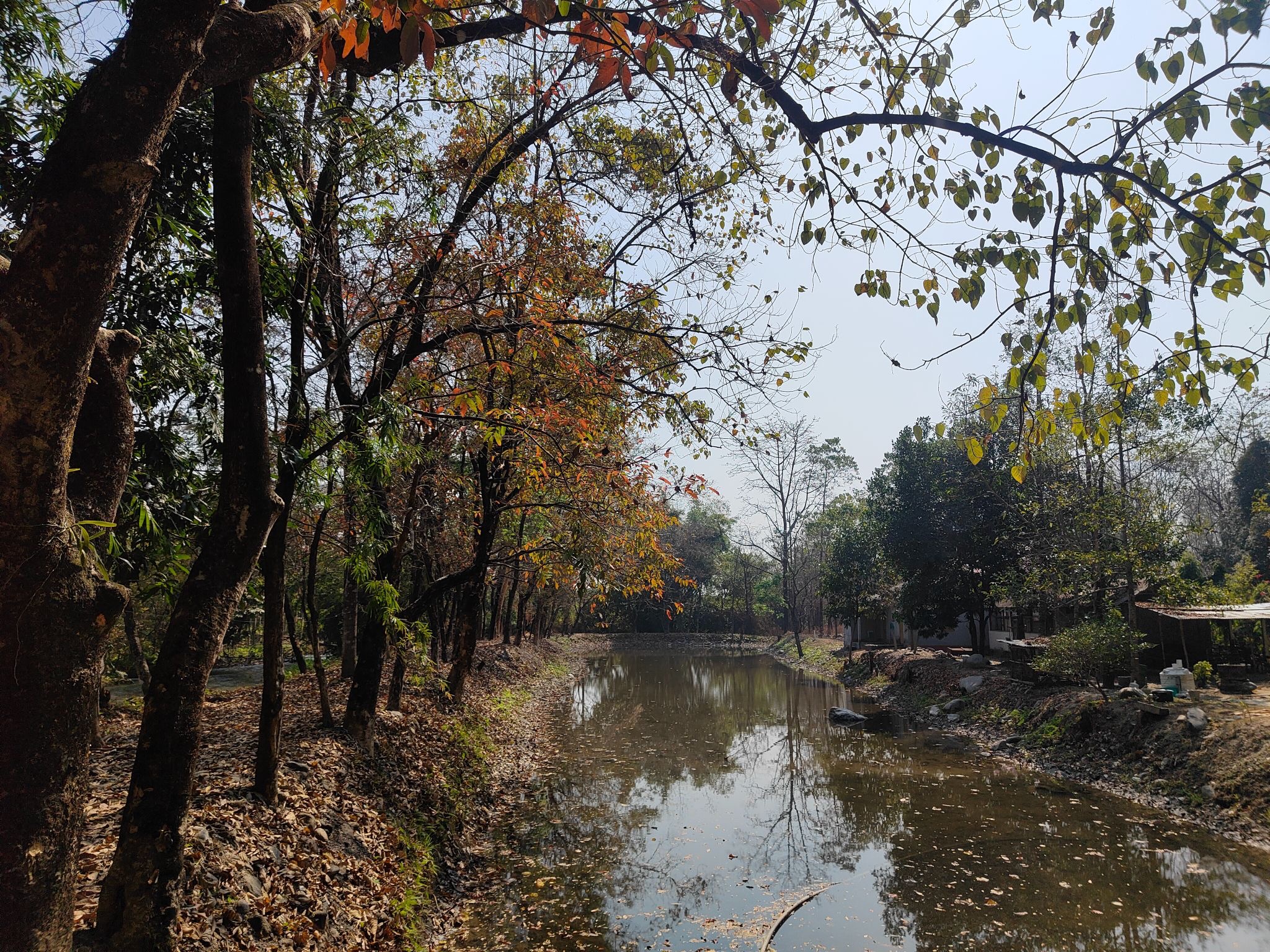
They also built a small eco-resort in the middle of the forest between 2012-2014. At its peak, it earned more than Rs 1 lakh per year and created jobs for a dozen of local youth. Visitors came to experience the new greenery and quiet landscape. Over the last six years, the eco-resort has not operated due to management related issues, however, the villagers plan to revive it soon.
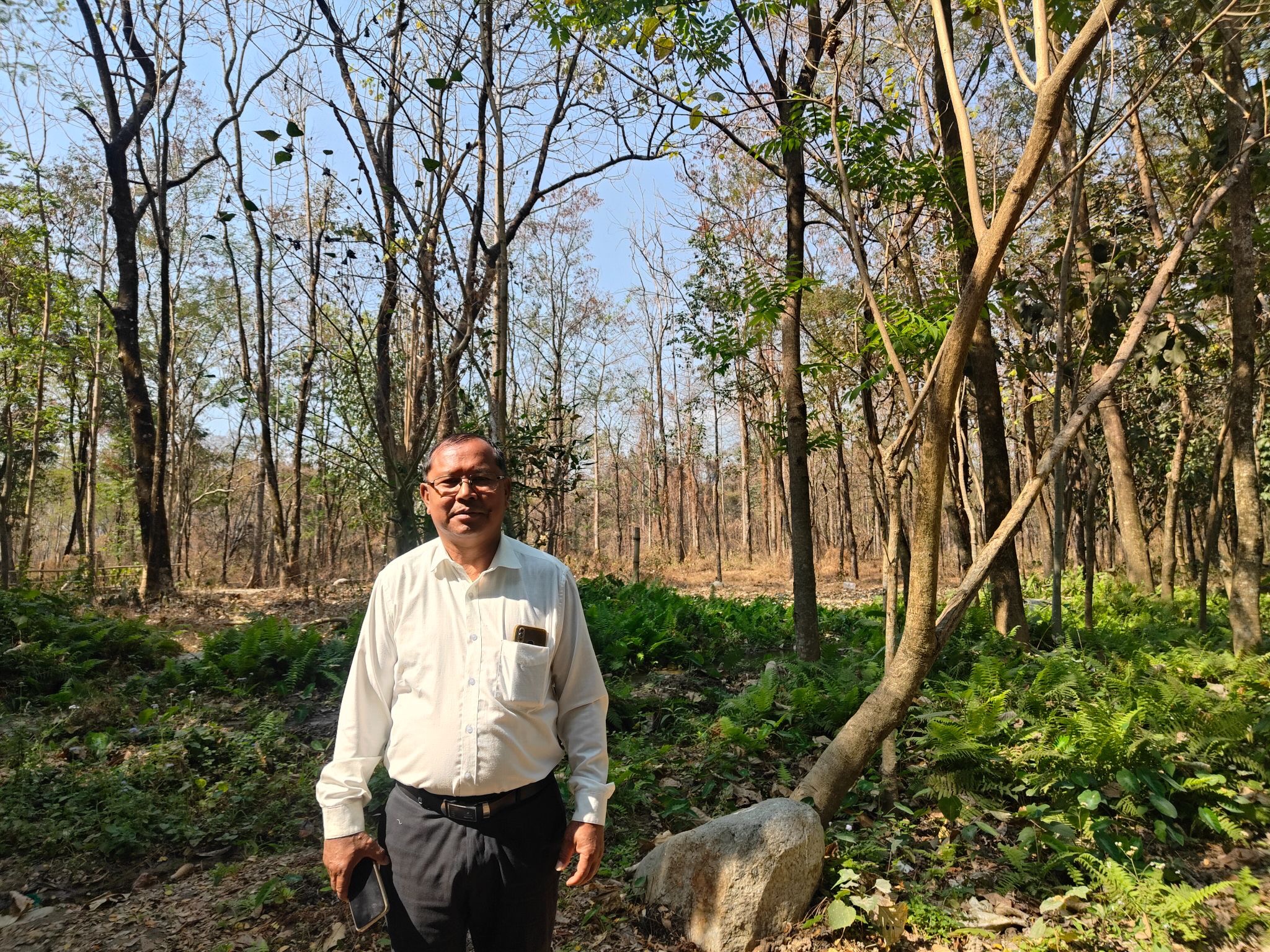
The environmental impact is now clear. Esmail explains: “The temperature in the area has moderated. Rainfall patterns have improved. Water retention in the soil has increased. What was once a dry expanse now supports vegetation throughout the year.”
Wildlife has returned as well. Elephants move through the forest regularly. While their presence can still create tension, the bamboo plantations help reduce conflict by providing fodder within the forest itself. The restored land has also become a corridor for tigers moving from Arunachal Pradesh. For villagers who once lived beside a desert, seeing large wildlife again is a powerful sign of recovery. “We created this forest not only for ourselves but also for wildlife,” Esmail says.
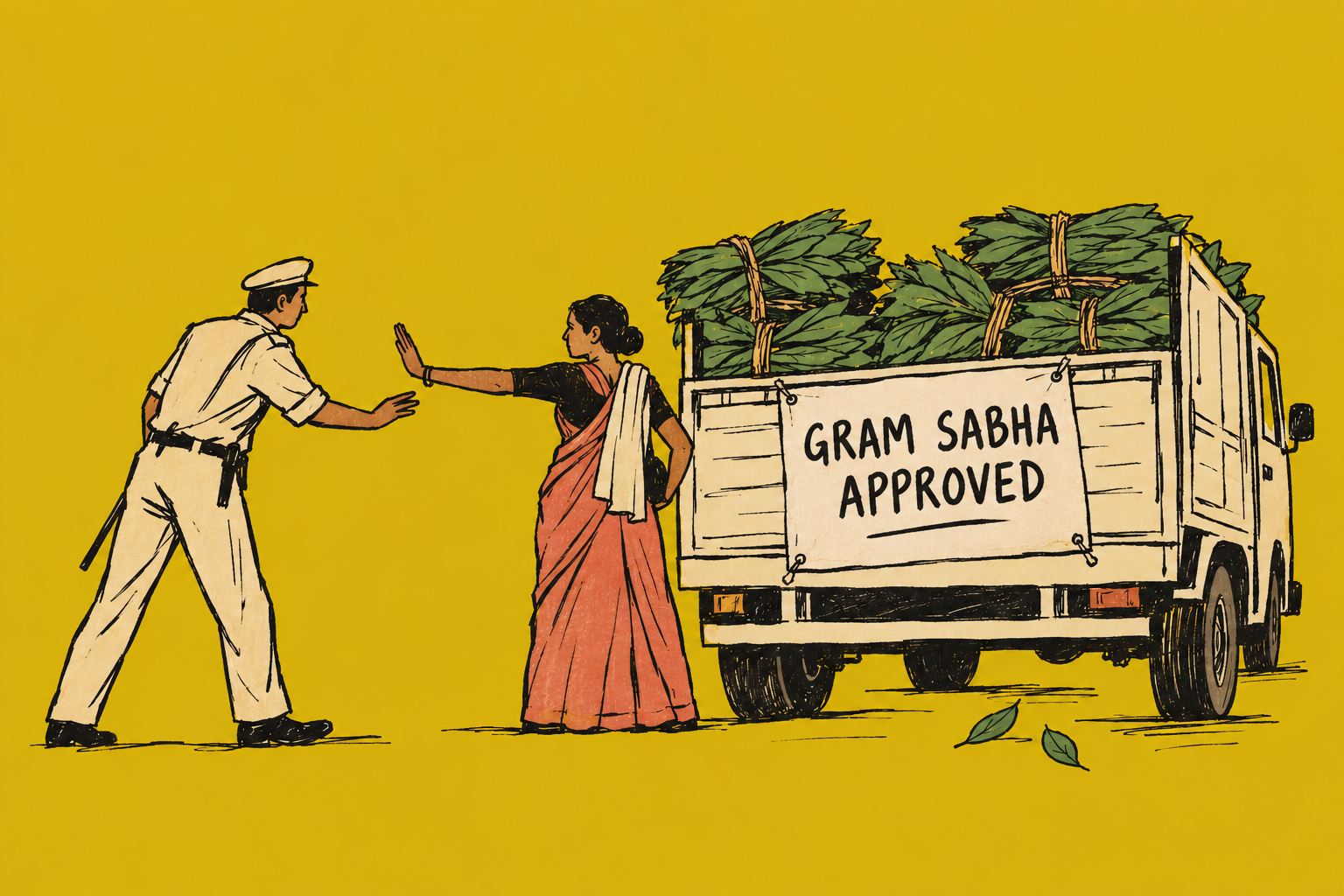
While the community has been historically using the commons, eventually revived the forest, however, the legal rights of the community over the land are still unclear. Esmail says that they want to apply for the Community Forest Resources Rights under the Forest Rights Act, 2006.
“We were almost unaware about the provisions of the FRA. Moreover, most of our energy has been on regenerating the forest. We want the CFR recognition, and we aim to do it,” he says.
The 5500 bighas now covered in green stand as proof of what local communities can achieve. The restoration has come as a result of daily labor, persistence, and cooperation among villagers who have refused to accept permanent loss to their commons.