Ranchi, Jharkhand: The groaning rumble of saws biting into the thick barks of Sal and Sakhua trees is still fresh in 80-year-old John Minj’s memory. He was a young adult then and witnessed large patches of the trees his community considered sacred being cleared from the forest. The trees, he says, were significant for the village’s livelihood and survival.
“I saw the trees being felled with my own eyes. I took away the saw and said I would not allow it. I told the loggers that the forest belongs to us,” recalls Minj, whose protests could not prevent large-scale deforestation.
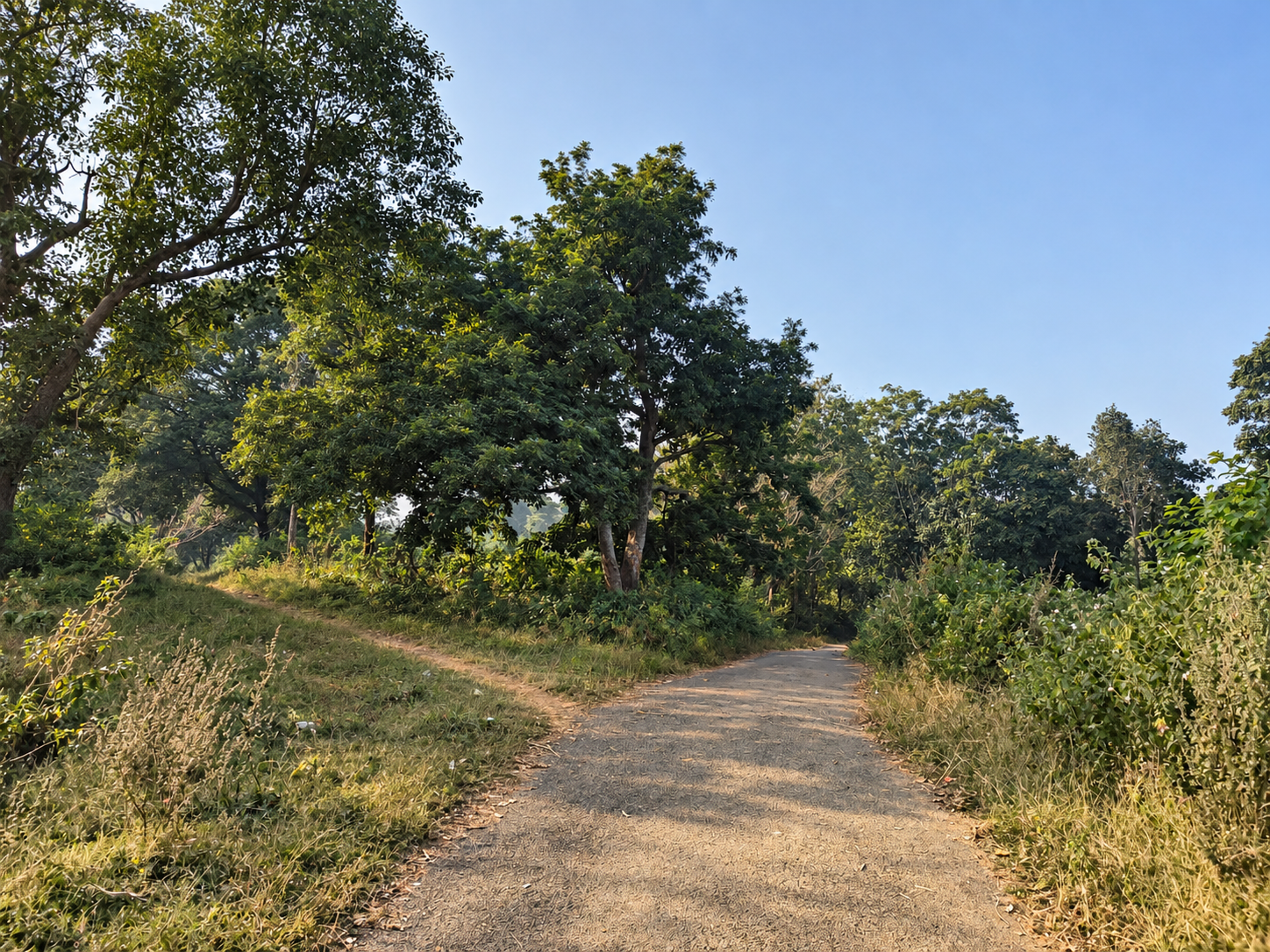
Scheduled Tribes (Oraon, Munda, Kharwar) and Other Backward Classes (Mahto) in Chaingada village of Ranchi district have depended on the thick forests that surround them. But protecting the forest fell out of their purview.
For decades, the villagers had a tumultuous relationship with the forest department. The forest officials refused to acknowledge the community’s ownership over the forest and the villagers were treated as criminals. They were allegedly jailed for months for collecting firewood and bamboo shoots, a village staple.
But in 2015, when the village secured rights over 1,588 acres of forest commons, Chaingada transitioned from a site of frequent conflicts to a model of community-led conservation and economic self-reliance. The village asserted its legal rights under the Forest Rights Act, 2006 (FRA) through grassroots mobilisation, thereby stopping tree felling.
Village Drowned in Conflict
Between the 1950s and the 1990s, the villagers of Chaingada lived in constant fear of the forest department. Villagers accused the forest department of widespread exploitation and corruption, where the officials allegedly gave unhindered access to private contractors to extract logs. While the villagers were prohibited from collecting shrubs and forest produce they had been using for sustenance for decades.
“Grazing cows at the forest commons could land us in jail and we were often chased away by the forest guards,” says Nageshwar Ganju, 59, who used to accompany his father to the forest as a child.
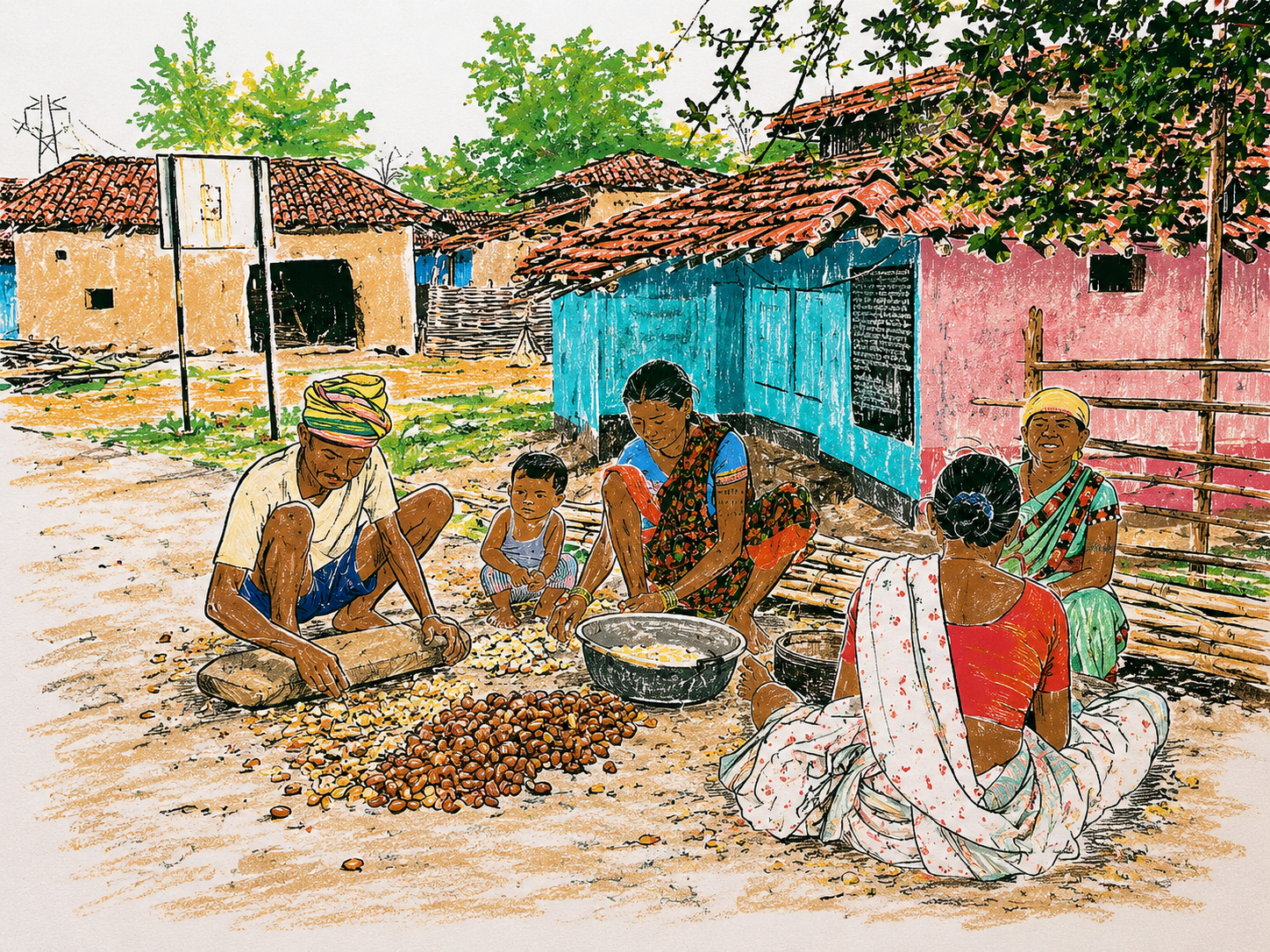
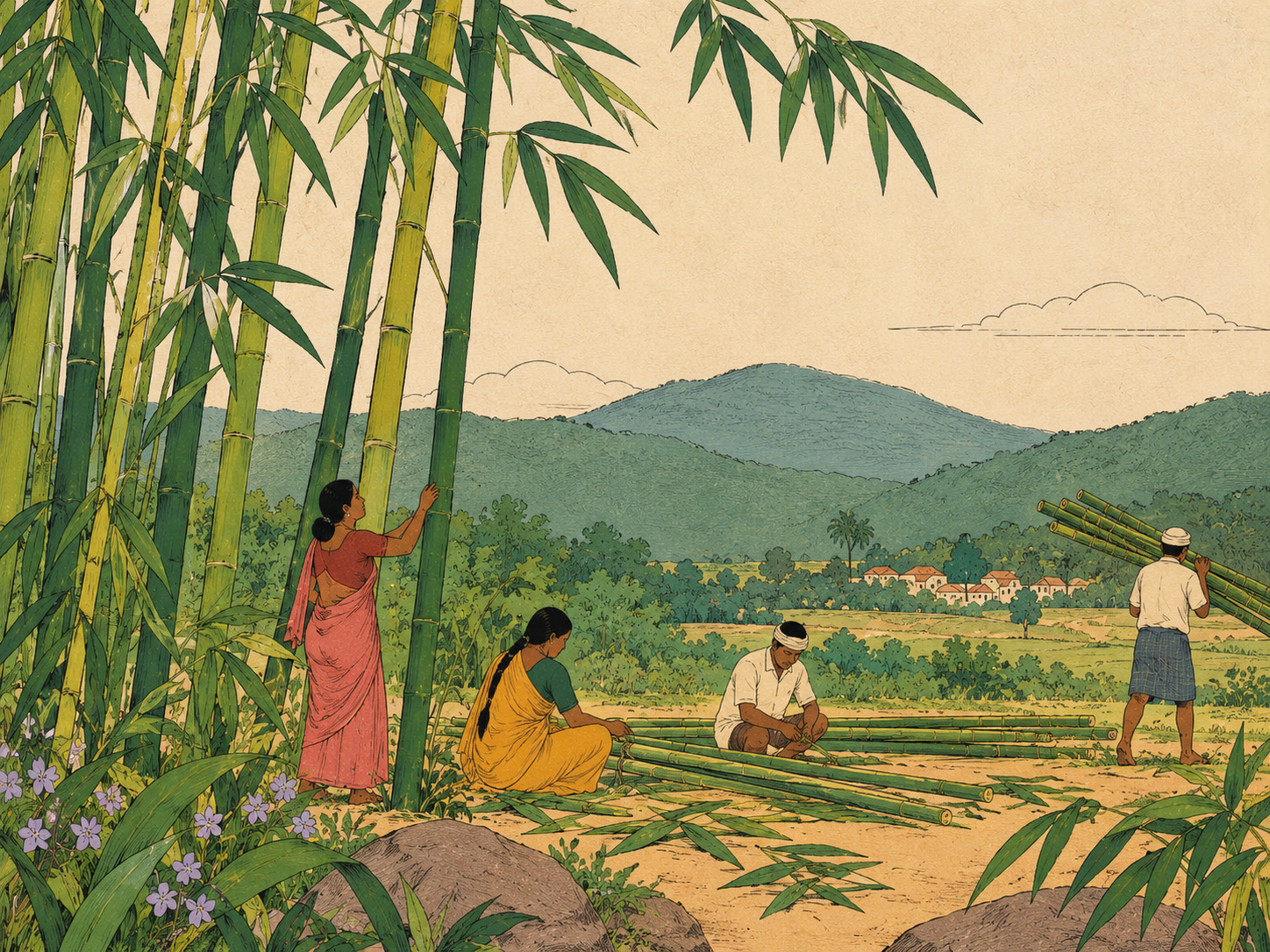
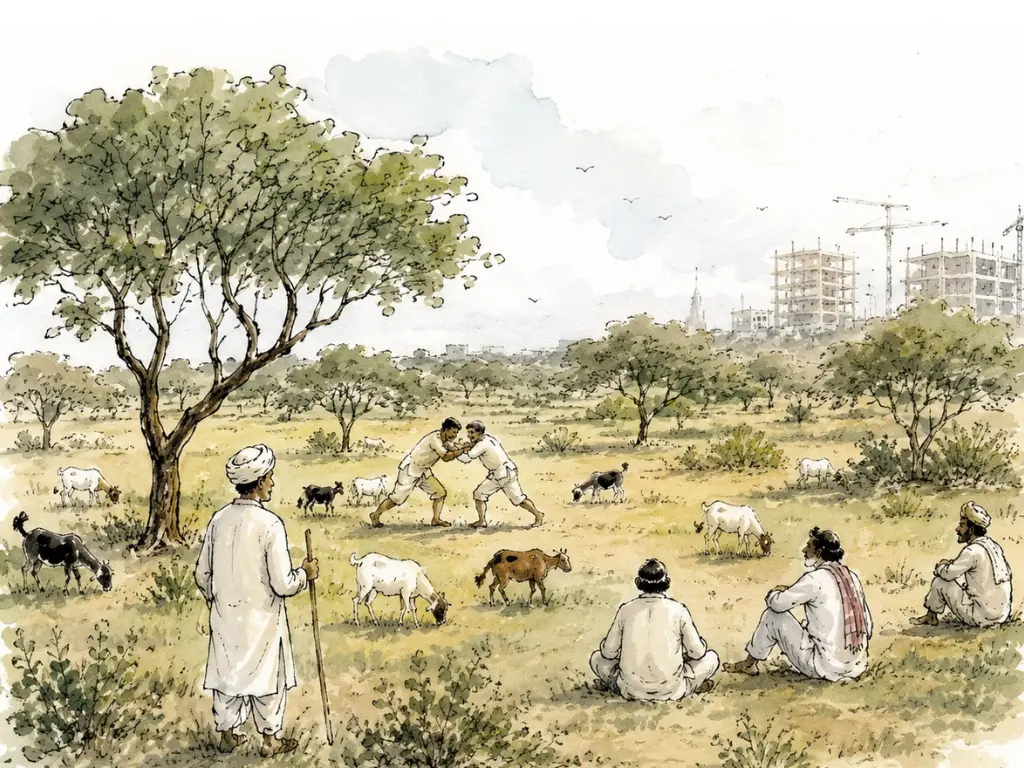
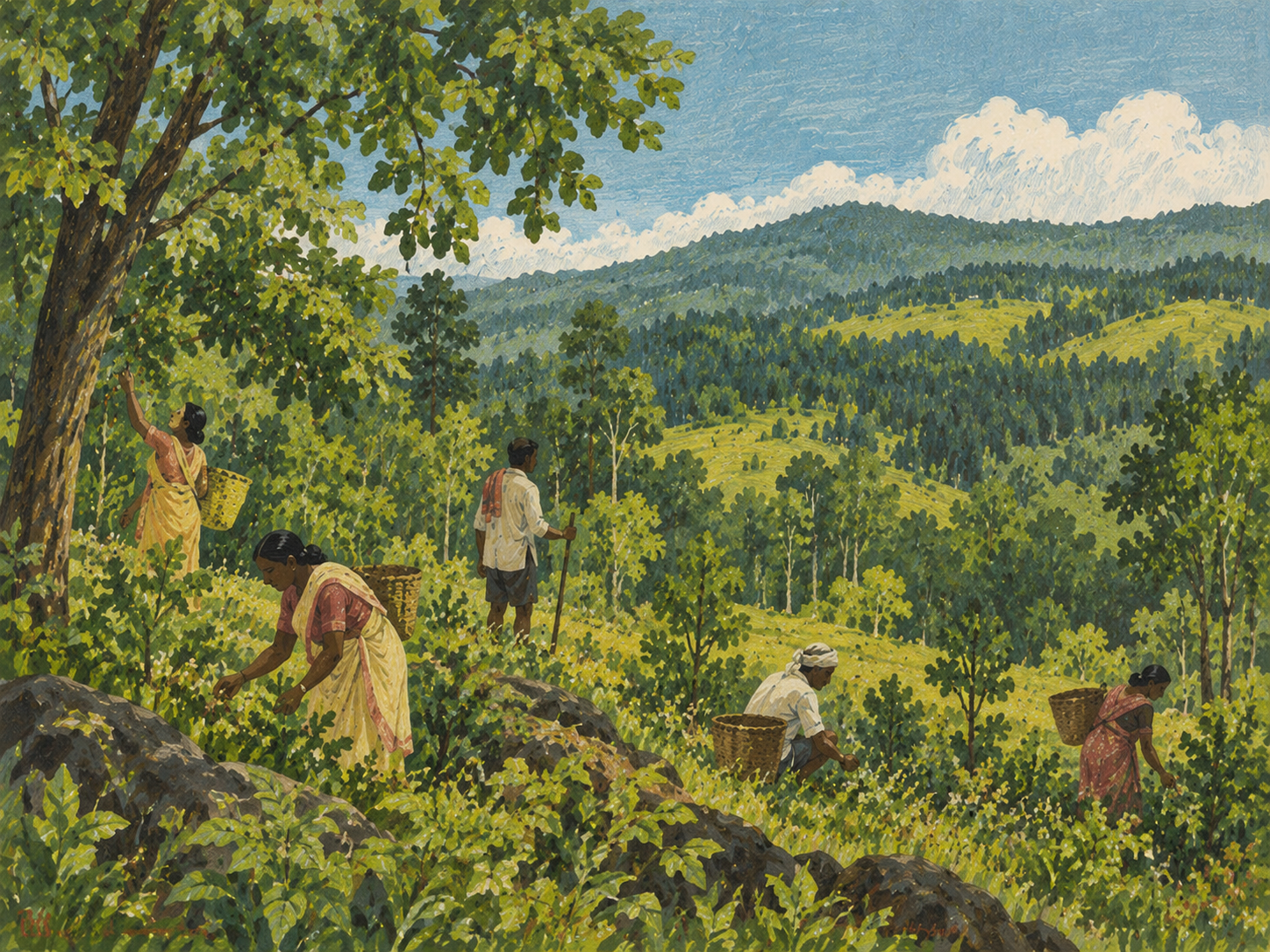
For the forest-dwelling communities, forest commons were central to their subsistence and household economy. Forests supplied food through seasonal collection of tubers, roots, fruits, mushrooms (khokhri), wild mushrooms (phutka), and bamboo shoots (karil). They are also a rich source of medicinal plants, including oil extracted from kujri or munjani (shrubs used in medicines), commonly used for joint and back pain.
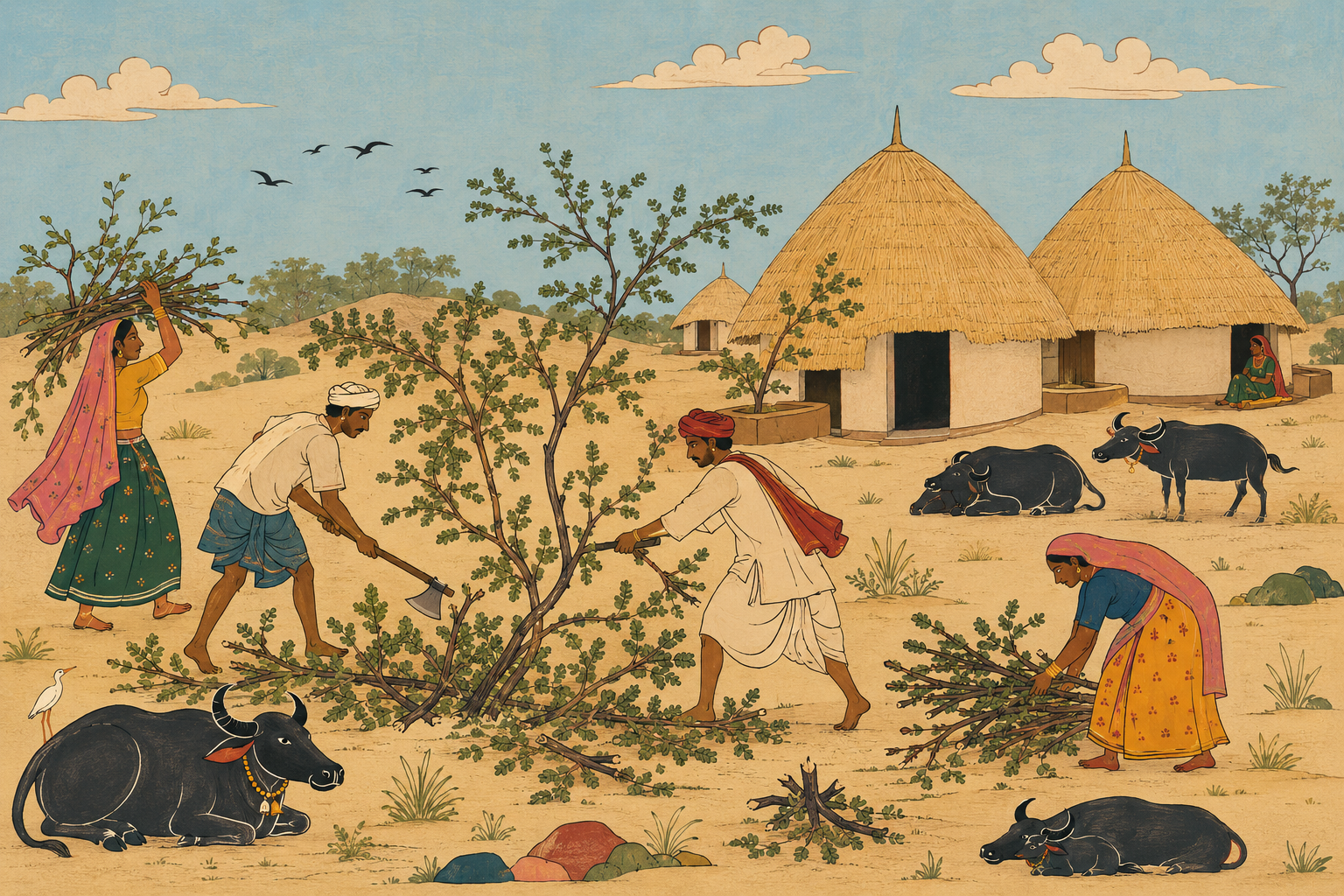
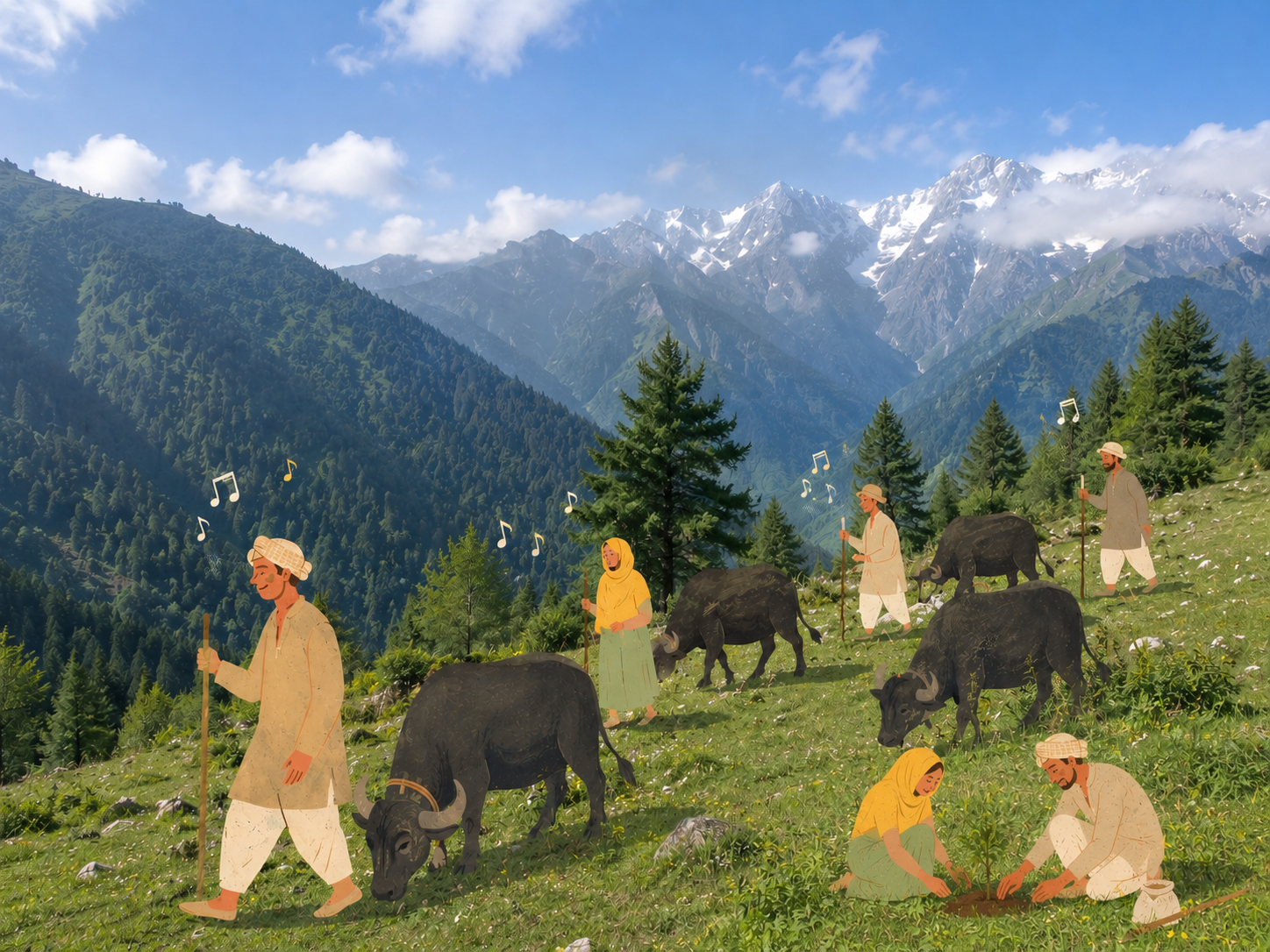
The forest also provided households with firewood and construction materials such as bamboo (korwa) and wooden poles for making houses and cattle sheds. Livestock grazed in forest areas, and for many households, forest resources compensated for roughly six months of annual expenses.
The village is rife with anecdotes from the 1990s of atrocities by the forest department, when villagers were persecuted for returning from the forest with even small quantities of forest produce. The forest guards, say the villagers, allegedly demanded bribes of chickens and money, which the villagers could not pay.
“Nothing was allowed to be brought from the forest back then," recalls Sahdev Munda, 45, who could not even bring edibles from the forest as a child.
The authoritarianism by the forest officials forced many villagers with small landholdings into seasonal migration to work in brick kilns, as their traditional livelihood security was dismantled.
Reclaiming the Commons
Commons cover 205 million acres, or one fourth of the land in India, which can be in the form of forests, pastures, water bodies and mangroves. These lands form the lifeline for over 350 million people, including marginalised groups like Scheduled Castes, Scheduled Tribes and women.
Communities across India have traditionally protected, restored and managed these commons through customary self-governance practices.
Despite several challenges such as social exclusion, caste and class hierarchies, and environmental degradation, communities across India are demonstrating that reclaiming, restoring, and managing the commons through customary self-governance practices is crucial to their ecological, social, and economic upliftment.
In Chaingada, the community-led governance of forest commons is an example of how a village can effectively self-govern its commons and become economically resilient.
For Commons Rights
The situation in Chaingada began to turn in the mid-1990s when a wave of protests against commercial forestry policies, particularly the replacement of sal forests with teak plantations, swept the tribal regions of southern Jharkhand, including Ranchi, Khunti, West Singhbhum, Saraikela-Kharsawan, and Simdega.
Organised by a non-profit organisation, Bindrai Institute for Research Study and Action (BIRSA), under the banner, Jharkhand Jungle Bachao Andolan, the campaign organised forest-dwelling communities to protect natural forests and defend customary forest rights.
Activists like Suryamani Bhagat and other local leaders encouraged the villagers to promote village-based forest governance through gram sabhas and Community Forest Right (CFR) committees with a central demand of community control over “jal, jungle, zameen” (water, forest, land).
Chaingada organised its first gram sabha in 1995-96 and created the committee with the aim of organising protests against the forest department.
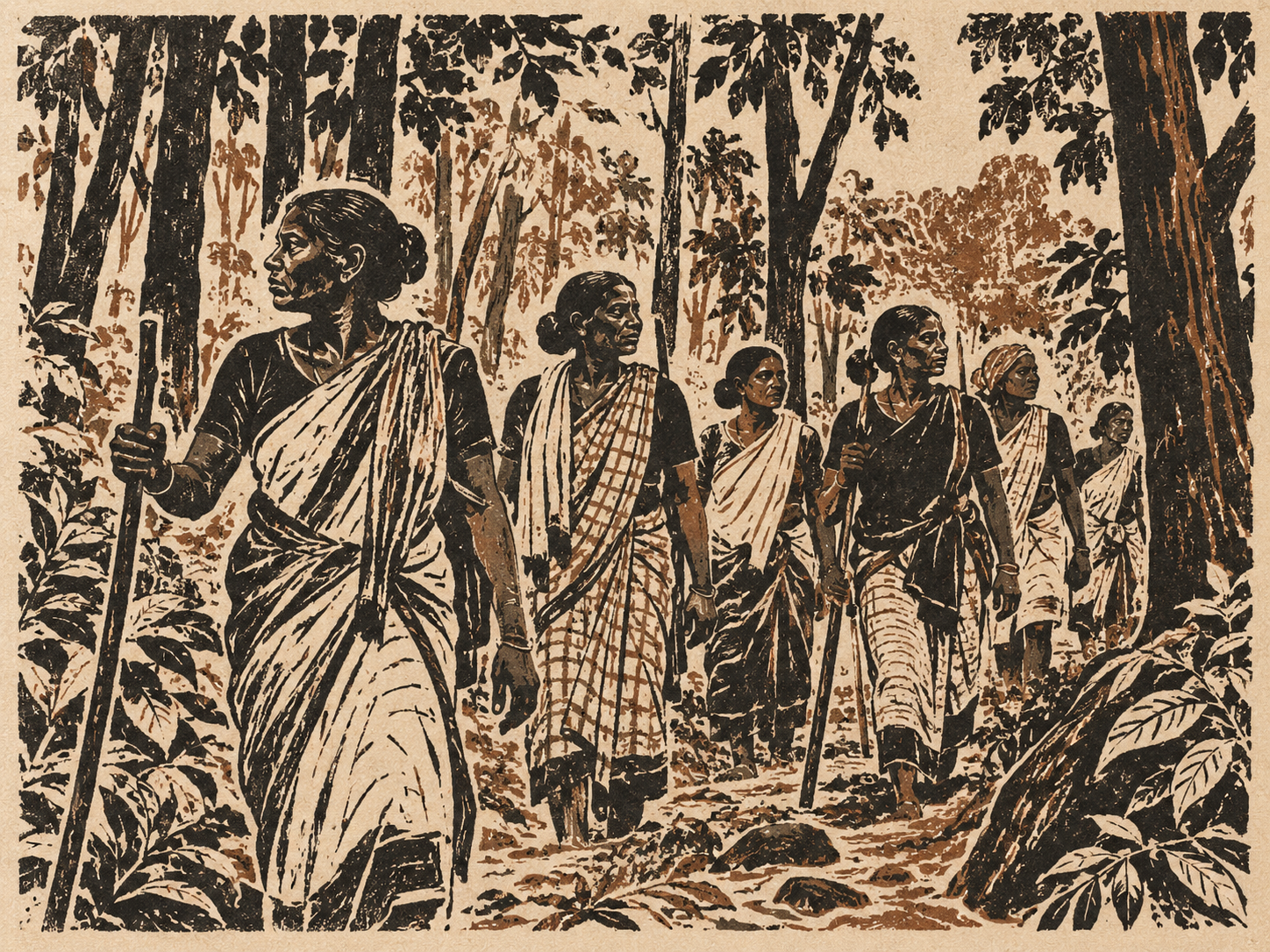
The villagers collected donations of Rs. 40 or 50 from each household to hire buses for the 40-kilometre journey to Ranchi, where they joined existing rallies under the JJBA movement. For years, they marched under banners declaring, “Jal, jungle, zameen hamara hai” (water, forest, and land are ours).
When the FRA was passed in 2006, it carved a legal framework for the demands of the tribal communities. But the path to securing rights to their forest remained fraught with bureaucratic resistance.
“The forest department often viewed the FRA as a threat to their power. They frequently claimed to have misplaced claim documents or they discarded them unofficially,” said Alexius Toppo, a Jharkhand-based activist who worked with JJBA for a decade.
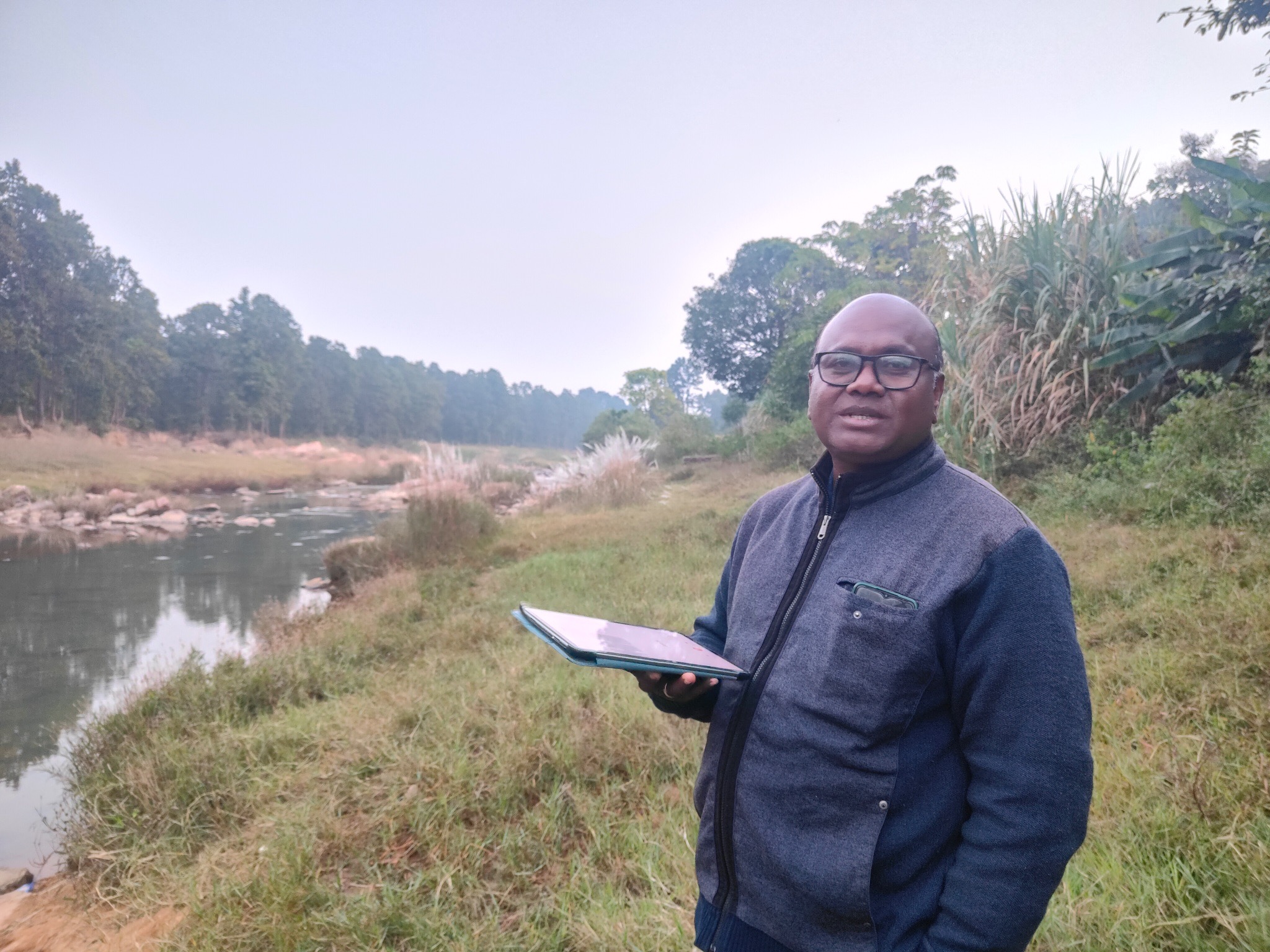
Chaingada first filed its claim under the FRA in 2007, but their file allegedly went missing from the forest department office. It was untraceable even after the community filed inquiries under the Right To Information Act. A subsequent application in 2011 was also hindered. The villagers accuse a revenue department official of forging the village’s gram sabha documents to obtain a "no objection" letter to open a limestone mine on 30 acres of the forest land.
After an activist working with the villagers discovered the alleged forgery, the village called an emergency midnight meeting. They went door-to-door to gather residents and filed a formal rejection with the police and district administration, which stopped the mining project.
This cleared the way for their Community Forest Resource Rights. The 2011 application was taken up again in 2015, and the recognition was granted to the village. Although they applied for 1,900 acres, the village officially received CFR over 1,588 acres of commons.
Governing Commons, Securing Livelihood
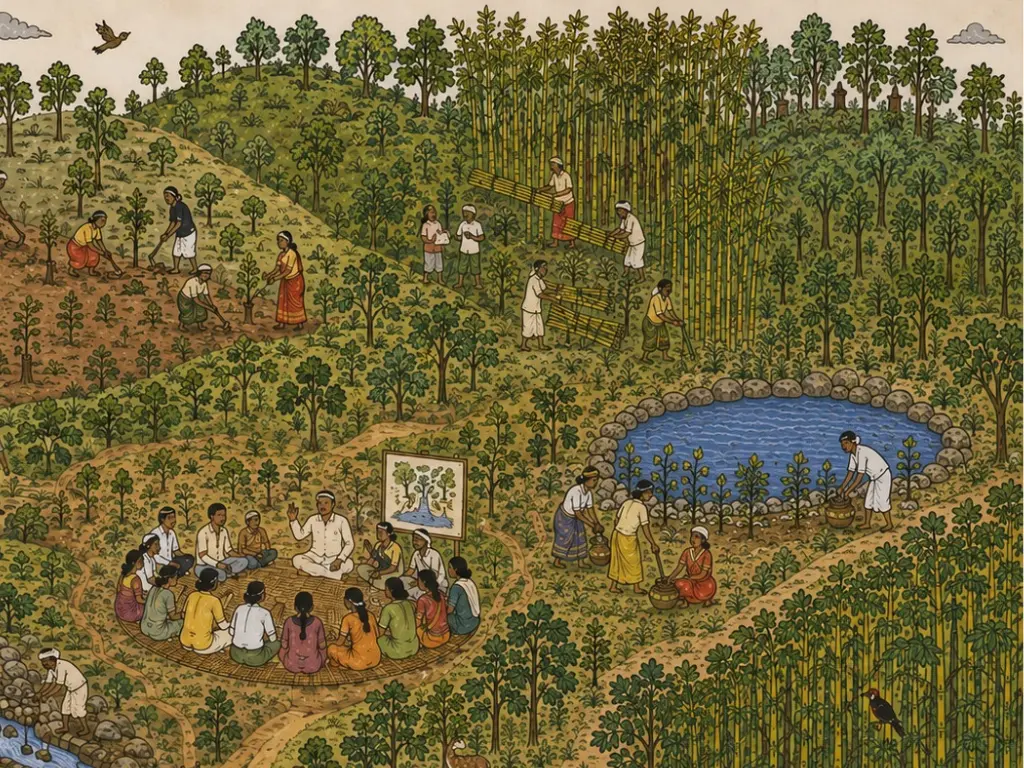
The forest commons in Chaingada is now managed by the Community Resource Management Committee, a village body formed by the gram sabha under the FRA to oversee the protection and sustainable management of the forest commons.
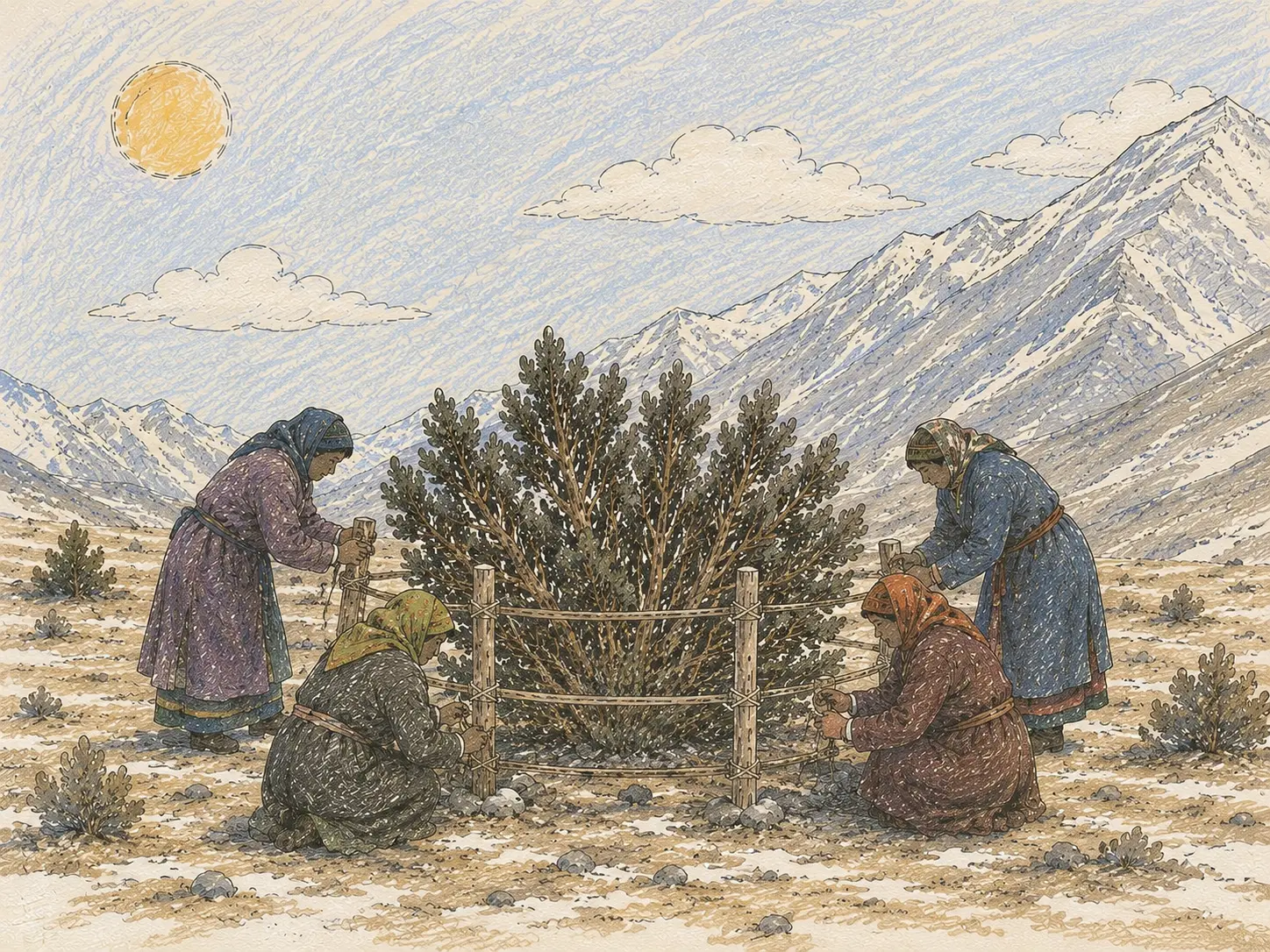
The management committee formed rules by which it governs the forest resources. For instance, every household that needs wood to build a house must submit an application to the committee. The committee members then visit the site to verify the household’s need and estimate the exact amount of timber required. Illegal cutting is met with warnings and repeat offenders must provide a communal meal for the village or they are reported to the authorities.
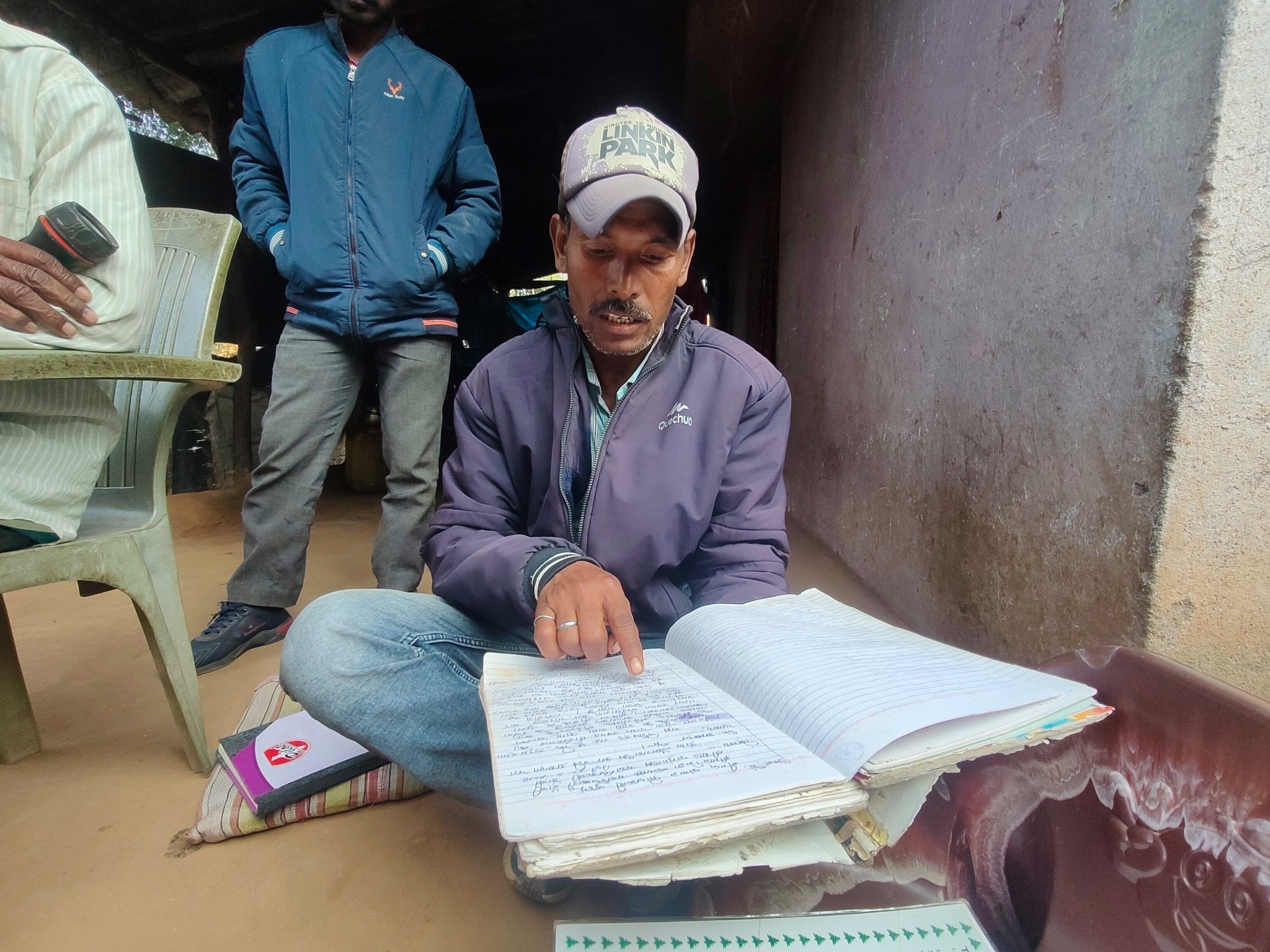
As the governance of commons moved to the village, it brought women to the forefront. Women make up over 50 per cent of the reconstituted committee, that is, six out of eleven executive members, including the position of Secretary.
"Earlier, women felt unsafe confronting offenders," said Albinus Ekka, 50. She added that the collective strength of women's groups now serves as a deterrent to illegal logging.
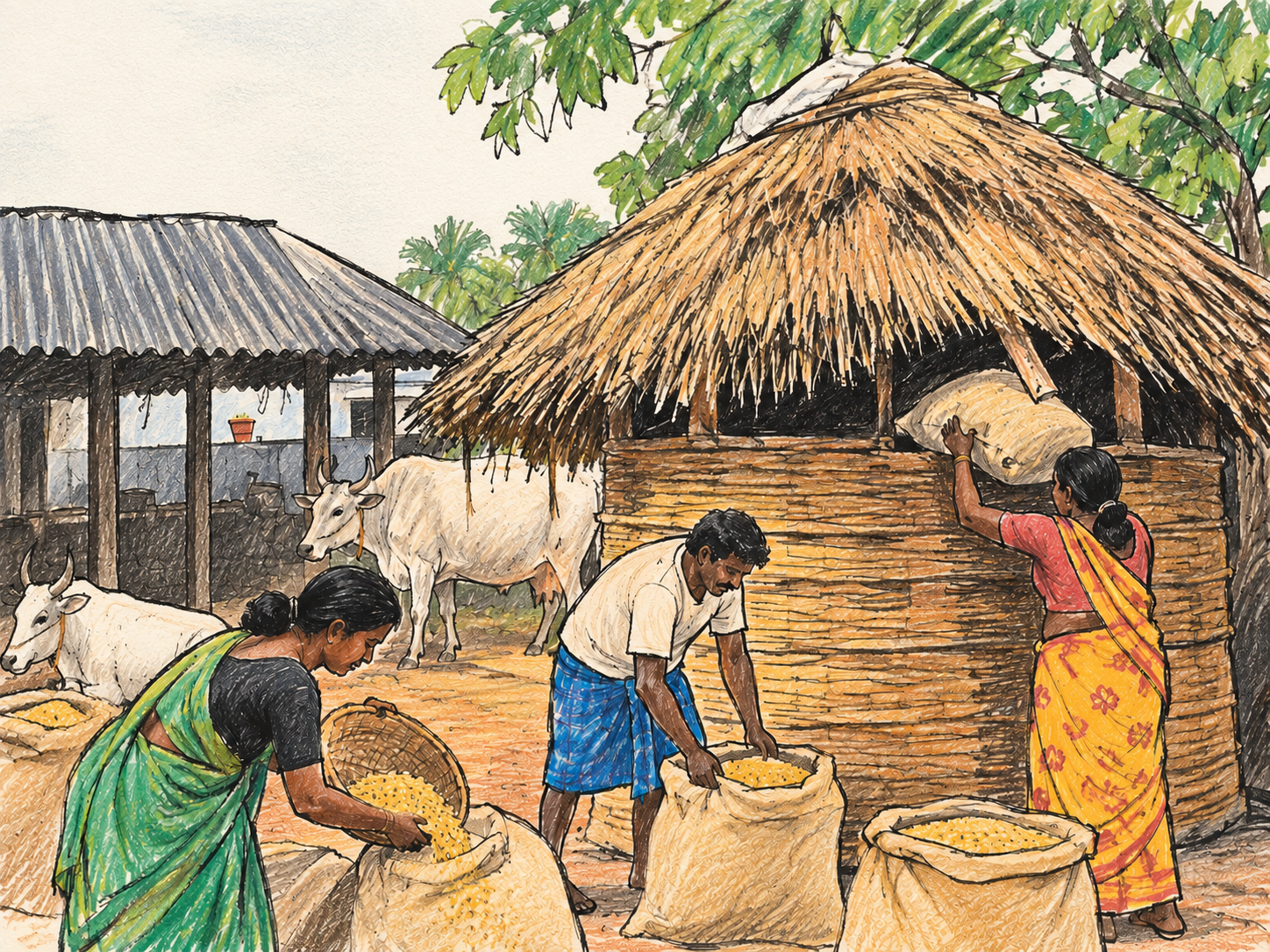
The village saw an economic transformation following the 2015 title as they renewed farming and forest produce collection. Seasonal migration for work relatively stopped as forest compensated for the lost income. Villagers grow and sell paddy and finger millet and they also extract Kujri oil. They earn up to Rs 3,000 per litre for it in the market. In one season, a household can earn up to Rs 20,000 from selling forest produce like mango, jamun, kendu, and sakhua.
The village has also begun to experiment with collective trade. Women’s groups organised the collective sale of tamarind by pooling their harvests to bypass middlemen and secure better prices in bigger markets in Ranchi. Similar efforts are now being planned for Sal fruit.
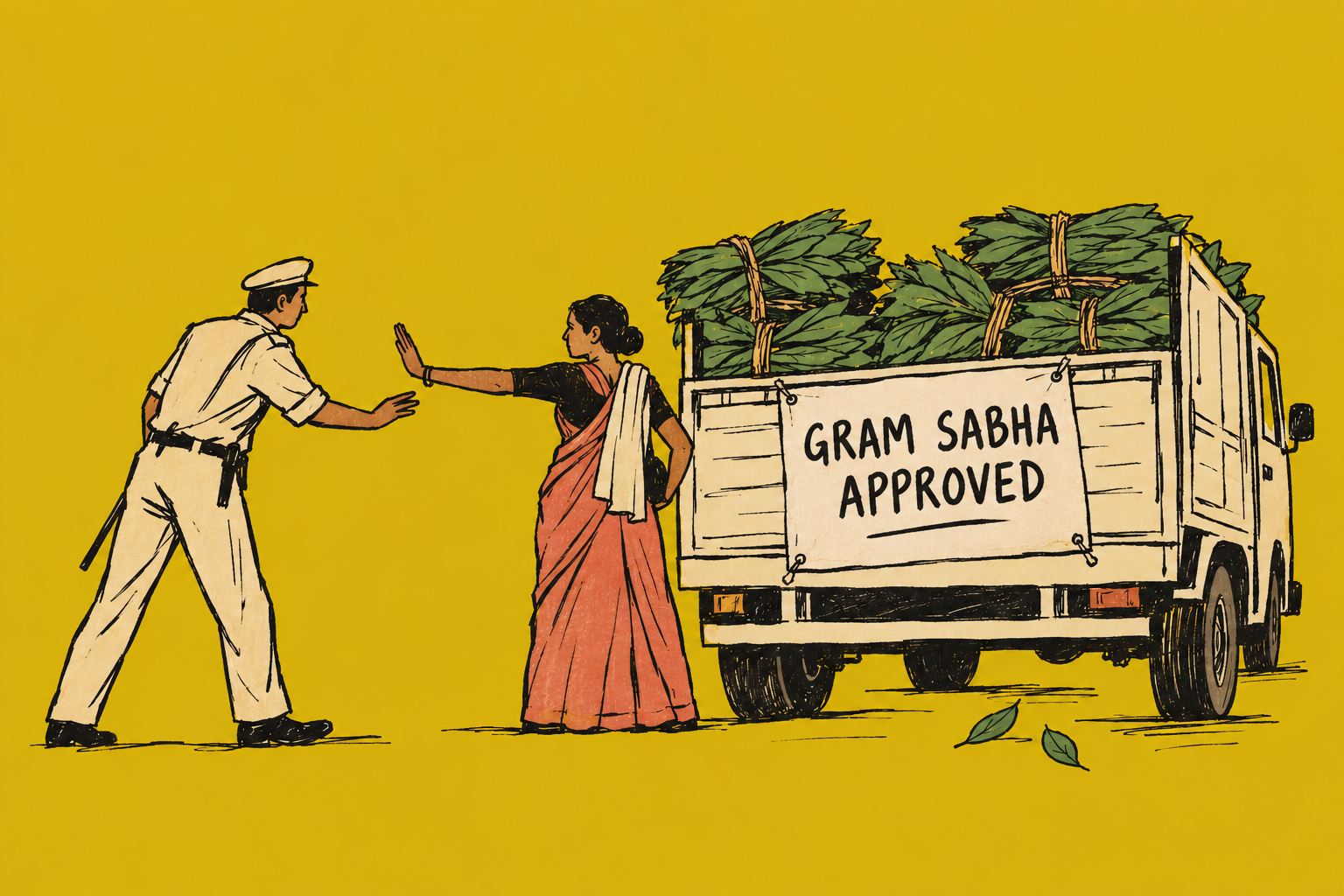
Large-scale infrastructure projects must now reckon with the village’s governance over the commons. When a high-voltage transmission line was slated to pass through the forest commons in 2019, the committee stopped the work till a negotiated compensation package of Rs 2,36,000 was allocated for the gram sabha.
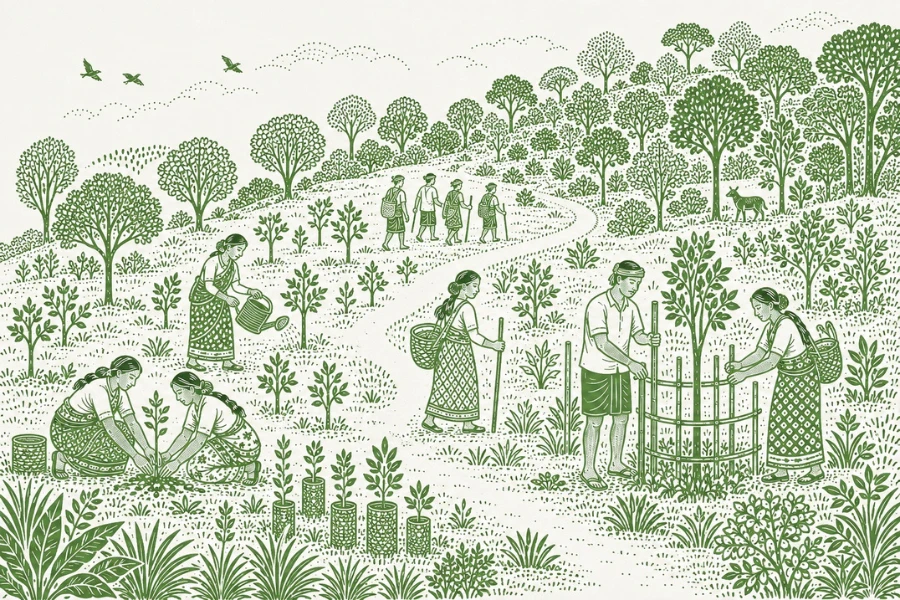
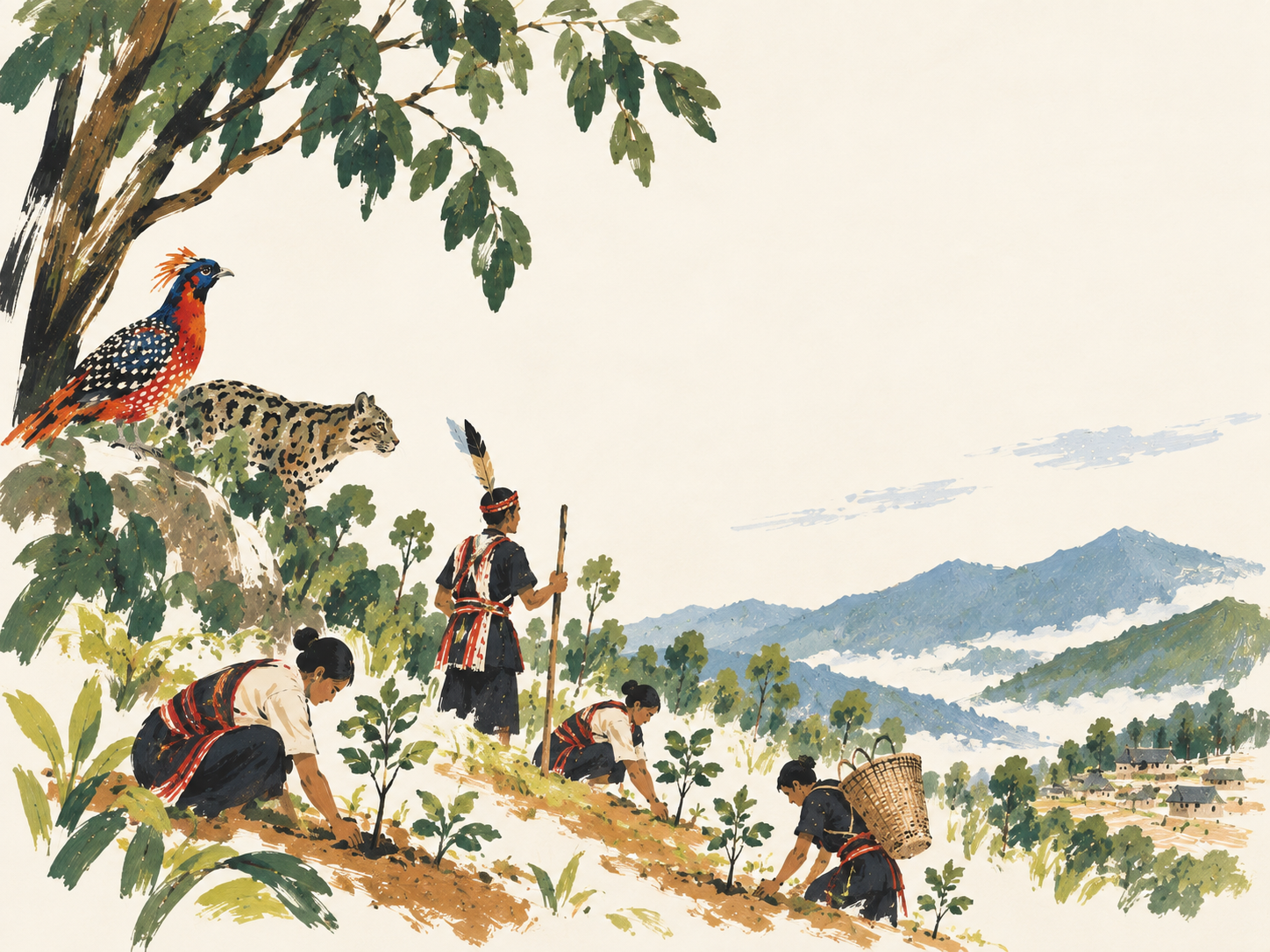
The community now plans to reforest empty patches of forest commons with fruit trees that will provide both canopy and food security for future generations.
"When people feel ownership, they take much better care of the forest," said Toppo.
In Chaingada, the old conflicts with the forest department have ended. The forest department has acknowledged that the community is the most effective guardian of the land, the villagers say.
The forest, once a site of fear and arrest, has become the bedrock of their survival. For Minj and the elders who once stood in the path of the saws, the sight of the dense forest is a fulfilment of a long-denied right to exist on their own terms.