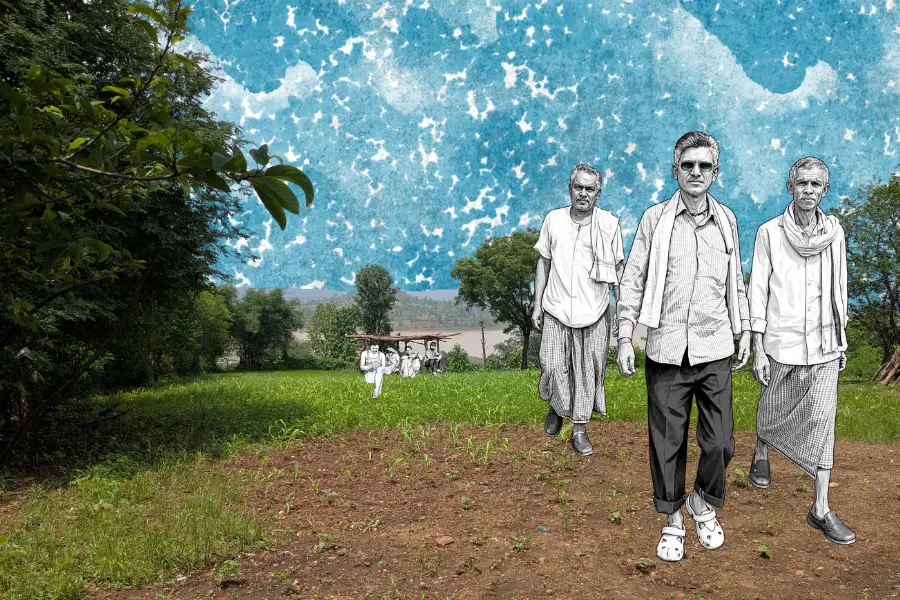
Mandla, Madhya Pradesh: Walking back from his field, 55-year-old Dadulal Kudape lets his yellow scarf droop from his shoulder, sweat beading along his forehead. A village elder and leader, he quips “we know this land better than anyone. To protect these forests, the government rangers often turn to us.”
Tucked away near the Narmada River in Madhya Pradesh’s Mandla district, Chutka is home to roughly 800 residents, mostly from the Gond tribe. The knowledge of forests that Kudape proudly mentioned forms the backbone of a unique model of sharing and protecting natural resources that his community has practiced for many years.
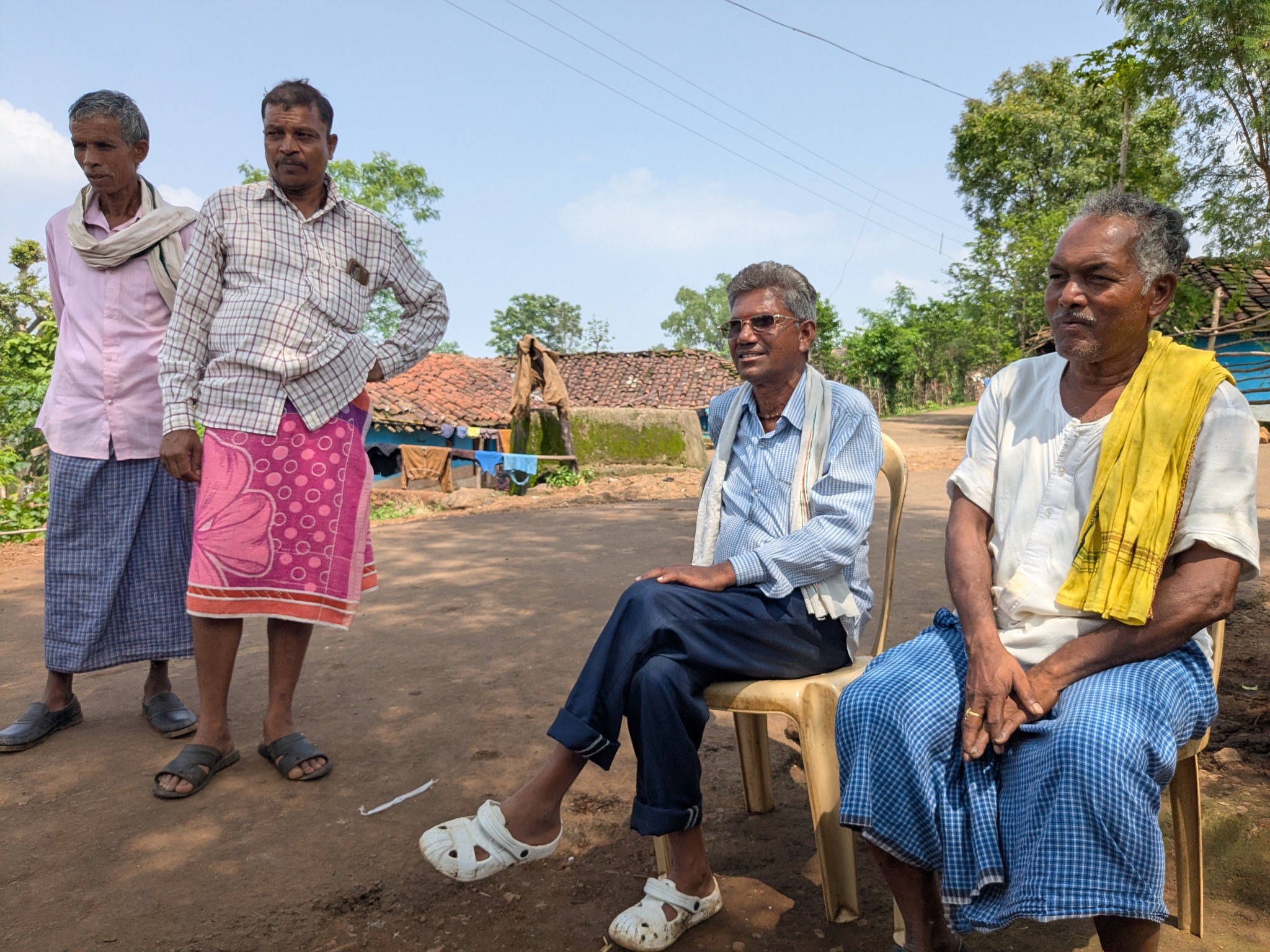
In Chutka village, the gond community has built a robust model of community-led forest governance that links livelihoods, culture, and conservation. Villagers collectively manage nearly 400 hectares of forest, backed by community forest rights under the Forest Rights Act, 2006, which recognises the community's ancestral stewardship rights, and gives them legal control and responsibility to manage forest resources.
The management is taken care of by the Gram Sabha (the assembly of all adult members of the village) and its committees, sustaining incomes from non-timber forest produce while protecting local ecology through patrols, rotational grazing, and shared farming practices. Though this long-standing relationship is facing renewed threat from a proposed nuclear power project that villagers say violates their legal rights, the village is determined to preserve their carefully nurtured commons-based way of life,
Caring for the commons
Commons are shared lands such as forests, pastures, water bodies and mangroves, which cover 205 million acres, or one fourth of India, and form the lifeline for over 350 million people, including marginalised groups like Scheduled Castes, Scheduled Tribes and women. Communities across India have traditionally protected, restored and managed these commons through customary self-governance practices. These customary rights and practices, however, haven’t been formally recognised or recorded in many parts of the country.
Pressure over resources, caste and class hierarchies and environmental degradation has curtailed communities’ access to commons, leading to over-exploitation of commons and exposing them to climate vulnerabilities and rural distress.
Despite these challenges, communities across India are showcasing that reclaiming, restoring and managing commons through customary self-governance practices plays a crucial role in their ecological, social and economic upliftment. Land Conflict Watch, a Delhi-based research group, in collaboration with Common Ground Initiative, a collaborative working on the commons is documenting case studies of successful collective action of communities around commons from across the country.
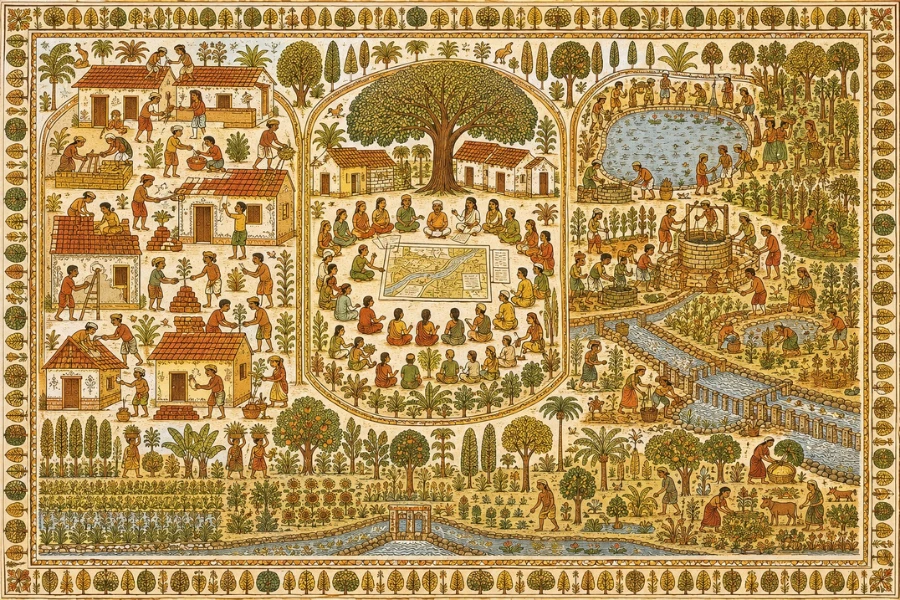
This story from Chutka village exemplifies how communities combine legal rights, collective institutions, and everyday labour to govern forests, and how the act of commoning doesn’t end in forests but also extends to preserving traditional knowledge.
Watching the Forest
While villagers have always been caretakers of the land, Chutka’s forest protection efforts were first formalised 20 years ago through the Van Sanrakshan Samiti (VSS), which translates to Forest Protection Committee. VSS is a joint body of local villagers and forest officials, formed under the Forest Department’s Joint Forest Management (JFM) Programme aimed at including communities in forest governance.
Though JFM is criticised for not being as inclusive of communities as it was touted to be in many parts of the country, villagers in Chutka claim they leveraged it with other progressive laws like FRA to work in their favour.
When VSS was formed here, their responsibilities included protecting the forest from illegal logging–particularly of teakwood–which has attracted outside traders in the past, and taking immediate action to extinguish fires whenever they broke out.
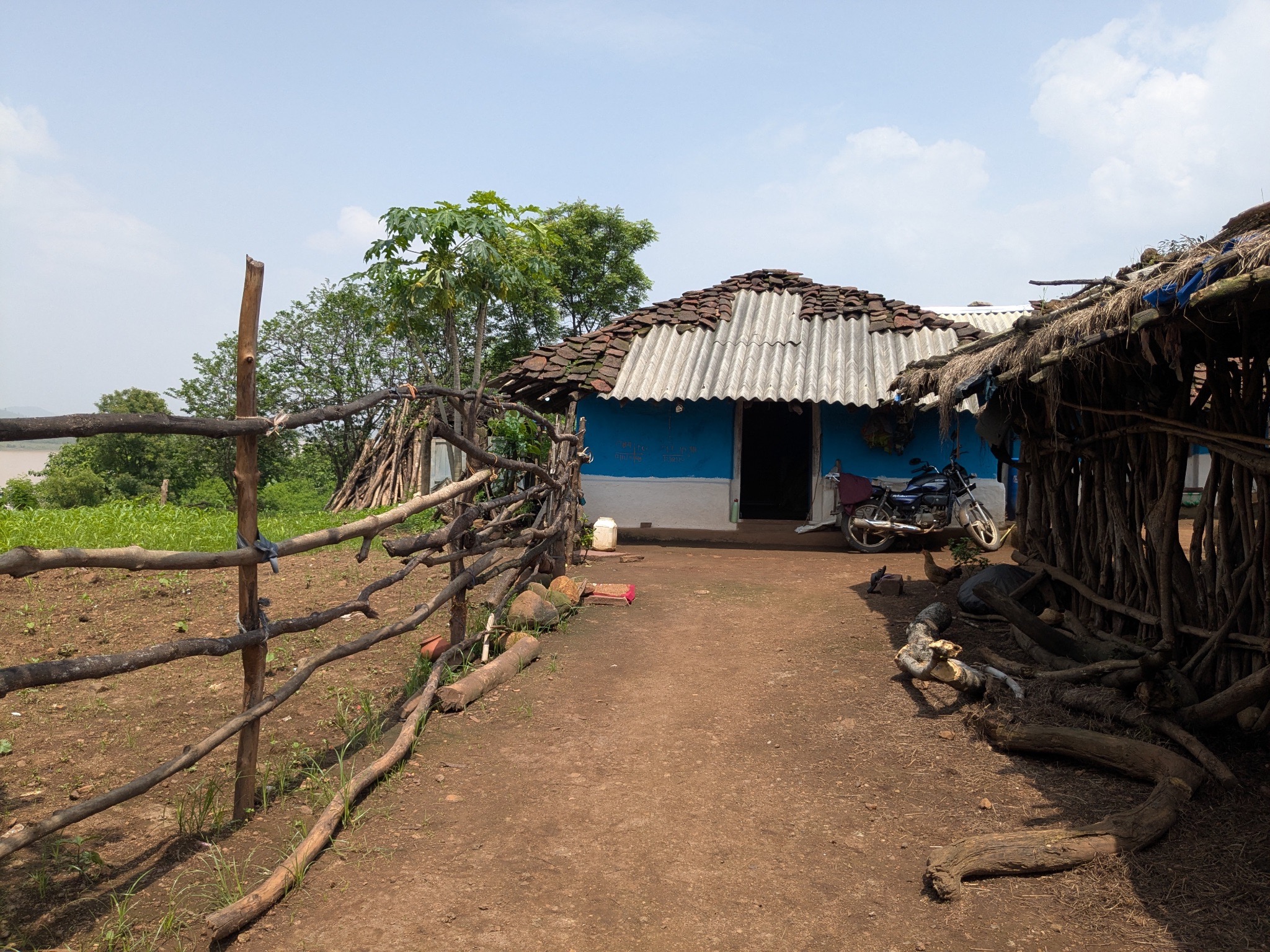
After Chutka received their community forest rights, all activities and decisions related to forest management have been taken collectively by the Gram Sabha, along with the VSS. While the Gram Sabha and VSS share responsibilities, the final say on matters of the forest lies with the Gram Sabha–which is supported by VSS. This continued coexistence helps the Gram Sabha to rely on VSS to help preserve the forests in Chutka.
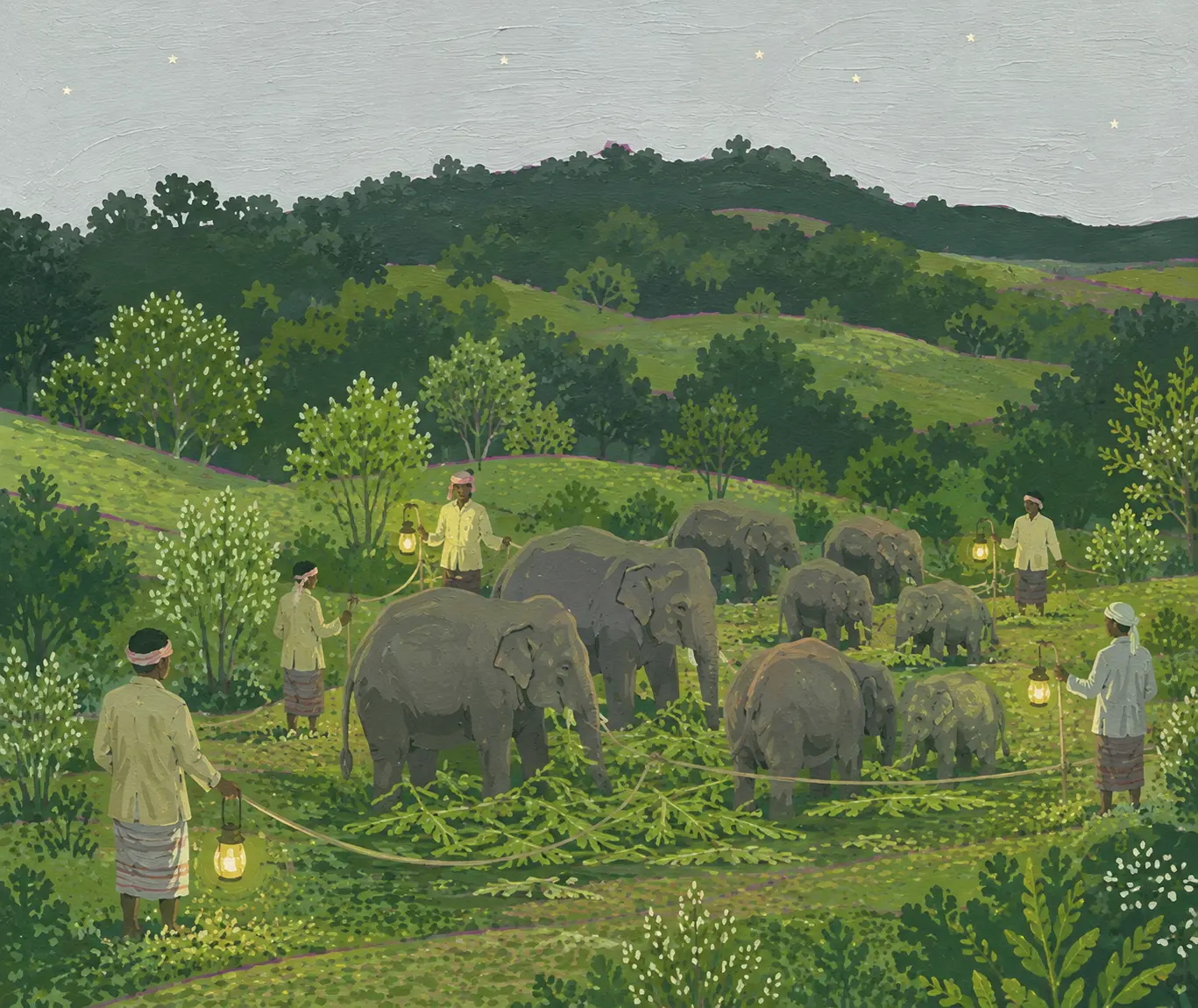
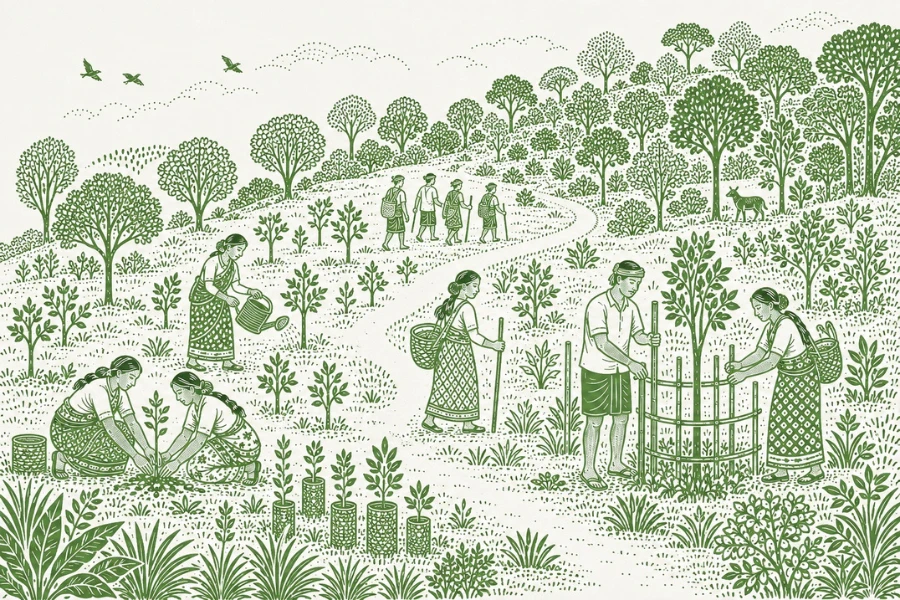
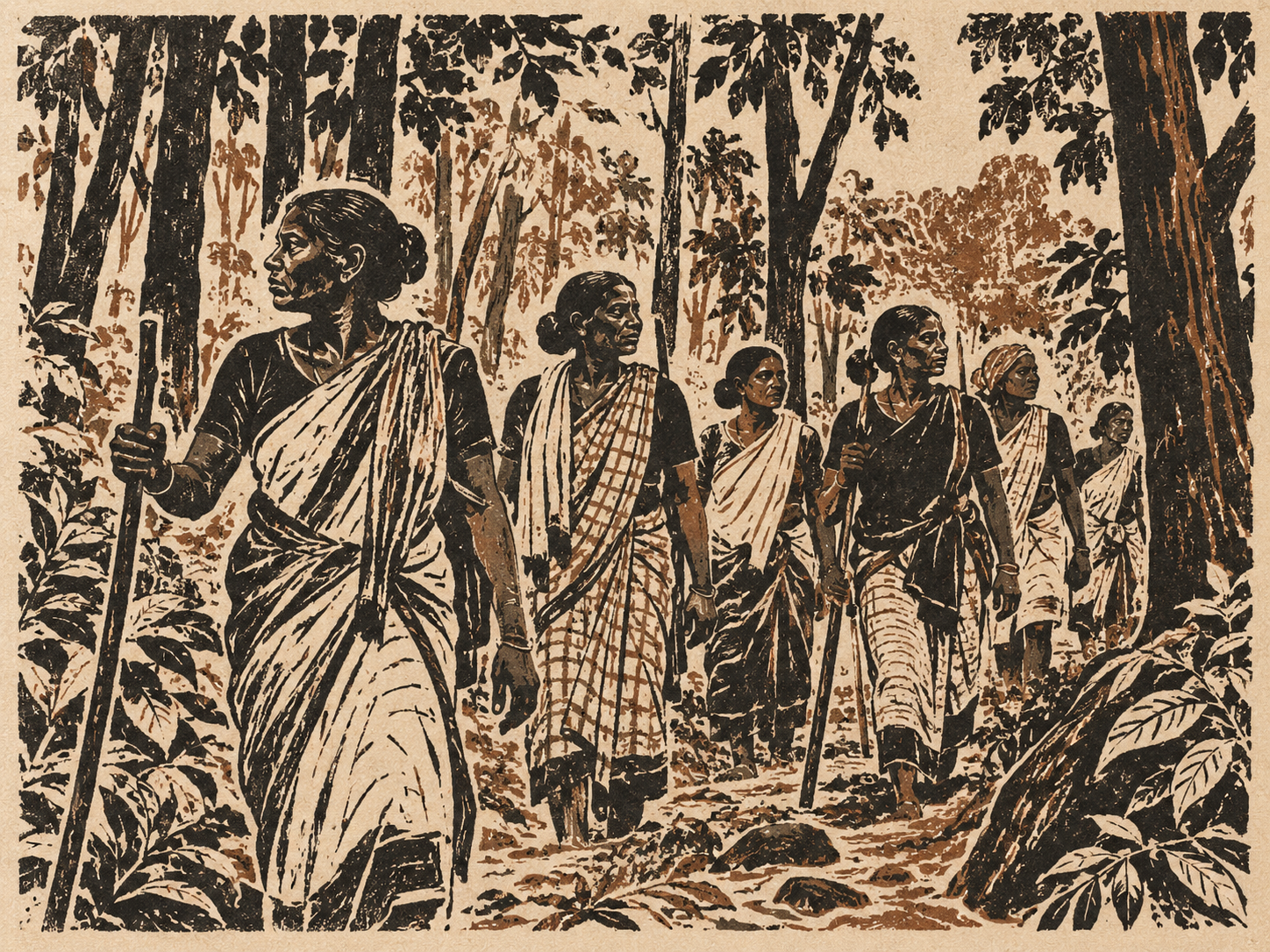
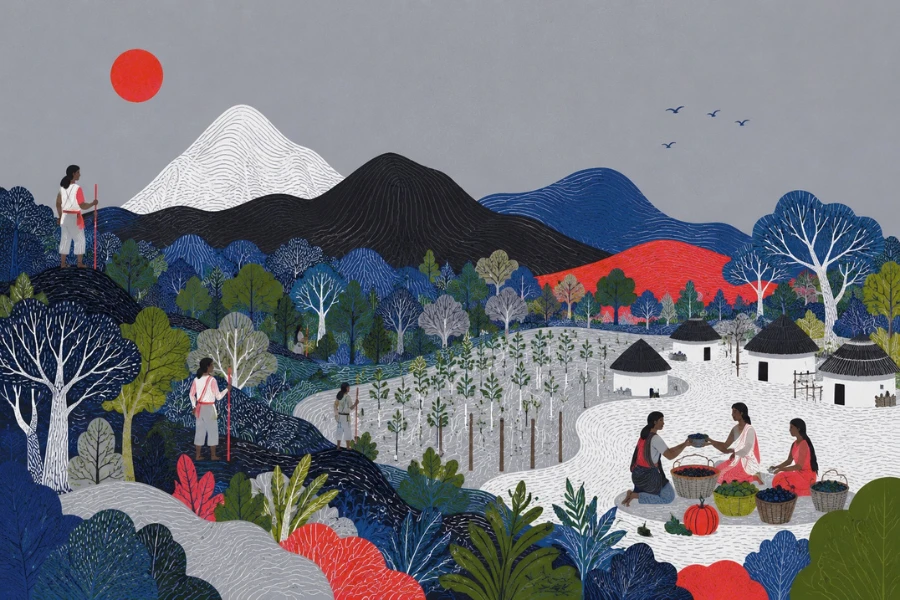
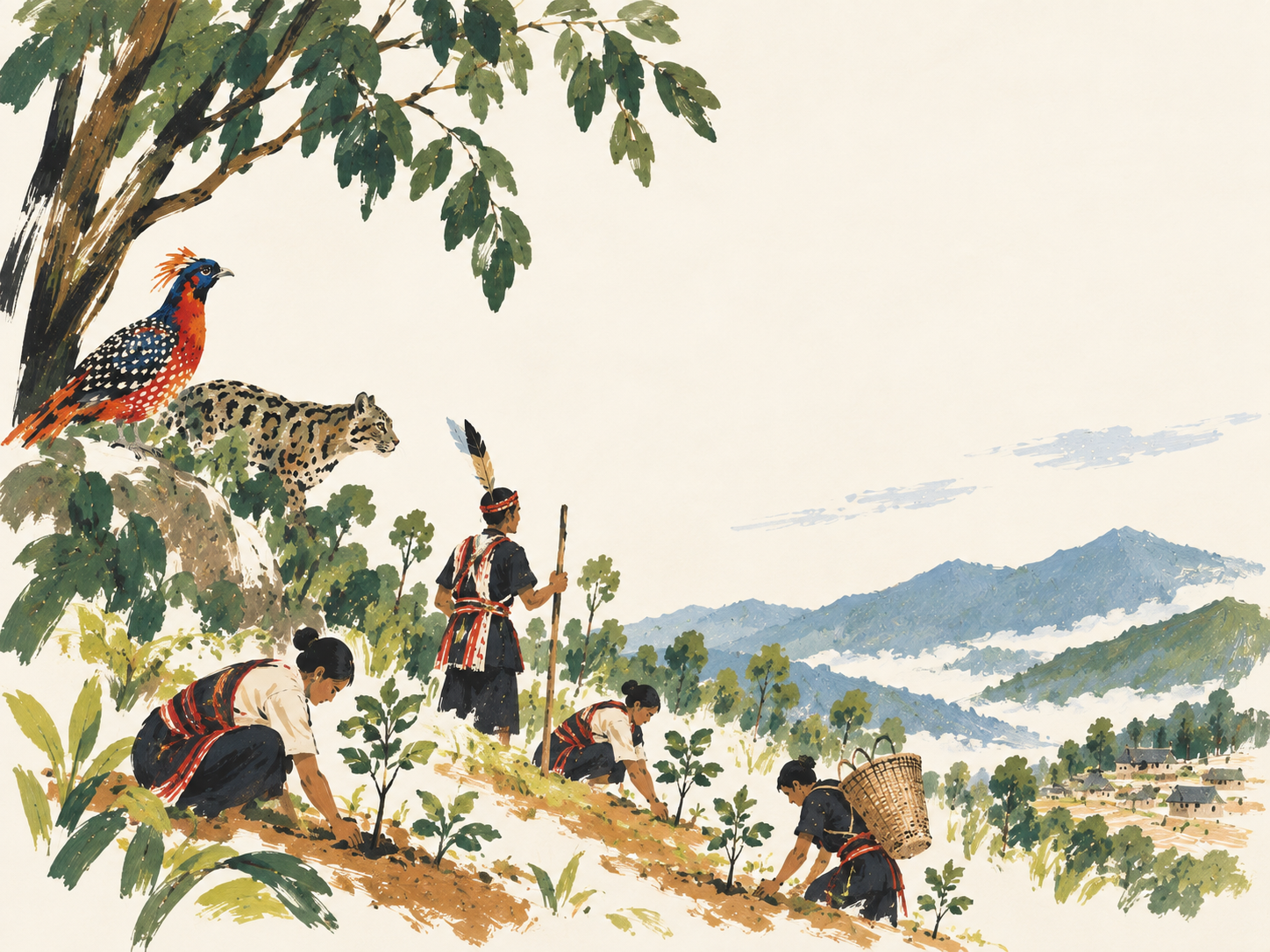
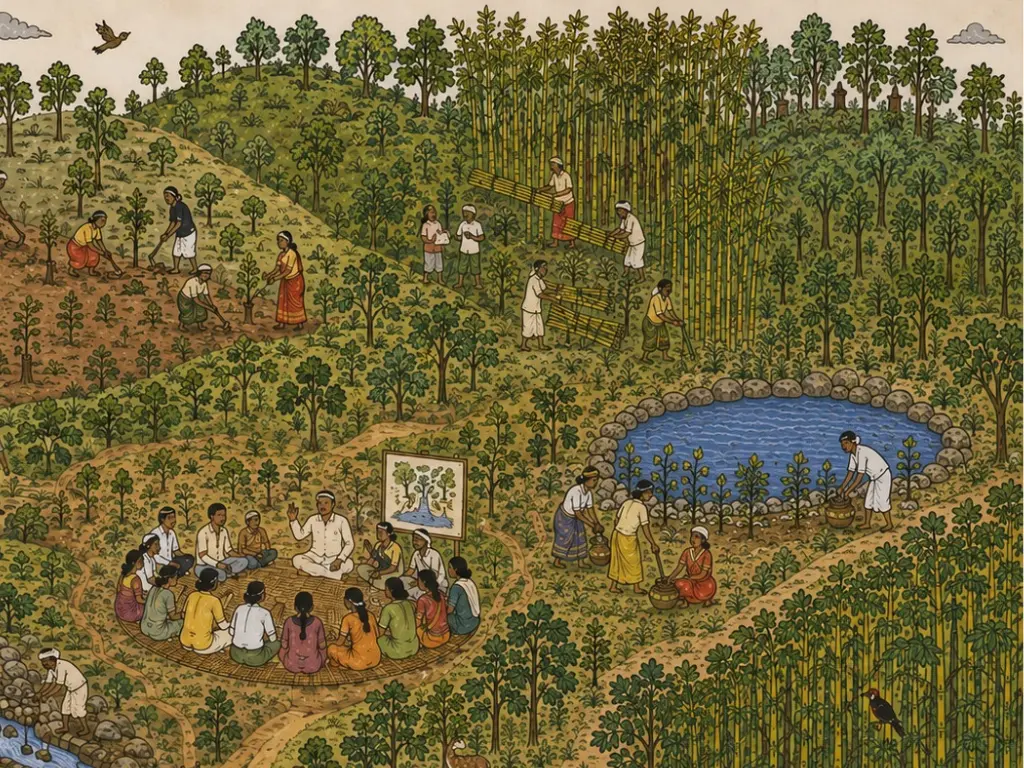
Now, VSS is responsible for the formation and overseeing of patrol groups. Each patrol group is assigned a designated area or ‘beat’ to monitor. Two villagers per beat keep watch, guarding against fire, and preventing illegal logging. Patrols now also include monitoring forest health, by mapping resource use, river levels, and soil conditions.
While forest officials continue to occasionally join villagers once or twice in a month, day-to-day vigilance is handled entirely by the community. One of the primary changes according to community members was the recognition of communities as the caretaker.
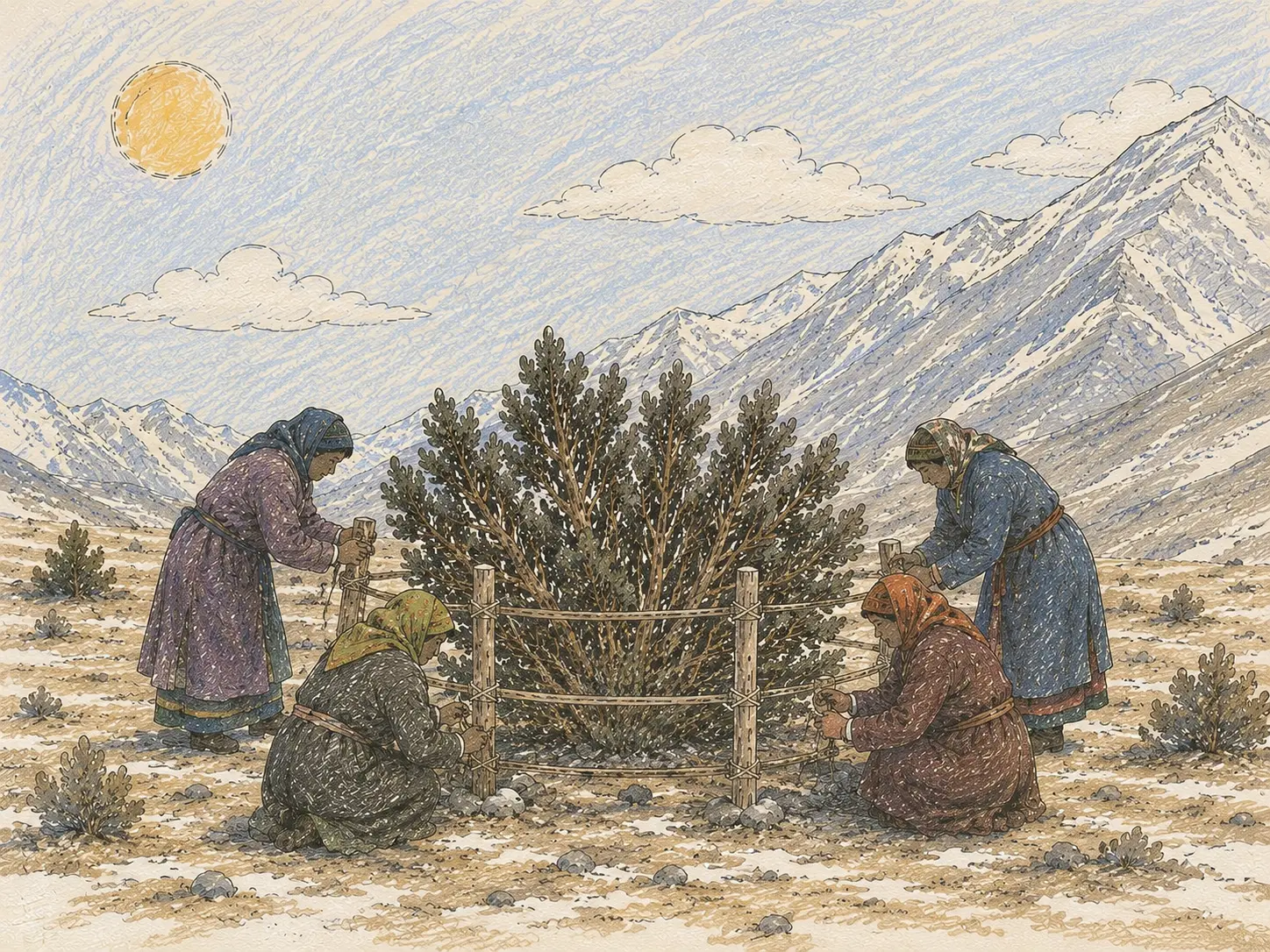
They map areas where wild animals threaten crops, and build fences where they need to be erected or repaired. The aim is to protect farmers, crops and wild animals. There is visible pride when members of the samiti describe their work. And particular pride in this co-existence.
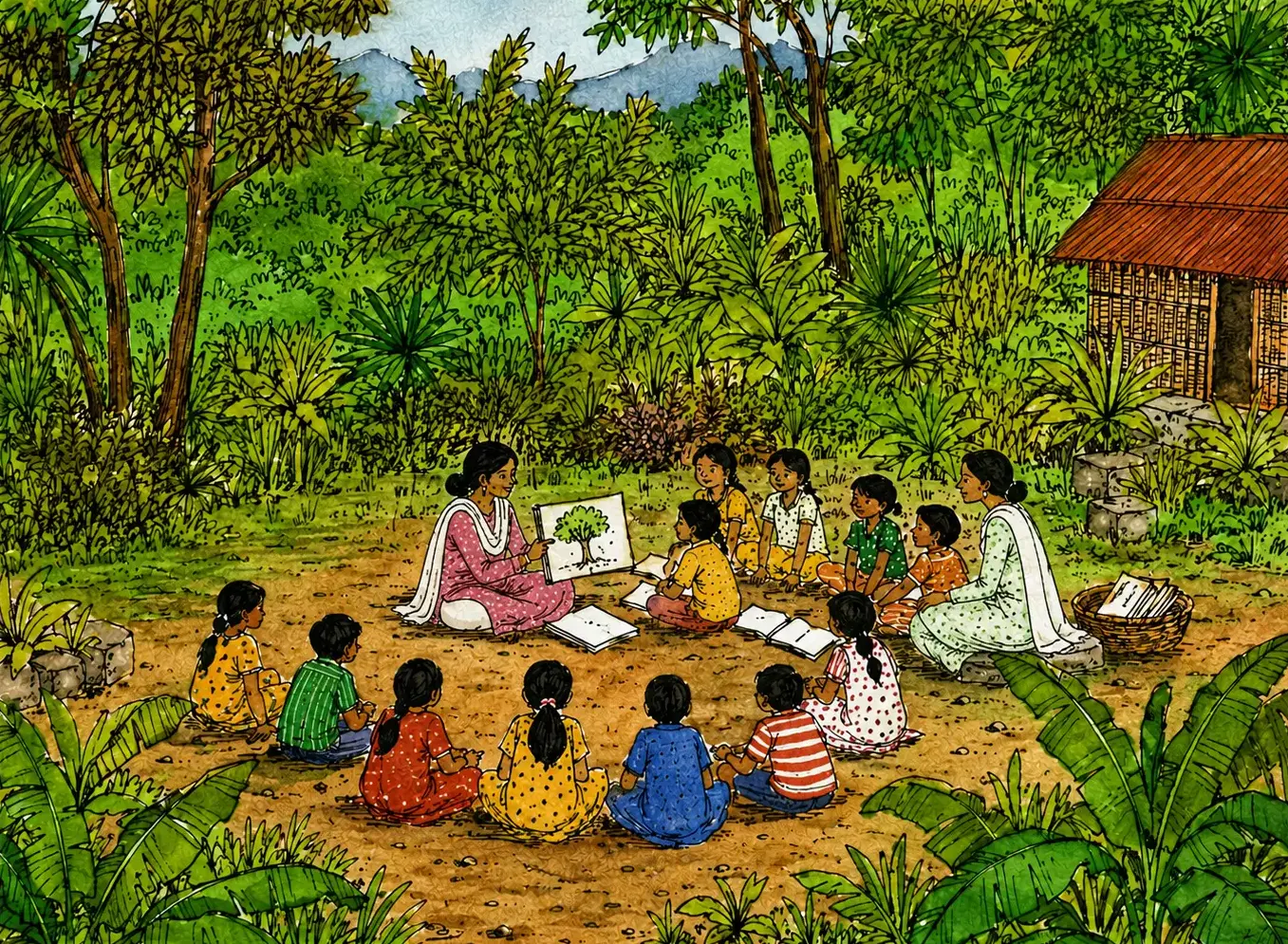
The patrols also serve another important purpose: to pass the baton of tradition and conversation from the elder generation to the younger ones. They are taught forest trails through traditional marking carved into trees, while elders guide them on the local fauna in forests.
The Village Annadata
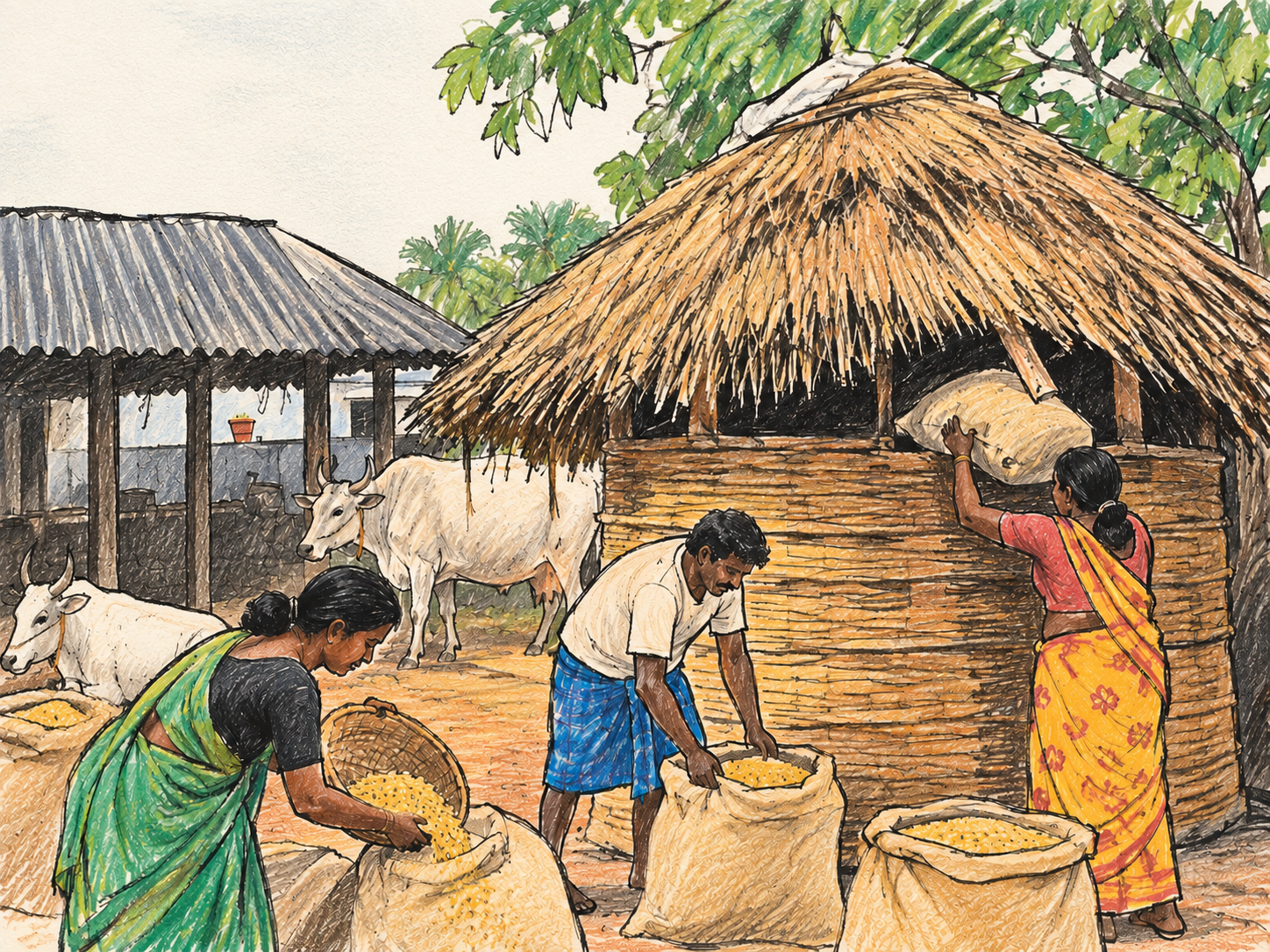
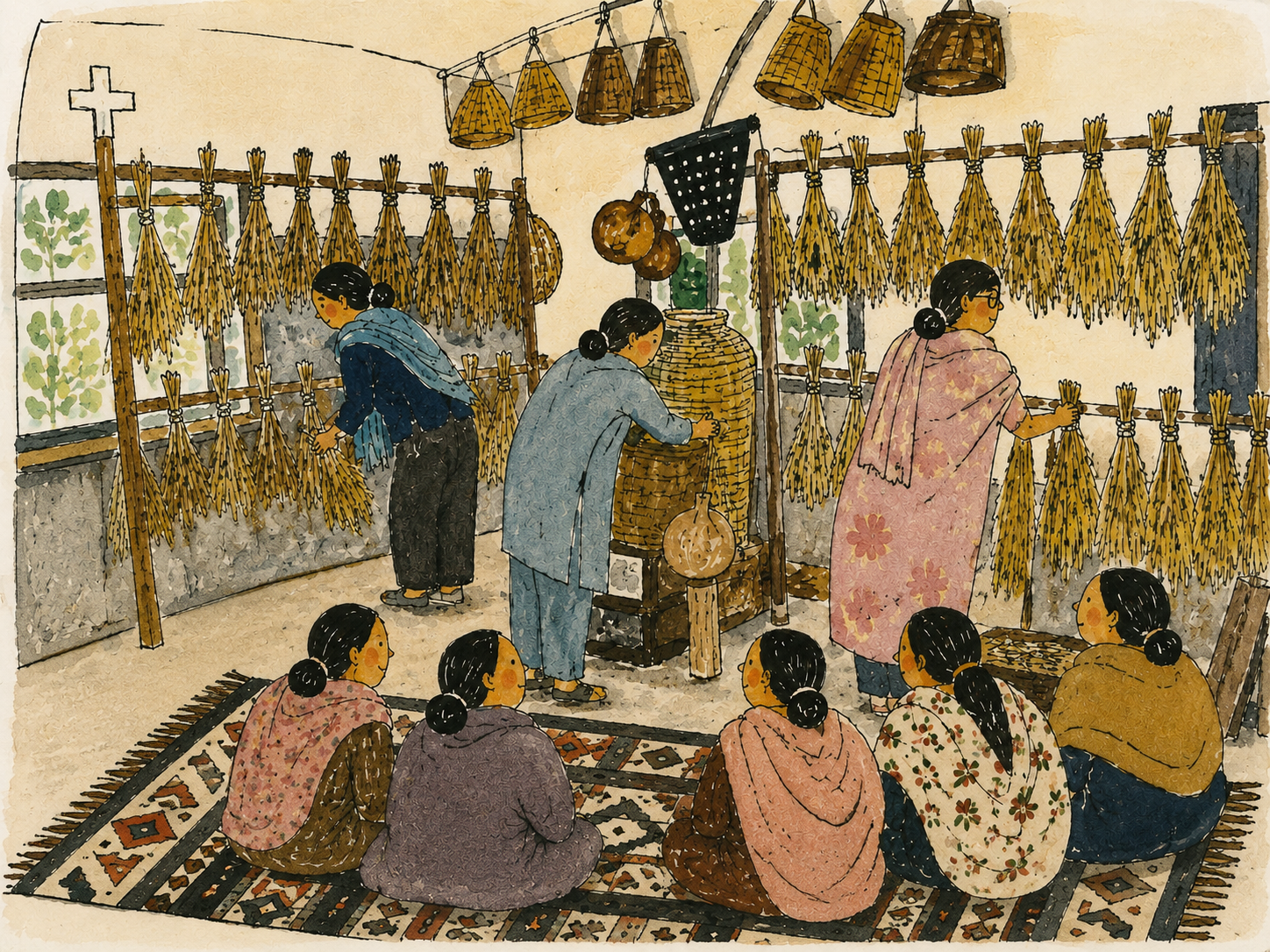
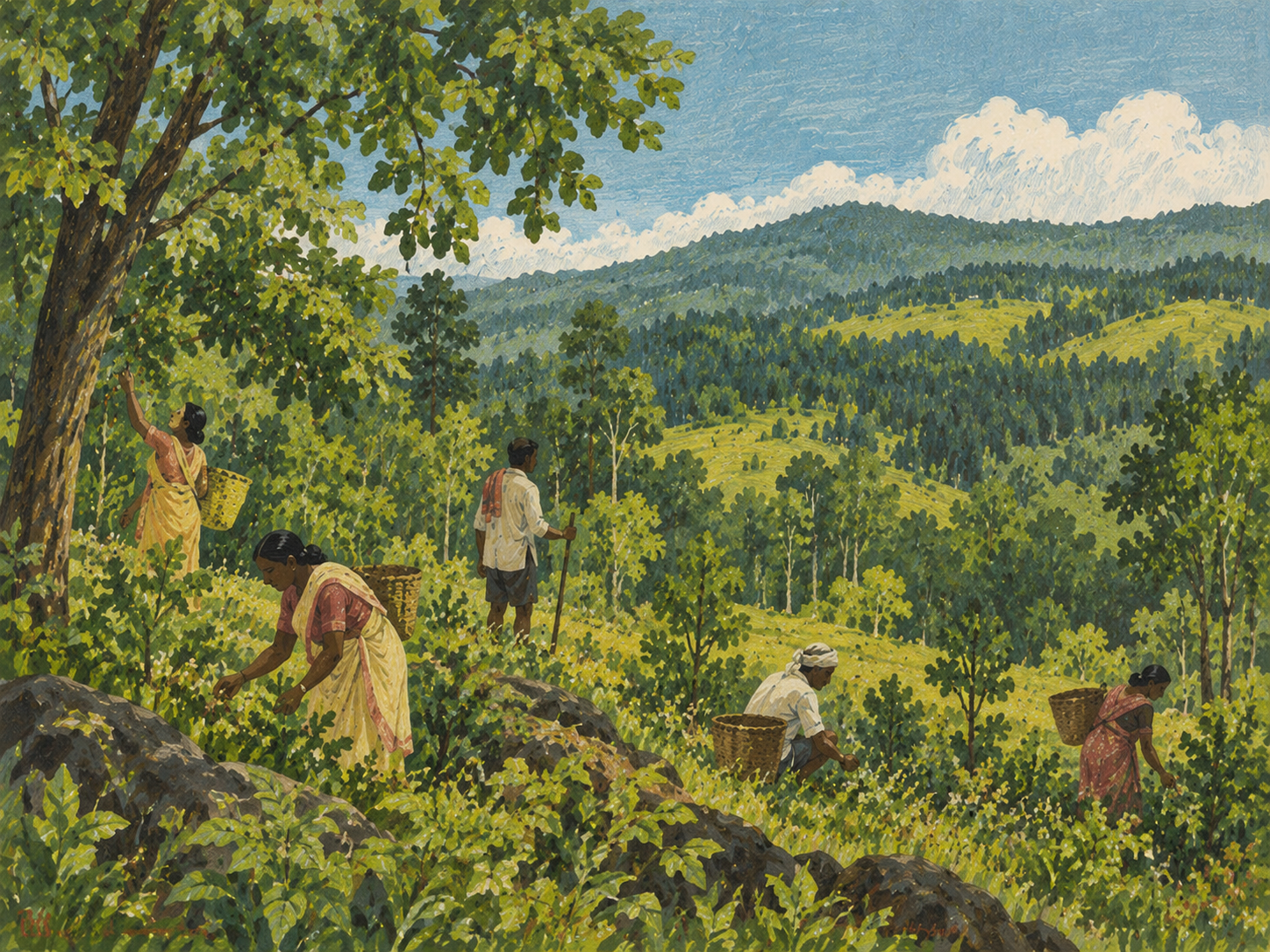
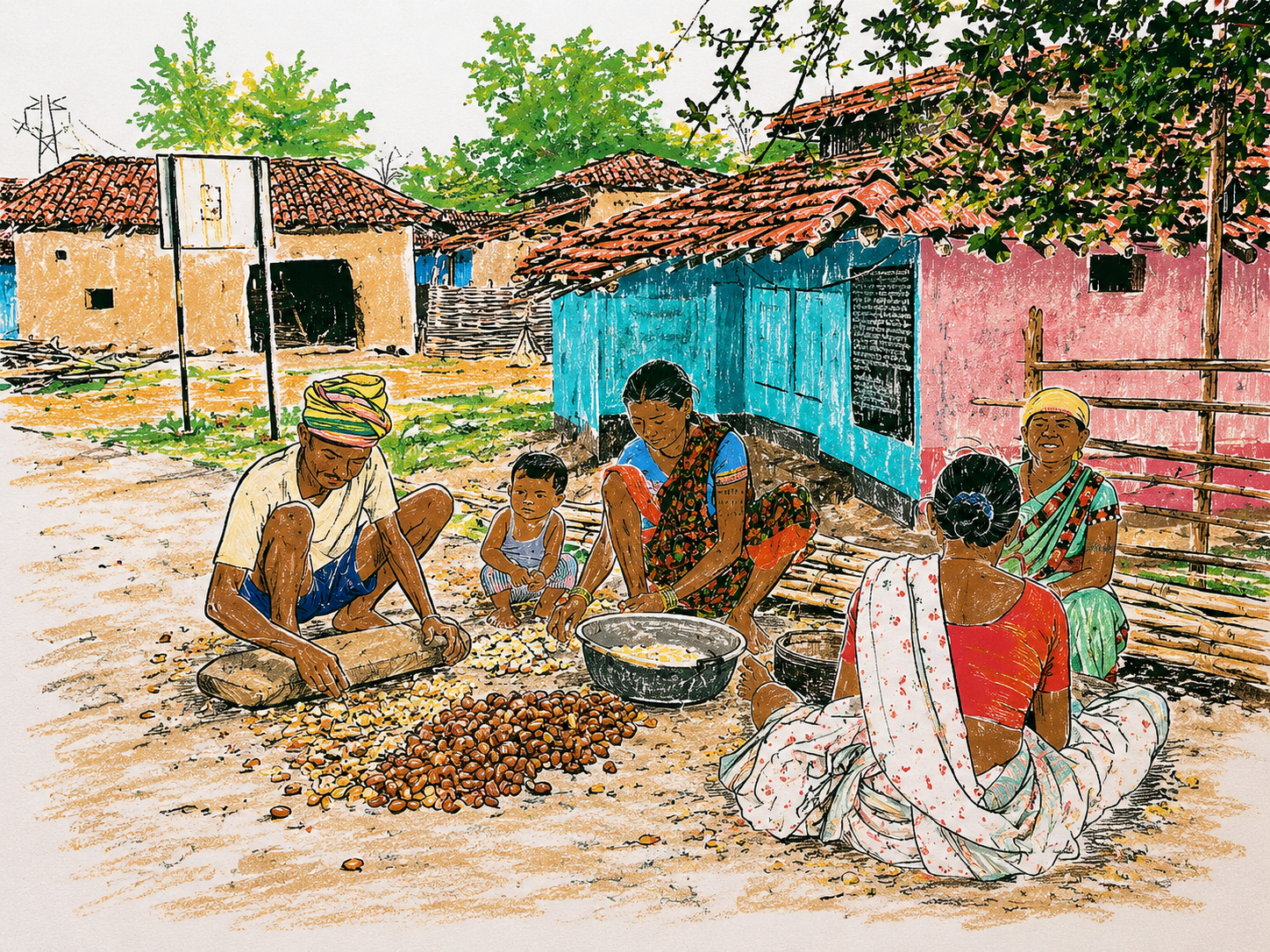
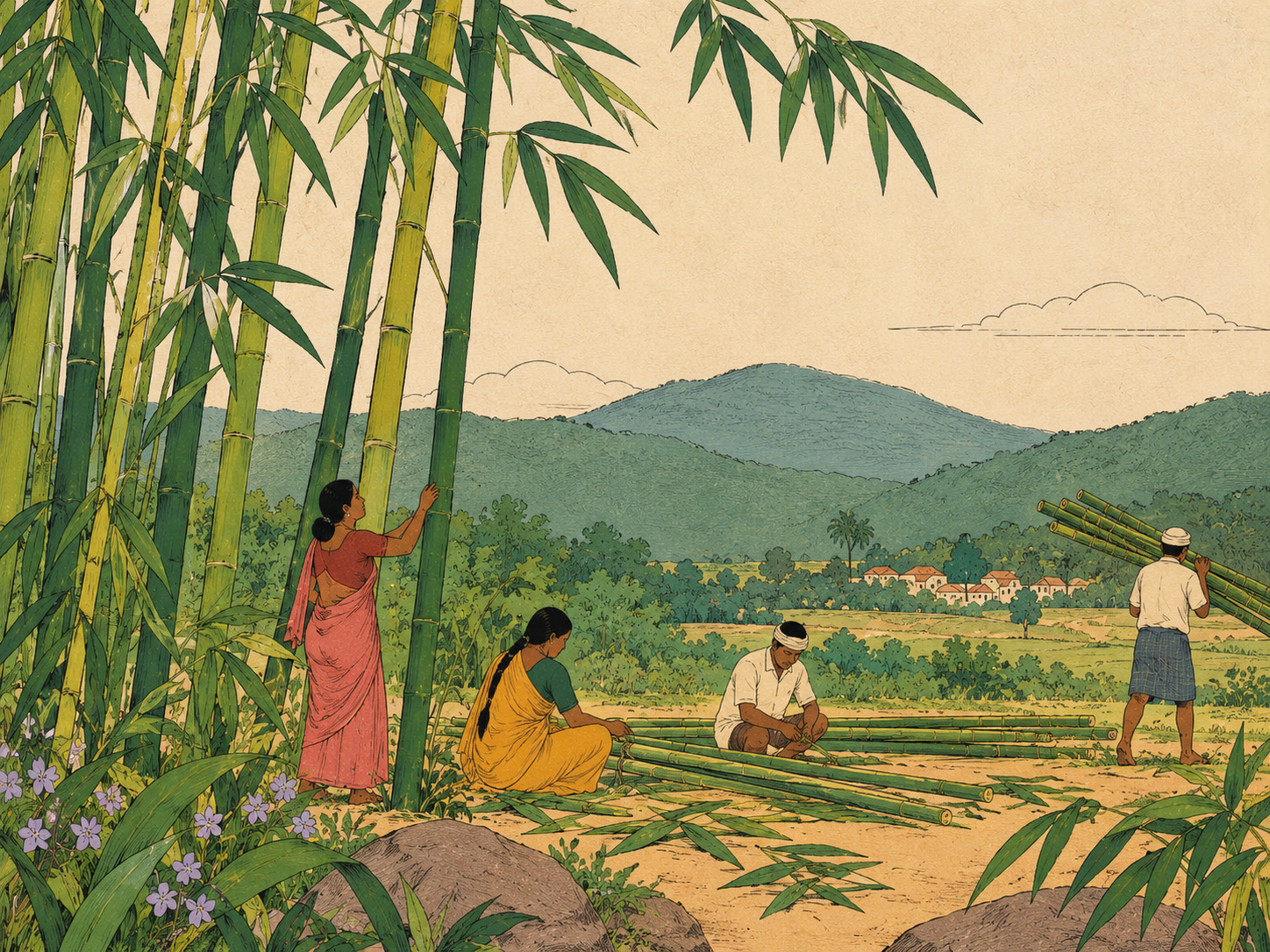
During dry seasons, villagers primarily harvest mahua flowers and tendu leaves products which form a significant part of their incomes. Mahua and Tendu trees are native to the Indian subcontinent, and are a primary source of livelihood for many adivasi communities across central India.
"Our forest is our annadata (giver of food). It gives us wood, leaves, food, even medicinal herbs. Almost everything we need comes from it,” said Bhagwati Bai, 70, a resident of Chutka.
Mahua flowers are rich in sugars and are converted to local liquor and used for medicinal properties. Many adivasi communities consider mahua to be sacred, the tree of life. Tendu leaves are best known as the primary wrapper for beedis (Indian hand-rolled cigarettes).
Mahua alone can fetch up to ₹20,000 per household per season, while tendu leaves bring in ₹8,000 to ₹15,000. Both mahua flowers and tendu leaves are collected without cutting down trees which in Madhya Pradesh is categorised as non-wood forest products playing an important role in sustainable forest-based livelihoods and supporting tribal economies.
Villagers control when and how much of these produce to collect, ensuring that tree populations are protected and healthy.
"Mahua and Tendu, is everything to us. When their season arrives, we all go to the forest to collect. Whatever money we obtain is used to run the house and for food and medicine. How will we survive if these trees are not there?" said Vaijanti Bai Varkade, 40, a farmer and resident of Chutka.
Other forest produce like chaar and bhilawa, which are local fruits, offer vital boosts to household earnings. The collective income supports more than just their families, but acts as a way for communities to contribute to the village.
Villagers contribute anywhere between Rs 100 and Rs 1,500 to collective welfare funds, based on the family’s capacity for contribution, the type of welfare work undertaken, and advice from the Sarpanch. The contributions are entirely voluntary.
"In our village, everyone tries their best to help out. Whether it’s time, money, or labor, we all give what we can, not because anyone forces us, but because we know the whole village benefits," said Sanklal Varkade, 30, a member of VSS.
The villagers use these funds for a range of different activities like improving drinking water, sanitation or subsiding better agricultural practices like low-chemical pest control and drip irrigation.
Farming the Forest Floor
“The jungle takes care of our body and we take as much care of it as we do our bodies,” says Dayalal Singh Kokadia, a 56-year-old former sarpanch.
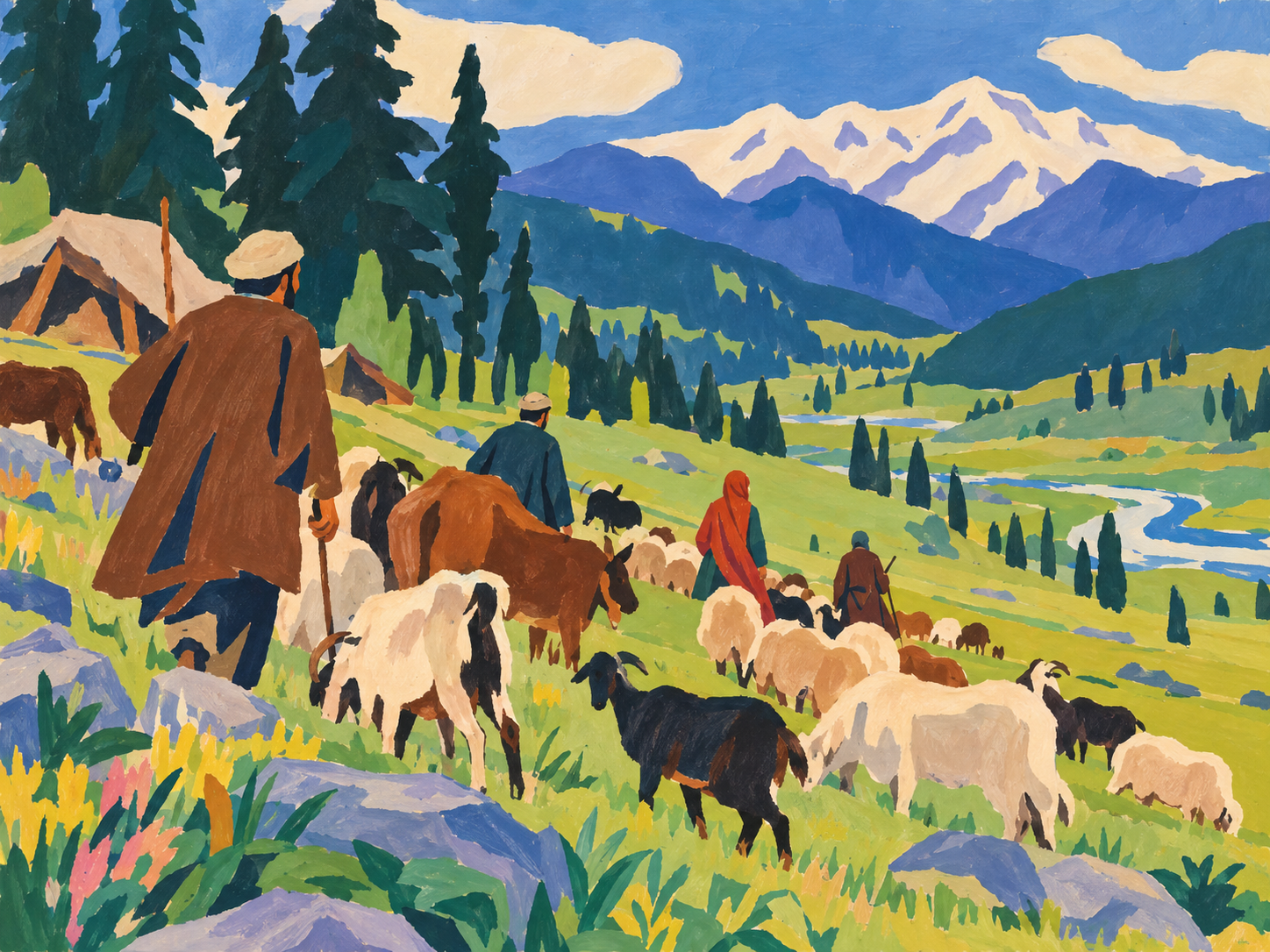
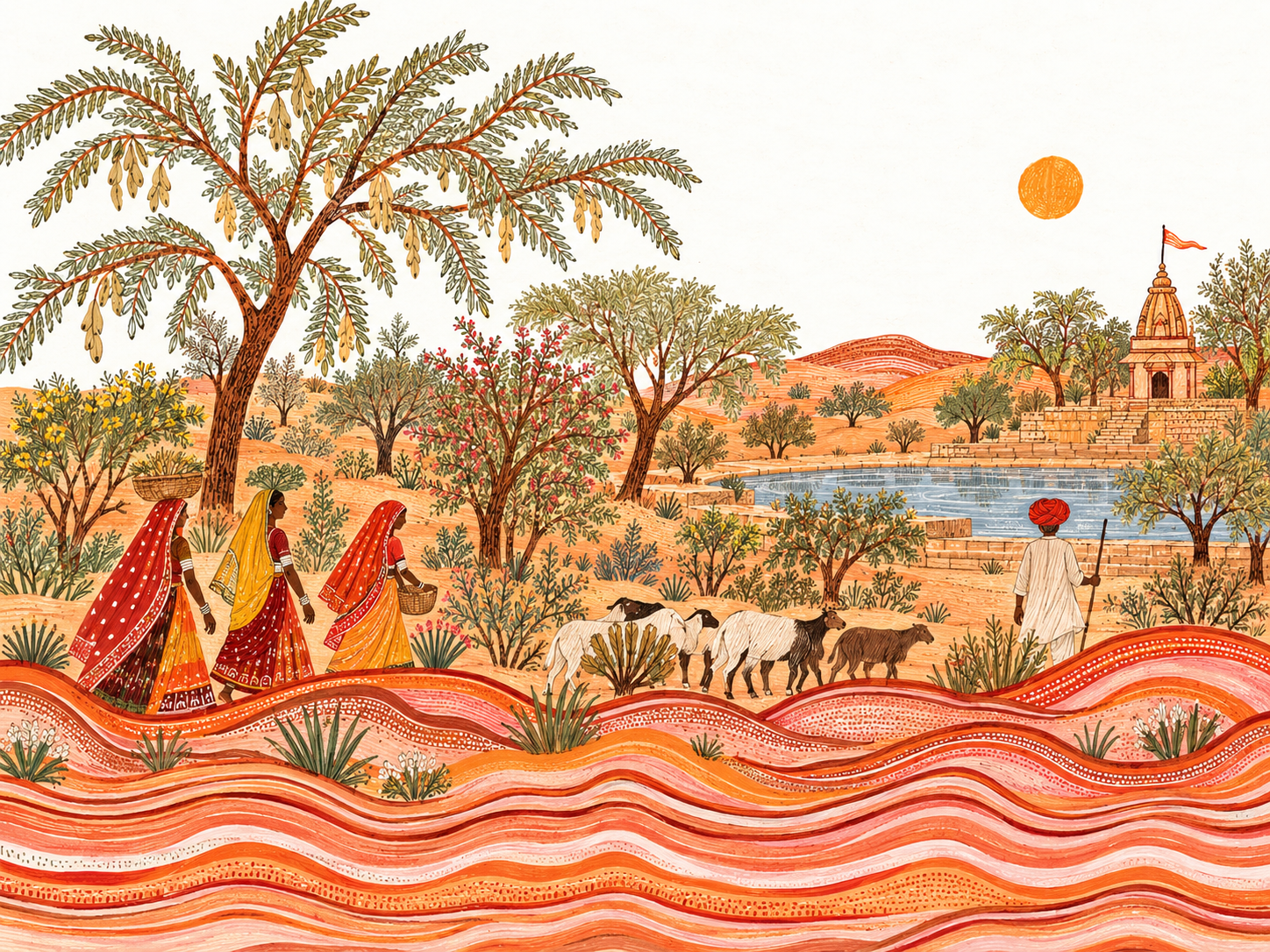
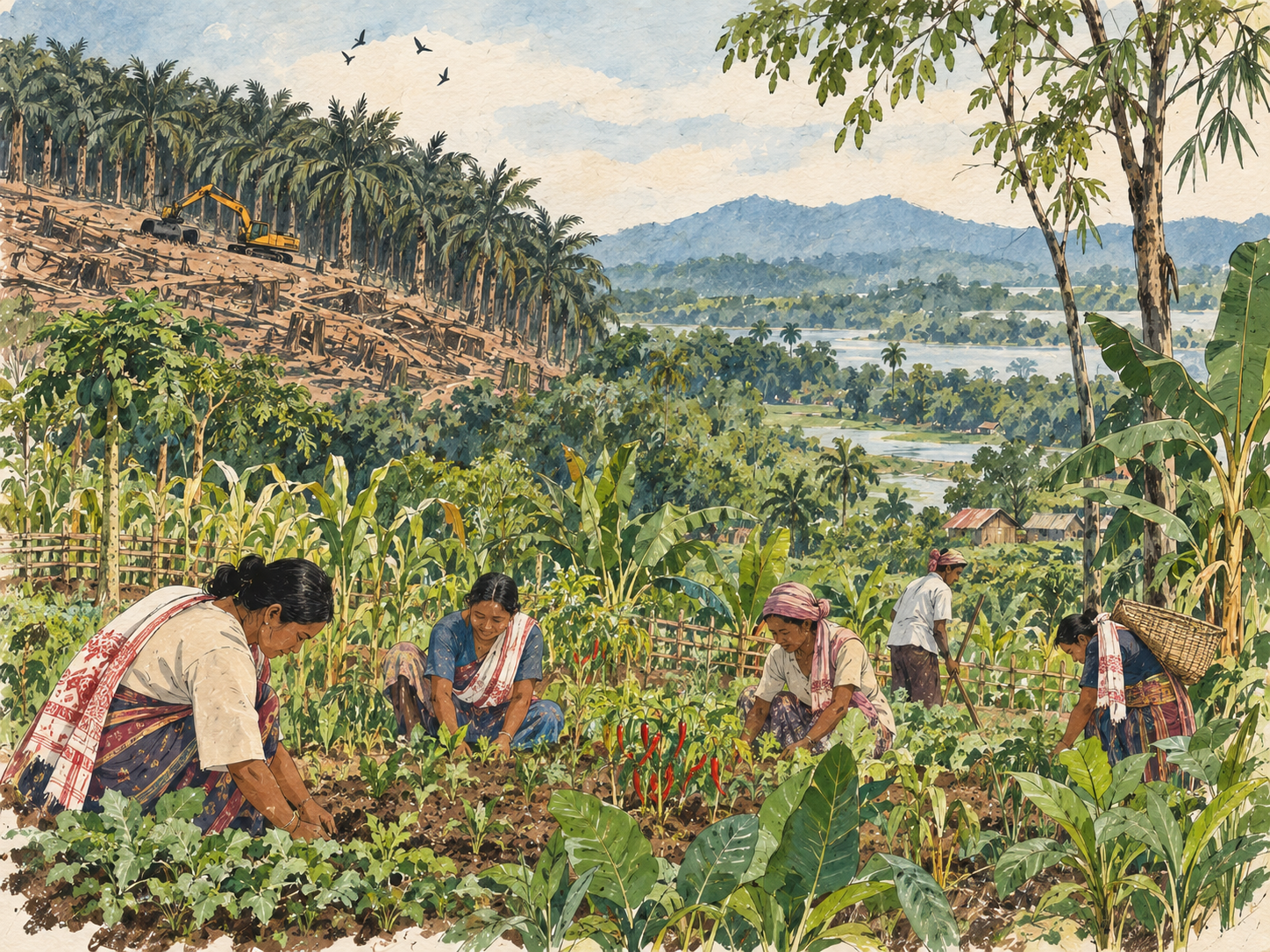
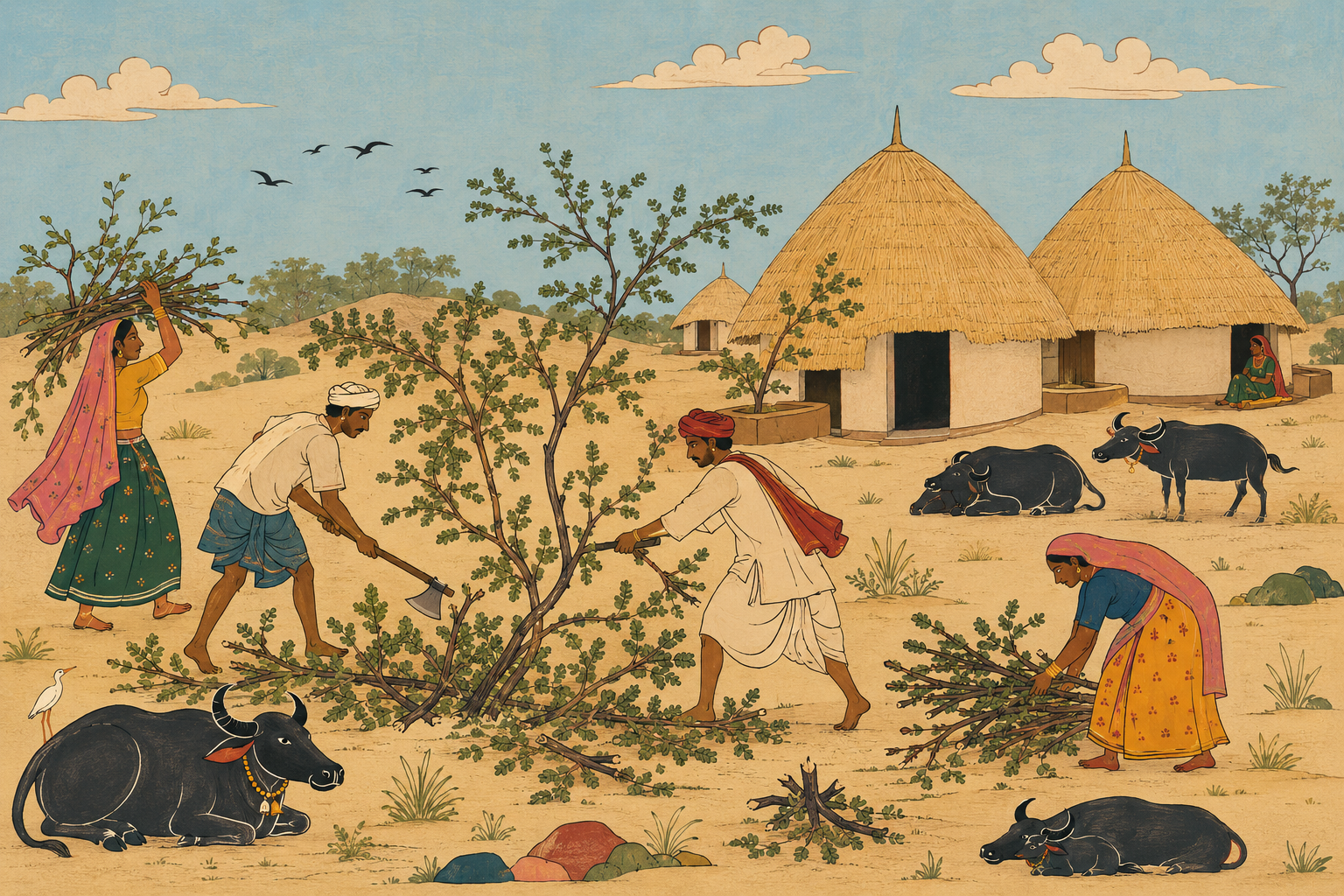
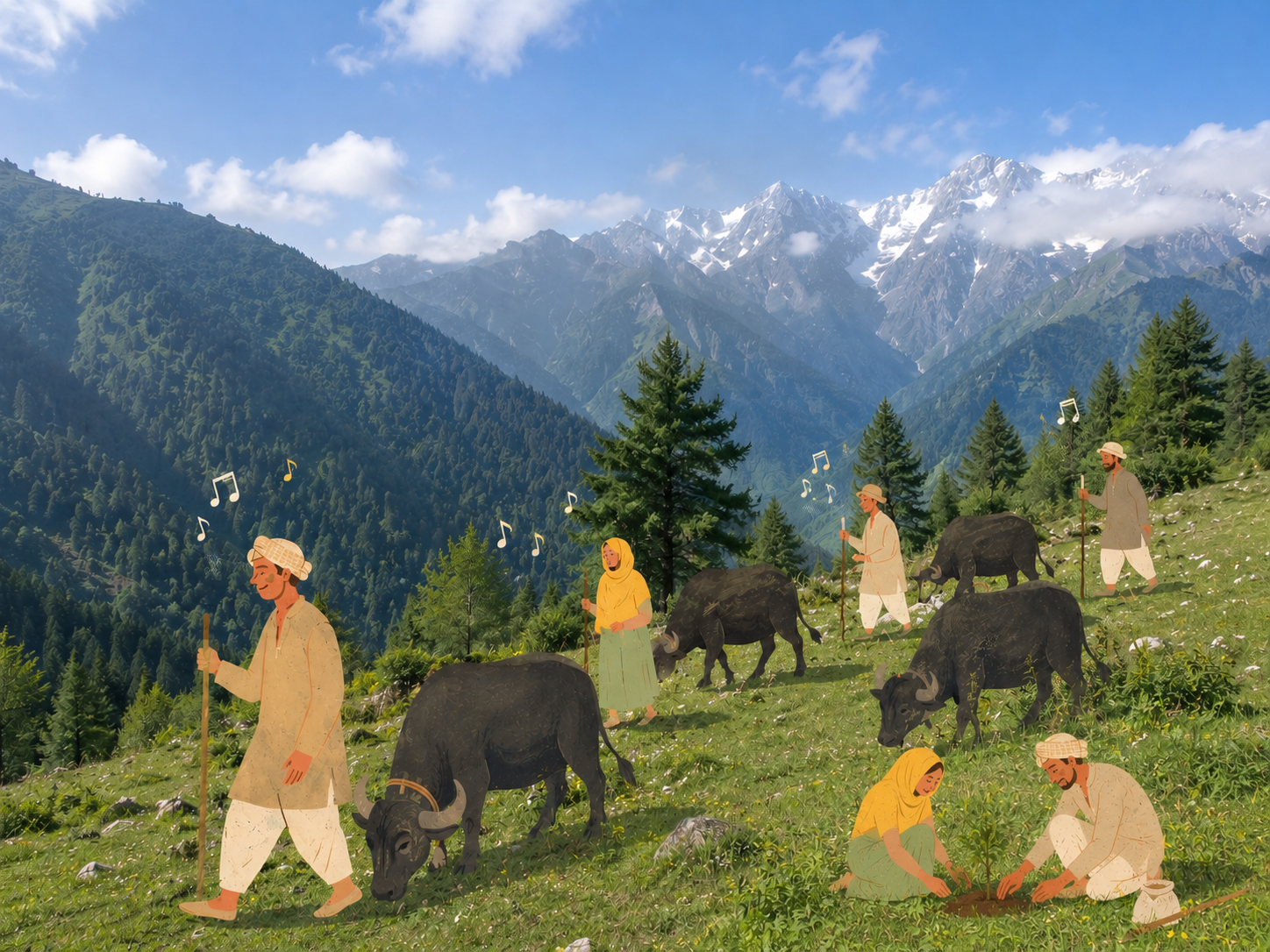
The gram sabha reserves several parts of the forest for grazing each year. The villagers use rotational grazing, moving livestock across grazing plots in intervals, so the land has time to recover. In dry months, they store or grow fodder to reduce stress on the commons. For many marginal farmers, the forest is the primary source of fodder to feed their cattle.
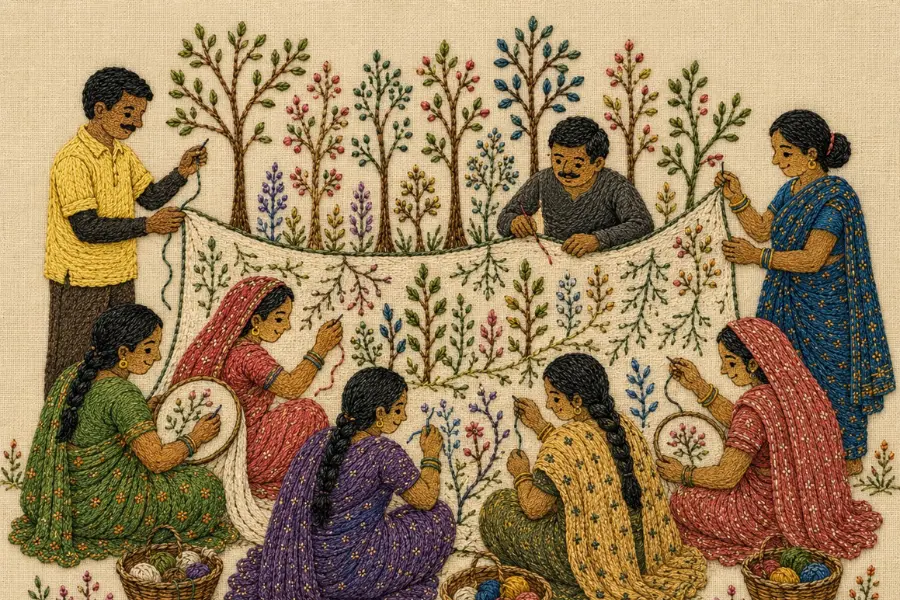
The commons is also a source for several local medicinal herbs used in traditional remedies. The community rely on the herbs available in the forest like Palaash and Neem for snake bites and insect stings.
A Long History of Collective Action
Chutka’s success as custodians of forest, land and ecosystems stems from its long history of collective action. The villagers were originally displaced in the 1980s from the Bargi region due to the construction of the Bargi Dam in Jabalpur district. As a result of this large-scale displacement, many families were forced to leave their ancestral homes and resettle in Chutka, where they rebuilt their lives from scratch. However, a looming threat of displacement has reemerged.
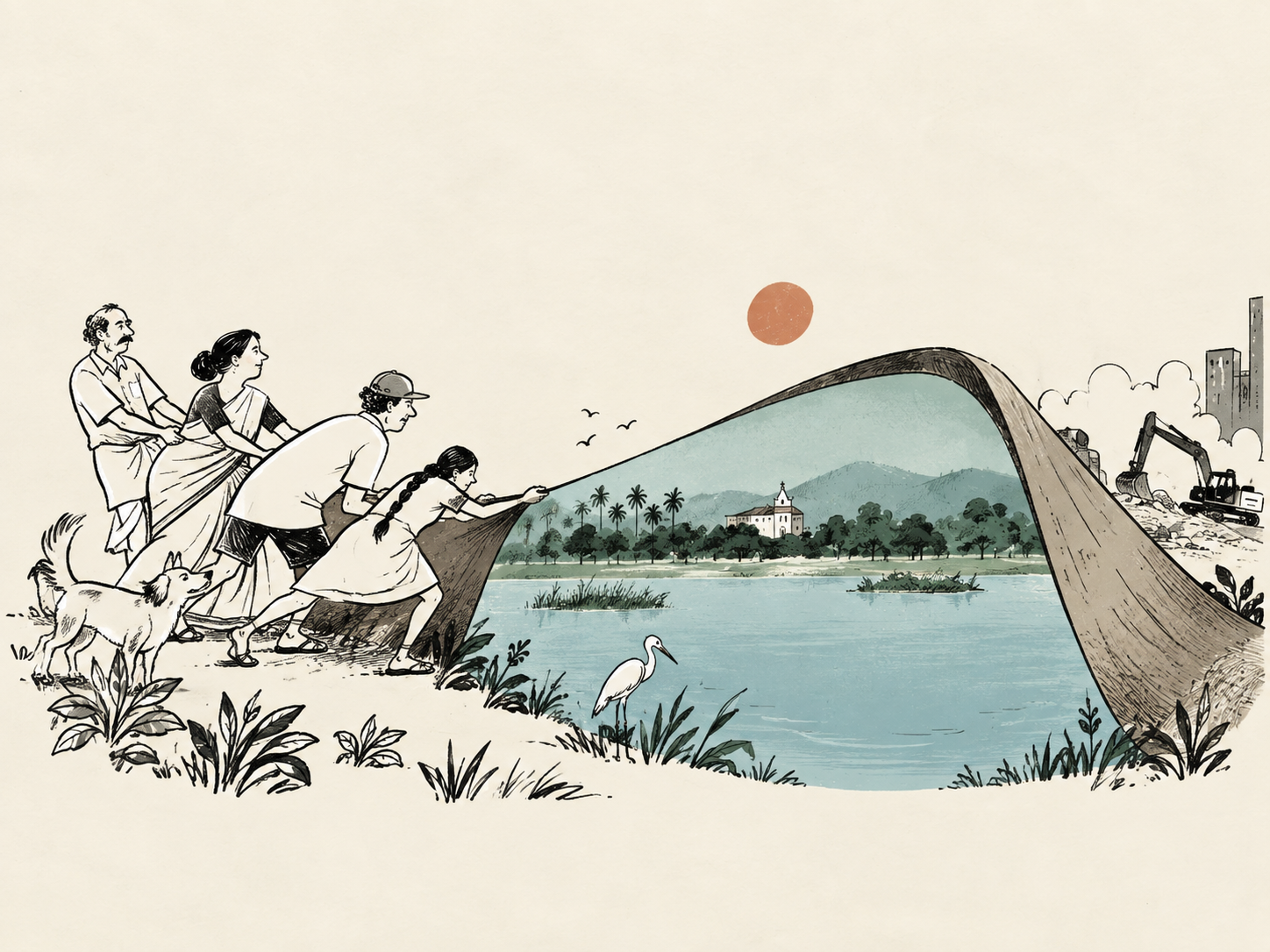
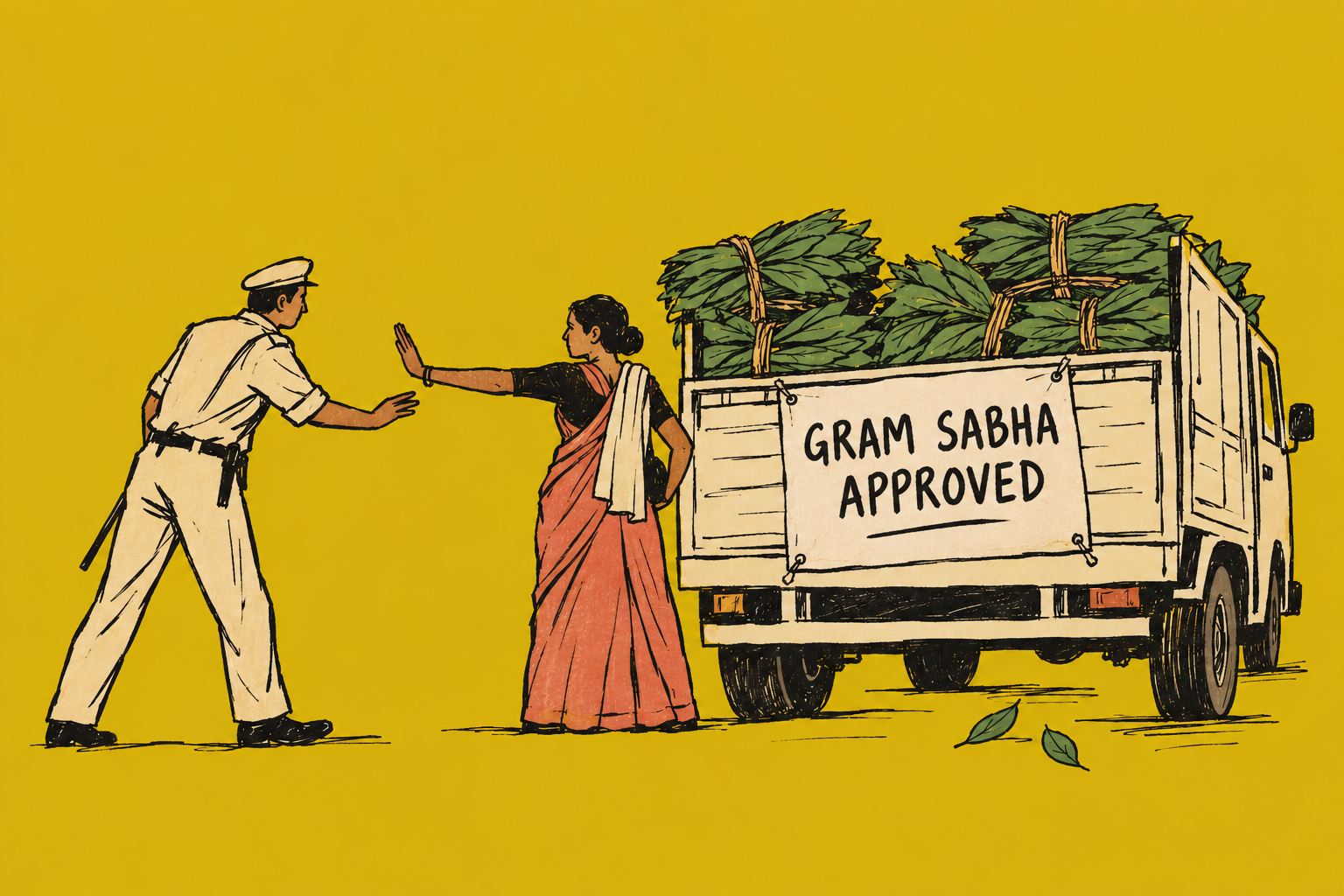
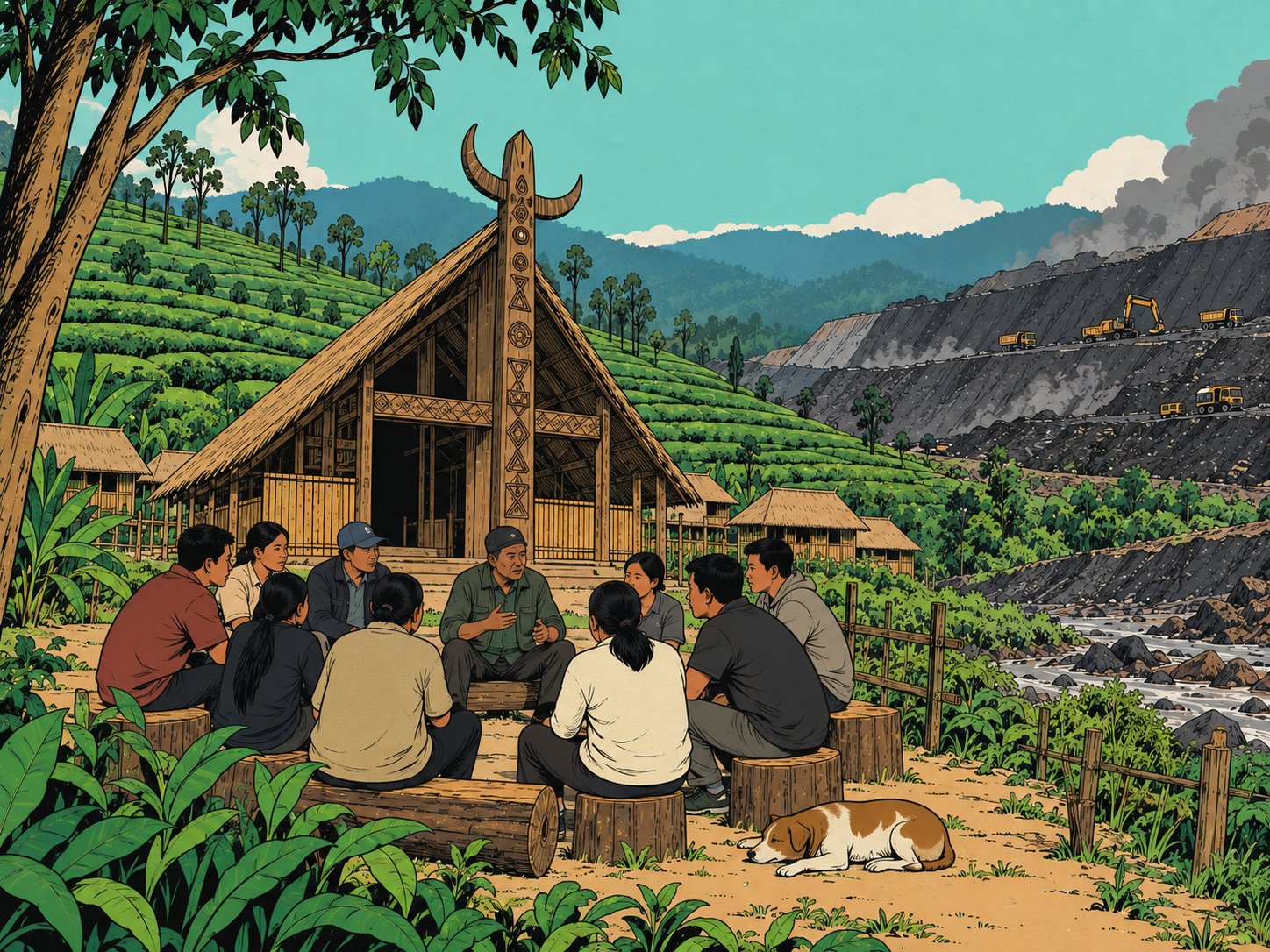
Since 2009, the people of Chutka have opposed a 1,400 megawatt nuclear power plant by the Nuclear Power Corporation of India Limited and Madhya Pradesh Power Generating Company Limited (MPPGCL). The plant planned across 16.5 Ha of land threatens to displace 70,000 across 54 villages. Mandla, the district where Chutka is located, falls under the Fifth Schedule of Constitution that empowers Gram Sabhas in tribal dominated areas. According to the law, land cannot be allotted to the plant without the consent of the gram sabha.
“This land is our identity, our commons, and our life. And we will leave no stone unturned to protect it. Our commons is not a commodity,” Kudape shared. “You cannot put a price on that.”
With every harvested mahua flower, every beat patrolled in the forest, and every decision made in the Gram Sabha, Chutka proves that commons are not just shared spaces, but shared responsibilities. One which every villager takes seriously.
“We don’t want compensation. We want our land, our water, and our forests,” said Dadulal Kudape, emphasising the importance of this land. “Even in the monsoon, our baadis (gardens) give us maize. And every home contributes something back to the village.”