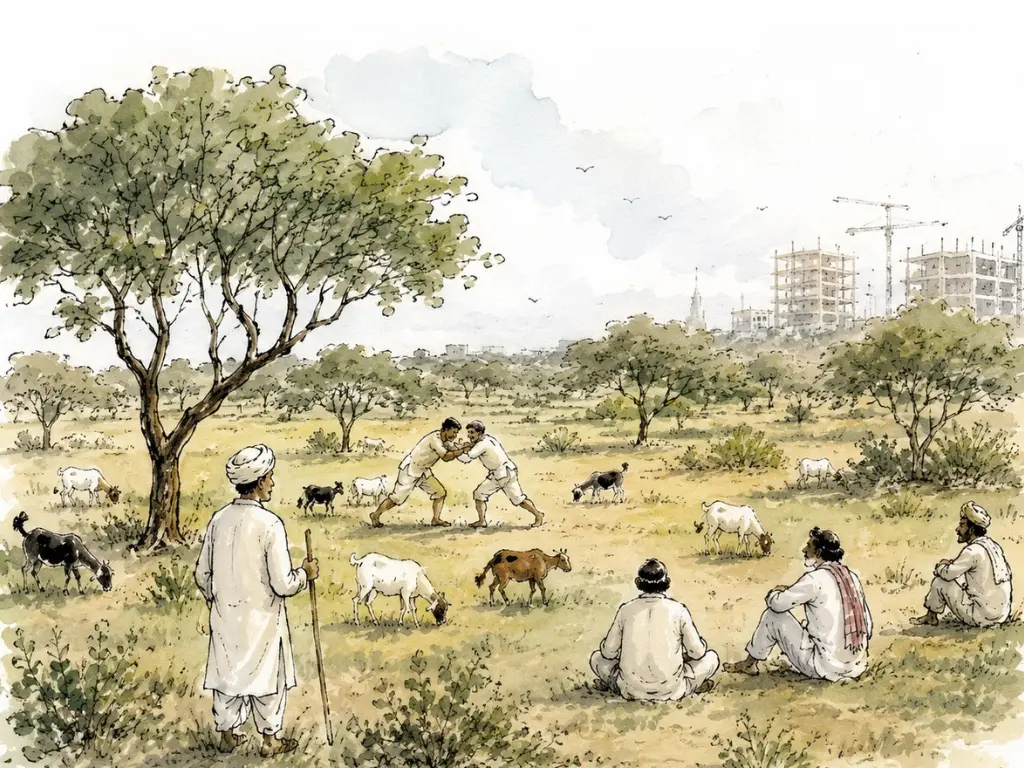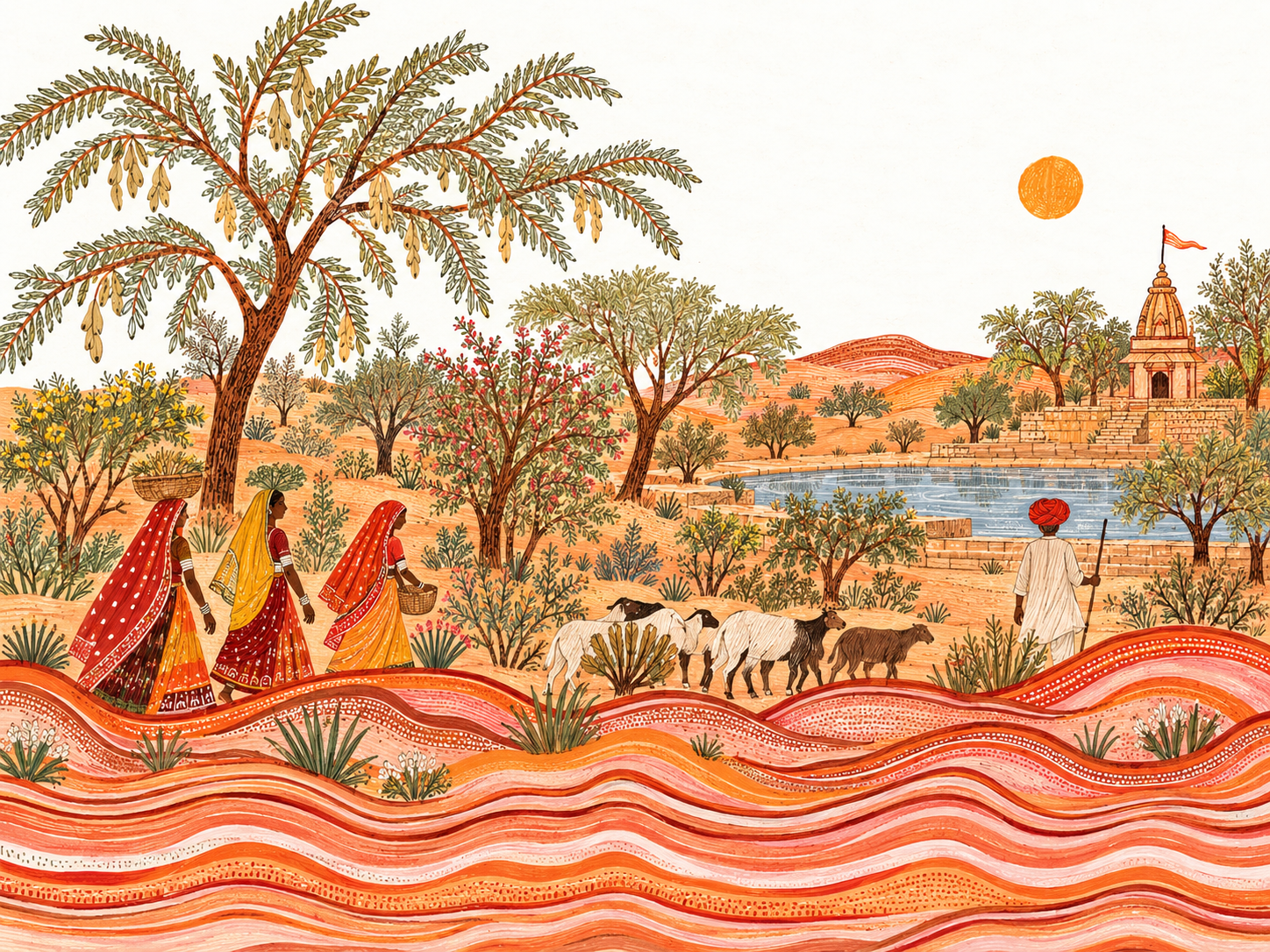
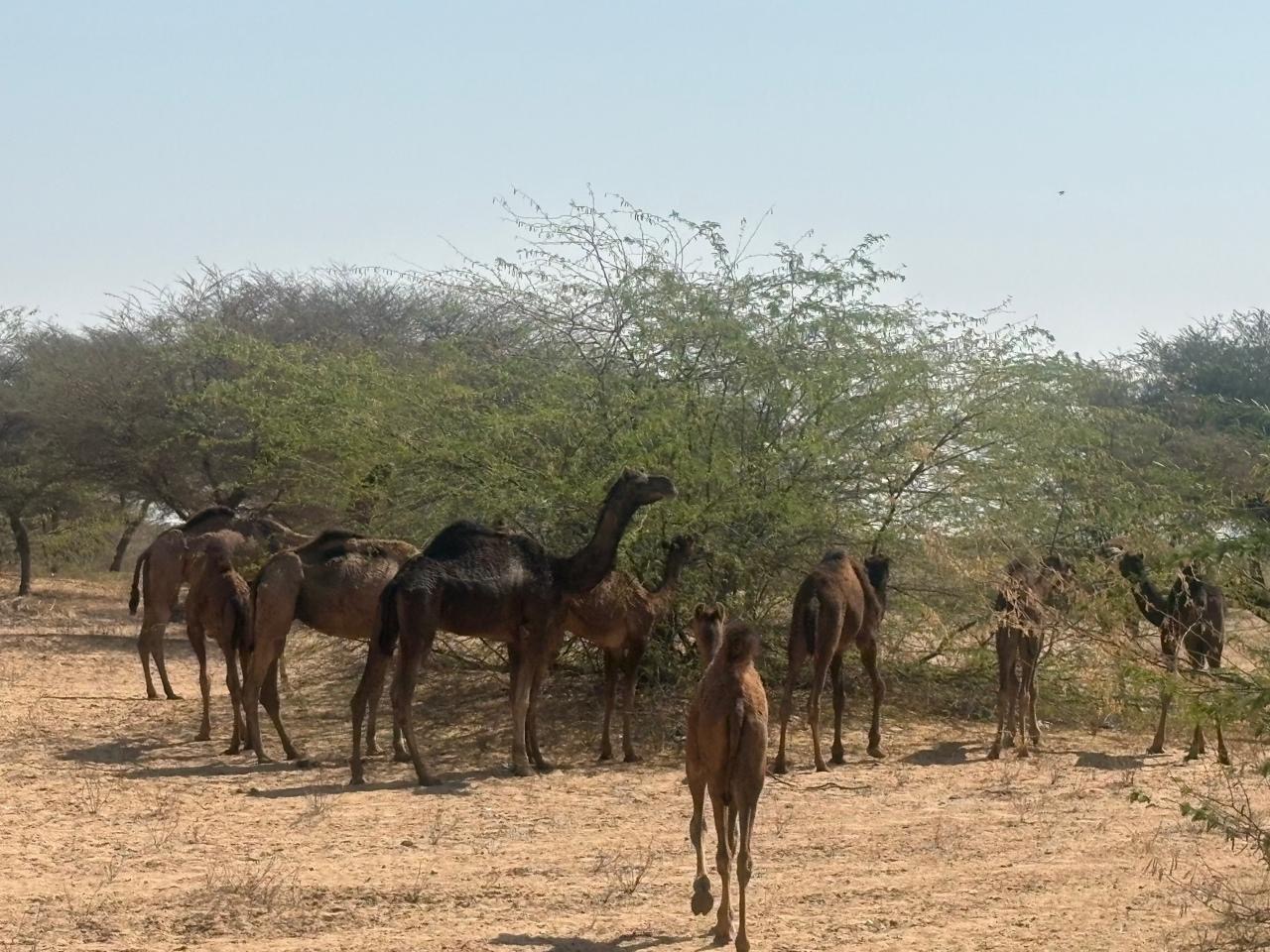
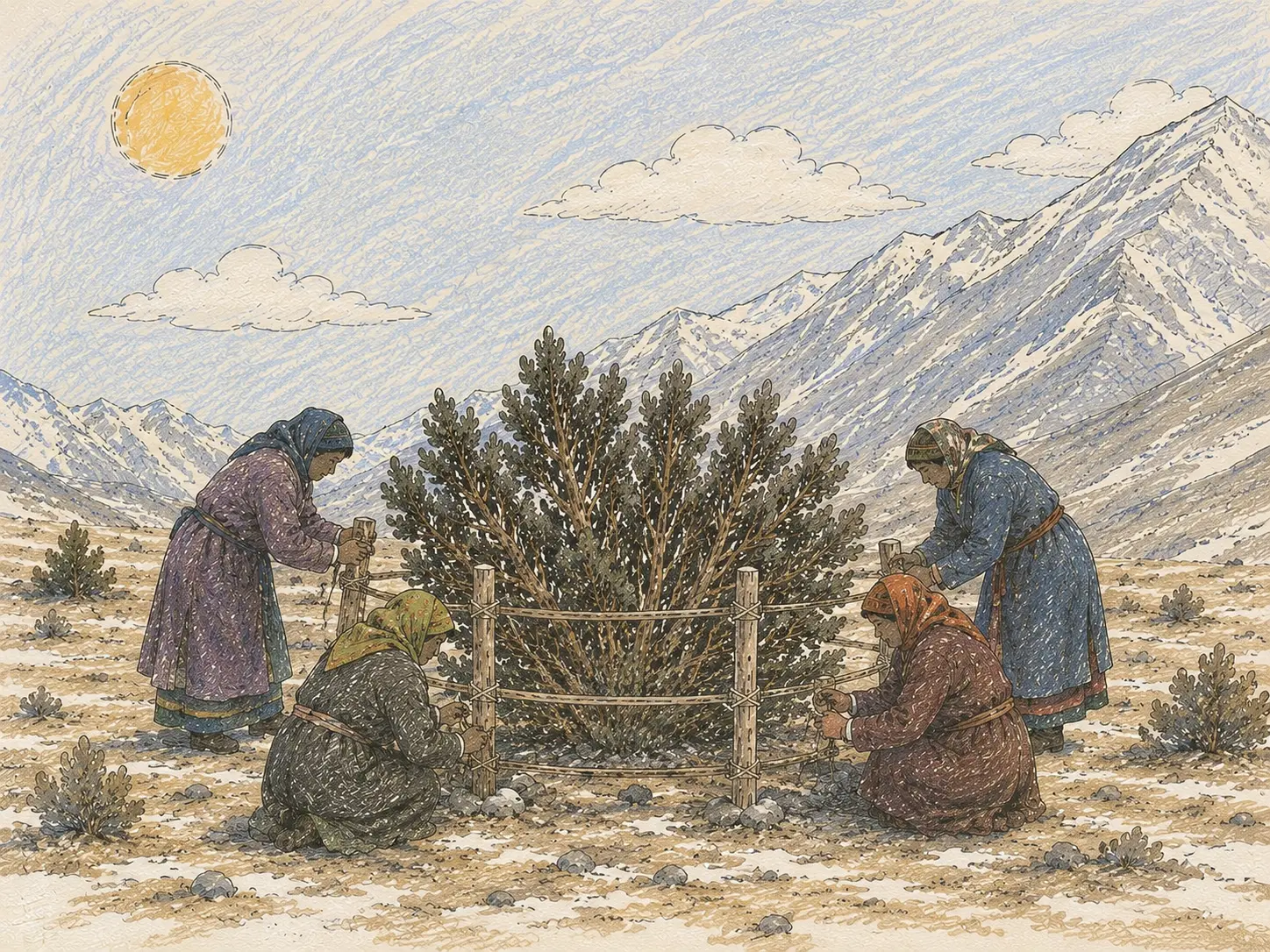
Jaisalmer, Rajasthan: As the first rays of the morning sun spread across the undulating magara landscape of Satta village, the silence of the Thar Desert is gently broken by the sound of livestock making their way towards the Aainath Mata Oran. Women carrying baskets walk along familiar sandy trails, stopping to collect seasonal fruits, medicinal plants and gum from the sacred grove before drawing water from age-old talabs, nadis and tankas that have sustained generations living in this arid landscape.
To an outsider, the grove may appear like an inconspicuous patch of vegetation in the desert. But for the communities that have protected it for centuries, the Aainath Mata Oran is far more than a cluster of trees. It is their grazing ground, their water source, their pharmacy, their biodiversity refuge and their place of worship.
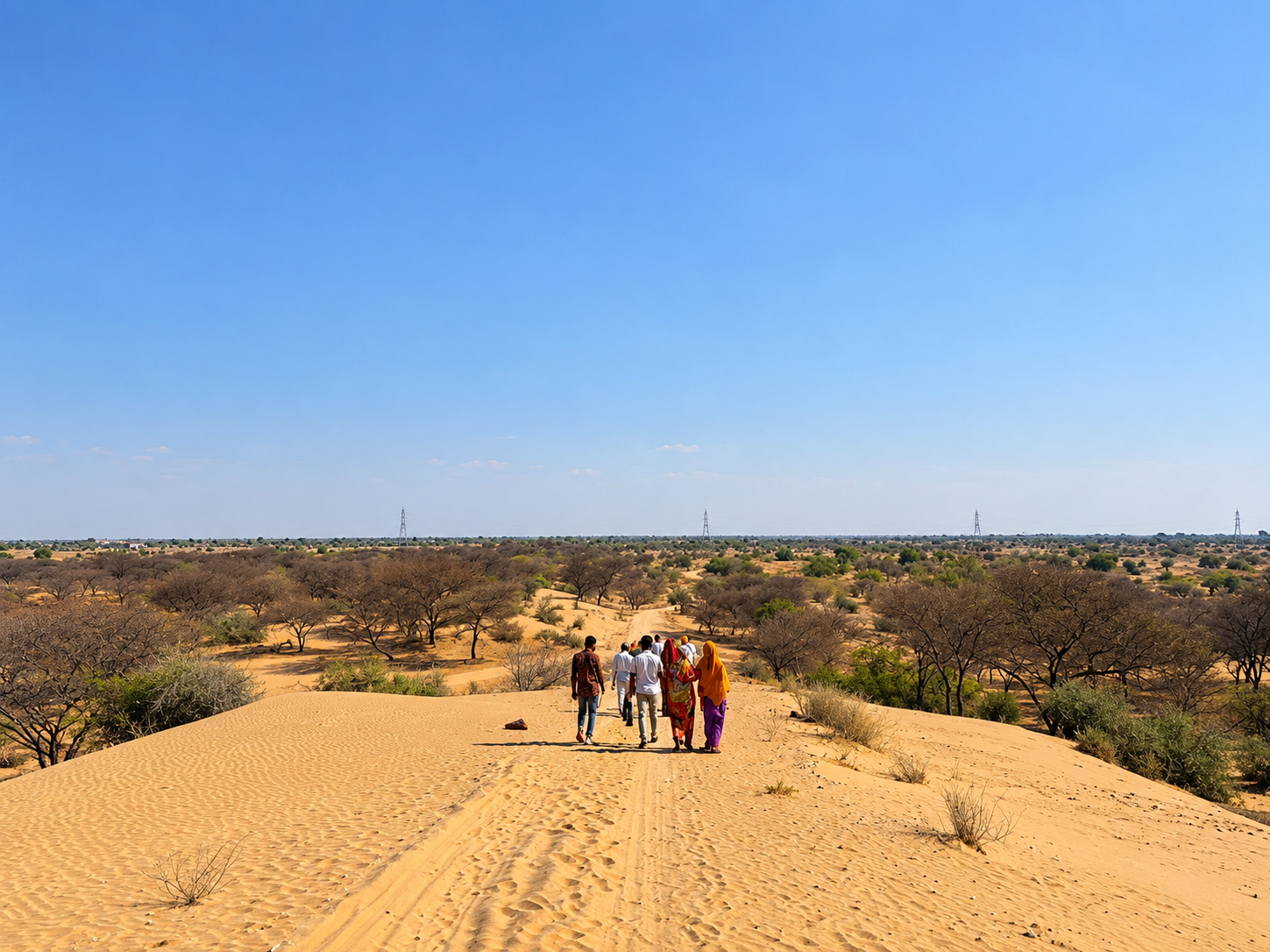
Like many Orans across Rajasthan, its name comes from the local deity believed to be its protector. In other places, Orans derive their names from nearby rivers, sacred spirits or oral traditions that have bound communities to these commons for centuries. Located about 22 kilometres from Jaisalmer, the nearly 300-year-old Aainath Mata Oran stretches across approximately 200 hectares. It supports not only the residents of Satta and neighbouring Sodakor village but also communities from across the tehsil and even Jaisalmer town.Yet despite centuries of community stewardship, the land is still not officially recorded as an Oran in government revenue records. For the people who depend on it every day, however, its importance has never depended on legal recognition.
"Orans play a very big role in the lives of women, as we get many types of minor forest produce from Orans, fetch water from talabs, nadis and tankas, graze our animals, receive traditional ethno-medicines, and so on," says Leela Bharti of Sodakor village.
A Commons that Sustains the Thar
The story of Aainath Mata Oran is not unique.
Across Rajasthan, thousands of Orans have quietly sustained life in landscapes where rainfall is uncertain, groundwater is scarce and livelihoods depend on healthy ecosystems. These sacred groves are among India's oldest examples of community conservation, protected not by fences or forest guards but through generations of customary practices, shared beliefs and collective responsibility.
Like forests, grasslands and wetlands elsewhere in India, Orans function as commons.
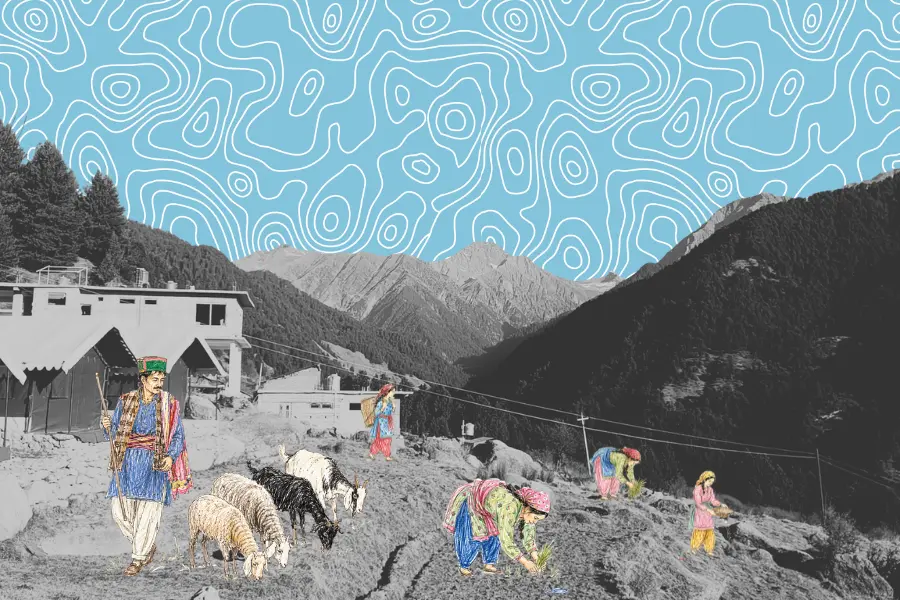
Commons—shared lands such as forests, pastures, water bodies and mangroves—cover 205 million acres or one-fourth of India and form the lifeline for over 350 million people, including marginalised groups like Scheduled Castes, Scheduled Tribes and women.
Communities across India have traditionally protected, restored and managed these commons through customary self-governance practices. These customary rights and practices, however, have not been formally recognised in many parts of the country. The protection of commons has continued despite competing demands over resources, lack of formal aid or policy recognition, environmental degradation and climate vulnerabilities.
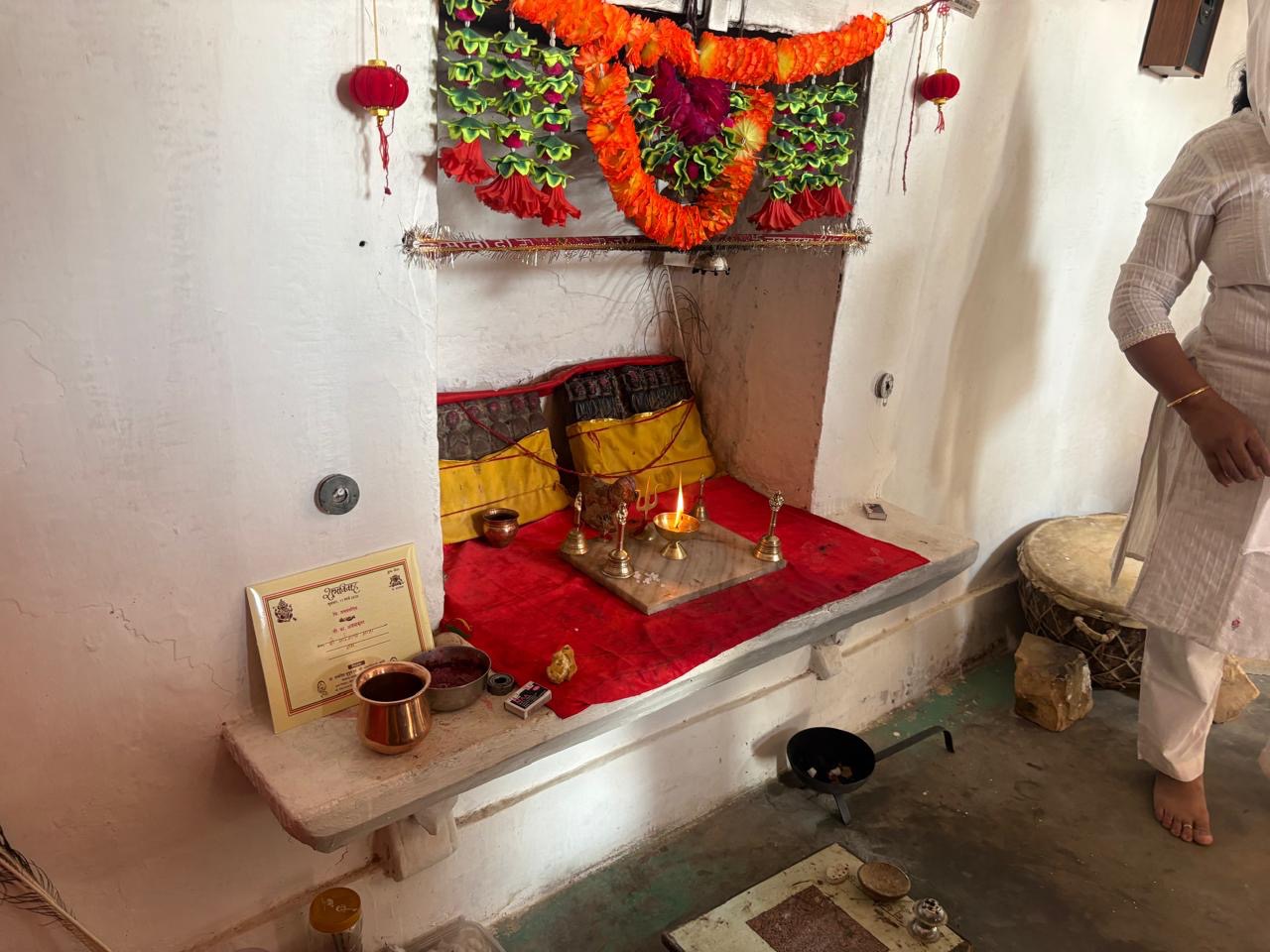
The value of Orans, as well, extend well beyond spirituality. They provide grazing reserves for livestock, harbour native biodiversity, recharge groundwater, regulate local climates and supply communities with fuelwood, fodder, fruits, medicinal plants and other non-timber forest products. In the harsh conditions of western Rajasthan, they also act as ecological insurance during years of drought.
Despite these services, many Orans remain legally invisible. Large numbers are still recorded as revenue land rather than ecologically significant commons, making them vulnerable to encroachment, diversion and competing development pressures. For communities that have cared for these landscapes for centuries, this disconnect between customary stewardship and formal recognition remains one of the greatest threats to their future.
An ecological lifeline in the Thar
The landscape surrounding Aainath Mata Oran lies within the fragile arid and semi-arid ecosystems of western Rajasthan, characterised by sandy soils, rolling dunes, sparse drainage systems and highly variable rainfall. Life here depends on capturing every drop of rain.
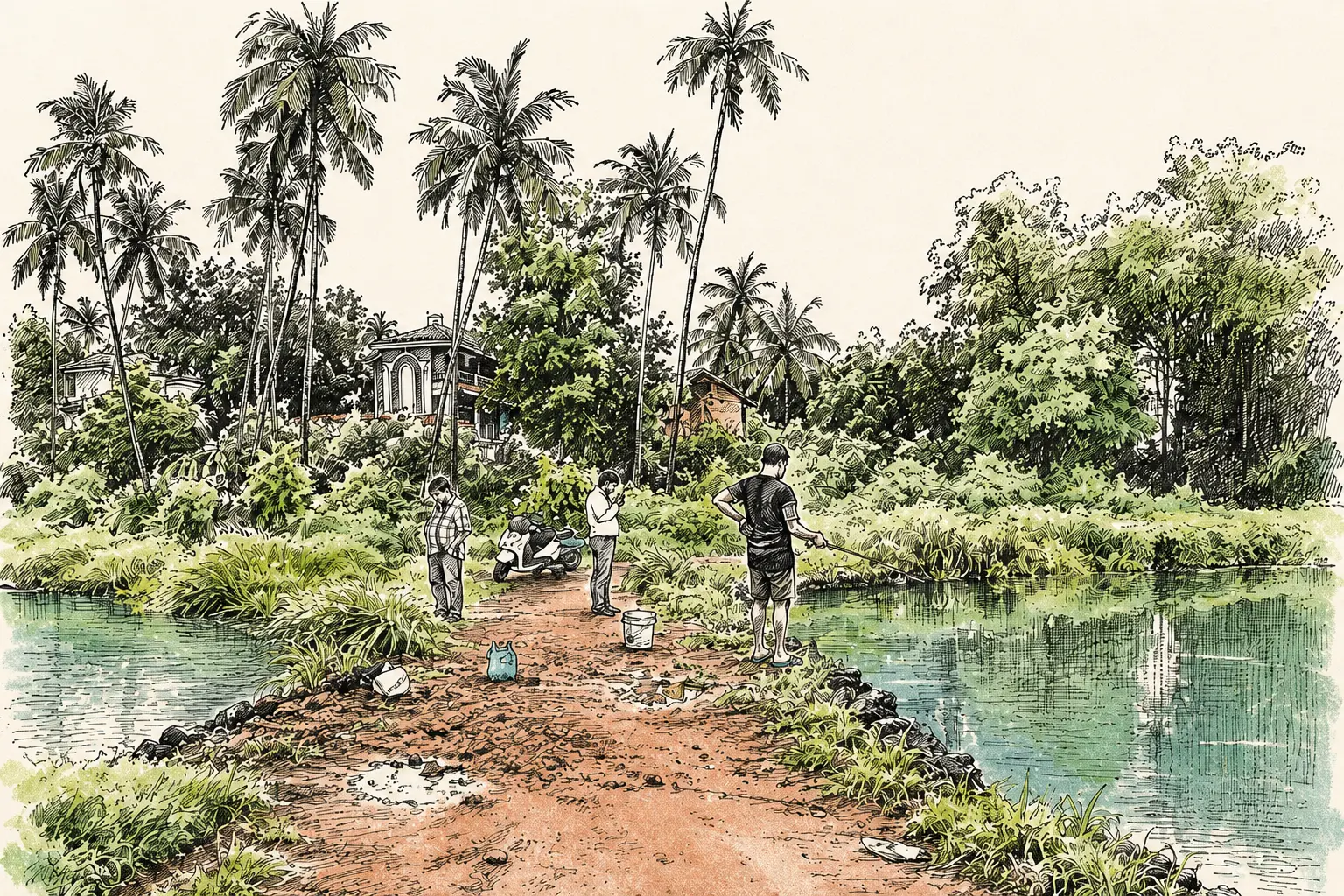
Traditional water-harvesting structures—including village ponds, johads, check dams and natural depressions—store seasonal monsoon water, recharge groundwater and provide moisture that sustains vegetation through long dry months. Seasonal streams briefly come alive during the monsoon, supporting plant growth and allowing wildlife to move across the landscape.
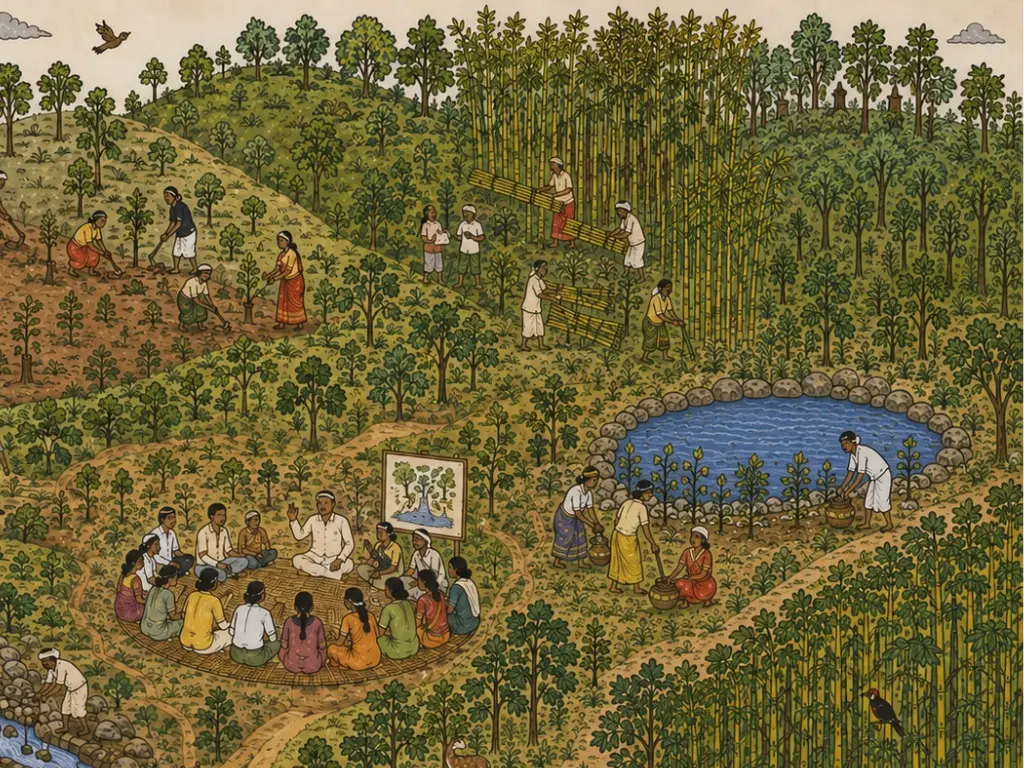
Restoration efforts across the Aainath Mata Oran landscape are built on strengthening native ecological communities while reviving traditional knowledge systems that have sustained the Thar Desert for centuries. Rather than introducing new species, communities are restoring the ecological balance that once defined these sacred groves.
The landscape is anchored by keystone species such as Khejri, often called the lifeline of the desert. The tree enriches soil through nitrogen fixation, provides nutritious fodder during droughts, offers shade to livestock and people, and creates microhabitats for numerous plant and animal species. Native trees such as Rohida, the state tree of Rajasthan, contribute to the structural resilience of arid ecosystems while supporting native biodiversity.
Equally important are shrubs and non-timber forest produce (NTFP) species such as Ber, Sangri, and the edible pods of Khejri. These species have long supported local diets, supplemented household incomes and strengthened the pastoral economy. Multi-purpose species including Amla, Anar and Nimbu are also being promoted to diversify livelihoods and improve climate resilience.
Grasslands, often overlooked in conservation planning, remain central to the restoration programme. Native grasses—particularly Sewan grass—help bind loose desert soils, improve water infiltration and provide high-quality fodder that sustains livestock throughout much of the year.
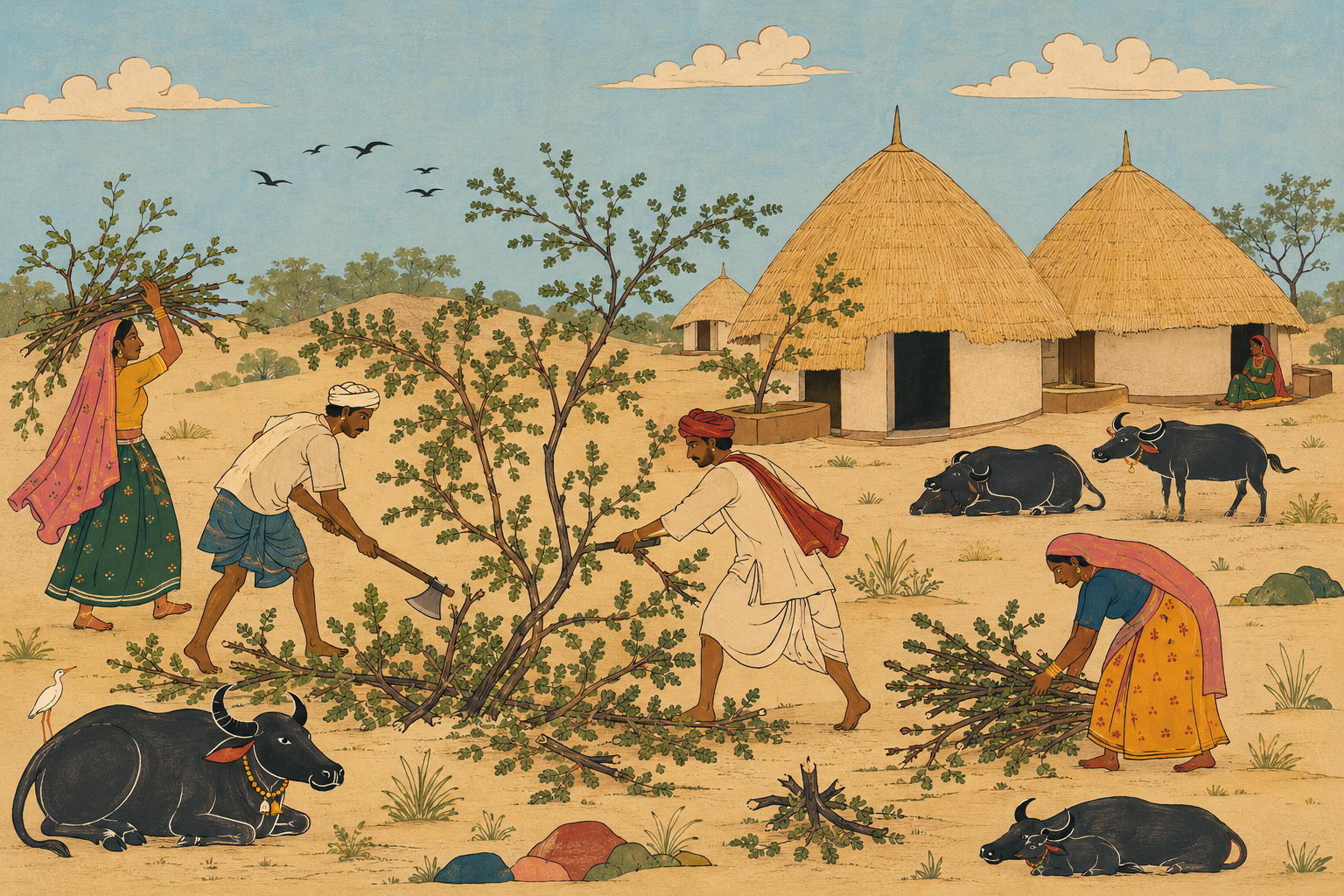
The programme also addresses one of the biggest ecological threats facing Rajasthan's drylands: invasive species. Prosopis juliflora, introduced decades ago, has spread aggressively across arid landscapes, suppressing native vegetation, reducing biodiversity and altering ecosystem processes. Another emerging concern is Sonamukhi, which, although introduced for medicinal cultivation, has increasingly spread into natural habitats where it competes with indigenous flora.
To strengthen long-term restoration, nearly 34 native species are being propagated through a network of community-led nurseries and regeneration initiatives. A central mother nursery in Alwar produces nearly 50,000 saplings, while village-level nurseries and seed banks ensure that restoration remains locally adapted and genetically diverse. More importantly, they place communities at the centre of restoring their own landscapes.
The recovering ecosystem is already supporting a remarkable diversity of wildlife. Large herbivores such as Blackbuck, Nilgai, Chital and Sambar graze across the restored grasslands, while predators like the Desert Cat indicate improving habitat quality. The landscape also provides refuge for numerous bird species, including the critically endangered Great Indian Bustard (Godavan), cranes, peafowl, vultures and drongos. Reptiles such as the Monitor Lizard, Sand Snake and Russell's Viper further reflect the ecological health of the restoration landscape.
Together, these interconnected water systems, native vegetation and wildlife demonstrate how restoring Rajasthan's sacred groves strengthens biodiversity, enhances ecosystem services and improves climate resilience while continuing to support rural livelihoods.
Livelihoods Rooted in the Commons
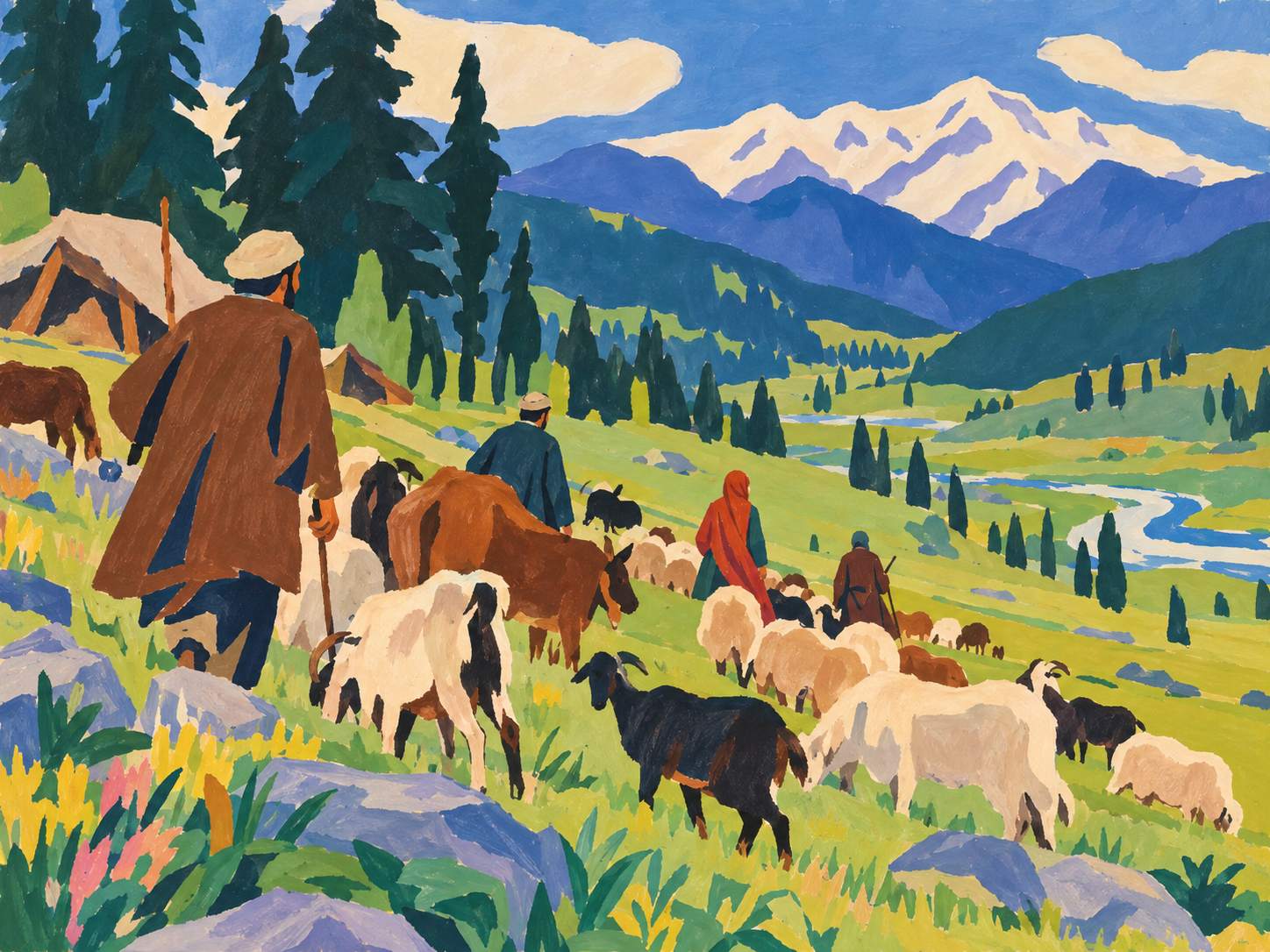
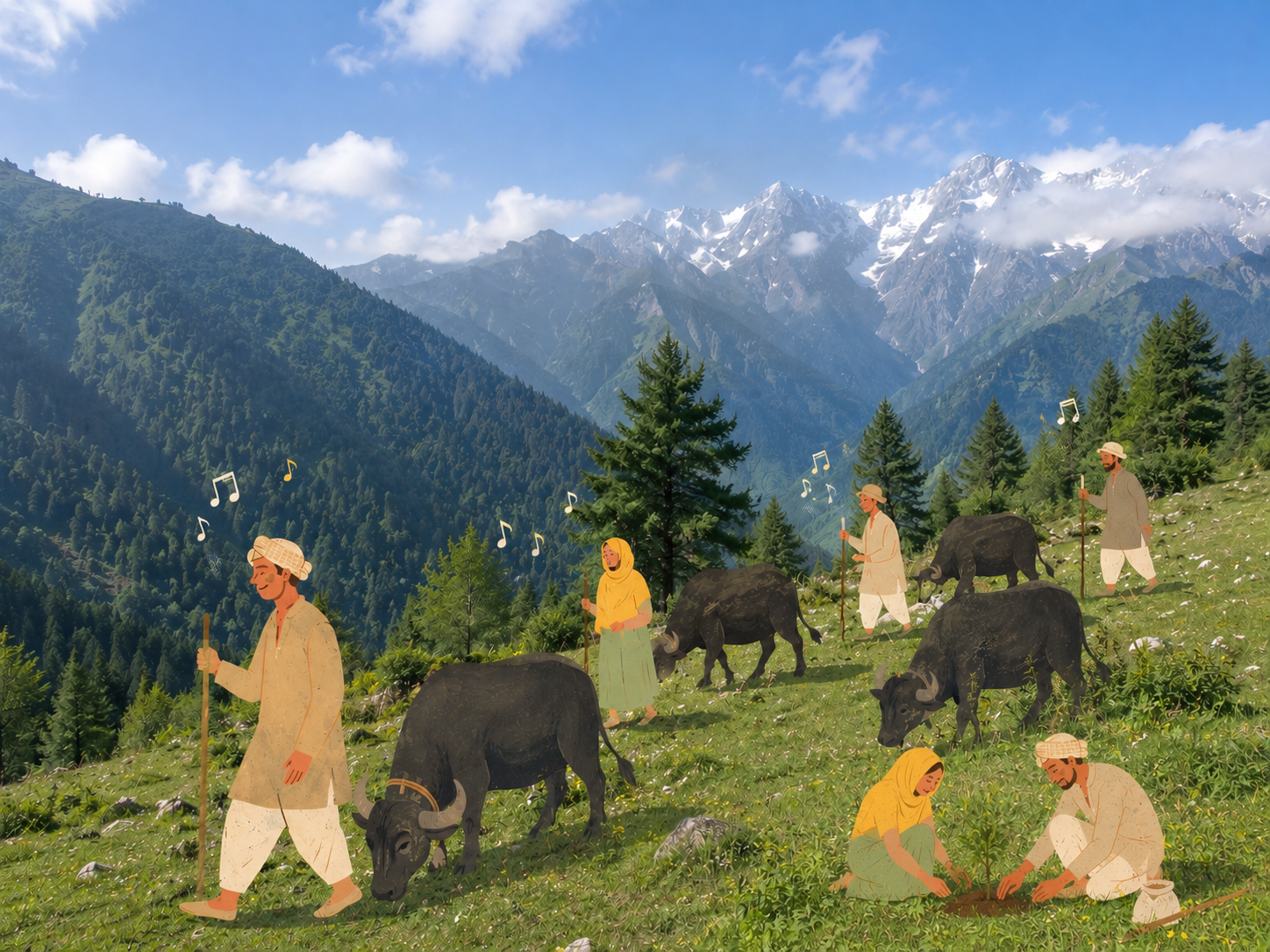
For the families living around Aainath Mata Oran, conservation is not separate from everyday life. Their dependence on the Oran makes its protection a necessity rather than an environmental ideal. The grove supports the livestock economy of nearly 50 households, providing dependable grazing resources in a landscape where rainfall is erratic and fodder shortages are frequent. During prolonged dry spells, the Oran becomes one of the few places where animals can still find forage and water.
"Our Orans contribute a big percentage to the household economy by sustaining grazing resources," says Deravarsingh of Sodakor village. "Even though Gochar lands are available for grazing, the quality of vegetation, species diversity of grasses and availability of water in the Orans are critical factors sustaining the livestock economy of households."
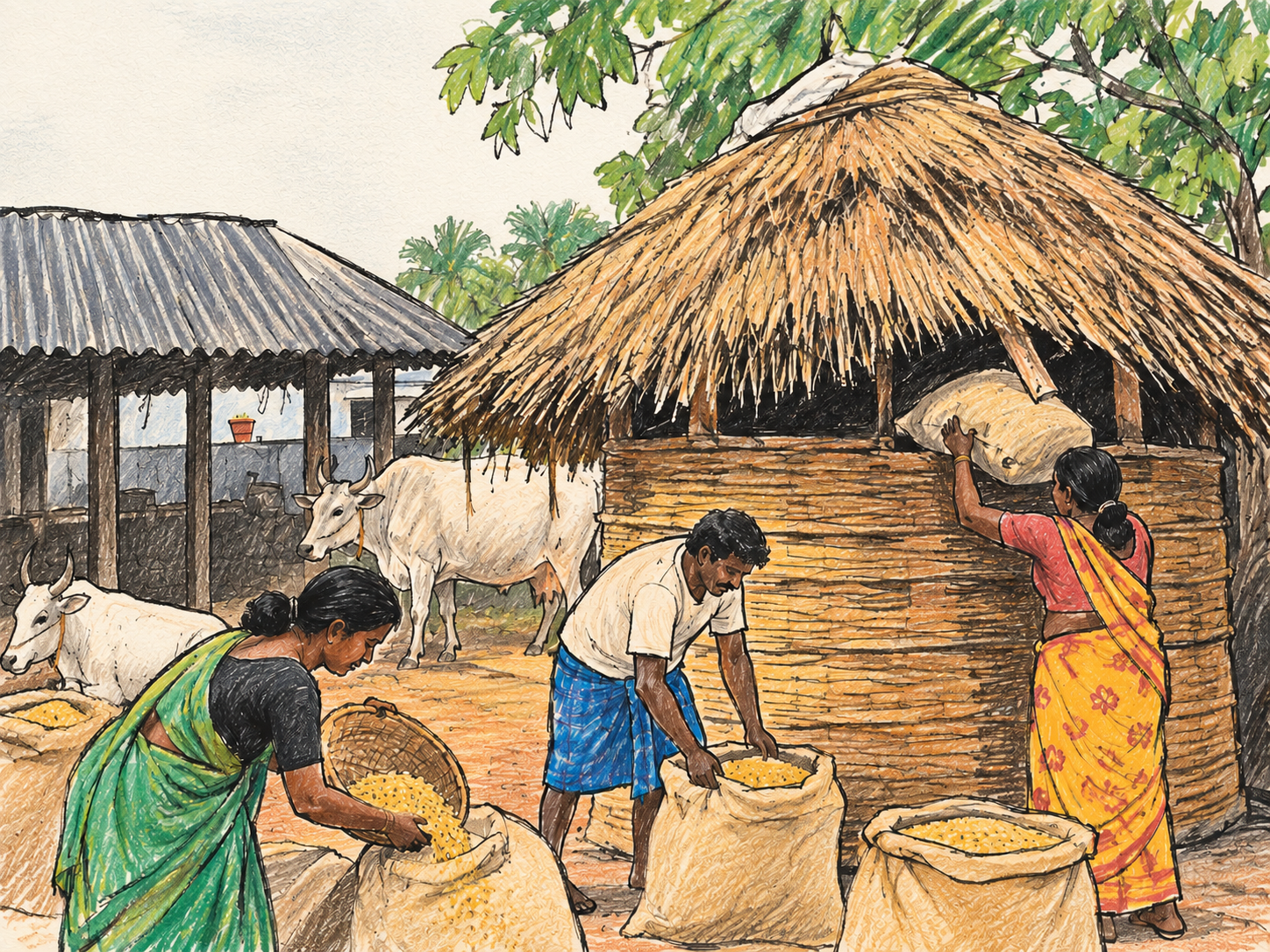
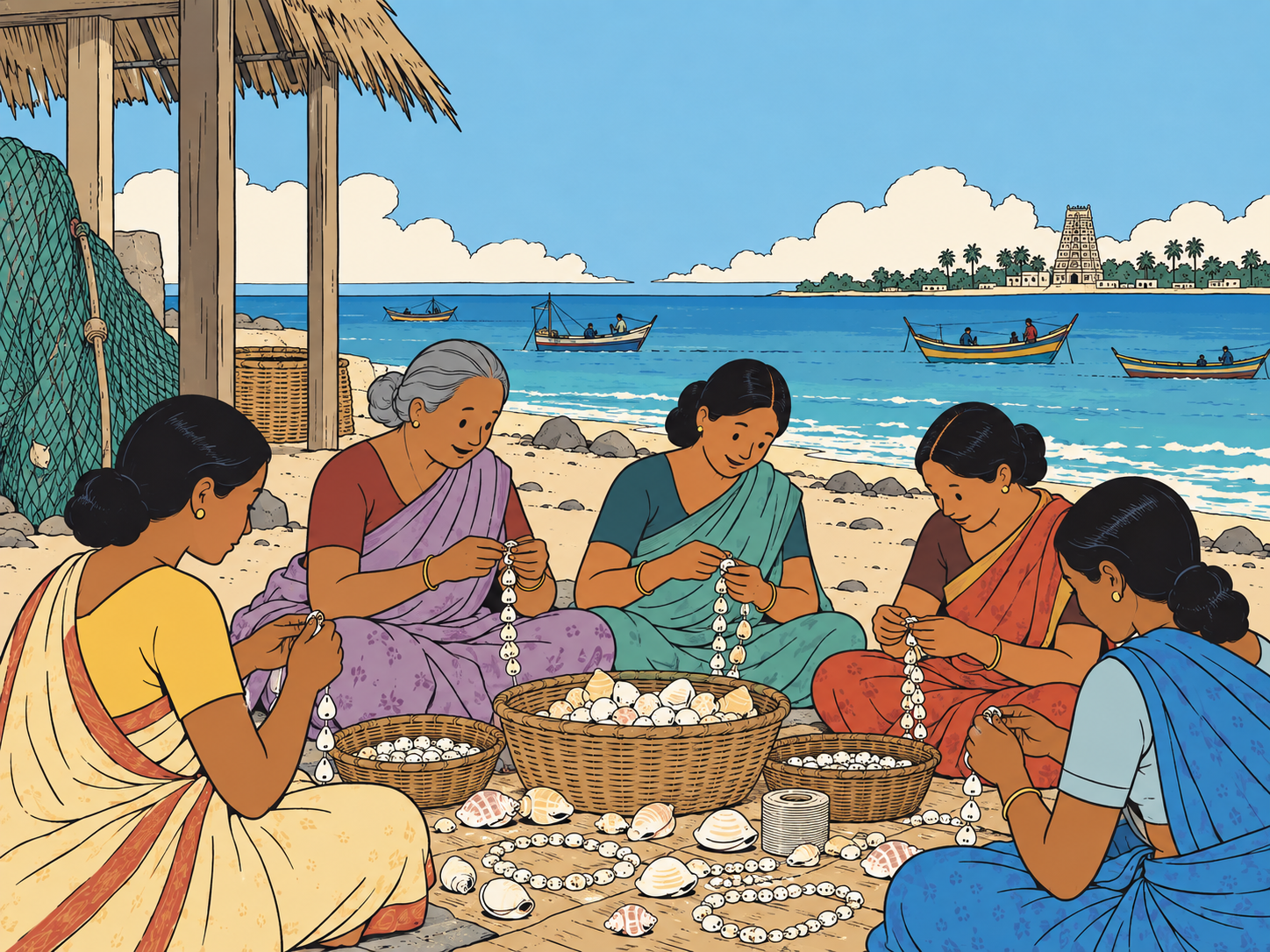
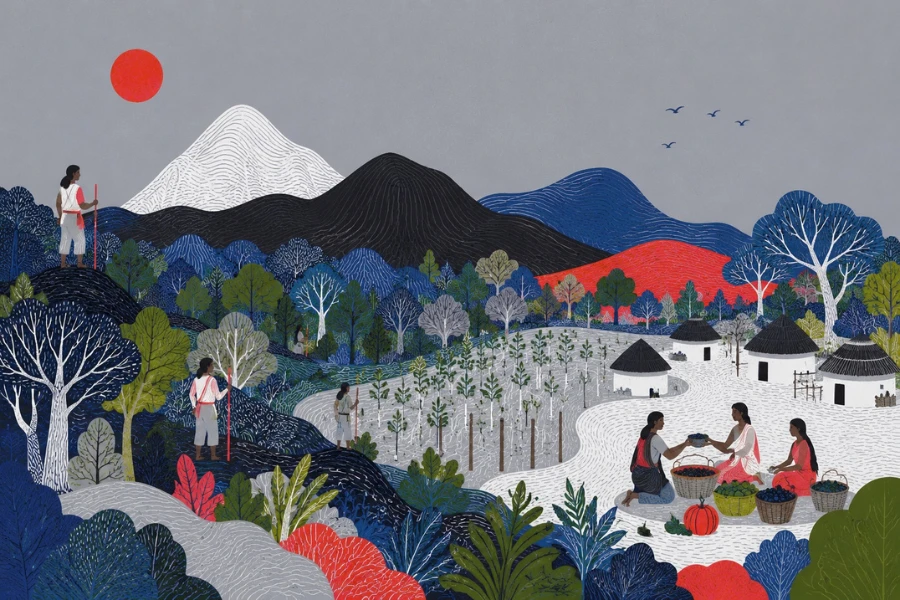
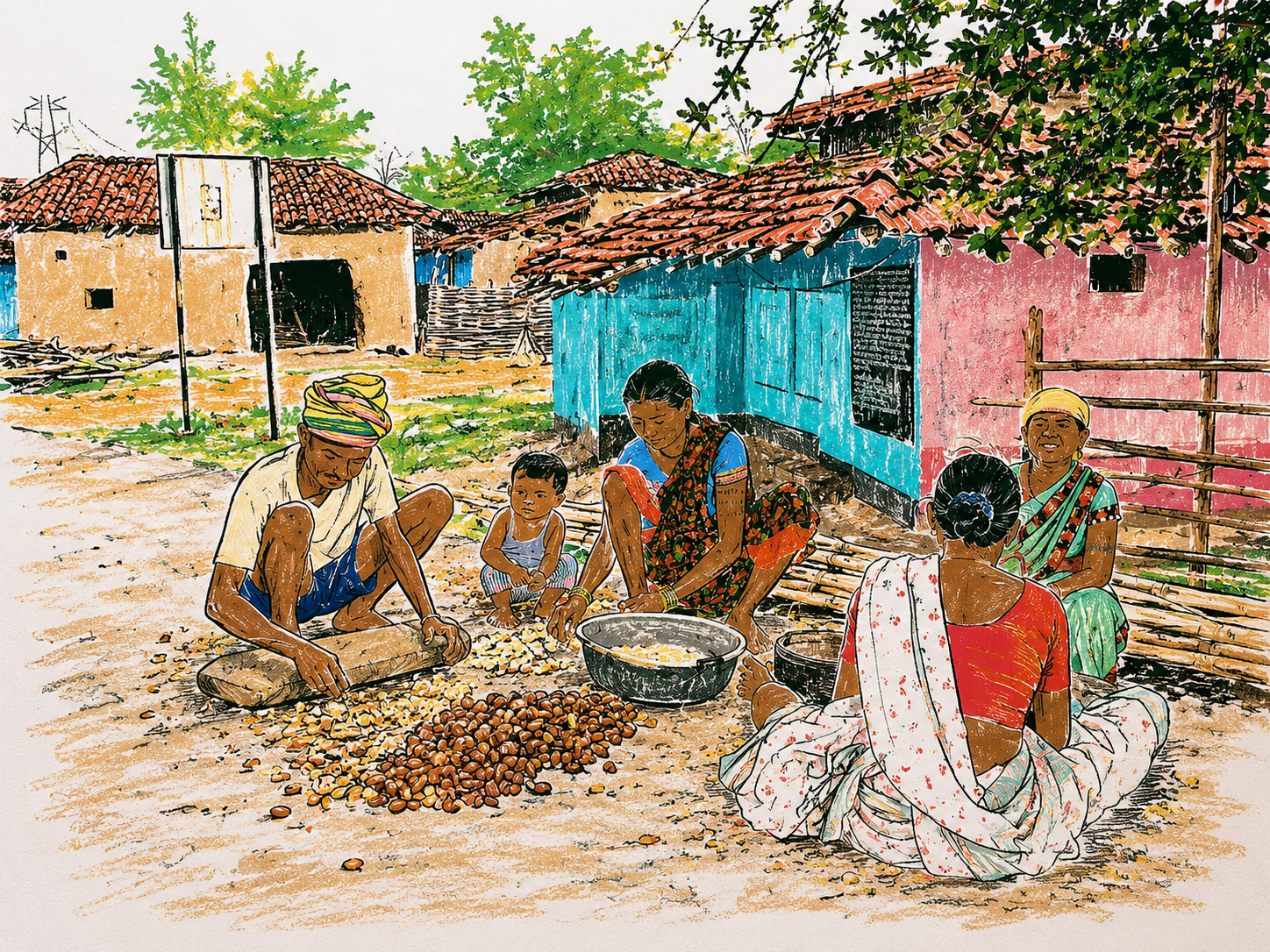
Beyond grazing, the Oran continues to provide a wide range of non-timber forest produce. Community members collect gum, Sangri, Ker, Pilu and Ber, resources that contribute both to household nutrition and supplementary income.
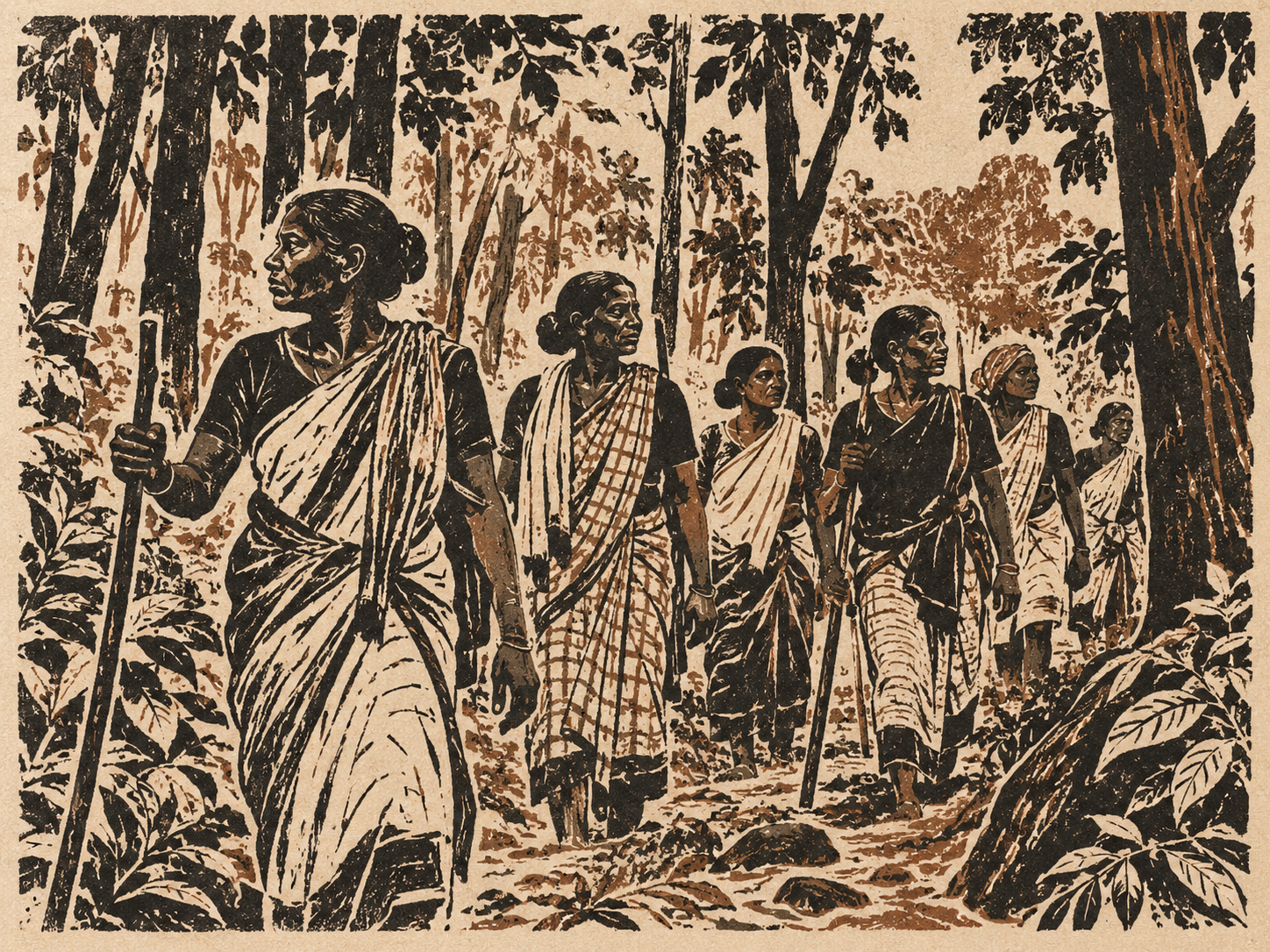
Women remain at the centre of this relationship with the commons. Besides collecting forest produce, they access water, preserve traditional knowledge of medicinal plants and continue practices that have linked livelihoods with conservation for generations. Their dependence on the Oran also makes them its strongest custodians.
For local communities, the sacred grove represents much more than protected vegetation. It is an economic safety net, a cultural institution and a living landscape that continues to sustain people despite increasingly uncertain climatic conditions.
Recognition for Rajasthan's Sacred Commons
Despite their ecological importance, many Orans continue to exist without formal legal recognition.That changed significantly on 18 December 2024, when the Supreme Court of India delivered a landmark judgment in the Aman Singh case, directing the identification, mapping and notification of Rajasthan's sacred groves—including Orans, Dev-vans, and Rundhs—as ecologically significant forest landscapes deserving stronger protection.
The application was filed after Rajasthan failed to fully implement an earlier Supreme Court order of 3 July 2018, which required sacred groves to be identified and protected as forests irrespective of their size or tree cover. The litigation highlighted several administrative challenges, including changes in the Rajasthan Forest Policy, incomplete district inventories, delays in implementation and the continued vulnerability of many sacred groves to diversion and encroachment.
Recognising their ecological, cultural and livelihood value, the Court reaffirmed that Orans contribute to biodiversity conservation, groundwater recharge, climate resilience and community well-being, and therefore require meaningful legal safeguards.
Communities get a voice to fight for their commons
For communities across Rajasthan, the judgement represented more than a legal directive. It recognised what they had known for generations—that these sacred landscapes are indispensable to both people and nature.
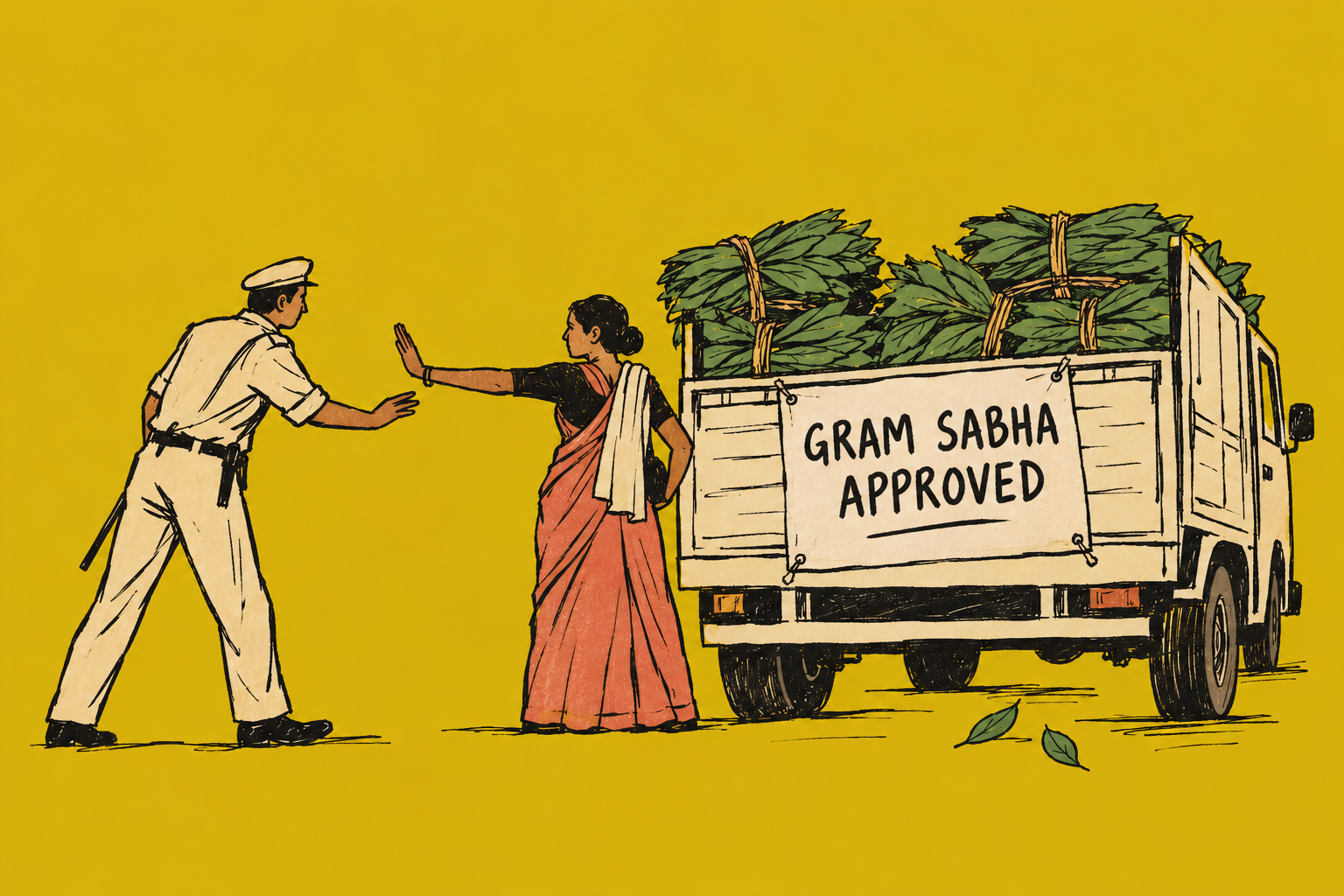
The Supreme Court judgement has also strengthened community confidence in protecting Rajasthan's sacred groves. Across the state, villagers have begun invoking the ruling to challenge encroachments, demand official recognition of Orans and push for stronger implementation of conservation measures.
"Strong legal intervention was necessary to safeguard the resources of Orans," says Narain Bharti from Dhadhu village in Phalodi district. "The Supreme Court's judgment of December 18, 2024, filled this critical gap. Out of more than 130 encroachers, over 80 individuals have vacated the lands and handed over the details to the government using the Supreme Court's judgment." Yet community leaders emphasise that legal recognition alone will not secure the future of these landscapes.
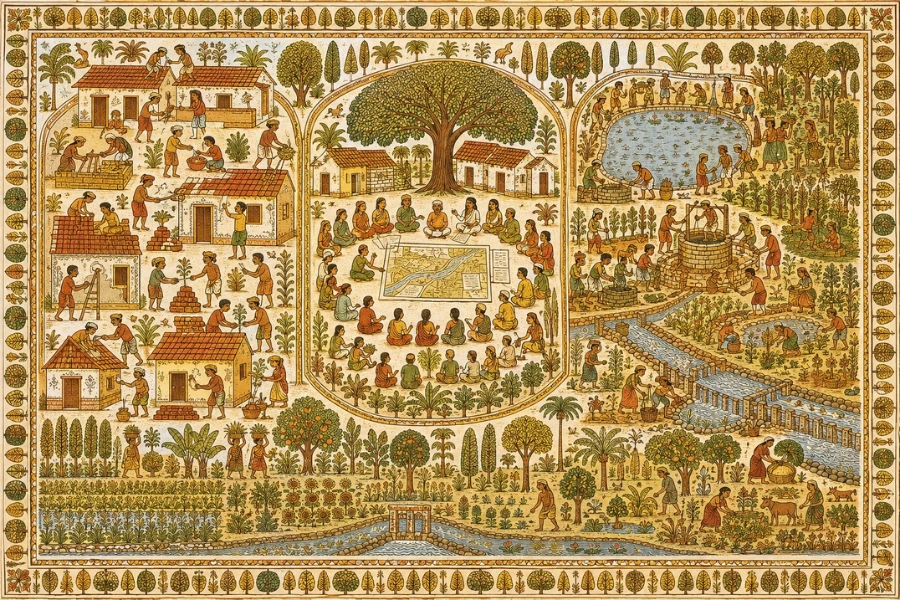
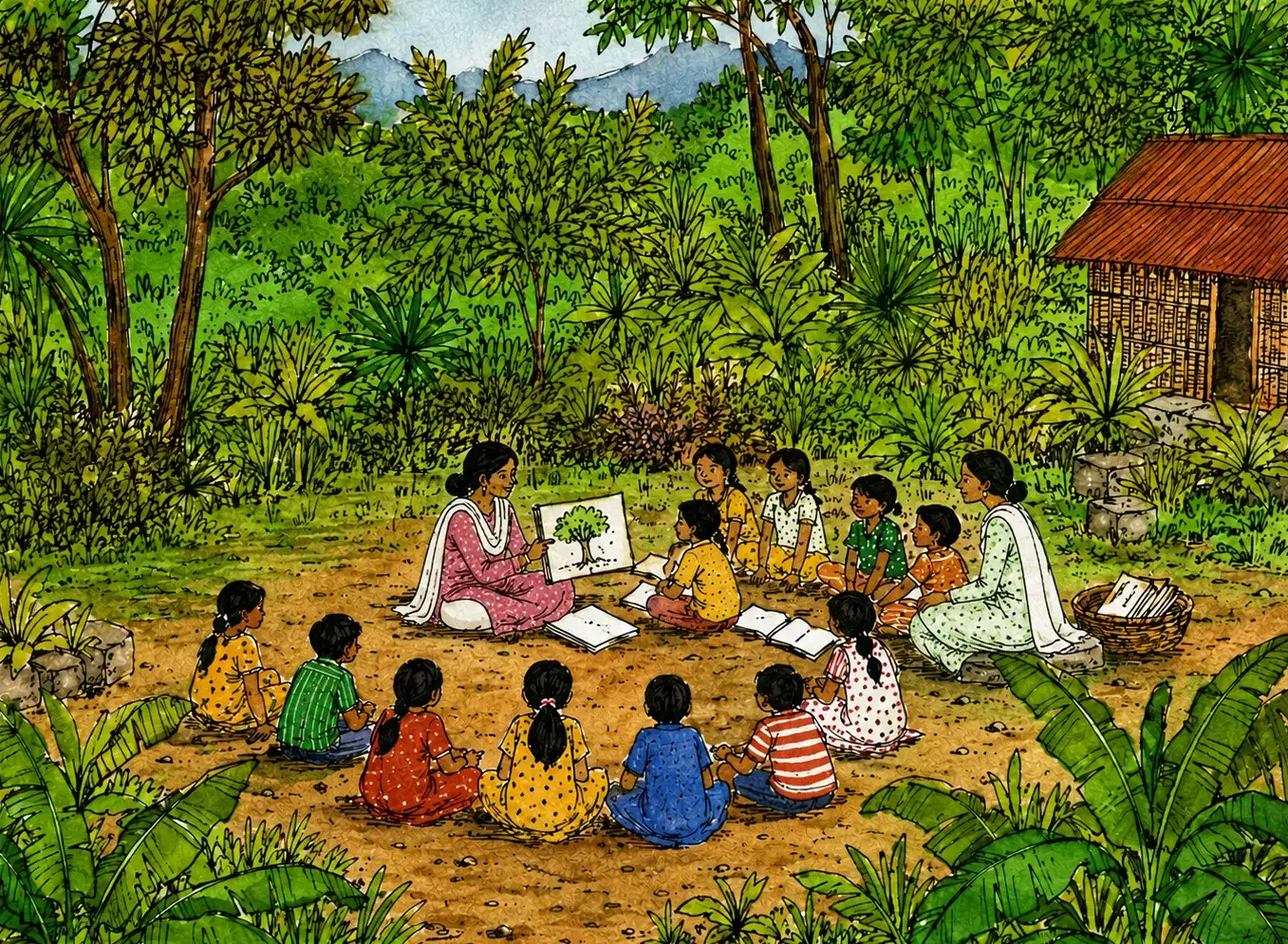
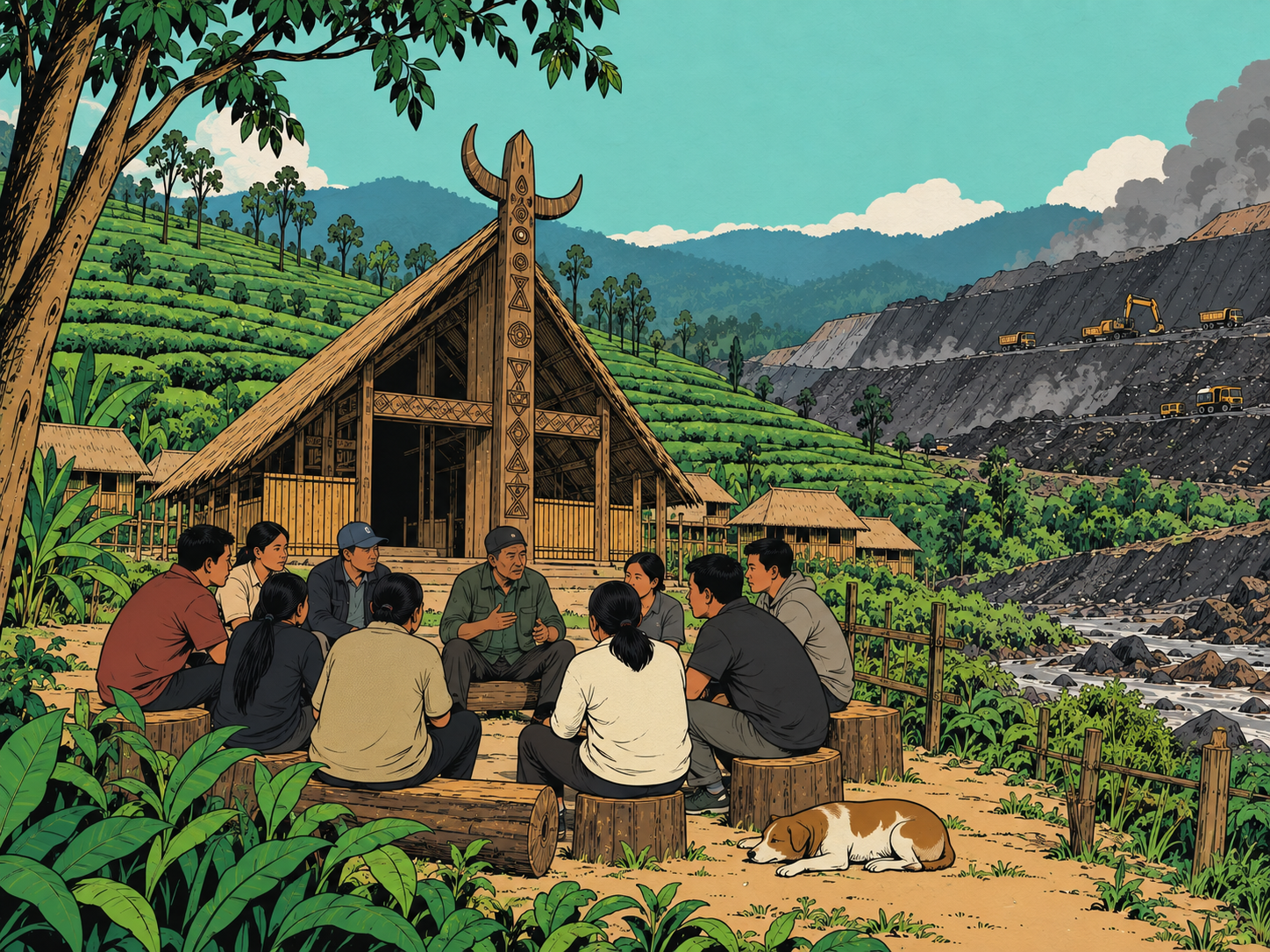
"There is a need to work with the Panchayati Raj Institutions to make them aware of the revived importance of Orans and the Supreme Court judgment," says Balveer of Hameera village in Jaisalmer district. For the people associated with Aainath Mata Oran, the path ahead is clear. While the grove continues to sustain livelihoods, conserve biodiversity and uphold centuries-old cultural traditions, formal recognition remains an essential next step. Mapping, legal protection and stronger community participation in governance will determine whether these landscapes continue to survive for future generations.
Nearly three centuries after it first became a sacred landscape, Aainath Mata Oran continues to nurture life in the Thar Desert. Its grasses feed livestock, its fruits supplement household incomes, its water sustains communities and its biodiversity strengthens one of India's most fragile ecosystems.
At a time when conservation often depends on expensive interventions, Aainath Mata Oran offers a different lesson—one where communities, culture and ecology have worked together for centuries to protect a shared landscape. As Rajasthan moves towards recognising the importance of its sacred groves, the Oran stands as a reminder that some of the country's most enduring conservation models are those created, restored and safeguarded by the people who depend on them.



.webp)
.webp)
.avif)
.webp)

.webp)