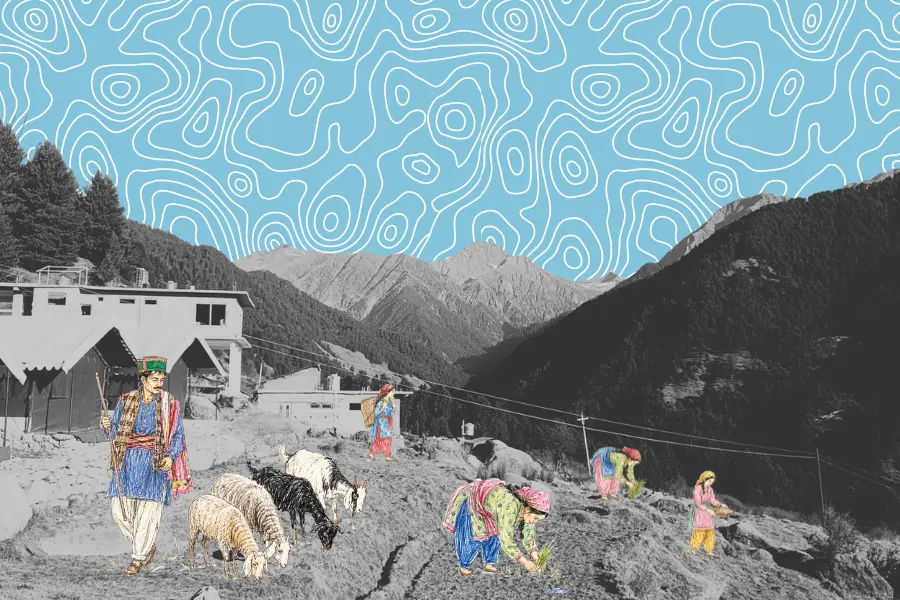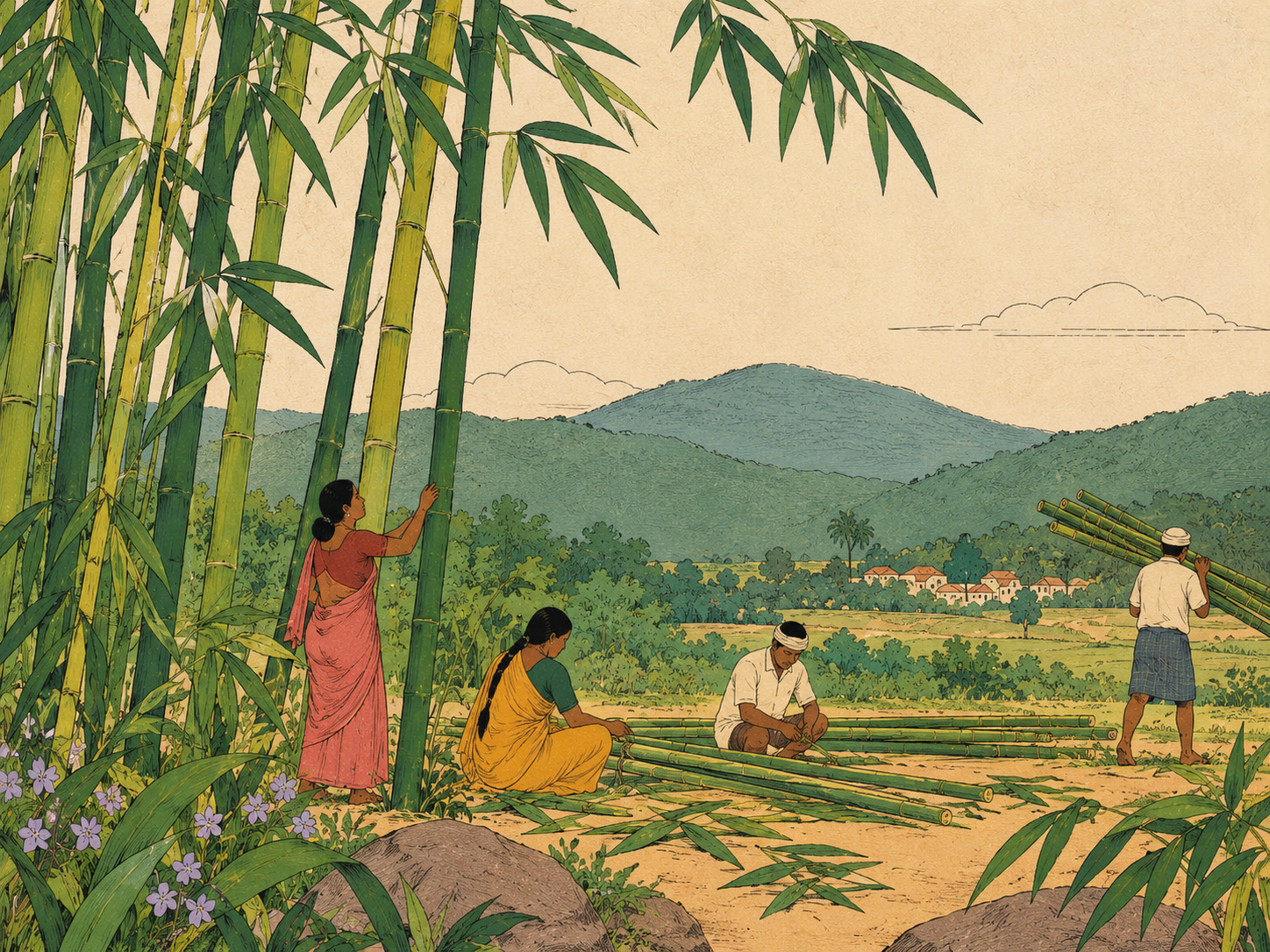
Amravati, Maharashtra: For most of his life, 45-year-old Thannu Dhar Sindhe worked under contractors of the forest department harvesting bamboo. His village, Rahu, which sits on the Satpura hills in the Northern Maharashtra district of Amravati, is flanked by an expansive bamboo forest.
For generations, Rahu’s Adivasi residents laboured in the forests. But the profits went elsewhere. “We could either migrate elsewhere or work as labourers for contractors or the forest department in the forests. Whatever we choose, we barely scraped a living,” said Sindhe.
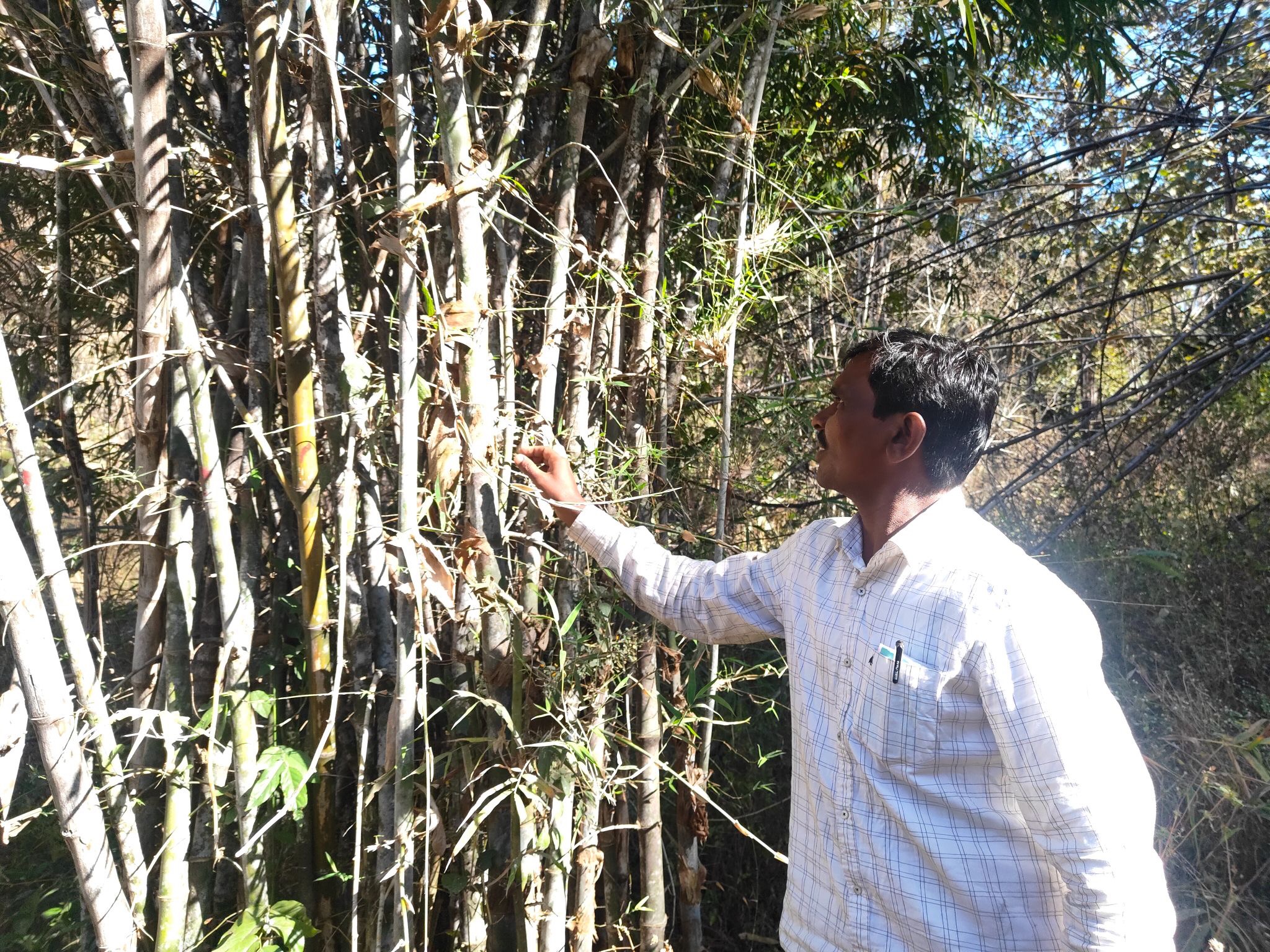
The result was a village steeped in poverty and with high levels of migration.
In 2016, the village took a stand. Residents were from the Scheduled Tribe community and used the Forest Rights Act, which recognises pre-existing rights of forest-dwelling communities over their traditional lands, to secure community rights over their forests.
Breaking the shackles of contractors
The village raised finances, undertook training and took over bamboo harvesting through their own Gram Sabha-run system. They even conduct their own auctions, ensuring that middlemen and contractors are kept out.
Rahu has now ended seasonal migration by employing villagers with the profits from bamboo and forest produce. In turn, the forests have been revitalised as it has become a critical part of the local economy.
Commons—shared lands such as forests, pastures, water bodies and mangroves— cover 205 million acres or one fourth of India and form the lifeline for over 350 million people, including marginalised groups like Scheduled Castes, Scheduled Tribes and women.
Communities across India have traditionally protected, restored and managed these commons through customary self-governance practices. These customary rights and practices, however, haven’t been formally recognised in many parts of the country. The protection of commons has continued despite contesting demands over resources, lack of formal aid or policy recognition, environmental degradation and climate vulnerabilities.
Recognition of rights can do wonders, like it has done for Rahu, which has broken the shackles of the contractor-led system and rebuilt its economy around self-reliance, local governance, environmental stewardship and collective decision-making.
Migration as the DNA of the village
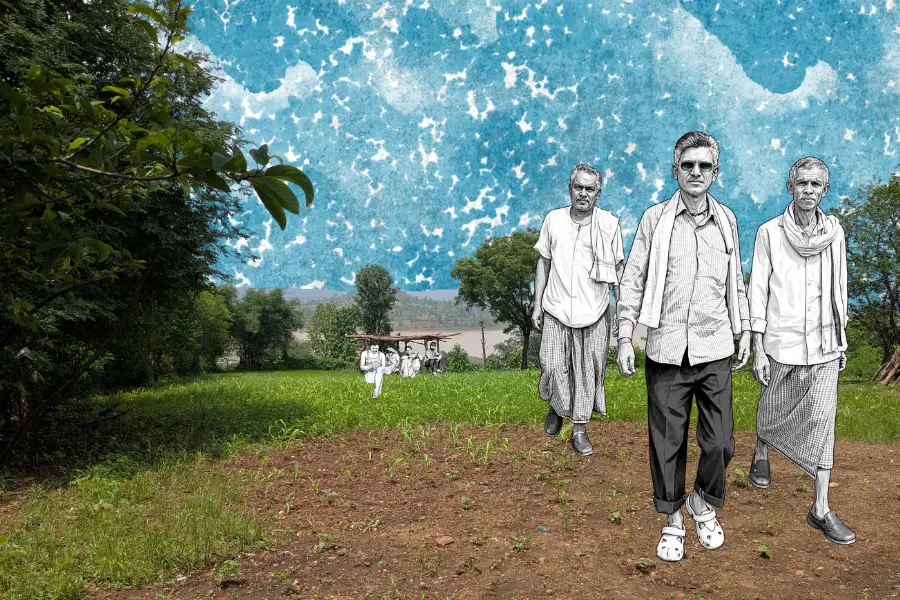
Migration has defined Rahu since its origins. Nearly a century ago, colonial authorities brought Adivasi workers here to work in the forests and to construct roads. The Kurku community, which was first brought here, called the place Rahu, or “gathering”. Now, over 700 persons reside in the village, comprising Scheduled Tribe communities of Kurku, Gawli, and Gond.
Agriculture is tenuous in the region. The village does not have irrigation. It is also remote, limiting its access to bigger markets and access to better agricultural inputs.
Migration has become a necessity; a survival strategy. “Each year, about 200 persons go to Amravati and Paratwada where they cut wood or work in soybean farms. Because families migrate together, children end up dropping out of schools,” said Sindhe.
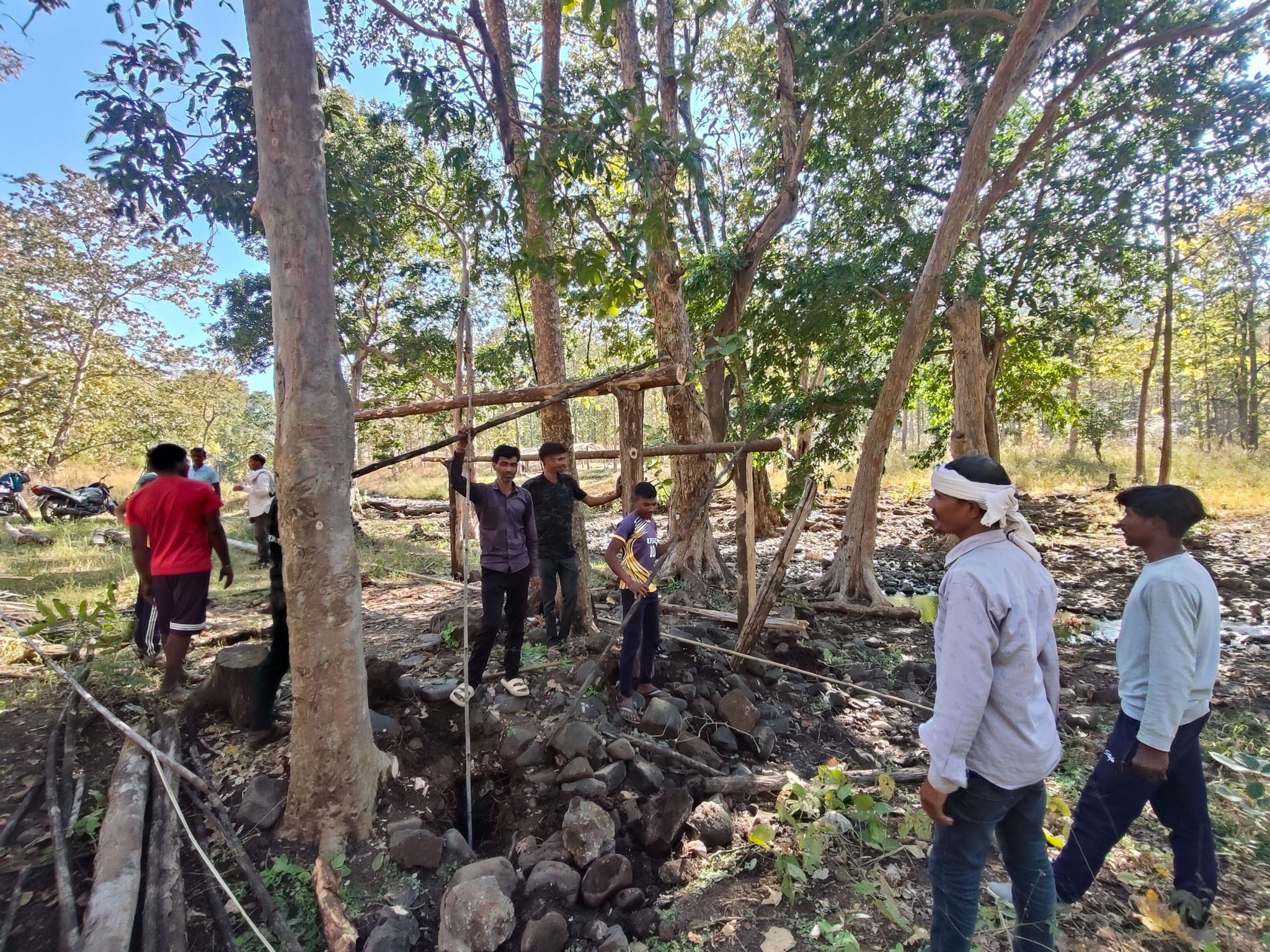
Those who stayed behind worked in bamboo harvesting for paper mills, private contractors or the forest department. Wages were minimal. In the 1990s, villagers earned just 50 paisa per bundle of harvested bamboo. Even in 2015, contractors paid Rs 20 per bundle, translating to just about Rs. 150 per day or around the minimum wage in the state.
“We knew how to harvest bamboo without killing the clump. We knew how to protect regrowth. But, we had no authority over the resource itself,” said Parshuram, a Rahu resident who worked in the bamboo forests for years.
Claiming rights over commons
The turning point came in January 2015, when the non-governmental organisation KHOJ, known for its campaigns and contribution to the forest rights domain and the tribal and other forest dwelling communities in Maharashtra’s Melghat region, took up programmes in the area to spread awareness about the Forest Rights Act. Though the Act was enacted in 2006, many villages in the country had not applied for or received Community Forest Resource Rights over their customary community lands.
“Villagers understood that the recognition would allow Gram Sabhas to harvest and sell bamboo independently, without contractors or the Forest Department acting as intermediaries,” said Aditi Prunima Bandu, a social development practitioner, who closely studied the transformation in Rahu. “They understood that these Rights could help them secure a livelihood,” she said.
KHOJ not only helped with the documentation, but also reassured the village when they initially had doubts about unseating the entrenched contractor system.
40-year-old Mungilal Busum, who is now the Gram Sabha’s accountant, remembers a period of doubt and confusion. Contractors began to pressure villagers and the Gram Sabha to sign contracts handing over forest harvesting to them. “They were trying to trap us,” he said, “but, we did not know what the process was. KHOJ guided us.”
Meanwhile, forest department officials initially expressed resistance, casting doubt on whether the village could manage its finances, auctions or even harvest the forests sustainably. “It was true we had no experience managing the whole process. But we could at least try,” said Busum.
In 2016, the village formally applied for CFR titles. That same year, they formed an 11-member Gram Sabha, which included women in decision-making positions, and opened a bank account.
The Gram Sabha accessed a Rs. 5 lakh loan from the Manav Vikas Mission, a Maharashtra state government initiative that was launched in 2006 to improve the Human Development Index in backward districts of the state. This was the seed grant to pay a fair wage for labour and harvesting bamboo.
A few months later, Rahu received CFR titles over 4,500 hectares of forests.
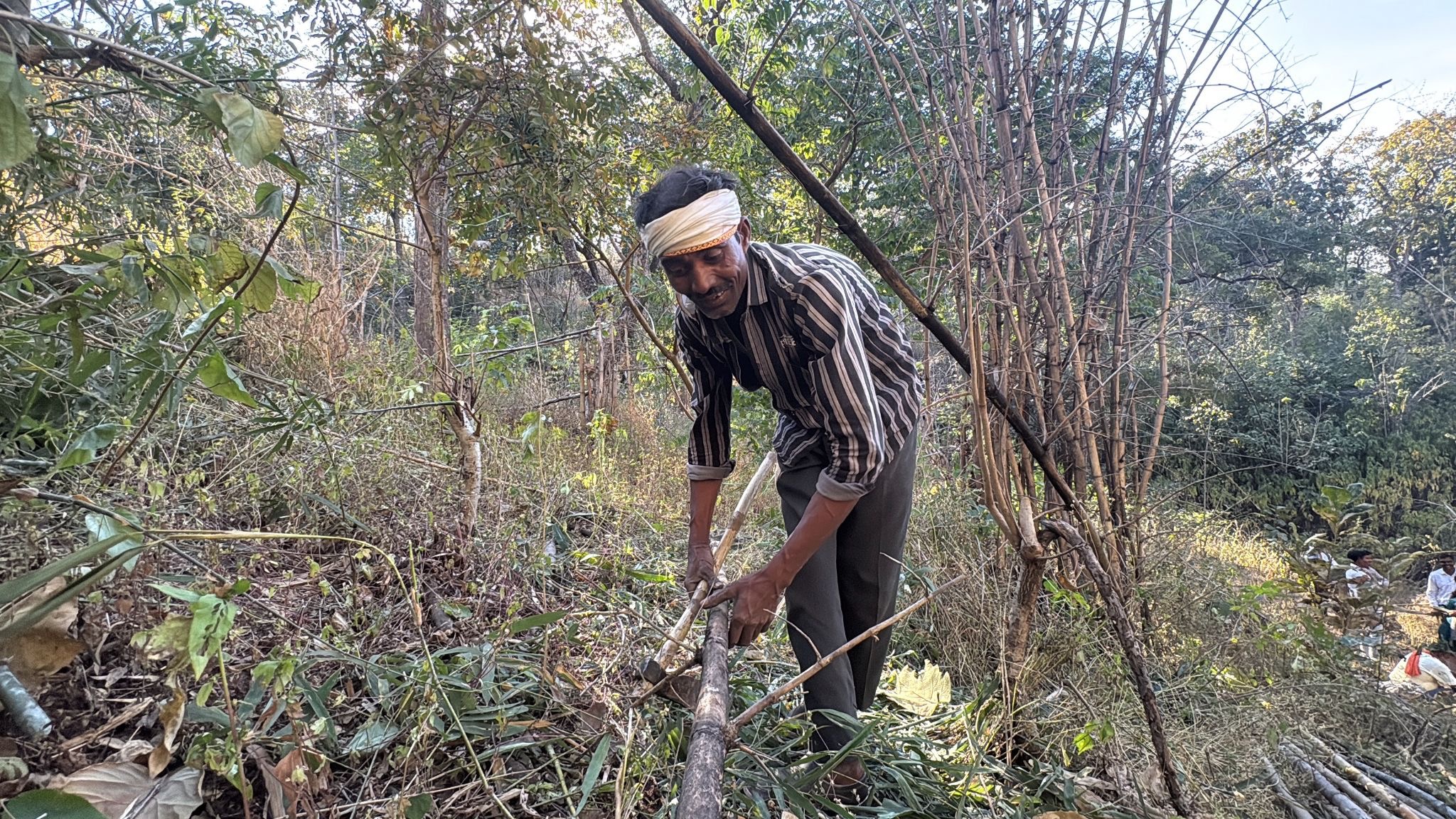
Harvesting began in March 2016. Forest officials were key in mentoring the village: helping locals develop a working plan to divide the forests into plots, methods to ensure only mature bamboo were cut, teaching villagers how to grade poles and how to conduct auctions. “For the first time, villagers were managers, decision-makers, sellers of bamboo from their own forest commons,” said Busum.
By the end of 2016, the village produced a staggering 26,000 poles and Rs. 26 lakh in revenue. By 2025, over 1 lakh poles were being harvested with an annual revenue exceeding Rs 1 crore.
The money was funnelled back into the system.
Regenerating forests and platforming equity
Importantly, this income stays within the village itself.
Earlier, profits flowed outward – to contractors, paper mills, and the Forest Department. Now, revenue is reinvested locally. Before, only 50 persons worked in the bamboo forests. Now, more than 500 were employed. Wages were paid by the Gram Sabha.
The regenerative capacity of the bamboo forests too increased. Nearly 40 persons are employed as forest guards, or chowkidars, each earning Rs 12,000 monthly. They enforce community rules: no axes, no smoking, no unauthorised grazing. Violations attract a Rs. 500 fine. As a result, forest fires have reduced drastically.
But perhaps, one of the most significant changes is its effects on women in the village. Under the contractor system, it was mostly men who worked in the bamboo forests. Now, women are a large part of the bamboo economy.
“Earlier, women’s labour was largely unpaid, we were limited to farming, livestock, household work, or migrating alongside male family members,” said Rekha, 45, who now works primarily in harvesting bamboo. “Women now work in organised teams cutting, stacking, and loading bamboo for transportation. Some earn up to Rs 70,000 in a single season.”
Women are a significant part of the decision-making, especially as members of Gram Sabhas. During the COVID-19 lockdown, when migration-related employment came to a halt and incomes dried up, the Gram Sabha transferred a Rs 10,000 “bonus” to 200 women’s bank accounts, a Rs 20 lakh intervention. For many in the village, it was this bonus that kept food on the table.
An end to migration
These measures, largely funded by the bamboo economy, have nearly ended seasonal migration, claimed members of the Gram Sabha. Each year, half the village would migrate for work. Now, just 2-3 continue to travel out for work. The Gram Sabha reports better attendance in schools as children no longer have to discontinue education and travel with their parents.
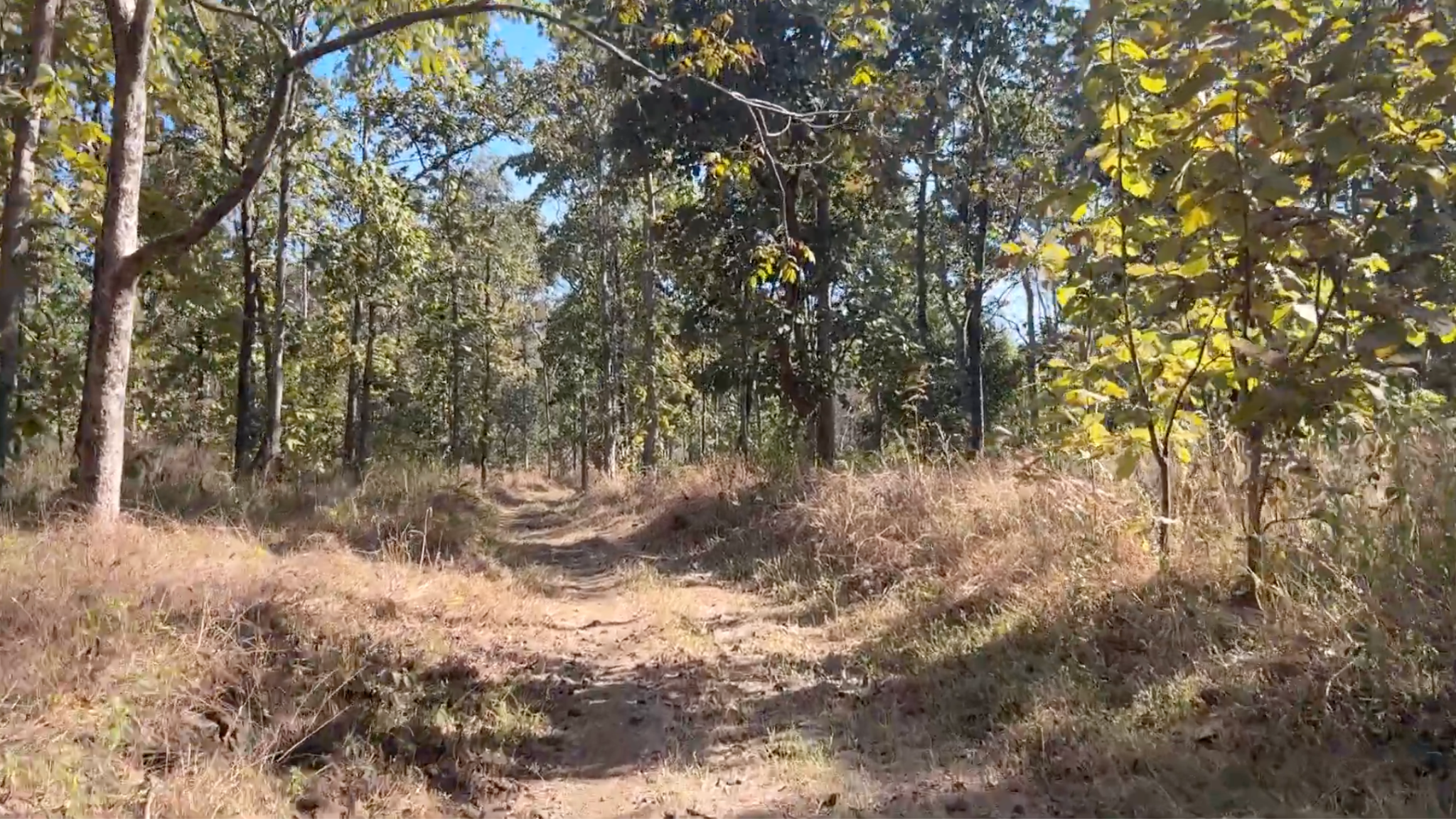
32-year-old Jugulal Nadu Busum, epitomises this success. His family owns five acres of land, where they cultivate maize, finger millet, soybean and wheat. But these earnings were just Rs. 40,000 annually. Busum had to migrate to Amravati or Nagpur for work during the dry seasons. He earned just around Rs. 270-275 per day for four months, sending his family nearly Rs. 15,000 during this season. Now, in the same season, he works in the bamboo forests.
“In these two and a half months, I earned around Rs 85,000 in total. This is about Rs. 1,500 per day. I don’t have to leave my family anymore,” he said.
Such is the wealth in their forests that Rahu is becoming the place where people migrate to now.
Soma, 55, from the neighbouring Kashiamenda village about 8 km away, comes to Rahu to work in the bamboo forests. He earns Rs 40,000 to Rs 50,000 per season: four times what contractors once paid. “Since the Gram Sabha took control, our income has increased as they pay better. And because it is a Gram Sabha, it makes us feel like our livelihood is secure,” said Soma.