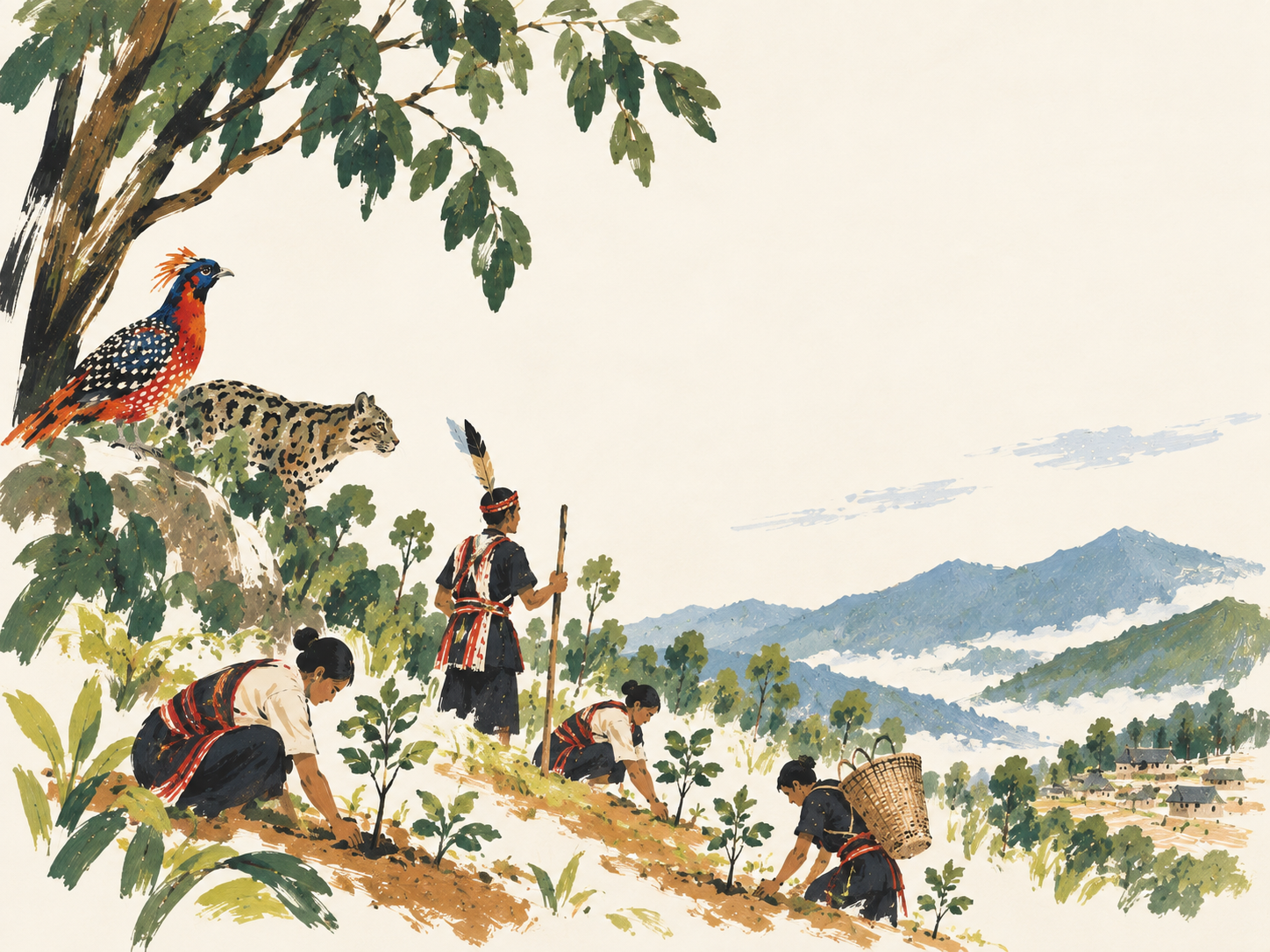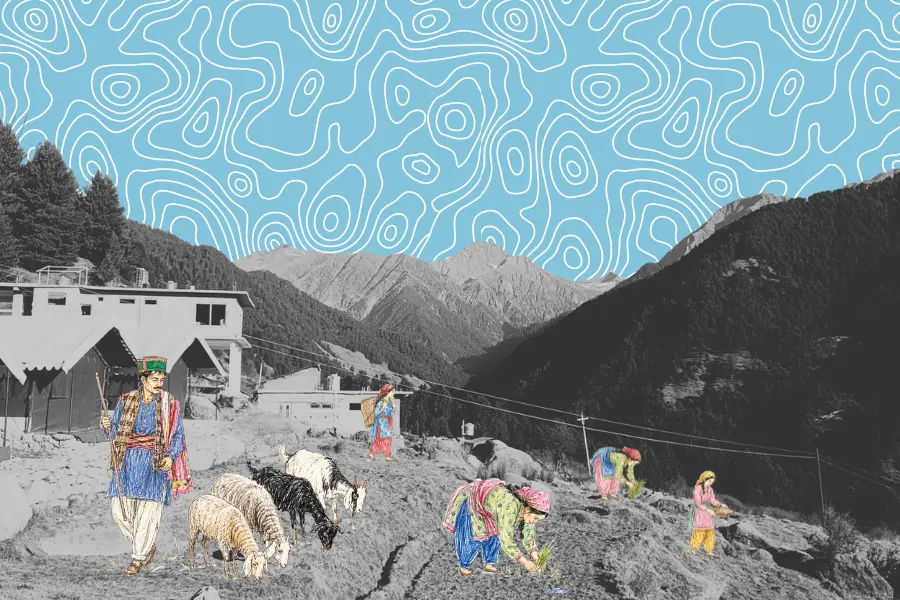
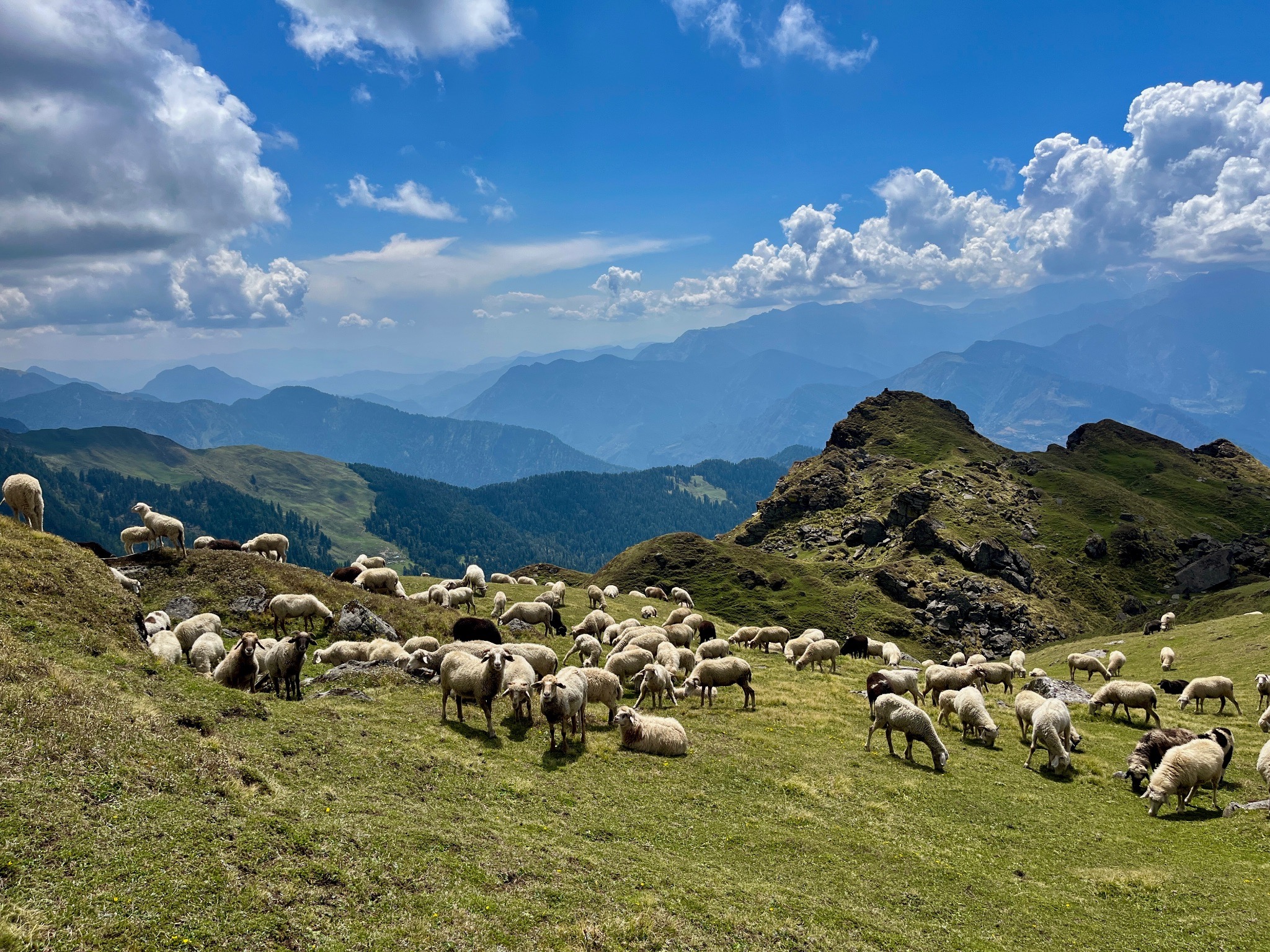
Joshimath, Uttarakhand: The green meadows that cascade down the Himalayas, as if a velveteen shawl had been draped across its steep slopes, bring back fond memories for Poorna Raj Singh, a 66-year-old from Parsari town in Joshimath, northern Uttarakhand.
“The Gorson Bugyal was my old friend,” he says, his eyes lingering on the familiar meadows (bugyals) where he once grazed over 500 sheep, “I have spent so much time here that I know every plant that grows in this bugyal.”
Poorna belongs to the Rongpa tribe, a Trans-Himalayan indigenous community whose members are famed for their ability to traverse the mountains as shepherds and traders. But, as he talks about his relationship with the bugyal, one realises that the meadows are less of a friend and more of a divine benefactor.
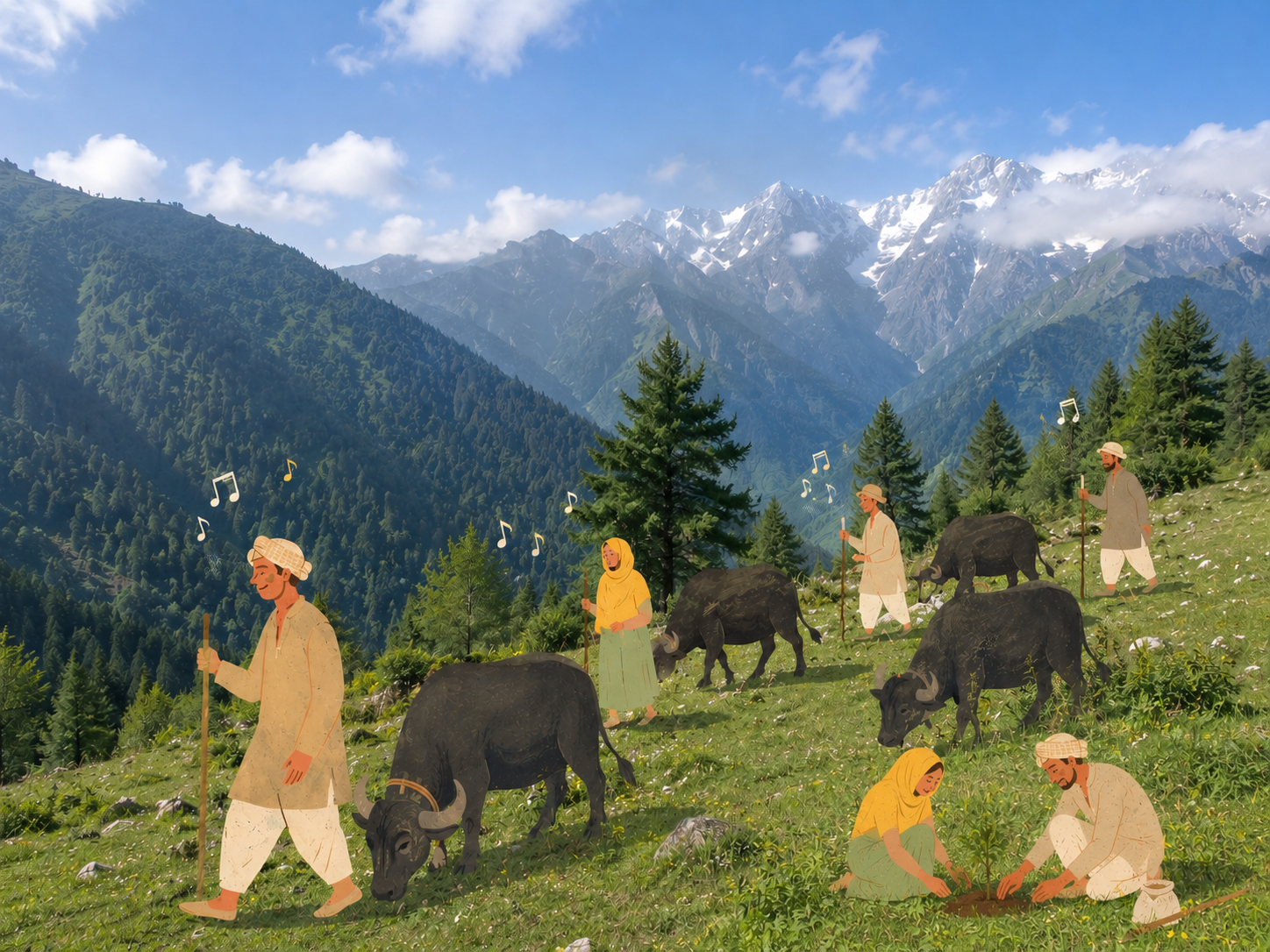
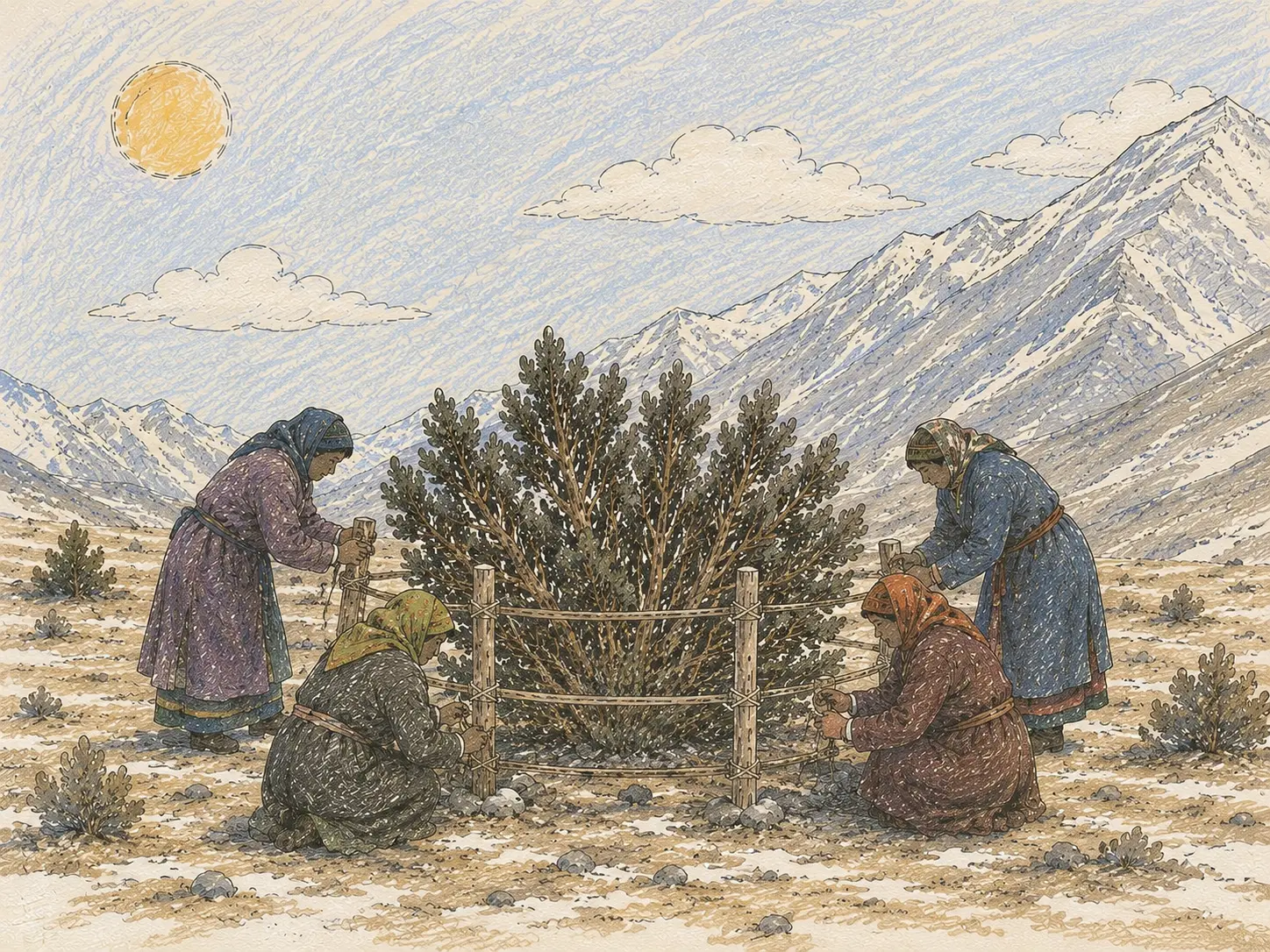
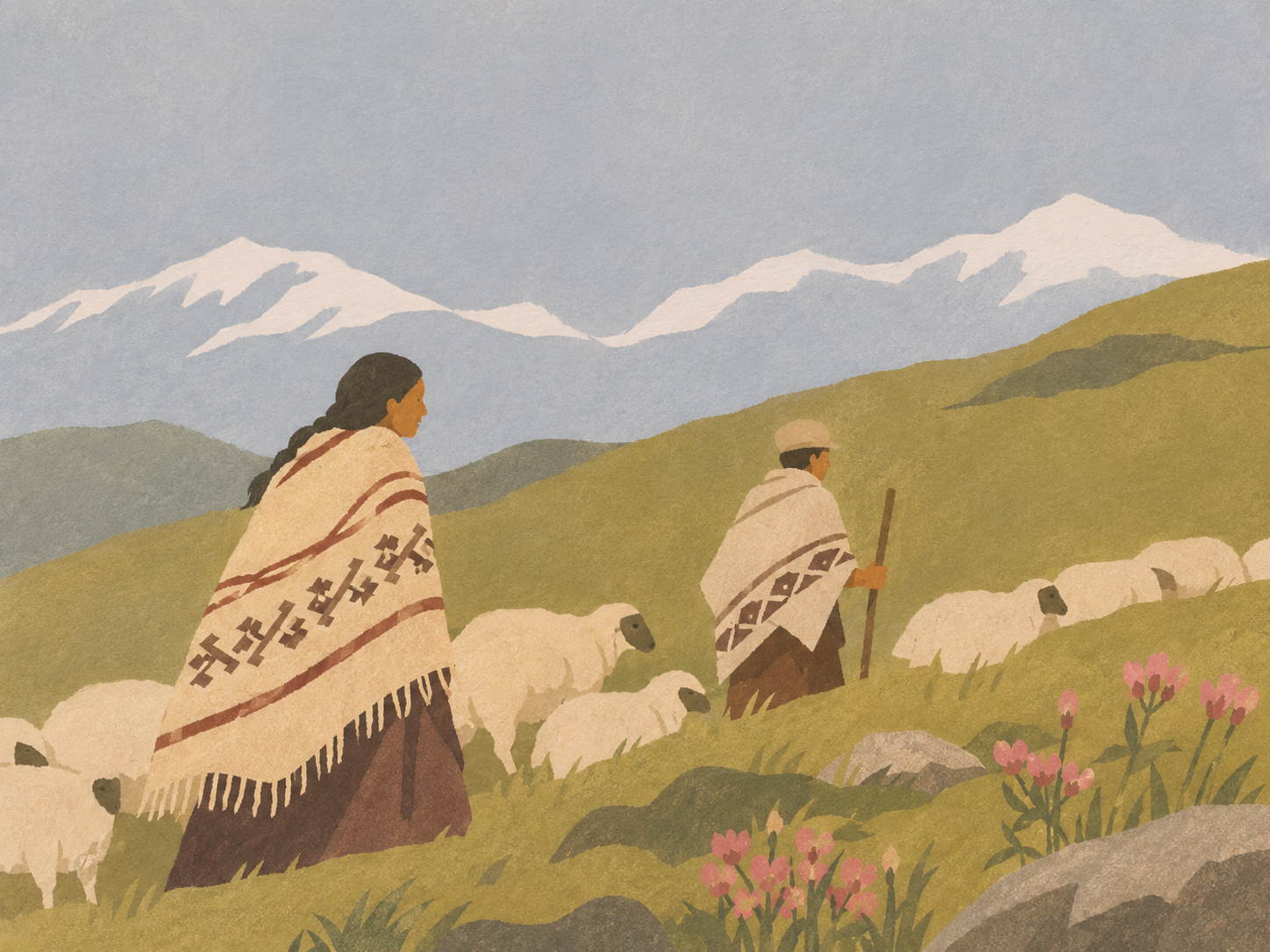
“It was a sacred space for us. Before entering the Bugyal, we would pause and pray. We would ask for its permission before entering it,” he says. Such was the reverence that pastoralists walked barefoot across the meadows, so as not to defile the grass. “Loud noises are not allowed. The consumption of alcohol and meat is prohibited here,” he says.
Protecting the bugyals
Bugyals, the high-altitude alpine grasslands located between the subalpine tree line and the permanent snow line (or, generally between 3,000 to 4,500 meters above sea levels), are a critical form of common land in the Himalayas. In Uttarakhand alone, there are 82 major bugyals that span about a quarter of the state’s geographical area.
These grasses, native plants and vibrant wildflowers have adapted to survive intense ultraviolet radiation of high altitudes, fast freezing winds, intense snowstorms and short growing seasons of spring and summer.
For years, the meadows have been a symbol of community; lands which have been collectively shared and cared for. However, overgrazing, resource extraction, habitat degradation, tourism, and climate change have endangered not only the biodiversity here, but also the traditional pastoral lifestyle that has sustained these rangelands for centuries.
Commons—shared lands such as forests, pastures, water bodies and mangroves— cover 205 million acres or one-fourth of India and form the lifeline for over 350 million people, including marginalised groups like Scheduled Castes, Scheduled Tribes and women.
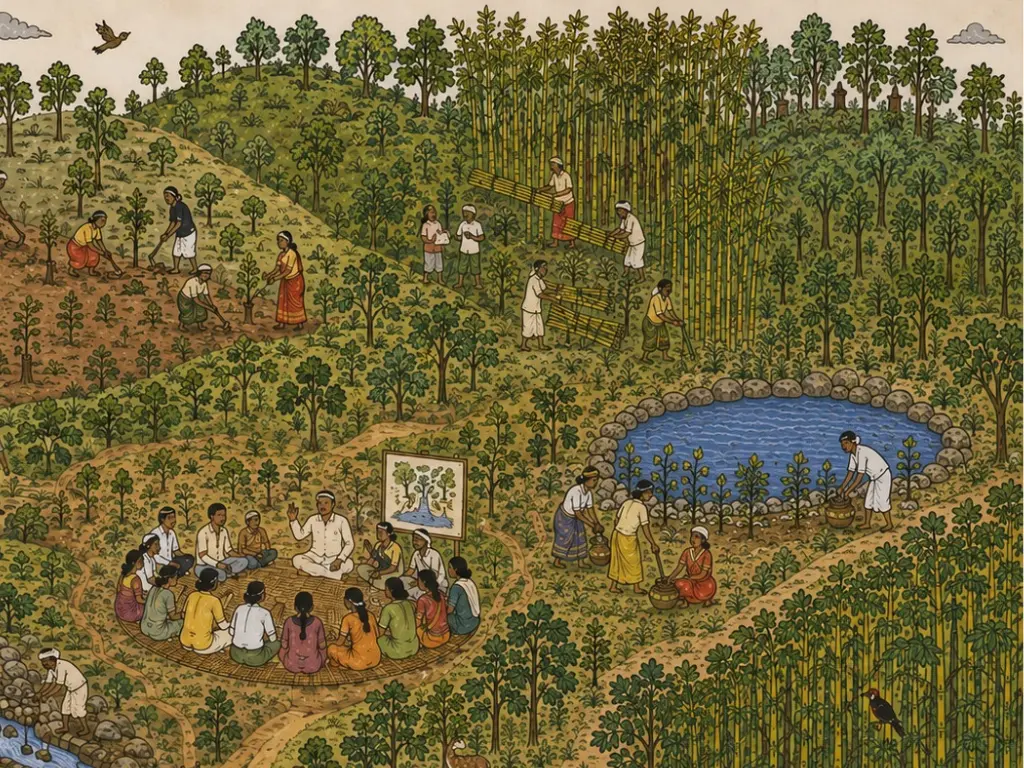
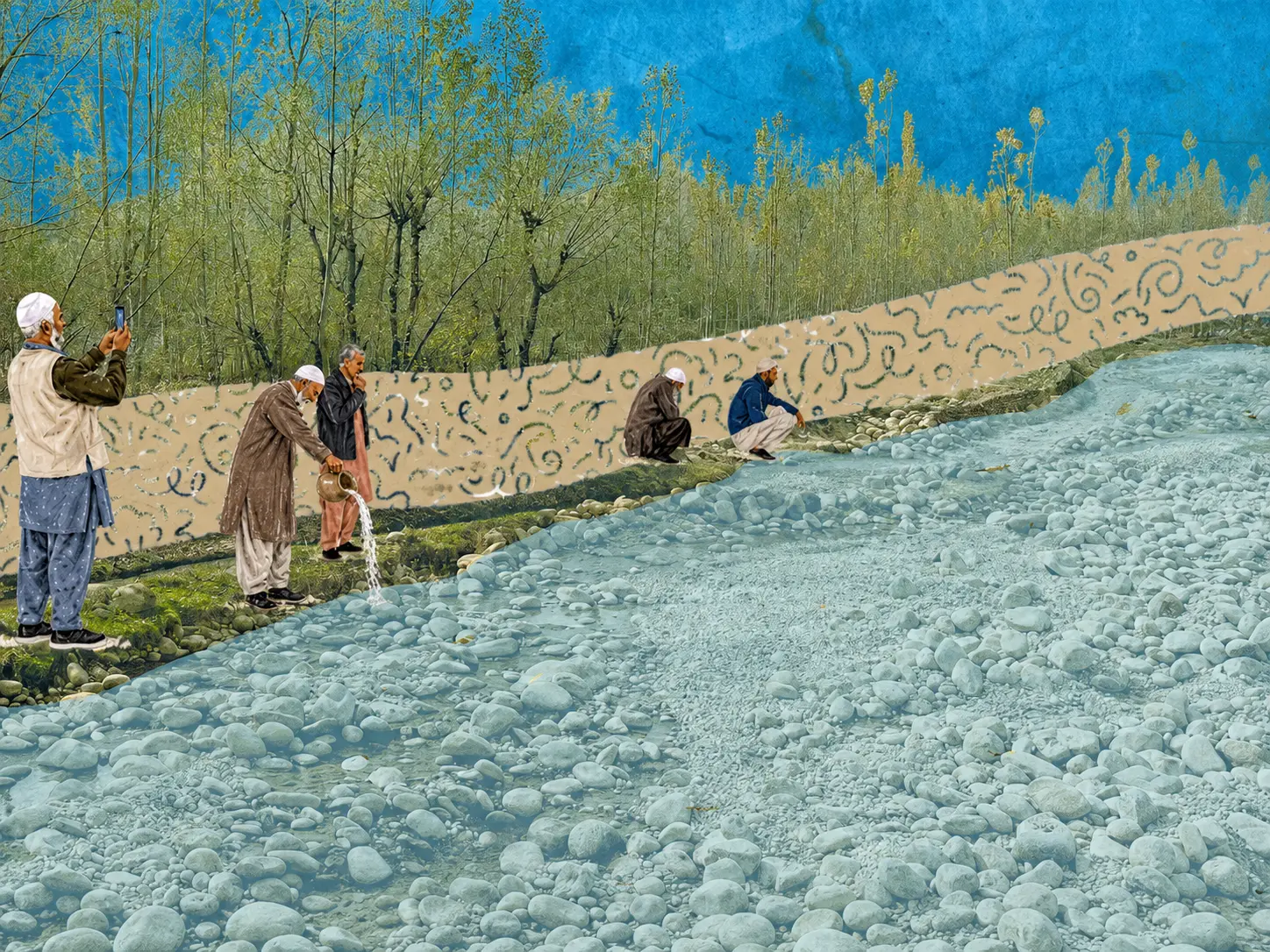
Communities across India have traditionally protected, restored and managed these commons through customary self-governance practices.
Bugyals are classified as government forest land, and communities have accessed rights and protection under the Forest Rights Act, 2006, the law that recognises traditional rights of scheduled tribes and other forest dwellers over common forest lands. The Gorson Bugyal is within 2,236 sq. km. Nanda Devi Biosphere Reserve. However, during the summer, grazing rights are given to seven neighbouring villages.
For the Rongpas, the meadows were sacred ground, woven deeply into their customs, rituals and prayers. The lush grasslands became sacred domains of local deities, rather than a utilitarian resource for survival in this beautiful but often harsh landscape. Over generations, spiritual reverence has blended with ecological conservation.
The many livelihoods of bugyals
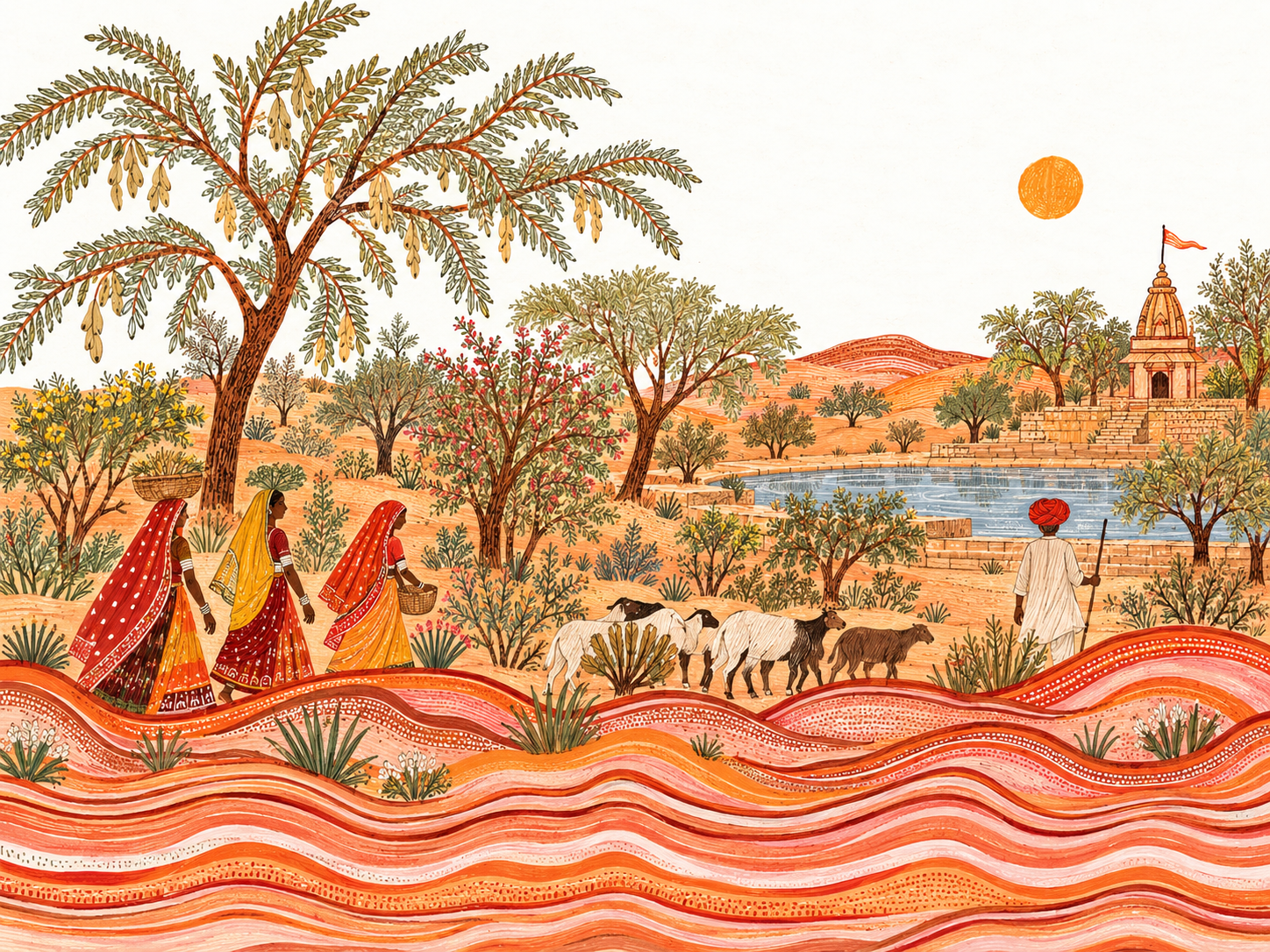
The Rongpas were a nomadic pastoral community that were also traders and specialised in taking goods across some of the world's highest mountain passes towards Tibet.
The community’s prosperity was tied to their sheep: the indigenous Rampur Bushair and Gaddi varieties. The Gaddi, for instance, is a white, medium-sized domesticated sheep that are good climbers, a critical skill needed for the mountainous terrains.
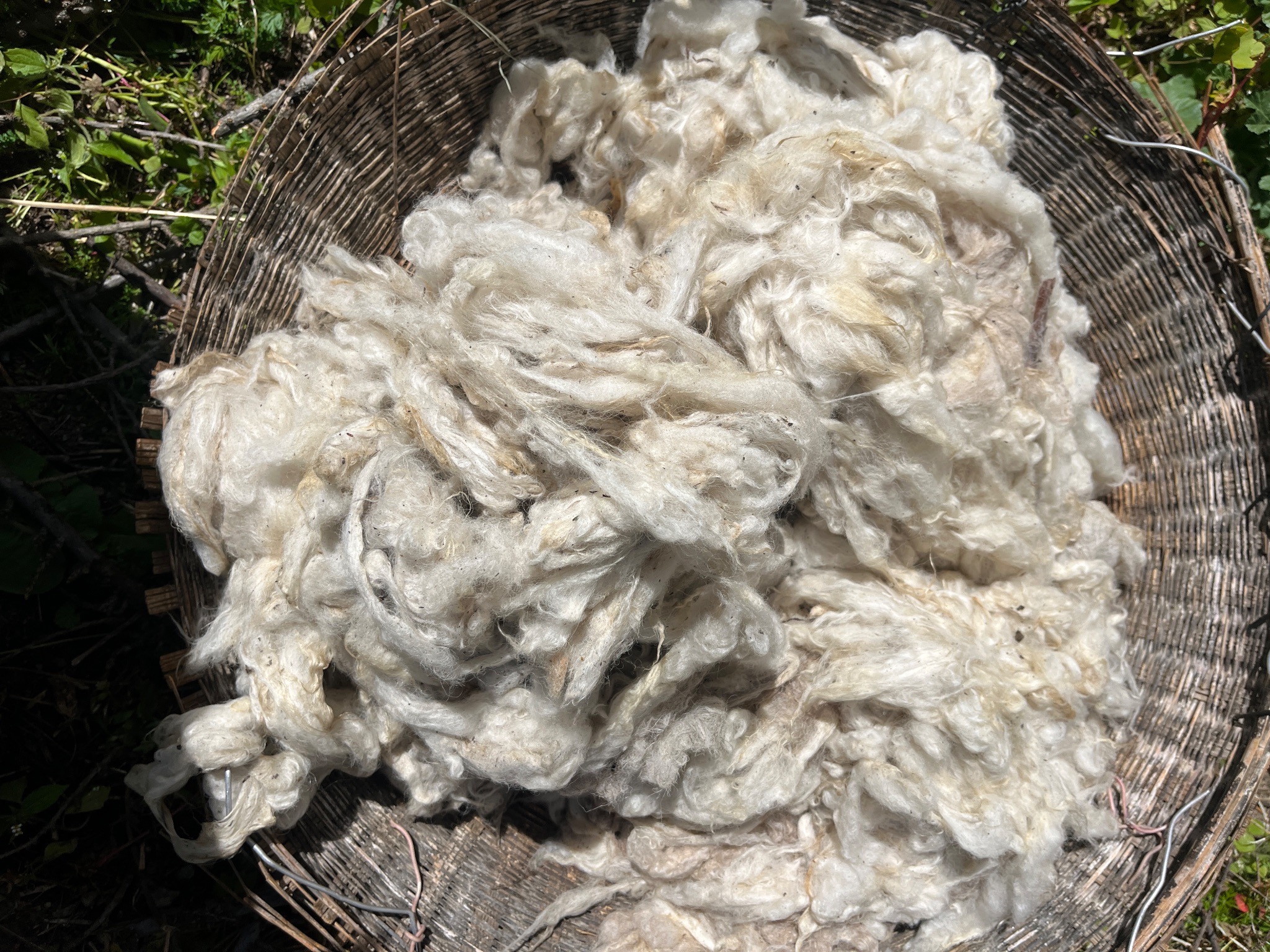
The Rongpas made and sold woollen products like Bhotiya dann (hand-knotted woollen carpets), pankhi (throws), chutka (blanket), sweaters and others in Himalayan cities and in Tibet.
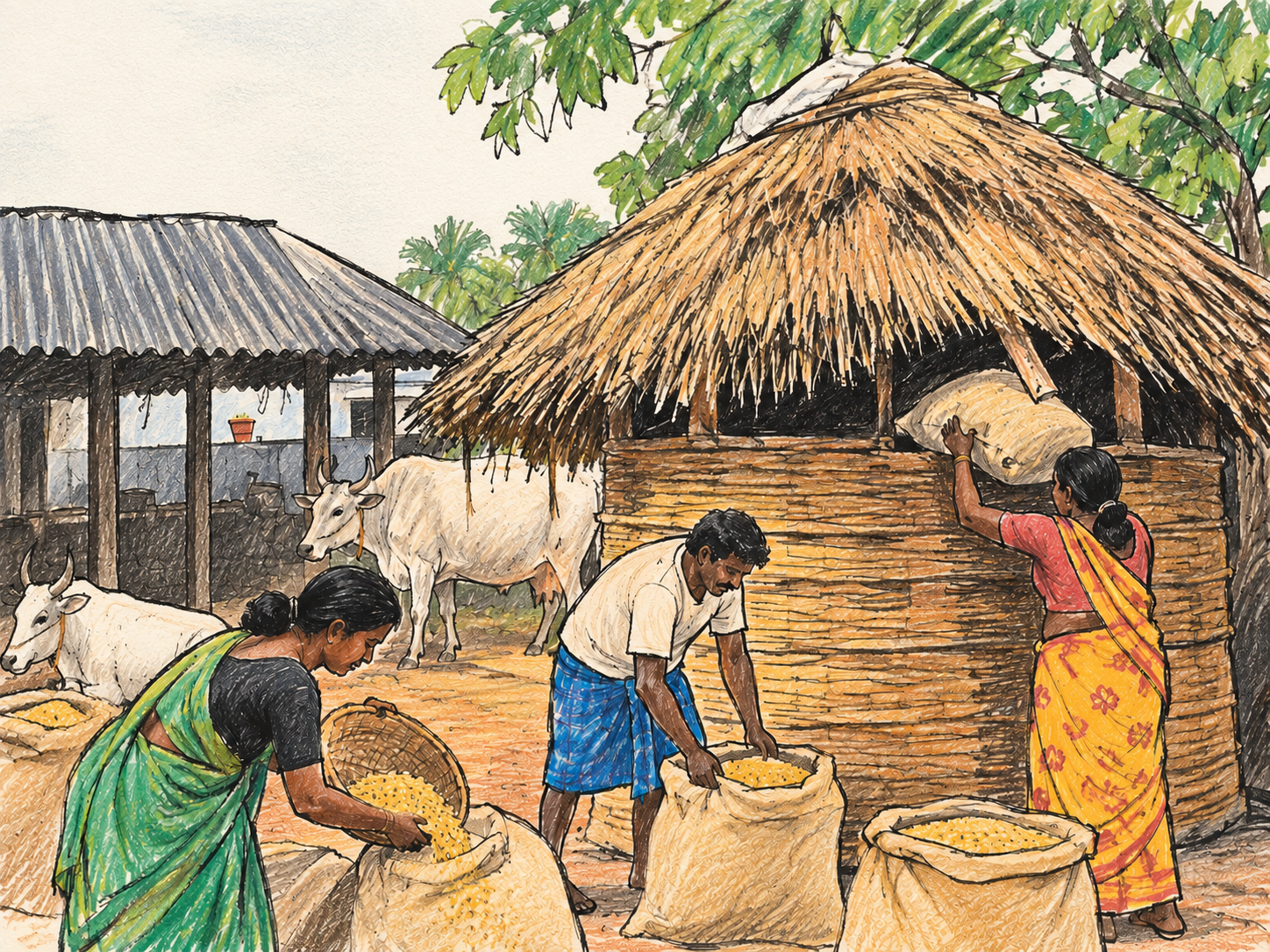
The sheep were also pack animals that allowed Rongpas to buy profitable trading routes with Tibet. They carried grains, jaggery, metal and copper - most of which were sourced from cities in the plains or lower Uttarakhand - and wool towards Tibet, and brought back rocksalt, borax, sheep and horses, and precious metals from Tibet.
The bugyals became integral to the community’s livelihood and identity. “The grass in a bugyal is softer, lusher and has higher nutritional value. Good quality grazing grass makes good quality sheep, which means families can get better incomes,” says Narendra Singh Rana, an 80-year-old Rongpa shepherd who lives in Niti valley. Even now, he tends to about 60 sheep.
Female sheep (ewes) are kept to grow the flock, while males (rams) are needed for reproduction. He earns a profit of around Rs. 60,000 by selling male lambs, while the price of wool is Rs. 60 per kg.
“Before 1962, Rongpas were very prosperous. Every family would have at least 400 sheep,” he says.
The meadows became all the more critical after the 1962 India-China war closed borders and halted all trade. The Rongpas - and other pastoral communities of the region - became increasingly reliant on pastoralism and agriculture. The bugyals became the grasslands that sustained this change.
Finding a rare fungus in the meadows
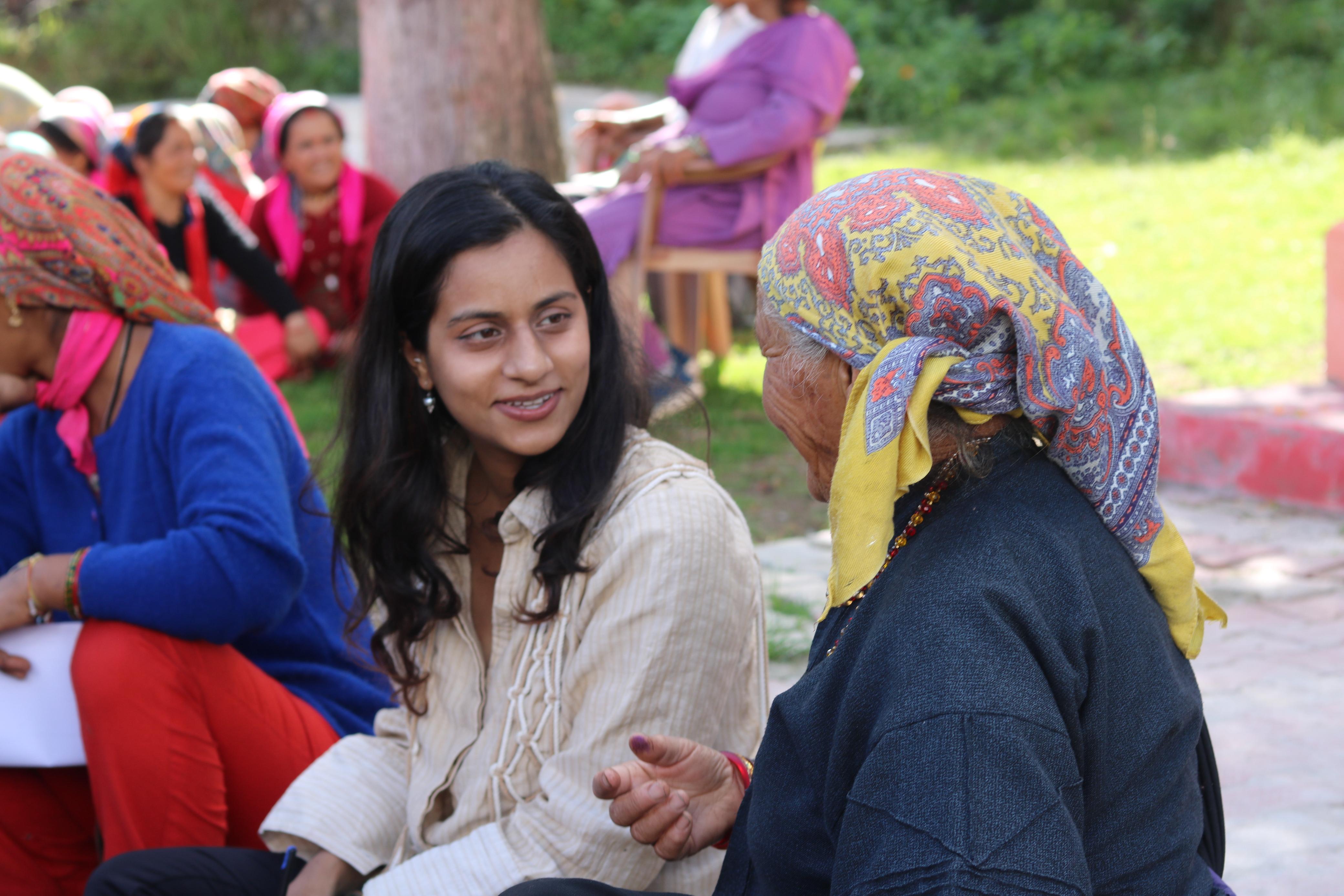
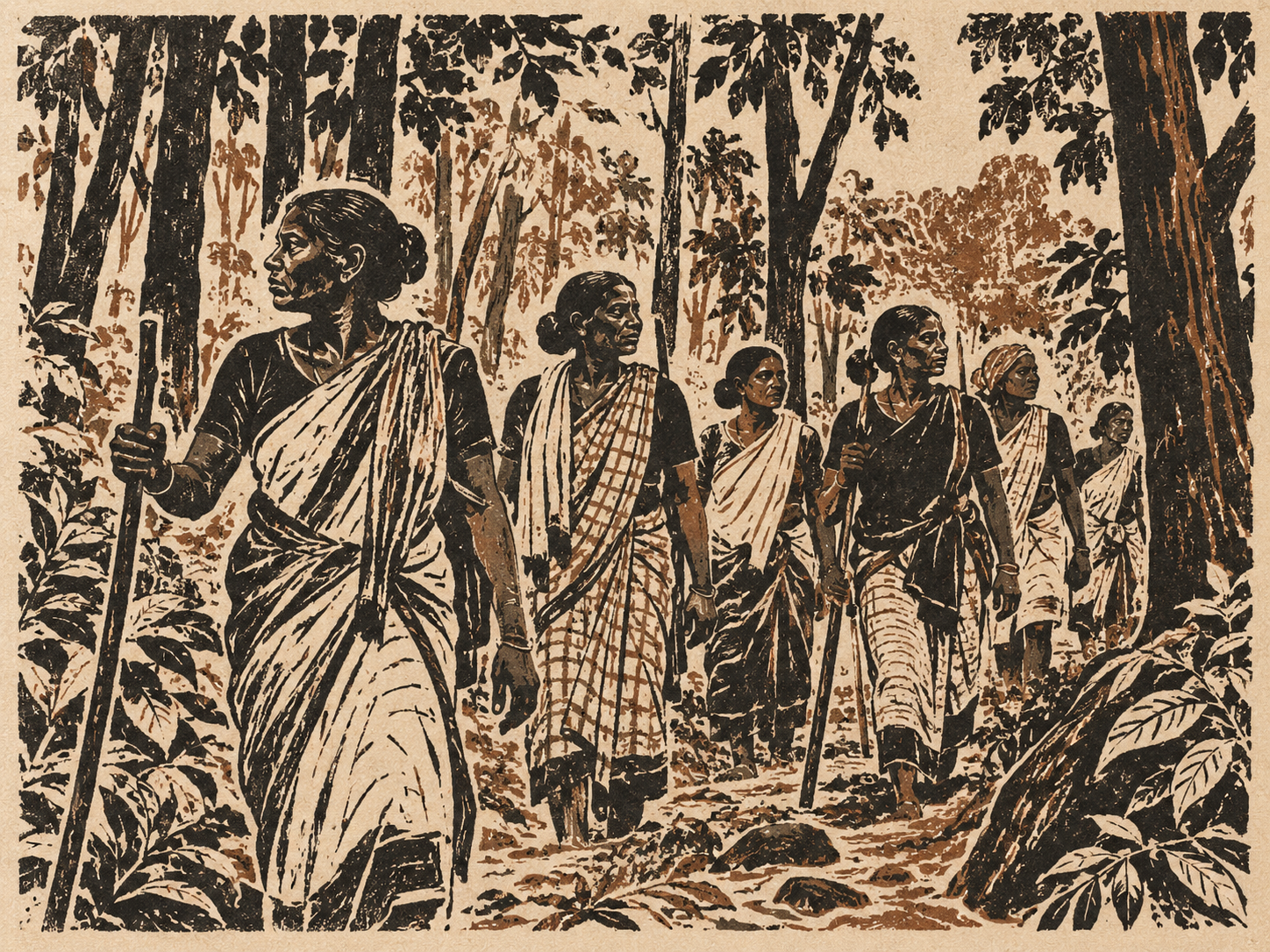
Apart from livestock, the bugyals and the forests have become important sources of forage and livelihood for women in the region. Women rarely go to the bugyals, and when they do, they do so in groups with their heads covered. This is a result of the stories that have developed around the forests and the sacred meadows.
Many villagers believe that the area is inhabited by Achharis or forest fairies, who are attracted to long, open, or flowing hair. If a woman walks through the forest with her hair untied, it is thought she might attract the gaze of these entities, leading to bad luck, sickness, or spiritual possession. Covering the head acts as a protective shield.
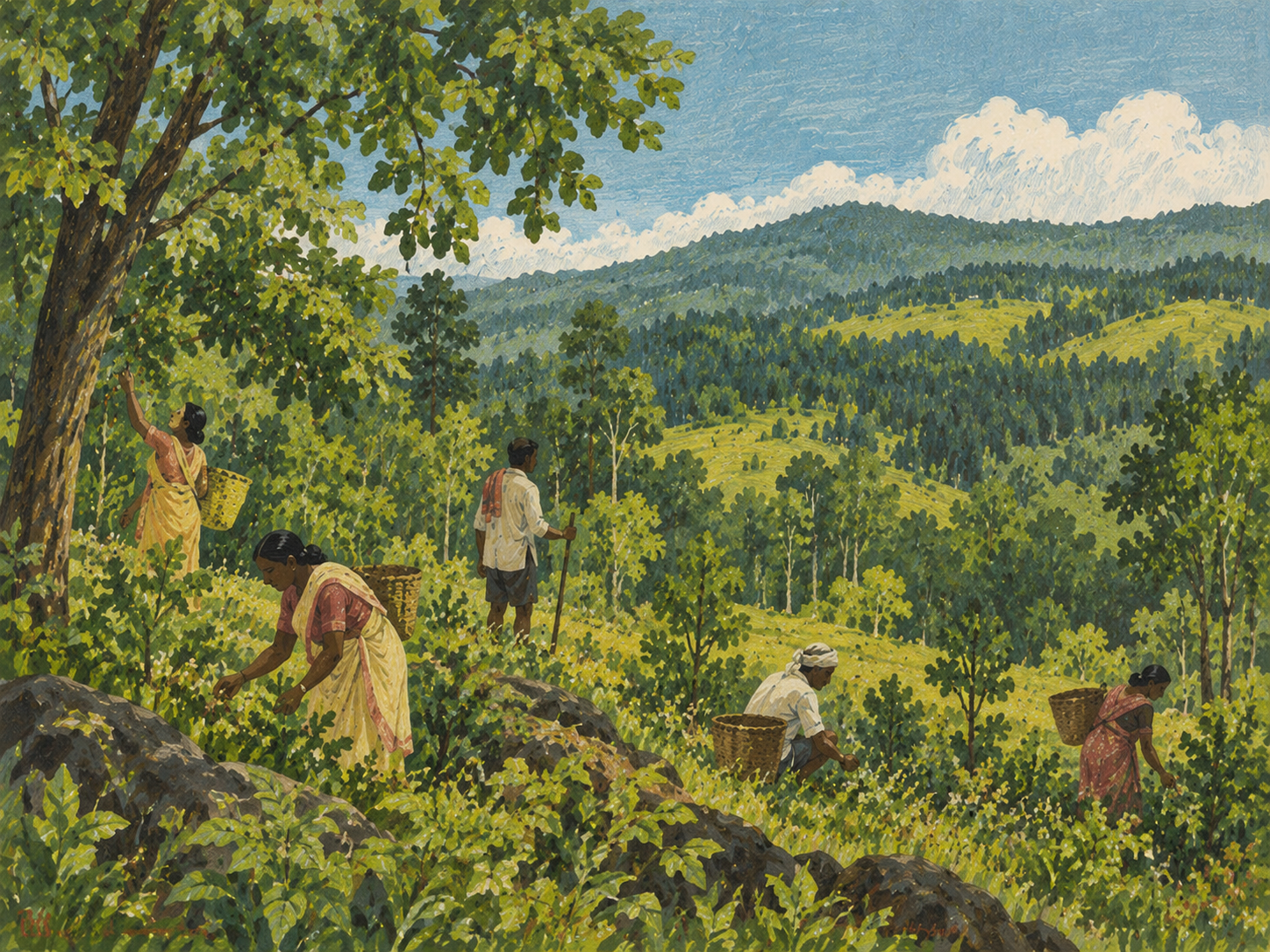
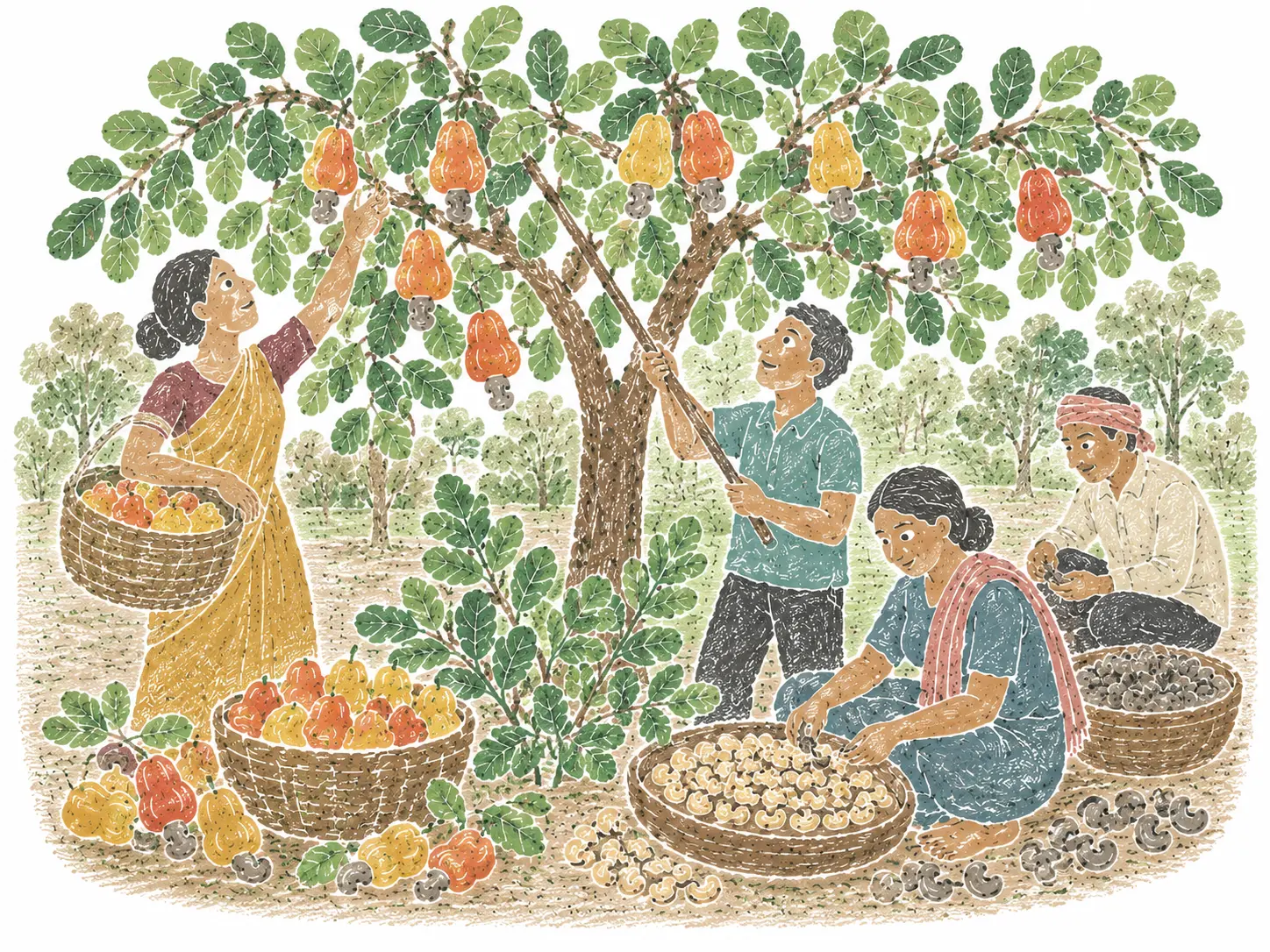
But the Bugyals are also an indigenous apothecary, containing herbs, roots and shoots used by villagers for treatment. For instance, baalchadi (Spikenard or Musk Root) which is used for healthy hair growth; Atees (Aconitum heterophyllum) for fevers, diarrhea and respiratory issues; pharan or jambu (Allium stracheyi) which are an aromatic wild onion spice; Kut or Kushtha (Saussurea auriculata) for coughs and colds; Kutki (Picrorhiza kurrooa) for its immune-boosting properties are all collected and sold in the markets.
The prize, however, is the Keeda Jadi (Ophiocordyceps sinensis) or Yarsagumba, a rare fungus that infects ghost-moth caterpillar larvae underground. The stalk-like fruiting bodies that emerge from the heads of infected caterpillars in the Chinese market, used for boosting physical endurance, ATP production and overall vitality.
“In the months of May and June, we go to the top of Gorson Bugyal to look for these”, says Basanti Devi, from Parsari village.
In India, it can sell for between ₹1,600 to ₹2,100 per gram - or, making it considerably more expensive per gram than gold. Depending on the season and luck, each woman can collect between 1 and 10 grams of cordyceps in a month. “These mushrooms are hidden among the grass. It is very difficult to spot. You require a trained, observant eye to even spot them,” says Devi.
Bugyals as a commonly-shared resource
Over the generations, the patchwork of Bugyals, which are like beads on the shepherds' trails that cross the high Himalayas, became part of a shared landscape that is closely guarded.
These meadows become blanketed in snow in the winter, and become popular tourist spots for skiing. But in summer, the grazing rights are shared between villages. Gorson Bugyal’s grazing rights are shared between Karachi, Tuggasi, Badagao, Parsari, Merak, Salood Dungra and Sunil villages. Every pastoralist has a dedicated space where they graze their livestock.
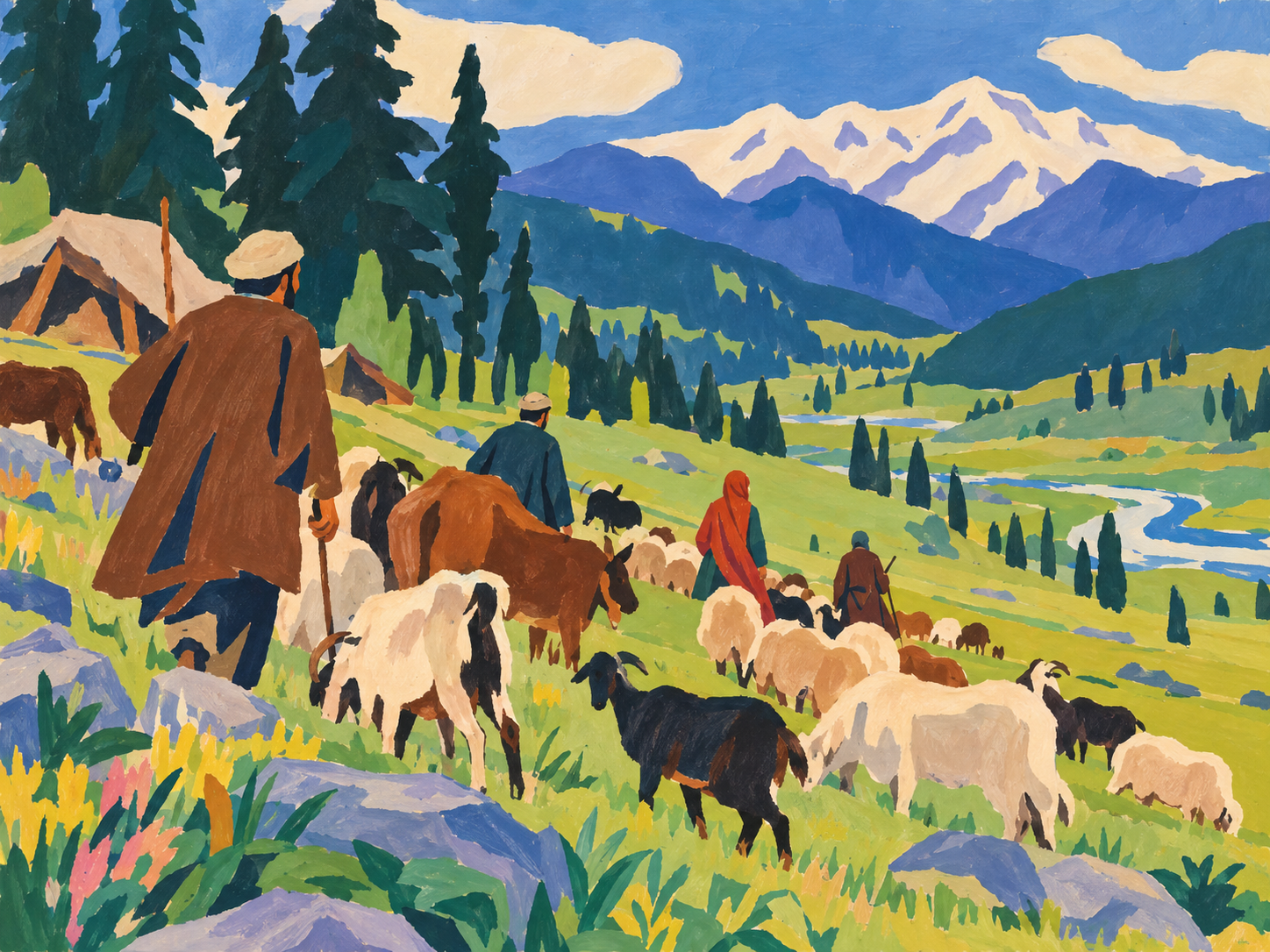
Since he was 10, Bharat Kohli, a herder from Badagaon village, has followed the same steps taught to him by his father and grandfather. In the summer, he takes his sheep to Gorson Bugyal, from where they travel to higher altitudes of Dronagiri during the monsoons. By the start of winter, they come back to their village.
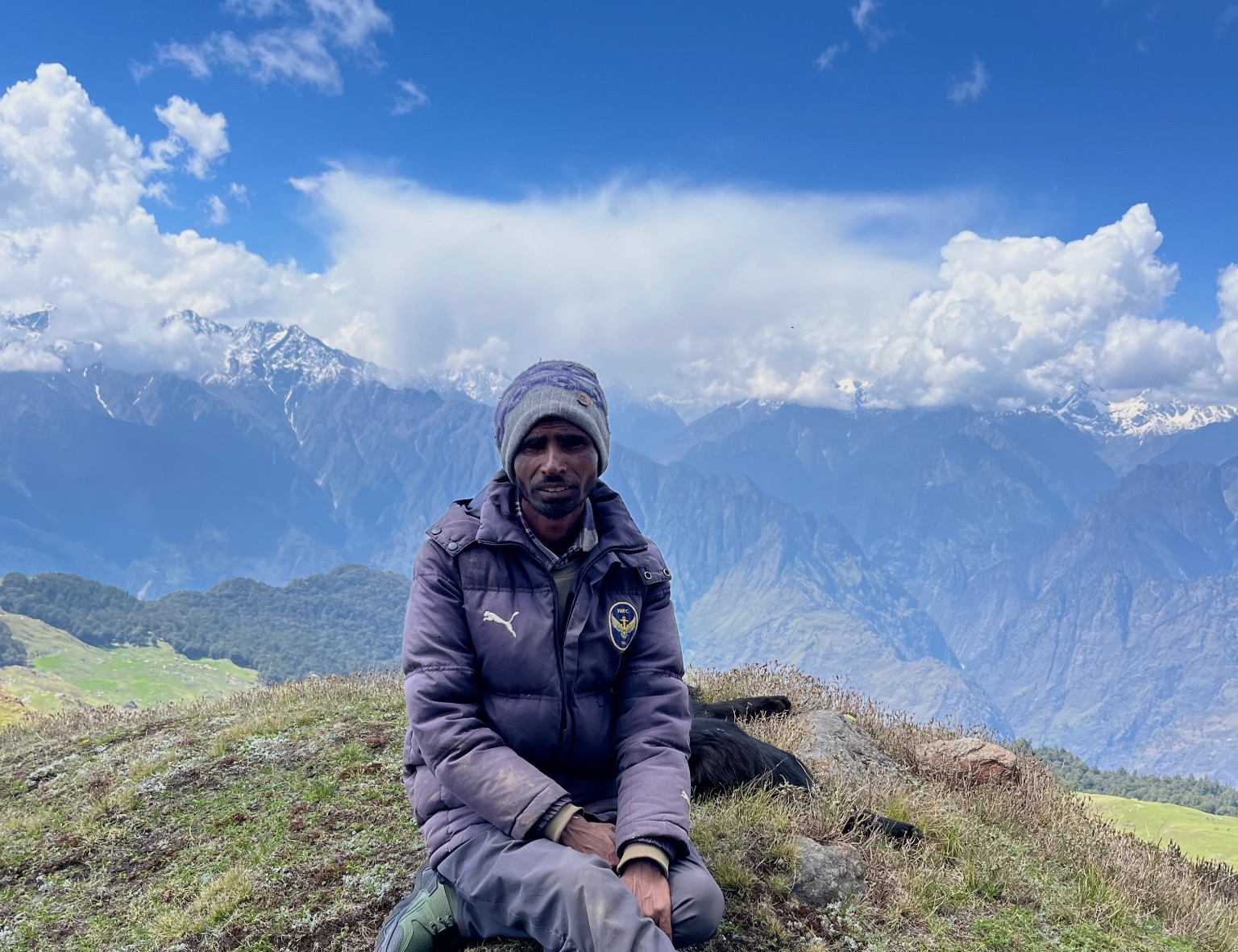
“Gorson Bugyal is an important padaav (resting spot) in this journey. It is a resting point in the route towards the Niti-Malari valleys which have large untouched pastures,” he says.
The journey is carefully paced, with shepherds often spending around a week in a padaav, before moving further uphill, depending on the availability of grass and suitable places to camp. The routes are passed down through generations, says Bharat, and any deviation can only be made after seeking permission of the local communities. “This is out of respect for the local community,” he said. It also prevents overgrazing.
Kohli is from the Shilpkar Scheduled Caste (SC) community that has a long tradition of shepherding and agropastoralism in the Himalayas. He has around 200 Gaddi sheep.
“The sheep will eat enough grass in the summer and monsoon months. This will sustain them in the gruelling months of winter when there is little to no grass for them,” he says, “And we prefer the grasses of the bugyals for this reason, even if we have to travel long distances and climb steep slopes,” he says.
Much like Kohli’s routes and the informal rules he follows, the bugyals are governed by traditions passed on orally for generations. Beliefs and superstitions play a role in this, each protecting the meadow from harm.
Before entering a meadow, Kohli offers a prayer to their bugyal ‘devta’ (the patron deity) locally known as Bir as well as the Achchaaris. The prayer to the devta is for bountiful blessings - for what the meadow can offer - and from the Achchaaris, it’s a prayer seeking mercy. Villagers believe that the forest fairies abduct men who make lots of noises, drink or shout in the meadows.
Setting up camp is considered violating the sanctity of the meadow. “We don’t pitch a tent in the bugyal. Instead, we find a spot at the entrance of the meadow, and we take the sheep up from this camp every day,” says Kohli.
Sheep are grazed in different spots, intuitively to prevent overgrazing. Kohli ensures he coordinates with local shepherds to know which spots can be grazed upon. “We travel across the bugyal, shifting our location every week,” he says.
“God’s grasslands” under threat from the trek towards modernity
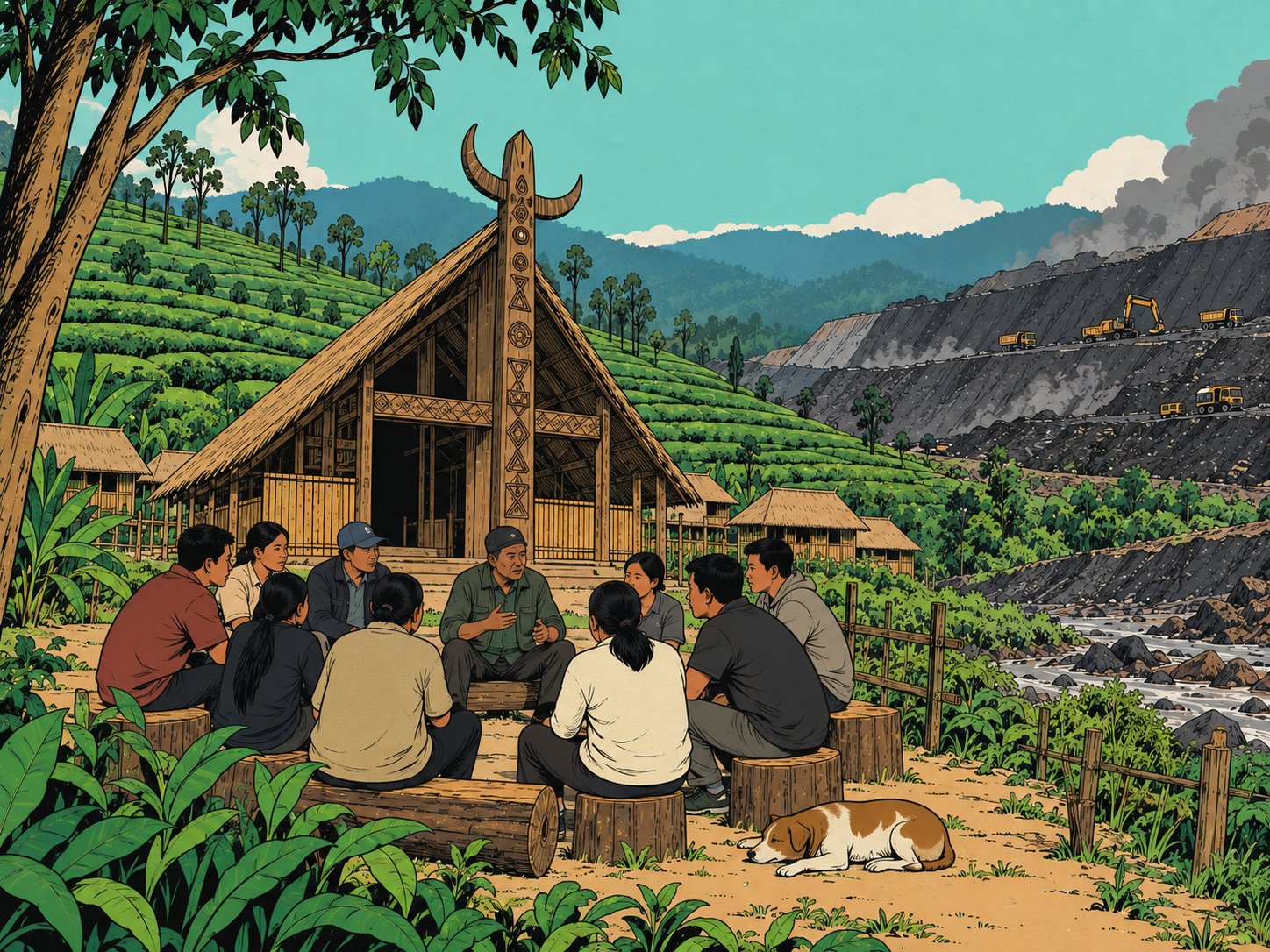
Over the years, the pressures on the bugyals increased. Better connectivity and declining fodder resources led to the bugyals being used for commercial grazing, in which, outside operators brought in large herds of sheep, goats and cattle to these grasslands. Meanwhile, tourism - particularly, multi-day trekking involving large camp set-ups- boomed.
This reached to a head in the nearby Aali-Bedini-Bagzi Bugyals, all in Chamoli district and on the trail of the popular Roopkund Lake trek. The forest department had erected concrete bases and fibre huts to cater to the booming tourist numbers.
A local environmental group, called the Aali-Bedini-Bagzi Bugyal Sanrakshan Samiti (Protection Committee), filed a public interest litigation in the Uttarakhand High Court, alleging that the activities of the forest department and camping by trekkers were harming these “God’s grasslands”. This had led to an soil erosion, loss of grass cover and declining numbers of local plants.
In August 2018, the High Court ordered a prohibition of overnight camping, imposed a cap of entry of 200 tourists into the meadows, and banned commercial grazing. Only local shepherds could graze by “imposing reasonable restrictions on the number of cattle”.
This proved devastating for Singh and his family, who had a flock of 500 sheep at this point. “It was a huge shock for my family. We had built our lives around sheep rearing, and suddenly, we were told we could no longer continue,” says Singh, “They were trying to protect forests, but in the fallout were people like us who had nurtured and cared for the landscape for generations.”
However, on July 20, 2026, the Supreme Court of India, which was hearing an appeal by the Uttarakhand government against the order, set aside the ban on overnight camping and removed the 200-person cap.
While treks and tourism will continue, pastoralists are also worried that modernity will push their traditions into the margins. Outward migration, largely due to lack of economic opportunities, has become one of the biggest issues in Uttarakhand. Across the states, completely abandoned villages, or Ghost villages, are a visible manifestation of this.
Holding on to a dear friend
Following the High Court order, Poorna Singh decided to give up his flock entirely. The economics of keeping sheep was getting too difficult for him. Instead, he - like many others - herd groups of tourists, leading them across mountain slopes towards the many passes and peaks of the region.
The change is visible in his old friend too. Where once, only the soft, playful chimes of the bells tied to the necks of local sheep reverberated throughout the valley, now, echoes with the sounds of laughter of tourists making their way across the meadow.
“When I take people on the hike, I ensure tourists follow the rules for the Bugyal. No loud music and all trash must be picked up. I also ensure they know about the flowers and plants and tell them stories about our culture,” says Poorna, who on this bright, sunny day in May, gazes at the hikers being taken by a popular trekking company. “These big companies are not like that. They don’t respect our land or our culture.”