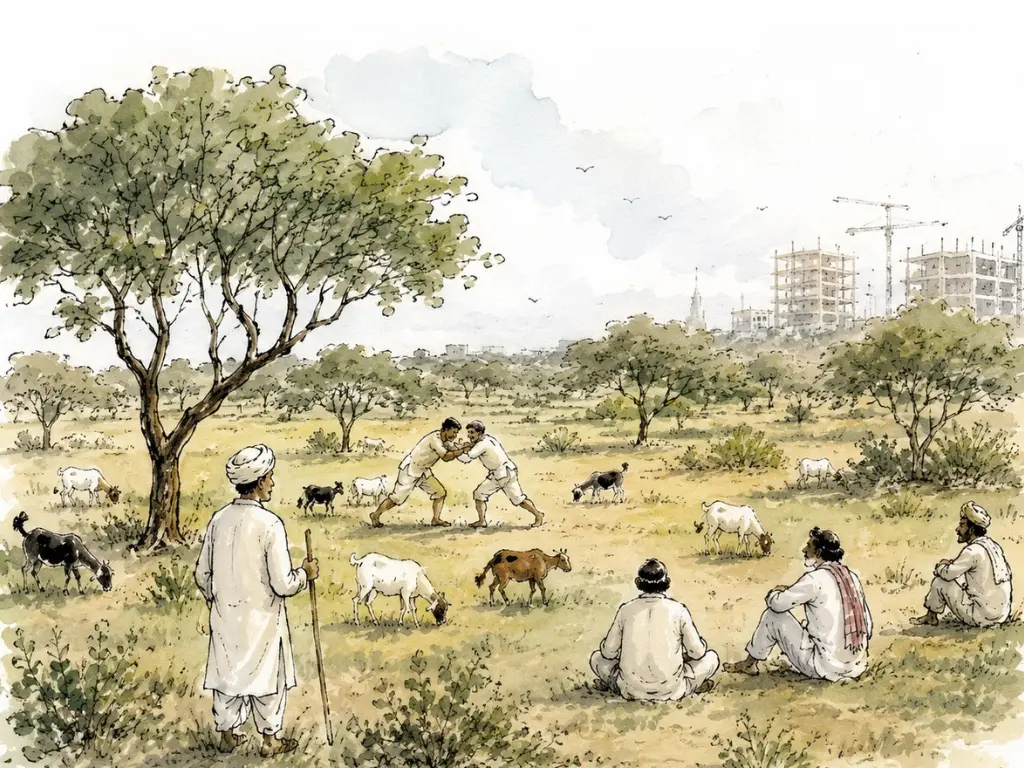
Villupuram, Tamil Nadu: In 2006, residents of Kaatupayyur decided enough was enough. Valliyammal, now 67, says over 2,000 people were to gather in the village and march towards the district revenue department office.
The demand was to reclaim “Panchami lands”, or common lands reserved for the Scheduled caste (SC) community under a century-old colonial law. In the village, the community had identified over 17.5 acres of commons lands that were reserved for the SC community as part of a British-era legislation that aimed to empower socio-economically disadvantaged castes through land ownership.
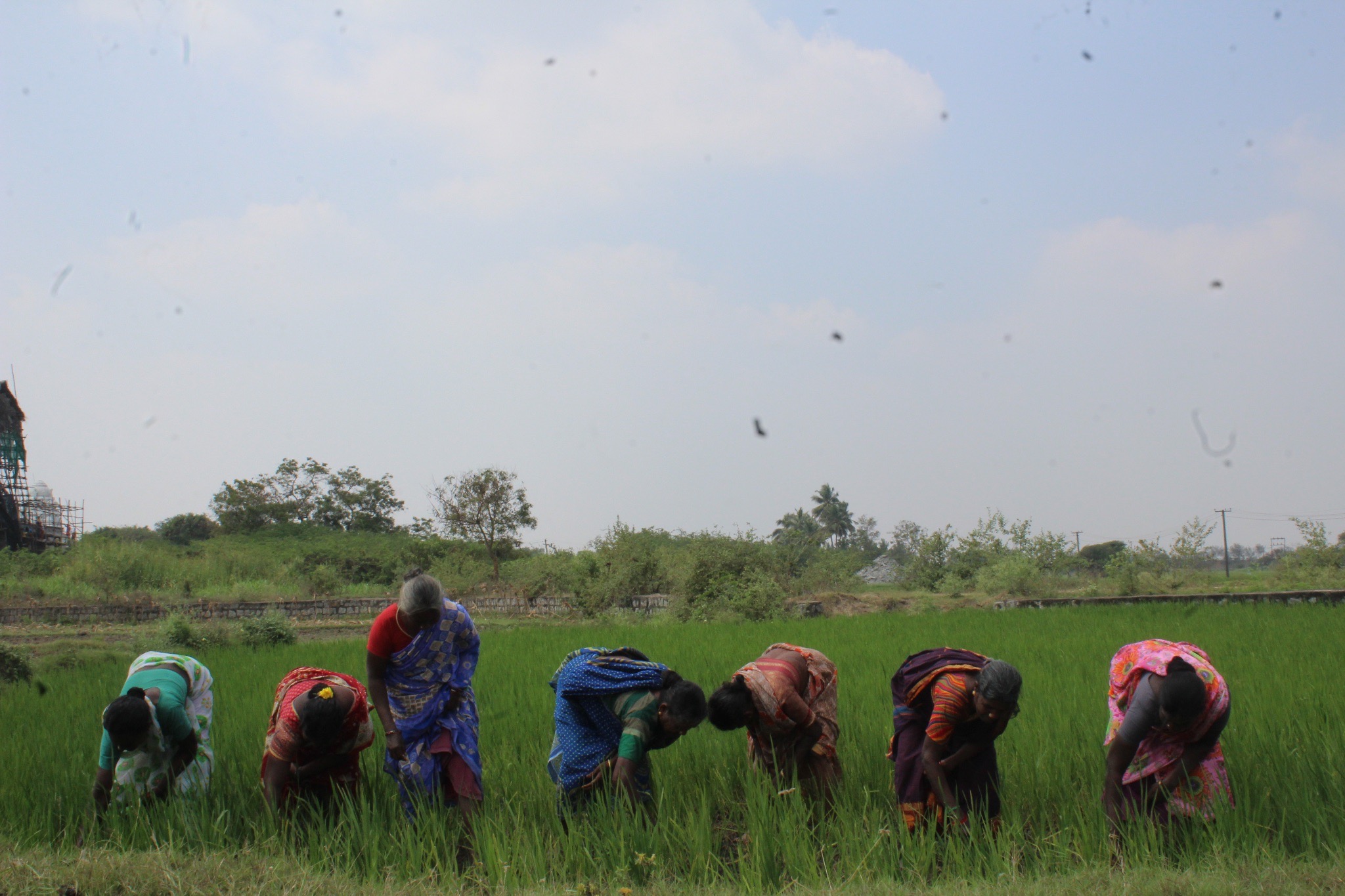
“Around 2001, we realised we had rights over these lands. We wrote petitions and submitted applications,” says Valliyammal. There were nearly 200 people from the SC community in the village. Valliyammal, like all others in the community, did not own land.
Villagers, mostly women from the community, began to turn up at government offices, submitting applications and following up. Entire days would be spent in trying to get the wheels of bureaucracy to move. “But, nothing happened. Government officials just sat on our applications. We realised we had to protest,” she recalled.
People from other villages joined the march in solidarity. The police acted swiftly. “We were all rounded up and confined in a marriage hall. There was no space inside at all. The elderly were kept outside the hall,” Valliyammal says,“I just couldn’t understand why they did this when all we wanted was our rights."
But the protests made a difference. Within two weeks, villagers received pattas for their lands.
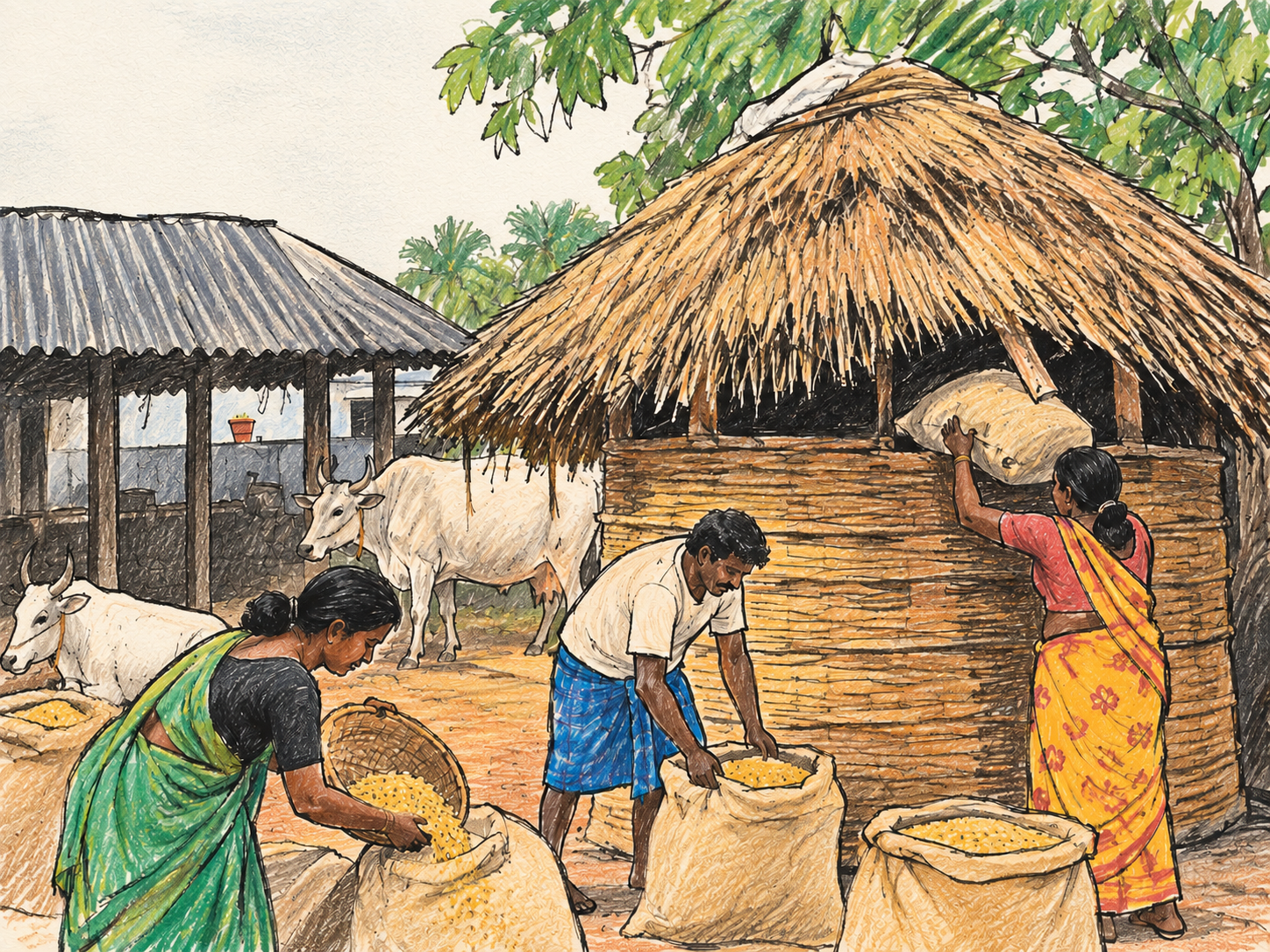
Kaatupayyur’s Dalit community was finally allotted land. They were no more just labourers paid minimum wages in Mirasudarar’s (landlords') fields. They were now land owners, who used the Panchami lands to cultivate pulses, rice and maize which feeds the community even in years of drought.
When land becomes emancipation
For centuries, Dalits and other socially-discriminated castes were not allowed to own land. The Panchami Land Act of 1892 sought to change that. The administrative order in the Madras Presidency assigned 12 lakh acres of government-owned common lands to Dalits.
The law recognised land as an important tool of empowerment; and also acknowledged the discrimination faced by Dalits, who were not only denied land ownership but also excluded from the commons themselves.
However, for over a century, the law barely translated into action on the ground. Through encroachments, the usurpation of lands by dominant castes and state inaction, much of these Panchami lands remained unallotted. Dalit land ownership continued to remain low.
While SCs make up approximately 20% of the state's population, they account for just 10% of agricultural landowners. Studies show that systemic landlessness affects over 60% of rural Dalit households.
Commons—shared lands such as forests, pastures, water bodies and mangroves— cover 205 million acres or one fourth of India and form the lifeline for over 350 million people, including marginalised groups like Scheduled Castes, Scheduled Tribes and women.
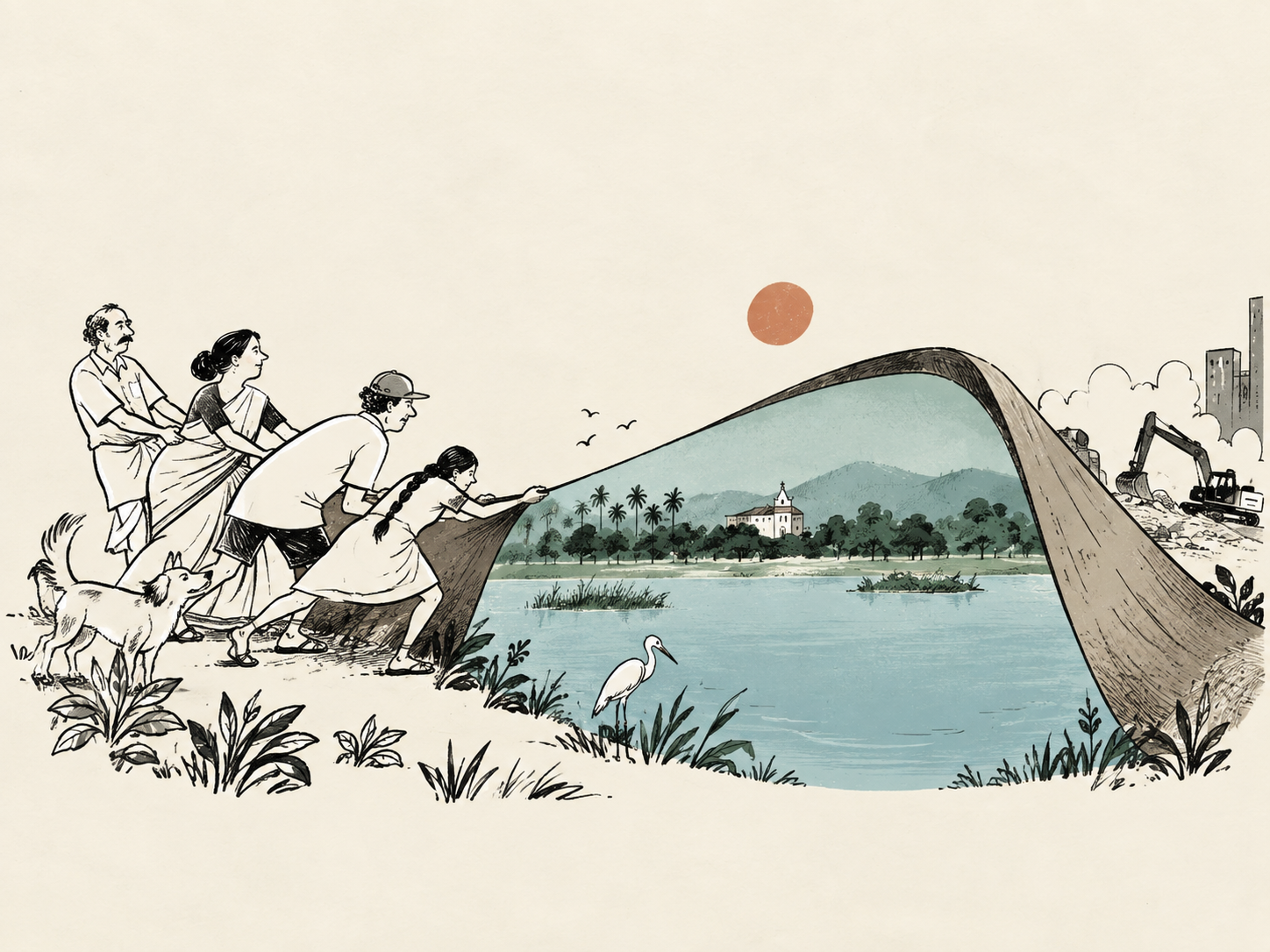
Commons have also become an important means of dispensing social justice, correcting generations of exclusions and a means for empowerment. Kaatupayyur shows that if land reforms are carried out, then commons can emancipate communities and provide a social security net.
Land Conflict Watch, a Delhi-based research group, in collaboration with Common Ground Initiative, a collaborative working on the commons, is documenting stories of successful collective action. These stories show that communities across India are reclaiming, restoring and managing commons in a way that contributes to their ecological, social and economic upliftment.
Reparations for exclusion and landlessness
For centuries, land control in large parts of Tamil Nadu was governed by the Kaniyatchi system. This was not an absolute individual property right over land alone, rather it was a set of rights for upper castes over village common resources and also included customary rights over the labour of lower castes. Untouchable communities were relegated to a position of Pannaiyal (or permanent labourers). These rights included an absolute right over Pannaiyals, including their sale, mortgage or gift to others with Kaniyatchi rights.
In 1891, James H.A. Tremenheere, the Acting Collector of Chengleput (now called Chengalpattu, a district on the outskirts of Chennai), wrote a report on the “subhuman living conditions” of these Dalit communities. Along with literacy and ending bonded labour, he came to the conclusion that land ownership would lead to transformation of Dalit communities.
The report led to the Depressed Class Land Act in 1892, through which nearly 12 lakh acres of “wastelands” - largely, village commons where upper castes had not taken up cultivation - were assigned to Dalit communities as conditional grants across the Madras Presidency (which comprised Tamil Nadu, Andhra Pradesh, parts of Northern Kerala and parts of Southern Coastal Karnataka). The lands became known as Panchami lands.
However, over nearly a century, these lands were not allotted to Scheduled Caste communities, rather, it was sold, encroached or were allotted to other castes; or, even allotted for infrastructure projects and industrial parks.
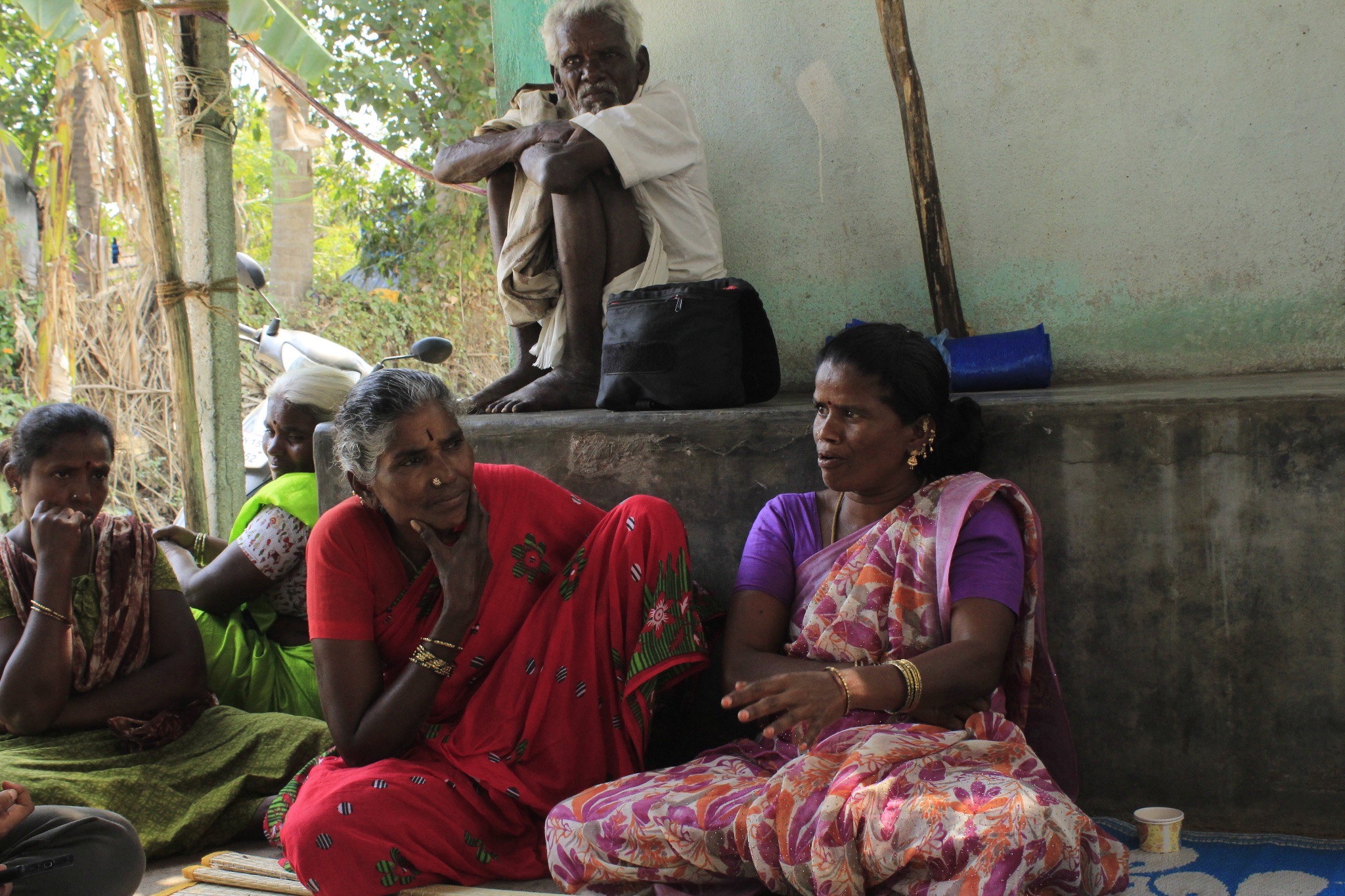
For decades after Independence, Dalit social justice movements in Tamil Nadu largely focused on access to education and fighting against overt and systemic discrimination. In the 1990s, the focus shifted toward asserting land rights, especially in the northern districts of Tamil Nadu where significant tracts of Panchami land exist.
The rallying point came in 1994, when the Panchami land agitation in Chengalpattu, close to Chennai, turned to tragedy. Police fired at Dalit protestors, killing two persons. Dalit organisations doubled down on the need to claim Panchami lands for the community.
Nicholas, Founder-Member of Integrated Rural Development Society (IRDS), a local organisation working on reclaiming Panchami lands for more than 20 years, said Tamil Nadu currently had about 3 lakh acres of land, of which just around 50,000 acres - or, just around 16.7% - had been allotted to the Dalit community. “Our fight is for the remaining 2.2 lakh acres,” says Nicholas, who like many in the community, uses only one name.
But finding where the land was the first major hurdle. The status of the lands remained hidden in village land records, and much of this was inaccessible to the Dalit community. “We could trace the land only in villages where there was a Dalit Village Accountant (the custodian of village revenue records). It was a very slow process. Between 2000 and 2005, we could only find 9,000 acres of Panchami lands,” says Nicholas.
What changed the tide was the Right to Information Act, 2005, which has become a critical tool to identify Panchami lands. IRDS trains local youth and villagers in filing RTIs, reading land records, and even using GPS to map encroachments.
Petitions, protests and collective cultivation
Once land is identified, villagers often use a host of tactics to push indifferent authorities to act.
At Kuladeepamangalam village in Villupuram district, home to about 70 persons from the Dalit community, nearly 7.5 acres had been identified as Panchami land. “For the past 20 years, we’ve been asking for the title deeds (patta) of the land to be given in our names,” says Saravanan, a 65-year-old resident of the village.
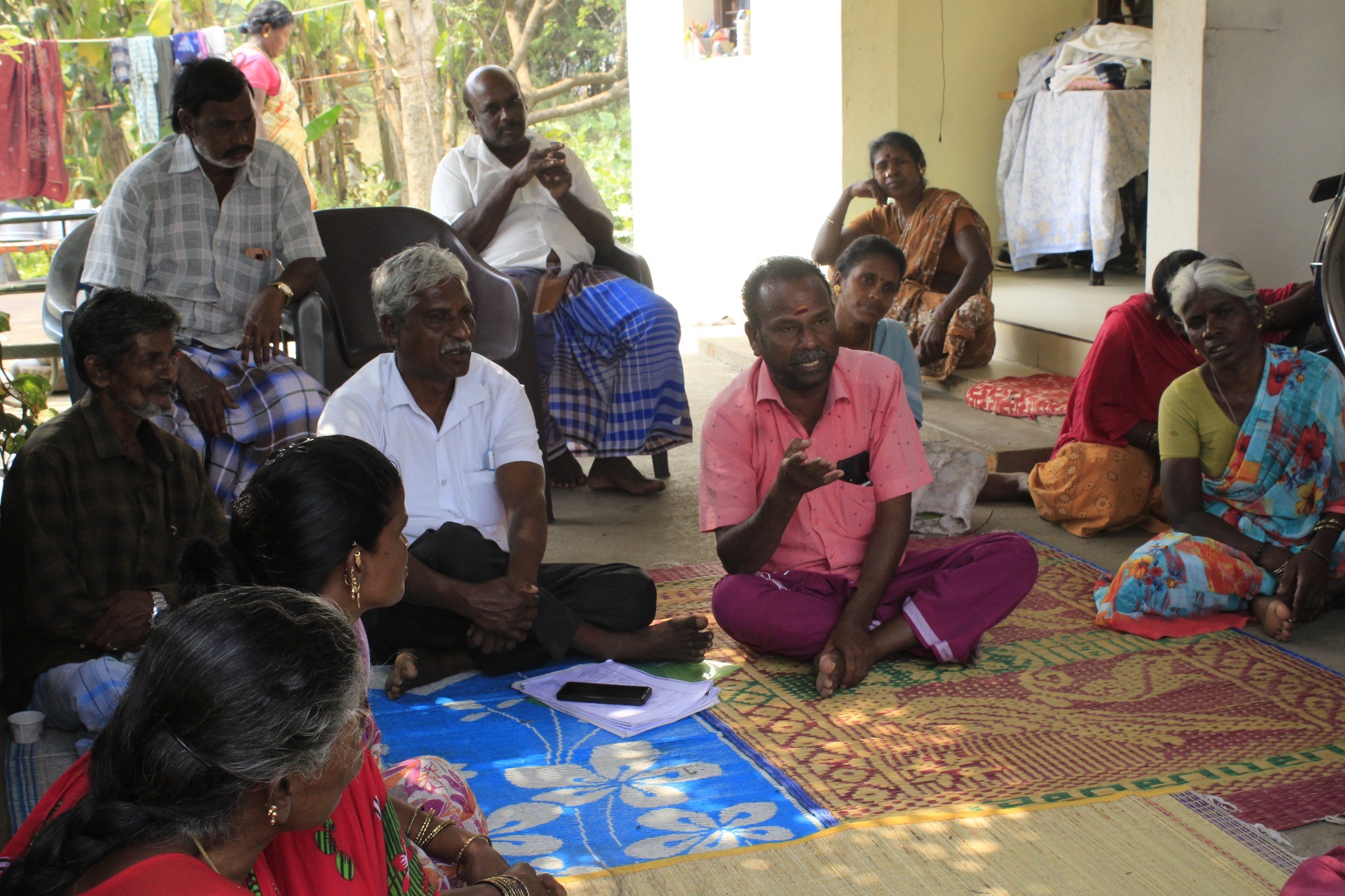
Frustrated with the lack of progress, villagers and members of various organisations gathered to form a human chain. Over 5,000 people stood around the land. “The police even lathi-charged at us, but we stood strong. The protest worked, and the district collector came to the spot and sought a month’s time to issue us grants for our village,” said M. Velu, a village resident who participated in the protests. Though assurances were given, little has happened on the ground.
When protests, memorandums and petitions failed, many villagers chose to “occupy the land” as a way to assert their rights over the land. In this, families move onto government land, setting up homes or farming on it. This marks the community’s claim to the lands, even if authorities are slow to act on allotting the land.
“When people start cultivating, ownership becomes collective, and no authority can touch them since Panchami lands already belong to the community,” says Nicholas, from IRDS, “Occupying the land builds confidence amongst the community, and this is the first step towards reclaiming their right and taking collective action.”
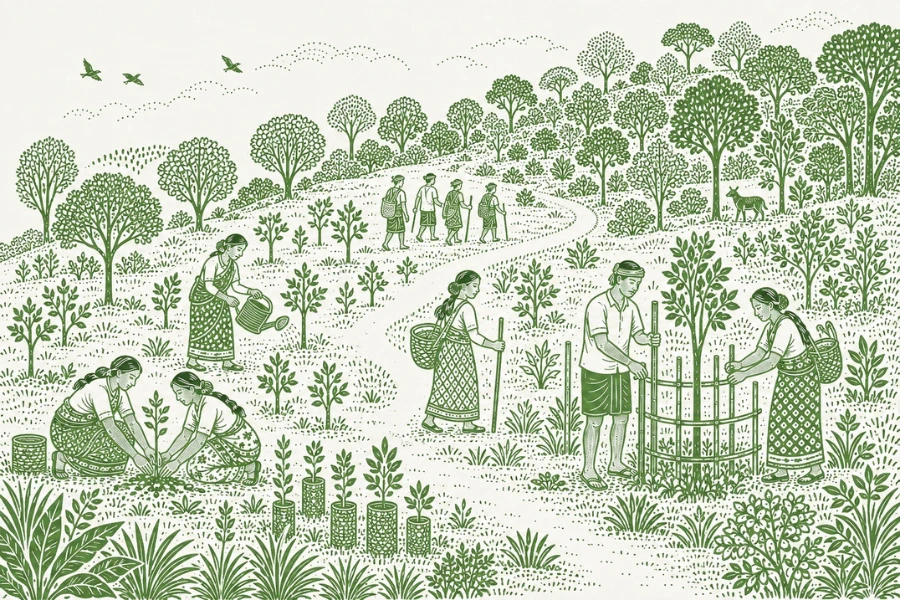
In Kondamalli village of Vellore district, in northern Tamil Nadu, villagers decided to begin cultivation on 22 acres of Panchami land despite not having been given grants for it. Here, while individual families participate in the farming, the labour and the harvest are shared amongst the community.
Women who kept the fight alive
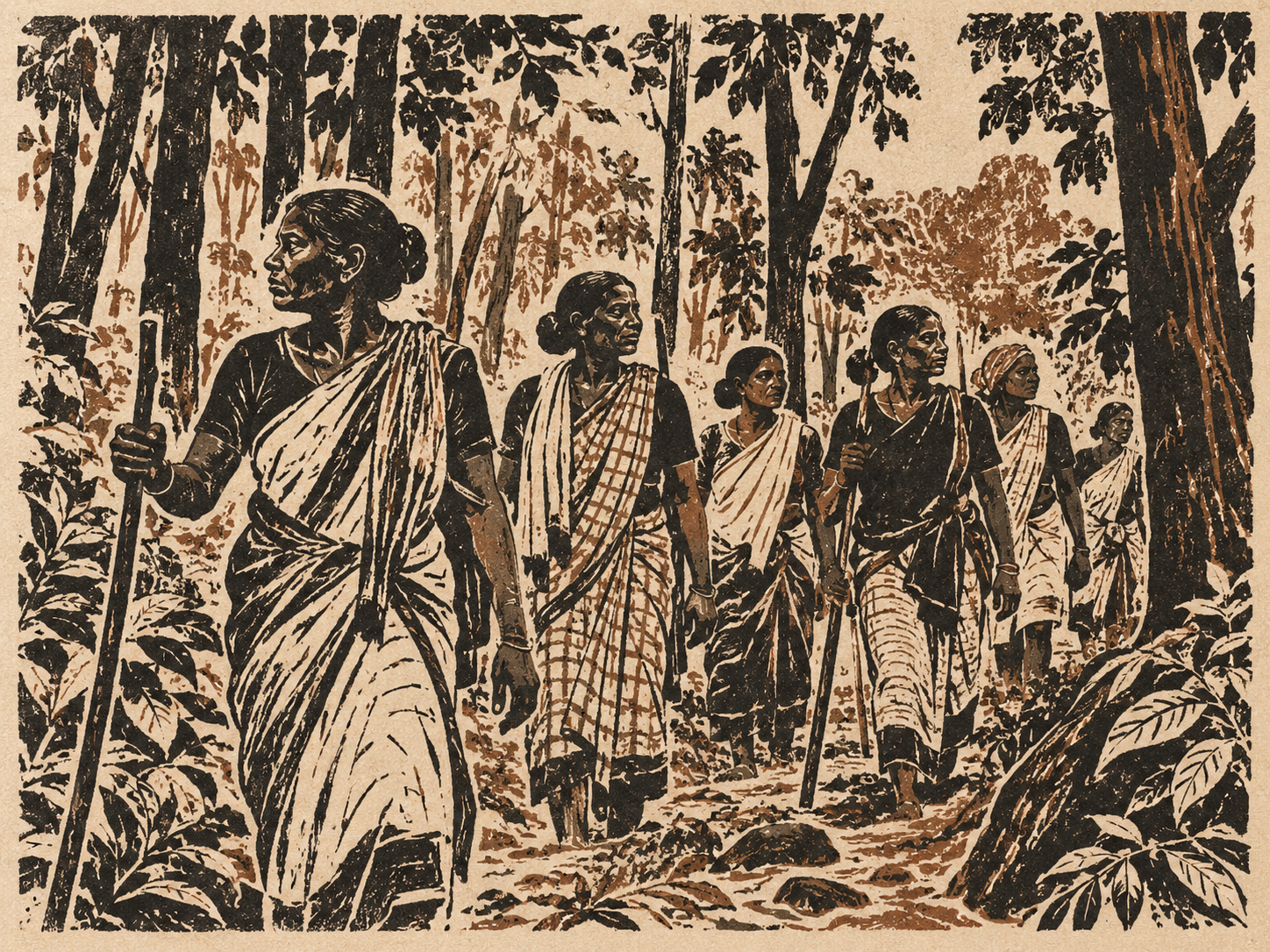
While these protests and assertions of the rights mushroom across Tamil Nadu, both in courts and government offices, women are taking the lead.
At the Kuladeepamangalam village, 40-year-old Usha V. has been going to the local revenue office every three months for the past 20 years. “We find no response each time,” says Usha.
In her village, they had identified 7.5 acres of land as Panchami lands. These were lying fallow.
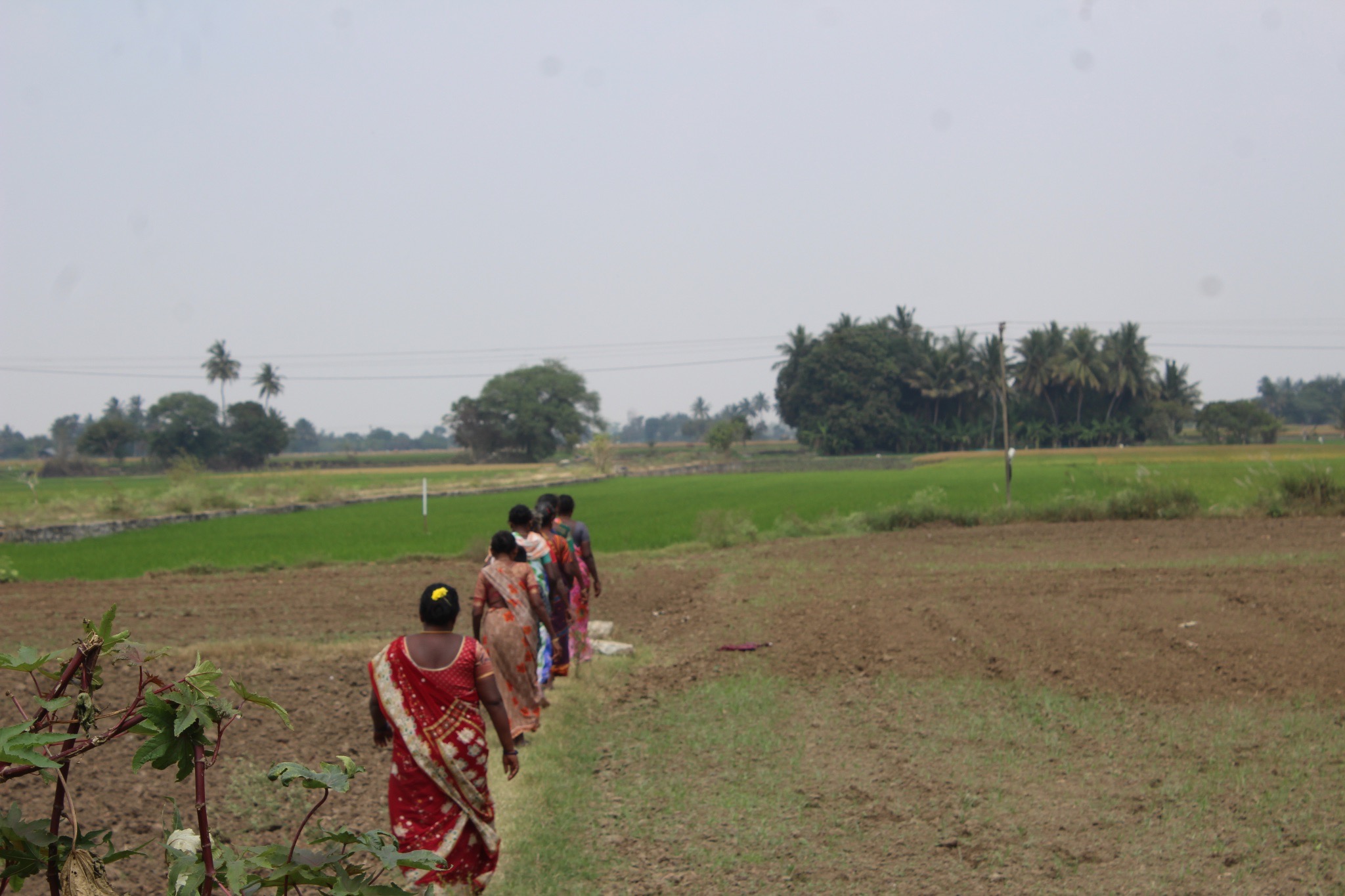
Usha and Kuladeepamangalam’s fellow residents formed an informal group to try and get these lands allotted. They spent days at revenue offices, write petitions, and even put forth their demands at Jamabandhi, a centuries-old traditional system, now organised by the state government annually, where land records are reviewed, and grievances and conflicts are resolved.
“We run on hope each time we go. We get a response saying things will progress next month, that our file is progressing. But nothing happens,” she said.
At one time, they had even got government surveyors to plot the land and they marked it with the boundaries. All that was needed was to issue documents recognising private ownership of the land. “We had cleared the land and we waited. And suddenly, the revenue official was transferred. And then our file got stuck again. For that moment, our hope turned into hate,” said Usha.
But ensuring that the movement remains a collective struggle is what gives the women renewed hope, said Poongavanam, 67-year-old resident of the village. “We have often felt there is no purpose to our struggle. But, then we think of the land and what immense value it will be to us. It always gives us hope that this year could be our year,” she said.
More than just livelihood
Kuladeepamangalam can take hope and inspiration from Kaatupayyur, where women led the movement to reclaim land.
The land Valliyamma fought for and obtained for her family is not their primary source of income. Like much of the farmlands in Villupuram, agriculture is primarily rain-fed. During the monsoons, they cultivate their land, sowing food crops. During other seasons, they still work as daily-wage labourers. The crops cultivated by them feed the family, while daily-wage work takes care of the other mounting expenses.
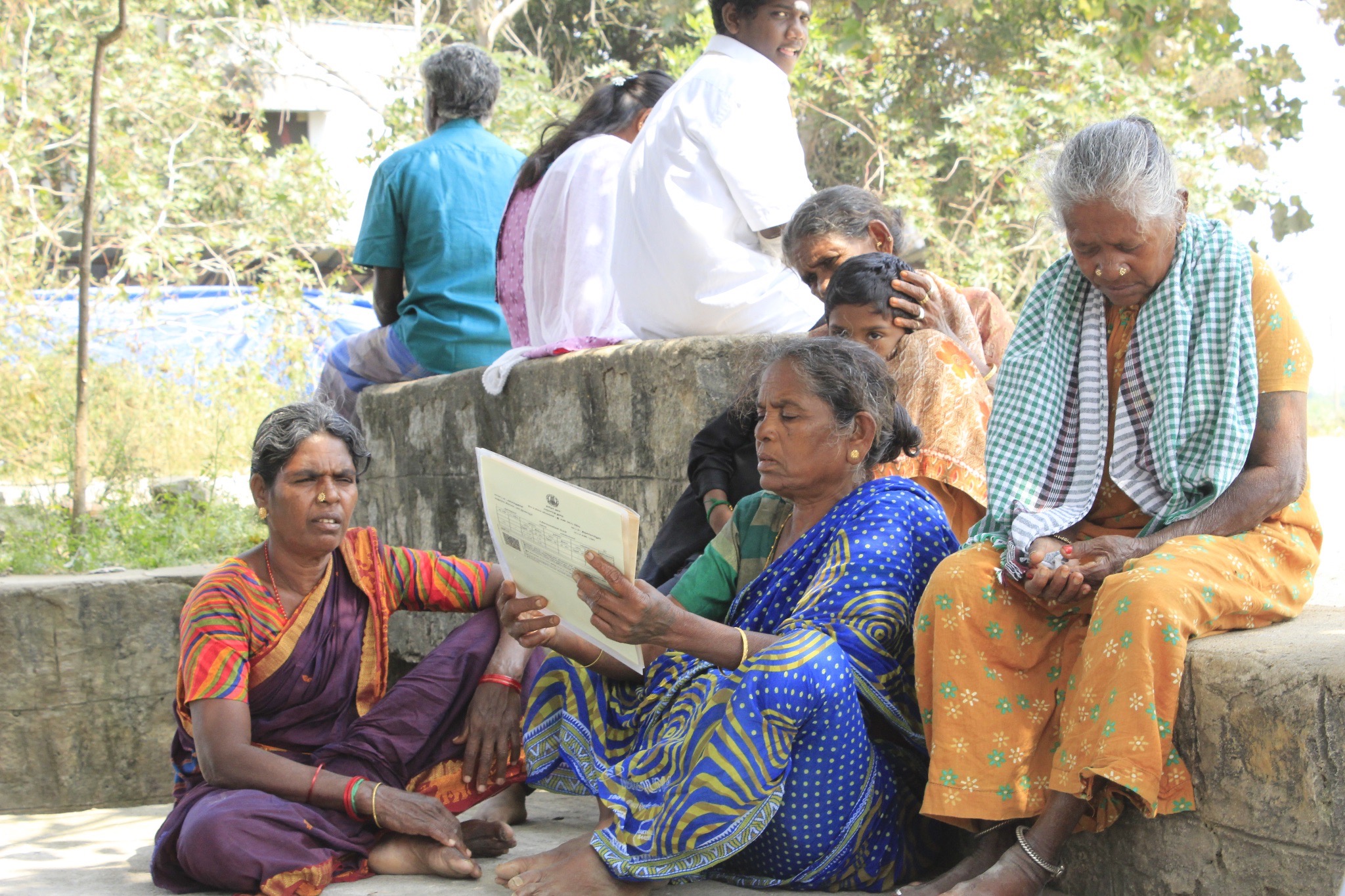
But land in their name - the culmination of a millennia-long struggle - represents a kind of dignity that they did not have before, said Valliyammal. “There is a phrase that people use to curse someone. They say, ‘nilam illadha naye’, (which translates to ‘you are a landless dog’) implying that a person without land has no value. Even a small piece of land changes how you are seen in society. For us, this land is happiness,” she said.
.webp)

.webp)
.webp)
.avif)
.webp)

.webp)