theABBIE
1739 S Main Street, Salt Lake City, Utah 84115
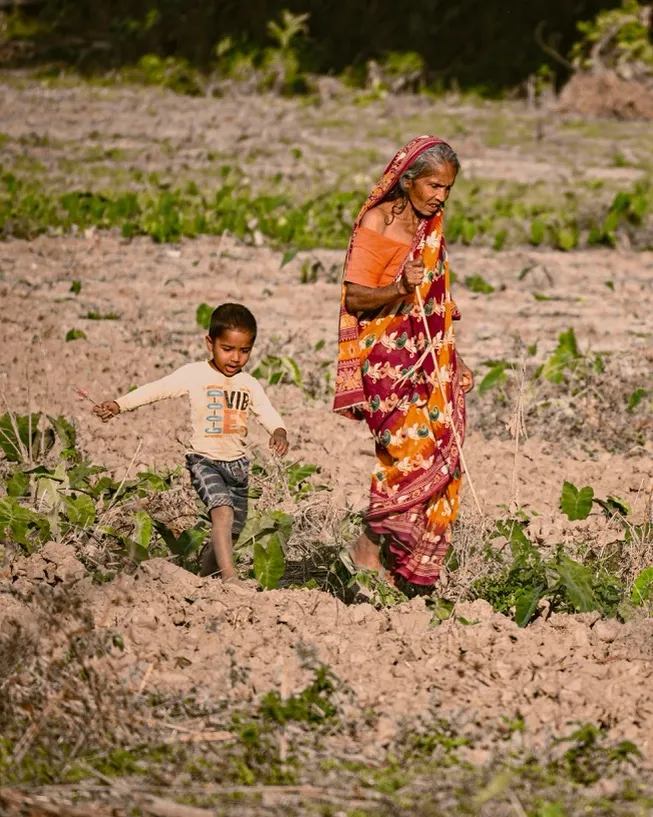
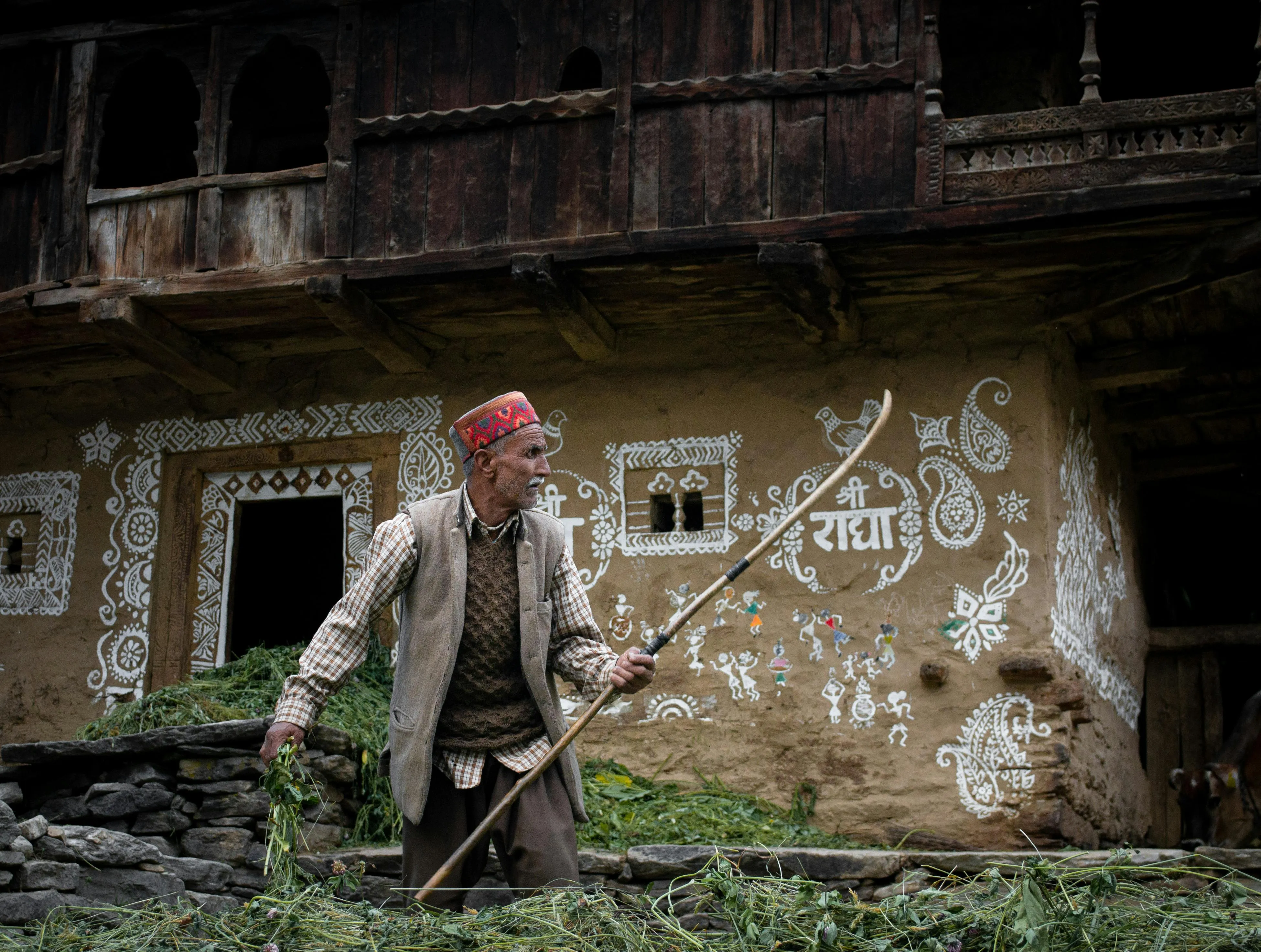
Stories of communities reclaiming shared natural resources — forests, pastures, water bodies, and mangroves — through collective governance across India.
Lorem ipsum dolor sit amet, consectetur adipiscing elit. Suspendisse varius enim in eros elementum tristique. Duis cursus, mi quis viverra ornare, eros dolor interdum nulla, ut commodo diam libero vitae erat. Aenean faucibus nibh et justo cursus id rutrum lorem imperdiet. Nunc ut sem vitae risus tristique posuere.
1739 S Main Street, Salt Lake City, Utah 84115
.avif)
Sangrur, Punjab

Kajalheri, Fatehabad, Haryana

Tiriya, Bastar, Chhattisgarh

Surumi, Koraput, Odisha

Zendepar, Gadchiroli, Maharashtra

Madhya Pradesh
Chhota Bhangal, Himachal Pradesh

Jammu and Kashmir

Ara and Keram, Jharkhand

Viradhanur, Madurai, Tamil Nadu

Yurnath and Beeling, Lahaul, Himachal Pradesh

Solapur, Maharashtra

Pauri Garhwal, Uttarakhand

Haryana

Ledo-Margherita, Assam
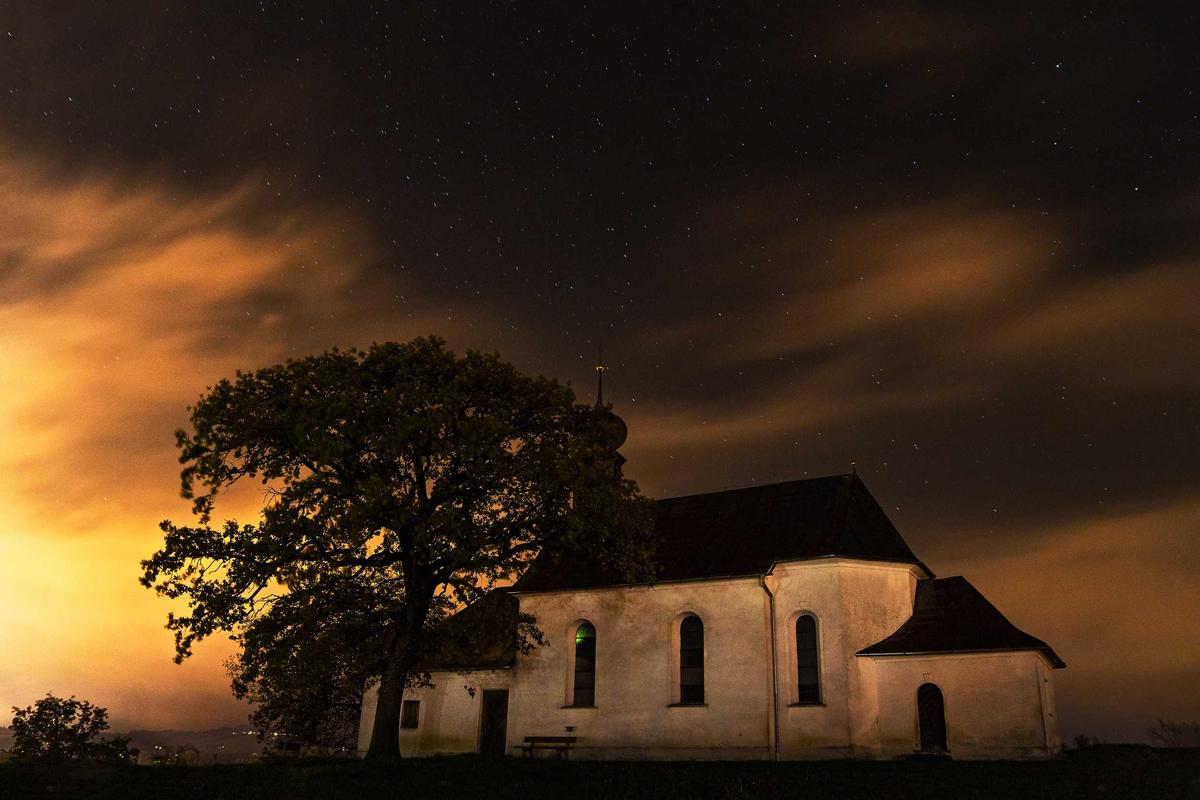
Dooars, West Bengal

Goa
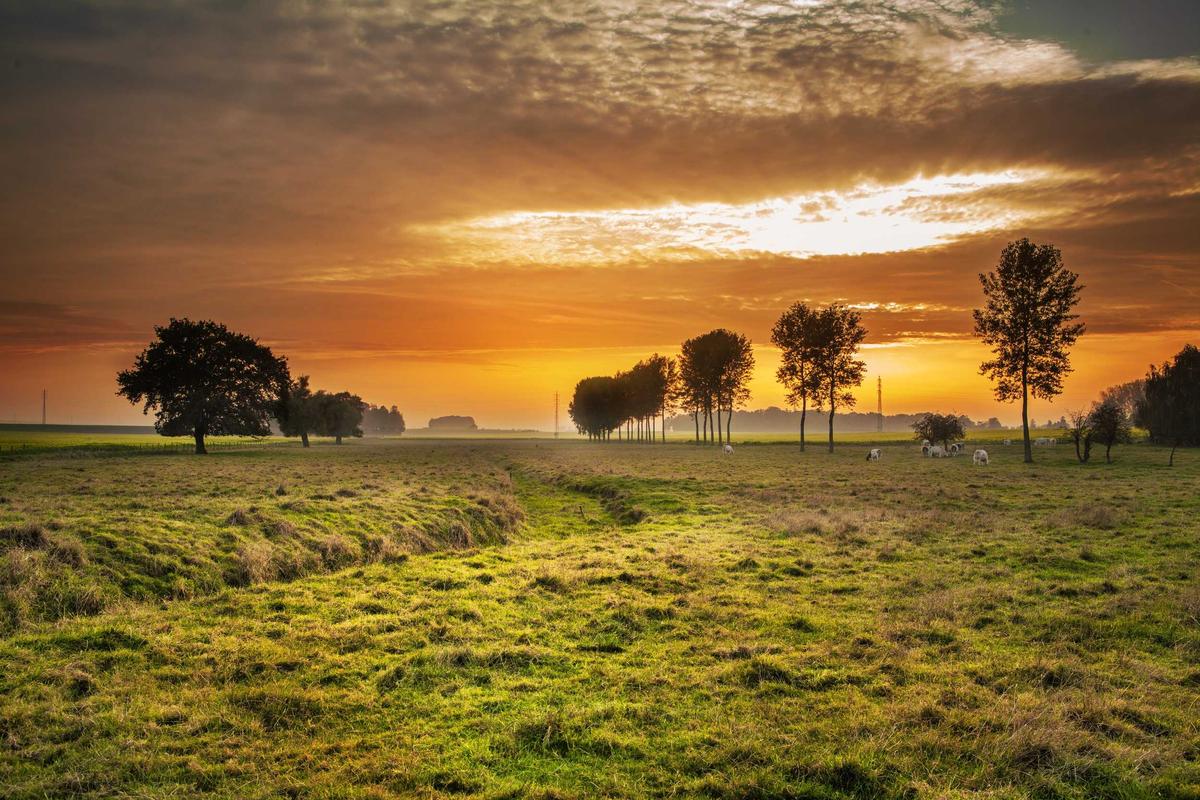
Gujarat

Payvihir, Maharashtra

Chhattisgarh
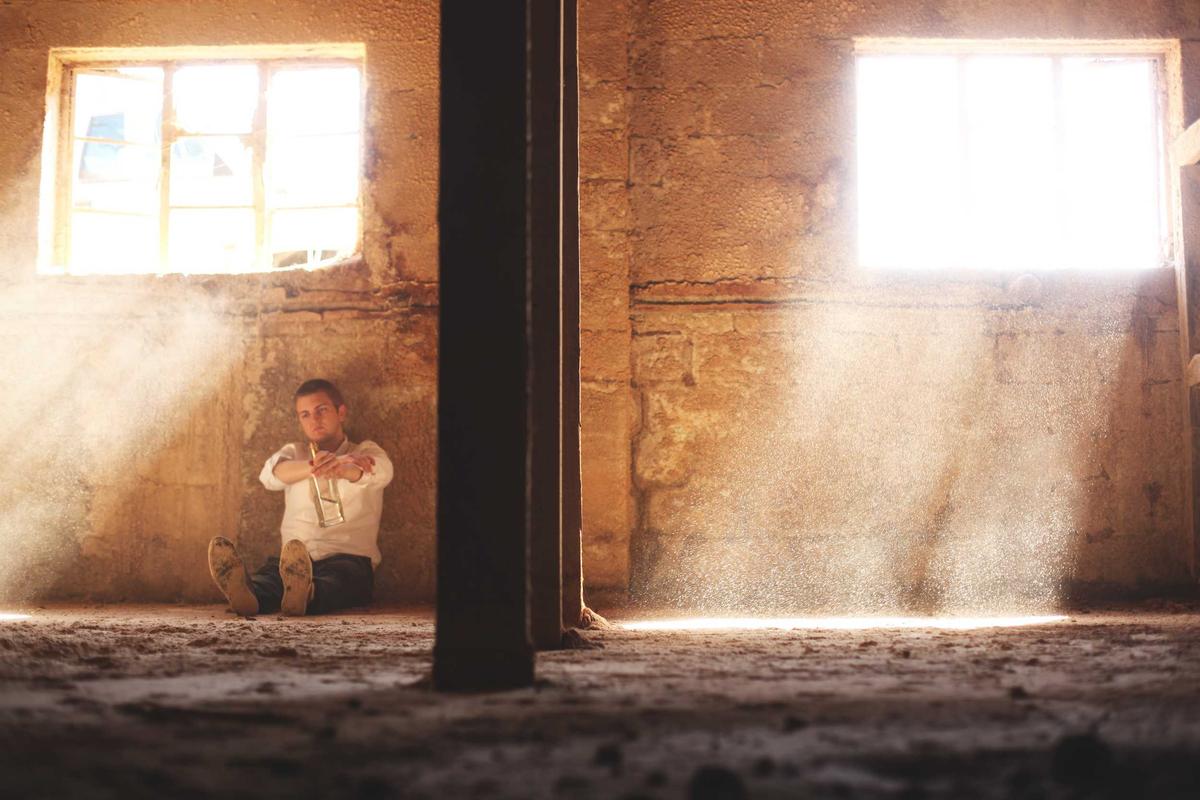
Maharashtra
Sangrur, Punjab
Kajalheri, Fatehabad, Haryana
Tiriya, Bastar, Chhattisgarh
Surumi, Koraput, Odisha
Zendepar, Gadchiroli, Maharashtra
Chhota Bhangal, Himachal Pradesh
Ara and Keram, Jharkhand
Viradhanur, Madurai, Tamil Nadu
Yurnath and Beeling, Lahaul, Himachal Pradesh
Solapur, Maharashtra
Pauri Garhwal, Uttarakhand
Ledo-Margherita, Assam
Dooars, West Bengal
Goa
Gujarat
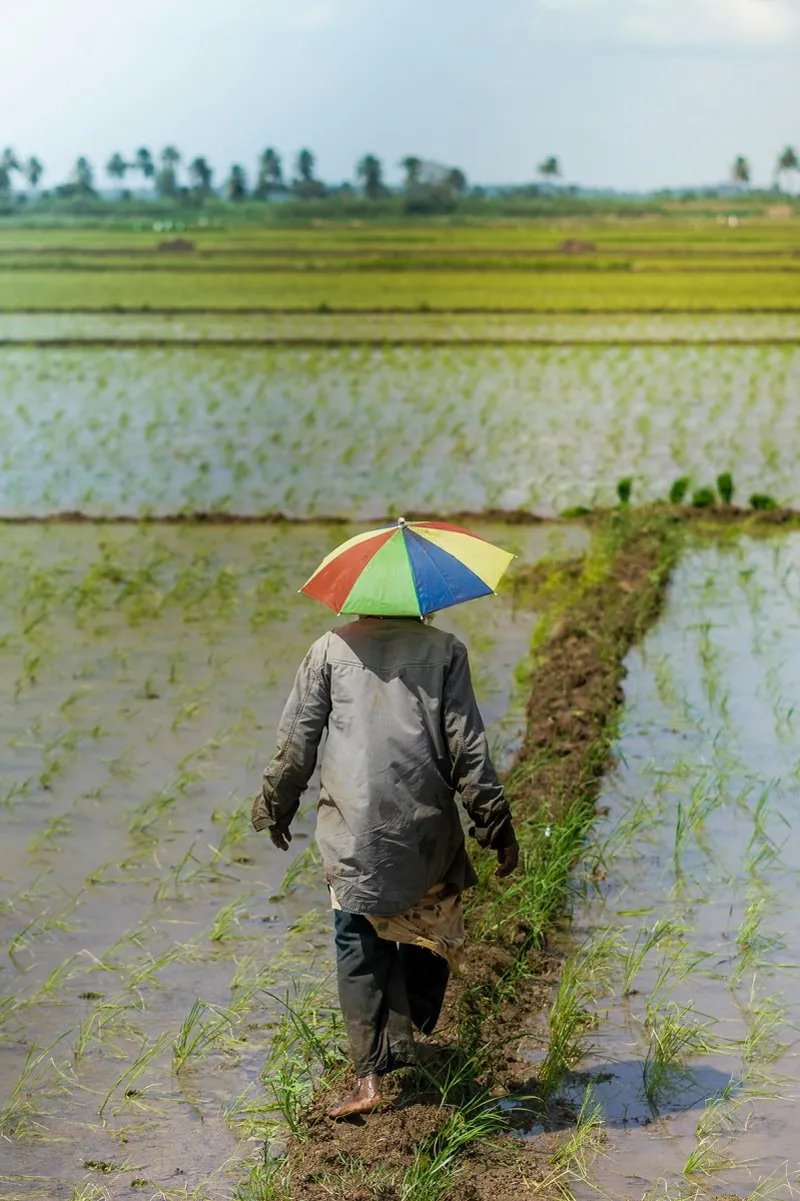
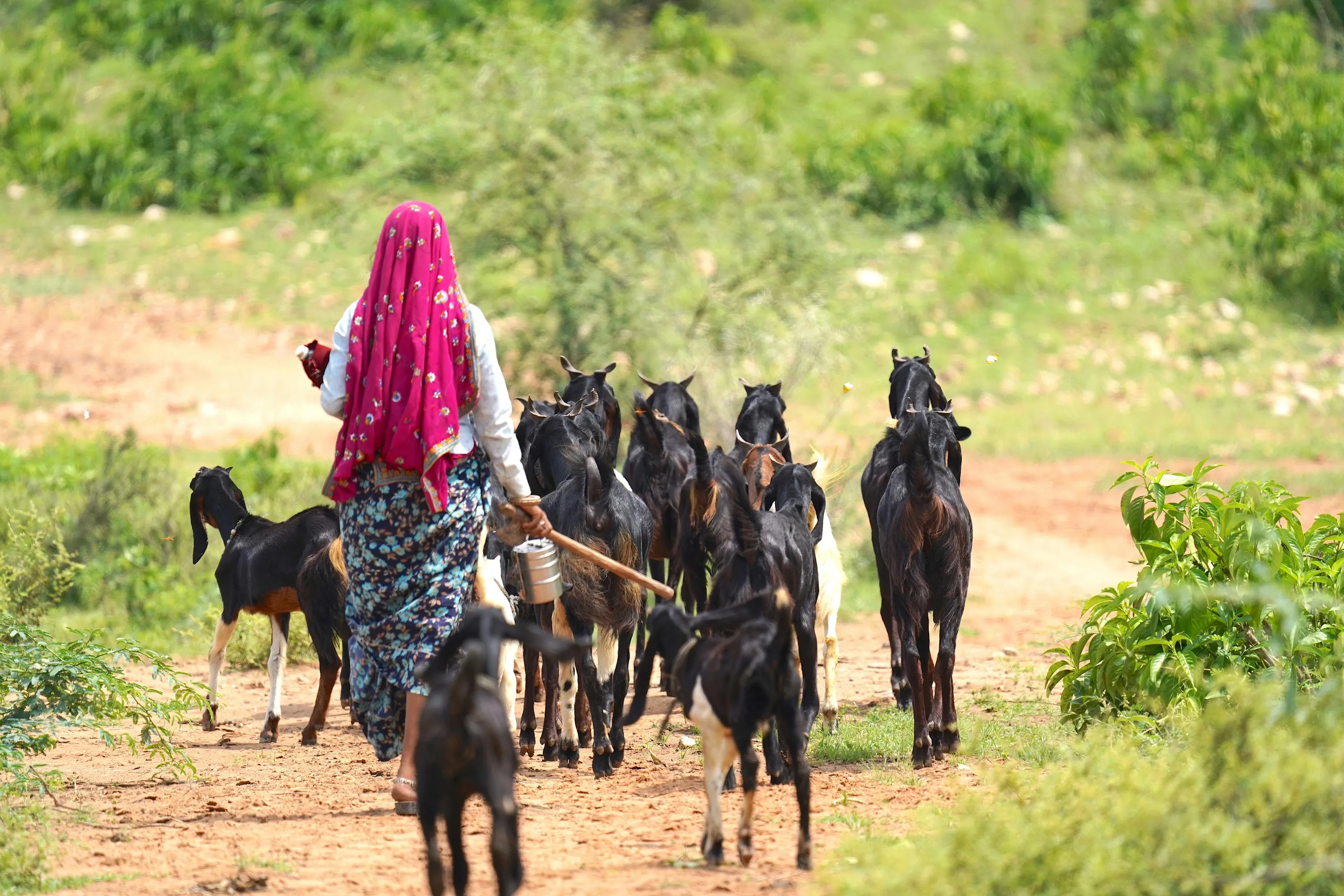
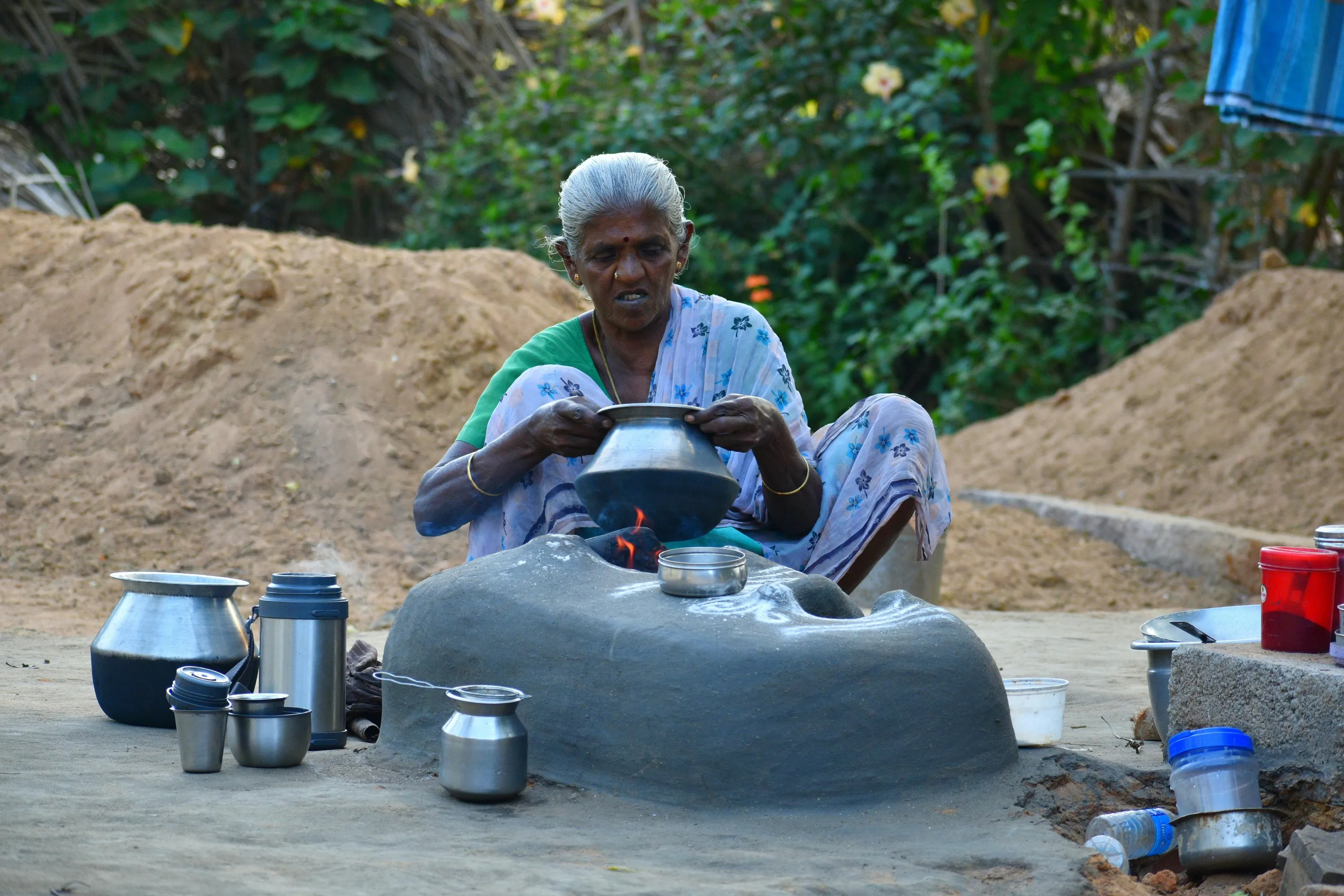
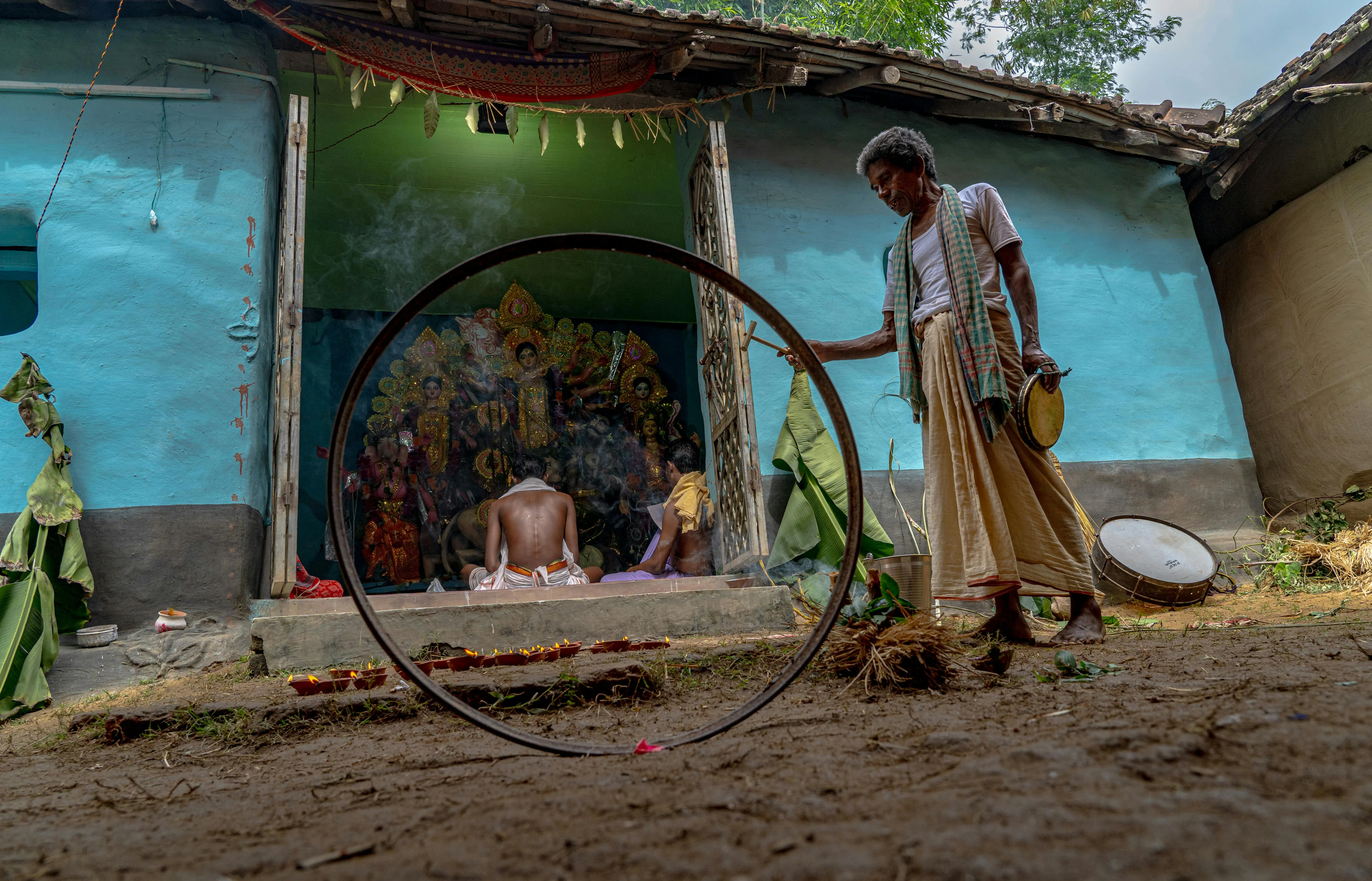
Commons referred to lands and natural resources that communities accessed and managed collectively. In India, long before modern systems of private property and centralized state control took shape, village communities relied on shared landscapes like grazing lands, forests, wetlands, ponds, riverbanks, and coasts to sustain everyday life. These spaces, which account for nearly a fourth of the Indian landscape, have supported pastoralists grazing their livestock, fisherfolk harvesting local waters, and landless households gathering fodder, fuelwood, and wild foods.
Over time, customary practices and community institutions developed to regulate how these resources were used, ensuring that access was shared and ecological balance maintained. While colonial and post-colonial land governance systems reshaped many of these arrangements, commons have remained deeply embedded in rural economies and social life.
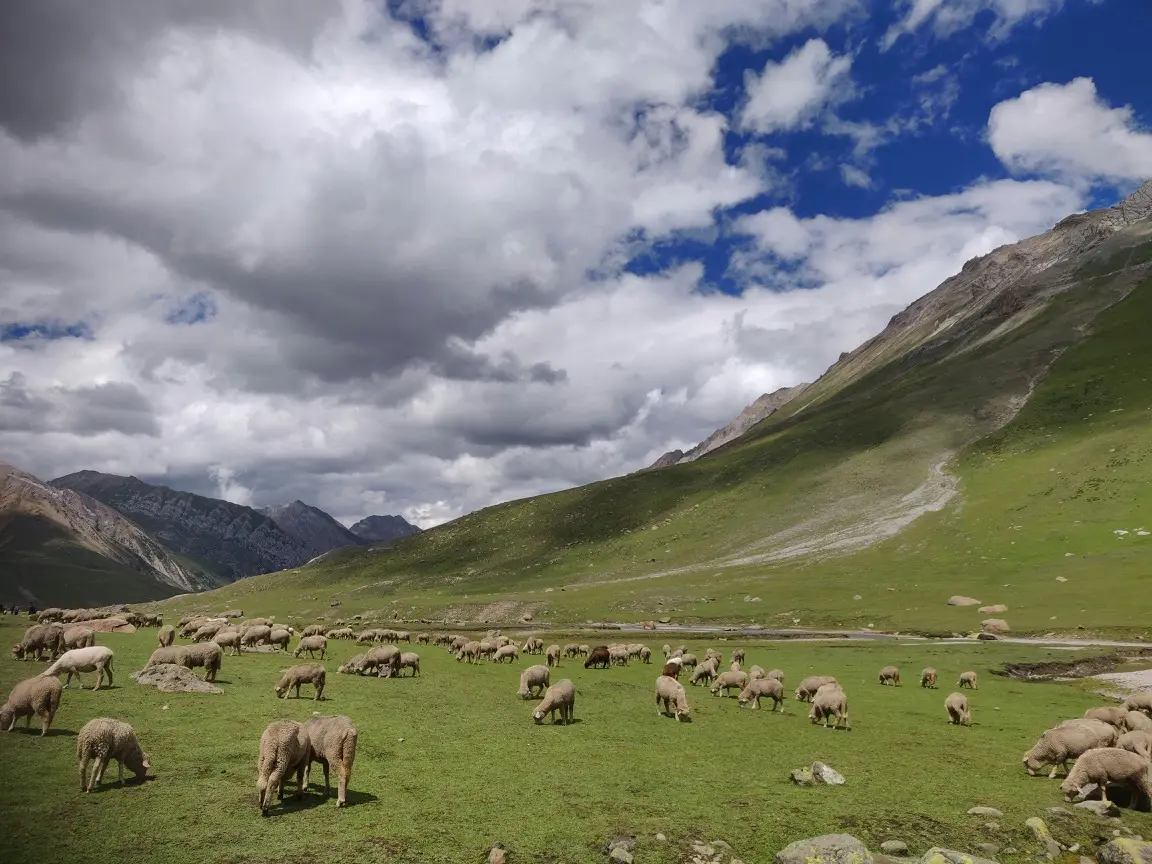
Through the 100 Stories of the Commons project, we follow the histories of how communities across India have lived with and cared for shared landscapes. Commons have been shaped over generations through collective labour, local knowledge, and acts of stewardship around forests, grazing lands, water bodies, and coasts.
As governance systems and political priorities have shifted over time, these relationships have also evolved.
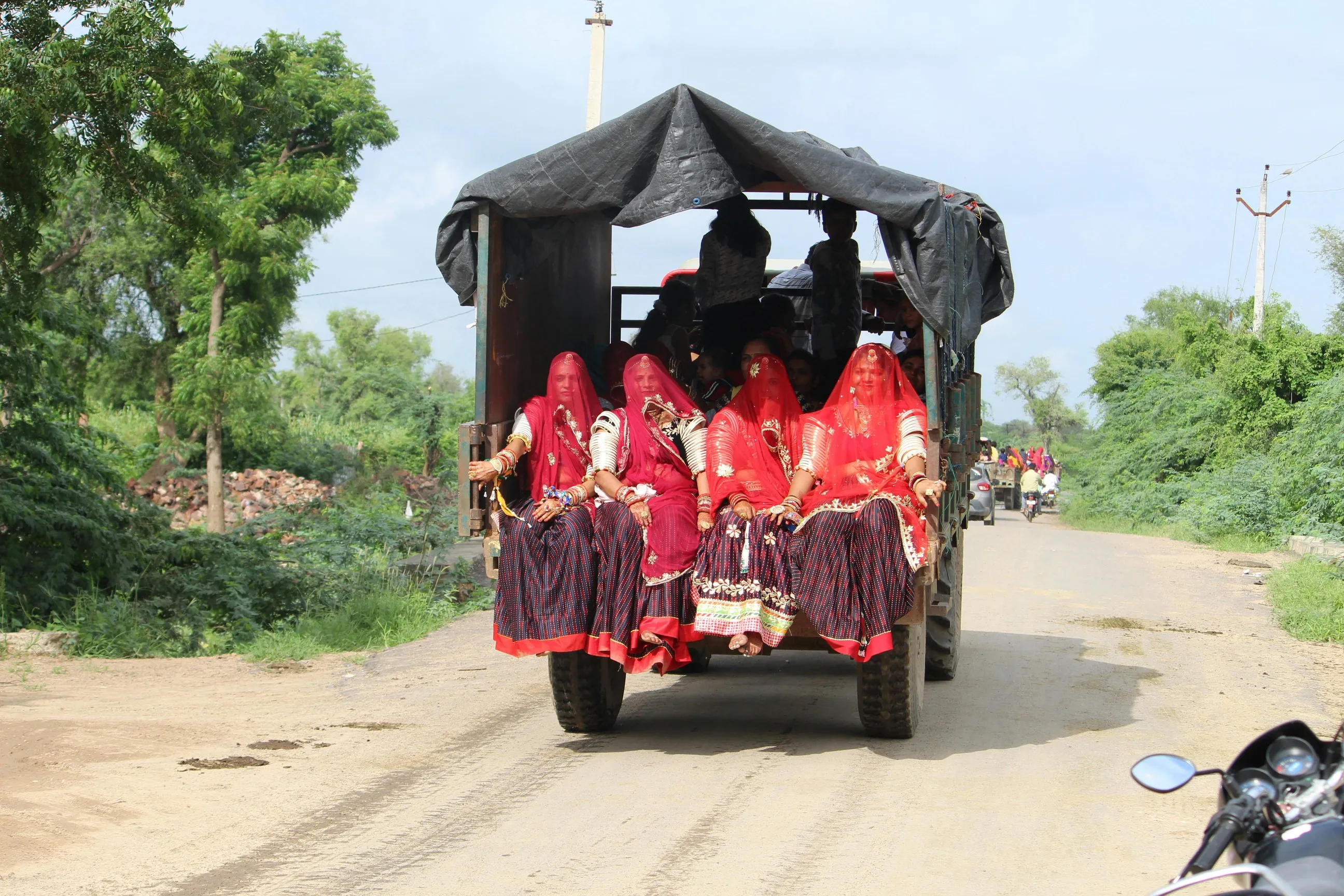
Commons support the livelihoods of millions of people in India, particularly those with little or no land of their own. Yet these landscapes are frequently invisible in policy, poorly documented, or treated as vacant land available for development. As pressures from infrastructure, industry, conservation regimes, and climate change reshape these spaces, the stakes for communities that depend on them are growing.
Documenting these stories helps make visible the social, ecological, and political significance of commons.