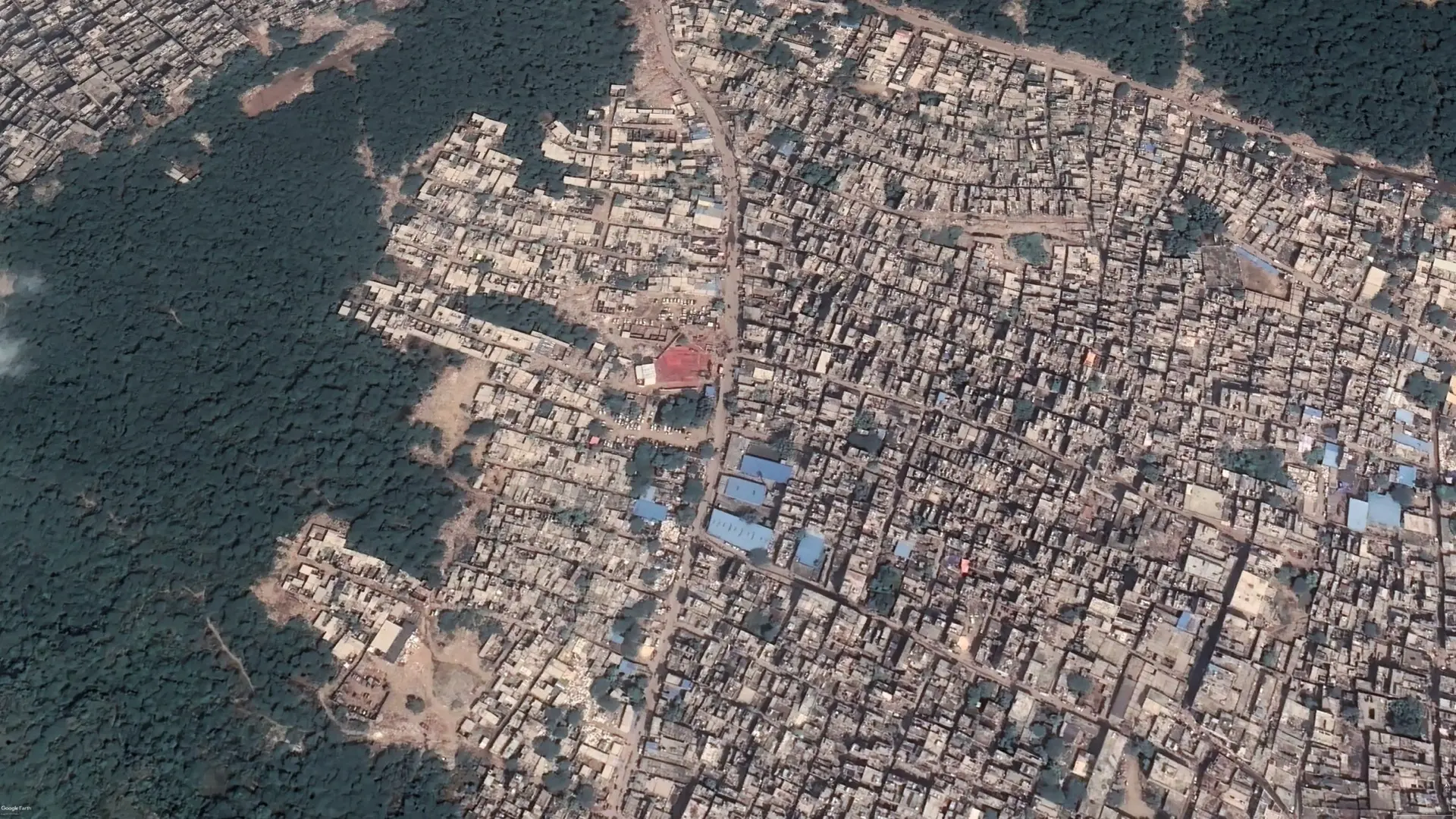
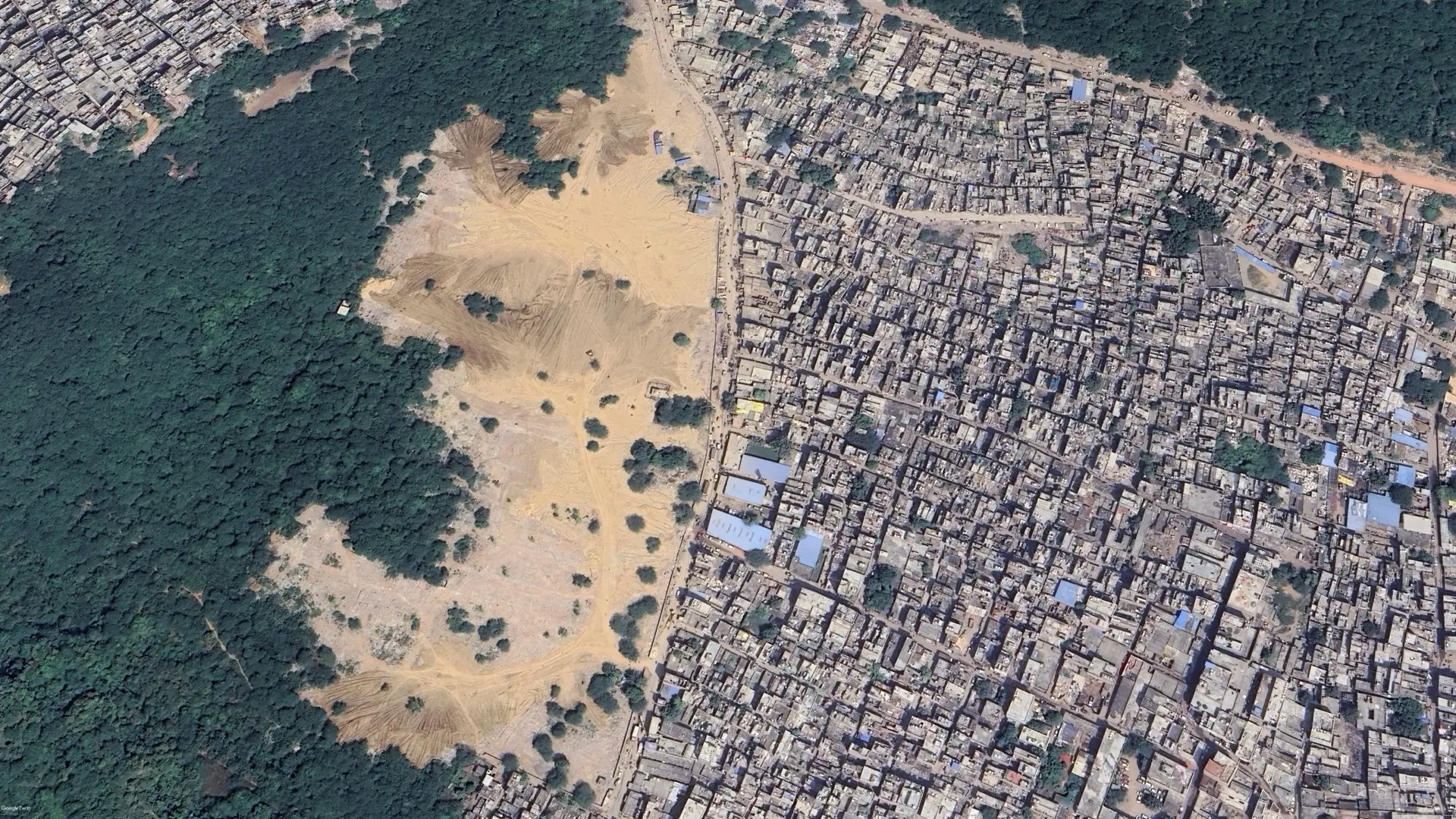
Between 30 April and 3 May 2023, over 1,000 houses were demolished and around 3,000 families evicted from the Bengali Colony, near the Tughlaqabad Fort, in Delhi. There was no resettlement or rehabilitation plan in place for the evictees. Activists and observers alleged that the drive, carried out by the Archaeological Survey of India, was conducted as part of preparations for the G20 summit hosted by India in September 2023.
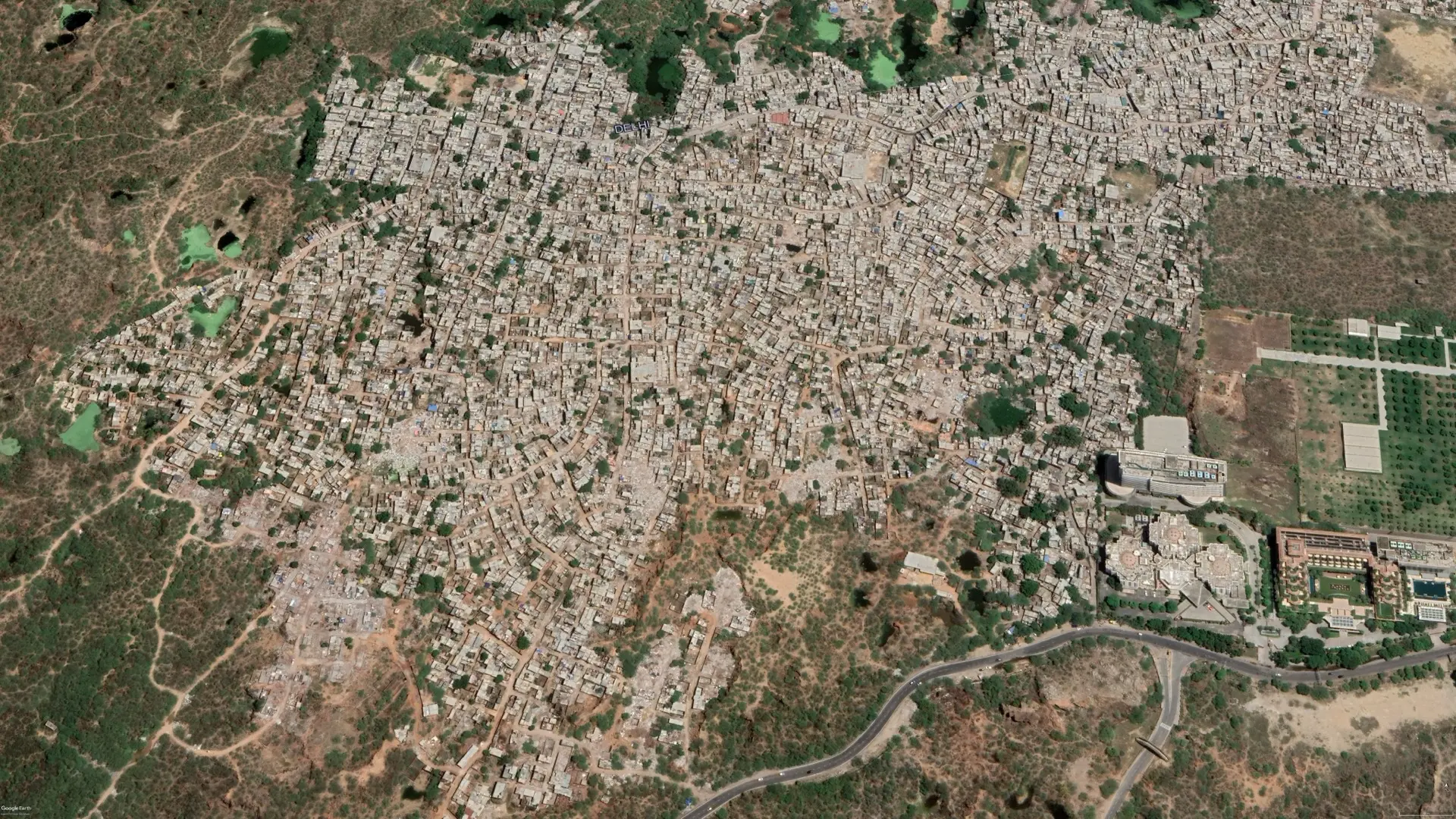
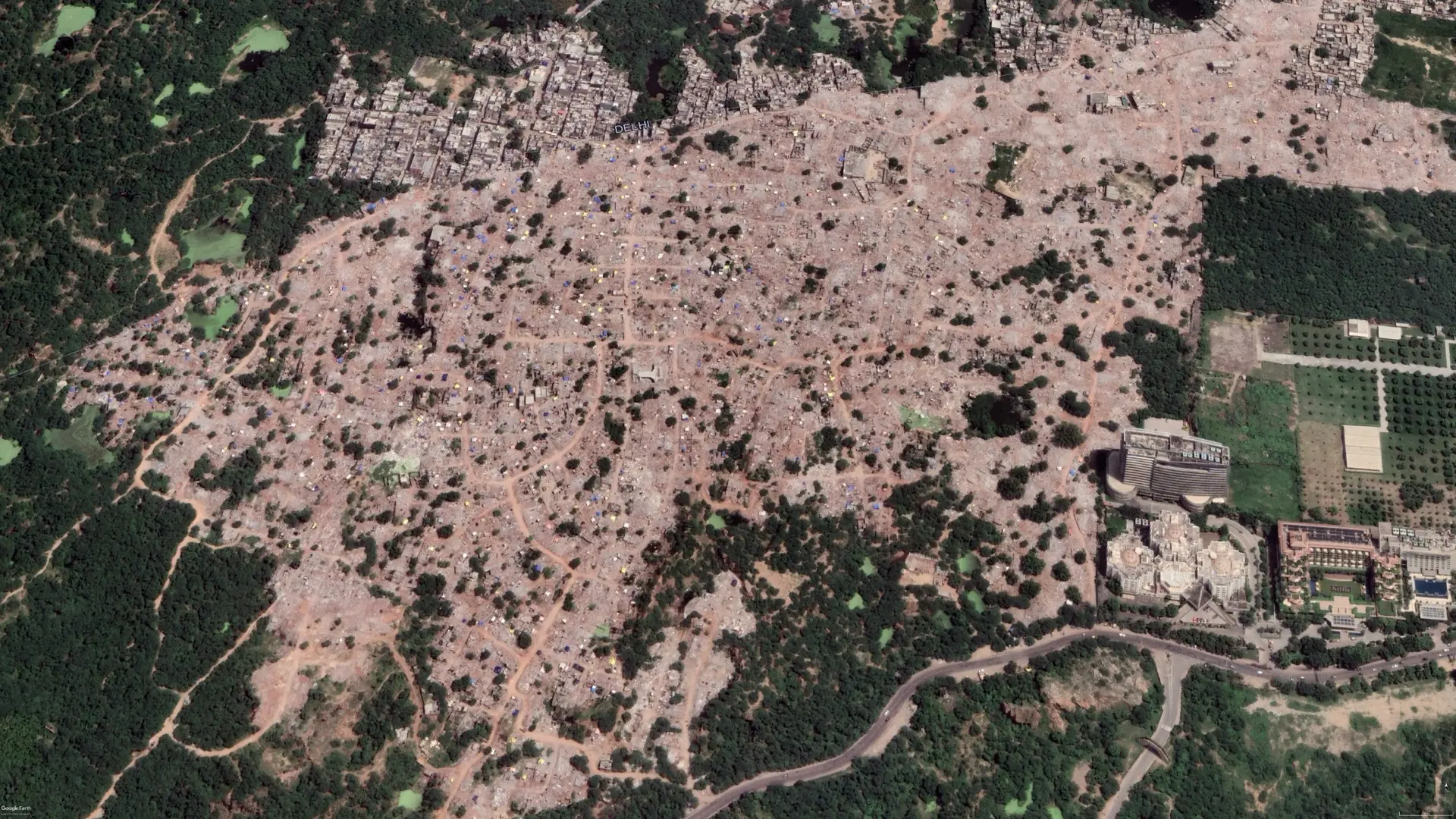
In the second week of July 2021, the Municipal Corporation of Faridabad, in Haryana, demolished over 10,000 houses in Khori Gaon. A rehabilitation policy was in place but the majority of the affected people did not benefit from it due to lack of official documentation. The evictions took place even as the National Capital Region was still reeling from the deadly second wave of the COVID-19 pandemic.
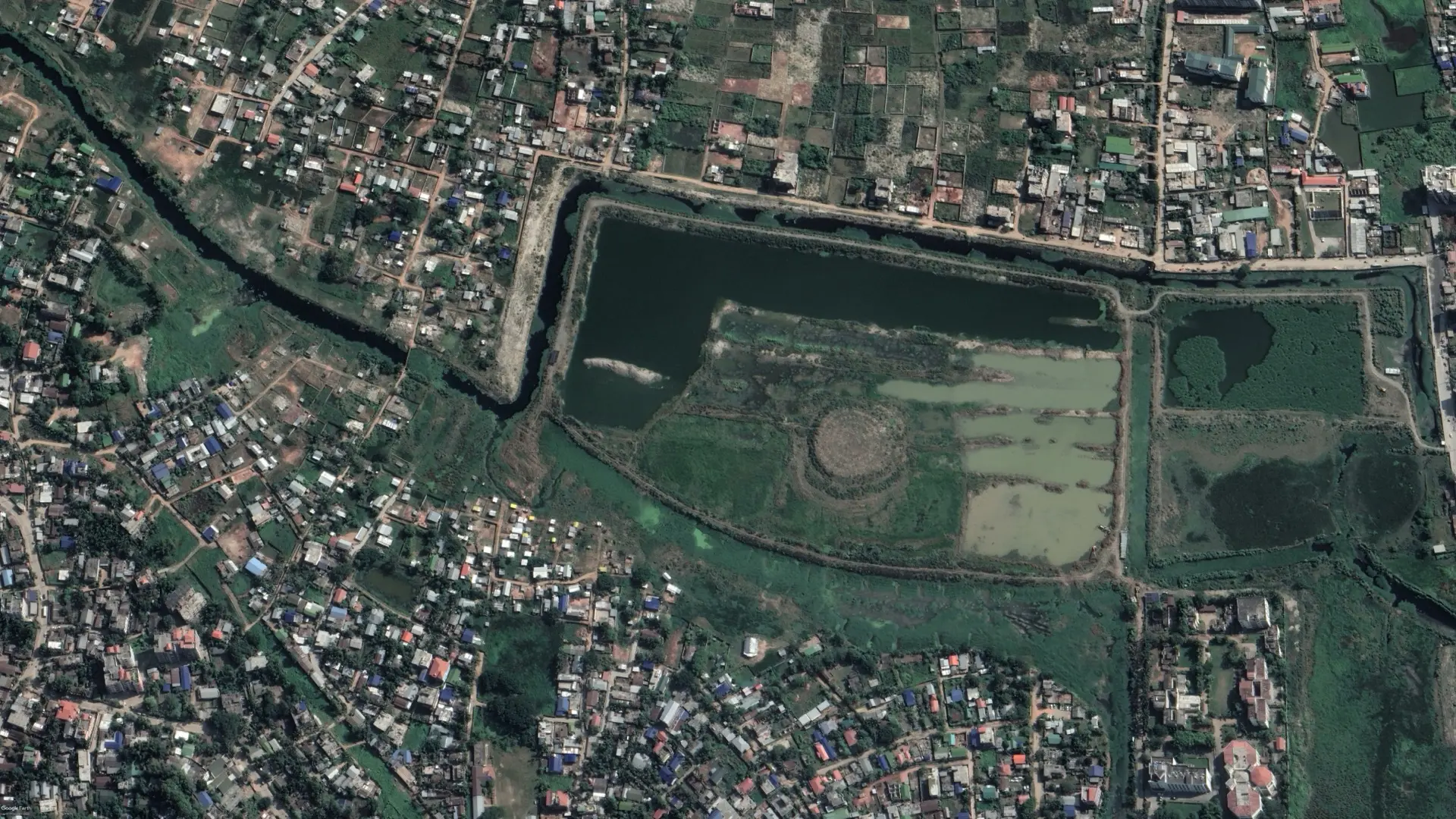
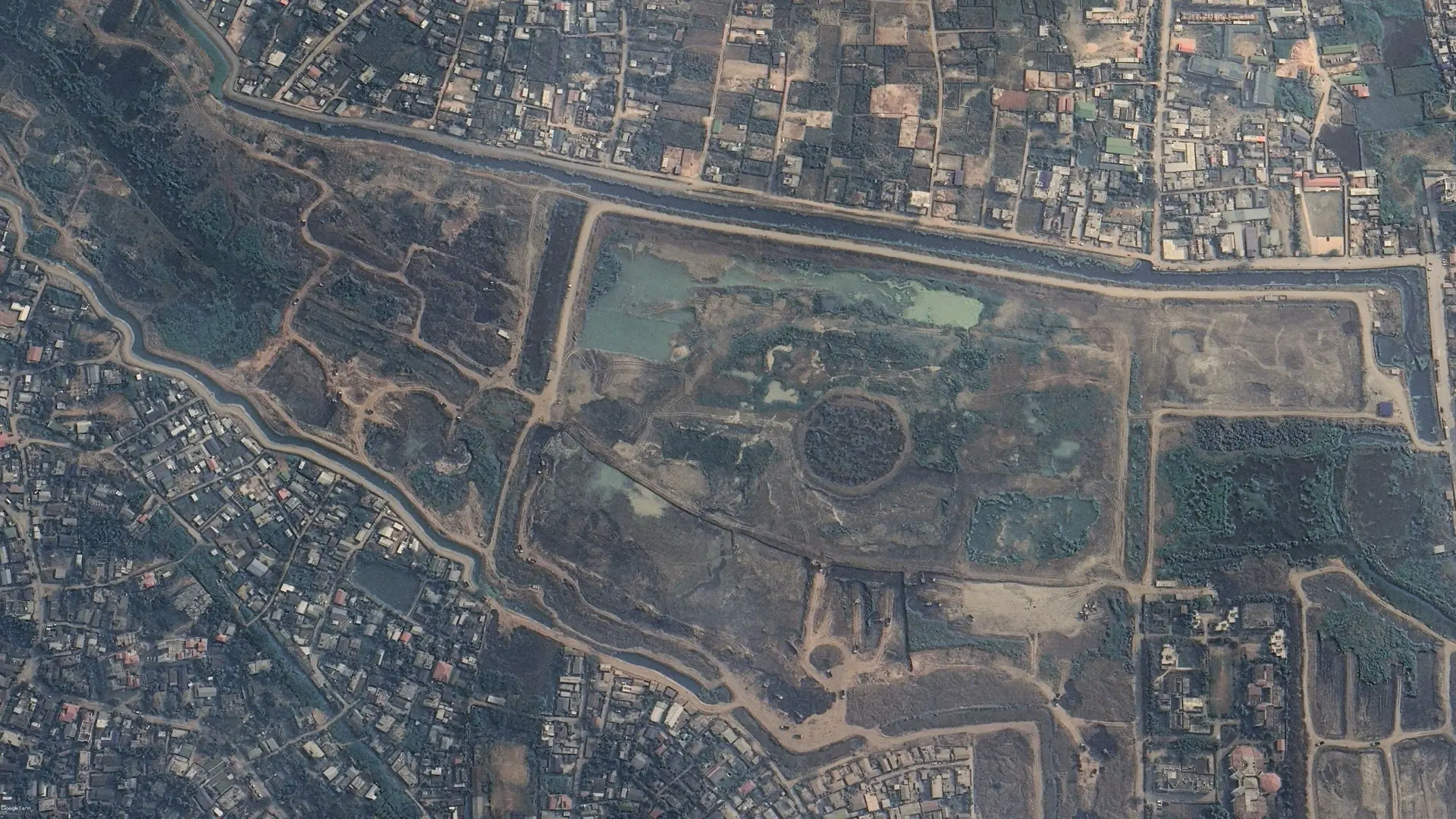
Between February and September 2023, over 900 families were evicted from the Silsako Beel wetland by the Guwahati Metropolitan Development Authority. While a compensation plan was put in place, it was inadequate and majority of the evictees remain uncompensated. Evictees alleged selective demolitions as certain structures, owned by politicians and influential businessmen, were left untouched.
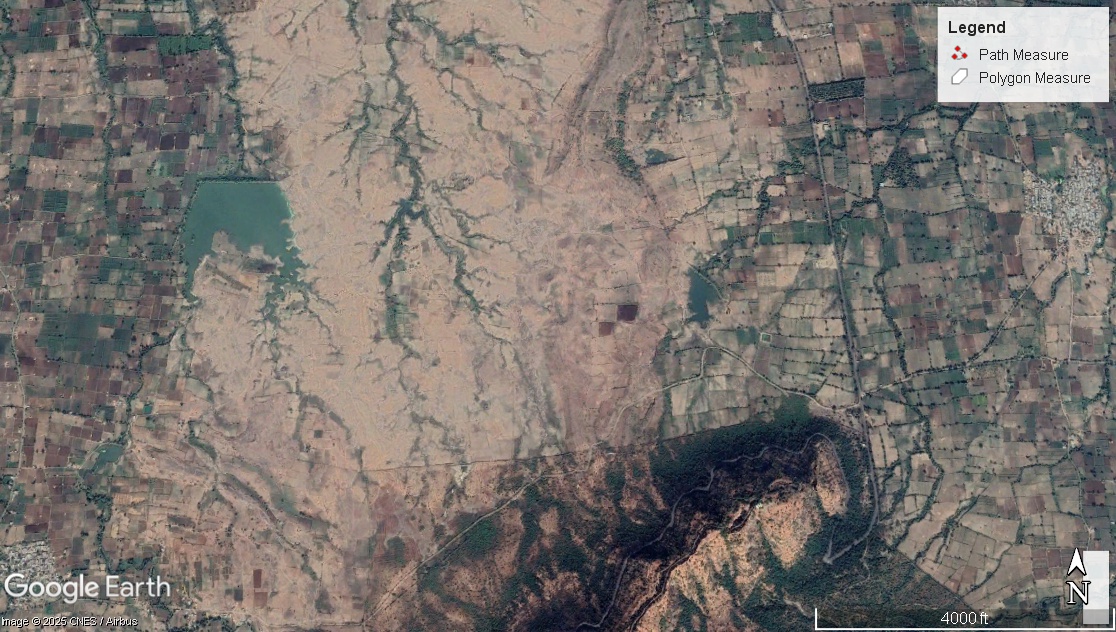
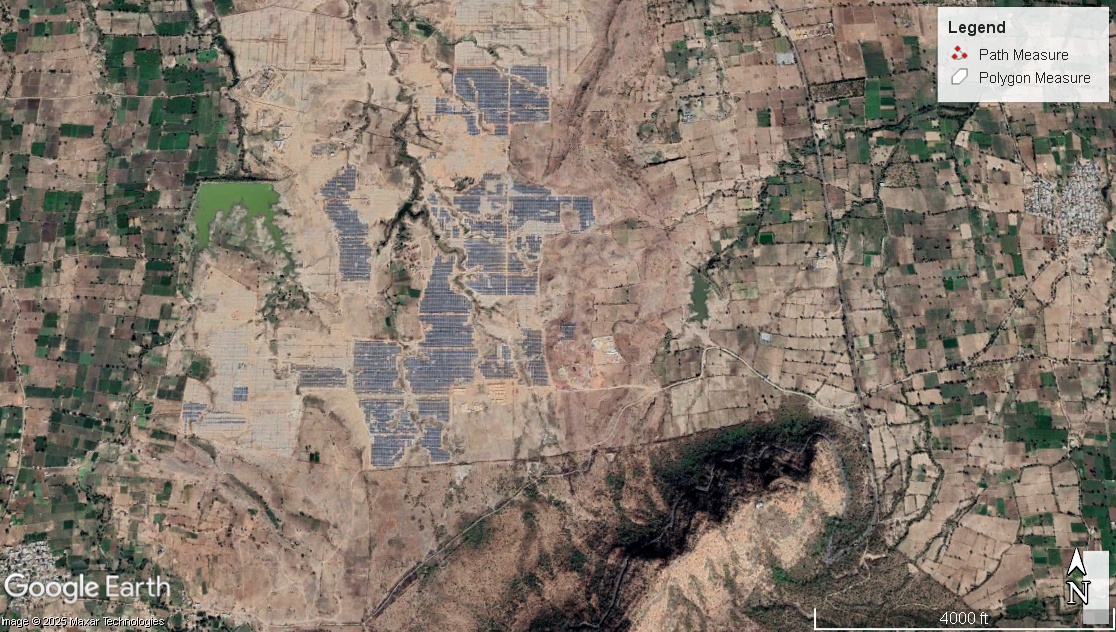
Between 2016 to 2018, 130 families lost their farmlands to solar plants spread across 1100 acres in Maharashtra’s Jalgaon. Permission was given to construct a plant outside the Autramghat Wildlife Sanctuary in February 2018. However, satellite images from January 2018 show that solar plants were already constructed - that too within the boundaries of the wildlife sanctuary!